










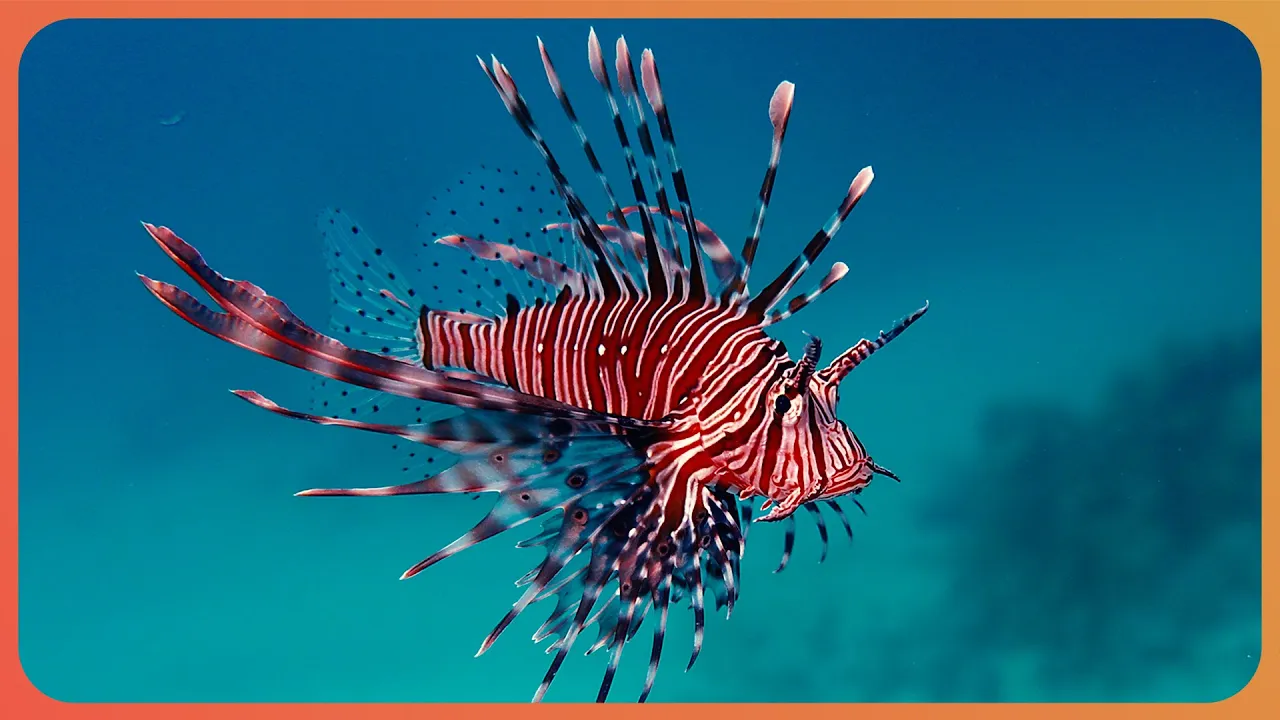

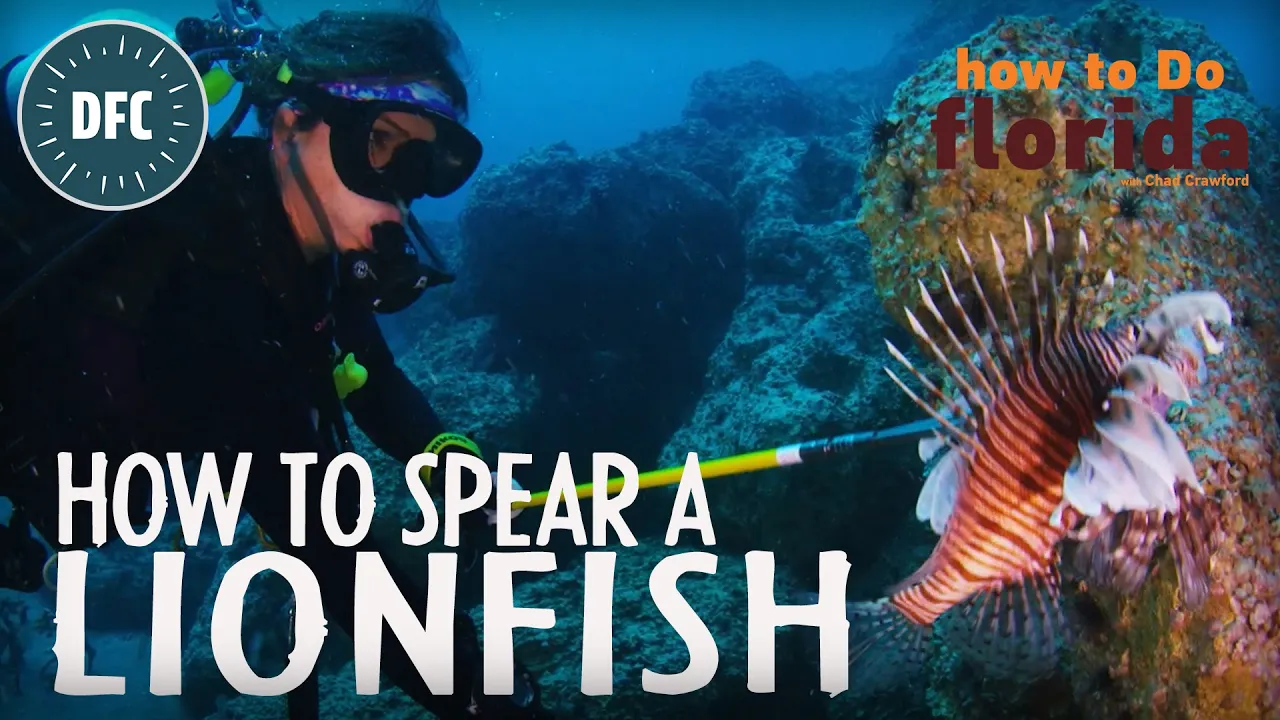


The lionfish invasion, which began in the Western Atlantic around 1985 and spread to the Caribbean, Gulf of Mexico, and Mediterranean Sea (first established in Lebanon in 2012), represents one of history's worst marine invasions; management strategies include citizen science removal efforts, commercial fisheries development, trap technology for deep-water harvesting, and awareness campaigns to promote lionfish consumption as both an ecological control measure and economic opportunity, with recent research indicating that a mysterious disease outbreak in 2017-2019 temporarily reduced lionfish populations by 75-80% in some areas before populations began rebounding.
Lionfish Invasion: Global Crisis and Control | DEMA 2020
Added:Concepts of invasive species ecology, including introduction vectors, lack of natural predators, and rapid population growth.
Fundamentals of marine food webs, trophic cascades, and the vulnerability of coral reef ecosystems to ecological disruption.
Basic principles of conservation biology, particularly the importance of biodiversity in maintaining ecosystem resilience.
An understanding of commercial fisheries management, seafood supply chains, and how market-based incentives can influence wildlife populations.
Advanced marine engineering solutions, such as the development of deep-water traps, specialized spear-fishing gear, and automated robotic harvesters.
Evaluating the statistical efficacy and ecological metrics of citizen science programs, such as community-led lionfish derbies.
International environmental policy and regional management frameworks for transboundary marine invasive species in the Atlantic and Caribbean.
Emerging genetic and biological control technologies, including gene drives and target-specific pathogens, for managing invasive aquatic populations.
240 views7likes1:43:20Original Release: 2020-12-07
[Music] good morning afternoon and evening uh everyone uh welcome to lionfish update panel uh as part of um uh virtual dema uh these updates have been a regular part of the dima annual uh conference and exhibition for a number of years um led by the reef environmental education foundation and others um lionfish universe and lionfish university uh is very pleased to be collaborating with dima to bring you the session uh this year uh although in a somewhat different format uh virtual as is the dima show overall my name is uh phil carp i'm an independent uh citizen scientist formerly with the world bank and it's my privilege to be moderating uh this session we have an all-star lineup of um experts on various aspects of lionfish biology lionfish market development and uh geared gear light uh gear testing and i'll be introducing them uh in turn um as uh they intervene um we're gonna run this session uh more as a talk show style so i'll be um bringing them in at different points during the discussion we also have some fun activities including some quizzes some polls and a raffle where we'll be awarding or giving out some really cool lionfish related prizes but the first thing we want to do is get a sense of um of who we have with us today uh right now we have 50 participants online and i hope we'll have others joining as well so we're going to go to a a a quick poll to take a look at that uh we're going to be pasting into the um the chat you'll see uh at the bottom of your screen a chat window uh with a link to go to poll everywhere uh which is where you'll be able to access the poll so please go to poll everywhere you can either do it from your browser or on your phone and let us know where you're connecting from we'll give it a little bit more time because it seems like only a few people have gotten to the poll but already i can see we have from different parts of the united states we have from mexico central america from europe all right it's great to see that we have such a nice distribution uh now that it seems that many of you are at the poll we're going to go to the next question and this is a fun one um we want to ask you to put in the first three words that come to mind when you think about lionfish they're obviously they're beautiful but also are invasive [Music] so let's see let's uh generate a word cloud of the first three words that come to mind when you think about lionfish and we'll be sharing this word cloud with everyone via email at the end of the session along with the recording dinner yummy all right well that was a lot of fun we'll leave we'll leave this poll open so if you want to go back to it and uh and put in some additional uh words so that the word cloud grows uh that'll be great but i want to move on and to introduce our first panelists we're honored to have with us tom ingram who is the president and chief executive of edema the dive equipment manufacturers association uh that sponsors this event um tom has been the president of dema since 2002 the longest-serving president of the organization and has become the face in many respects of um of the diamond diving industry in the u.s tom's service to recreational diving has been recognized with a number of awards and we're really happy to have him uh with us uh to say a few words about the dima show and dema's involvement with invasive lionfish so over to you tom thank you so much i appreciate it phil i'm going to share my screen here i hope and get us into presentation mode uh yeah so we've been very fortunate to have you all work with us over the past few years and we're extremely excited to have you here again there we go uh certainly dema show online is a little bit different than what we've uh all experienced in the past but uh very much uh glad that folks are uh taking to it and we're seeing lots and lots of uh registrations that are occurring at the show so uh you know take advantage of everything that's here uh certainly the uh dima show online makes it possible for all of us who treasure and depend on the ocean to continue our work to protect it that's a really important aspect of all of this and the only thing that will ever be normal is change so you know we we as a organization and you all taking the steps that you're taking will really lead that change now so very grateful to lionfish university lionfish universe for helping us take these steps to to reach a wide audience so great stuff there's that panel from the you know past and again very much appreciate you folks doing this but we're happy to have you these experts here to discuss this issue and i hope we can continue these discussions through this organization and with dima so that we can make sure that we've exchanged this information it's extremely critical being a florida boy born and bred i'm out in san diego now but having grown up in florida and having experienced these things uh uh as as the invasion began uh it's it's extremely heartening for me to see that there's lots of work being done so very good stuff i stole some photos from the fwc reef rangers site and you can see that there's been lots of activity with derby stuff and i'm not going to try to steal anyone's thunder here but we know that just recently there was some information posted from fwc and from the um lionfish challenge with more than 21 000 lionfish removed from the state waters over a five-month period from may 22nd to november 1st uh that that's down from 23 000 in 2019 and 28 000 and 2018 but uh we know it's still an issue uh the commission is required to submit a report to the governor and legislative leaders in the coming january so we'll be anxious to see some information from that but please take advantage of all the opportunities here at dima show online to connect engage with attendees engage with lionfish university and thank you for being here thank you thank you so much tom we know you've got a a really busy schedule so thanks for being with us and uh thanks again to dima for uh for giving us uh this opportunity i just wanted to mention uh to everyone that this session is being recorded um and that uh the recording will be shared on the lionfish universe uh university uh website after the event uh thank you onto the thanks tom i want to move on to the uh first segment uh where we're going to be looking at uh an update regarding the lionfish invasion and and biology um [Music] i imagine that most of you are familiar with um the lionfish invasion but for those who may not be uh we're going to talk a little bit about that and i want to introduce the the panelists for this part of the discussion uh we have uh alex fogg who is the marine resource coordinator for the okaloosa county florida um he's led a a major study collaborating with federal state and local governments and local businesses and shareholders throughout the region looking at lionfish life history uh alex is also a um an active uh diver and lionfish fisher many of you may have seen his uh viral videos on youtube uh which give you a sense of the magnitude of the invasion in terms of densities as well as his prowess as a lionfish slayer we also have for this segment uh dr um eileen ullmann who is based in turkey uh she is the founder of mercy marine consulting where she focuses on invasive aquatic species including puffer fish invasive lionfish and shark research and also sells handmade lionfish jewelry which we'll talk about in a few minutes and then uh finally for this segment we also have um dr holman holden harris who is a postdoctoral research associate at the nature biological station of the university of florida uh holden has been involved in lionfish research in a number of respects also uh is another lionfish slayer and we'll be hearing a little bit from holden on some of the issues of uh biology but let me turn first to alex um alex um tell us uh uh uh about the current status of the invasion and also the latest um information about origins i know there have been a lot of stories about uh where lionfish were first seen uh when uh how they got here um tell us what's uh the latest um uh research shows about the invasion in the case of the western atlantic awesome thanks phil hey everyone alex fogg cultural resource manager up here in destin fort walton beach florida um as phil kind of alluded to uh there's definitely a lot of theories about how lionfish got here so for the 79 participants that are on the call southeast florida mid-1980s 1985 that's a number you want to remember here shortly um but for some of you that don't know after we saw this major uptick since the the mid 1980s in 2018 2019 we started to see quite a decline in the population there's a lot of theories about what uh what may have been causing that and i know holden will be talking about that in just a little bit could have been related to uh potential disease could have been related to a ton of derbies that were going on or maybe a combination of both um but i think it probably has something to do with the disease and you'll see some probably pretty gnarly pictures here in a minute um but recently here in 2020 we've been monitoring the population to see if there was going to be some kind of rebound and what we've seen over the last few months is actually the number of lionfish have actually uh increased on some of the artificial reefs that we have up here in the northern gulf of mexico um and recently i was actually diving on the east coast of florida last weekend and saw more lionfish there than i had seen ever before so i don't know if that's a sign of how things are gonna progress but it'll definitely be interesting to hear and i think out in the mediterranean they're seeing some some major increases in the population as well which eileen i think we'll talk about just a little bit as well um that's really all i have right now i don't want to keep rambling but if you have any other follow-up still let me know um thanks alex and that's a good segue i want to invite aileen uh aileen tell us about the um the situation in the mediterranean i think people many of our viewers may be less aware about the invasion in the mediterranean um when did it start and what's uh the current status hi everyone okay so for a brief overview i'm just going to show you a little movie i made about the mediterranean invasion just give me one second where is my movie okay one second here um okay i will show you my movie in a few minutes um can i stop sharing a screen right now okay sorry i have can you hear me i hear you okay um i'll show you the movie uh in a few minutes after i find it but just to let you know um in 2012 there was the first established population in lebanon and then since it's just been kind of um increasing like crazy especially in the eastern mediterranean um we're kind of comparing the abundances between cyprus and turkey cyprus seems a little bit more heavily invaded than turkey but um in the past year populations have pretty much exploded over here so we have this great american team we have lionfish universe that's giving us amazing advice and we're starting um mediterranean and actually international collaborations hopefully we'll be able to control this at the beginning since we're kind of at the beginning now and we have so many great experts helping thanks alien and i'll come back to you on that uh cross regional sharing in a couple of minutes um let me ask um both of you starting with alex um what impact if any has the coronavirus uh pandemic had on populations uh is it affecting the ability to undertake removals uh what are we seeing what's the impact of the coronavirus um on the lionfish situation well it probably really depends on where you are um here in florida there really are not that many restrictions as far as coronavirus goes so the diving activity has certainly taken a hit but not nearly as as severe as maybe some of the caribbean countries that are preventing a lot of people from going there and diving and potentially removing lionfish there's still a lot of lionfish that are making it into the market but that is another issue as well because with restaurants being shut down or restaurants having limited capacity they may not be buying or selling as many lionfish as they normally would be um so you would expect to see a potential increase in the population with less pressure and that's what we've kind of seen in the last few months whether that's related to coronavirus and the lack of effort or lack of normal effort i'm not sure could be you know these fish getting used to a potential disease could be related to decreased culling um but the the chronovirus could certainly have an effect on on places where diving has decreased thanks alex to eileen's video right now phil um anthony's got that ready to get queued up here okay let's take a look at the the video on the uh spread in the mediterranean okay so you can so you can see 1991 we had one sighting in um israel and then you can see the establishment happened after 2012 um 2014 turkey got saturated the entire southern coast um 2015 hopped over to crete even tunisia southern sicily um eastern mediterranean getting more saturated 2018 um north africa is coming in and then we have the western coast of greece um so yeah it's uh it's happening really really quickly here especially the abundances they basically exploded overnight last winter so uh yeah we have to start control now great and speaking of that and starting control now um aileen tell us about what some of the efforts are uh in the mediterranean i understand there's projects going on in a number of countries are these country specific is there any kind of a regional project tell us what's being done to address the invasion in the mediterranean um as it's quite new um the only countries actively controlling the invasion right now are cyprus uh formerly lebanon unformally and israel so we have greece turkey the larger countries are a little bit harder to change the regulations to allow scuba diving spearfishing we are hopefully starting a new policy paper soon to advise governments on best practices what has worked in the caribbean with many of your team so that's exciting we have started awareness videos next we have to get them on the dinner plates uh get people used to them get get people to know that it's a wonderful delicious fish and not to be scared of the venom and the difference between venom and poison so we have a lot to do but um yeah i think i think the best as i'm an invasive species researcher i think we have to just commercialize these fish so whether it being jewelry um hopefully we plan to explore lionfish leather next year with you phil um that would be wonderful so we have many things to work on but yeah i think finding finding the proper markets right in the proper country we will in fact be talking about some of the commercialization in a few minutes uh i wanted to ask you one last question for now eileen you mentioned the learning from the experiences of the western atlantic where the invasion has been uh an issue for a longer period of time and there have been a lot of initiatives uh what are some of the differences uh in terms of the mediterranean um that need to be taken into account in terms of the applicability of the lessons from the western atlantic um yeah we have quite a few differences here um one being that we have you know so many different cultures and countries we have to consider um hopefully getting basin wide collaborations will be um is ongoing and i hope that will strengthen in the future so we can compare our data um i think one major thing is that in in turkey anyways people are not schooled in conservation whereas maybe in america or canada it's second nature that you want to protect so maybe we will need some extra marketing to you know to suggestive selling to have people want to go and help clean the reefs um so yeah a few little differences like that but we'll get her going thanks thanks elena we'll be hearing on the marketing efforts in impact in a few minutes uh and you also mentioned earlier on regulation and we'll be uh we'll be hearing from um from uh ali al-hajj a little bit later on regulations as well but i want to turn out to holden uh holden um alex mentioned the uh issue of the um uh disease uh you know a few years ago there were quite a few reports of lionfish with skin ulcerations either being harvested or cited what do we know about the cause of these ulcerations and might they represent a disease that could lead to natural control of lionfish populations yeah so the disease is something of important interest lionfish being an invasive species didn't seem for a while to really have much effect from natural diseases or parasitism so they seem to be largely uncontrolled by predators and then also native parasites and we notice this uh seem to have changed in the summer of 2017.
so beginning in august 2017 in the northern both of mexico that's up the destined for walton uh beach area where alex works we started getting reports from the commercial fishermen that we work with that high percentages of their catches uh we're we're presenting uh with these uh skin alterations so here i'll show you a picture uh here to give you a better idea go ahead and share my screen go ahead and present the slideshow so this is from an article we published uh really quickly afterwards because we wanted to get this uh information out and i'll post the link up here uh online um so these are alternative skin lesions um that in some cases uh present quite noticeably on lionfish and uh there's been some collaborative research from disease researchers at the university of florida and the florida fish and wildlife conservation commission to try to understand the ethiology of the disease so what the mechanistic driver is that's causing this disease and we have a paper for that in review unfortunately the findings are is that we couldn't determine the mechanism that caused it the epidemiology of it um appears to be a virus it's the way that it occurred and spread seems to be of disease origin but unfortunately we don't know whether it's a disease or a bacteria or a virus that's actually causing it something that we did see and study though is that we saw population level effects of the disease so to get you give you an idea i'll move here to the next slide um 2017 we saw really high densities of lionfish and i think it's better to show kind of a video of one of these really high density sites so these are some of the reefs out that we study in some of them have over 100 lionfish on it and then we returned here a year later um as part of our annual sampling and you can see there's still a lot of lionfish on this rate certainly plenty to do ecological damages but the number reduced considerably and we followed up with some wider research on this and what we estimated is that on these high density sites lionfish densities declined about 75 to 80 percent on these sites they also declined on natural reefs and these of course have important implications for the commercial fishery which we'll probably talk about more later because that's a whole segment in itself but what's also interesting is the uh some of the size structure data that uh alex and others have been working on indicated that we might see a population rebound already starting and what it appears to be is that uh population is starting to rebound already and recently the densities are returning back to the levels they were from before the disease great thanks uh thanks holden uh that's fascinating um maybe some good news from the uh perspective of biotic controls but um um and that having implications in terms of commercial fisheries and like you said we'll come back to that um but before we go on to the next uh segment where we're going to be looking in fact at um at commercial markets uh i want to uh invite uh stacy frank who's the uh co-founder of lionfish university uh to introduce the first first raffle uh stacy what do we have uh to uh to give away and um who's gonna be our lucky winner well thank you phil so much and thank you all for being here today this is a great gathering um i'd like to show you um one of our great raffle prizes and this one will be our grand prize and it is a beautiful sterling silver lionfish pendant this will be the last ruffle prize we'll give out today and this was donated by dan noor from tropical seas land shark and they make skin care and sun care products and it's just beautiful it's about an inch and a half um just a gorgeous piece so and the rules you'll need to be present to win any of the raffle prizes so what we'll ask is that within about 10 seconds if your name is is called please type your name in the chat box so that we know that you're present otherwise we'll go on and select another winner so our very first raffle prize is super special and this one is given to us from cast a wave and cast a wave is a non-profit that anthony lewis who is helping behind the scenes today with the zoom webinar has donated on behalf of his non-profit and they work to restore coral reefs by planting corals particularly in the leaves and um he has done quite a bit of work for us we really appreciate everything he's done um the first part of the donated prize from castaway is one of their bracelets that's made from lionfish fins and they use these just to sell and and make money for their coral restoration and then the other part which is the super special part is there will be some coral planted on your behalf and you will receive this beautiful certificate and also the coral will be named after anthony's father uh who just passed away unexpectedly uh last saturday at the age of 53.
so i'd like to take a moment of silence for everyone just please send uh his family healing thoughts and energy and his mother sonya i believe is watching today okay thank you everyone um and the winner of this very special uh donation is rebecca gaines rebecca if you could type in your name so we make sure you're here we have a winner yay rebecca okay awesome so you'll get your certificate and your bracelet and thank you very much all right back to them okay thanks stacy and we'll have uh other prizes to uh to uh award uh as we go on during the session but i wanted to now move on to our next segment which we've alluded to which is that of uh development of some commercial markets for lionfish and lionfish products and uh we're really uh uh it's our uh honor to have with us uh a couple of restaurant tours and uh and food entrepreneurs for this session we have uh ryan chadwick who's a serial entrepreneur a restaurateur and founder of norman's lionfish which is a wholesale lionfish business uh committed to developing a global lionfish supply chain uh it was founded in 2015 since its establishment norma's lionfish has removed over 30 000 pounds of lionfish successfully and set up a wholesale market that supplied restaurants in over 20 states and dozens of whole food locations um brian also has opened and run a number of restaurants in new york aspen and montauk he continues to dedicate a lot of his time to lionfish and also for this session we have with us nicos dumpass who is a greek marine scientist but who's also been heavily involved in promoting lionfish and other invasive products uh for consumption uh in greece um and he's uh really doing some innovative things so i wanna first um uh turn to uh ryan um ryan you've been involved for a number of years in promoting uh lionfish as a seafood item both through your restaurant and norma's lionfish uh tell us about how things are going in terms of development of the lionfish seafood market in the united states and elsewhere in the western atlantic hello everyone obviously my industry right now is being pretty decimated being in the restaurant business so a lot of my time i've had to focus last eight months to kind of survival mode for my restaurants um i'm putting everything on i put everything on hold for the lionfish kind of before cobra started just to kind of i've got seven bucks right now but i'm trying to stay afloat um but with that being said we did put a model in place with norman's lionfish we started it out um had great relationships with divers down in florida we're able to move a thousand pounds a few years and um we had just started reaching out to belize uh just to look at that market and uh met with a lot of local fishermen down there and and wanted to set up an international uh distribution network and again things kind of happened with covid so we put that on on standby at the moment but i'd like to get that back going soon hopefully in the next next six months next quarter thanks ryan i'm going to come back to you in a minute but let me um let me turn to nicos nicos you've been mainly involved in development of the market for invasives including lionfish in greece and have been using some innovative ways of doing that tell us about uh what's going on uh in promoting lionfish seafood in greece hello everyone it's my pleasure being here and let me screen share my review okay so um on ic we tried to promote uh okay when i see we started the project that it's called pick the alien uh the last year and it's founded from a class preservation fund and ionian environment foundation and we are trying to promote the consumption of edible species as a mitigation measure life is one of the most popular invasive species and we also try to make informative material for the public in order to understand and to know which invasive species are in greece you can here see a poster that we have created now the project aims to inform all the stakeholders which is the fishers the chefs the restaurant owners and the consumers that they can eat the edible alien species and by eating this they can also help to mitigate the problem and everyone from their position they can help mitigating also the expansion of special from a lionfish the project through the project we have visited the onion islands and kiklas islands and we try to promote the consumption of edible species with a food truck the it's called food cartel and we're trying to promote it with a way that more and more people can try to eat alien species invasive alien species and edible alien species so we try to make it like a street food and also we try to inform the restaurant owners and the chefs because fishermen already cut these pieces but that if there is no the market for this species they cannot sell them so informing the restaurant owners and the chefs that this piece are edible and you have positive and you give positive effects to the environment but you also have economical benefits by promoting these species they can also help mitigate the problem so we can hear see some examples from restaurants that followed the project and tries to promote the consumption of edible species and here are our tries from an ebook recipe ebook that we have prepared the in order to promote the consumption in three languages english greek and arabic and here you can see some example of the food that they have been tasting all the consumers the chefs and the restaurant owners in order to understand that these pieces are tasty understand that this species needs to be mitigated and through the gastronomy sector we can have a really good example and really good results in the mitigation of the problem this is it great thanks um it's welcomely fascinating and i love the idea of the food truck uh maybe something we ought to try some of some of the places uh uh elsewhere why not we can learn from uh from the mediterranean experience in the same way that you guys are learning from us um i want to ask both of you uh maybe ryan first and then nicos what do you see uh as the biggest constraints to the development of seafood market for lionfish is it the supply is it demand or is it both uh how about you ryan what do you see as the biggest constraint uh in our part of the world um the biggest constraint i would say is supply demand is definitely there we we get probably six or seven requests a week the lionfish it's just um getting consistent supply and you know certain customers certain clients want the fish to be a certain size right and you're going to tell divers that that we can't take anything under two or four inches that that doesn't make any sense the whole idea is to eradicate the lionfish so our you know our issue is obviously divers can go only go out certain times um i think traps will definitely be a game changer for our our supply problems that we have and i know alex and uh working on these solutions now and i think once that that's kind of flushed out we'll have uh more consistency and then you know more supply and that's what we really that's that was my biggest problem demand is definitely there 100 great thanks uh before i go to nicos uh on demand um you know a few years back um uh monterey bay aquarium seafood watch um designated invasive lionfish as a best choice from your perspective for awareness has that had much of an impact in terms of the boost in demand or was the demand pretty much growing already that helped tremendously we noticed a big spike in demand after that so that that was that was a great push um and you know much appreciated but it's hard too when you have all these requests for it and you have the supply challenges you're promising um you know say it's landry's or a big um a big buyer i can't get it constantly so kind of hard you know you have to make a decision whether or not you want to take on these big customers and then all of a sudden they're upset if they can't get it thanks yeah so perhaps a good lesson for mediterranean and elsewhere is that uh need to get the supply uh side in in place before you do too much to try to boost demand how about in in the case of greece and your understanding or knowledge about the rest of the mediterranean ecos uh what are the main constraints to developing the market for lionfish as a seafood item i think at first that it is the supply of this species especially of lionfish fishermen has already told the cats and species but because there is not the market they cannot sell them on the other hand it's that there is no demand for these species because the consumers and the restaurants are not aware that these species are edible or even they are afraid to eat these species especially in mediterranean we have many invading species that some of them are even dangerous for example the puffer fish that it's toxic so someone could say that from the noise that the puffer fist has done first all the rest species um the people are afraid to eat them even if it's edible so it is a great need to educate the people which species are not edible and which species are edible in order to understand that we have to act for every species great yeah important point um in fact some of the uh some of the countries in the caribbean had a similar situation where you know lionfish were sort of vilified at the beginning uh because they wanted to have people aware of the threat they posed and that then constrained the ability to promote them as a a seafood item but the idea the aspect of certification perhaps may be something that could be looked at in greece and and elsewhere uh as a way of boosting demand uh the other you know the other um uh sort of commercialization opportunity that's been alluded to and we saw in a few of the um of the slides already is that of jewelry and handicrafts so what i'm going to do is quickly share my screen um because i want to give you a uh a quick um overview of the um situation with respect to um uh jewelry you know many of you may be aware that um that you know lionfish bins and spines can be dried and preserved in a variety of shapes and colors and this really results in an attractive material for jewelry and you can make a variety of items from lions or spines and from fins and tails and some artists are even using other parts of the fish such as the operculum or the area behind the gills uh as well as the pectoral fins and making other items besides jewelry such as christmas tree ornaments and uh um hair sterilizers stylizers and hat feathers and the like and also mixing lionfish parts with other materials such as coconut shell and coconut husk and even items such as bottle caps around the at least the western atlantic there's clusters of production in belize and colombia curacao grenada simpsons and other grenadine as well as well as individual artists in aruba the bahamas bermuda and elsewhere and it's really cool to hear that uh production has already started in cyprus and in turkey eileen showed i think in one of her slides some of the really cool stuff that she's making this is on etsy which is an online platform i encourage you to take a look there there's a number of sellers and the thing i want to emphasize really quickly is that while lionfish jewelry is cool it also actually is helping to contribute to management of the invasion by potentially boosting the incentives to fishers to remove lionfish because fishermen actually buy sorry artists actually buy the fins and spines from fishermen and this can raise the land of value considerably but also has important livelihood benefits for the artists involved particularly if they're you know women in in fishing communities um where um um the take of other commercial species is being constrained by lionfish it also has benefits in terms of empowerment for these women and acquisition of new business skills and the likes so i encourage you if you are aware of artists in your area uh there's links online to this universe and other work uh to support these uh innovative women who are uh contributing uh to the fight against lionfish through their art so i'm gonna stop sharing my screen and um um i think going to go back to stacy for the uh the next um the next raffle uh what do we have up this time stacy well and speaking of jewelry made from invasive lionfish that is what our next raffle prize is and this was contributed by dr eileen allman who you just heard speak a little bit ago about the lionfish invasion in the mediterranean and these are handmade they're beautiful earrings with shells and a bracelet that goes with it and uh thank you dr allman for that contribution and the lucky recipient of that is mary jones and mary if you are here type your name in the chat box and then also i'm typing in uh the email for lionfish university for the winners and please send us your your name your email address mailing address and what the item was that you had won so do we have mary no winner no winner yet no mary jones that's okay there she is okay yay mary okay and i will type in again uh the address for anyone that wins uh how to uh get your your prize so thank you we'll go back to the panel and speaking of typing in there's some really nice discussion going on in the chat window so i encourage you to go on in there introduce yourself and uh comment because when we uh when we share the recording uh you'll also be able to uh either will share or you'll be able to see a transcript of the chat where there's some interesting conversations going on there so i want to go on to our next segment um ryan alluded to traps because he mentioned that one of the big constraints to the development of the seafood market is reliable supply uh partly because of the numbers and partly because much of the removals is limited to a recreational or um or commercial diving depths uh so we are really honored to have uh dr steve giddings uh with us for this segment along with um ally condomo from uh uh from from reef um dr giddings is the chief scientist of the um uh national marine center sanctuaries uh administered by noah in the u.s he's been involved uh in various aspects of marine conservation for quite some time uh really is uh um in many respects uh one of the most knowledgeable people about this invasion and steve has uh really been a driver in the work to develop a lionfish trap uh steve tell us about the uh the designs and um how the designs are looking to address some of the concerns about traps in general as a way of harvesting fish yeah well thanks phil i appreciate that um first of all kudos to all the people out there who are working on all these different aspects jewelry chefs uh regulators all the people that are making things happen around the world and where lionfish invasion has happened and um you know the whole trap thing evolved because there's so much area in deep water that is not being hammered by spear fishermen spear fishermen are great at taking lionfish out down to 100 plus feet but between 150 and three or four or 500 feet traps are the thing uh to be looking forward to i think and um so we've been trying to develop these traps now for a few years and we've gone from preliminary sort of box looking traps all had the same basic design where they're called non-containment traps because they they don't hold the fish when the fish come to the device that they're attracted to but lionfish do come to structure so they've all been able to just attract the lionfish and then only catch the lionfish the moment the traps are full pulled so we call them non-containment traps because they don't really bother a bunch of other species and trap them as soon as they show up so we really get low bycatch with these traps and that's been one of our objectives all along not to get a bunch of species we don't want and um the latest of the designs uh is something to that we call a purse trap design and holden's done some testing on them i've done testing and a number of different people have tried them in different settings but they're basically foldable traps they fold in half which allows them to be stacked nicely like pancakes on a fishing boat so we can carry a lot of traps all at once and you can shape them a number of different ways here's a frame design that has straight sides very easy to bend it's just made out of rebar and it's called the purse trap because it ends up looking like a little change purse when it's closed but in a big version about six feet across and so when they're on the bottom they just lay flat and lionfish are attracted to these central structures these uh lattice pieces of plastic that we put in the center of the traps and um turns out most other species aren't nearly as attracted to these as lionfish are so we get a lot of lionfish and very few else and so we're working on different aspects of this design to ensure that the traps hit the bottom nicely and that when they hit the bottom they open cleanly and and then they don't lean off to one side too much and tip over and not open so we're trying to refine the designs and we really are at a point where we need professional help now we've done all the scientific testing on the traps knowing they function well but now it's up to professional fishermen to take it to that next step and make sure they can fish them in a professional setting in multiples many many traps being fished at once and if that works then we're really on to something that can meet the demands that ryan talked about and that other people know is out there the demand is there it's the supply but we also know there are a lot of fish in deep water and this is a little quick image of deep water lionfish showing um just how just how many deep water lionfish there can be and this is about 300 foot deep shot so we're trying to refine these these things as much as possible keep them inexpensive keep them mechanical so we don't really have electronics to worry about that kind of thing and they'll stay cheap that way just to make sure fishermen will be attracted to using them thanks steve really fascinating uh and you mentioned about commercial testing i actually want to now bring in dr ali kondelmo who is a reef's conservation science manager she joined the reef team in 2018 and brings a wealth of experience to the organization she's studied the population dynamics and management strategies for lionfish in the cayman islands and florida and turks and caicos working with local stakeholders and allie reef is going to be actually organizing some testing of uh the guinness lionfish trap with commercial fishermen tell us about these efforts what depths what topographies how many fissures going to be involved and when we can expect to see some results um of this testing over to you ali thanks phil i'm going to turn off my video just to help with audio uploads my wi-fi is pretty poor where i am um and thanks for the intro steve to the trap so yeah um in the florida keys bycatch data from lobster traps is uh as well as ongoing research by florida fish and wildlife has shown that these lobster traps are capable of capturing sometimes large numbers of lionfish in the deep reef habitats depending on the deployment strategy and the location so we submitted a grant through noaa's salt and salt kennedy program and we've been funded for a two-year study that began in october of 2020 to test the efficacy of these non-containment getting straps in the florida keys with using lobster fishermen to you know and their expertise to help um fish these traps our ultimate goal is to use their experience and expertise to finalize the design and the deployment strategy and their operational strategy of the trap to make sure that it can fish successfully in deep water habitats in the keys with high currents and able to hit targets you know the site locations that we want to capture and so once that design is ultimately finalized which will be sort of the first phase first half of the project then we'll use both the lobster fisher's knowledge as well as a team at fwc is running rov surveys and deepwater habitats in the keys and so we'll use both of those um all of that information to target high density lionfish locations in the deep habitats um and determine if the trap is actually efficient at capturing lionfish we'll be attaching time-lapse cameras and also using the rov to look at both lionfish behavior the densities where we drop the traps um habituation on the traps and then removal efficiency and so ultimately hopefully determining the best soak time for the traps the best time of day to pick them up and how far from a source population they can be deployed and still be effective so with this project we'll be working with the lobster fishermen um hopefully upwards of five and that some at towards the end we'll have the traps out on their boats and then um local spearfishers for the information as well as fwc and scientists including steve giddings uh holden harris alex fogg who are all here on the call so that's great and so kind of using all of our info to get these traps in the water in the keys and see how effective they can be where we know there's high densities of lionfish in deep waters and we're also incorporating a local virtual outreach component to the um project so through both reefs outreach and media team and with lionfish university's help we'll be disseminating our findings through regional stakeholders and then also promoting the effectiveness of traps at our derbies and local events great thanks ali and i'm going to come back to you a little bit later on the awareness aspect as well as on derbies uh but you know both you and uh and uh dr giddings have mentioned the um importance of traps in in terms of uh developing a uh uh commercial lionfish fishery um alec i want to go back to a holden holden uh a part of your phd research in fact looked at the development of a commercial fishery for lionfish in florida tell us about some of the key findings and um to what extent does this um you know inclusion of a additional type of gear for removals uh impact on that potential for uh commercial market development and thank you phil so we've seen is that in some areas of the lionfish invaded range these fisheries have developed some of them are recreational fishery um and those have largely been encouraged by these derbies and tournaments and we see these can have a really large effect and can improve the what we see in the ecology in terms of the number of lionfish that we see on reefs and then in some areas we've seen evidence that this has positive effects in native fish species in some of these areas the lionfish densities have been high enough to really support a commercial fishery uh mostly we've seen this in the subtropical regions where lionfish uh have invaded so in the northeast uh part of florida off north carolina and then um with the highest densities reported in the northern gulf of mexico particularly on artificial leaves so these are some of the reefs like we showed earlier where you have over 100 lionfish on these small artificial wheat modules like a small chicken coop when you have that many lionfish in one area a spearfishers can go down and effectively harvest a lot of lionfish in a really short amount of time and so some of the big players in the market like whole foods and health burns have come in and really started to stabilize the supply chain it's interesting in a lot of areas the demand for lionfish has increased where people want lionfish but the problem is they can't find lionfish and the problem here is any producers of that so you need fishermen to go out and go out and harvest lionfish and so a lot of that has to do with the economics of the fishery you have to have price high enough you have to have catchphrasing and effort high enough where it can be efficient for fishermen to make money on this what's interesting is now we have a paradox though because we want to create a sustainable fishery for people to go out and harvest lionfish commercial lakes so they can you know have a livelihood make money from it but if you're successful in developing that fishery to the point where you're now over fishing the species now it starts to actually become less economical so we've done some work on the uh economics of this and so there's a couple of key things that can help um there's marketing that increases the price of lionfish and that's getting people interested in lionfish um the derbies outreach events that fwc does that jessica's a part of even events like this in demo really helps to raise the awareness of lionfish and raise the price of lionfish up there's also some considerations of public support so these are subsidies that you could justify that you're using basically taxpayer dollars to help increase the price of lionfish because of the positive effects that you see in the ecology and that you also see on other commercially important species like snappers and groupers that lionfish affect and then there's also um novel ideas like value-added products so the ideas like working on jewelry that i know you and the world bank has worked on to increase that price of lionfish can be really important thanks holden um fascinating stuff and um i hope that we'll be hearing more and uh you know in in future and future updates about the market development and as you point out it's a little bit of a uh of a paradox when we're talking about uh developing a market a sustainable market for an invasive species yeah it's a really tricky thing but i think the work that everyone's doing here in different ways helps you kind of navigate that paradox yeah and exactly and in fact um you know we've talked about the fact that there's quite a number of different types of stakeholders involved uh here we have this uh um this session is organized by lionfish university uh which is an awareness raising uh ngo we've got reef involved and others um in particular a number of these are uh citizen science organizations how important is the involvement of these types of organizations in the effort and what do we know about the nature of the citizen science involvement in managing invasive lionfish so i think they've been it's been absolutely critical from day one is the work that divers have been doing and a lot of this you see these in these dive booths on a lot of the different areas of the caribbean um groups that people that have been diving together now get together and say you know we're now seeing lionfish on our reefs they've started doing research knowing that hearing the lionfish are causing damages to the ecology of their reefs we said we're going to go do something about it we're going to start removing lionfish from these reefs and in a lot of areas they've really worked with the scientists where we'd say like well we can't do formal stock assessments on lionfish like we do for snappers and bloopers and other species they're very intense event is really expensive and we're not trying to actually protect lionfish um so to understand the population dynamics the ecology of the system um what we rely on is the fish that are being brought out of the water by the scuba divers in you know the relationships they've had with scientists throughout the region this has kind of developed independently and it's been absolutely critical for the science and the understanding that we have from lionfish has really relied on these this network of scuba divers throughout the invaded range great thanks and i want to uh maybe abuse my role as moderator to put in a plug for a study that um that holden and alex and a few other uh researchers and i are going to be doing uh actually on this question of the use of citizen science uh in management of invasive lionfish so um around april or may uh we'll uh be able to share the results of of that uh study uh but speaking of involvement of everyone uh of many different types of groups we want to go on to our next poll question to get a sense of how people are involved so let me ask anthony to give us our next poll question um and you can choose all that apply here what is your current or past involvement uh in dealing with uh the lionfish invasion so it looks like a lot of people have been involved in removals taking advantage of the opportunity to uh consume lionfish which are delicious although malicious we have a number of people who've been involved in research and a lot in awareness raising and i hope for those of you who've been involved in awareness raising uh that this update and the uh other updates that have been provided uh by edema during their shows will help you uh with that so great nice to see uh so much degree of uh involvement um what we're going to do now to award the next couple of prizes is we have uh a couple of quizzes um alex alluded to this when he talked about the history of the invasion in the western atlantic so we have two quiz questions um typing your answer to the chat box and um our moderators behind the scenes will determine who gets the correct answer first so the first question is when were lionfish first sighted in the western atlantic and where oh look at those answers coming in it looks like harden was the first one to get uh nope i'm sorry debbie miller martha miller debbie miller hold on they came in fast tom spark i'm smart tom exactly first one is he allowed to win he didn't put the date ah well the question was what year the question was what year where so uh we didn't specify the date um so i'm gonna call tom spark as our winner for getting 1995 in there right so uh tom spark what is what did he win stacey and tom spark has won a shirt and some stickers and also if i can turn my computer enough here um a pendant made from lionfish fins from salty spines and this was donated from alexa who has started salty spines to educate divers who are interested in learning how to spear lionfish and learn about what's involved in it and she teaches a court a patty certified course down in miami and then she's also started organizing some small derbies which are pretty effective right now considering the limitations with the covid restrictions in some areas although i guess florida not as much as some others but um anyway you can look at salty spines and see what all she is doing but it's a nice nice derby if you're interested in that sort of thing in that area great thanks stacey and now we're going to go to our second quiz question which is basically the same question but for the mediterranean uh what year were lionfish first sighted in the mediterranean and where eileen you need to help on this looks like roberta no or who is that i saw a 1991 israel but eileen is it 91 or is it 92 91 i believe 91. okay so who was the first one with 91 israel jim i'm looking they're coming in way fast it looks like uh sierra sierra j okay okay well congratulations sierra j you've won a really cool prize donated by nautical passions and these are they're fantastic it's a rash guard and very soft spf 50 and this particular one is a lionfish university version they're lionfish eliminator rashguard so um what we'll have you do though well i know how to get ahold of tom but um with with uh sierra just i'll put in our email address and you can let us know what size in this particular one will be you'll be able to choose the size that you would like and let us know your email address and mail-in address so i'll type that in here congratulations sierra great thanks so much stacy um now i want to go on to the next segment of our session where we're going to talk about awareness raising and some of the regulatory issues and what's being done really to make people aware but also to facilitate um the uh removal of lionfish and address the invasion in both regions and we have um a couple of additional great panelists for this segment we have scott canelo who has experienced both in the diving and aquatics area but also in technology which has led him to a interesting role now in supporting efforts to reduce invasive lionfish populations through use of technology scott has been scuba diving since 1979 and started writing software in the early 80s and since then he has been involved in a number of initiatives to combine those two aspects he's now the ceo of lionfish central where he's providing technology services to non-profits and for-profit businesses who are working to eradicate invasive lionfish um scott one of the things you've been doing has been development of a interesting app to monitor lionfish sightings around the world tell us about this and how people can sign up and about the number of current users thanks phil so you know when we started looking at the lionfish community as a whole we found gaps between businesses and non-profits and divers we thought the best way to connect them would be through an app been apps out there before and there's still some apps out there but we took a different approach we approached it from the diver side like what did divers want to use for an app and in doing so we're collecting great data that divers want to produce and keep in their own dive log and that type of thing so we have a there's three ways you can get onto it one is through a website um lanefishpatrol.com has all the information right there and you can log in online or you can use a tablet to log in online and the other ways are through apps currently the android app is live and we're putting the finishing touches on the iphone version which should be out i would hope by december 1st and at that point we'll start really producing a lot of marketing for it and get divers involved so currently you know this is we're still kind of in the test phase of this it's only been about four or five months from idea to actually bringing it to market and we've got about two dozen divers from the mediterranean curacao aruba antigua the gulf you know all over and you know we've collected close to two thousand lionfish uh catches out of those two dozen divers in the last uh two and a half months um we're getting some great data from it and you know we can um you know you can see can you see my screen here so these are some of the different charts we can do we can do global data on a monthly basis or rolling 12 months average we can see which countries are having the biggest issues we can track all sorts of things from that so you know by by taking this and taking all the data uh we can then create all these different um reports so as far as citizen scientists are involved if you're a diver and you want to work with a non-profit you can go on the app and see what the nonprofit is doing or if you're a diver and you want to deal with some businesses in your area you can do that or if you're a business and you want to talk to some divers for that area to get more fins or some fish for your restaurant you can use the app and log in and find them so the app is basically a social media app where when a diver puts their information in there it goes to our database and they keep a dialogue of all their catches and then we can take the information and start graphing and charting from them thanks that's really cool scott um besides your uh really this is really interesting app and really starting to catch on uh what other interesting uses have you seen of technology to manage the invasion either in terms of apps or uh mechanical devices uh how is the iit industry uh helping to support this effort you know we talked with a lot of students from universities right for some scripts out in la jolla to georgia tech and all over boston college um and they're all trying to find some of these like students that is uh environmentalists that want to try to do something for the environment um and we we encourage them to find the gaps in the community that need help and i haven't really noticed a lot of high-tech stuff um but you know we produce websites for companies we do advertising for companies for you know non-profits and we want to take this app and adapt it to let's say the trap right so that we can track information from there we want to take this app and adapt it to different countries right now we're working with kurosawa and aruba because they don't really count fish they take measurements so we want to add that feature to those countries so when you log in while you're catching there you have to answer those additional questions so this app will evolve to the entire industry however it's needed and and hopefully be on the forefront to help you know produce more technology for for this industry cool thanks i want to switch gears a little bit now um uh to talk about some of the regulatory issues and this was alluded to um i think by nicos and dr uman in their presentations uh and to touch on that i want to introduce ali el hajj um who is a founder of a company based in sarasota that has developed zookeeper which was the first puncture resistant containment device to hold venomous lionfish once they're speared by divers he's also been involved in helping to promote the removal of lionfish in various jurisdictions ali one of the important steps that's been taken in various countries to address the lionfish invasion is modification of laws rules and regulations to encourage divers or fishermen to remove lionfish tell us about some of the types of regulatory changes that have been enacted and the strategies have been used to get these changes through so hello everybody and thanks for joining us today um so a lot of the regulations have not changed throughout the world the main regulation would be the the ability to spear fish while on scuba which is the easiest way to remove um large amounts of lionfish in the waters what we do see happening is um governments will kind of like look through the fingers and allow for lionfish removals with the use of a pole sphere while on scuba um the laws that a lot of countries have those laws that don't allow scuba diving and spearfishing um to change them would take an act of parliament which takes a lot of time so one of the things that we've i've done in the past is instead of working with the elected official i went to the civil servant so in other words a federal prosecutor who's going to uphold that law and explain to him the situation it also helps that the federal prosecutor is a scuba diver and understands what he's seeing while he's scuba diving um and a simple uh press release was all it took to get all the dive community to start hunting lionfish um a press release that says the law will be upholded to the full extent of it if you are caught with anything other than lionfish so that's a big step forward while while the elected officials work on the addendum or the changing of the law to include removal of invasive species thanks ali yeah so important point there that uh often it's uh administrative regulations or um or prosecutorial uh announcements that can actually um be as important as any change in laws or formal regulations um you know one of the concerns that is often raised with respect to relaxation relaxation of gear restrictions to encourage removal of lionfish and other invasive species is the potential that this might be abused and result in removals of other species particularly those that may be endangered or protected what would you say to governments or others who express um such concerns so so that has a lot to do with the lack of enforcement um in areas where there are laws that don't allow spear fishing um so it's it's hard for them to change the law or to allow spear fishing because of the fear of poaching of other fish other than lionfish and it's it's totally understandable um in areas that i've lived poaching did exist it was currently happening while we were trying to get um permission to be able to remove lionfish with the use of a pull spear the the big question here and it would it would be something that people like holden or alex or aileen um marine biologist nicholas as well would probably have a better answer to is how bad is poaching in in comparison to allowing the lionfish just to run free and you know as prolific as a predator as they are um what would be the difference you know what's what is the better odds here i as a as a hunter as you know someone who's really focused on lionfish think that the poaching that may exist by allowing pull spears in the water with scuba divers is gonna is a lot less damaging to the marine environment than allowing lionfish just to go free and decimate your native fish population so but but marine biologists have the data that might be able to you know actually show it in a scientific paper which probably has more um weight to it than just me saying it right thanks thanks important point and uh one that perhaps is uh uh something to put on the agenda for uh some of the research that's being done uh i i uh we don't have time for me to uh to turn to uh aileen or um hold in on this but uh important point so the other aspect um that we want to talk about is uh efforts to uh both raise awareness but also to incentivize removals through different types of organized events and we have a great panelist to talk about this at least in the case of florida we have jessica valeck who is part of the florida wildlife commission fwc lionfish control team she's transplanted from minnesota to florida and to pursue her career in marine biology and has been involved with fwc since november of 2019 focusing on lionfish education and outreach um jessica tell us about what's going on uh with fwc have you been able to continue uh efforts despite the uh covet situation um uh how are things going with fwc which has been a great promoter of lionfish removals over the years um yeah so for the most part um we have been able to continue with most of our programs unfortunately you know when kovid first hit and we were very unsure of what was going to happen we did have to put a hold on a few of our programs and it has affected our funding somewhat we normally were you know we initially were going to um try to get some big research project started uh but unfortunately we had to cancel that and postpone that but um otherwise for the rest of our programs that we have um we've been able to run with them um so i'll show you guys my screen real quick um so we did have the lionfish challenge um which happens every year um uh this year it was a little different um normally we would start it around the time of the lionfish removal and awareness festival but that did um end up getting postponed and then ended up getting canceled all like overall um so what we did is we started the challenge around the same time as we normally would have on may 22nd um and it would have ended in september but we decided to extend the challenge out to um november 1st just to give people you know more of a chance to participate since a lot of you know these uh tournaments and um the festival was cancelled um but so really what the lionfish challenge is is it's just really it's a large tournament essentially um people compete for the top spot to get the most lionfish um but you're not a loser if you don't get the top spot um we do you know award people with prizes um for their harvest it's a great way to encourage people to get out and harvest lionfish and even if you know you can't get out all the time um you still get prizes as you go on so that did just end on november 1st but we had a lot of awesome prizes this year the winners the top dogs they each got a perdix dive computer which i think was a pretty good prize we gave out tanks and full spear zookeepers um a lot of good stuff uh and then normally you know to the challenge there's always been a different component so one year was a tagging component one i think last year we did the largest lionfish and smallest lionfish and so this year what we did to keep it interesting is we had many challenges throughout the challenge um so they would be a short period of time we'd announced it right before and then people would compete and submit their fish during that time and i'll just quickly go through our results so we had great participation this year um overall people who submitted lionfish it was not higher than what we've had in the past but we had over 600 registered participants um which is definitely the most we've ever had um you know throughout the whole challenge we removed um over 21 000 lionfish which is great uh we did get reports of a lot of people saying you know that they wish they could have participated this year but they weren't able to with travel restrictions i'm due to covet so i think in that sense kovit had an impact on the program but i don't think it really stopped you know our participants from getting out because scuba diving is you know kind of a solo activity um you don't you're out on the water and as far as we know kova does not spread through the water um and then you know just on the slide here you can see our recreational winner and our commercial winner david connerth is out of jupiter and isadora bedoya is out of st augustine jacksonville area um and one really interesting thing that you know we thought about looking at this year was to see how like per county per area how many lionfish were removed um and so we actually you know our largest numbers were down in the keys um we have a lot of participation down there but also um you know alex had mentioned earlier that along the atlantic coast he saw a lot more lionfish than he had expected to um and most of our numbers came from the atlantic coast um in the past it's been the panhandle in northwest florida but this year we saw quite a bit over on the east coast thanks thanks jessica uh let me go back to um to ali delmo ali you know you talked about the trap uh involvement of reef but reef has been involved for a long time with awareness raising organizing derbies and the like um tell us about the current situation has reek been able to continue with his derby activity and awareness raising um yeah let me just stop my video so in 2020 we did have to cancel two of our derbies the spring and the summer derby in fort lauderdale because of coven but and normally um we have as part of our larger keys derby in september we have a big festival component to that which includes like 30 vendors you know tastings chef demonstrations live music and games and stuff with kids down at postcard in and we cancelled the festival portion um in 2020 however we modified the event to make it a two-day fishing event with a contactless drop-off station at reef campus and we had really great participation actually the highest number of registrants for any of our reef derbies for that that derby in september we asked the registrants why they registered to try to get a feel for whether it was for the private or any or different we we offered uh discount rates this year um and it was sort of split but we ended up with 50 of our participants were actually new to the derby so that was really great to recruit in new members and despite tropical storm sally running through during the second day of the event we actually had the most lionfish brought in for one of a keys event ever with 13 over 1300 lionfish brought in and one day of fishing so that was really exciting to be able to still run that event despite all of the restrictions on travel we partnered with moat marine lab down in summerland key which allowed for a lower keys drop point which helped bring in some southern teams into the competition and then we also created two category divisions this year a sort of competitive apex predators category and then a reef defenders category so i think that allowed for some amateur teams to come in um and ultimately we still were able to do some outreach and education through that event with live public streams that reached over 8 000 people we had a james beard award-winning chef chef alan sicier that came down and cooked lionfish for the race team and we live streamed that so um despite a lot of restrictions it ended up being really successful very wet and rainy and windy successful weekend but successful and so yeah i mean these derbies and outreach events continue to bring in new members and new participants they actually are getting bigger for us each year which is really exciting that people still really want to participate and it allows for stakeholders and participants sort of collaborate at this joint event and really communicate so our biggest struggle is not getting people engaged or running the events we struggle with getting sponsors for the cash prizes so if anyone out there wants to sponsor a reef derby or any of the organization servings that really is like the hardest challenge of you know continuing to fund those um incentive prizes so we can keep building those derby events great thanks ali and speaking of prizes i think um stacy we're going to go to our last grand prize raffle item okay and this well actually we have one more after this what we'll do is do the grand prize right after the questions um this next raffle was donated by scott ganello who you heard just a bit ago talking about his new lionfish patrol app which will be super useful and he's also uh has a non-profit lionfish central to help lionfish organizations so the prize winner for this one is robert drake and robert are you here please enter your name in the chat if you are here there's robert drake no robert yet okay now robert drake will go on then if robert is not answering i don't think we're getting robert okay um then in place of robert oh there he is he's there just in time okay what size he wants oh and you do get your size scott says so uh what would be a good size for you let us know that and then i'm going to put up again our email address for any of the winners please send us your name your mailing address your email address how to get a hold of you um what you want and if there is a size uh i know a couple of things do not have choices but the lionfish patrol shirt and the nautical passion shirt does so let us know that and sierra i hope you're sent got the information too about our email addresses lionfishyou gmail.com but i'll enter that again for everybody thank you guys great and then the final grand prize oh well let's wait till after the questions from the audience for that so um we've been uh receiving a number of questions through the chat window uh and i think we have time maybe to take uh two or three um i'm gonna ask uh jim hart uh from lionfish universe uh jim giv maybe you can read out a couple of questions and who they're directed to uh and we'll invite those panelists to respond uh there are so many uh weldon are you still with us is weldon still with us what about jessica harvey is she still with us i think jim best if you just read the questions and who they well they're they're they're uh here yes jessica could you type in your question i see you we've got so such a long line of chat can you type in your question again sorry uh let me find weldon is not here uh we had a number of people referring to the programs they're involved in craig putnam um is advising an undergraduate senior capstone engineering project at worcester polytechnic institute for several years to develop a fully autonomous robot for harvesting lionfish and would be interested in connecting with any of the panelists regarding this work uh um this is what we're mostly getting is this kind of people are actually um are actually involved in programs they're are seeking our help on okay here's hey jim just to say there are a few groups working on the robot yes so we can probably connect them with some of them if they're interested if they're not already connected um there was a question about uh has anybody developed a lure or a a hook that's um um effective in catching lionfish i think dr giddings can answer that yeah well either steve or holden can address that one uh maybe first i typed in something saying basically it's not about the hook really it's about the fact that lionfish don't seem to be attracted to bait like regular fish do so which is why we use the la the fads the fish attraction device rather than a baited trap but you really don't catch them that often on hook and line in general so i don't know that there is a real potential there alex may know better than holden if maybe they could comment um yeah go ahead um i've heard of people catching lionfish but it's so rare that um it really doesn't seem to have any impact on their populations i know there's a researcher down out of uh nova southeastern that went out on a mission to try and catch lionfish on hook and line he actually caught quite a few out in about 200 feet of water using live shrimp um certainly wasn't enough to to make it a commercially viable option but if you want to do it you can go do it as long as there's lionfish there which i think every reef has them uh jessica now has has anyone done research on how the injuries heal after escaping a spearing incident or the healing lesion alex do you want to comment on that uh there's no normal studies that have been done but uh for lionfish that had the skin disease there's plenty of them that are that are surviving and healing um on the population monitoring that we do every month we note how many have an active lesion or one of those raw lesions that holden showed you earlier we also note how many have a scar or a healed or scabbed area where uh where that lesion was persisting as far as lionfish being able to heal from being shot you see a lot of that too in places where there's a lot of hunting going on and they're actually able to to survive a spear hole pretty well as well thank you daniel i got one more here that's important danielle the cool and citizen science what data points would you suggest citizen scientists collect from lionfish caught maybe holden could you address that oh that's a really uh great question and i would say from my research the important thing would be i think both the amount of lionfish that's harvested and then to keep a consistent track of the amount of effort um you know in terms of number of dives or i think the easiest thing is just to track the number of dives to get those lionfish because what you can see is sometimes a lot more lionfish get pulled out of the water but we don't know if that's just because more people are actively diving them so really good index is what we call catch per unit effort so if you're catching 20 lionfish per dive and then over time you see that you're catching five lionfish per dive even if more lionfish total are coming out more people we can use that as an indicator to see that populations are indeed declining holden we have that in the lionfish patrol app we do bottom time the amount of fish you catch natural environment um the average depth uh and then we can calculate that so like right now the mediterranean sea the average cats per diver per dive is about 23 to 25.
so you can see the hot spots from there so there's plenty of information to fill in with the app and it's a free app every diver should be using it that's great and i would just add to that if you want to be ambitious is to include dissections of a sample of those to look at prey composition which is something that's been being done by a number of the organized citizen science groups and also as part of derby's uh we have a lot of uh of questions and comments coming through and uh we are going to provide a transcript of the chat as part of what will be posted on the lionfish university website and also will address questions that haven't been answered during the session so rest assured that we'll be able to get to those but we're short on time so i want to turn back over to stacy uh for the final raffle before i invite uh jim uh to give us some concluding remarks okay and now for the grand prize raffle we've got drumroll here okay this is our beautiful sterling silver lionfish pendant it's just gorgeous donated by dan noor from tropical seas landshark and the grand prize winner thank you hopefully you're here is jasmine ferrario or yasmine ferrario and yes mean if you're here type your name in where are you yes i hope you're still here the 500 piece of jewelry are you here i'll give you a moment here yes mean yes mean there's not two of these to give away there's only one just one okay well if yes means not here we may have to go on to somebody else another lucky person then um you ask and we'll give you a couple more seconds here okay um we're going to go on to jennifer solomon jennifer are you here type your name in if you're here dr solomon yay okay jennifer you are the grand prize winner of this beautiful pendant so i think you probably already have the information where to send everything or your information to us at lionfish gmail.com i will type it in again so yay all right thank you for hanging in everybody turn you over thank you thank you for these great prizes and uh let me invite uh jim uh on behalf of lionfish university to maybe give us some concluding remarks uh we now have 71 people uh who have uh signed in so this has really been awesome well thank you thank you for thank you for hanging in i'll keep this short and sweet i'm going to invoke dr steve giddings who pointed out to us that there is a silver lining in this ecological disaster um and i would simply say there's a simple test you can you can it's a question you can pose to yourself right now and that's how has the lionfish invasion changed your life who on this screen would you never have met because of the lionfish invasion how many friends do you have in your circle of friends that would be eliminated if it weren't for this invasion um uh and in terms of changing life ali hajj was not a scuba diver when he invented the zookeeper we've had industries pop up we've had chefs pop up we've had food sources pop up we've had jewelry being made we've had lifelong friendships made because of the lionfish invasion so in that respect even today we welcome our turkish friends our cyprus friends our our friends from greece we never would have met these people had it not been for the lionfish invasion so that's the that's the good that that's the good thing the last thing is that alex fogg always says lionfish are bad but they're good bad for the environment but they're good to eat is that right alex did i get it right oh you're on the phone but just ask yourself that question how has my life changed because of the lionfish invasion uh it certainly changed mine i started out being a screenwriter and i was going to write a horror film about giant lionfish and nobody knew what a lionfish was so now maybe i can write that script but i want to thank all of you and thank nima for being part of this and let's hope that we can do this again this is the beginning of lionfish universe we're now a global uh organization a global network of friends and colleagues and scientists and citizen scientists so thank you very much eater to beat him kiliman grillam snack them and anything else you can think of along the way so thank you on behalf of landfish university and thank you phil for uh hosting this today and everybody who's involved [Music] you
Up Next

5:09
The Biology of Aging: Key Physiological Changes in Humans
@TEDEd
3.1M views•2016-06-09

50:12
Bacterial Communication: Quorum Sensing and Biofilm Formation Explained
@JHUAAP
12.6K views•2011-06-28

5:35
Enteric Nervous System Explained: The Gut's Brain | Neurobiology Lecture
@alumniu6029
438 views•2018-09-12

7:08
Bacteriophages: Earth's Deadliest Killers and Future Antibiotics
@kurzgesagt
34.6M views•2018-05-13
Related Study Plans & Knowledge Roadmaps
Structured learning paths in Biology
biology
RNAi: Biogenesis, RISC & Gene Silencing
01Molecular Biology Foundations: DNA to Protein
02Introduction to RNA Interference (RNAi)
03Molecular Biogenesis of miRNA and siRNA
+ 2 more learning modules
10h5 modules
Explore Roadmap
biology
Mycorrhizae: Signaling, Biophysics & Ecology
01Foundations of Mycorrhizal Symbiosis
02Molecular Signaling and Root Colonization
03Biophysics and Bioenergetics of Nutrient Exchange
+ 1 more learning modules
11h4 modules
Explore Roadmap
biology
Circadian Clocks: TTFL, SCN & Periphery
01Foundations of Molecular Biology & Gene Expression
02Introduction to Chronobiology and Actograms
03The Core TTFL: Molecular Architecture of the Clock
+ 3 more learning modules
14h6 modules
Explore Roadmap
biology
Population Genetics: Math, Drift & Selection
01Genetic & Probability Foundations
02The Hardy-Weinberg Principle and Baseline Models
03Mathematical Modeling of Natural Selection
+ 3 more learning modules
18h6 modules
Explore Roadmap