






![Lotka-Volterra-Regeln [Räuber-Beute-Beziehungen] - Luchs + Schneehase [Biologie, Ökologie,Oberstufe]](https://i.ytimg.com/vi/vWIBZeeV8qU/maxresdefault.jpg)



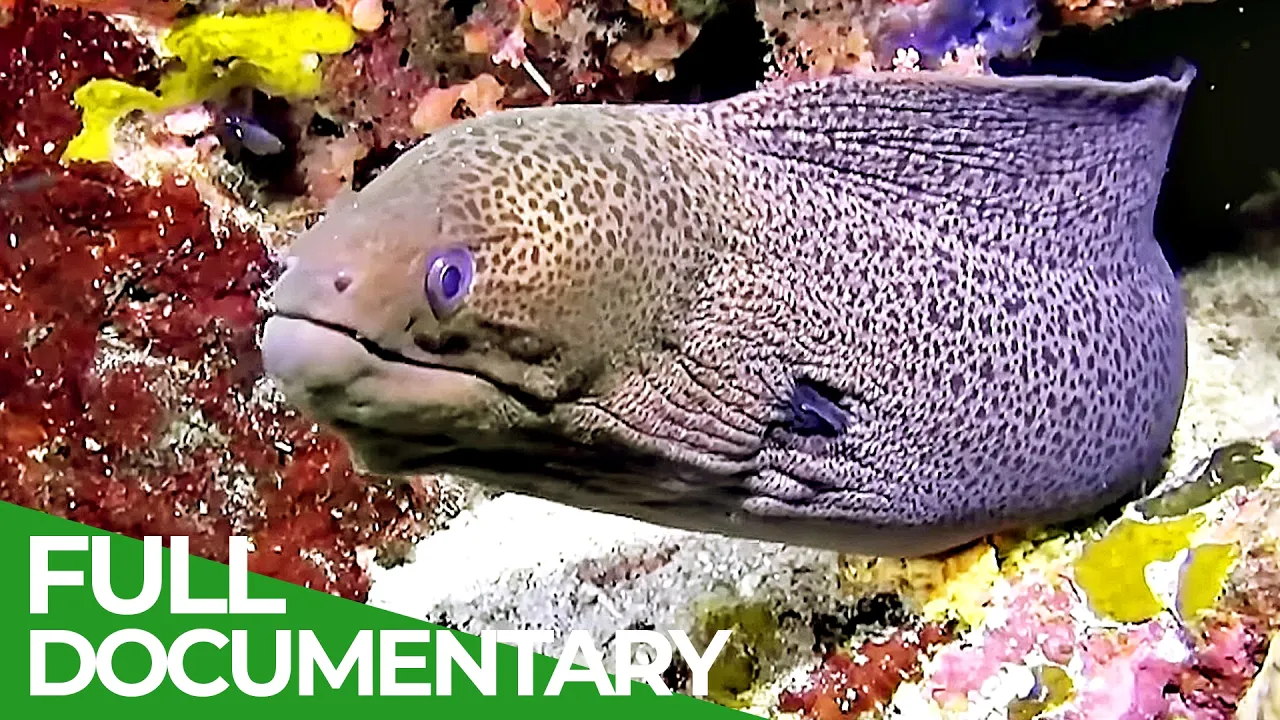




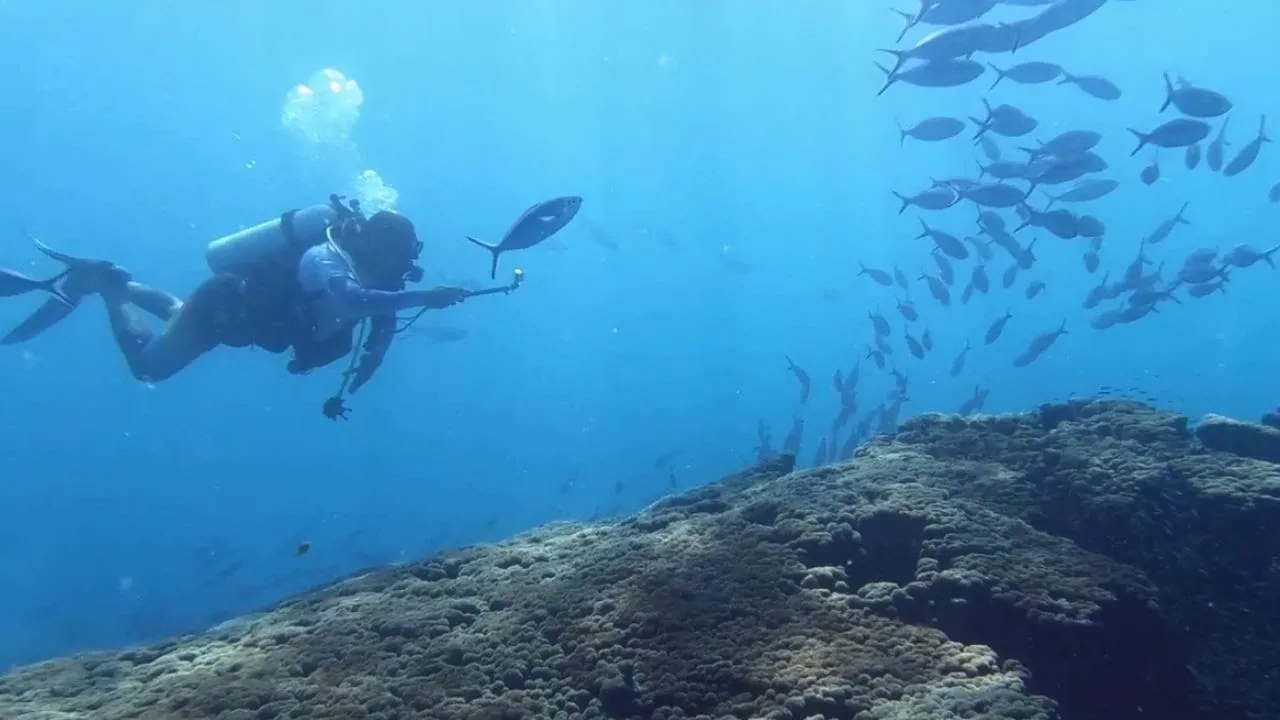


Coral reefs are complex underwater ecosystems where corals (which are actually animals, not plants) form the foundation by secreting calcium carbonate exoskeletons and hosting symbiotic algae; these ecosystems feature intricate predator-prey relationships, from sea stars using stomach eversion to consume mollusks to sharks at the top of the food chain, supported by a multi-level food web starting with phytoplankton producers and including decomposers that recycle nutrients, all threatened by human activities like destructive fishing, pollution, and climate change-induced coral bleaching.
Coral Reef Food Webs: Predator-Prey Dynamics & Ecosystems
Added:Basic understanding of trophic levels, including producers, primary/secondary consumers, and decomposers.
The symbiotic relationship between coral polyps and photosynthetic algae (zooxanthellae) as the foundation of reef ecosystems.
Fundamental ecological concepts of biodiversity and how energy flows through food chains.
General principles of predator-prey dynamics and how population sizes influence one another.
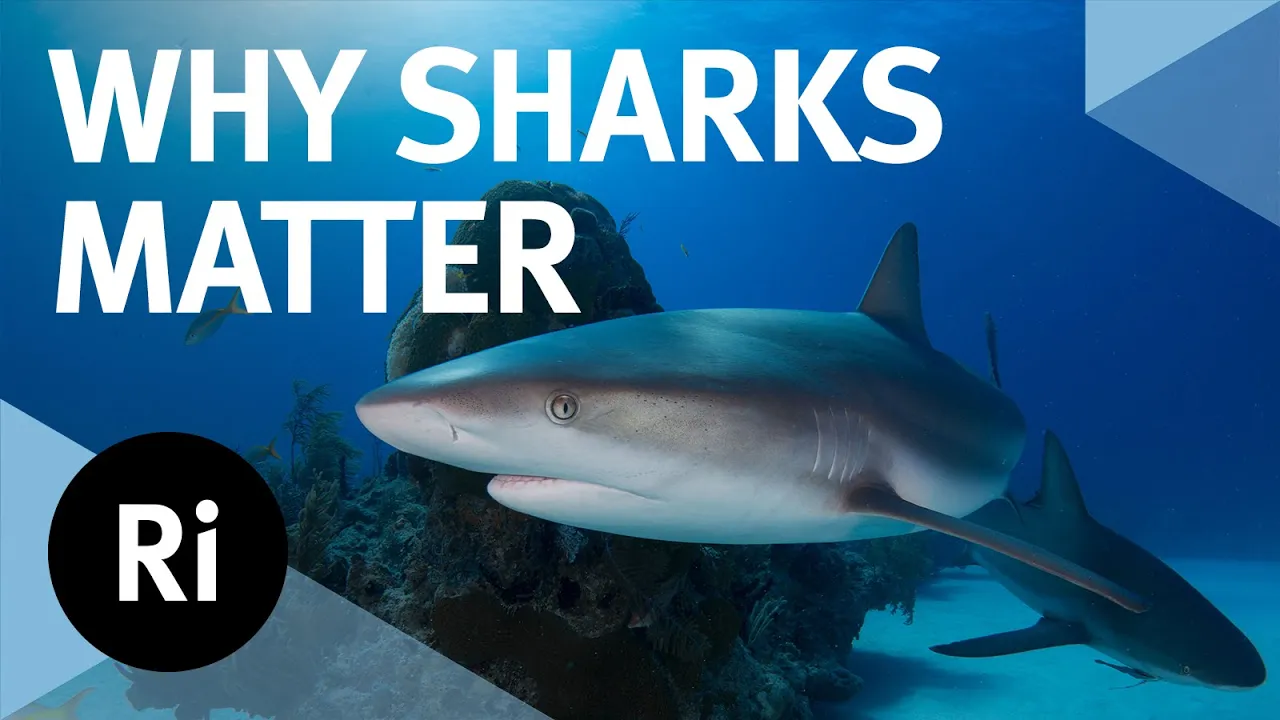
The phenomenon of trophic cascades and the ecological consequences of losing apex predators like reef sharks.
The chemical and biological mechanisms of ocean acidification and coral bleaching under climate change.
Marine conservation strategies, such as the implementation of Marine Protected Areas (MPAs) and active coral reef restoration techniques.
Quantitative ecosystem modeling tools (such as Ecopath with Ecosim) used to simulate and manage marine food web interactions.
1.9K views16likes8:31Original Release: 2020-10-22
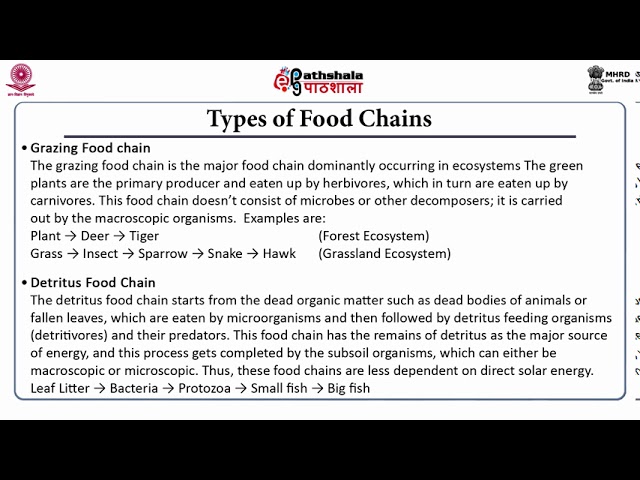
[Music] hey everyone we're going to be talking about the extraordinary underwater ecosystems that are coral reefs as well as some predator prey relationships and the food chain in the coral reefs so stay tuned coral reefs are amazing ecosystems located underwater corals are the superstars of these environments the coral polyps which are initially soft-bodied will attach themselves to the sea floor where they will divide through asexual reproduction or reproduction that can be done from just one organism there is no need for two parents they create many clones that populate the coral reefs these corals are not plants although they may be mistaken for plants due to their non-moving nature they are considered animals because they do not make their own food instead they form a symbiotic relationship with algae that live within the tissue of the polyps and in turn provide the polyps with nutrients and needs for survival they are the foundation of coral reefs and secrete calcium carbonate that will create exoskeletons that protect them in this ecosystem like all other ecosystems there are abiotic factors non-living things like rocks and water this ecosystem will also have biotic factors like living things many more organisms will live in these areas like jellyfish anemones small fish predators mollusks sponges worms and much more they usually prefer warm agitated shallow water that is sunny and clear most are located in tropical regions near the equator but a small few can be found in cold water coral reefs contain a large amount of biodiversity and house many organisms from crustaceans to plants to animals they form an amazing balanced ecosystem with many predator and prey relationships predators are animals that hunt for food while prey are the animals that are being hunted there are many predator and prey relationships in coral reefs like sharks that prey on dolphins but one very unique predator-prey relationship we see in the reefs is where starfish or also known as sea stars prey on mollusks and snails with oysters or clams specifically the sea star will apply pressure to the shell of the oyster or clamp until their muscles tire from holding the shell closed once the muscles of the mollusk tires the shell will slowly park and the sea star will push its stomach out of its mouth into the shell where it will pull the contents of the shell into its stomach to later digest barracudas are also predators to several fish around the coral reefs and usually kill their prey with a single bite predation can also be in the form of eating plants there are many predators that are omnivores their diets consist of both animals and plants common predators like the black trigger fish have this diet and form of predation predators have developed adaptations for becoming better hunters like the sense of smell in sharks they can smell the blood of prey from large distances as well as their sight which allows many of them to hunt in low light conditions due to a shiny layer of cells in their eyes [Music] prey have also formed adaptations over time to hide and outsmart predators many of them have camouflage abilities to avoid being spotted while others have very strong colorations to warn predators to not eat them some marine prey also have defense mechanisms like a squid that squirts ink in the face of predators this distracts the predators long enough for the squid to make its great escape the food chain or the food web is an interconnected system of all animals in an ecosystem with connections to what they eat all the way at the bottom of this chain are the producers these are organisms that photosynthesize and make their own food like phytoplankton phytoplankton are microorganisms that live in ocean water and create their own food from sunlight these small organisms will then be eaten by a primary consumer like zooplankton small organisms that drift in the ocean these primary consumers will then be eaten by a secondary consumer like herrings or sardines these secondary consumers are then consumed by a tertiary consumer like whales or dolphins finally these tertiary consumers can be eaten by a quaternary consumer like orcas or sharks in the underwater world predators like the sharks and orcas are at the top of this chain they prey on the animals that are below them but there is one more very important member of the food chain decomposers decomposers are microorganisms like bacteria that help break down the bodies of dead organisms they recycle nutrients back into the food chain that producers can later use these reefs harbor amazing connections and relationships between marine animals as well as extraordinary animals that thousands go to see in this ecosystem but the coral reefs are in trouble [Music] reefs face extreme physical damage from destructive and careless fishing habits blast fishing is a method that fishers use to stun fish they drop explosives into the water that can shatter the coral as well as stress them they also use nets that drag along the bottom of the ocean floor this method can target coral reefs and cause irreversible damage pollution that's washed into the ocean from sewage excess fertilizer land animal waste toxic chemicals sunscreens and trash can stress out corals significantly causing the survival of coral reefs to decrease finally climate change is causing the ocean to increase in temperature which can lead to the corals becoming stressed when they are stressed they can expel the algae that lives within them and helps them survive when this happens they become bleached and turn white this does not mean that they have died but they are at higher risk for death so how can you help choose sustainable seafood sources that do not contribute to harmful fishing practices if you ever visit a reef choose sunscreens that don't contain chemicals that will harm marine life and while at the reef do not touch or take them as souvenirs and finally vote for politicians who take climate change into account these decisions will greatly affect amazing ecosystems like the coral reefs
Up Next

47:56
Lionfish Invasion: How a Voracious Predator Reshapes Ocean Ecosystems
@SLICE_Science
2.9K views•2024-08-10
50:12
Bacterial Communication: Quorum Sensing and Biofilm Formation Explained
@JHUAAP
12.6K views•2011-06-28

5:35
Enteric Nervous System Explained: The Gut's Brain | Neurobiology Lecture
@alumniu6029
438 views•2018-09-12
7:08
Bacteriophages: Earth's Deadliest Killers and Future Antibiotics
@kurzgesagt
34.6M views•2018-05-13
Related Study Plans & Knowledge Roadmaps
Structured learning paths in Biology
biology
RNAi: Biogenesis, RISC & Gene Silencing
01Molecular Biology Foundations: DNA to Protein
02Introduction to RNA Interference (RNAi)
03Molecular Biogenesis of miRNA and siRNA
+ 2 more learning modules
10h5 modules
Explore Roadmap
biology
Mycorrhizae: Signaling, Biophysics & Ecology
01Foundations of Mycorrhizal Symbiosis
02Molecular Signaling and Root Colonization
03Biophysics and Bioenergetics of Nutrient Exchange
+ 1 more learning modules
11h4 modules
Explore Roadmap
biology
Circadian Clocks: TTFL, SCN & Periphery
01Foundations of Molecular Biology & Gene Expression
02Introduction to Chronobiology and Actograms
03The Core TTFL: Molecular Architecture of the Clock
+ 3 more learning modules
14h6 modules
Explore Roadmap
biology
Population Genetics: Math, Drift & Selection
01Genetic & Probability Foundations
02The Hardy-Weinberg Principle and Baseline Models
03Mathematical Modeling of Natural Selection
+ 3 more learning modules
18h6 modules
Explore Roadmap