Ocean Noise: Cetacean Impacts & Mitigation
Learning Goal: Evaluate the ecological impacts of anthropogenic underwater noise pollution from commercial shipping and seismic surveying on cetacean communication, and design an acoustic mitigation plan utilizing ship-quieting technologies, speed-reduction zones, and seasonal routing.
- Prerequisites: Basic high-school physics (waves, pressure, frequency) and introductory biology.
- Estimated Total Study Time: 16 hours (includes video lectures, required readings, interactive design exercises, and self-assessments).
Module 1: Fundamentals of Underwater Acoustics
This module establishes the physical foundation required to understand how sound propagates in an aquatic environment. You will explore the differences in sound speed and transmission between air and water, the logarithmic decibel scale used by oceanographers, and the unique thermodynamic properties that construct deep-ocean acoustic pathways like the SOFAR channel.
Recommended Videos
Why this video: This comprehensive, academic-grade lecture lays down the rigorous mathematical and physical laws governing underwater sound. It details why sound travels approximately 4.4 times faster in seawater than in air (~1500 m/s vs. 343 m/s), defines acoustic absorption coefficients (dB/km), and explains how temperature, salinity, and hydrostatic pressure dynamically alter sound speed profiles.
Knowledge Checkpoint
- Understand the formula for the speed of sound in water as a function of temperature (), salinity (), and depth ().
- Differentiate between spherical spreading loss (at close range) and cylindrical spreading loss (at long distances in shallow water layers).
- Explain how sound absorption changes across different acoustic frequencies.
Why this video: This animation explains the physical formation of the SOFAR (Sound Fixing and Ranging) channel. It visually demonstrates how sound waves are refracted back into a zone of minimum sound speed (typically around 1000m deep), preventing scattering losses from surface and bottom reflections and allowing low-frequency sounds to traverse entire ocean basins.
Knowledge Checkpoint
- Describe the thermodynamic factors (temperature drop vs. pressure rise) that create a local minimum in the sound speed profile.
- Explain Snell's Law of refraction and how it acts to trap acoustic energy inside the SOFAR channel waveguide.
- Discuss the historical and biological significance of the SOFAR channel for long-range communication.
Why this video: This short video provides a clear baseline comparison of acoustic energy propagation across various mediums. It highlights how molecular density differences affect wave transmission speed and energy attenuation, which helps transition from terrestrial physics to marine bioacoustics.
Knowledge Checkpoint
- Explain why electromagnetic waves (light, radar) decay rapidly in water while acoustic waves propagate efficiently.
- Define how pressure fluctuations manifest as physical particle displacement within fluid structures.
Module 2: Marine Mammal Bioacoustics
This module bridges physical acoustics with evolutionary biology. You will examine the anatomical mechanisms of sound production and reception across the two main suborders of cetaceans: Mysticeti (baleen whales) and Odontoceti (toothed whales). You will study how these animals utilize sound for essential life functions, including complex communication, navigation, and high-frequency echolocation.
Recommended Videos

Why this video: This video focuses on the unique vocal anatomy of Mysticete whales. It details how baleen whales recycle air through a specialized U-shaped fold of tissue (homologous to vocal cords) located between the lungs and highly distensible laryngeal sacs, allowing them to emit powerful, low-frequency sounds underwater without expelling air.
Knowledge Checkpoint
- Describe the anatomical process of sound production in baleen whales using the U-shaped vocal fold and laryngeal sacs.
- Compare the low-frequency acoustic characteristics of mysticete "songs" with the high-frequency vocalizations of odontocetes.
Why this video: This podcast excerpt details sound generation in Odontocetes, specifically the sperm whale (Physeter macrocephalus). It highlights how air is forced through phonic lips located in the forehead to generate powerful, rhythmic clicks, which are then focused through the spermaceti organ and junk tissues for biological sonar.
Knowledge Checkpoint
- Map the path of air and acoustic energy through the phonic lips, spermaceti organ, and acoustic lenses in odontocetes.
- Explain how sperm whale "codas" differ from the sweeps and chirps of other marine mammals.
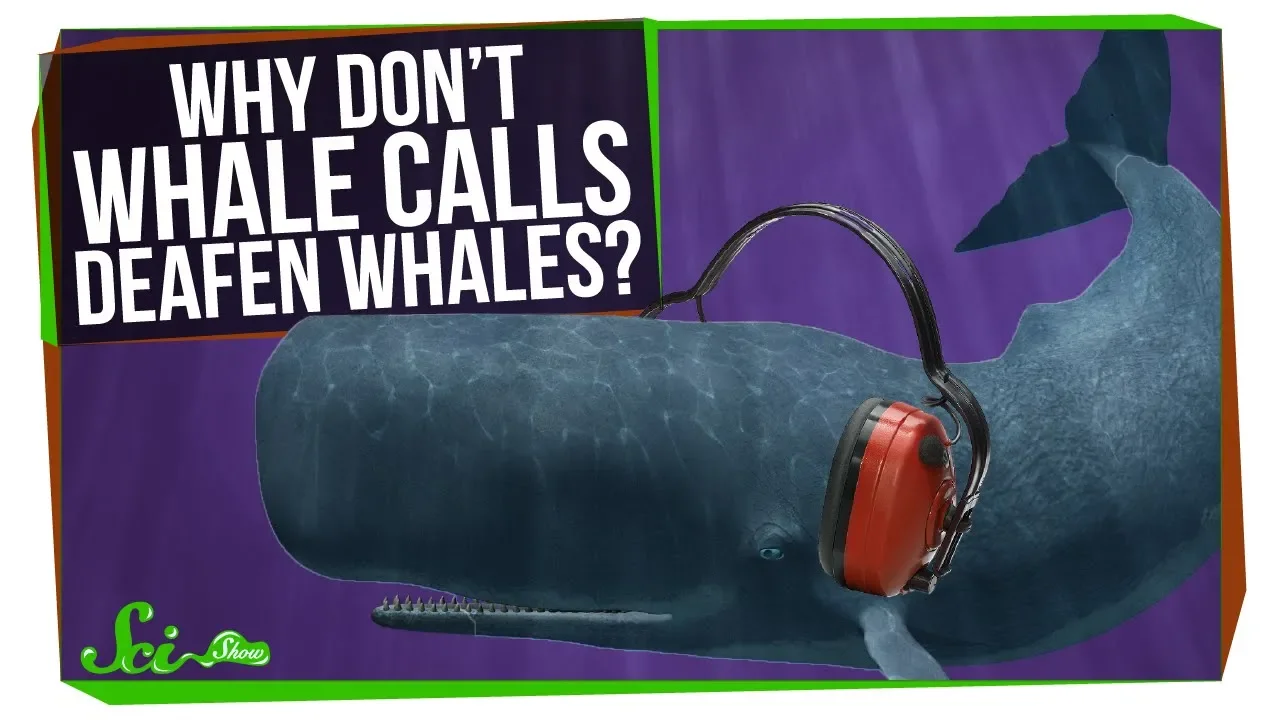
Why this video: This video addresses a key physiological mystery: how cetaceans emit sounds that exceed 200 decibels without damaging their own auditory systems. It explains the acoustic isolation of the middle and inner ear bones (tympanoperiotic complex) from the skull, suspended by specialized foam-filled sinuses.
Knowledge Checkpoint
- Explain the anatomical modifications that acoustically isolate a whale's ear bones from its skull.
- Describe how odontocetes receive echolocation return signals through fat-filled channels in their lower jaw (mandible) rather than an open ear canal.
🔍 Independent Study Gap
While these videos cover general bioacoustics, they lack detailed, high-resolution anatomical drawings comparing the sound-reception pathways of mysticetes (who hear low frequencies via cranial bone conduction) versus odontocetes (who use fat-filled mandibular pathways).
Self-Directed Research Task: Read a peer-reviewed paper on cetacean ear evolution (e.g., search keywords: "cetacean tympanoperiotic complex fat channels bone conduction"). Draw a comparative schematic of a dolphin's jaw-hearing path versus a blue whale's skull-conduction path.
Module 3: Anthropogenic Noise: Shipping & Seismic Surveying
This module explores the mechanics of human-made underwater noise pollution. You will analyze the two most pervasive sources of ocean noise: commercial shipping vessels and marine seismic surveys. You will study the physics behind propeller cavitation and the mechanics of high-pressure compressed air gun arrays.
Recommended Videos
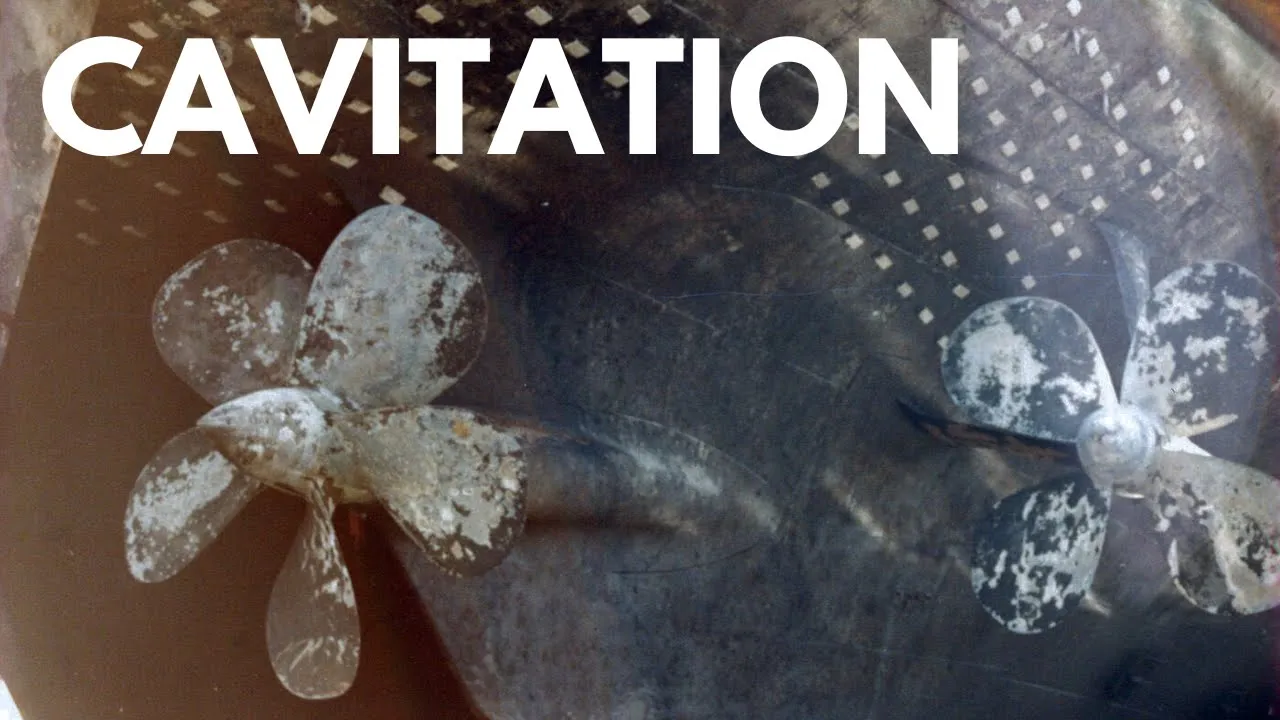
Why this video: This video provides a mechanical explanation of cavitation. It demonstrates how a propeller blade's high velocity creates localized, low-pressure zones that drop below the vapor pressure of seawater. This causes the water to boil at ambient temperature, producing microscopic vapor bubbles that collapse and release intense acoustic energy.
Knowledge Checkpoint
- Define cavitation and identify the specific zones on a propeller blade where it is most likely to occur.
- Explain how the collapse of cavitation bubbles generates high-frequency shockwaves and broad-spectrum acoustic noise.
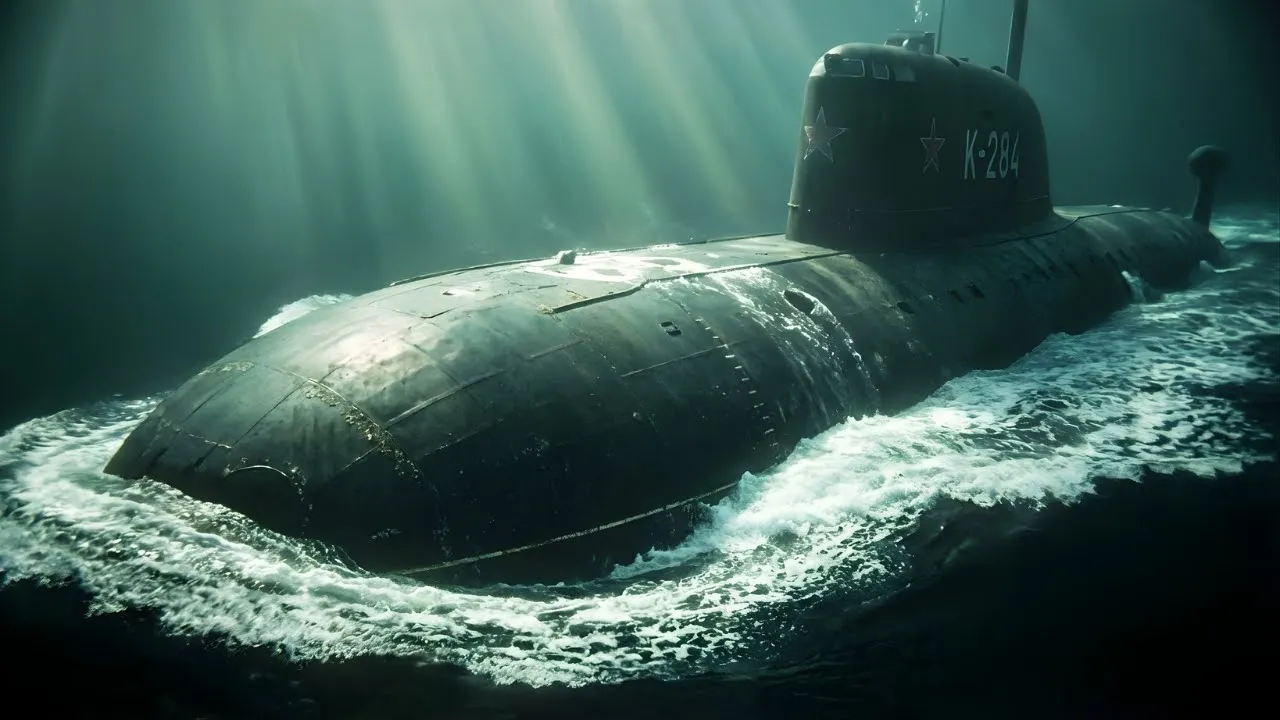
Why this video: This historical engineering case study outlines the relationship between propeller manufacturing precision and acoustic signatures. It explains how multi-axis CNC milling machines allowed the construction of highly complex, curved propeller geometries that minimize cavitation, illustrating the physics of ship-quieting.
Knowledge Checkpoint
- Describe the relationship between propeller skew, surface finish, manufacturing tolerances, and cavitation onset speed.
- Explain how modern hull and wake design can minimize uneven load distributions on propeller blades.

Why this video: This 3D animation details the mechanical cycle of a seismic airgun. It shows how air compressed to 2000–2500 psi is released through rapid-firing shuttle valves, creating an expanding and collapsing bubble that transmits high-amplitude, low-frequency acoustic pulses deep into the seafloor.
Knowledge Checkpoint
- Describe the internal mechanical components (control chamber, discharge chamber, shuttle valve) of a seismic airgun.
- Explain the thermodynamic behavior of the compressed air bubble as it vents into ambient seawater.
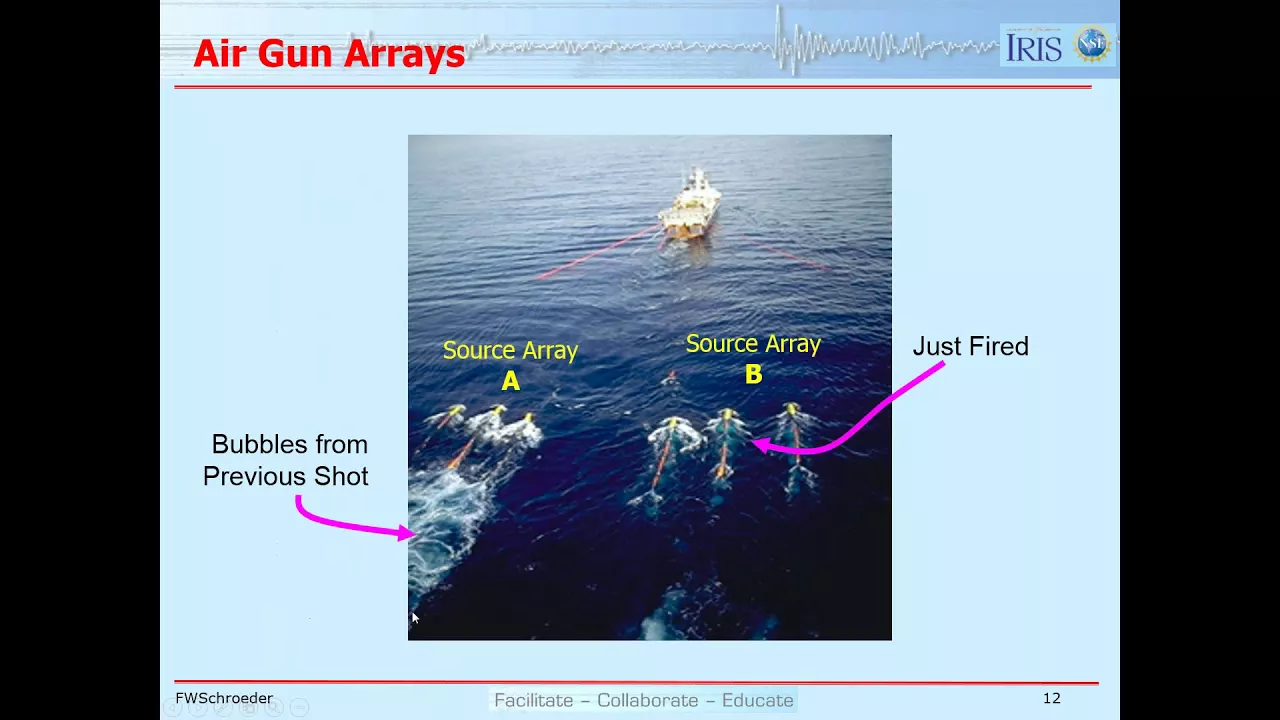
Why this video: This video details the spatial scale of seismic operations. It explains how specialized vessels tow large arrays of airguns along with miles of hydrophone streams, highlighting the broad-spectrum geographical footprint of modern geological surveys.
Knowledge Checkpoint
- Describe how individual airguns within an array are physically spaced and timed to focus acoustic energy straight down.
- Define "acoustic footprint" and calculate the spatial area affected by a typical seismic array survey.
Module 4: Ecological Impacts of Noise on Cetaceans
This module analyzes the physiological and behavioral consequences of acoustic pollution on cetaceans. You will study acoustic masking (which disrupts communication), physiological stress responses, habitat displacement, and the severe physical trauma caused by high-intensity anthropogenic sound sources.
Recommended Videos

Why this video: Using the Southern Resident killer whales of the Salish Sea as a case study, this conservation segment explains the "cocktail party effect." It shows how chronic background vessel noise masks the echolocation clicks of foraging whales, reducing their hunting efficiency and impairing vocal coordination.
Knowledge Checkpoint
- Define acoustic masking and explain how background noise limits a cetacean's active communication space.
- Discuss the "cocktail party effect" in marine mammals, focusing on how they modify vocal amplitude (Lombard effect) or frequency to compensate.

Why this video: This short video highlights the behavioral response of cetaceans to high-intensity naval sonar. It explains avoidance behaviors, where whales flee acoustic fields, and discusses how rapid ascent or panic dives can cause barotrauma, physical injury, or stranding.
Knowledge Checkpoint
- Explain the physiological mechanism linking high-amplitude sonar signals to decompression sickness-like symptoms (bends) in deep-diving beaked whales.
- Define Temporary Threshold Shift (TTS) and Permanent Threshold Shift (PTS).

Why this video: This segment presents real spectrogram data showing how cruise ship diesel engine noise overlaps with orca vocalizations. This provides a direct visualization of acoustic masking in action.
Knowledge Checkpoint
- Interpret a spectrogram to identify overlapping bands of commercial vessel noise and cetacean signals.
- Describe how frequency overlaps between low-frequency ship engines (10–1000 Hz) and mysticete vocalizations lead to masking.
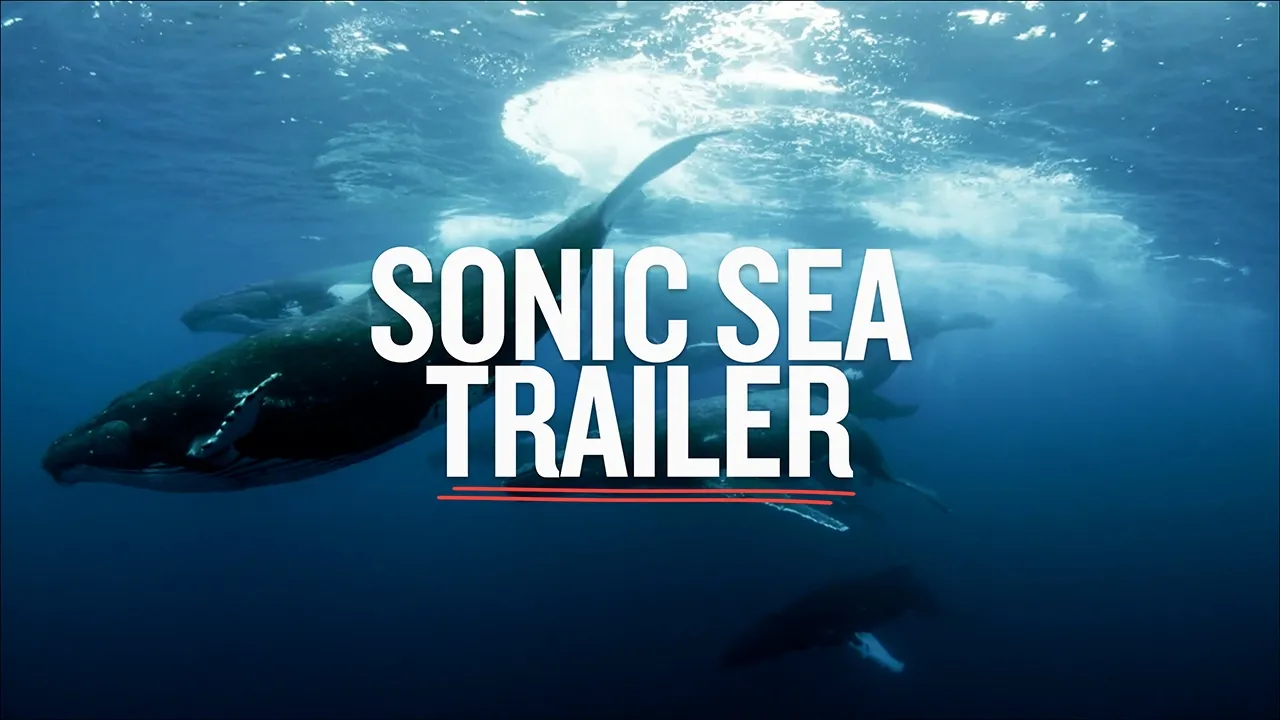
Why this video: This documentary trailer provides a high-level overview of global ocean noise pollution. It traces the rapid rise of ambient ocean noise over the past several decades and frames the issue as a chronic, systemic threat to marine ecosystems.
Knowledge Checkpoint
- Discuss the historical increase in ambient ocean noise levels since the onset of globalized container shipping.
- Connect chronic acoustic pollution to long-term physiological stress, including elevated cortisol levels in baleen whales.
🔍 Independent Study Gap
The current video pool lacks detailed lectures on the biochemistry of chronic stress in cetaceans, particularly how stress hormones (like cortisol and aldosterone) are harvested and analyzed from blowhole spray and baleen growth rings.
Self-Directed Research Task: Investigate the landmark post-9/11 study (Rolland et al., 2012) that linked a sudden drop in commercial shipping noise to reduced fecal cortisol levels in North Atlantic right whales. Write a 300-word summary detailing the biological collection methods and physiological indicators used in that study.
Module 5: Designing Acoustic Mitigation Solutions
In this final module, you will transition from analysis to engineering and policy design. You will evaluate ship-quieting technologies (including advanced propeller designs like toroidal geometries), assess the impact of Vessel Speed Reduction (VSR) zones, and examine how dynamic seasonal routing and spatial planning are used to manage ocean noise.
Recommended Videos

Why this video: This deep-dive engineering review covers toroidal (loop-shaped) propeller designs developed by MIT. It explains how eliminating open tip blades prevents the localized pressure drops that cause tip-vortex cavitation, resulting in quieter operations and increased propulsion efficiency.
Knowledge Checkpoint
- Explain how a toroidal propeller design alters fluid flow to prevent tip vortex cavitation.
- Analyze the engineering trade-offs (manufacturing complexity, structural integrity, material cost) of implementing toroidal propellers on large commercial vessels.

Why this video: This news segment covers the Vancouver Fraser Port Authority's ECHO Program. It explains the design and implementation of voluntary speed-reduction zones in critical habitats, illustrating the direct relationship between reduced vessel speed and decreased acoustic output.
Knowledge Checkpoint
- Define a Vessel Speed Reduction (VSR) zone and discuss the relationship between ship speed (knots) and source noise level (dB).
- Evaluate the logistical and financial impacts of VSR zones on international shipping companies.

Why this video: This TED segment summarizes the results of Vancouver's Haro Strait VSR trials. It provides empirical evidence showing that slowing commercial vessels by just a few knots substantially reduces the ambient acoustic signature in foraging areas for endangered Southern Resident killer whales.
Knowledge Checkpoint
- Discuss the empirical noise-reduction results achieved by the Haro Strait speed trial.
- Explain how simple structural maintenance (like hull cleaning and propeller polishing) can quiet existing shipping fleets without requiring complete retrofits.
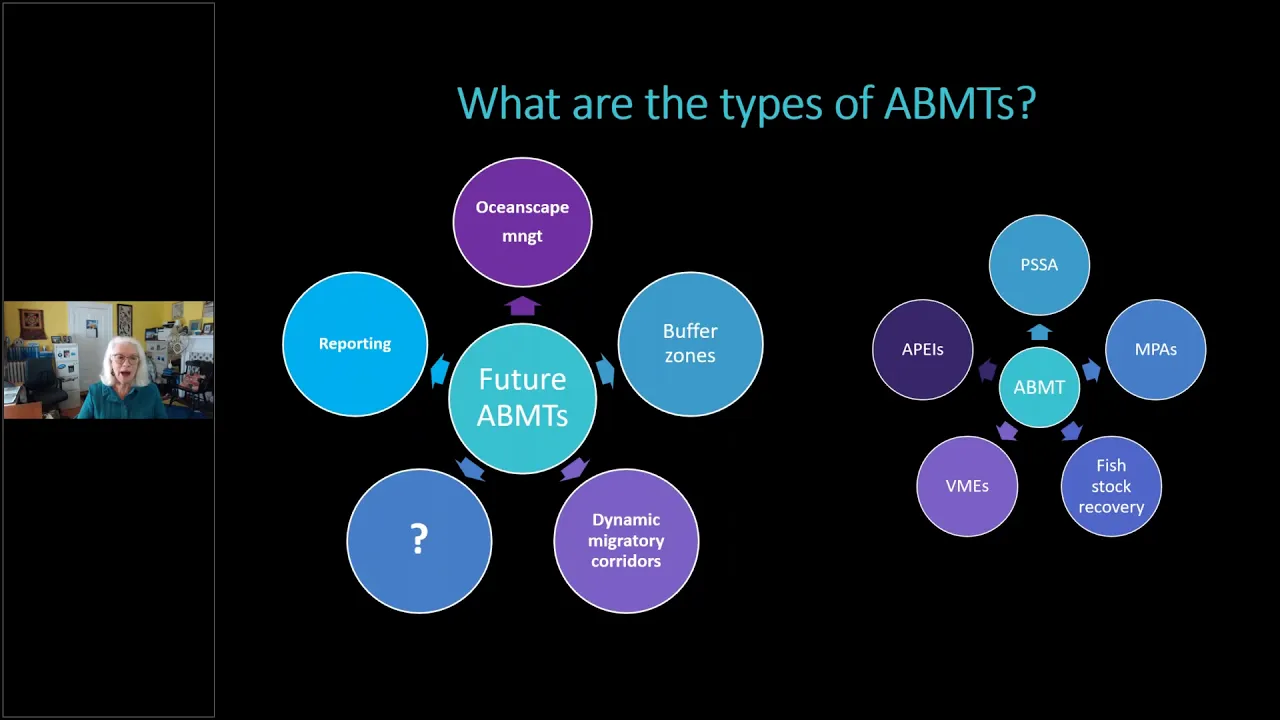
Why this video: This policy segment introduces dynamic ocean management and Marine Protected Areas (MPAs). It highlights how spatial tools can adapt to seasonal species migrations and oceanographic variations, which is essential for designing dynamic vessel routing networks.
Knowledge Checkpoint
- Define dynamic spatial management and contrast it with static Marine Protected Areas.
- Describe how real-time bioacoustic monitoring networks (using hydrophone buoys) can dynamically trigger speed limits or rerouting instructions for commercial ships.
🔍 Independent Study Gap
While the engineering behind quiet propellers is well-represented, policy-oriented analyses of maritime routing software, seasonal corridor adjustments, and international maritime law (IMO guidelines) are limited in the video selection.
Self-Directed Research Task: Access the International Maritime Organization (IMO) guidelines on reducing underwater noise from commercial shipping (Resolution MEPC.1/Circ.833). Create a policy brief detailing how a coastal nation can legally implement mandatory seasonal routing adjustments within its Exclusive Economic Zone (EEZ).
Course Map
This flowchart outlines the progression of the curriculum. Modules must be taken sequentially to ensure that you build the necessary physical and biological foundations before designing engineering and policy solutions.
Key People Index
- Maurice Ewing: American geophysicist who co-discovered the SOFAR channel in 1944, demonstrating that low-frequency sound can travel long distances in the deep ocean.
- Roger and Katy Payne: Biologists who discovered that humpback whale vocalizations are complex, repeating patterns, introducing the term "whale song" to science and helping spark the global anti-whaling movement.
- Dr. David Gruber: Lead researcher with Project CETI, currently using machine learning and advanced bioacoustics to map and decode sperm whale communication clicks (codas).
- Dr. Joe Gaydos: Wildlife veterinarian and science director for the SeaDoc Society, specializing in the impacts of acoustic masking and vessel traffic on endangered killer whales in the Salish Sea.
- Nicola Jones: Environmental journalist and researcher who documents the real-world performance of maritime noise mitigation programs, such as the Port of Vancouver's ECHO initiative.
Final Self-Assessment
Complete this comprehensive self-assessment after finishing all five modules to test your mastery of physics, biology, and mitigation design.
- Acoustic Physics: Calculate transmission loss () for a sound wave traveling 5 km in a shallow coastal bay, assuming cylindrical spreading ().
- SOFAR Propagation: Explain how sound waves are trapped in the SOFAR channel, referencing the sound speed profile and Snell's Law.
- Comparative Anatomy: Compare the anatomical mechanisms used by baleen whales (mysticetes) and toothed whales (odontocetes) to generate and receive sounds.
- Cavitation Mechanics: Explain how local drop in pressure on a propeller blade causes cavitation, and how this relates to Bernoulli's principle.
- Seismic Airgun Signature: Explain how a seismic airgun array generates low-frequency acoustic pulses, and why these signals are particularly disruptive to baleen whales.
- Masking & Threshold Shifts: Differentiate between auditory masking, Temporary Threshold Shift (TTS), and Permanent Threshold Shift (PTS).
- Behavioral Pathology: Explain how exposure to high-intensity naval sonar can cause deep-diving beaked whales to strand or suffer decompression-like symptoms.
- Propeller Engineering: Compare a traditional screw propeller with a toroidal loop propeller in terms of hydrodynamics, cavitation onset, and acoustic output.
- Vessel Speed Reduction (VSR) Design: Describe how a 3-knot reduction in ship speed affects its acoustic output (source level in dB) and overall cavitation noise.
- Dynamic Ocean Management: Design a seasonal routing framework for a busy commercial port, integrating real-time passive acoustic monitoring (PAM) data and migratory whale patterns to dynamically adjust shipping lanes.