Industrial and military ocean noise, particularly from ships and sonar systems, causes significant stress and harm to marine life such as whales, who cannot escape or reduce the volume of this noise, creating a direct correlation between increased ship noise and elevated stress levels in marine animals; however, unlike other forms of pollution, ocean noise can be mitigated simply by reducing human-generated sound in the ocean.
Ocean Noise Pollution: How Military Sonar Affects Whales | Sonic Sea
Added:Deep Dive
The physics of underwater acoustics, specifically how sound waves propagate faster and over much greater distances in water than in air.

Underwater acoustics | Wikipedia audio article
225
Underwater acoustics studies sound propagation in water across frequencies 10 Hz to 1 MHz. Historical milestones include Leonardo da Vinci's 1490 underwater listening concept, Newton's 1687 mathematical treatment, Colladon and Sturm's 1826 Lake Geneva experiment measuring sound speed at 1,435 m/s (within 2% of modern values), and Rayleigh's 1877 establishment of modern acoustic theory. WWI drove echolocation development culminating in Fessenden's 1914 echo Ranger. Fundamental physics includes sound waves as compressions/rarefactions with C = F × λ, acoustic impedance Z = C × ρ, and the sea surface acting as an almost perfect reflector due to 3,600:1 impedance contrast with air. Sound speed in water exceeds air by ~4.4 times. Absorption mechanisms include viscosity at high frequencies and ionic relaxation in seawater. Propagation depends on sound speed gradients, with vertical gradients dominating. Deep sea pressure creates sound speed minima forming efficient waveguides—the deep sound channel (SOFAR) enables guided propagation for thousands of kilometers. Propagation loss quantifies intensity reduction: PL = 10 × log(I_s/I_r) or 20 × log(P_s/P_r). Ray Theory suits short-range, high-frequency scenarios; Normal Mode and Parabolic Equation solutions suit long-range, low-frequency propagation. Reverberation creates decaying backgrounds from boundary scattering and marine organisms. Doppler shift occurs when objects move relative to receivers. Non-linearity in water with bubbles generates harmonics and sub-harmonics, causing sinusoidal waveforms to distort into sawtooth shapes.
Click to watch →
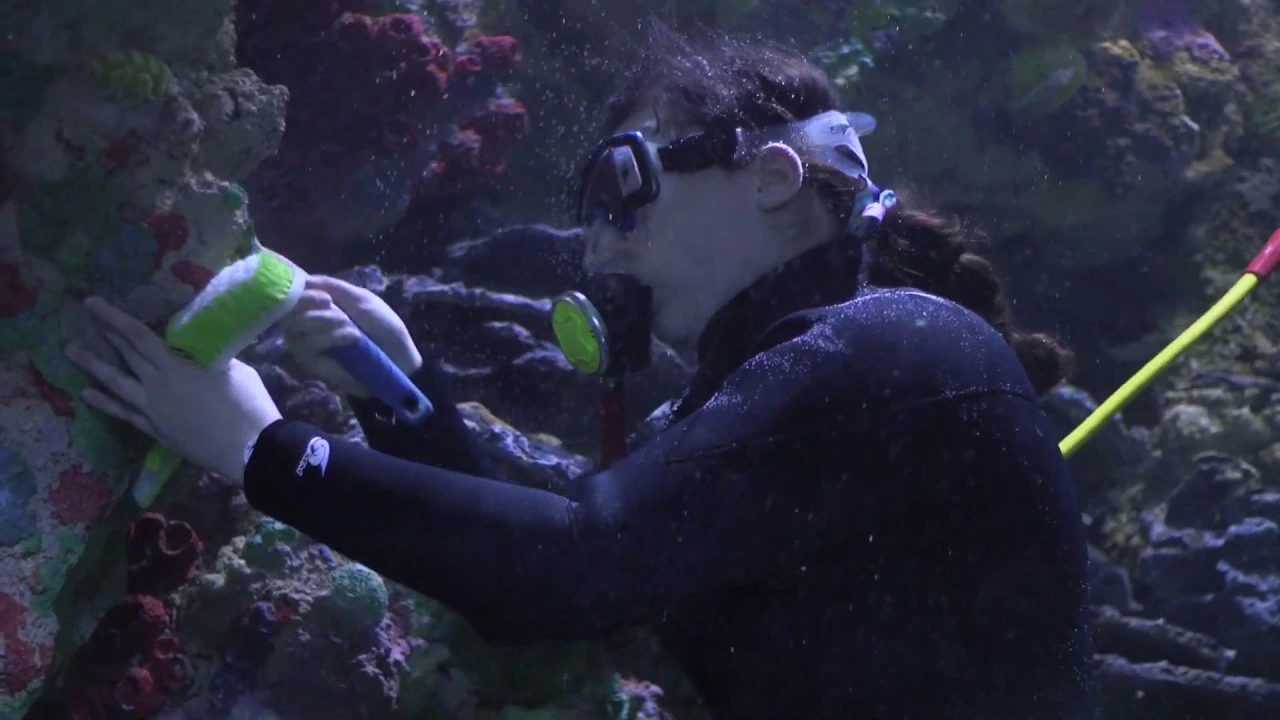
How Sound Travels Underwater | Physics & Marine Life
45.5K
Sound travels at different speeds through different states of matter due to molecular density differences. In air, sound moves at 343 m/s; in water at 1481 m/s (over four times faster); and in diamond at 12,000 m/s. Water's higher density allows faster sound transmission. Underwater sounds are louder but lack directional clarity because sound reaches both ears simultaneously, eliminating the time difference used for localization in air. The water-air boundary reflects sound waves, making underwater sounds harder to hear above water. Sound speed in oceans depends on pressure and temperature—shallow waters have faster sound speeds than deep oceans where pressure increases and temperature decreases.
Click to watch →
Physics of Underwater Sound: Sound Propagation & Acoustic Telemetry
13.6K
Sound in water is created by molecular collisions forming denser and less dense regions that propagate signals. Unlike electromagnetic waves, sound in water is nearly lossless, enabling long-distance transmission. The speed of sound depends on material properties—approximately 330 m/s in air and five times faster in water. Sound absorption follows a frequency-dependent pattern, with 20 dB/km attenuation typical in water. Refraction occurs when sound encounters layers with different sound speeds, such as temperature inversions near the ocean surface that bend sound rays back toward listeners. The deep ocean exhibits a characteristic sound channel where warm surface water slows sound, while increasing pressure raises sound speed, creating a lens-shaped profile that traps low-frequency sounds for hundreds or thousands of kilometers.
Click to watch →

How Fast is the DCEU Aquaman Underwater?
35.4K
Sound waves travel by passing vibrational energy between particles in a material. The speed of sound depends on how closely packed the particles are in the medium. In gases like air, particles are spread out, requiring them to travel farther before bumping into each other to transfer energy, resulting in slower sound propagation. In liquids like water, particles are more closely packed together, allowing sound to pass through much more quickly. This explains why sound travels faster underwater than in air.
Click to watch →
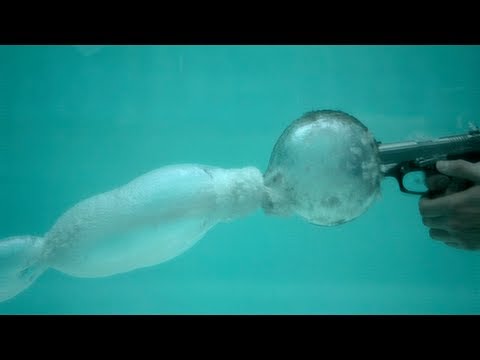
Underwater Bullets at 27,000fps - The Slow Mo Guys
38.8M
Sound travels approximately 4.3 times faster in water than in air due to water's higher density and compressibility. When firearms are fired underwater, the sound produced has a distinctive metallic quality that differs significantly from firing in air. The video captures this phenomenon, noting that the underwater gunshot sounds 'metallic' and 'wicked.' This acoustic difference occurs because water conducts sound waves more efficiently, creating different resonance patterns and eliminating the typical crackling or sharp report associated with gunfire in air.
Click to watch →
Deep Dive
The biological mechanism of echolocation (biosonar) used by cetaceans (whales and dolphins) for navigation, foraging, and communication.

Echolocation in Cetaceans | How Whales & Dolphins Use Sound to Navigate & Hunt ?
125
Echolocation is a biological sonar system used by toothed whales (odontocetes) such as dolphins, porpoises, and sperm whales to navigate and hunt in the ocean. The process involves emitting short, sharp clicks that travel through water, bounce off objects like fish or rocks, and return as echoes that the brain processes to determine the object's shape, size, distance, speed, and movement. This system allows whales to see in complete darkness and murky waters where visual cues are unavailable. The sounds are produced using specialized structures like the melon (a fatty organ in the forehead) and nasal passages, with clicks lasting less than 1 millisecond and used for echolocation, while whistles serve communication purposes.
Click to watch →

Morgan Martin | Whale and Dolphin Behavior, Communication and Echolocation
666
Cetaceans (whales, dolphins, and porpoises) use echolocation, a biological sonar system, to navigate and hunt underwater by producing clicks that bounce off objects and return echoes to their jawbones, allowing them to detect prey and obstacles in the dark ocean environment where vision is limited; they also communicate through whistles (some species have unique signature whistles for individual identification) and burst pulses (rapid sequences of clicks), with sound traveling approximately 4.5 times faster underwater than in air, making it the primary sensory modality for these marine mammals.
Click to watch →
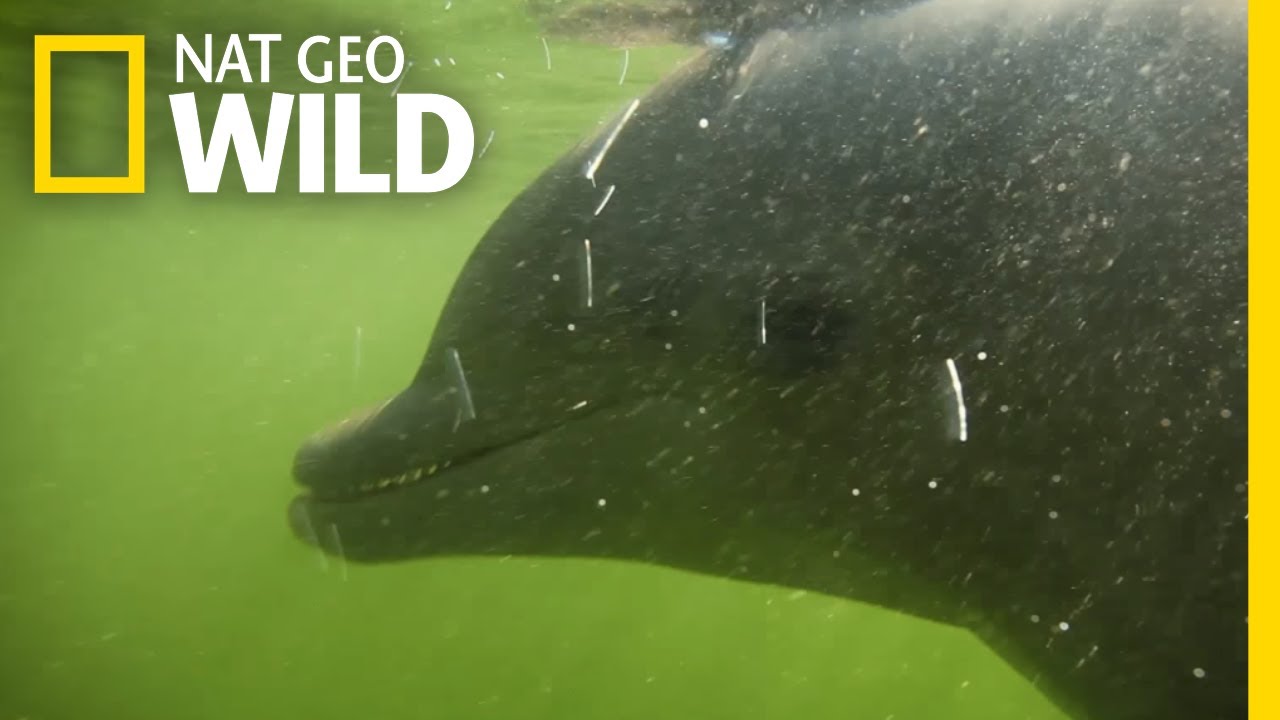
Encrypted Communication with Dolphins | Nature Tech
97.4K
Dolphins use echolocation (biosonar) to navigate, hunt, and communicate, producing sounds through nasal air sacs and the melon, then interpreting returning echoes to form mental images of their environment; they also have unique signature whistles for individual identification and possess electroreception to detect electrical impulses from prey, making them one of only three mammals with this ability alongside the platypus and spiny anteater.
Click to watch →

สัตว์โบราณและสัตว์สมัยใหม่ 7 ชนิดที่ไม่เกี่ยวข้องกันเลยแต่ดูคล้ายกันมาก
155.1K
Echolocation is a biological sonar system used by bats and whales to navigate and hunt in darkness. Animals emit high-frequency sounds (ultrasound) that bounce off objects and return as echoes. Bats use their mouths or noses to produce sounds and listen for returning echoes, with some species capable of detecting objects as small as 0.5mm apart. Whales generate sounds by forcing air through nasal passages, creating vibrations in a specialized fatty organ called the melon, which focuses and directs the sound waves. Whales receive echoes through their lower jaws and around their ears.
Click to watch →
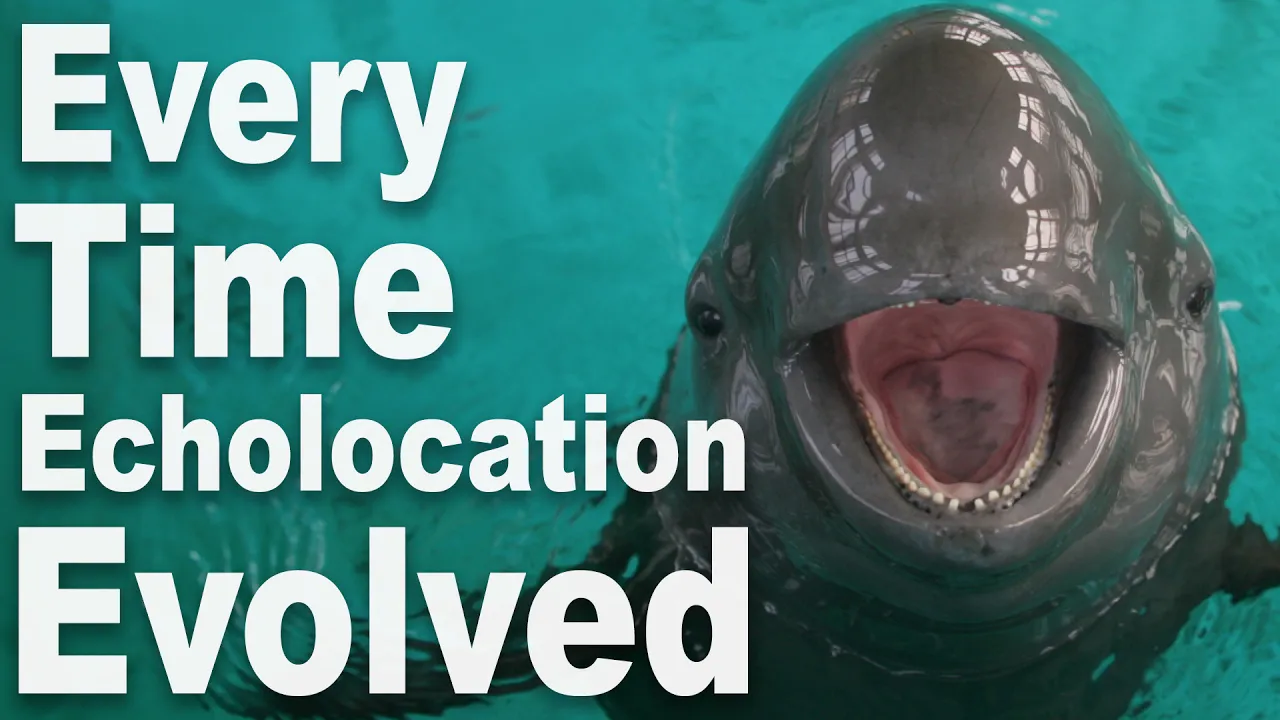
Every Time Echolocation Has Evolved
232.2K
Toothed whales (Odontocetes) evolved echolocation once in their common ancestor, producing sounds at phonic lips, transmitting through melon tissue, and receiving via lower jaws. However, the extinct Xenorophid whales (Oligocene, 30-23 million years ago) independently evolved echolocation, representing a second origin within cetaceans, evidenced by parallel cranial telescoping skull anatomy. Narrow-band-high-frequency biosonar (125-140 kHz) evolved independently in thirteen species across four families, likely as acoustic crypsis against predators. Beyond bats and whales, echolocation has converged in tenrecs (Madagascar's Afrotherians), shrews, solenodons, soft-furred tree mice, and aye-ayes. Each lineage developed unique mechanisms: tongue-clicking, ultrasonic pulses, and finger-tapping reverberation listening. These examples demonstrate that echolocation represents a remarkably adaptable sensory solution that has emerged independently in at least seven different mammalian lineages, each solving navigation challenges through sound-based perception.
Click to watch →
Deep Dive
The basic function of active and passive military sonar systems used for underwater detection and navigation.

How Submarines Can 'See' Underwater - Sonar Overview
230.3K
Sonar is the primary sensing technology for submarines operating underwater, where visual and radar systems fail. Active sonar emits sound pulses that bounce off objects and return, providing instant location information but revealing the submarine's position. Passive sonar listens without emitting, allowing stealthy detection of enemy sonar, propeller sounds, hull vibrations, and internal machinery noises. Submarines use extensive hydrophone arrays to detect sounds in all directions, though the hull creates blind spots directly behind. Towed sonar arrays extend hundreds or over a mile behind vessels to overcome these blind spots, though they cannot be used in shallow waters. Waterfall displays show how sounds change over time, enabling operators to analyze relative motion and track moving contacts.
Click to watch →
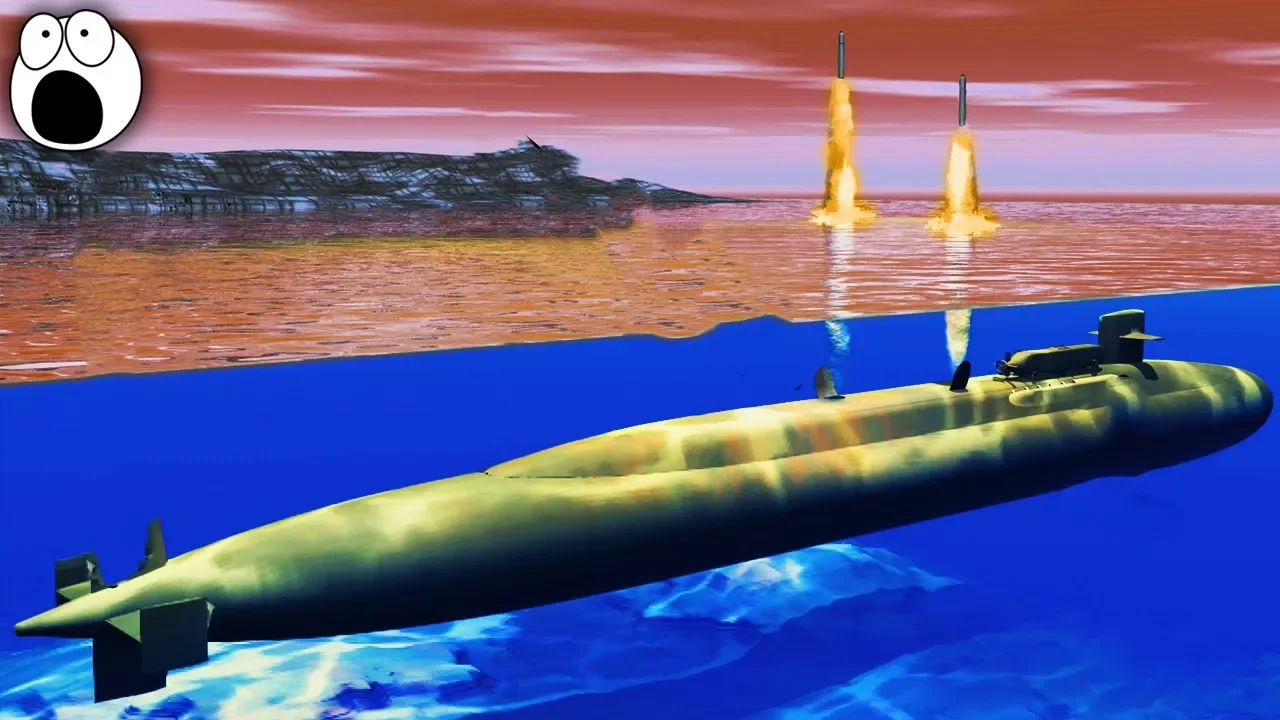
Declassified Nuclear Submarine Design Secrets
707.5K
Submarines use both passive and active sonar systems to detect and navigate underwater environments. Sound travels at 1,500 meters per second in water—over four times faster than in air—allowing it to travel great distances without significant loss in volume. Passive sonar, housed in the submarine's nose, detects sound using sensitive speakers and can identify sound signatures of whales, seismic events, and other vessels from over 1,000 kilometers away without revealing the listener's location. Active sonar detects solid objects by sending pings and measuring return time; using the speed of sound in water, operators calculate distance to objects. Modern systems use spherical arrays of hydrophones to distinguish signal direction in three dimensions.
Click to watch →
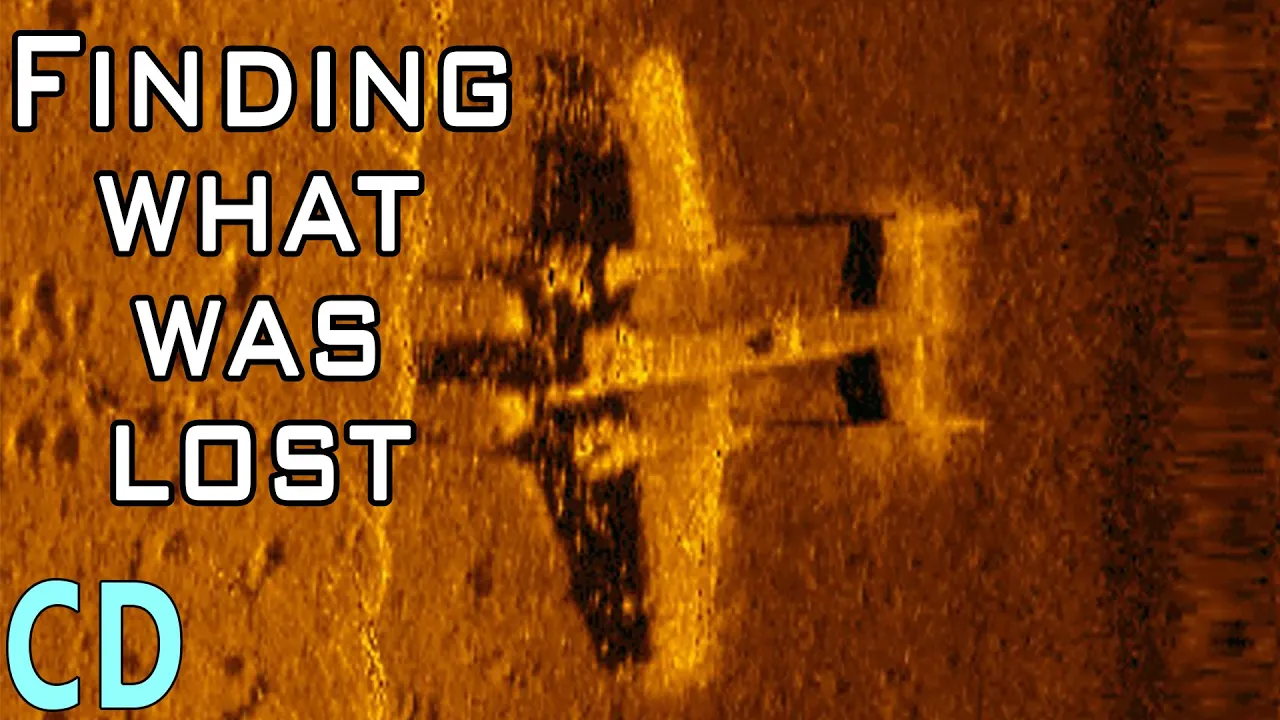
How Sonar is revealing the secrets of the sea, lakes and rivers.
112.3K
There are two main types of sonar systems: Active and Passive. Active sonar sends out a signal and listens for the return echo, making it useful for surface ships trying to find submarines. However, active sonar acts as a massive beacon that can be detected hundreds or thousands of kilometers away, making it unsuitable for submarines trying to remain undetectable. Passive sonar simply listens without emitting signals, making it the preferred method for submarines to detect other vessels, submarines, and approaching torpedoes.
Click to watch →

FINALLY: Submarine & Anti-Submarine Warfare In DCS (Naval Battle 95) | DCS
122K
Sonar detection operates on fundamentally different principles depending on whether it is passive or active mode. Passive sonar listens for sounds generated by targets without emitting any signal, making it stealthier but requiring targets to be within specific range thresholds based on their speed—the faster a target moves, the easier it is to detect. Active sonar emits pings that bounce off objects regardless of their movement, providing immediate detection within a shorter 5-nautical-mile range with 100% certainty. Passive sonar requires the helicopter to hover below 50 feet in a stationary position for several seconds to take measurements, while active sonar provides instant fixes but reveals the submarine's position immediately, allowing it to take evasive action.
Click to watch →
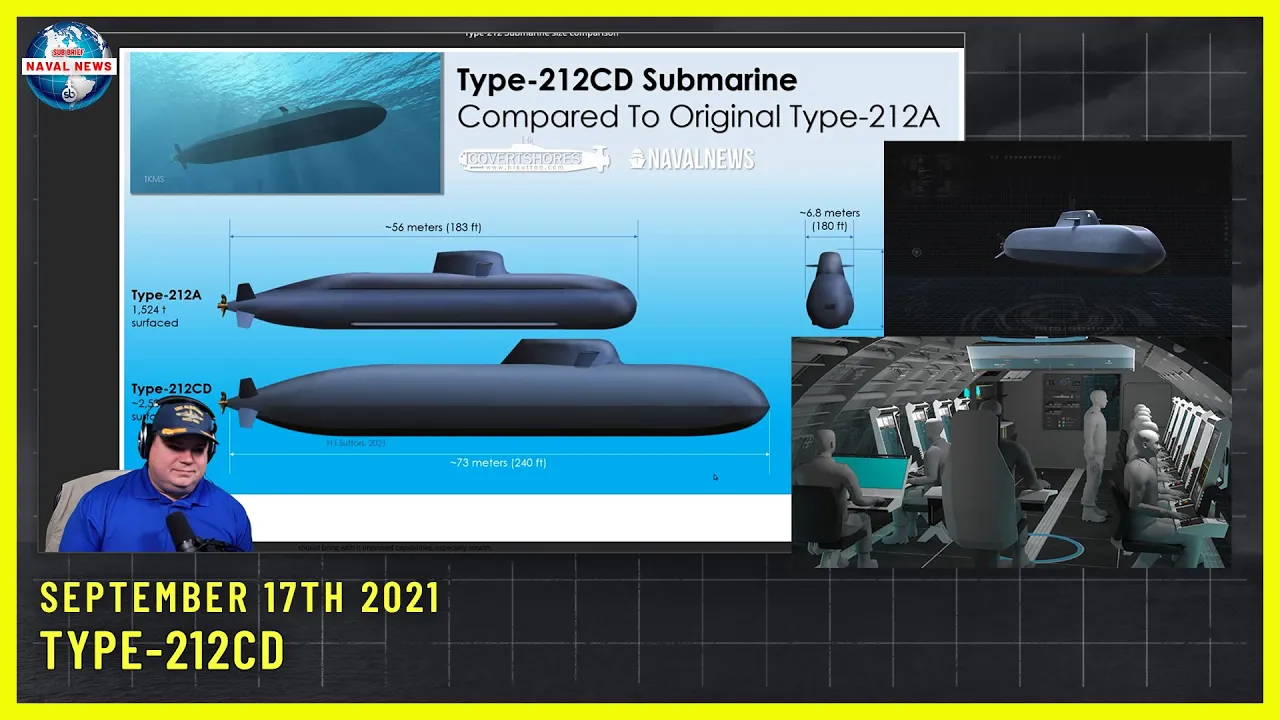
New German and Norwegian Type-212CD
147.8K
Sonar warfare operates in two basic modes: active and passive. Active sonar involves broadcasting noise and listening for echoes that bounce off submarines, while passive sonar simply listens for sounds emitted by other submarines such as pumps, engines, or water flow over surfaces. Historically, passive sonar has been dominant because it doesn't reveal the predator's position. However, as submarines have become quieter, the effectiveness of passive sonar has decreased for detecting the quietest submarines, making active sonar increasingly necessary. Being invisible to active sonar provides a significant tactical advantage, which is why modern submarine design focuses heavily on stealth against active sonar detection.
Click to watch →
Deep Dive
The general concept of anthropogenic (human-caused) environmental stressors and how they can lead to habitat degradation.
![Química - Repaso definitivo [2020] | San Marcos - UNSA - UNA](https://i.ytimg.com/vi_webp/x5HR0JSSVzc/maxresdefault.webp)
Química - Repaso definitivo [2020] | San Marcos - UNSA - UNA
62.2K
Anthropogenic causes refer to factors of human origin that are causing environmental degradation. The term 'antropogénico' specifically indicates that the causes are human-made and are resulting in the planet becoming increasingly 'sick' or degraded. This concept is crucial for understanding human responsibility in environmental issues.
Click to watch →

BHIE-143# UNIT-1# Studying environmental concerns in History
12.2K
Anthropogenic environmental degradation refers to environmental damage caused by human activities including groundwater extraction, vegetation removal, chemical pollution, deforestation, air pollution, over-harvesting of fisheries, and climate change. These activities are intentional and aimed at human convenience, often causing irreversible damage. The Anthropocene represents the proposed geological epoch when human activities became the dominant force shaping Earth's systems, affecting climate, ecosystems, and biodiversity on a global scale.
Click to watch →

Complete Biology NCERT Scientists & Unit Introduction in One Shot - Neet 2026🔥
41.1K
Ecology addresses anthropogenic environmental degradation - human activities causing environmental harm. This includes biodiversity conservation and addressing socio-political issues related to environmental protection.
Click to watch →
Livros 128: Capitalismo e Colapso Ambiental - Luiz Marques
62.7K
Environmental degradation is accelerating globally and is primarily caused by human economic activities, specifically capitalism. This anthropogenic impact affects multiple dimensions including biodiversity loss, climate change, water resource degradation, and soil deterioration. The evidence for this degradation is available through international organizations and scientific research.
Click to watch →

Class 10th Preboard SST with Reema maam | Board Exam Complete Revision with Expected Questions
45.9K
Anthropogenic factors are human activities that cause land degradation. The main factors include: (1) Deforestation - cutting down trees leads to soil erosion; (2) Overgrazing - excessive grazing by animals damages vegetation; (3) Mining - extraction activities destroy land cover. Solutions include: (1) Afforestation - planting trees to restore vegetation; (2) Proper management of grazing fields; (3) Controlled mining practices.
Click to watch →
Prerequisite Knowledge
- Concept 01The physics of underwater acoustics, specifically how sound waves propagate faster and over much greater distances in water than in air.
- Concept 02The biological mechanism of echolocation (biosonar) used by cetaceans (whales and dolphins) for navigation, foraging, and communication.
- Concept 03The basic function of active and passive military sonar systems used for underwater detection and navigation.
- Concept 04The general concept of anthropogenic (human-caused) environmental stressors and how they can lead to habitat degradation.
Subsequent Learning
- Step 01Environmental policy and maritime law, specifically regulations like the Marine Mammal Protection Act (MMPA) and international frameworks addressing ocean noise.
- Step 02Mitigation engineering, including the development of quieter commercial shipping vessels, bubble curtains for construction, and alternative sonar technologies.
- Step 03Advanced marine bioacoustics, focusing on how researchers measure stress hormones (such as cortisol) in marine mammals to assess the physiological impact of noise.
- Step 04The geopolitical and ethical challenges of balancing national security requirements (naval exercises) with global marine conservation efforts.
Whales Flee
Noise Pain
Sonar Chaos
Cost-Free Harm
Stress Link
Quick Fix
Global Risk
Whales Flee
0:44Playing Section
- 1
Whales abruptly abandoned deep water habitats.
- 2
The cause was overwhelming ocean noise.
National Security Imperatives and Sonar Mitigation Protocols
This counterpoint, primarily advocated by defense agencies and naval researchers, argues that active sonar is an indispensable tool for national security, specifically for detecting modern, ultra-quiet submarines. Proponents contend that a complete ban or severe restriction on sonar would jeopardize naval readiness and national defense capabilities. They emphasize that military exercises are conducted under strict environmental regulations, utilizing comprehensive mitigation measures—such as marine mammal lookouts, geographic restrictions, and safety exclusion zones where sonar is powered down if animals are detected. Additionally, some scientific analyses suggest that while sonar can cause localized disturbance, other human activities like commercial shipping noise, ship strikes, and fishing gear entanglement pose much greater long-term, population-level threats to marine mammals.
Deep Dive
Environmental policy and maritime law, specifically regulations like the Marine Mammal Protection Act (MMPA) and international frameworks addressing ocean noise.
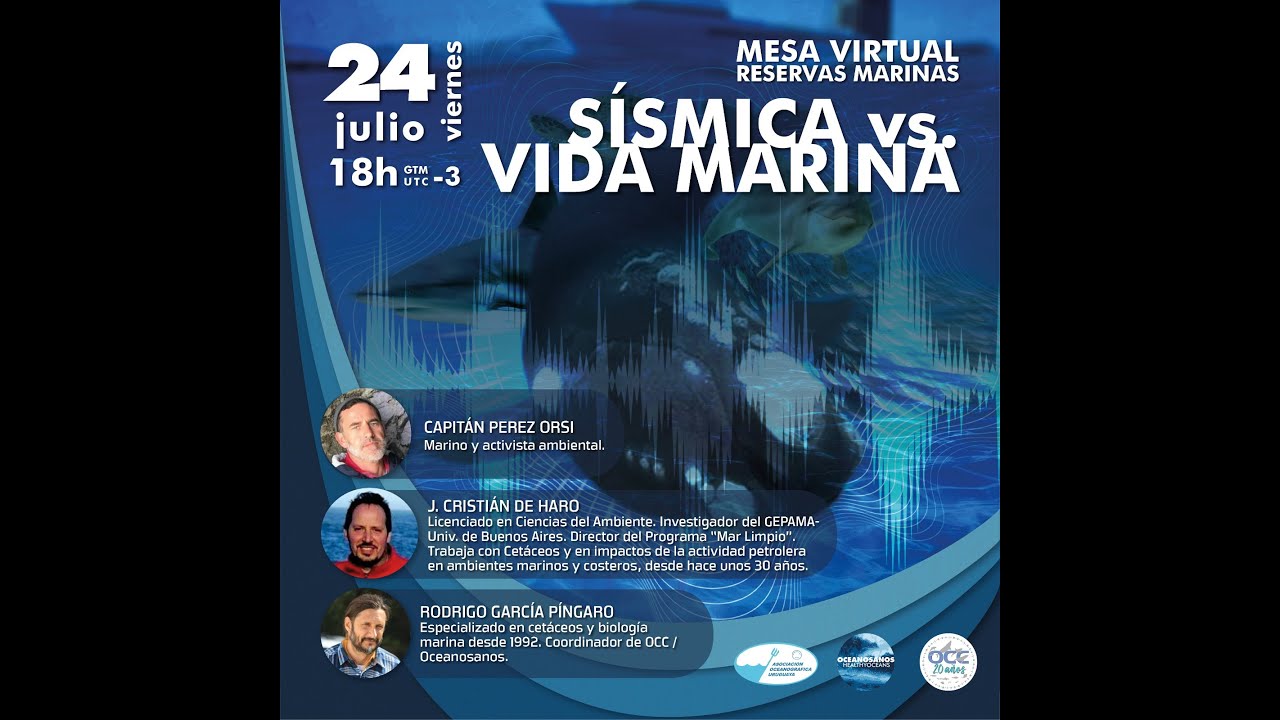
SISMICA vs VIDA MARINA
119
Marine noise pollution is addressed through multiple international frameworks including the United Nations Environment Programme, International Maritime Organization, and United Nations Convention on the Law of the Sea. The precautionary principle applies across these frameworks. Key mitigation measures include: spatial and temporal restrictions limiting activities to specific zones; avoidance of cumulative and synergistic impacts; configuration of air gun arrays to minimize noise output; power level justification requiring minimum necessary power; marine mammal observers on board with visual and passive acoustic monitoring; and exclusion zones around air guns (typically 1,000 meters in Argentina) where presence of marine mammals triggers activity cessation.
Click to watch →

VIDEO Interview: "You're killing me": How whales and dolphins sacrifice for national security
575
Under the Marine Mammal Protection Act, the Navy can kill marine mammals during training if there's no 'negligible impact' on populations, though endangered species are protected. The Navy estimates potential impacts through modeling with significant uncertainty. Environmental groups like NRDC have fought for a decade to reduce Navy's impact, with the 2008 Supreme Court ruling blocking increased mitigation measures. Negotiations between the Navy and environmental groups have stalled, with previous talks lasting three years yielding minimal changes. The Navy is lobbying against classifying ocean noise as a pollutant at UN conferences, which would enable better regulation. This represents a broader issue of ocean noise pollution, with sound levels doubling over the past century primarily from shipping and industrial activities.
Click to watch →

Current ocean noise issues and guidance – European, American and Asian cases
1.5K
The ocean contains both natural sounds (waves, currents, tectonic movements, marine life) and human-generated sounds (shipping, drilling, mining). Marine mammals rely on sound for survival, making them vulnerable to noise pollution. Approximately 40 years ago, humans discovered the ocean is fundamentally driven by sound, revealing that human activities had contaminated this dimension without understanding consequences. This realization sparked international concern, leading to forums bringing together experts from Europe, America, and Asia. The EU responded by adopting the Marine Strategy Framework Directive (2008), the first regulatory framework classifying underwater noise as pollution. This marked a paradigm shift in environmental policy, requiring member states to achieve 'good environmental status' by 2020 through systematic monitoring and mitigation measures.
Click to watch →

RFK Jr. Got A NASTY SURPRISE And It’s Going Viral!
40.9K
The Marine Mammal Protection Act is a federal law that regulates the taking, import, export, and transport of marine mammals. The video discusses how environmental groups are calling for federal officials to investigate whether RFK Jr. violated this act by cutting off a whale's head and transporting it across state lines. This demonstrates how environmental legislation protects wildlife and how violations can lead to official investigations.
Click to watch →
![Convegno “La Liguria e il Mare” - Le nuove sfide del rumore antropico sottomarino [etc]](https://i.ytimg.com/vi/25cAf4T2L-U/maxresdefault.jpg)
Convegno “La Liguria e il Mare” - Le nuove sfide del rumore antropico sottomarino [etc]
108
This section covers marine noise regulatory framework and international governance. Marine noise pollution, combined with other anthropogenic impacts, threatens marine ecosystem health. The International Maritime Organization (IMO) is the only international body with authority to regulate ship noise, as ships are constructed in one country, registered in another, operated by crews from a third, and flagged under a fourth. Marine noise regulation follows a phased approach: voluntary recommendations first, followed by mandatory limits. The IMO has followed this pattern for air pollution regulations, though noise regulation faces challenges including balancing noise reduction with shipping efficiency and port competition. Ports offering noise incentives may attract traffic from ports without such incentives, creating a 'race to the bottom.' Effective regulation requires international cooperation and balanced approaches.
Click to watch →
Deep Dive
Mitigation engineering, including the development of quieter commercial shipping vessels, bubble curtains for construction, and alternative sonar technologies.
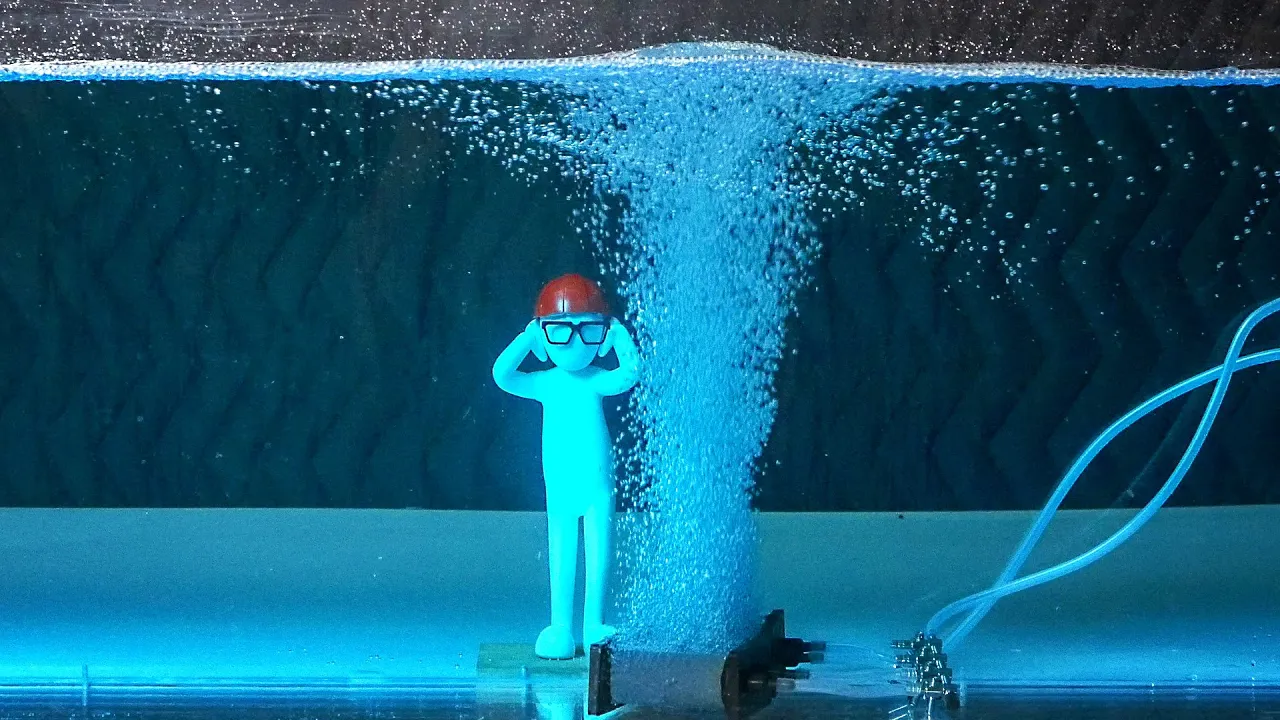
The Weirdest Tool in Underwater Construction
951.7K
Bubble curtains reduce underwater construction noise by exploiting the acoustic impedance mismatch between air and water, where sound reflects off the bubble-water interface rather than transmitting through it; this technique, demonstrated in the San Francisco Bay Bridge replacement project, achieved approximately 5 decibels of sound attenuation, significantly reducing the injury zone for aquatic wildlife while allowing construction to proceed.
Click to watch →

Reducing Underwater Noise When Installing Subsea Structures
163
Bubble curtains are currently the best method for reducing underwater construction noise. They consist of perforated tubes placed around the pile that release air bubbles which rise to the surface, forming a curtain. Since air has a large impedance mismatch with water, it reflects sound effectively. This technology provides approximately 20 dB noise insulation, meaning only about 1% of acoustic energy passes through. However, adding another layer only increases effectiveness by about 3 dB, and operational costs can reach millions of dollars per day.
Click to watch →
What's a Bubble Curtain? Why Are We Using One? - Holborn, South Shields | John F Hunt Regeneration
2.2K
A bubble curtain is an engineering solution that creates a curtain of bubbles around piling operations to reduce sound propagation into the marine environment. This technology allows construction teams to perform piling work while complying with MMO conditions by protecting fish and other marine organisms from underwater noise pollution.
Click to watch →
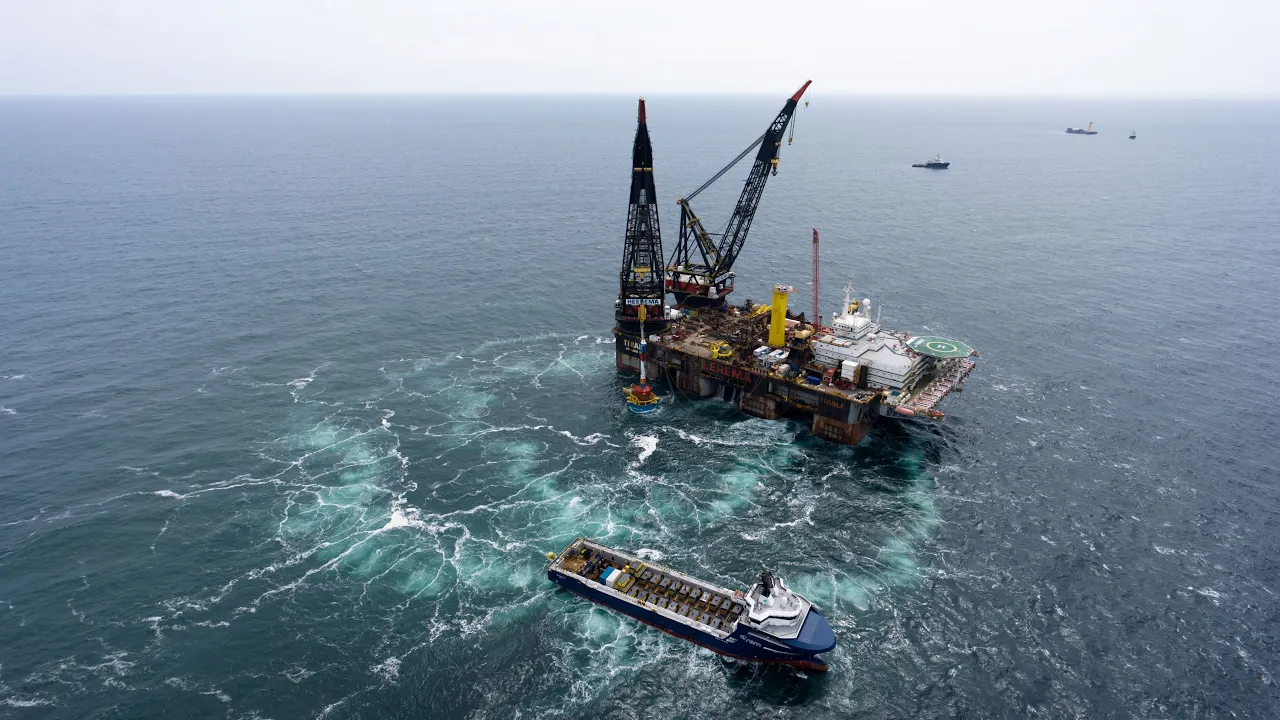
Heerema Installs Monopile Foundations at He Dreiht
14.8K
The double bubble curtain is a noise reduction technology consisting of two hoses laid on the seabed connected to a vessel equipped with 24 compressors. Air is pumped through these hoses to create a curtain of bubbles that helps attenuate sound waves traveling through water. The first ring of bubbles reflects some sound waves back, while the second bubble curtain further reduces the intensity of remaining sound waves, providing additional noise mitigation.
Click to watch →
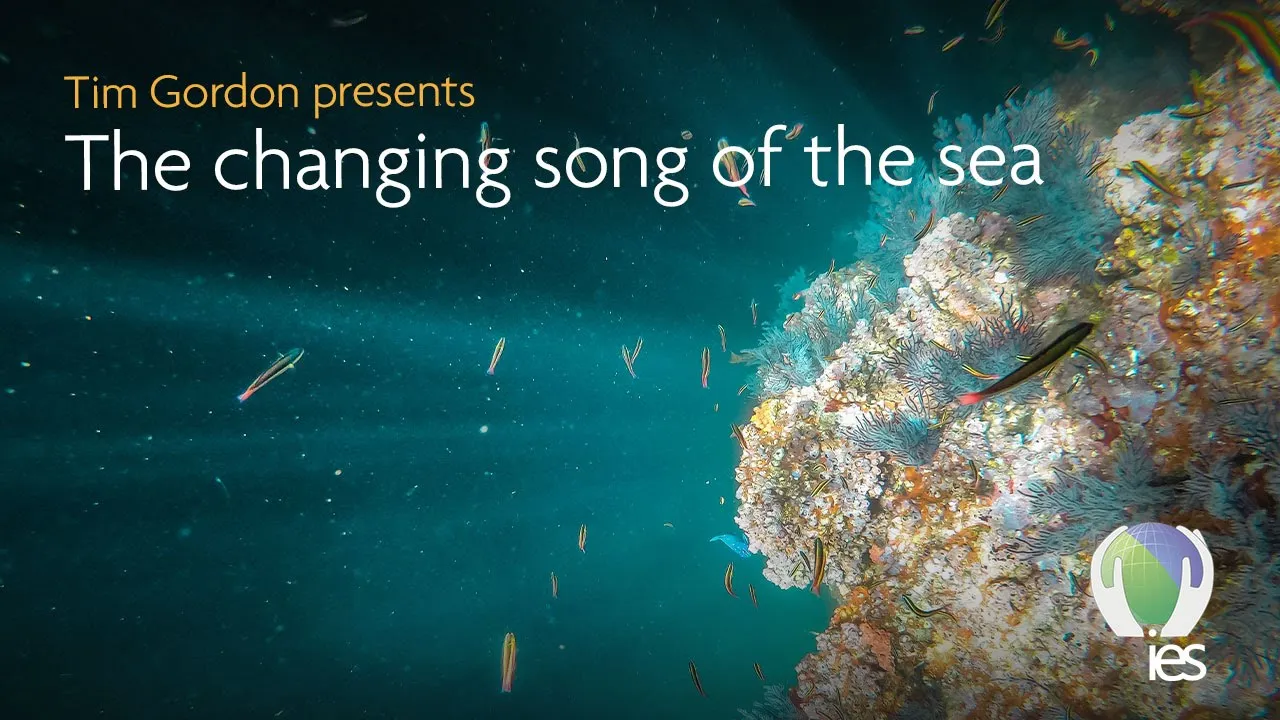
IES Webinar: The Changing Song of the Sea
290
Several technologies reduce underwater noise pollution: quieter propeller designs for ships, alternative engine types, and bubble curtains that surround noisy activities. Bubble curtains work by releasing air through holes in hoses laid along the seafloor, creating walls of bubbles that reflect and contain sound, preventing it from spreading to surrounding waters. These solutions demonstrate that noise pollution is manageable through engineering approaches.
Click to watch →
Deep Dive
Advanced marine bioacoustics, focusing on how researchers measure stress hormones (such as cortisol) in marine mammals to assess the physiological impact of noise.
Fall Meeting 2020 Press Briefing: Listening to a quieter ocean in the pandemic
1.6K
Collaborators are taking biopsy samples from humpback whales in Monterey Bay and Stellwagen Bank to examine stress hormones and determine whether differences in chronic background noise levels between 2019 and 2020 can be detected in the physiology of these animals. This research aims to connect human activity patterns with what animals experience in places important to them, providing evidence for dialogue with industries about promoting quieter vessels and designing quieter ship operations.
Click to watch →
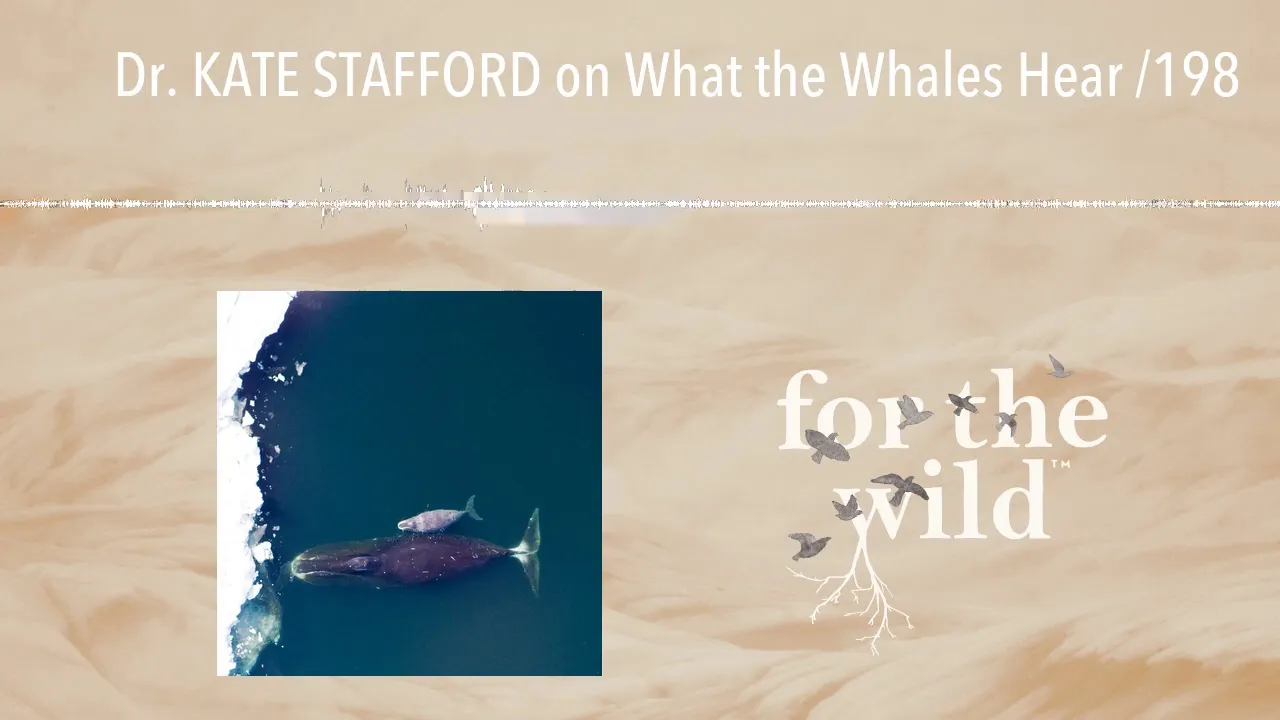
Dr. KATE STAFFORD on What the Whales Hear /198
150
Sound travels much further and more efficiently underwater than through air, making it the primary sensory modality for marine animals. Natural underwater sounds include earthquakes, volcanoes, wind-generated waves, and biological sources like fish and whales. Human activities now add significant anthropogenic noise from ship propellers, oil and gas exploration, and navy sonars. This increased noise reduces the communication space available to marine animals, forcing them to either change frequencies, increase volume, or stop communicating altogether. Research on North Atlantic right whales showed that when shipping decreased after 9/11, whale stress hormone levels also decreased, demonstrating that chronic noise exposure causes physiological stress in marine mammals.
Click to watch →

Why Noise Pollution Is More Dangerous Than We Think | The Backstory | The New Yorker
94.6K
Marine creatures depend heavily on hearing since they can detect sounds over hundreds of miles underwater, making sound more critical for them than for humans. In Canada, researchers measured stress hormone levels in whale poop using trained dogs to collect samples. They discovered a dramatic drop in stress hormones during 9/11 when ocean shipping halted and underwater noise levels decreased. When human-generated noise returned, stress levels rose again. This demonstrates that underwater noise pollution causes measurable physiological stress in marine animals.
Click to watch →

Sounds Wild and Broken | David G Haskell
2.1K
Research on marine mammals demonstrates clear links between ocean noise pollution and animal stress. Studies following 9/11 showed that when shipping noise decreased significantly during transportation shutdowns, stress hormone levels in St. Lawrence whales dropped substantially. Marine mammals experience sound as a whole-body phenomenon because water conducts sound directly into their tissues, unlike terrestrial animals where sound bounces off external surfaces. This makes ocean noise pollution particularly traumatic, as it affects all tissues and potentially disrupts critical communication, navigation, and social behaviors.
Click to watch →
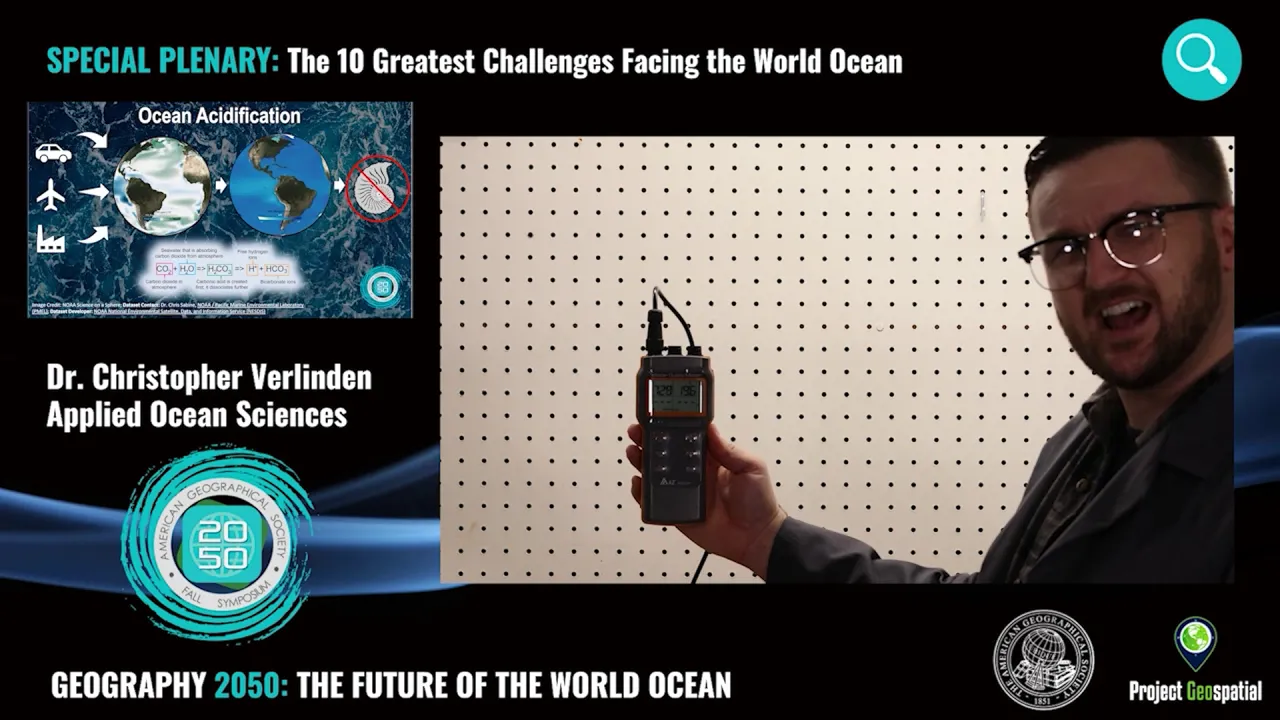
The Top 10 Challenges Facing the World Ocean
231
Marine mammals and many fish and invertebrates use sound for hunting, communicating, and navigating. Studies show that reduced shipping noise (like during September 11th when global shipping dropped) resulted in significant drops in cortisol levels (stress hormone) in fin whales. This demonstrates that marine mammals experience stress from noisy environments, and increased shipping raises their stress levels while also limiting their communication distances and ability to hunt and navigate.
Click to watch →
Deep Dive
The geopolitical and ethical challenges of balancing national security requirements (naval exercises) with global marine conservation efforts.

ABC7 Eyewitness News on LA56 - 1/25/15
159
Scientific research and environmental protection sometimes require balancing competing interests. The US Navy wanted to increase use of sonar and other training exercises off the Pacific coast, deploying up to 720 sonar buoys at least 12 nautical miles off the coasts of Washington, Oregon, and Northern California. However, this proposal raised concerns from animal advocates who said more sonar-emitting buoys would harm whales and other animals in the water. Under the Marine Mammal Protection Act, the Navy needs authorization from NOAA (National Oceanic and Atmospheric Administration). This demonstrates the complex trade-offs between military training needs and environmental protection.
Click to watch →
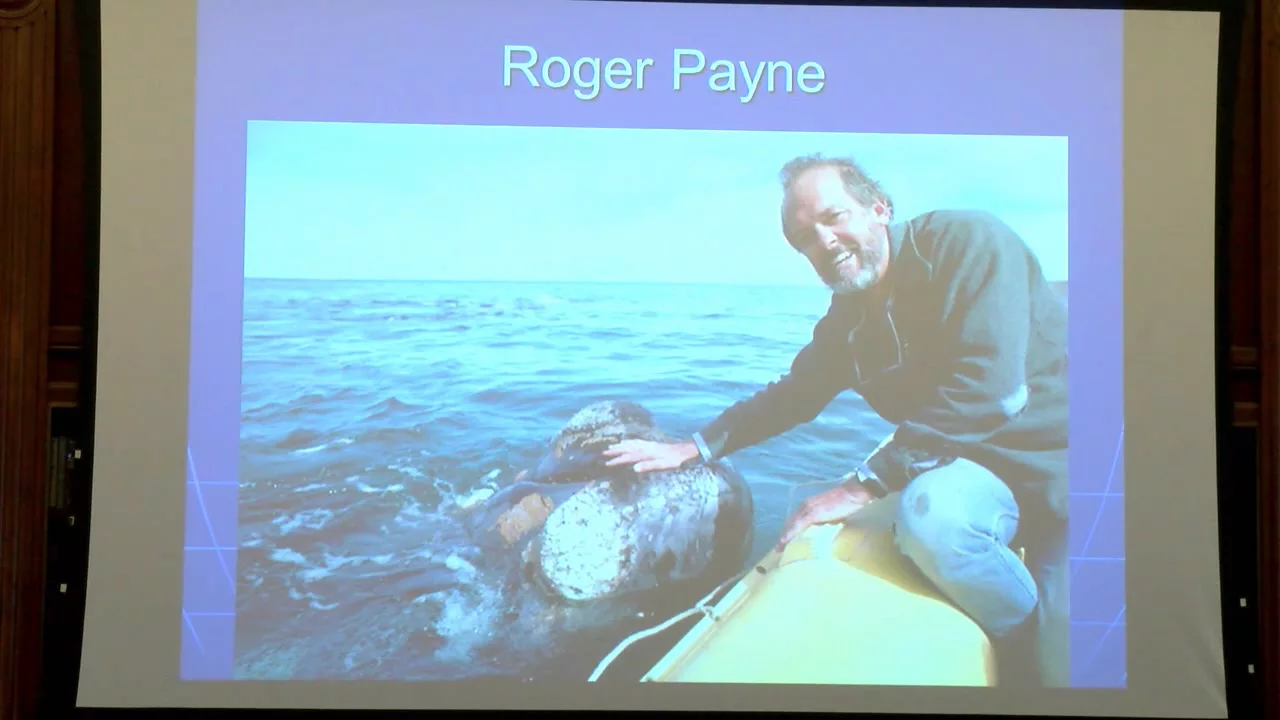
EMC Chair 2015 | Joshua Horwitz: How the Navy can save Marine Mammals from Sonar Sound
262
A potential resolution strategy involves agreeing on geographic and seasonal exclusions for naval exercises. Blue whales migrate to northern waters in summer, so avoiding exercises during those periods could satisfy environmental concerns. This approach would allow comprehensive settlement agreements with environmental groups, enabling both sides to declare victory and move forward on other issues like oil and gas exploration permits.
Click to watch →
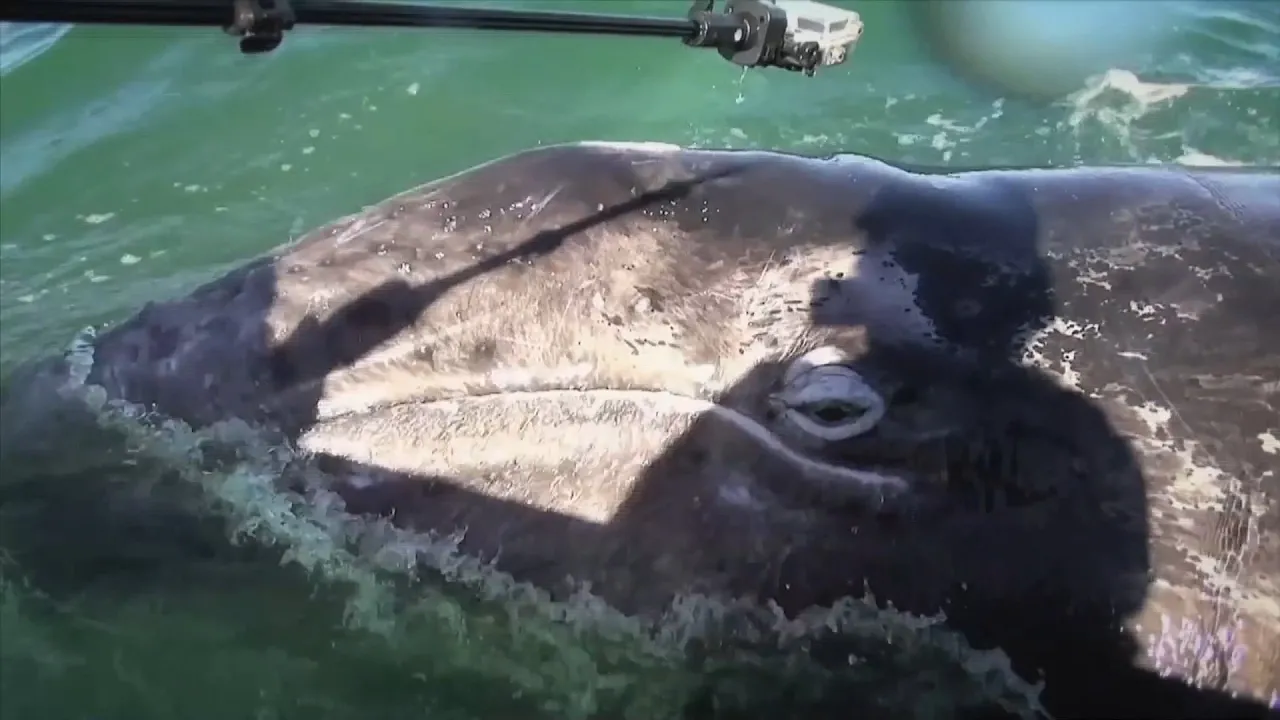
US military’s sonar exercises still threatening sea mammals
6.1K
Environmentalists argue that saving whales serves as a model for broader conservation efforts, stating 'if we can save the whales, we can save ourselves.' They acknowledge the importance of military training while advocating for environmentally responsible practices. Solutions include identifying where whales are located and avoiding times when they are present in training areas, allowing the Navy to conduct necessary security operations while minimizing harm to marine life.
Click to watch →

China, US, Russia join Pakistan's AMAN 2025 naval exercise to strengthen maritime security
19.8K
Navies have a fundamental responsibility to ensure that rules-based order is maintained globally. This responsibility enables navies to grow and benefit all people through maritime cooperation and dialogue.
Click to watch →

2026.02.13 Ο Βουλευτής Α΄ Θεσσαλονίκης, Καθ. Μιχάλης Χουρδάκης στην εκπομπή "ΤΑ ΛΕΜΕ"
195
Naval exercises (NAUTEX) are conducted to inform maritime users of restricted areas and potential hazards. Exercises without defined end dates create ongoing restrictions that can impede legitimate maritime activities. Countries must balance security needs with the rights of other nations to navigate their territorial waters.
Click to watch →
Whales Flee
Noise Pain
Sonar Chaos
Cost-Free Harm
Stress Link
Quick Fix
Global Risk
Whales Flee
0:44- 1
Whales abruptly abandoned deep water habitats.
- 2
The cause was overwhelming ocean noise.
National Security Imperatives and Sonar Mitigation Protocols
This counterpoint, primarily advocated by defense agencies and naval researchers, argues that active sonar is an indispensable tool for national security, specifically for detecting modern, ultra-quiet submarines. Proponents contend that a complete ban or severe restriction on sonar would jeopardize naval readiness and national defense capabilities. They emphasize that military exercises are conducted under strict environmental regulations, utilizing comprehensive mitigation measures—such as marine mammal lookouts, geographic restrictions, and safety exclusion zones where sonar is powered down if animals are detected. Additionally, some scientific analyses suggest that while sonar can cause localized disturbance, other human activities like commercial shipping noise, ship strikes, and fishing gear entanglement pose much greater long-term, population-level threats to marine mammals.
The physics of underwater acoustics, specifically how sound waves propagate faster and over much greater distances in water than in air.
The biological mechanism of echolocation (biosonar) used by cetaceans (whales and dolphins) for navigation, foraging, and communication.
The basic function of active and passive military sonar systems used for underwater detection and navigation.
The general concept of anthropogenic (human-caused) environmental stressors and how they can lead to habitat degradation.
Environmental policy and maritime law, specifically regulations like the Marine Mammal Protection Act (MMPA) and international frameworks addressing ocean noise.
Mitigation engineering, including the development of quieter commercial shipping vessels, bubble curtains for construction, and alternative sonar technologies.
Advanced marine bioacoustics, focusing on how researchers measure stress hormones (such as cortisol) in marine mammals to assess the physiological impact of noise.
The geopolitical and ethical challenges of balancing national security requirements (naval exercises) with global marine conservation efforts.
163.4K views1Klikes2:05@NRDCflixOriginal Release: 2016-02-19
for something was causing all these whales to want to abandon the deep water and get the hell out of there one of the things about noise in the ocean is that hum are not aware of it or do listening on the headphones gives you a headache within 10 minutes you have to take the headphones off and the whales can't turn the volume down they were trying to get away you didn't have to have a hydrophone to hear the sonar I can't imagine what it must have been like underwater these companies damage the ocean without cost and the sound of all of those ships literally filled our ocean with noise it's a direct significant correlation between the amount of ship noise and the physiology and the stress level in these animals it seems like we are not able to do anything about it the one good thing about ocean noise is that when you stop making noise it goes away we're putting the ocean at risk and if you put the ocean at risk you're putting all of us at risk
Up Next

27:41
BCIT News: Vancouver Weather, Food Security, and Youth Programs
@BCIT_News
216 views•2017-10-20

12:54
Triumph of Orthodoxy Icon: Byzantine Art & History Explained
@BenCallan
2.1K views•2024-08-06

9:49
FastAPI vs Flask vs Django: Choosing the Right Python Web Framework
@TechWithTim
302.5K views•2024-05-26

1:42
Game of Thrones Opening Credits: A Cinematic Analysis
@gameofthrones
46.3M views•2011-04-18
Related Study Plans & Knowledge Roadmaps
Structured learning paths in General & Interdisciplinary Studies
general-studies
Elevator Engineering: History, Physics & Cities
01From Hoists to Safety Brakes: The Dawn of Vertical Lift
02Hydraulic vs. Traction: The Engineering Physics of Elevators
03Modern Speed, Safety, and Algorithms
+ 2 more learning modules
12h5 modules
Explore Roadmap
general-studies
Rubber: Material Science, History & Geopolitics
01Origins of Natural Rubber & Mesoamerican History
02The Chemistry of Natural Rubber & Vulcanization
03The Geopolitics of the Rubber Boom & Colonization
+ 2 more learning modules
12h5 modules
Explore Roadmap
general-studies
Containerization: Evolution, Logistics & Trade
01Ancient Trade & Bulk Cargo: Amphorae to Barrels
02The Industrial Revolution & Cardboard Packaging
03The Containerization Revolution: Malcom McLean
+ 2 more learning modules
12h5 modules
Explore Roadmap
general-studies
Textile Tech: Evolution, Labor & Global Impact
01Pre-Industrial Textiles: Handloom & Cottage Industry
02Mechanization: The Spinning Jenny to the Power Loom
03The Factory System & Global Labor Transformation
+ 2 more learning modules
10h5 modules
Explore Roadmap