

![[Materi Kuliah Fisika Dasar_IKL_UNPAD] Gelombang](https://i.ytimg.com/vi/ANGDS_MdVI4/hqdefault.jpg)







![L2🔉 Speed & Energy of Wave on String & Sound, Loudness [ Waves ] | Class 11 | JEE 2023 | Shreyas sir](https://i.ytimg.com/vi/QakTpNFOSLE/maxresdefault.jpg)
![Wave [ Balidan Batch]2026 (I)](https://i.ytimg.com/vi/uSpn02GrNF8/maxresdefault.jpg)










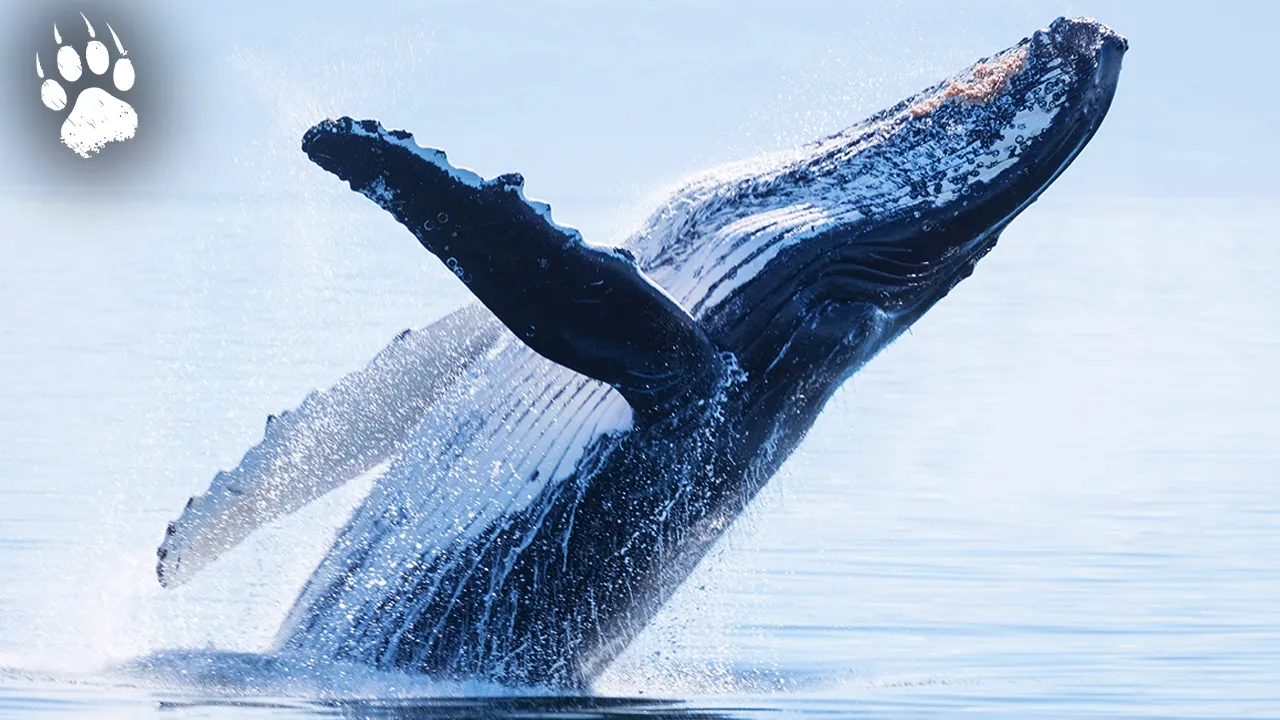



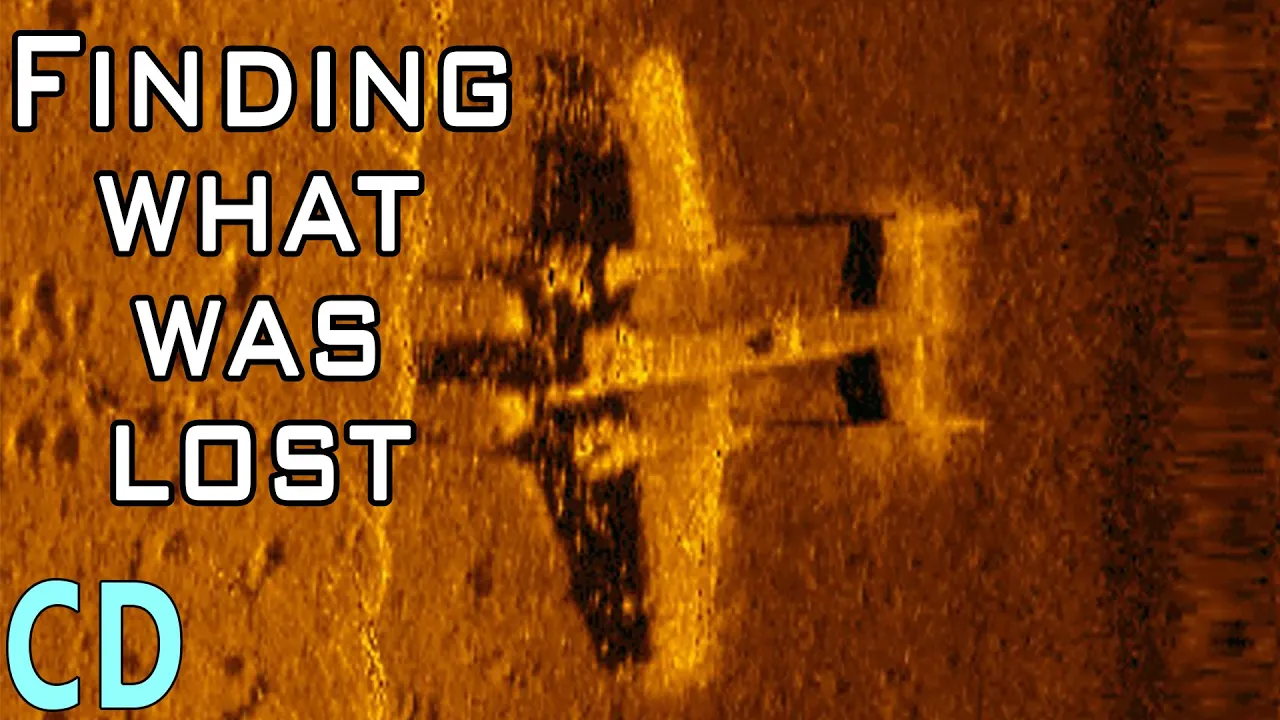
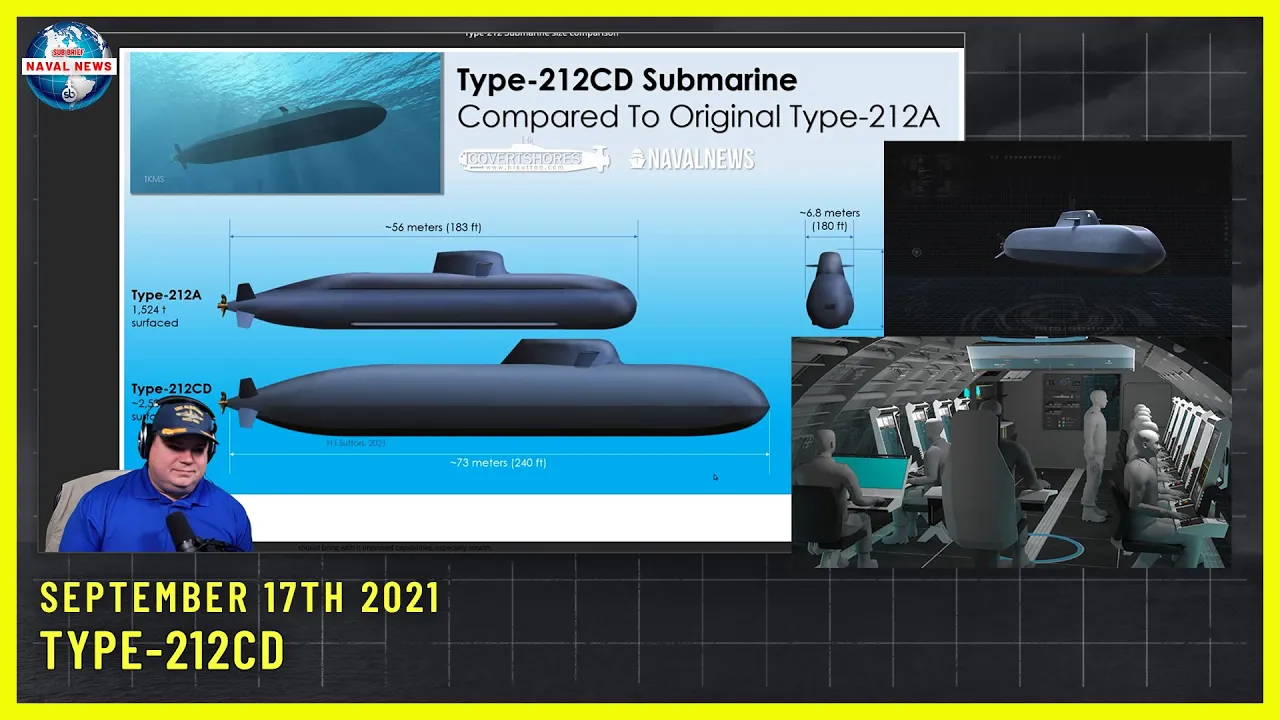
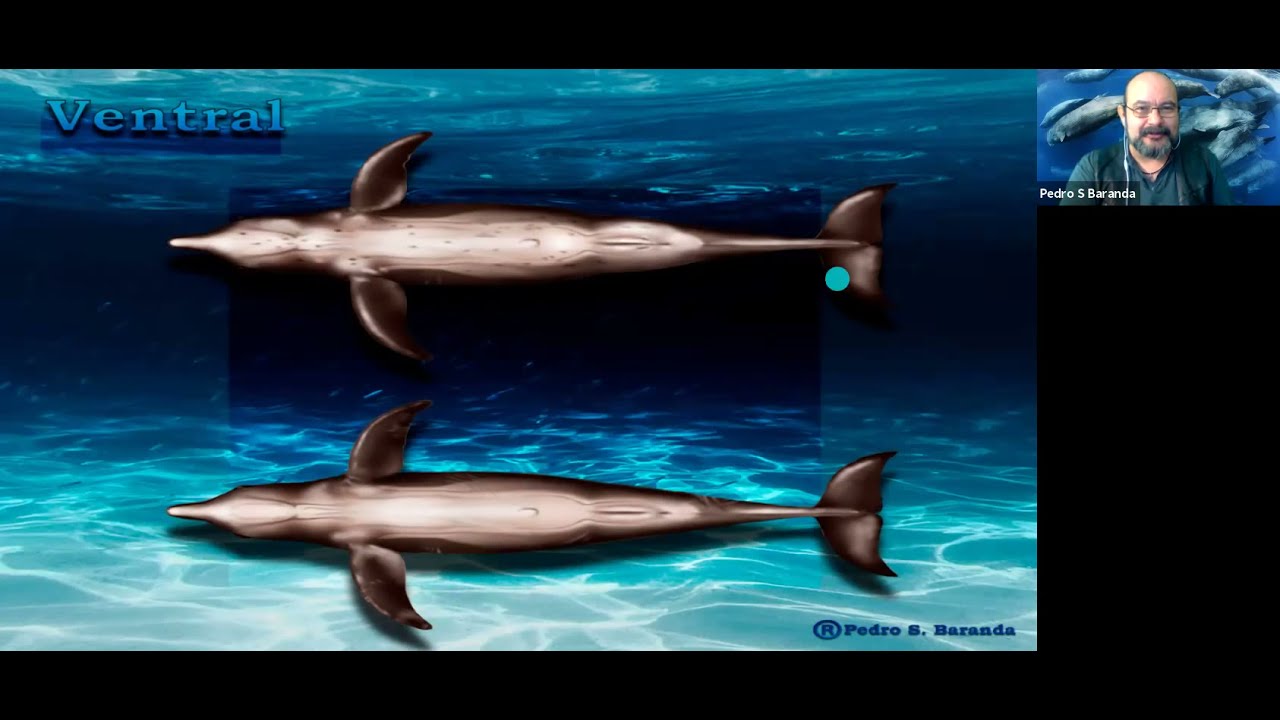
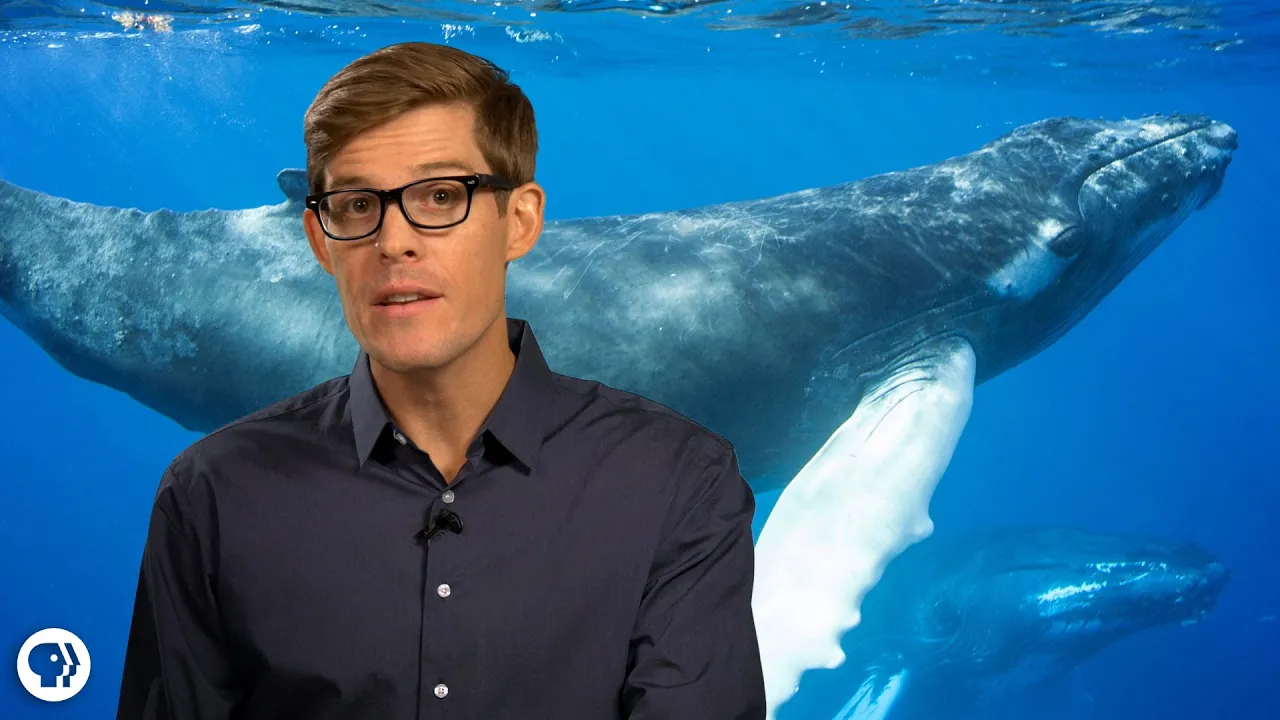

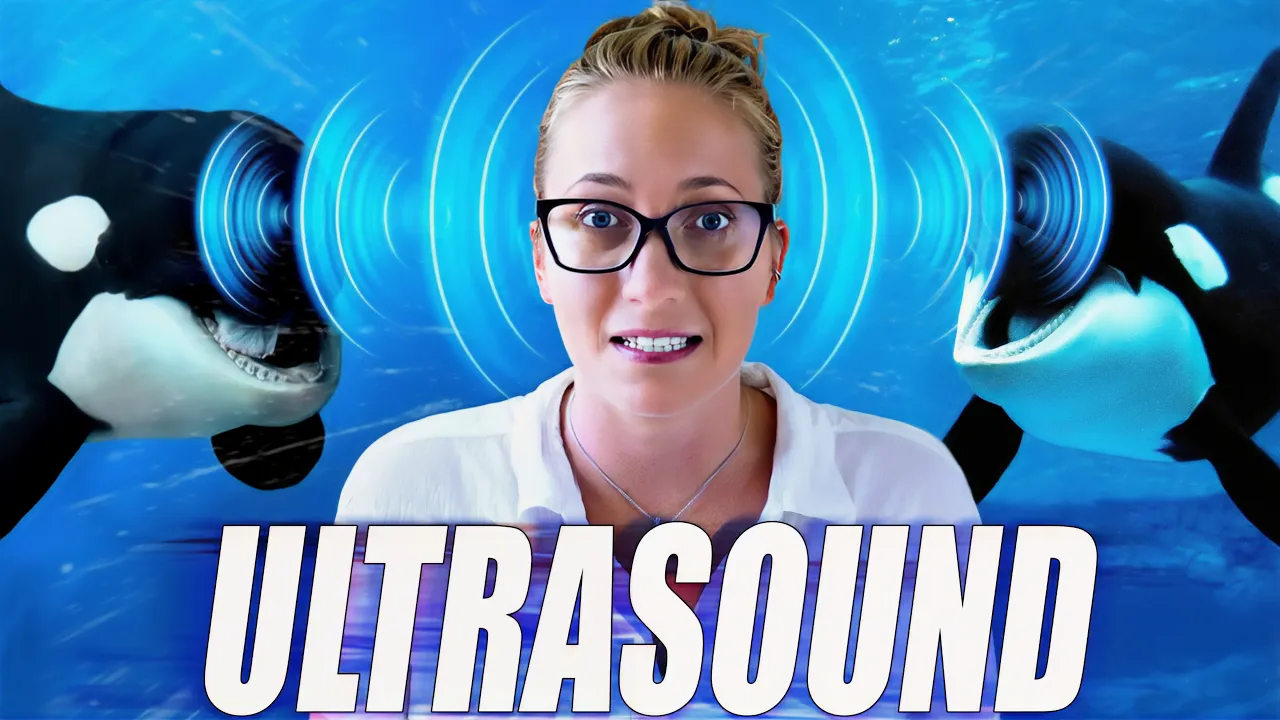
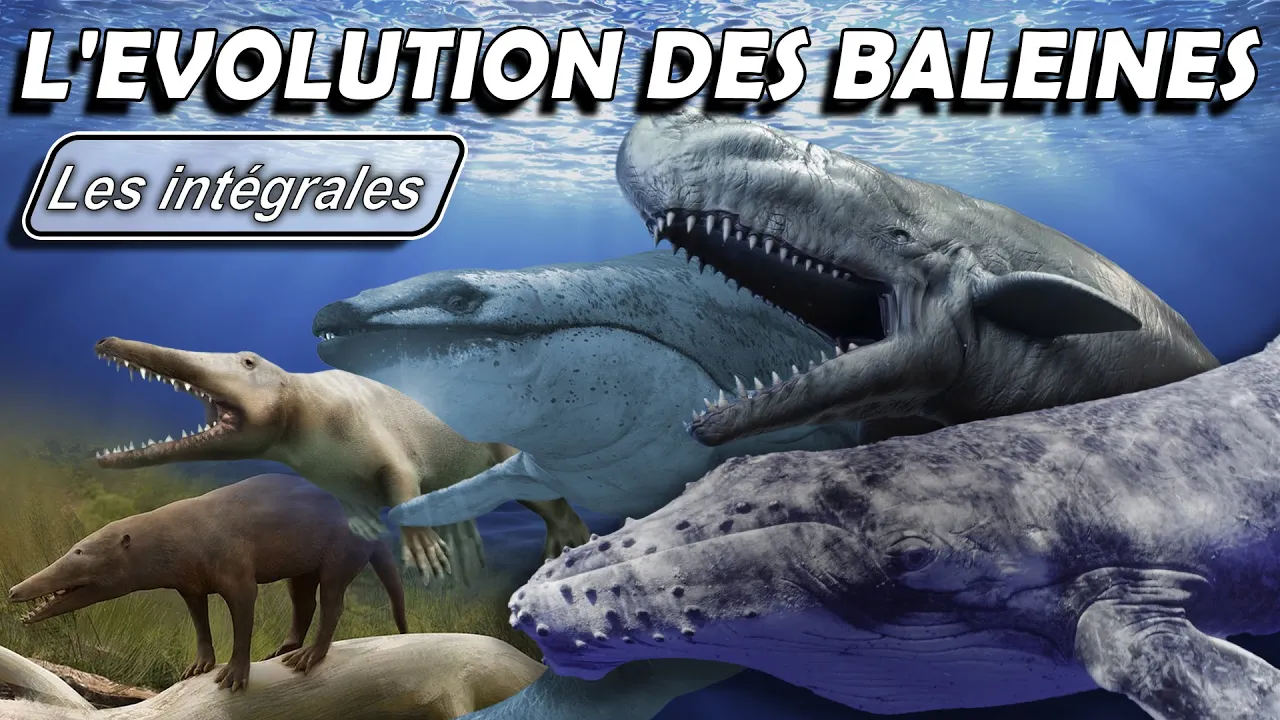
Sound travels approximately four times faster underwater (1,481 m/s) compared to air (343 m/s) because water molecules are packed closer together than air molecules, and even faster in solids like diamond (12,000 m/s); this density difference causes underwater sounds to be louder and lose directional cues since sound reaches both ears simultaneously, making it difficult to determine sound source direction, while marine animals have specialized adaptations including echolocation for finding food and unique vocalizations for communication and mating.
How Sound Travels Underwater | Physics & Marine Life
Added:Basic wave physics, including the definition of mechanical longitudinal waves, frequency, wavelength, and amplitude.
The molecular differences between states of matter, specifically how particle density and elastic properties differ in gases (air) versus liquids (water).
The fundamental formula for wave speed and the concept that sound requires a physical medium to propagate.
General ecological concepts of animal adaptation, natural selection, and sensory communication.
The physics of the SOFAR (Sound Fixing and Ranging) channel, exploring how temperature, salinity, and pressure gradients create underwater acoustic waveguides.
The impact of anthropogenic (human-made) ocean noise pollution from shipping and military sonar on marine mammal behavior and survival.
The engineering principles behind active and passive SONAR technology used in bathymetry, navigation, and marine archaeology.
Advanced marine bioacoustics, focusing on the evolutionary anatomical adaptations (such as the cetacean melon and jaw fat) for transmitting and receiving underwater sound.
45.5K views380likes5:01Original Release: 2020-05-27
in air sound travels 343 meters per second did you know that sound travels faster in water sound travels 1481 meters per second underwater was over four times faster this is because the water is denser water molecules are packed closer together than air molecules in a solid material the molecules are packed even closer together than in a liquid so sound travels even faster in a diamond sound travels 12,000 meters per second sound travels the slowest in gases faster in liquids and even faster in solids because sound travels faster and keeps its intensity longer under water than it does in air sounds are much louder underwater not only are they louder but you cannot tell which direction they are coming from like you can when you're above the water instead underwater the sound is all around you since the water is denser and the sound is traveling faster you cannot detect the difference in time that the sound reaches one ear versus the other like you can in air the surface of the water which is the boundary between the water and the air reflects the sound waves back underwater this is why sounds made underwater are more difficult to hear outside of the water not to mention our ears are made to hear sounds in air not water the distance that sound can travel in the ocean actually depends on the pressure and the temperature of the water if the temperature and pressure where the sound was emitted and travels stays constant then the sound travels at the same speed as the ocean depth increases however the water pressure increases the temperature decreases and the speed of the sound waves move slower essentially sound most faster in shallow reefs than it does in the deep open ocean many animals utilize sound underwater and for many reasons marine mammals have ears that are specialized for hearing underwater unlike humans one reason they use sound is for communication whales and dolphins have a language of clicks and whistles that they use to communicate with each other the whistle sounds especially helped them during mating season humpback whales are known for their mating songs or their complex pattern of sounds that the meals make these songs can last for up to 20 minutes and can be sung for hours what's even more fascinating is that all of the males in the pod or group will sing the same song together scientists have discovered that each whale and dolphin pod has their own dialect or unique sounds so that way they can distinguish members of their own pod from other individuals another way that marine mammals utilize sound underwater is to find food not all animals have great underwater vision so they must rely on other senses to help them locate food whales and dolphins use a type of biological sonar called echolocation the clicks that whales and dolphins make are primarily used for finding food and determining their surroundings when they click the whales and dolphins then listen to the echoes of the click that return to them from any nearby fish and other objects when they hear the echoes they can determine and locate each object once they have located the fish they're able to catch and eat it fish also utilize sound underwater to communicate with each other some fish such as the freshwater drum in our Lake Michigan tank can contract the muscles around their swim bladder to vibrate and produce a thumping or drumming sound the swim bladder is an air sac in their abdomen that helps with buoyancy this is why they are called freshwater drums males create these low pitched sounds that travel long distances during mating season to attract females atlantic Croaker's also produce songs with their swim bladders that create grunts or croaking sounds the sound of a toadfish a swim bladder sounds similar to a foghorn other fish can use stridulation the pressing together of their teeth or bones to create sound channel catfish sometimes rub their rigid pectoral fins together to create sound this sound is thought to be a distress call sea horses also use stridulation because the bony plates in their head rub together during feeding this makes a clicking sound when they strike at their food mantis shrimps also make sounds by vibrating the muscles on the sides of their bodies it is said to sound like roaring elephants this sound is easily blocked by glass or acrylic tanks so you won't hear our mantis shrimp but the sound can be heard while scuba diving usually in the mornings and early evenings one sound that can be heard from our mantis shrimp tank is his striking punch mantis shrimps can punch as fast as a speeding bullet in order to stun their prey all in all many aquatic animals are highly adapted to produce perceive and utilize sound underwater you
Up Next
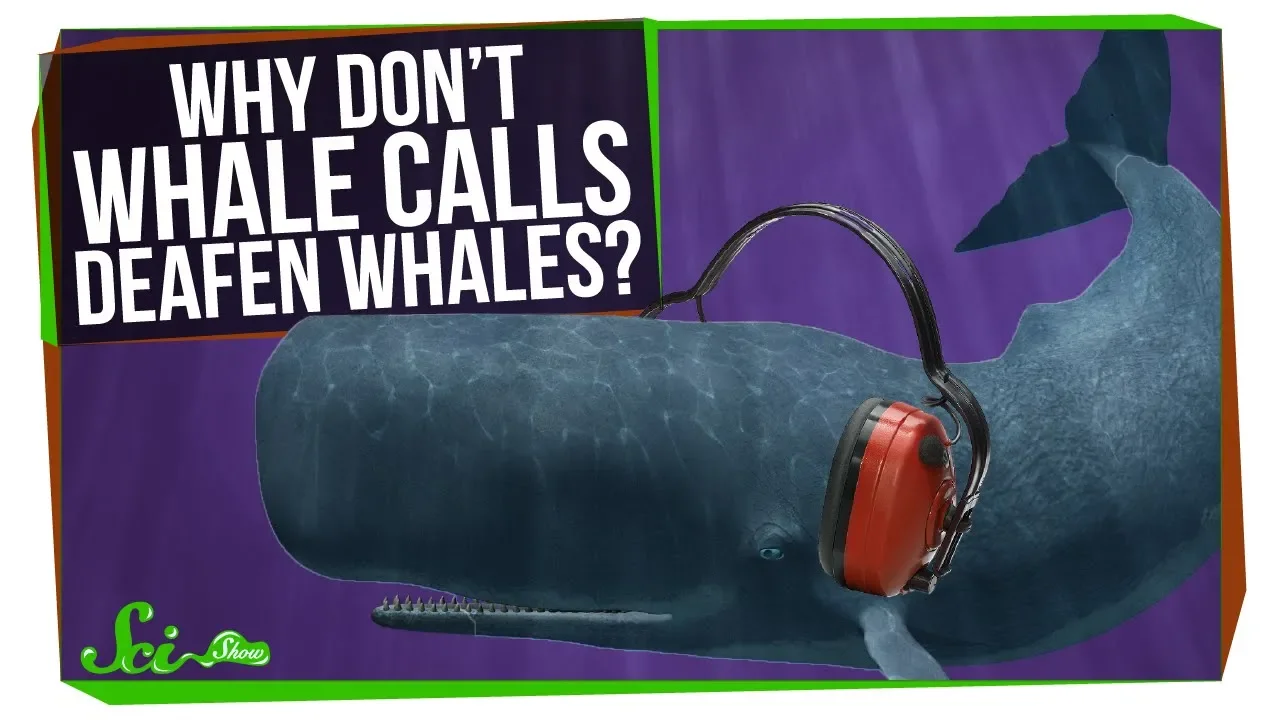
3:50
How Do Whales Avoid Deafening Themselves? Hearing Explained
@SciShow
187.4K views•2018-06-30

12:53
21cm Hyperfine Transition in Neutral Hydrogen: Radio Astronomy Basics
@AaronRobertParsons
12.4K views•2011-10-13

32:32
NMR Spin Physics I: Zeeman Effect, Resonance Condition & Larmor Frequency
@nptel-indianinstituteofsci8064
2.3K views•2024-01-17

27:14
Entropy and the Second Law of Thermodynamics Explained
@veritasium
27.5M views•2023-07-01
Related Study Plans & Knowledge Roadmaps
Structured learning paths in Physics
physics
Nuclear Physics (Decay, Fission & Reactors)
01Atomic Structure and the Binding Force
02Radioactive Decay and Half-Life
03Nuclear Fission Mechanics and Chain Reactions
+ 2 more learning modules
12h5 modules
Explore Roadmap
physics
Soft Matter (Polymers, Colloids & Rheology)
01Foundations of Soft Matter & Thermal Forces
02Polymer Physics and Macromolecules
03Colloids, Surfactants, and Self-Assembly
+ 2 more learning modules
38h5 modules
Explore Roadmap
physics
Analytical Mechanics: Lagrangian & Hamiltonian
01Mathematical Foundations: Calculus of Variations
02From Newtonian Mechanics to Constraint Dynamics
03The Principle of Least Action & Lagrangian Mechanics
+ 3 more learning modules
28h6 modules
Explore Roadmap
physics
General Relativity (Spacetime & Cosmology)
01Foundations of Relativity: Special Relativity
02The Geometry of Spacetime: Equivalence Principle & Curvature
03Einstein's Field Equations: The Mathematics of Gravity
+ 2 more learning modules
55h5 modules
Explore Roadmap