




















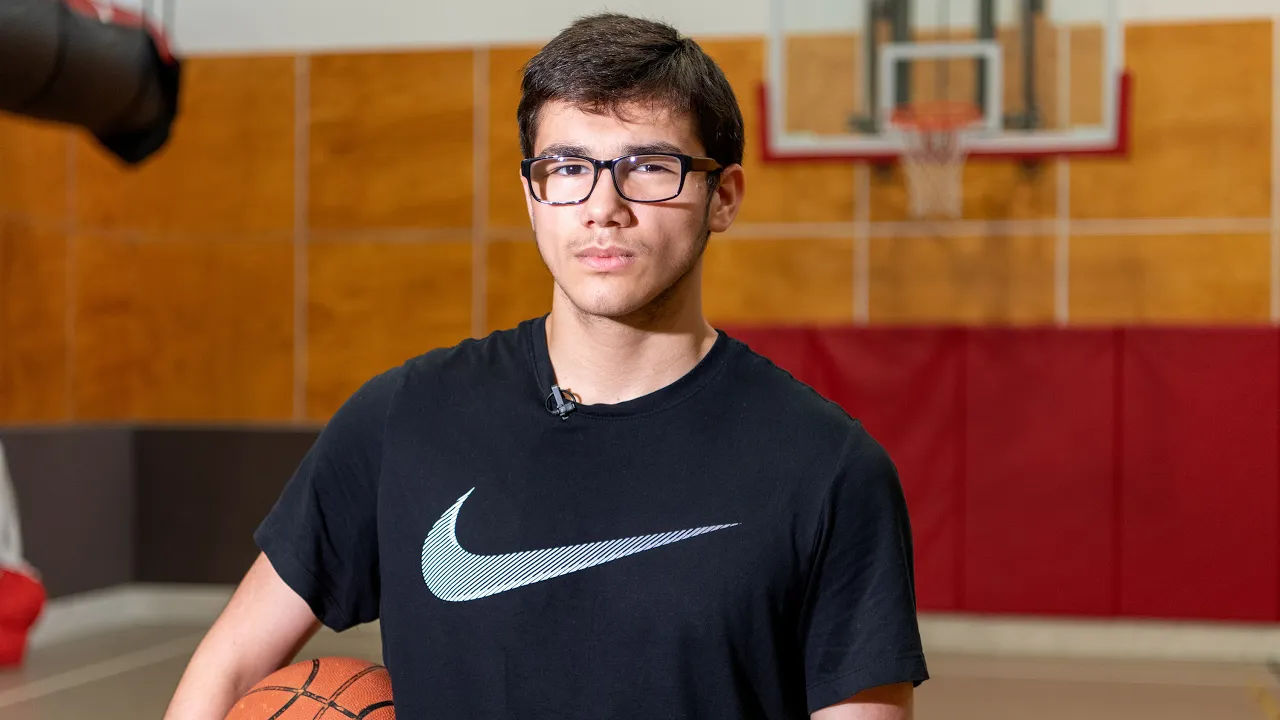



This video showcases how collaborative community initiatives address diverse local challenges, from environmental sustainability (vessel slowdown trials protecting killer whales, food asset mapping for food security) to social welfare (safe walk programs for student safety, boxing programs for at-risk youth), demonstrating that effective solutions often emerge from partnerships between educational institutions, nonprofits, and government agencies working toward common community goals.
BCIT News: Vancouver Weather, Food Security, and Youth Programs
Added:Basic geography of the British Columbia Lower Mainland and the meteorological patterns, such as atmospheric rivers, that cause severe regional storms.
An understanding of 'food security' as a systemic issue, including the socioeconomic concepts of food deserts, urban food mapping, and resource distribution.
The concept of 'at-risk youth' and the theoretical framework behind community-based intervention models, particularly sports-based youth development (SBYD).
The fundamentals of local broadcast journalism, specifically how student-led and hyper-local media outlets identify, investigate, and report on regional community issues.
Analysis of municipal climate adaptation strategies and infrastructure resilience plans designed to mitigate the impacts of severe weather events in coastal regions.
The study of urban planning and public policy initiatives that utilize GIS food asset mapping to tackle systemic food insecurity in metropolitan areas.
An in-depth evaluation of the psychological and sociological outcomes of sports-based mentorship programs on youth rehabilitation and community safety.
Researching the role of participatory and community-driven journalism in fostering civic engagement and driving local political action on social vulnerabilities.
216 views2likes27:41Original Release: 2017-10-20
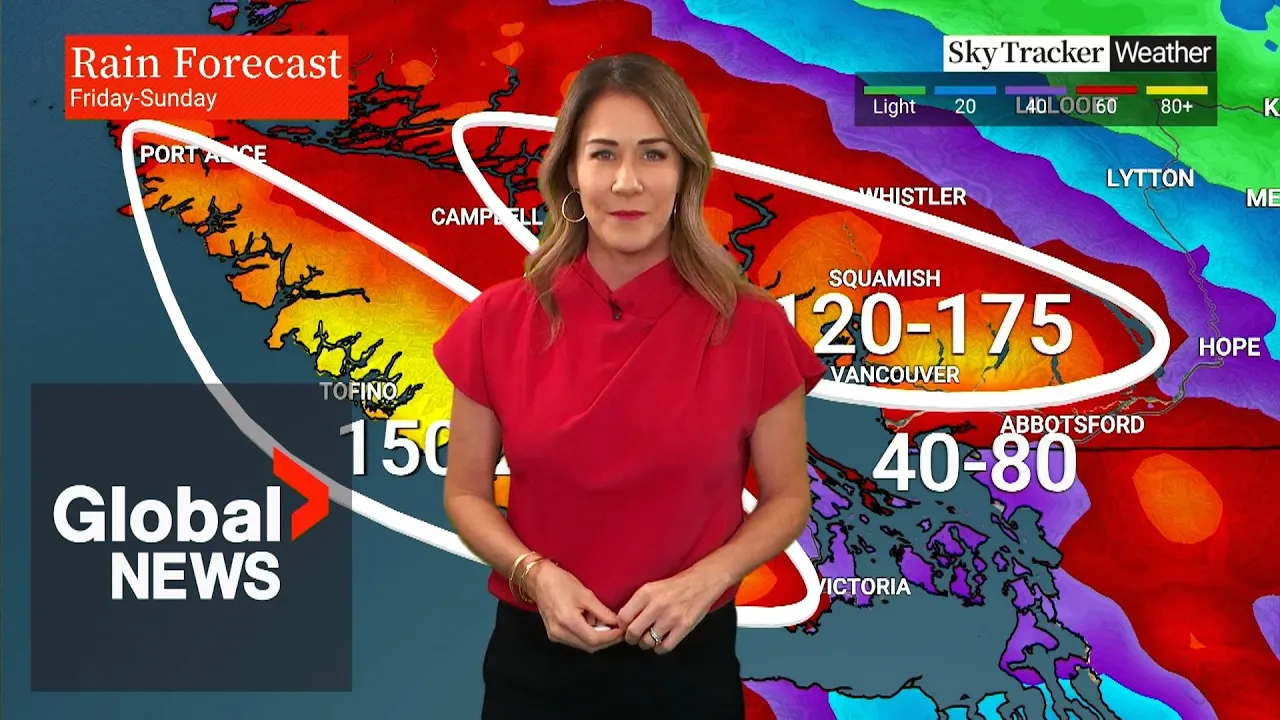
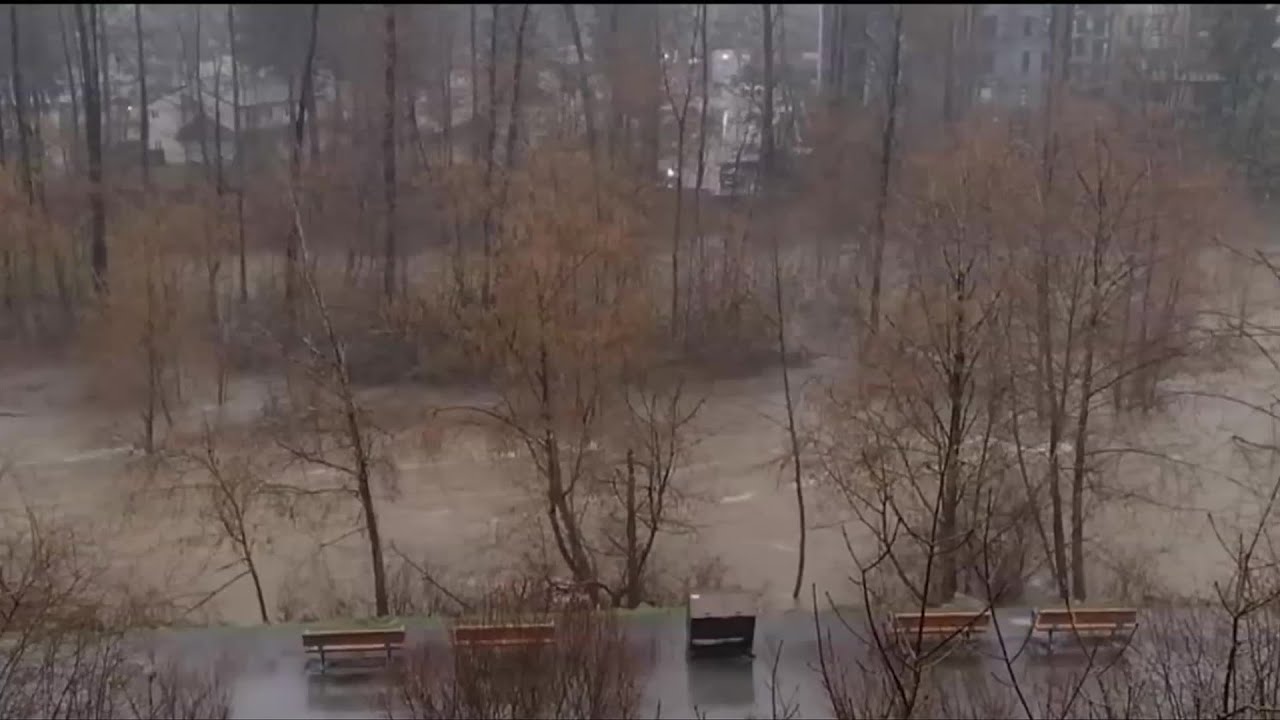
Oh Graham is the work of the broadcast students at the British Columbia Institute of Technology BCIT magazine features news stories from around the Lower Mainland which were produced over the last week responsibility for the content of the show rests completely with the students and their instructors [Music] pod cleanup in the Lower Mainland the City of Vancouver maps out food resources and boxers fight to keep at-risk youths bed and fits [Music] welcome to BCIT magazine I'm Ashley Burr and I'm Vanessa dobin the Lower Mainland had its first wet and windy week of the fall a heavy rainfall warning was issued earlier this week and as a reporter CRE as Chuck tells us the clouds are not clearing anytime soon after a trio of storms touchdown hitting the west coast over the past few days more than 250 trees were blown over and 193 calls were received due to flooding cleanup crews find this time of year their busiest the winds on the ramp the structural integrity of the trees and the trees become more prone to breaking and snapping and therefore become a liability to houses and powerlines the city is preparing for more flooding and downed trees as the storm is expected to last the rest of the week primarily a rainfall event they could certainly see aa month's worth of rain in about seven days very strong gusting winds and there's potential for some property damage over 33,000 Vancouver residents experienced power outages caused by the storm with the weather continuing throughout the week we're expected by Friday to have a hundred millimetres of rain along with heavy winds Vancouver you're gonna need your umbrellas for the rest of the week syria's Chuck in North Vancouver for BCIT magazine we're now joined live by Sierra Jared did the climatologist say anything about what's causing the storms this week well talking with David Phillips from Environment Canada he said that it is unusual for the parade of storms to come all coming from the Gulf of Alaska with waves coming in up high moisture and strong winds it's hitting a higher terrain causing all of the fall storms Ashlee interesting and how has this weather affected other parts of BC well outside the Lower Mainland in a small coastal town of King Kong BC the river did overflow on to the banks the water has started to recede but a flood watch does remain in effect as more water is expected to fall back to you thanks Sierra a North Vancouver inventor is curating a new deep-sea Discovery Center in the Lower Mainland [Music] many people in Canada seem to to be unaware that much of the deep-sea technology that's in use around the world was actually developed in Canada and more specifically in Western Canada and more specifically Vancouver in North Vancouver Newton has collected more than 40 containers of artifacts that he intends to present a preview of the vessel will be displayed this weekend in Maple Ridge an amazon has officially closed the bidding process for their second headquarters this week with more than hundred cities trying to charm the company including Vancouver however Amazon isn't expected to make a decision until 2018 and the Port of Vancouver has completed their vessel slowdown trial to help endangered marine life Alexandra Fraser has more a fraser port initiative through the echo program also known as the enhancing citation habitat and observation program studied how vessels speed and underwater noise affects the remaining 76 resident killer whales in Harrow straight over the last few months vessels that traveled through the area we're asked to slow down to 11 knots they used hydro phones like this one to monitor the levels of noise reduction of the vessels as they decrease their speed federal government researchers linked underwater vessel noise as a key threat to recovering the southern resident killer whale population as we understand from the biology of the whales they use sound very much like we use our eyes to see so they use sound to communicate with each other to socialize and one of the really key reasons well they're why they're in this region is to forage and to feed on chinook salmon who are here returning to the Fraser River a seasonally those salmon can be hard to find if a vessel traffic is too noisy we believe that that sound can inhibit their ability to feed and that's one of the primary reasons that they're here during the trial period more than 900 ships pass through the area and 60% of them participated by voluntarily slowing down after analyzing the data researchers hope that over the next few months they'll be able to see if it made a difference Alexandra Fraser in Vancouver for BCIT magazine magazine BC I see students use an app to get home safe and a day of inspiration makes it stop in Vancouver [Music] we're here live in-studio on for the record [Music] before I went to be Satie I had a little bit of experience in college radio which I loved I walked into a news room I sat down with the news director and after three minutes he said young man I would never put you on television go to be said t get some experience then comes up it gives you the tools right away in order to hit the ground running in almost any newsroom and here life of BCIT Burnaby campus and as you can see behind me the weather is beautiful today I had a job in between first year and second year would not have had that job I'm quite convinced without BCIT welcome to evolution is optional this gives us whether it's the writing whether it's the editing whether it's simply knowing how where to go who to talk to who the players are that allows you to get out of the field it keeps you humble it keeps you hungry and it keeps you guessing and asking those better questions welcome back to BCIT magazine Vancouver Coastal Health has released a map showing all the agricultural hubs in Vancouver our reporter Dennis Arellano outlines the expected benefits for both communities and students Vancouver Technical secondary is the center points of the food asset map it shows agricultural lands in Vancouver like this one where van tech student jack her a Julia works luckily over the summer it wasn't it wasn't true rainy and it was really hot so like working was a lot of fun there was a lot of like youth empowerment over like showing throughout this program Kerry jeweler has been in the van tech sustainability learning and farming program since summer his mentor is Mark Shutts Bank the food asset map is a huge part of being able to think and know where there's access to food in your community and all across Vancouver there are areas where it's hard to find food and so being able to have another map that will help explain where those assets are it's really important pantech farm is one of many locations on the map it also shows where to find kitchen and food programs as well as community organizations it's sort of a one-stop shop to find out about where to find food in vancouver rom says says vancouver is the first city with a map like this and other cities are not far behind the North Shore that's North and West Vancouver have a map hopefully they'll have theirs launched in December Richmond is starting to work on their map the Sunshine Coast is working on a map the map is a living document romps encourages the community to keep posting input so it is continually updated dennis Arellano in Vancouver for BCIT magazine our reporter Dennis now joins us live Dennis how long did it take to create this map well the first stage of planning began back in 2013 at the time there were a couple of maps already built by other organizations but they were mostly outdated so it took four years of proofing before the Vancouver Coastal Health could actually approve of their map Vanessa Dennis where does this where does Vancouver Coastal Health see this going in the future well as of right now other cities around Vancouver are looking to build their own version of the food acid map rum says told me that she has been reached by Ottawa and even by other cities from Michigan and North Carolina so as you can see this idea is beginning to spread back to you thanks Dennis for five days a week at-risk youth living on Vancouver's Downtown Eastside have access to free boxing lessons and a full belly Corey siddaway has more on the story of two local nonprofit organizations who believe everyone deserves access to a good meal and a workout Noah has found an escape on the downtown inside a place where he can box hang out and eat all for free you know place we can just chill out you know get away from home Noah's home away from home is East Side boxing club it looks like most boxing clubs but East Side is not for profit it was created as a safe community space for those who need it the most like Noah and other at-risk youth from the Downtown Eastside we decided that we couldn't really expect youth to come in and be able to work on an empty stomach and it was really about meeting those basic needs East Side partnered with another local nonprofit good food for all to ensure that kids were arriving and leaving with the full belly I think the biggest difference between a kid who's had access to food and a kid who hasn't is really their demeanor and they want to focus that they have kids who haven't eaten have a very low tolerance for any sort of stressors in their life volunteers say they've noticed a lot of change with the youth over time what we've seen is really a drop in aggression from everyone that's come through the door which has been you know it's one of those things that you're worried about like we're taking a few at risk youth bringing them all into a space together and we're gonna teach them how to box but it seems to work through disciplined workouts mentors they look up to and pre and post-workout snacks the kids say they leave feeling more grounded the punch and lunch programs attendance has increased 33% running five days a week meaning more at-risk kids are finding a place where they feel like they belong Cory sit away in East Vancouver for BCIT magazine we're now joined live by David shine who was the founder of the food stache foundation his organization rescues food from producers and suppliers that would have otherwise been heading to the landfill thank you for joining us today David thanks bringing me on OK I know that you provide food for the good food for all organization can you tell me a little bit about why grocery stores find that food to be completely unusable well depending on what food product is a variety of reasons for example bread and pastries they want to sell fresh that day so anything that doesn't get sold that day we can pick up the next day and still obviously still good to toast and put some butter on it and it's the same fruits and vegetables it could be starting to get a little bit soft maybe they order too much of a certain product if let's say tomatoes that you buy in clam shells there's a couple bad ones in that clam shell they might get rid of the whole clam shell I'm telling a bit about how all this started for you yeah I watched a movie called just eat it which was filmed are made by a Vancouver couple who only a food waste for six months and Illustrated kind of how this food waste along the whole chain all the way from the farm to the distributor to the supermarket and then also at home and then so what do you do once you get that we're sort of middlemen between the stores and different charities in the city so we're so far we all we're doing is we're picking it up from produce stores cafés bakeries and supermarkets and then delivering it to right now 20 different charities in the city like food for all that you just heard about it well thank you so much for being here David thanks a lot from the fight against hunger to the fight for safety be CIT security is seeing a rise and students using their safe walk program to new cherie pillai has the story please they wrote in there this is called blue 13 it's a code BCIT students can use in an emergency whether they're walking to the bus stop or just to their class code blue is just one small part of BCIT safer walk program be CIT Security says they've seen a significant increase in the number of people especially women calling them for help this year the guards are reporting about two to three per evening between 4:00 and 10:00 p.m. when we have the student bike patrollers on shift making a request for a safer walk as compared to maybe two a month previously BCIT has 50,000 students on campus and the only half of them are in part-time studies the safer walk program has been around for a while but many students seem to be unaware of it be CIT security says it's encouraging students to trust their instincts and call when they need help we've done a lot of work trying to make students more aware of this service but also again empowering the the guards and the student bike patrollers to go and speak with the community members into to really go and offer the service proactively particularly now when it's getting dark and and dreary out the rain started it is darker at night and and students are really a little more timid on campus a little more insecure as far as their comfort on campus and this is when we really need to promote it with the students so that the students will activate that service and engage us on it I think it's a cool program because you know if you feel insecure at night going to your cards always nice to have someone accompany you especially a security guard students have a lot of options to call for help and downloading the safety wise app is just one of them Donna Chapelle I in Burnaby for BCIT magazine Burnaby Council has approved measures this week to increase safety in their parks the city is looking at including security cameras bike patrols and more visible park signage these updates come a few months after the body of 13 year old Marissa was discovered in Central Park coming up on the CIT magazine a black bear tries to take a trip on the West Coast Express and Pokemon trainers young and old gather to battle it out [Music] we're the lens through which people gain an understanding of their world whether it's politics or crime or Civic issue in writing and welcome to evolution the exemptions gita or even environmental stories we're showing it to people so they can have a better understanding of the world around them maybe it makes them more informed when they vote at the at the ballot box maybe it gives them something to talk about at dinner the language of broadcast is really specific you have to be able to speak a language or no one takes you seriously so from a technical standpoint ECI T teaches you that language students want changes to parking prices and access to be CIT is Burnaby campus and you can't navigate the industry without knowing technical terms I'm here live at BCIT food.we campus I'm never bored at all I'm meeting people and talking with them and telling their stories Vancouver you've heard of a redheaded heartthrob snoring talking about how our city is downright boring well obviously he doesn't watch our show here's some events for you to get up and go circus Olay opened their new show this week it's the curious cabinet of curiosities for all you acro 11 freaks and head under the grand chapeau at the Concord they promise you a great show so you won't be bored fermenters fermenters come from far and wide for a festival at the rec center that we call it Creekside and for all ye who want to sample some fermented fare there become bucho among others we'll see you there next is the bright lights at the gorgeous gardens of Van Dusen inspired by Alice's Wonderland for your family's amusement look out for the pumpkins until Halloween and worry not dear children it will make your parents scream last is the strange of things one-man parody promised to fill you with nostalgic 80's Glee so next time you're out with your friends nursing that pale ale hey why don't you tell mr. Rapa vancouver's the best go back to Riverdale [Music] welcome back Quebec legislation passed a new bill this week that the premier expects to be challenged in court the new religious neutrality law requires citizens to uncover their faces while giving and receiving public services the premier says that Quebec is the only jurisdiction to legislate on this topic and Tuesday morning's commute was no picnic but that didn't stop a bear from making an appearance at a West Coast Express station my co-anchor Vanessa Dobin has more on tramplings unwanted visitor Pepe commuter foot traffic sometimes turns into paw traffic that's what happened Tuesday when a bear was spotted on the West Coast Express tracks at Coquitlam Central Station first thing we did was basically let people know that we need to get off the platform we used the station announcements and our staff went out there just to clear everybody out of the way they may seem cute and they may seem you know interesting to see but and I know people have to get to work but we needed to take the safe course the bear cub climbed the tracks behind me just after 9 a.m. this is not the first time wildlife has been spotted on trans like property raccoons squirrels and even Cougars have been sighted near trains especially since the opening of the Evergreen Line bear sightings alone are common in Coquitlam on average daily average we get bear sightings anywhere from 10 to 15 reports call volumes have increased regarding bear sightings and for TransLink encounters with wildlife just come with the territory we live in an amazing part of the world with lots of nature and that's a great thing so you're gonna find that you know down near sky train line as well and a West Coast Express I think same rules apply you know just use your common sense there have been no further sightings of the bear but TransLink is keeping an eye out Vanessa Dobin in Coquitlam for BCIT magazine students attended what's billed as one of the largest classrooms in the world this week at Rogers Arena we day promotes the idea of how individuals can rally together to create impactful change my co-anchor Ashley burr was there [Applause] hip-hop artist son real opened the show but the real stars were the students who donated their time to support local and global causes every day like this past week we've been coming after school every day to make posters trying to figure out ideas of we're actually having a multicultural event which is Diwali this year at school and everyone's been coming out and it's impressive because everyone is so busy these days we'd a highlighted Generation X but with a new spin calling it generation we you've got this incredibly aware and socially conscious young generation we're changing the world is actually cool and is possible for a generation that deeply believes this and it's interesting when you put it in spans of human history it wasn't that long ago that the ordinary individual was relatively powerless and today the ordinary individual can light a spark on social media to to topple empires I believe that Jen we is something that is dependent on your perspective of what you believe that you want your generation to hold stadiums around the globe were filled with incredible people today but students can't buy a ticket it had to be earned I'm Ashley burr in Vancouver for BCIT magazine even though pokemons gone mobile there's a large group of local cart enthusiasts still working to catch em all the old-fashioned way Nicolas Cavallo reports on the local showdown what was once made for kids has turned into a game where everyone and anyone can get involved the Pokemon 2017 regionals have come to Richmond this year and players from across North America can get a chance to play competitively one of the players at the regional tournament are currently playing in a Swiss style tournament base meaning that even if you lose you continue playing through all your matches now the divisions are broken up into three categories juniors which is for ages 10 and under seniors which is for ages 11 through 15 and masters which is for 16 and older in the Masters division even parents have a chance to jump in and play and ass'll Stein has been playing for 10 years I started playing because my daughter was interested in playing and I found the game really fun of myself I saw other parents playing so I thought I'd start to and challenging really good video games can help solidify parents relationships with their children sandy Moore is the organizer of the regionals and says she feels a stronger connection with her son when he plays and he goes oh my god I gotta you know I feel the joy just like him and that's very rare you know that gift your kids out on the soccer field in my kids play soccer - you're you're way over there in your kids scored and you see everything it's a city but here we're together and we can share that excitement and then I understand it professional players have also showed up at Regionals Aaron Zhang has won regionals five times nationals twice and placed third in the world championships and he's only twenty years old in the end the fun someone can have in playing pokemon can reach anyone of any age Nicolas Cavallo captured a mall in Richmond for PCIT magazine brain cancer can affect a family or a community and in this case a whole country Gord Downey's death has done just that Shelby Mayer has more the Vancouver rain matches Canada's somber feelings as tragically hips frontman Gord Downey passed away at 53 more than his death though Canadians are reflecting on his life and his passion some connections more personal than others when I was little I had a brain tumor so there's some people that they do when they know their time's up they got nothing else to lose except be courageous and just push as hard as they can and show people that you know basically love right and love is the message downy spread to Canadians when it came to first nations and their plates for reconciliation I think it's important for Canadians to hear from people that they can identify with that they have faith and trust in and that speak very clearly about the problem maybe not the problem is the wrong word the challenge that has been hoisted upon First Nations people by this country since it began but it's definitely a sad day for all Canadians and First Nations alike whether you're reflecting on his life or mourning his death it's clear Downey had a major impact on Canada and its people Shelby Mayer in Vancouver for BCIT magazine premier John Horgan also paid tribute to Gord downy organ said people are mourning across the country but thankfully downy left many music in our library Alex Rodriguez and Jennifer Lopez hosted one nights almost live with Marc Anthony to hope to raise money for prayer Rico disaster relief the pair raised 26 million dollars with another 9 million being kicked in from the benefit show if you have any questions regarding the show you can contact us type in broadcast calm our BCIT broadcast news dossier Dean this week on Vanessa Tobin and I'm a sleeper and we leave you now with footage from the Pokemon tournament in Richmond [Music]
Up Next

25:12
CO2 Laser Mirror Alignment: A Step-by-Step Guide for Thunder Lasers
@ThunderLaserUSA
49.8K views•2020-11-11

26:22
Walking in the City: Urban Rituals and the Flâneur in Contemporary India
@PSBTIndia
1.9K views•2016-08-02

9:49
FastAPI vs Flask vs Django: Choosing the Right Python Web Framework
@TechWithTim
302.5K views•2024-05-26

1:42
Game of Thrones Opening Credits: A Cinematic Analysis
@gameofthrones
46.3M views•2011-04-18
Related Study Plans & Knowledge Roadmaps
Structured learning paths in General & Interdisciplinary Studies
general-studies
Artificial Light: History, Tech & Human Impact
01The Pre-Electric Era: Fire, Oil, and Gas Lighting
02The Incandescent Revolution and Grid Electrification
03Gas Discharge and Fluorescent Illumination
+ 3 more learning modules
14h6 modules
Explore Roadmap
general-studies
Elevator Engineering: History, Physics & Cities
01From Hoists to Safety Brakes: The Dawn of Vertical Lift
02Hydraulic vs. Traction: The Engineering Physics of Elevators
03Modern Speed, Safety, and Algorithms
+ 2 more learning modules
12h5 modules
Explore Roadmap
general-studies
Rubber: Material Science, History & Geopolitics
01Origins of Natural Rubber & Mesoamerican History
02The Chemistry of Natural Rubber & Vulcanization
03The Geopolitics of the Rubber Boom & Colonization
+ 2 more learning modules
12h5 modules
Explore Roadmap
general-studies
Containerization: Evolution, Logistics & Trade
01Ancient Trade & Bulk Cargo: Amphorae to Barrels
02The Industrial Revolution & Cardboard Packaging
03The Containerization Revolution: Malcom McLean
+ 2 more learning modules
12h5 modules
Explore Roadmap