











![[Tecnología Mecánica I] Clase N°10A](https://i.ytimg.com/vi/S6w2raQekls/maxresdefault.jpg)







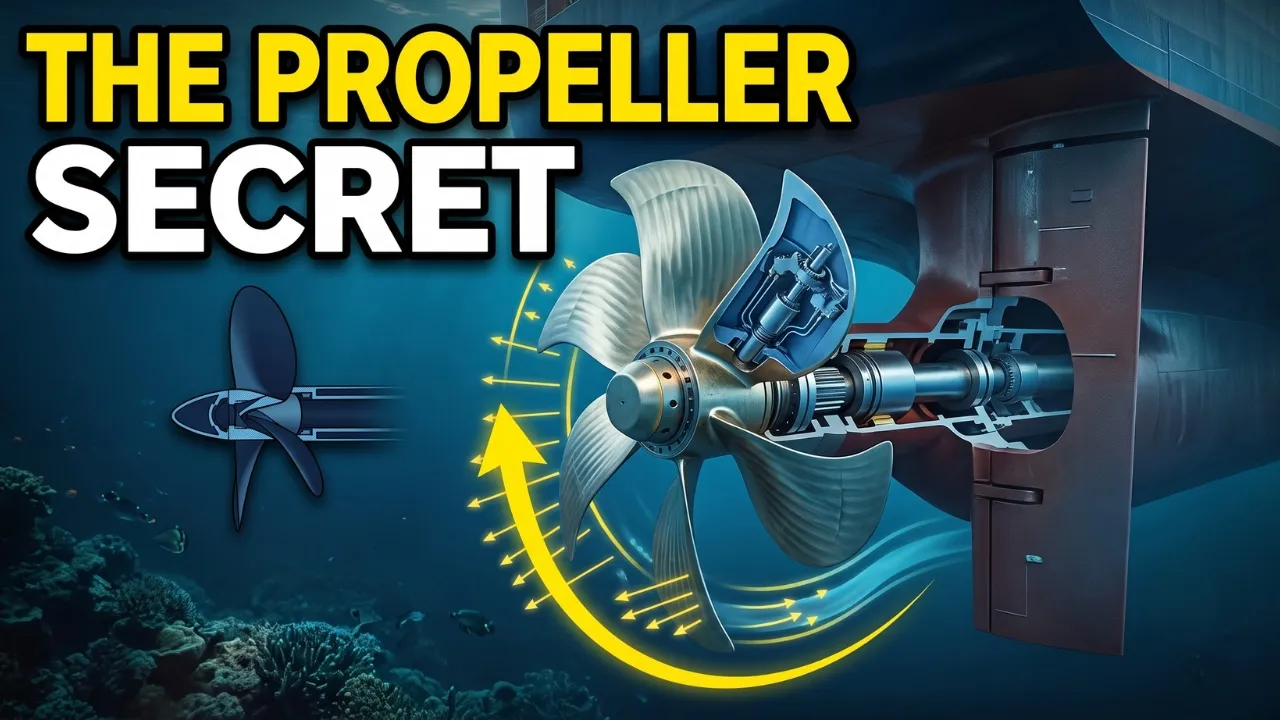
Cavitation is a phenomenon where gas bubbles form on the low-pressure trailing edge of a propeller due to Bernoulli's principle, and when these bubbles collapse, they create high-pressure jets that erode the manganese bronze propeller material over time, causing gradual damage that requires periodic propeller replacement.
How Cavitation Damages Battleship Propellers
Added:Bernoulli's Principle and fluid dynamics, specifically the inverse relationship between fluid velocity and pressure.
The concept of vapor pressure and phase transitions, explaining how liquids can vaporize at room temperature under low pressure.
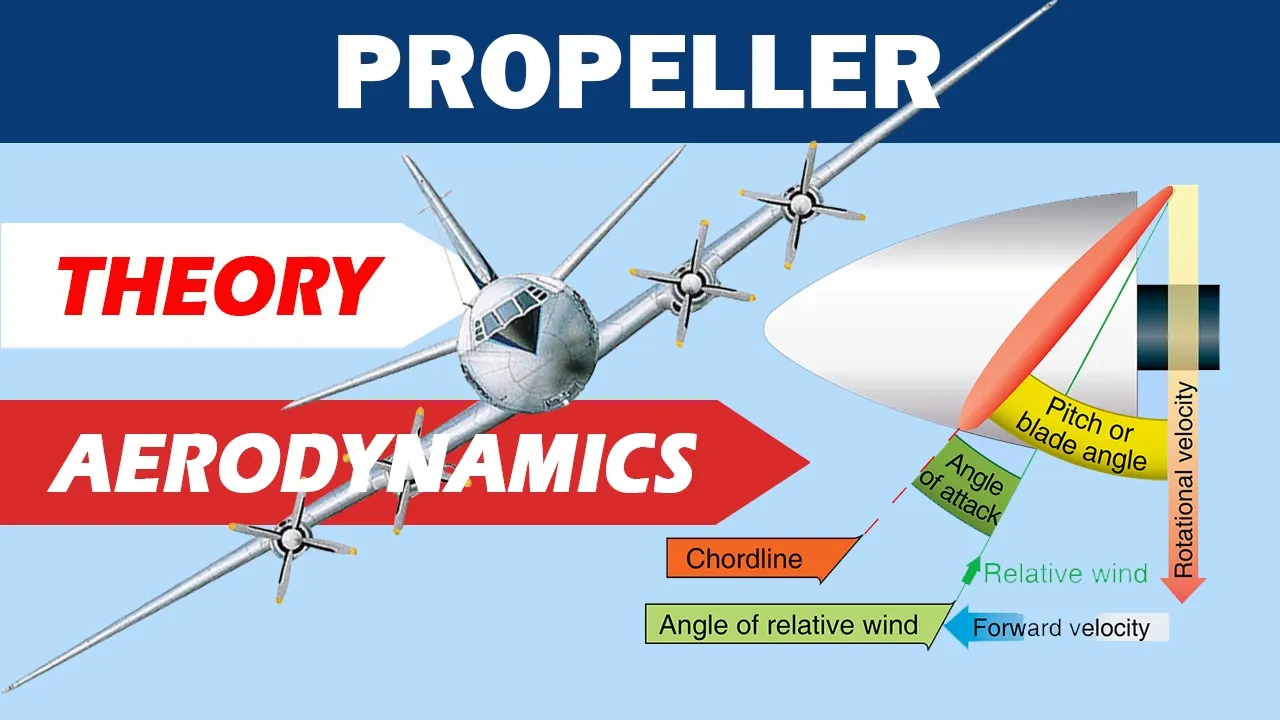
Basic marine propeller mechanics, including how blades generate thrust through pressure differentials.
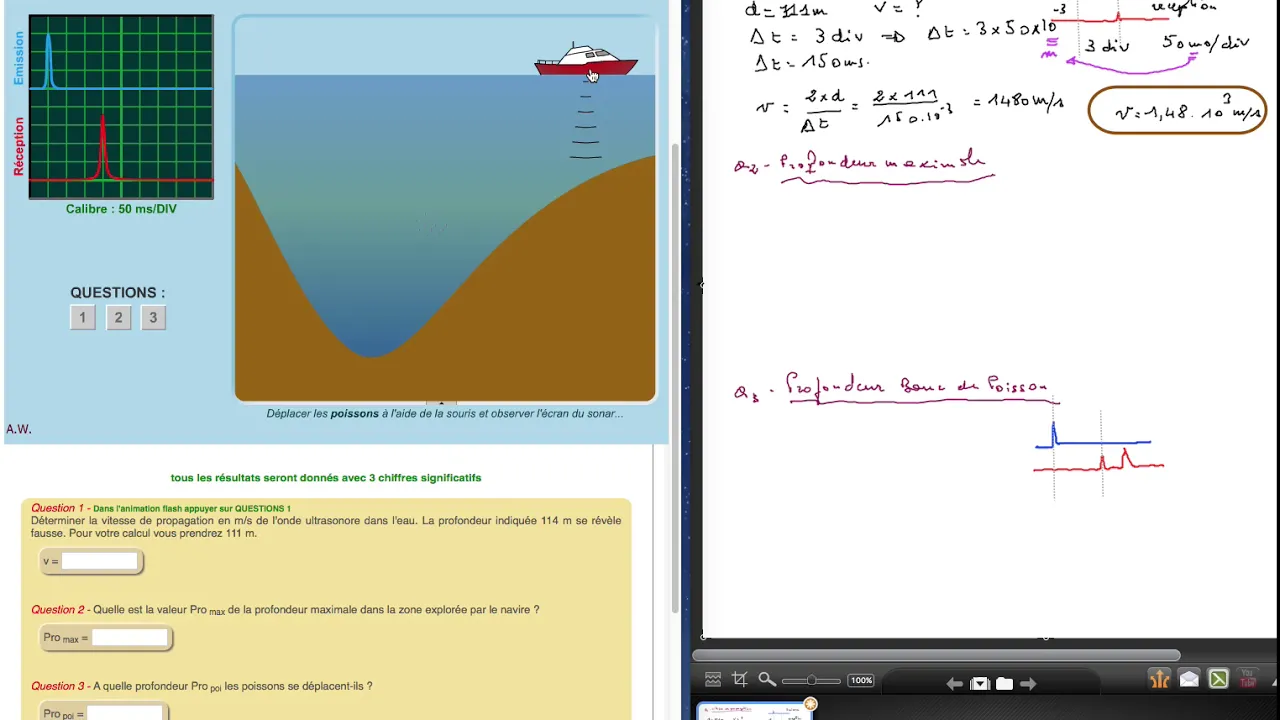
Fundamentals of acoustics and sonar systems, particularly how sound propagates through water and how hydrophones detect noise.
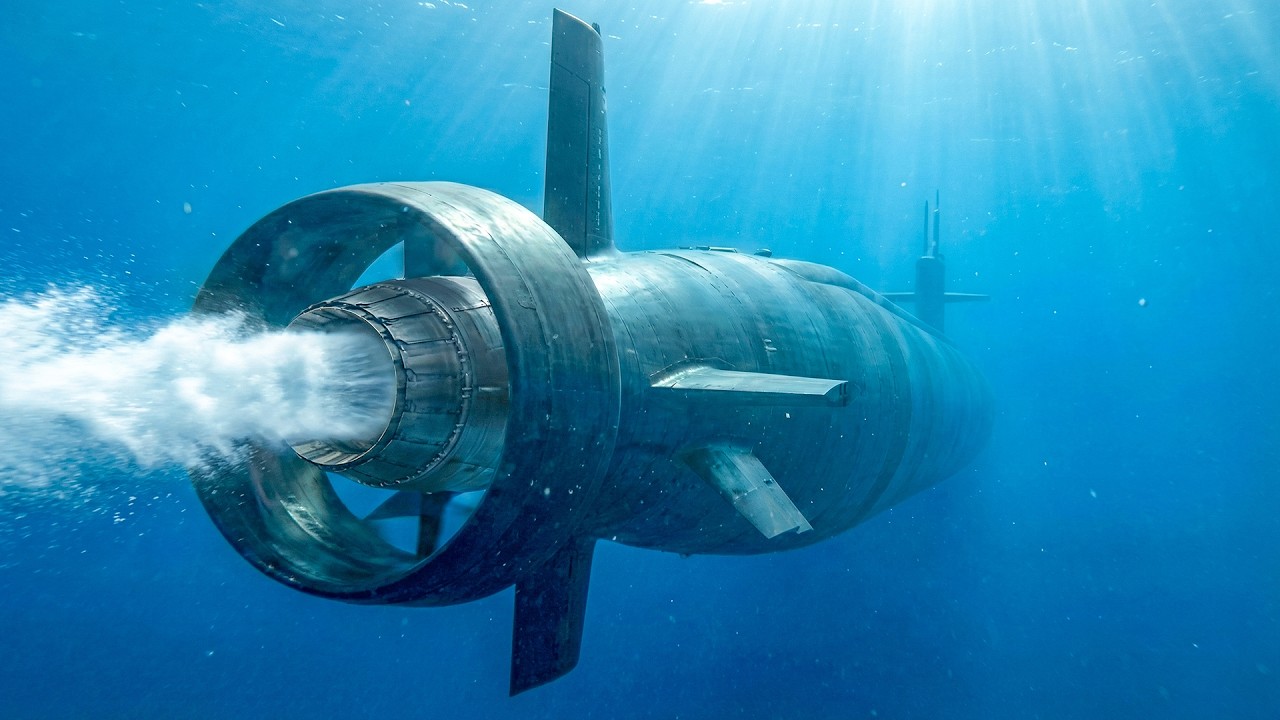
Advanced marine propulsion design, such as skewed propellers and pump-jet propulsors designed to mitigate cavitation.
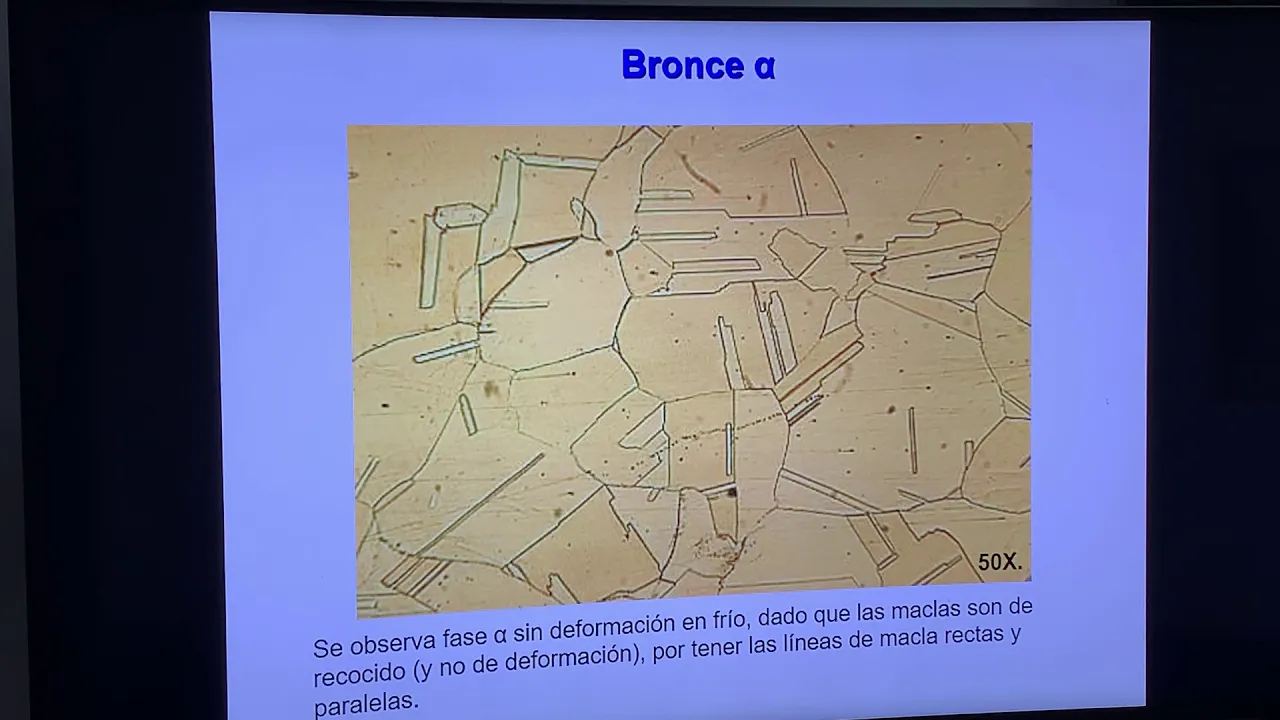
Material science and metallurgy, focusing on erosion-resistant alloys (e.g., nickel-aluminum bronze) and protective coatings.
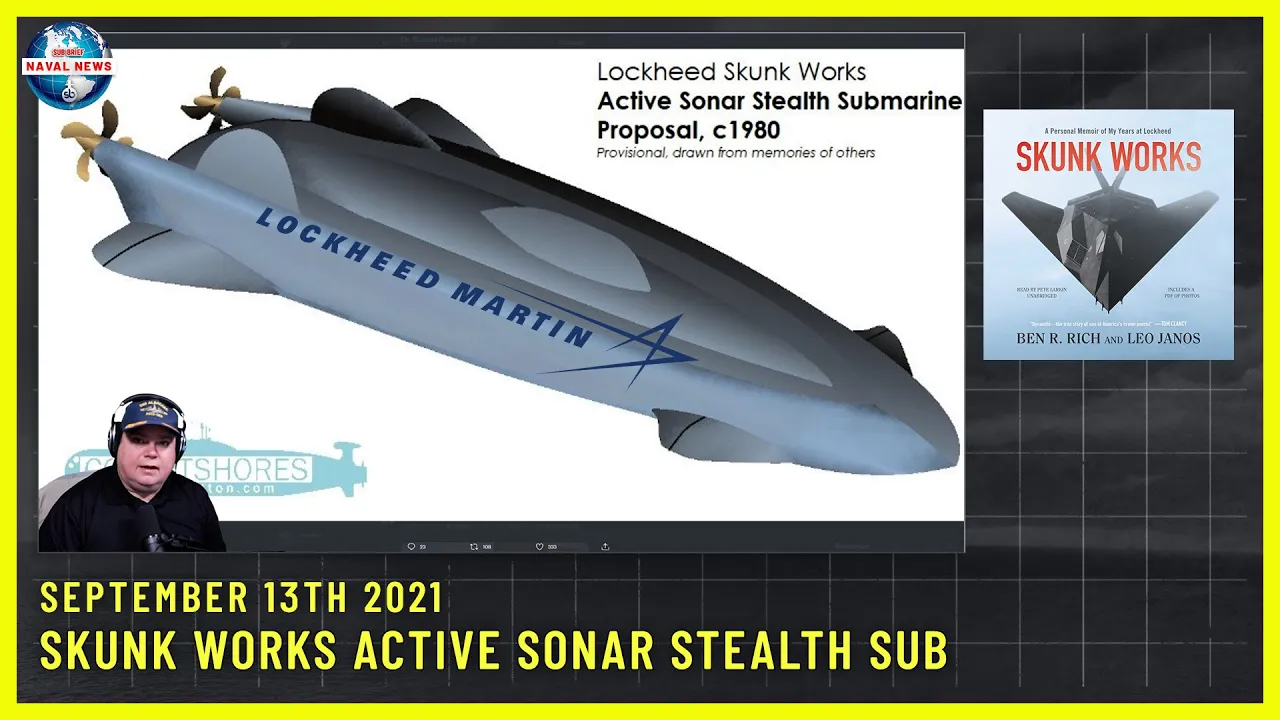
Submarine stealth technology and acoustic signature management to evade passive sonar detection.
Computational Fluid Dynamics (CFD) modeling used to simulate and analyze bubble dynamics and cavitation inception.
75.4K views4.5Klikes6:10Original Release: 2024-03-19
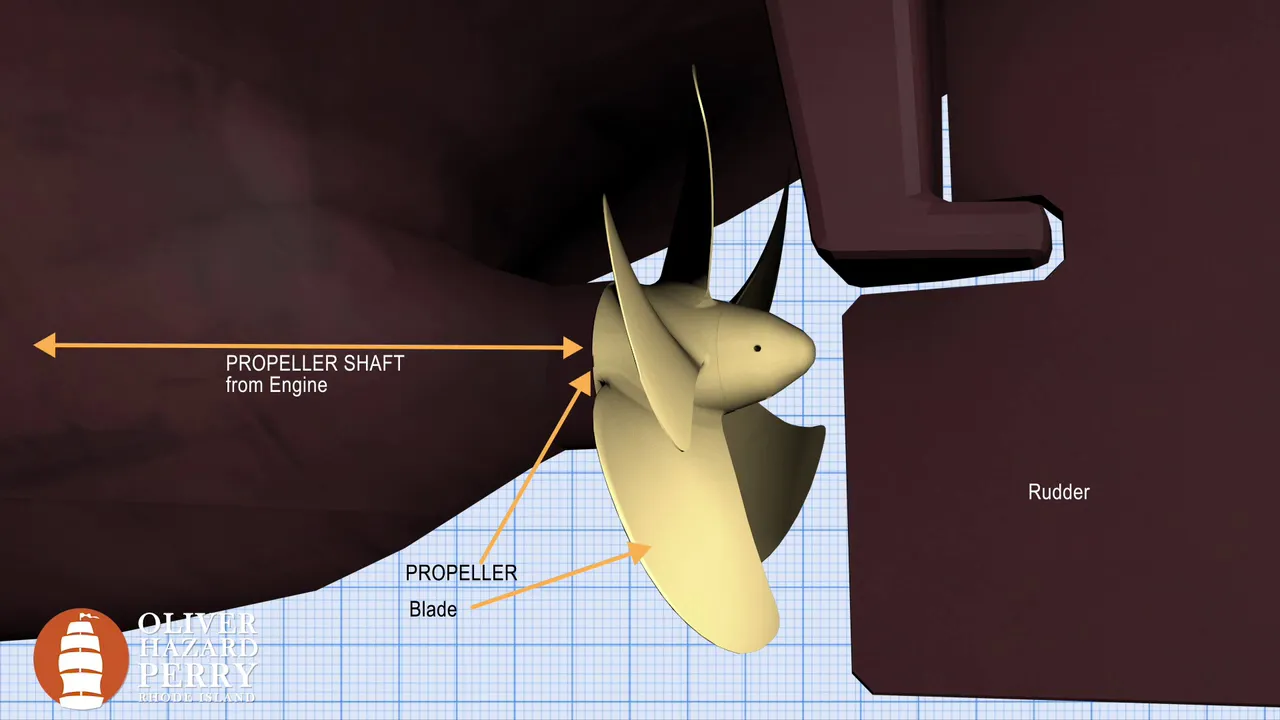
[Music] hi I'm Ryan samansky curator for Battleship New Jersey mumm memorial and in today's video we're going to talk about one of the types of damage that Battleship New Jersey suffers over her career she has very little battle damage but plenty of wear and tear from the environment in today's video we're going to be specifically talking about cavitation what that is and where we find it on the ship it's one of the things we're going to be looking for while the ship is in Dry Dock because any places where there's water flowing along the ship you could see cavitation damage but it's going to be most concentrated on the propellers cavitation is gas bubbles that form particularly on the trailing edge of a propeller uh there there's other places that it forms to but but on a battleship it's particularly the trailing edge of the propeller and when that bubble pops it'll actually start to erode away the manganese bronze of the propeller we're here in Camden at one of these ships 18t tall Outboard propellers in fact based on the curve of this one I'm pretty sure it was our starboard side propeller it was removed from the battleship in uh 1968 when she was reactivated for Vietnam Bern's principle governs a lot of things that have to do with uh fluid dynamics over Wings essentially a propeller is not a wing going through air but spinning through water it gets a very similar effect so Boli's principle states that there is a pressure difference between the Leading Edge of a wing and the trailing edge of the wing namely that there is a lot of pressure on the Leading Edge and a lot less on the trailing Edge the way the propeller is facing us right now this black part is where the dun cap would go over it at the end of the shaft so we are facing it as if we were at the back of the ship looking forward we're looking at the trailing Edge the reverse side is the Leading Edge we should expect to see the most damage here on the trailing Edge because that is where there is low pressure the propeller forcing water out of the way has a similar effect to boiling it actually uh it's causing the water to compress and when it compresses it's heating up and that's turning it into non-condensable gases so that gas is forming a little air pocket or a cavity but that cavity will rupture and the way it ruptures is what causes the damage obviously that that air bubble is the strongest on the bottom face where it's touching the propeller that means that it is the weakest on the opposite face so once the pressure of the water overcomes the pressure pressure of that gas bubble it essentially uh causes a jet of water to dimple in from the top the weakest side and shoot all the way through this gas bubble into the manganese bronze propeller and over time that is what's wearing away the propeller and causing all of these little micro holes that then get bigger and bigger and bigger over time that's the main reason why Battleship New Jersey had to change her propellers so many times throughout her career at our most economical cruising speed it's not really an issue but when you send the ship up to full speed now you're displacing so much water you've got such a pressure gradient difference between the Leading Edge and the trailing Edge that you start to get the these massive numbers of bubbles that's not only a problem because of the damage it's causing to our propeller that that is damage over time it's not like an immediate thing if we run this for an hour We're going to have problems the more immediate concern is that the cavitation when those air bubbles Pop makes a soundwave that is very audible especially on Sonar especially for submarines so while the the battleship is always going to be very aable for submarines lighter ships like destroyers and Destroyer escorts will probably only be running their sonars at lower speeds when their own cavitation isn't going to be causing a problem for them if you want to be among the first people to see the cavitation damage on Battleship New Jersey's propellers the ones that are still on the ship check the link in the description below where we're selling tickets to tour the ship while she's in Dry Dock weekends in April and May you will be able to get this close to the battleships propellers Battleship New Jersey receives operating support from the New Jersey Department of State also from a number of other businesses and private individuals like yourselves we really appreciate support it's allowing us to dry dock the ship you can also support us by donating at the link in the description below another way to support us by liking sharing subscribing so more people find out about us and the channel thanks for watching when was the last time you walked beneath a nearly 900t Battleship without getting wet or stood next to an Iowa class propeller three times taller than you this spring you can book a tour beneath the battleship New Jersey the largest most decorated battleship in US history while she's in dyok at the Philadelphia Naval Shipyard tens of thousands of gallons of water will be drained from the dock so you can see the hidden workings of one of our nation's all-time greatest military assets Battleship New Jersey was first launched on December 7th 1942 she epitomizes the all inspiring display of American Naval power and the indomitable American Spirit don't miss this once in a life lifetime opportunity to support the work of the battleship New Jersey museum and Memorial visit Battleship new jersey.
org to book your tour today
Up Next

1:20
Marine Seismic Survey Airgun Operation Explained
@Geousman101.
8.8K views•2021-06-15

30:32
Ultrasonic Transducers: Resonant Frequency Measurement and Horn Design
@imajeenyus42
229.9K views•2017-02-22
54:16
Polymer Environmental Degradation: Mechanisms & Stabilization
@iit
1.8K views•2012-07-10
33:39
How a Student's Question Saved a NYC Skyscraper from Collapse
@veritasium
22.8M views•2025-04-26
Related Study Plans & Knowledge Roadmaps
Structured learning paths in Engineering
engineering
Building Acoustic Levitators: Physics & Arduino
01The Physics of Sound and Standing Waves
02Piezoelectric Transducers and H-Bridge Drivers
03Arduino Programming: Generating 40 kHz Signals
+ 2 more learning modules
14h5 modules
Explore Roadmap
engineering
Building Peltier Cloud Chambers: Particle Tracks
01Cosmic Rays & Cloud Chamber Physics
02Thermoelectric Cooling (TEC) Fundamentals
03Custom Liquid-Cooling Loop Design
+ 2 more learning modules
18h5 modules
Explore Roadmap
engineering
Yagi-Uda Antennas: Modeling, Build & VNA Test
01Introduction to RF and Antenna Fundamentals
02Yagi-Uda Antenna Design Principles
03Antenna Modeling and Simulation in 4NEC2
+ 2 more learning modules
18h5 modules
Explore Roadmap
engineering
ECG Monitor Design: Op-Amps, Filters & Noise
01Electronics & Breadboard Basics
02Op-Amps and Instrumentation Amplifiers
03Bioelectricity and ECG Fundamentals
+ 2 more learning modules
18h5 modules
Explore Roadmap