Phytoremediation: Soil Clean-Up & Plant Biology
Learning Goal: Analyze the mechanisms of heavy metal hyperaccumulation in plants and design a community-led phytoremediation plan to extract lead and cadmium from contaminated urban brownfield soils.
Prerequisites
- Basic high school biology (cell structure, basic plant systems).
- Fundamental high school chemistry (ions, ionic bonding, pH basics).
Estimated Total Study Time
- 16 Hours (including video lectures, self-directed research, and design exercises).
Module 1: Introduction to Soil Contamination & Heavy Metals
This module establishes the chemical and historical context of urban soil pollution. You will explore how industrial processes, past architectural practices, and manufacturing have left persistent trace metals, specifically lead (Pb) and cadmium (Cd), in urban environments. You will learn about their distinct chemical behaviors in soils and the critical physiological dangers they pose to human health.
Recommended Videos

- Why this video: Dr. Anna Paltseva introduces "technosols"—human-altered urban soils. This lecture explains how industrial waste, municipal garbage, and architectural history create heterogeneous pollution layers in urban environments, serving as a baseline for why target soil testing is necessary before any agricultural or remediation work begins.
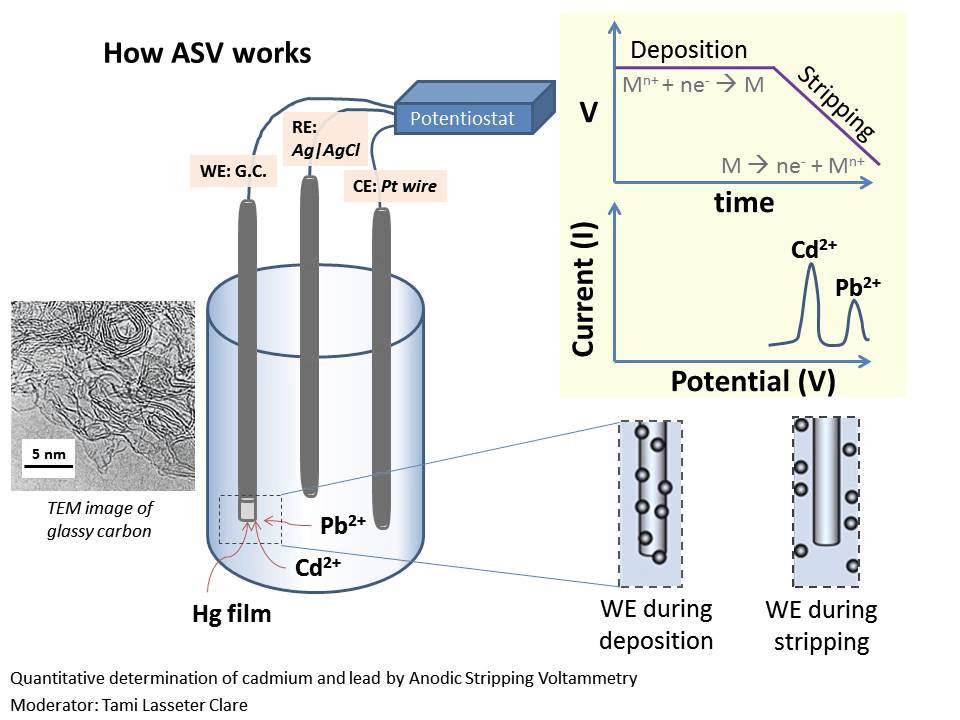
- Why this video: This video highlights the extreme biological toxicity of lead and cadmium. It explains why cadmium is a severe, threshold-free carcinogen and details the neurotoxic profile of lead, especially regarding its development-disrupting impacts on children.

- Why this video: This segment focuses directly on lead and cadmium as the primary soil hazards in urban agriculture. It discusses their major historical sources, including leaded gasoline and paint, and outlines how these metals persist near the surface of urban lots.
Knowledge Checkpoint
- Understand the definition of "technosols" and how human manufacturing activities create highly localized patterns of soil pollution.
- Differentiate between the physiological impacts of lead (neurotoxicity, particularly in children) and cadmium (carcinogenicity, bone, and kidney damage).
- Explain why heavy metals like Pb and Cd do not biodegrade and instead persist in the top layers of soil indefinitely unless physically removed or extracted.
Module 2: Plant Anatomy and Nutrient Transport Basics
To understand how plants can clean up contaminated soil, you must first master how they transport water and nutrients. This module covers the anatomy of plant roots, the biophysical forces behind transpiration and xylem transport, and the cellular membrane proteins that govern selective ion uptake.
Recommended Videos
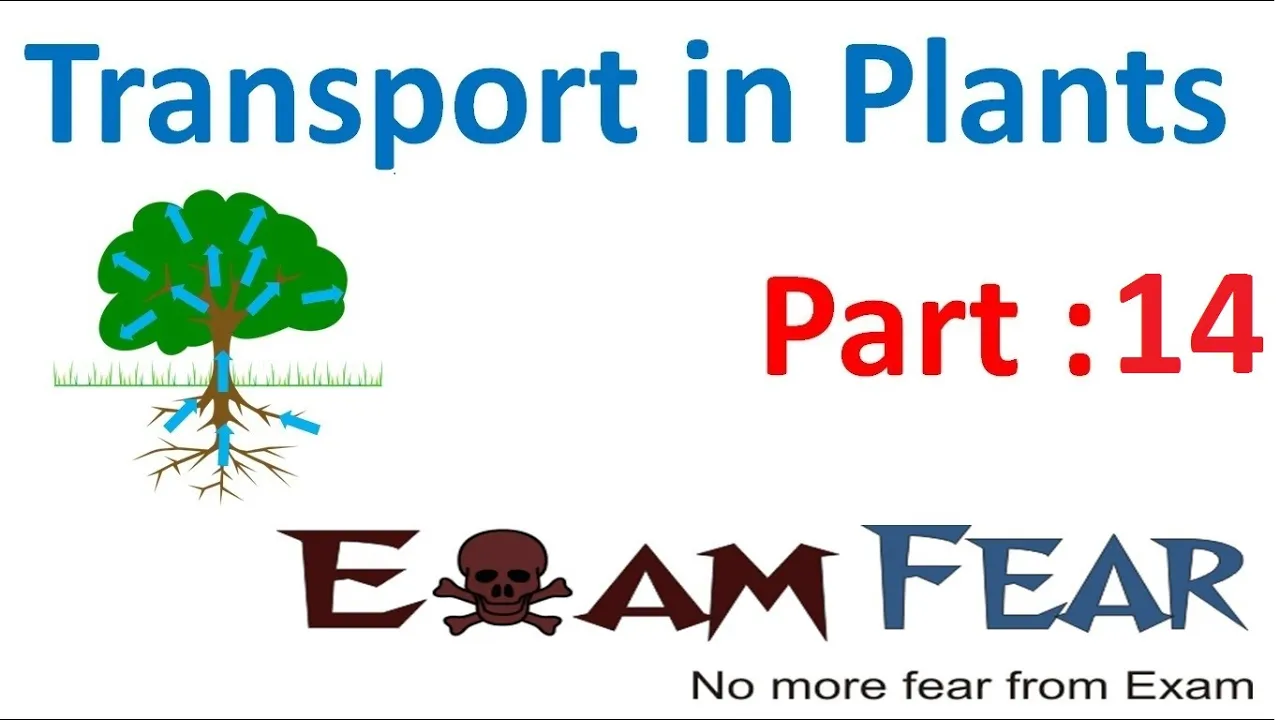
- Why this video: This video introduces the structural pathways that water and dissolved mineral ions take through the root cortex. It visually demonstrates the difference between the apoplastic pathway (movement through non-living cell walls) and the symplastic pathway (movement through living cytoplasm connected by plasmodesmata), which is vital for understanding how heavy metals cross the root barrier.

- Why this video: This lecture provides a comprehensive review of membrane transport systems, detailing the differences between primary active transport (ATP-driven), secondary active transport (using electrochemical gradients), and passive channels. Plants rely on these identical biological transporter classes to import ions across cell membranes.

- Why this video: Professor Fink explains how membrane proteins function as selective channels and carrier systems. This establishes the cytological principles of how specific ions pass through otherwise impermeable lipid bilayers, which mirrors the process of selective metal transport in hyperaccumulator plants.
Knowledge Checkpoint
- Diagram the root cross-section and identify the apoplastic and symplastic pathways.
- Explain how transpiration pull and cohesion-tension theory drive the bulk flow of water and dissolved ions upward through the xylem vessels.
- Contrast passive ion channels with active transporter proteins, explaining why active transport is required to move ions against concentration gradients.
Module 3: Biological Mechanisms of Hyperaccumulation
With plant transport fundamentals established, we now dive into the specific evolutionary adaptations of hyperaccumulators. In this module, you will analyze how these unique plants can absorb, translocate, chelate, and safely store highly toxic concentrations of heavy metals without suffering self-toxicity.
Recommended Videos

- Why this video: A clear, engaging, and scientifically accurate overview of hyperaccumulating plants. It explains how these specialized species use targeted transporter proteins to draw metals out of the soil and lock them safely within their leaf structures as an evolutionary defense mechanism.

- Why this video: This short video highlights the role of cellular vacuoles. In hyperaccumulating plants, the vacuole acts as a secure internal isolation chamber, isolating toxic metal ions away from the metabolic processes of the cytoplasm to prevent cellular death.

- Why this video: This deep dive focuses on the chemical chelation inside plant tissues. It details how metal-specific organic acids and ligands bind to heavy metals, facilitating their safe loading into the xylem and subsequent transport to shoot systems.

- Why this video: This presentation integrates cellular defense pathways. It covers how plants isolate ionic forms from their cytoplasm, trap metals in apoplastic spaces via organic acid binding, and systematically detoxify intracellular metallic compounds.
Knowledge Checkpoint
- Define hyperaccumulation and state the general concentrations of metals a plant must store in its shoots to be categorized as a hyperaccumulator.
- Explain the biological function of cellular vacuoles in metal detoxification.
- Describe how plant chelators (such as metallothioneins and phytochelatins) neutralize toxic metal ions within xylem sap and cytoplasmic environments.
Module 4: Selecting Plants for Lead & Cadmium Remediation
This module transitions from theory to species selection. You will identify and evaluate specific plants—specifically Indian mustard (Brassica juncea) and sunflowers (Helianthus annuus)—analyzing their distinct extraction efficiencies and growth habits for remediating target contaminants like lead and cadmium.
Recommended Videos

- Why this video: This profile of Brassica juncea explains why Indian mustard is a world-class phytoremediation candidate. It highlights the plant's high biomass production and aggressive root uptake pathways, which are critical for processing large amounts of soil-bound metals.

- Why this video: Set in an urban post-industrial landscape, this video highlights the use of sunflowers (Helianthus annuus) for extracting heavy metals like lead from contaminated soils. It serves as an excellent model for converting a brownfield into a remediated community garden.

- Why this video: This video reinforces how sunflower root systems act as biological vacuum cleaners. It describes how their extensive and deep root structures make large sunflower varieties uniquely suited for remediating deeper soil profiles.
Knowledge Checkpoint
- Compare the root morphology and biomass production of Brassica juncea versus Helianthus annuus.
- Explain why a plant with high biomass and moderate metal concentration can sometimes extract more total heavy metals than a low-biomass plant with high metal concentration.
- Describe how seasonal planting cycles of mustard greens and sunflowers can be sequenced to maximize soil extraction rates.
Module 5: Designing and Managing a Phytoremediation Site
This module guides you through the process of designing a functional field site. You will learn about soil chemistry adjustments, the targeted application of chelating agents (such as EDTA) to unlock bound soil lead, and the strict safety protocols required to harvest and safely dispose of toxic plant biomass.
Recommended Videos

- Why this video: This episode explains a major challenge in lead remediation: lead binds tightly to soil particles (such as clay and iron oxides) and is naturally unavailable to plants. It explains the chemical necessity of adding chelating agents to break these bonds, allowing root systems to absorb the metal.
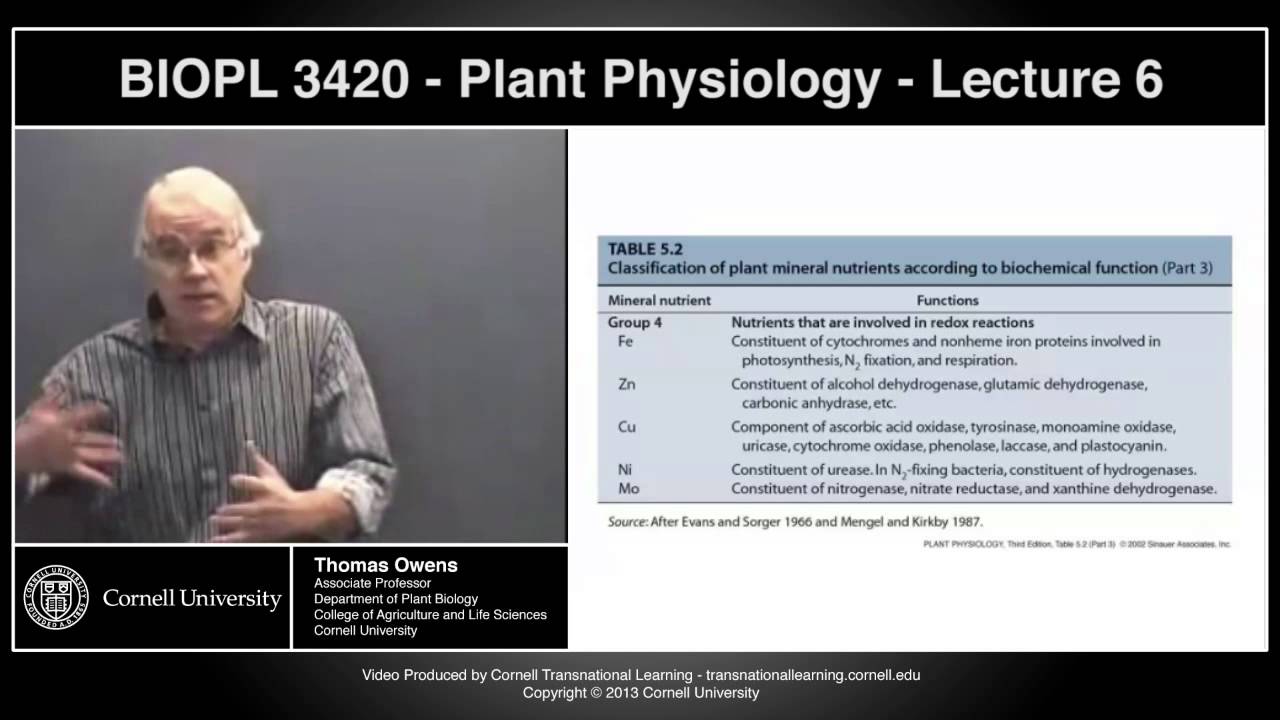
- Why this video: This academic lecture details the chemistry of EDTA (ethylenediaminetetraacetic acid). It explains how its acidic groups ionize to form negative charges that securely bind metal cations in solution, preventing precipitation and making lead bioavailable for plant uptake.

- Why this video: This video details the critical post-harvest disposal process. It illustrates how metal-laden biomass must be dried and incinerated to produce a highly concentrated metal ash, which can then be safely contained or sold for industrial recycling.
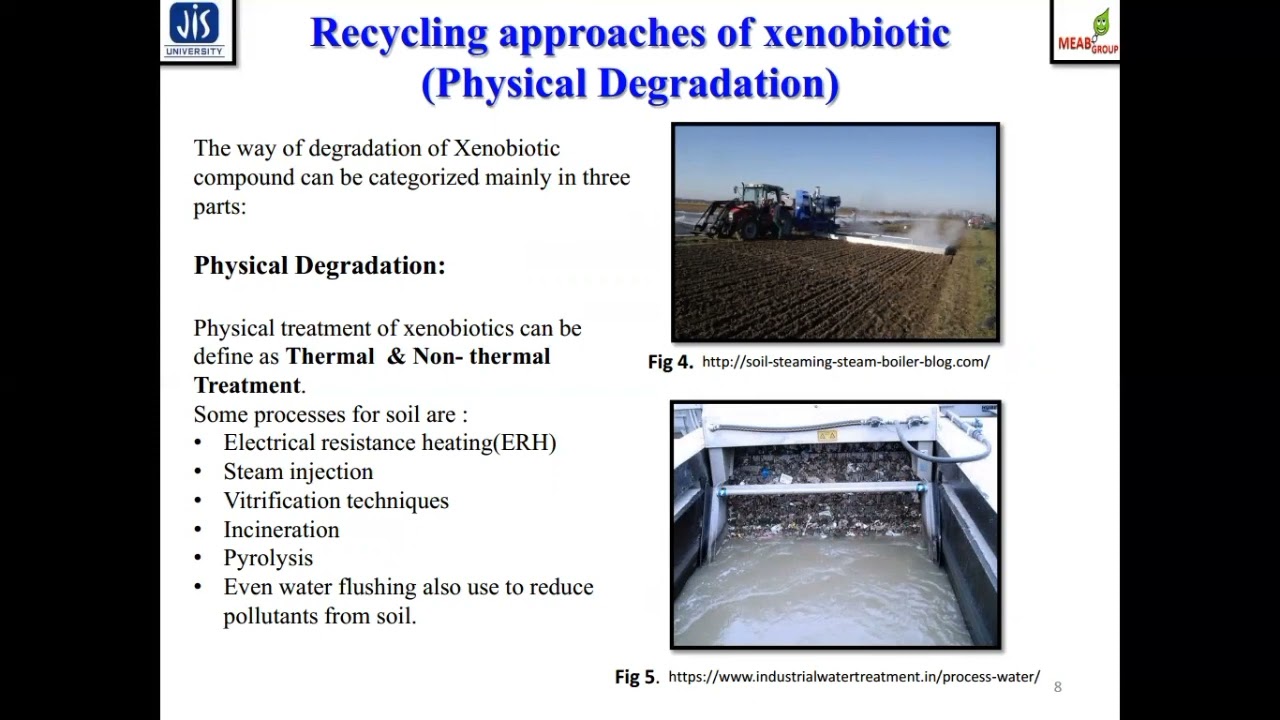
- Why this video: This resource highlights the operational loop of phytoextraction. It emphasizes that because the extracted contaminants remain intact within the above-ground tissues, harvesting and structured disposal protocols are essential to prevent the metals from re-entering the local ecosystem.
Acknowledge Weak Video Coverage & Independent Research Prompts
⚠️ Educational Note: While the recommended videos cover the fundamentals of chelation chemistry and high-temperature biomass containment, YouTube lacks detailed step-by-step videos on calculating precise EDTA field dosages and handling regulatory permits for burning toxic biomass.
To complete your site plan, research the following topics independently:
- "EDTA field application rates in calcareous vs. acidic soils" (to understand how soil pH affects chelator stability).
- "EPA hazardous waste regulations for phytoremediation biomass" (to find municipal rules on agricultural ash handling and containment).
Knowledge Checkpoint
- Explain why lead binds to soil particles and how chelating agents like EDTA break these bonds to make the lead bioavailable.
- Detail the risks of over-applying EDTA, specifically regarding groundwater contamination via leaching.
- Outline a multi-step workflow for harvesting, drying, and safely incinerating heavy-metal-rich plant biomass.
Module 6: Community-Led Urban Brownfield Restoration
The final stage of phytoremediation is community engagement. This module teaches you how to mobilize local volunteers, design safe public participation workflows, perform affordable soil sampling, and implement physical safety measures to protect community health during the cleanup process.
Recommended Videos

- Why this video: Leah Penniman shares the inspiring story of the "Toxic Soil Busters" youth cooperative. This serves as a real-world case study of how urban youth can organize, conduct soil testing, and run community education campaigns around lead contamination in urban spaces.

- Why this video: A clear, step-by-step tutorial on how to collect composite soil samples for testing. It outlines how to gather soil from varying depths, mix them, and prepare samples for lab analysis, providing a standard protocol for citizen science initiatives.
- Why this video: This video introduces accessible DIY soil biology methods. It describes how sensitive microorganisms can serve as indicators for heavy metals, offering community groups a low-cost bio-assay approach to screen soil samples before investing in professional lab testing.
Acknowledge Weak Video Coverage & Independent Research Prompts
⚠️ Educational Note: While these videos provide excellent models for community organizing and manual sampling, YouTube has limited detailed tutorials on navigating municipal zoning laws or establishing volunteer safety protocols (e.g., preventing dust inhalation on windy workdays).
To complete your site plan, research the following topics independently:
- "Municipal liability waivers and access permits for urban phytoremediation sites"
- "OSHA guidelines for handling heavy metal-contaminated dusts during remediation projects"
Knowledge Checkpoint
- Design a step-by-step composite soil sampling plan for a square-grid 100-foot by 100-foot urban lot.
- Describe the protective equipment and safety protocols volunteers must follow during planting, weeding, and harvesting.
- Explain how to communicate soil contamination risks to community members without causing panic, using positive, solutions-oriented messaging.
Course Map
This flowchart shows the recommended learning sequence and module dependencies:
Key People Index
- Dr. Anna Paltseva (Assistant Professor of Environmental Sciences / Soil Science): An expert in urban soil contamination who studies "technosols" and helps urban growers safely identify and remediate trace metal hazards.
- Leah Penniman (Co-Founder of Soul Fire Farm): A farmer, activist, and author who pioneered community-led environmental justice initiatives, including the youth-run cooperative "Toxic Soil Busters."
- Dr. Soumen Manna (Physiology & Membrane Biology Educator): A medical physiology instructor whose lectures on active and passive membrane transporters explain the cellular mechanisms plants use to uptake ions.
- Professor Fink (Professor of Biology & Anatomy): A clinical educator whose clear lectures on cell membranes help demystify the selective function of transmembrane proteins and ion channels.
Final Self-Assessment
Complete this comprehensive checklist to test your mastery of phytoremediation biology and field planning:
- Explain the cellular pathway of a cadmium ion () from its initial contact with root hair cell walls, through the apoplast or symplast, across the endodermis, and into the xylem vessel.
- Detail how lead () ions bind to clay particles and iron oxides in soil, and write a paragraph explaining how adding EDTA changes this chemical equilibrium.
- Calculate the basic dry biomass yield required to extract 50 grams of soil lead per season, assuming a moderate accumulation rate of 1,000 mg/kg dry plant weight.
- Compare the root structures of Brassica juncea and Helianthus annuus, explaining which is better suited for surface-level contamination versus deep-subsoil contaminants.
- Sketch a site layout for a 50x50 ft urban brownfield, including buffer zones, planting beds, dust-reduction pathways, and a secure tool-washing area.
- Draft a step-by-step safety checklist for volunteers harvesting mature, metal-concentrating plants (including PPE, bag labeling, and decontamination steps).
- Explain how you would safely incinerate contaminated plant biomass, including how to capture volatile metals in ash to prevent releasing them into the air.
- Create a community engagement strategy that includes a public soil-sampling workshop and a process for securing municipal land access permits.