













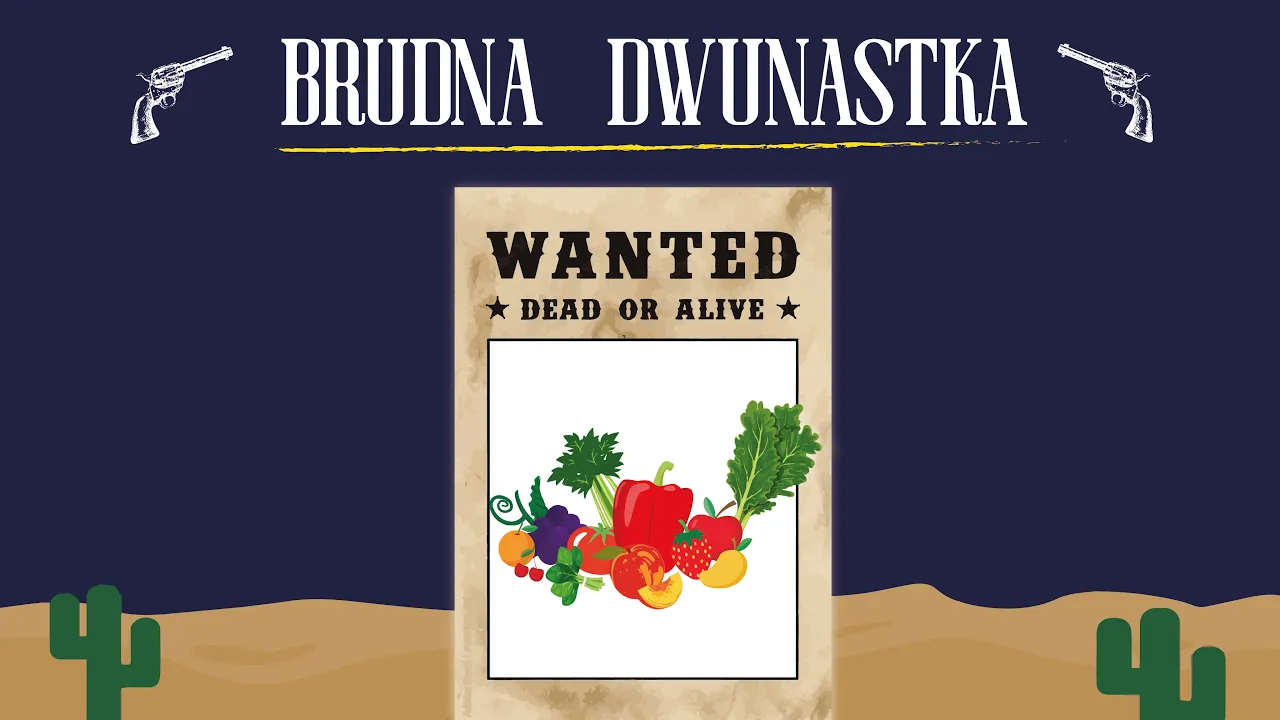













The Environmental Working Group (EWG) maintains the 'Dirty Dozen' and 'Clean 15' lists, which identify fruits and vegetables with the highest and lowest pesticide residues respectively. The Dirty Dozen includes strawberries (highest residue), spinach, kale, collards, mustard greens, peaches, pears, nectarines, grapes, peppers, cherries, blueberries, and green beans. The Clean 15 includes avocados, sweet corn, pineapples, onions, papayas, sweet peas, asparagus, honeydew melons, kiwi, cabbage, mushrooms, mangoes, sweet potatoes, watermelon, and carrots. Understanding these lists helps consumers make informed decisions about which produce to buy organic versus conventional, and which items to prioritize growing at home to reduce pesticide exposure.
Homestead Gardening: Revealing the Dirty Dozen & Clean 15 Produce Guide
Added:and you're going to want to know the details that I'm going to give you tonight plus Stacy is going to talk about some stuff we got to wait for everybody to get up in her hit that thumbs up on the way in that's like giving us a virtual hug as you enter into our Abode all right here we go we got notifications popping off left and right oh man I got my volume up been hanging off the side of a barn putting on pearlins today prepping up for our uh I can never remember the name of these things not Rafters not Joyce but oh I can't remember it but we we're getting ready to put these on we're building a buddy's Barn he bought some land around here and so we're going to be building up his stuff uh trusses I knew I could do it okay we're going to talk about something that's going on I got it from a very good reliable source and y'all are going to want to know about it well most of y'all some of y'all probably don't care I hope that's not the case and this it might actually trigger some of y'all tonight when I tell you this it might trigger you and then it might make cause you to do something because you've been waiting for this okay man this is I'm trying to ba all the hooks here how was everybody's day how was everybody's day we've had some cold weather roll through again 20° we had another lamb last night an emergency 911 pregnancy I had to go out there and do Dr Doug on the little baby calm down the mother help with the birth don't forget about Nurse Stacy yes nurse Stacy was by my side she stayed up till way too late so tired today oh man y'all we are killing it we love the homestead life we love sharing our journey with you guys we love helping you guys you know move your needle right move your needle that's what it's all about the 2024 is a year you got to take action you have to break your Paradigm you have been programmed in since birth fact for sure no matter what your body's mind is programmed on a default and a lot of that is holding you back from achieving fast life and we're going to start talking about that we're going to try to break those defaults like we did we broke our defaults and we ended up in a log cabin on 11 acres 15 years ago and now we grow 90% of our own food we live 100% off rainwater and we got workarounds we poop in buckets and we are just living our best life we have bees and animals and our whole thing is uh self-sufficient pretty much we can just shut the gate and just chill so that's what we're trying to teach you guys uh because we've been bamboozled as a persons as a people as Americans we walk around and pound our chest about all this freedom and and security and all this stuff we have right but most people couldn't even get food for themselves or harvest a little bit of rainwater you know I've heard even young people today say they would probably die because they couldn't butcher a squirrel or something they wouldn't even have the heart to do it and they no knowledge to do it for sure and we got to change that that's what we got to do all right wo we're soap boxing it right off the bat Quincy Illinois what's up G all right Google has massive hiccups there's no doubt and you guys if you're noticing a lot of stuff with your internet or with your computers there's a lot of stuff going on in the background you guys don't even know about they're on your computers and the Bill Gates and all them and and the whoevers and the whatevers they are on the back of your stuff running behind the scenes updates and stuff that's going to put us in the trick bag so please make time of the essence okay all right we're going to get right into it y'all we're we are four minutes in I'm going to start off with giving you guys the big thing here uh it's going to happen this week I got it from a very reliable source the publisher so the books are going to be shipped to us this week what books are you talking about where's the book show go get the book let's have a live presentation Stacy wrote a remedy book this is great for around the place oh my oh no there goes all our toothpicks Stacy wrote a remedy book and this is going to be great for around your place especially if you know you have to have Biometrics to get on the internet maybe you don't want to get on the internet anymore so you like a nice physical book and uh this has all kind kinds of cool stuff in it how you can care for yourself we're not doctors we don't play one on social media but how many is there how many in there over 200 or almost 200 yeah almost think close to Too Short Too Short uh remedies that you can make at home with most of the stuff you already have around your house okay so just so you know I don't need any more emails the books will be here this week we will start processing them and getting them out of here remember we do all this ourselves okay and we will get those out this week and they'll be showing up in your mailboxes by the end of this month so that's the big announcement we got it from a great uh you know reliable source which is the publisher and they will be coordinating delivery did you get a te- ball yet these things are really nice stainless steel they will be uh coordinating delivery this week so they will be in your mailboxes by February now second part of the show no thumbs up can we get a thumbs up there's a 1,83 thumbs up 3,45 people in the house in case you don't understand how the algorithm works when you hit the thumbs up it sends it out to more and more people so more and more of our actual subscribers could actually say oh my gosh they're live tonight oh yeah that's right it's Sunday night and they'll jump on board with us okay now Stacy's going to take it from here I am well I'm just looking at everyone hello everyone hello and then I'm just looking at all the fun people everyone here and I can feel all your wonderful energy everybody let's have some good energy because we can all spread it around everybody here we're going to break our Paradigm yep we got people from everywhere one video at a time oh Robin Robin she says her Garlic's floating on the top of her garlic honey is that okay that's where it's going to start at the top so I got to keep shaking and over time it'll kind of start to drop but some of them never drop so don't worry about that the goal is just to keep it coated yeah for a couple weeks and then it should be fine yes um and then I saw another one where did it go someone's asking about an earache Barbara um Dr Jones if you guys are not checking out the Homegrown herbalist with Dr Jones Dr Jones is he going to be at the homesteading life confence the Homing life conference may7 with the seed Swap and Dr Jones and and he's also a herbal clinical herbalist and everything Dr the bee guy I mean we have a lineup y'all homesteading lifeon docomo the toothpicks and I almost broke my container now with a bag with all the stuff fell out we're having things going three so one more thing's got to fall no no so for eares he really loves this one he says you know with all kids and everything it's not in this one's not in the remedy but this is a really good one um you get an onion and you grate the onion okay and then you can put it in like a flower sack or old t-shirt or something like that squeeze the juice out of it after you grated the onion you want to squeeze the juice out then put the juice like in a dropper bottle or if you have just have the dropper and then all you're going to do is put like three drops in your ear so then have lay down so if it's a child or you know adult just let it lay down um and then what you're going to do is hang out maybe for 15 20 minutes and then get up kind of Shake It Out kind of clean it out and hopefully that should help but he swears by it his kids have sweared by it he has 15 kids he says he use it for all of them um I told countless people in my family friends everyone the family and they've tried it and it helped so onions good are you watching tonight Eli it was nice visiting with you guys this week my finger's doing better I mean it's just going to keep going down little by little by little it's breaking up it's softer and I'm just going to keep showing it to you guys this is by applying castor oil onto this little someone ask you about it bump yeah they want to know the updates ants around the garden get some Diet Tous Earth that really works well you could you could sprinkle it around the areas create a barrier they don't like to go through it yeah they don't like to go through it okay Marilyn this is like the number one question I think I probably get you're talking about sauerkraut um is not watery it happens so much so don't be afraid to add water what I always do and was it a few weeks ago it was a few weeks ago we did this we did sauerkraut live but when you're making your sauerkraut um and you start to notice the juice is getting all sucked up in it so all I do is I get some salt and I'll sprinkle it on the top and then I get some filtered water and I pour it on top to the level that I want and I put the lid back on so if it's during fermentation it'll be fine a lot of times and then when you put it in the refrigerator it'll slow everything down and it'll it should stay okay but if it does happen you can put a little salt in there and put a little water it'll be fine okay because the juice is the best part so I just wait I just finished and you can talk L I just finished like I I have had a couple jars of sauerkraut that I finished in the Cabbage part so I just keep pouring the liquid so now I think over three jars of sour I have one full quart of the juice so now what I'm doing I'll show you and Lyn the ferments last 6 months to a year easy and in the fridge maybe a little longer oh I'll just get it and show you how's that so like my little handy stainless steel shot glasses let me show you you need to turn the can you turn the video down a little bit so you can see better no we see great it's chest up baby this is a industry standard right so now what's up Finland what I'm doing now so here's my get the party started here's my sauerkraut juice so this is just my juice so what you'll do is I'll just put some in here and do a shot of Sauer pout juice so there's my probiotics you're getting billions of probiotics so get some shot glasses and you can do that with your juice too that's a great idea I know isn't it I'm full of good ideas tell show them how to do a shot would you like to do a shot with me here honey you need to he needs no he needs to no I'm resting you know how I am about my my palette here well let's have a toast what should we have a toast too a good gardening season how's that sound breaking the Paradigm and having a good growing season cheers yes to may you grow lots of food and your liver and body be healthy woo yum yum all right so there you go see you already got so some people don't maybe like the Cabbage Queen in Australia I love it I love it we we get a lot of people from we're going to Australia all right so what else do we have we going talk I know I was going to say so a lot of you guys maybe someone in the family really likes the sauerkraut part the actual cabbage part but doesn't want the juice and you don't like the Cabbage part you can have the juice and you can do that way but what I do is I I'll get let's say you know you have your jar you'll have the Cabbage part of it and then you can also use the juice so really it has two jobs you know you're not really wasting much of anything so all right all right um how many times do you do a shot one a week no one a day one a day yeah it's the doctor away I'll I'll pour like a well depend if you had a little dog I'd maybe put a teaspoon or so but like Molly I'll give her like a tablespoon I'll sprinkle it on her food too I do that too juice in the fridge no I mean you can that's where I keep it yeah yeah you are a cool dark spot yeah but in the refrigerator just know when you get that more consistent 40° if you have a refrigerator keep it in the refrigerator and you can store I have tons of ferments pushed in the very back of our refrigerator just all the way in the back there like the ones that I'm using and I want to keep um the flavor because if you keep it at higher temperatures it's just going to keep fermenting and it does keep fermenting in the refrigerator it just really slows it down and candles are going to ship with the books too all this week you guys will have your candles your book we'll be 100% caught up by the end of this month and then we'll be having an inventory and everything at the Missouri Tea Company or offgrid withd andy.com in the shop tab I better make sure we got stuff there now in case you guys want to go get stitches or tea or tea balls or but I won't put the candles back up until we deliver on what we've already sold and we make candles 100% our family does now y'all and we do it 100% % unrefined beeswax so it takes us a second to make those the molds and waiting and Cooling and yada yada yada oh chocolate te's been banged out of stock oh no we have come on now we do we we we did a bunch of them yeah all right let me get that squared away for you guys oh everybody you everyone thanks for all your patience you guys I know like this wasn't as long long as the last one but it just takes time and the the folks had the Christmas stuff going on and then we had that spell of bad weather they closed their whole place for like 10 days or something with all that stuff oh Rex Harrison Made bread in the Sun Oven today excellent makes the best bread y'all and chicken if you guys get a allamerican sun ofen through our link and save some money and treat yourself don't cheat yourself you are going to have some of the best food you've ever ate you're going to be seriously you're going to be like wow wow and we're coming out of winter we're going to have some more sun coming up it'll work fine for you so and it works in the winter time as long as you can see your Shadow okay oh Appalachian birken says they love their te- ball te- [Music] ball okay well okay I just want to double check our products make sure everything produly was in we got rest and digest herbal tea which I'm drinking right now makes you kind of sleepy you're not sleepy yet are you that was a busy day today I know well if I drink it I might fall right asleep right here you know like when the kids are eating dinner and they fall asleep in their spaghetti we've had people actually say that they have insomnia and they've been trying to find stuff to help them with the sleeping and they actually say this is helping them with the sleeping so it's called rest and digest tea it's good for drinking after supper too it kind of helps you break your food down okay so I'll leave a link for that in case you guys care cool and we do this stuff to support our home Homestead and you know helps us with all the stuff that we're doing y'all we're providing good wholesome products for you guys cuz trust me we vet all this stuff we know where it comes from what is it fair trade organic all that stuff right just nice nice we really look hard for it okay are you guys ready to talk about what I kind of wanted to talk about cucamelon cuc melon cuc melon that was close kind of sort of I just threw that off my uh thing my memory banks all right so let's see all right so I wanted to talk a little bit about growing because a lot of you are going to be growing so let's hear a little whoop whoop whoop whoop so we're gonna I want to talk a little bit about food and and growing and I also want to talk a little bit about flowers because a lot of us don't even think about flowers they just think flowers are there to look pretty and so some people like well I don't want to mess with the flowers because I just want to worry about the food but I want you I want you to think about flowers too and I want to talk because it's early enough right now for a lot of us that you know if you're wanting to decide what to plant and and how to do it um so I wanted to talk about flowers today a little bit and then I also want to talk about two things there's a group it's sort of like a it's a group that kind of looks out after consumers called ewg environmental working group it's on ew.org and what they do is basically um they have these Shopper guides to pesticides and produce they do other things where they can talk about water filtration systems they can talk about um uh like what's in makeup uh just different products that you can get so basically it's sort of like a watchdog group that just kind of tells you things that are going on so and this is what it's called the Dirty Jin and the Clean 15 and what they do is they basically will tell you which ones have the highest amount of pesticide residue on them now I'm going to tell you these things because for a lot of you guys I know a lot of people still go to the grocery store you know you're not growing 100% of your food so maybe some of these things you could maybe grow that are considered the dirty dozen for your garden and or if you're not growing at all maybe you make sure you buy that organic compared to the Clean 15 which don't have as high of PES pesticide residues on them okay so when we're looking at this they did clean them just like you would clean your you know produce and um so these are what they found with the pesticides on them after they have been washed and cleaned okay are you ready let's hear a drum roll so this is for tell you should I stop yeah the top three in the dirty dozen so these are ones that no matter what they have the the highest amount of the pesticide residues on them number one is strawberries strawberries now if this this strawberries there's a huge difference by strawberries you get in the store and there strawberries that you grow yourself strawberries that you grow yourself it's like if you've never tasted homegrown strawberries it is like night and day like a regular straw Strawberry that you've always got at the store just taste nothing like a real grown homegrown strawberry they're amazing just amazing the flavors the jellies everything about them are out of this world so if you're thinking about growing some cool fruit that will keep coming back every year it is a perennial and you could grow it in a smaller container you want if you wanted if you had a little raised bed it'll just keep coming back the only thing you need to do is you know make sure you cover up with straw through the winter months while it's taking its little nap and then you can uncover it and then they'll just keep spreading out and getting more and more so look into something if you've never grown strawberries maybe look into start growing your own straw strawberries because if you're the type that love strawberries and you buy them at the store they're really high they're number one every single year this cwg does your does this list is always number one so buy organic strawberries at the store don't trust it well but if that's still going to be better stop it don't eat the strawberries I mean do you really have to have it seriously it's like some smoothies and strawberry banana but know but you just don't have it then well if you do get make sure you get organic or start growing your own I like things that just keep coming back year after year so a strawberry is a great peral that you can do and put it in a little bed we started off with way too many we had 250 we went off our first year we had so many two three it was like four rows and our rows were like 50 ft or were they 25 it was just a l crazy so you know we had to get one time remember we had to get a whole whole round bale of straw a whole round bale of straw to put on our strawberries out there me and Stacy all buy ourselves out there so needless to say we stopped that and uh and now you know put it in something smaller okay so think about that so also think about this when you're listening to the list the things that we talk about especially the the high carriers of the chemicals and the stuff you don't want in your body right they're all Heavy liquid type produce okay so like strawberries lot of water and we'll go through some more here in the list but just think about that so when you're shopping the more water content the more possible it is they're sneaking stuff in on you and then another thing when we're talking about the dirty dozen here on the conventional conventionally grown produce right um after like they did this over on the non-organic ones 75% of them after they were wased wash they were they still had a ton of residue still on them so number one is your strawberries number two is going to be your spinach if you buy conventional spinach see that's one thing I remember hearing this millions of years ago when they first started doing it and it was like you know I can't even I can't I can't I don't like spinach it really just kind of I I don't like it so the only time I'll grow I'll grow it here myself spinach is very easy to grow you guys anybody can do it you can throw it on a pot a big pot on your back porch if you're not a big Gardener put them in some raised beds if you have a garden put them in your garden all you got to do is plant some seeds water it and it'll grow spinach is wonderful and it is pretty cold tolerant too so if you're getting some Frost or you're going to start planting it earlier in springtime you could go ahead and start doing that and it'll do phenomenal for you so look into maybe growing spinach and don't buy it at the store because there's a lot of people that do eat a lot of these things a lot of these greens they put them in their smoothies and then if you're putting all the stuff in especially IM trying to make smoothies trying to be all healthy and stuff well that's what everyone I know and you're laying to the chemicals and stuff and you're like I'm drinking smoothies well you know a lot of people we don't know you know you hear these things are good spa what's his name papey drink is but just like us before we got out of here y'all Stacy thought we were eating good she went to these eating places you know to learn about the food and all this stuff and then when she really started learning diving down even more she was like oh my goodness and that was contributing to some of her mishaps with her body so look into spinach start growing your own or switch and make sure you're getting organic spinach okay life is about choices and everyone's like well I can't afford this I can't afford that you know you can go all these Hales if you're going to the store all these has a lot of good organic choices the grocery stores do have organic choices and if you're going to have to keep paying for lots of doctor visits that's going to add up too so you need to look at your health that is very important okay so now the number three one and there's three of them and this is the big one here is your kale your collards and your mustard greens always all three of those are easy Growers they're Hardy and they're very good for you however they are very high in the pesticide residue so you do not want to get like if you go somewhere just get convention collar greens or conventional mustard greens or conventional kale grow it yourself too it grows very well now I'm going to tell you one thing about the kale I plant my kale I plant my kale very early like we're I think we may have an early spring I'm going to plant some kale and then it's going to start to grow and you've seen kale it's got the big leaves you know and here's the kale it's doing its little thing it starts to grow well I'll just keep pulling off a leaf when I want it or whatever I just keep letting it grow I let it grow and I let it grow or your hat so your eyes can see so I keep doing it I keep doing there she is so I keep letting it grow and then it's just going to get bigger and bigger and then it will develop a very thick stock and it'll just get bigger and bigger and bigger and I'll let it keep growing through the heat of Summer and then sometimes how many of you guys have problems with those lovely little cabbage worms those little green worms that eat holes in your cruciferous vegetables if it's your C cabbage or your broccoli your cauliflower and all those things like that right so they like the kale too and they'll do the same thing so In The Heat Of Summer you'll you know I try to pick them off but sometimes it gets too hot you know you're not doing as well and you'll see all these holes in the leaves so when my leaves get really bad on my kale I'll just go ahead and I'll give it a total haircut like I'll cut all the way around so I kind of like gave it a buzz cut so all you see is a stock with a couple you know very short hairs all the way around it and then they'll start growing back and it just keeps getting bigger and bigger and I'll have kale from Spring we live in Missouri I'm Zone 6B I do kale I just cut it and I just let it keep growing all the way till it's so cold that I it won't live anymore so you that's how I do my kale and then I just pick my Lees off and it works great so i' i' that's how I've done it so try to grow your own you grow it in a pot you can grow it in a raised bed you can grow it on you know in a Sunny Spot you know on your back porch if you're an apartment you can grow some of these things or get organic at the grocery store okay next the next two I'm going to talk about are fruits so that's going to be your peaches and your pears and nectarines so some of you guys if you're having living in a house or it might take a little bit of you know you can plant some fruit trees if you're thinking about moving to a homestead that is the number one thing before you even get onto the Homestead Property plant your fruit trees they're just incred before you get on there but just make sure you see how the water drains and everything but as far as things to tackle you want to get your fruit bearing trees and plants in right up in the front but after you spend a little time there and see how the water drains and all that stuff yeah peaches pair peaches pears nectarines and apples are the next four so those are your fruit how many of you guys at the grocery store get all all the time there's plenty of choices where you can get very reasonably priced organic apples you can get a lot of these things organic look at what's going on in during the seasons too and eating in your Seasons um and and that'll be very very helpful on that too so be careful if this is something that you're eating day in and day out those maybe you're having aches and pains you're having some physical issues going on it could be that changing from a conventional type diet into into more of an organic diet could really start noticing major changes in how you're feeling all right the next one is going to be grapes this is the one that just bugs me so much yeah you know when you go to the store and you see the grapes and they have that coating on it and then I'll see people just grab them and just eat them like that and I know there's a lot of people like you but all really honestly there's a lot of people like you I know there's a lot of people who do that I know a lot of people who do that so make sure when you get your grapes either way let's say you are going to buy conventional ones organic ones too make sure you're getting some vinegar in some water you know like one part vinegar or 10 parts water put it in a bowl and let it soak for 10 15 minutes or so and then you just can kind of brush them off a little bit rinse them off and it makes a huge difference they're not cloudy anymore they look more like a grape all right if you are looking at growing something you could if you had a thing that it can Vine up on you can make an arbor grow some grapes in your yards they look great if you're living in a subdivision that has a HOA homeowners association that says you can't do this or do this grap no grapes would be a good one because you can make an aror and they look great so take over the homeowners association and change all the bylaws so but grapes are a great way for you to grow they look pretty and you can put them in a Arbor and then you'll get them within like the second year you're going to start getting some grapes really so they're easy to do we on it no right we no this is our second year now no what we have this no this is more second year it is the second year third no it's not this is the second year second year we had we had a lot of problems with the chickens and the Dogs R apart so now yeah I got them in a good spot so make sure you we'll get grapes this year yeah really sure just a couple though we won't get ma oh no they're all the way up at the top oh no they're great are they're bigger now he doesn't pay attention to these things last time I saw him they weren't all the way up to the top oh no they're all the way top of the fence okay then let's look at your peppers so you have your hot peppers and you have your bell peppers so you have red peppers yellow peppers all the different peppers green peppers then you have your jalapeno peppers any spicy peppers all peppers are very very high in the pesticide residues so look at your organic on that one or in your garden of course you all can grow them right also if you guys are growing the sweet potatoes like we showed you last week stay scrap your sweet potatoes show them your little Vining spring oh oh you can eat the sweet potato greens All Summer Long y'all and it tastes good and they're good for you so we just started our sweet potatoes last week we did this on a live show with you guys showed you firsthand how to do it we've already got some uh Vines you know some veins coming off of the sweet potato here Roots Roots okay so I don't know here here's can you see the roots that's just from a week that's just one week y'all you're seeing it live and then here's my purple one there's little roots coming on on that guy too I don't know if you can see it there there they are okay so so your stuff should be looking good too I know some people now you're going to get some shoots that come out of the top of that and they're going to go up three four five Ines whatever and then we're going to show you how to pinch those off and put them in some water and hold on to them because remember you can't put them in the soil till the soil temperature is right outside temperature ground temperature and if you put them in too early you're going to mess it all up now I'm talking about another one on the list well there's cherries that's another one so either get cherries are good when they come and season at the store try to get organic if you can grow a cherry tree season eat in season and then let's talk about blueberries because blueberries are a super duper food they're high in something called anthocyanins which is the purple flesh fruits and vegetables that is sort of like a super super anti accident um and they are very good because when you eat a blueberry a lot of people are watching their insulin levels your blood sugar does not Elevate as much when you eat any of the berries like your blueberries your blackberries and your raspberries so blueberries are amazing but they are very high in the pesticide residue on them also so get organic so a lot of people do make smoothies and things you can get organic uh blueberries however I want to talk a little bit about wild blueberries sometimes you'll see them in the stores and they're little bitty ones they're very good for you that would be one I would go for and get the wild blueberries and I think I can't remember does Aldi carry wild blueberries I like to go grocery I love to go if you guys want to know something about me I love to go grocery shopping I would prefer to go grocery shopping than anything I love to go through and look at the labels and I like to look around and look for things and it's just really fun it's I used to do it all the time before we moved off grade but I really do like to go into the grocery store it's just again all stores a really neat experience all stores so go for if you're looking for things and you can't find organic and they have wild blueberries I think Trader Joe's has wild blueberries too wild blueberries are a great great choice okay and honestly I would probably pick I would always do wild blueberries over organic blueberries okay and then the last one on the list is green beans so green beans in the summertime you guys if you have a little trellis or if you don't have a trellis and you don't want to have your beans to climb up like pull beans you could get bush beans if you had a pot you could put some beans in there grow your own green beans um or make sure you're getting organic green beans all right when you grow them I know a lot of people get them and they freeze them you can can them you know you can do so much you can make fermented Dilly beans there's a lot you can do to preserve them but think about that also so those are your top 12 on the dirty dozen okay no joy I absolutely don't worry about some mysterious gas that popped up some years ago all of a sudden no I don't r on gas I mean come on then they put PVC pipe in your house and put a little thing on it and they say okay you're good ma'am oh no I don't really buy into that we I saw that popping loose though when we were down in the city about 25 like 30 years ago man it was like a big deal everybody's freaking out the radar guys no all right moving on let's do the Clean 15 so here if you're going to go to the grocery store these are ones that you can that are a little bit um a little bit safer I guess you could say if you need to get them number one is avocados just think some of these have much thicker skin on them now with peel labels on them make sure they're not appeal you know this thing that the coating that they're putting on so they'll last longer devel by Bill Gates so you don't make sure you read the little label on there make sure it does not say a p e l okay um just make sure that it just says something else but on you'll be a little safer to get non or nonorganic avocados right so that's number one um number two is sweet corn you do have to be careful and there's a a small percentage of it that is genetically modified so just make sure when you're looking at your labels it's you know non GMO verified um and all that so just be careful with that but sweet corn is number two and then number threes are pineapples they do have a thicker skin um number four are onions so onions are another one you want to look at some of these things on the list you know onions have uh like sulfur compounds in them things that can ward off pesticide or bugs and things like that so that's why I think some of these are on This Clean 15 there's papayas and then you also have sweet peas and then they specifically say the Frozen sweet peas all right so peas are one and then you have asparagus so asparagus one thing I want you guys to remember and let's see let's talk about how you keep your asparagus asparagus can grow wild if you go out in the country and you know and if you know what asparagus looks like we'll be hunting the wild asparagus totally it totally is if you want a foraging book that's a good one Yeah by Ule gibons so like for me I always had problems where I plant it and then he'd put something there or we put you know don't don't you put a building or you put something a building well or the Garden or something and so all my asparagus patches always would get dug up so I want this year I'm going to plant my asparagus finally but I have all these patches that are wild around and so when it's time for the asparagus to come out I go and I pick for it so a lot of people can find it out in the country just along like the fence rows and stuff you can see it and when it's time you can go pick it up and pick it but if you're getting at the grocery store um it is on the Clean 15 but I want you guys to think about something when you get your asparagus you know the very bottom part make sure that you cut that off because the top part is going to be much cleaner and then for you to let it last longer make sure you put it in a little cup or something I always put a teeny bit of water in it because you know a lot of times when you go to the grocery store they do have it sitting in water and if you want it to last longer you can go ahead and put it like that and then you can just go ahead and put it in your refrigerator if you want in the last okay all right what ready to move on are you have a question no uh no teacher I'm good okay so the next one after asparagus are going to be your honeydew melons how many people like honeydew I don't like honeydew that much I like cantalo but I never liked honeydew but I always liked cantaloupe so honeydew is number eight number nine I got to look here is it kiwi and the number 10 is one of my favorites because it makes sourc is cabbage and it's still one of those you know it it it it's a cruciferous type vegetable it has a compound in it that that is helpful to deter I guess the pesticides as much um then you have mushrooms and mangoes sweet potatoes are on there also I don't want to forget one and then you have watermelon is 14 and number 15 are carrots okay so um those are the two lists so I want you guys to think about you know when you're making your garden um you know some of these things maybe start adding and growing more and then also think about someone I was looking on here talking about oxalates oxalates they're so scared of the veggies now but it's not in oxalates is in chocolate too for some of you guys if you eat a lot of chocolate it's in there too so oxalates can cause inflammation in the body it can cause joint problems like arthritis type problems it can cause kidney stones it can cause some issues so if you're a person who is eating you know kale and spinach and all that like all day and having like cups and cups every single day I I I wouldn't I wouldn't recommend doing it you know switch it up a little bit like if you could go and get lettuces you there's buttercrunch lettuce and there's the Amish deer tongue lettuce there is Roma lettuce there's arugula there's so many other options red roma you can get you know red leaf lettuce there's a lot of different lettuce so mix it up don't eat spinach every single day because maybe you're wondering why I'm kind of achy or this or that and if you start doing that and it lowers your oxalate load or you're getting you know kidney stones and things like that maybe that's what it's from some people are more sensitive to the oxalates so so you need to look at that and just kind of change change things in your diet I know for me you know years and years ago everyone's like you know let's eat it it's so good for you and you're eating so much of it it is not good for you eating when things are good for you you don't we know somebody purple because of it so just make sure you do everything in moderation and just listen to your body that is probably the most important everybody's different but just change it up okay right but just remember too that we have a seed company for you guys on the shop tab with a discount really nice family business check them out and you guys can get your seeds for your garden and BTL gg247 I'll bust you up if you cook your ferments you do not cook your ferments you keep them raw that's where the juice is man that's the beauty of it you don't get it hot okay so don't do that yeah don't cook your ferments please it's a raw food you want to keep all the wonderful that's why canning is out fermenting is in you guys need the healthy gut and the healthy butt and you get that by the ferment so learn how to ferment your food kick the caner to the curb except for certain little things but for the most part kick your canning to the curb canning kills man go look it up so before we move on to the next part I want to talk to you guys about is um make sure it's really important that when you even if you're you get organic produce that doesn't mean it's perfect you still need to rinse your vegetables and your fruits so if let's say you're like you're you're a hurry or you're lazy you don't want to do it and water is all you got water is going to rinse off some residue too but the best thing is if you could get a little vinegar in water you know one part to 10 one part vinegar to about 10 parts water or so rinse your stuff off in vinegar and then go ahead and and put it away all right um except for like tomatoes or certain vegetables you don't want to rinse you know you just want to kind of let them hang out um but make sure before you use them you rinse them okay don't rinse them like and let them sit in the refrigerator for a really long time just rinse them before you use them okay now I want to talk about flowers and we're talking about he was talking about our Seed Company soite seeds which is so a family run Affair selling all the seeds from everywhere so your family can eat and you can stay out a high inflation and your food is better gives you a better vibration okay so yeah so they have really pretty packages and wonderful heirloom seed and they're a great family run company so we really like them and they're from Missouri yay so check them out did you put a link up there if anybody wants to get we link so many links okay so let's move on and talk about flowers this is my I love flowers besides looking good and making making you feel good when you put them in a vase or you go out to the Garden or you have them in a pot in your yard they look great everybody loves flowers however they are loaded in antioxidants antioxidants are great for inflammation in the body okay when you have antioxidants they help prevent sell cell damage okay so make sure that you're putting lots of flowers in your garden because guess what you can eat these okay you can eat a ton flowers majority of the flowers that you have you can eat some of them don't taste as well I'm tells we what else we eat oh the uh I'm going to talk about my favorite marold and some a lot of these plants y'all are helping keep the bugs away like the marold is one of the companion Planters of the world man it's like underrated companion plant yeah but so here like a merry gold very Mary Golds come in all shapes sizes and colors there's lots of different marry Golds I love Mar go I plant them in every single raised bed maybe one or two plants they'll end up getting really big they do help ward off pests they work good growing with the other plants together and the petals are amazing I use the petals like every day we have some type of salad or if I'm making a taco night or a taco salad I get the petals and I just I'll go in there and I'll just pull all the heads of the flowers off and then I'll cut the flowerheads and I put them on top of my salads you know I garnish it use it Asar for things I'll use the petals and I'll make Iced Teas I'll make hot teas and then I love at the end of the season I get all of my marold that are just hanging around that are left over and then I'll go ahead and dehydrate them it makes a wonderful seasoning so when you get the marle petals and then I crumble them up really good then I'll add them to a lot of my seasoning Blends so they're good if you have a Mediterranean mix or maybe a spicy kind of mix putting the merry gold in it is phenomenal so don't forget about the mar Golds they're great so like I say it makes GI that keeps on giving they spit out seeds like crazy yo oh you'll have so many seeds and then what I do at the end of the season with my mered Golds I just pull the whole plan out and then I hang them in my greenhouse and then when it's time I just pull the heads off and I'll just sprinkle them wherever like on the edges of my raised beds and then all of a sudden they'll start popping up no these aren't colindas these are merry Golds Mary K you don't know is it all aind a type it's a type of ber gold right subset now of no of a other one it's a it's in the it's in the marle family family yeah so colindas uh that is one that's going to be more medicinal so I would use my it's got a little Tang to it too like the marry gold does like you get a little tang in there so colindas are used for you know if you're going to use it for your skin or you're going to use it topically or you're going to use it um something more like medically all right so that's your Merry gold my other one which is like my superflower or my sunflowers so look at this beauty chocolate cherry isn't that pretty and then here's Sunspot lemon queen the mammoth I like the big ones yeah Josh I can see you Josh and I love velvet Queen the rust the rust color ones they're beautiful so what you can do with the petals you can also eat the petals you can eat the petals you can make them into teas um a really cool thing to do is when you get the big heads of the sunflowers you just pull the leaves off of it okay and then what you can do is you can put you know a whole bunch of good oil and stuff on it like I'll put ghee on it you put it on it put it face down on your grill put like a stainless steel pot over it let it kind of steam there then you're going to take it off and and then you can go ahead and um you know put some herbs on it if you want to sprinkle some Parmesan cheese and you can just pick it in your mouth and just eat it but you got to pull all the petals and stuff and those little fuzzy things off the top and then and it's phenomenal so you can eat the whole flower head like that so it's pretty amazing and if you want to get into more great detail you guys could even when you get the big stocks you can dry them out the inside the pth part of it and you can make flour sunflower sunflower flour out of it and baked cookies and stuff but sunflowers are great and then the other thing I love about sunflowers if you put them in your yard in your garden you can do some smaller ones in some pots then um they're very good at pulling up toxins out of the ground so if you had a patch of land that maybe was not doing that great or it was had some junk in it I would put make a whole sunflower patch and then it'll kind of pull up the toxins into the roots and so that's another thing you guys can do or if you have some of these giant you know there's the big giant sunflowers they have huge stocks they're great as a trellis you could use it as a trus for your cucumbers or your beans things like that you absolutely dehydrate them in the Sun Oven the the Sun Oven is a great dehydrator dehydrate any of these thingss yeah yeah and freezing stuff's really good too you guys if you can get a good freeze dryer you know that's good but remember we don't have the power for that business so we have to we work like the Pioneers you know we're not we don't want to get Heavenly or heavily involved with the Cog wheel as much you know what I mean we've already done that so now we're doing our own systems and stuff you know what I mean we broke the Paradigm so when we think about food preparation we don't think about something that draws a lot of power and electricity we think about how they did it back in the day oh are but if you have it use it to the best of your abilities right now while you have it man I would use the heck out of it are you guys ready for your bonus thing of knowledge right now are you ready for bonus bonus when you look at marry Golds marry Golds also have a compound in them that helps to stimulate collagen production do you believe that I thought that was kind of cool so marry gold are great and then you want to look at all these things I mean they're great for the pollinators the sunflowers I have them everywhere so I let my sunflowers go at the end of the season and then I let a lot of the seeds drop I let the birds eat a lot of them but then I'll take tons of them and I'll put the heads in a burlap sack and I keep them for my chickens on the cold yucky days where they can't get outside and then I'll put them in the CE with them and then they can eat them on those days where they're cooped up inside but the the birds love them I have them all over those little yellow finches and the little birds that go around and they're just eating on it so it's keeping everyone happy I'm keeping a very happy ecosystem around here because I have lots of stuff you know that helps my frequency and my energy and my vibe Good Vibes around here Prov everybody for them they are happy that creates good life for us we are the stewards of the animals we are doing our duty as Bible believing people and we're trying to help you do your duty and stop relying on man to tell you that well be telling you a lot of stuff that's bull and they're taking you away from his plan and design every single day man just imagine this seed gets planted this this right here you can plant this seed right here and this will be the last pack of seeds you ever buy in your life don't you guys get it this is the design the father gave us man we don't have to buy this we're not have to be consumers all the time all this food we don't have to go to these stupid places and eat these chemicals we just have to get some skin in the game and grow some food and one year you'll do it and it'll kind of suck and the next year you'll do it and you'll be a little better and every year you'll get better and better and you'll grow more and more of your own food that's exactly what happened to us when we broke the Paradigm there's a paradigm shift we don't even look at this that place we don't even look at it as a food place anymore like those Whole Foods and all that stuff it's not really a food place we go there for our Nicki I like to go for I like to go for food for fun I told you I like to read the yeah and we pick up like stuff like syrup and just stuff like that that we can't really do here but we don't really look to that place for our sustenance anymore so when you do look at like he was saying with the flowers and different plants like this is one of the easiest things you guys could save the seeds for from our our sunflowers and your Merry Golds they're simple you know just keep the seeds put them in a you know a little envelope a little wide envelope and save them from next year into a cool place and then they will last you they'll last you and last you and last you and last you forever like I was telling you guys last week when I was doing the sweet potatoes since we started the sweet potatoes these are my same sweet potatoes that I've done year after year after year after year after year after year so once you get going you get established it's it's pretty it's pretty cool thing but you know some people are like well I don't have the room to do it you guys can do tons of this stuff and just have pots we talk about a story we had a friend who lived in a little apartment and he had Coop a little back patio like a little back he had TR he had these shelves loaded with Everything Herbs and everything and he had tons of food he was just growing on his back tomatoes peppers he was growing all the stuff right on his little big senior back patio actually I think we've even did some talk about it or I posted a video somewhere probably Facebook or something he grew food right there in his own little place yeah so you know we you guys can do it you guys so you can do something here's the other thing now I'm going to give you one more option because I know there's some people that are are like well you know I can't do it it's too hot or maybe I'm hurt or I just can't do it your other thing you can do if you want to grow fresh live food is to grow micro greens you need to check out our friend mallerie at Barefoot microgreens and go to Barefoot Barefoot micr greens.com and you can get a little bitty tray and you can grow micro they're very nutrient dense you're going to get 40 times the nutritional value in these little seeds because when their little babies and their little seedlings they are loaded and vibrant nutrition and wonderful stuff for your body and if you just have a nice little handful put it on a sandwich let's say you know you're a person who doesn't like to eat salads or a lot of greens this would be something great you could put on your sandwich put something in a you know on your tacos or if you want to eat it with your eggs just something like that and you're going to get a lot of nutrition out of that you're going to get more bang for your buck so like we talk about when you go to the grocery store and you're getting those some of this produce it may have traveled 1,200 miles to get here 1500 miles to get here so it's going to lose a lot well if you grow it yourself and then you're going ahead and cutting some of those little microgreens and eating it you're going to get so much you're going to get so much more nutrition out of this little handful of microgreens then you're going to get out of this huge bowl of lettuce that you bought at the grocery store that's been traveling forever so think about these little bitty things we use it when we travel all the time I love micro greens I use them all the time in the winter months when I don't have a Garden so that's something else you want to look at we really want you guys to start being prepared you know everything is going like you know it's going I know there's a lot of stuff happening in the world who knows tomorrow might be the day when something happens and we can't talk to you anymore or maybe you keep saying I'm going to do it I'm going to do it I'm going to do it but now's the time you start starting to save your seeds now's the time that you're going to start trying to do something different Now's the Time to start getting your health back into check now's the time to do something okay so but you guys you guys can do it just Little Steps do one thing at a time if you're waiting and it's about the money do something each paycheck just try to do something when the weather starts getting nice get outside you want to get in the sunshine we got way too many people that are very pale and that aren't getting out in the sun that have vitamin D deficiencies get outside get Barefoot get your hands in the dirt it is so healthy you're getting those healthy microbes microbes on your skin and on your feet this is what health is about it's very simple it's so actually the solution is pretty simple just get out with nature get in the dirt get in the Sun get a little movement you know what I mean ho in the ground a little bit with your little hand hoe If you're just using a little pot it is so wonderful for you you will feel good and the food will be good and if you have to go you know go to Farmers Market or support some Community Support of Agriculture meet your Farmers you know know where you're getting your meat and all these things are just so important so let's say you're a person who always goes to the grocery store maybe you want to look into a CSA a community supported agriculture or go to your farmers market and you haven't been doing it because they're popping up everywhere remember stay local support your local communities support your local farmers because it's so important okay and if you guys were here I mean I see Tom talking about clickbait guys so y all looks pretty ridiculous okay I talked about it within the the first 5 minutes of the video all right I'll go over it one more time with you guys the books are here they're going to be sent to us this next week coming up so y'all should have them in your mailboxes by the end of the month okay that's the announcement there I'll bet all right so just so you know there you go and the candles will be here so we'll be 100% caught up on everything by the end of the week all right so there you feel better Penny wants to know where you can get organic undergarments we were talking about this today there's a there's a lot more on yes you can use the bonite clay on your dogs paw I forgot that I was had it in my mind you can use bonite clay on your animal what it for what po or something all right so dogs paw for redness penny where can you get organic undergarments you can check out packed p a they have a lot of everything p a for organic clothing and undergarments um let's see what else do we got I always get right to it it's rabos Pulpit whatever your name is I always get right to it okay always oh there's a fly in here again I know it heard where' he come from you guys a bunch of anyway man you know what I'm saying like I'm sitting here doing this stuff on my time and my dime you know what I'm saying so you en there reconnecting sorry about that [Laughter] yo here we are here we are here we are and you can clean your flowers off just with the same kind of apple cider vinegar water or something flowers yeah for your like ants around their bugs if you are growing it yourself no if you're if you're growing yourself like I'll I just maybe I'll rinse them off with some water the like marry Golds yeah you don't need to get too fancy because you know you're using good soil and you're do you forge them or whatever yeah yeah I would just rinse them the D yeah D now dandelion you got to watch out for those little ants like to get in there so I would soak you can soak them in a little bit of water they always get so shriveled up when you put them in the water like that but um yeah Danel lines are another one get ready for those that is my absolute favorite I did did a video what's that video called I did about the danine three ways to use D yes very popular video so Dan lies and if you haven't seen that video go watch it because it um I give you three did I do three different things you did I talked about three different ways to to use your de lines but de lines are amazing they're like a super super super duper food um you know it makes a great iced tea the flowers you go have the kids go collect all their dandelion flowers and you can make a wonderful hot tea or an iced tea with some honey everyone just loves it and it's so much fun it's a great activity for the kids so when you start seeing those you can pick the greens make them into a salad actually in my cookbook I have a good danine green salad I think is it in there I can't even I head in there so D line green yes we're still demonetized and uh you know DN lines are just amazing so we don't care what keeps mosquitoes away first of all don't have any standing water around your place if you have standing water around there drop a couple drops of olive oil in there and that'll make it to where the little mosquito Lawry can't live and stuff see we know all the tricks and frogs we have a lot of frogs and the other thing is your purple martins if you have purple martin houses if you have a lot of um they're great because that you know Sundown they're swooping down and they're eating all the mosquitoes they're really good too so um you want to watch out for those darn little suckers yeah don't anything if you have like a little bowl of water anywhere laying around if you have animals sometimes with some of their water and it's it and it's just sitting there maybe you don't have animals in that spot or you have like tubs and stuff that water gets in and you never you know go ahead and dump them out you got to make sure they're dumped out because the mosquitoes will hats their little eggs in there the Thumbs Up Button won't work and we're 5,100 people with 4,400 thumbs up usually we may you may have you may you now why did you put that on there he says watch out for those kangaroos they look like bodybuilders how did you how come he brought that up how many was it a few weeks ago oh yeah wait did we even talk about a live show I think yeah we did that is if you guys have not seen it it is so funny those big huge Kangaroos and they got like traps and biceps and everything and your pecs and everything oh my gosh they do look like big bodybuilders it's a riot you guys in Australia you guys probably can't tolerate some of those those kangaroos they're probably man they come in they're bold man they are dog and stuff yeah they're bullies I guess you can only punch them you can't shoot them huh because I'd be out there talking [Laughter] about all right y'all what one hour We're 61 minutes in you got anything else well someone says just cooking forment effect probiotics is that what you looked at yeah you're way behind okay I'm way behind catch up that's you're like two days ago all right where do you get the clean oil from you can look online kle e a n heat h e a t you can go to your local hardware store uh sometimes Hardware a hardware the manager will order it for you you can get a lot of places and then if you even go to any you know lumber stores like there's I don't know tons of what's the one lumber store that they have that's all over there's oh Menards or well a lot of these like Lumber a lot of these hardware stores if you go in they'll order it for you or they'll have a brand that's that sells kerosene of the same brand even um and they can order it for you so but you can find it you can find it yes you can add more garlic to your honey if you want to but you know we suggest trying to start over just it's always good to have fresh and you should be using all of it yeah and everyone get ready everyone said the bugs will be bad this year I'm getting looking for forward toward the um with the locusts yeah that's supposed to be record year 17 year break loose I don't miss Dairy at all they were eating ice cream the other day nope not me I don't eat sour cream no more I don't miss it because I don't miss the way it made me feel how about and that's a big thing let's just talk is that crazy what a novel idea man I get sicker I don't feel good every time I eat that then stop eating it oh oh Douglas wants to more singing about some Jim cochi I love Jim cochi all I got to do is sing a little gim cochi to her and she is like puty in my hand remember that on the the Dy show newly W game yeah you like the Mexican yeah how many people like Jim cachi he's great I all the SS Timber something else fell there you go yeah our green screen's just falling apart right in front of you ah my son is a typ type one diabetic what am I supposed to do when the crap hits the fan to help stabilize his blood sugar if I don't have insulin in hand we're not doctors we don't play one on YouTube I don't know can you store I don't know can you get extra got to be cold can you store extra it's got to be in the fridge or something man it's very sensitive type one is that the kind no type one I would I don't know I I would check and see if you could how do we manage Our Lives before type 1 diabetes medicine you know what I'm saying thousands of years we're doing our thing and all of a sudden it's the food y food and I would I would see if you could um yeah can you get more and store it up yeah so if you guys want to catch us uncensor where we actually talk about and other things that we can't talk about on this social media platform go to our University and join there and we're going to be dropping some lit stuff there coming up right now I'm just trying to put some of our older videos on there we do Wednesday night live shows Hands-On every Wednesday night where we're making stuff this week coming up we making barbecue sauce so you can make your house and some other stuff we're trying to get you guys out of the stores and so we started this so it's a little more you know oneon-one personal personal and we own the platform so we can talk about whatever the heck we want threee space aliens how boys cannot become girls and girls cannot become boys and all that other stuff that the social media Giants won't let us talk about because it's against the narrative so you guys can go there and check it out well Everyone likes Jim Croy I like time in the bottle too Judy if I could put Time in a Bottle the first thing that I like to do come on what's next I'm not going to sing anymore all right y'all yes see Rose loves the university the platform is called university. offgridwithdougandstacy docomo all of our stuff all of our videos all of our live shows you know what I'm saying so there's a little bit going on there platform we could talk about whatever we want I'm going to be dropping some stuff about Judah the tribe of Judah you know like stuff I can't talk about I'm GNA go more deep into why you guys should stop celebrating Christmas ASAP ASAP I'm GNA go into that kind of stuff man okay how's the there's lots of diversion boom bo and we also have folks that are in the University that are are that are piloting like scholarships right so if you're can't afford it or something maybe you can email me and someone's is are you know we have folks donating to help everyone everyone is helping right so you know just reach out ask for help okay and thank you for all the folks that are in the class that are getting the gift cards sending me the emails or just giving gift cards to their friends and stuff is very heartwarming that you want people to have the information all right how's the finger dog it's doing good castor oil is knocking it down all right okay Joe he says the university is great you to join and Rose said too all right so I got a tomorrow we're going to be putting up our uh trusses on the Big Barn man we got big family moved all the way from Iowa they sold all their stuff see they changing their Paradigm y'all they're breaking the programming on a on a on faith they just came down here and now they found a little spot and we're building a barn and then their house you know how much money you know here seriously I want you guys to just be fully aware of the total scam that you're 100% involved in okay they have Stripped Away all men's manly duties all right most of your sons cannot even build nothing okay and to me in the time of my life I find that disgraceful quite honestly if you're in that situation please change it okay your sons and your husband you should all know how to build a house a dwelling place right you should definitely know how to do that and they've taken that away from us Strip by strip and with all their regulations and you got to go to the place and you got to ask for permission and pay for permits that's all by designed to create more bills for you right it's all by Design to dumb you down so you don't know how to build anything you can't build a house you I didn't know any of this stuff in over 15 years ago we moved out here I built this law cabin was my first little thing I built all by myself pretty much 90 days no experience and then I built a barn and now we built another house and then this house mom's house so I'm helping them build their Barn you know what I mean like Chicken cops green houses you can do it and you have to pass this information on to your youngsters they have to know how to sew buttons they have to know how to cook food they have to know how to plant a seed these are the fundamentals of life not gender crap right this is the stuff we have to get back to and we have to build community around that and we're all going to be much better for it man that was good no no permits don't move to a place that you need permits become the master of your destiny move to a place where you can fail I choose to be an un Common Man an uncommon man is what I hear I'll tell you right now how it goes man I'm telling you guys I live this stuff now okay I'm never going back never ever you ready for my little saying here I have to read it because I have so many sayings ahead all right here we're almost there are you going to be able to find it I should hope so my Twitter feed is lit if you guys AR following me on Twitter or X or whatever it's called I'll tell you why why they Chang because Twitter was Operation Bluebird y'all all the social media junk that we're on right now is all started by the feds the CIA DARPA all these deep state agencies don't you get it they're monitoring us they're watching all the right- Wingers and left Wingers and they're making a list and they're checking it twice don't you guys get it oh the Zionist all of them I choose not to be a common man it's my right to be uncommon if I can I seek opportunity not security I want to take the calculated risk to dream and to build and to fail and to succeed I do not need a safety net I do not want someone keeping me safe I don't want my neighbor keeping me safe I don't want you keeping me safe I want to be vigilant I never want to be safe Look up the word safe they are programming you every day look up the word safe Look up the word Vigilant while we're in the chat and put it right here which would you rather be safe or Vigilant Benjamin Franklin supposedly said a free mason if you exchange your Safety and Security for Freedom you'll have Nether and we are falling right into the trick bag every program at a time reprogram at a time Sue says she got booted off X the first day you know what I'm saying and they talk about free Peach that John F Kennedy Jr he's not free speech and he's talking about Elon today they're rubbing each other's noses on their butts right and there's no free speech there I at off grid we are cancelled on X on Twitter we got cancelled months ago I had to I'm rebuilding our whole Twitter feed we had over 10,000 people the second time but now we only have almost 4,000 because I post some lit stuff like we have good information there and it's really good right but it's don't believe any of this stuff use this stuff while you can here's another one for today I also said you know what I said the moment you let them draw blood for uh sech you know via search warrant for your drunk driving because they got you caught up in your emotional stuff right the moment you let them draw blood from your body you gave away all your body autonomy right they and they they say that's precedent now right so they're just going to do everything they want to your body and I'm trying to figure out how Banning abortions will lead to people getting abortions illegally but banning guns will lead to ending gun violence I'm telling y'all my my speed is hold on I got my one more thing here in the prosperous years put it in your pocket right in the lean years put it in your heart okay I love it man that was a nice way to end that's good stuff and we're not new to this man we're true to this like we live this 100% we're trying to get you guys on board we give you all the good stuff i' I've been unashamed unbashful I'm I'm risking all my everything that's right man fear God not man you know what I'm saying well this channel is God and Country Y and look at Joy she's 71 and she just finished five quarts of homemade apple cider vinegar and now making fermented salsa and kimchi and that's awesome joy and that's awesome and we should be teaching our kids and their kids that stuff and they don't want to do it and then so what get over [Laughter] here yeah everyone wants to be vigilant come on disee X too right I mean you guys they tell you over and over there's too many people here don't you hear them telling you you deplorable I mean can't you guys see can't you see a lot of people are asking about linen like I got my linen sheets from Quint yes Quint now listen they ask if you're male or female but that only affects because of what they're doing with their sheets they're not gender appropr you don't have to you don't feel I never feel that it asks you it does ask you but it doesn't say you know all the other stuff him her they're just asking you like the old days if you're male or female so just say know we kind of had a little thing about that but you don't have to that's nothing that has to even be filled out no you don't need to flip it Harry if you don't see Roots just hang in there you just got to kind of hang in there sometimes the sweet potatoes take a little longer you know we don't know if maybe that one was sprayed I don't know where you got your sweet potato at but sometimes you just got to they take a while we've seen them take some people months like six weeks eight weeks seven weeks so sometimes you just got to be patient yeah cuz some of my other ones don't have them yet sometimes they will 76 minutes we got to burn it out of here I know and then um and if you guys I'd like to know a lot of you guys that have been going to um our link for the castor oil if anybody any stories if it's helping you you know a lot of people that have inflammation digestive problems gasos and bloating female like monthly things are you using it for your makeup remover how's that been going for your eyes you know um helping your hair growth your eyebrows your eyelashes so let us know if you've gotten some if you started using it if you've seen results with the castor oil that we recommend at our link that I'm dropping right now that saves you money name some of the things that the castor oil could do for people that aren't hip to it right now it breaks down skin stuff like if you have a a lump or some kind of a scar tissue Scar Tissue that's what it does it goes in a penetrator it goes in there and it kind of breaks that tissue apart in there I've been applying it on this bump on my finger now for about three weeks is it maybe four and it's going down inside Stacey says it's kind of shrinking there a little bit you can see it's it looks kind of crazy it looks bad in the picture but it's much better than it was yeah so if it looks like that now she's saying it looks better right it feels better for me me yeah but it's it's going down it just takes time and I should massage it probably more than I do you need to massage it yeah he doesn't do it sometimes and then Patty likes her quinc linen sheets I I love I love ours and if you guys want to go to the university. offg withd andy.com that's where you go to join the university and we are really going to have some great information coming up in there uh it is going to be a good experience for you guys this year I promise it's a little slow rolling right right now but it is going to pick up speed but every Wednesday night for sure we're doing Hands-On live training on how to make stuff at your house and then as we get a little longer daylight time I'm going to take you guys out the men men and we'll do stuff too right like this ain't all going to be like fermenting and kid we're going to do some manly man stuff too and build some stuff or talk about building and talk about the water catchment and all my stuff I got going on here look at a lot of people are having lots of good stuff with the Castor oil look at that cuz it works eyebrows it from you that's why they stole that Knowledge from you yeah the age spots too like I you know you put on your eyebrows help your eyebrows grow in I take my eye makeup off makes my eyelashes strong I know people can put in your hair she um on on our link you can get she's got a casser oil pack for your thyroid which can help with that they even have them to put on your breast if you have like fibrocystic U breasts uh your uterus for your liver to help detoxify that belly button yeah and then you the thing is it's going to work better if you use the actual you know pack um but yeah you can put it in your belly button too um I put it on I had like little bitty like little bitty AG spot thing on my hand and I started putting it on my hand and it's already fading do not use sunscreen that's a big scam you know coconut oil has got like SPF of like four or six too put on some clothes yeah we put a hat on some long sleeves yeah that stuff sunre you're lathering your you know the largest organ on your body is your skin right and so they're just tricking you into lathering it up with all these chem you know what really made this was made me so sad you know I worked in preschool for 30 something years and they the kids they would just make them put all the sunscreen on and this I me I was just like oh I can't even believe it um but you know they're putting giving us stuff that's causing cancer you know what I mean it's causing you to have skin cancer so just from the moment you come out of the womb y'all they didn't get you while you were in there so from the moment you come out they're out after you don't you understand that just you know be smart if you're going to go out in the sun and it's the heat of the day between whatever 10 and 2 11 and two make sure you know if you're going to just go out be out for your 20 minutes or so half an hour just see how your Skin's doing and then cover up a l linen shirt because linen is very high frequency very good protector of you or nice cotton shirt and then uh and then just do that or if you're going to get out longer you can go earlier in the day or later in the day or just be smart but just wear something cool long sleeve so you're covered up and wear your hat and then you'll be good and the big thing for a lot of you guys too is don't wear sunglasses all the time you need the sun needs to be you know round your eyes you know you're not going to be staring at the sun but just be out you need that for your eyes because when you're wearing sunglasses you know everyone thinks they look cool and I guess a lot of people do look cool when you wear sunglasses but when you wear sunglasses all the time it's tricking your body thinking that it's getting dark out and then that could affect you like if you wear sunglasses you won't sleep properly it won't you your melatonin will get all whacked out you know how important sleep is to you guys we've figured this out when we moved up here honest to goodness because you guys are around all your artificial light watching TV we were just like that but when we moved up here and we didn't have any electricity and we started Living with these lamps and all that stuff right man do we get some good night's sleep our mood changed our health improved CU we were starting to work with our cadium rhythms right I mean 5:30 in the winter time I'd come in talking about I'm going to bed in a little bit she be like it's only 6 o' it's okay sun went down my body's ready to chill and that's how you're supposed to operate and it just it it affects your whole whole life so they know this right so that's why they put LEDs in your house LEDs are not good for you look it up that's why they put all the chemicals in your house that's why everything is designed to keep you sick lethargic unconnected especially from the spiritual oh my gosh I have so much to talk about with that but we won't tonight not tonight because we're going to say goodbye here in a second and then I have a couple questions here so oh leave them kids alone says regarding casser oil she says each day I've been sleeping with um the cassil pack and I've had dreams every day mostly stupid funny ones but it's interesting I've had a lot of people say that yeah yeah yeah and then might be freeing up your pineal no yeah I'm telling you you think I'm kidding Judy says that she used cayenne pepper to stop her husband's bleeding on his finger he was amazed how quickly it stopped yes the stitches is really good it wasn't the Stitches the ti stitches yeah it's way better all right y'all seriously we enjoy hanging out with you guys every Sunday night 700 p.m. Central Standard Time right here on YouTube I see some people show up talking about YouTube didn't send me my notification quit relying on everybody to do your stuff for you set your alarm mark your calendars write it down you got this you have the super computer in your hand right it's a freaking super computer you could tell it to do whatever you want set alarm for next Sunday at 6:00 for Doug and Stacy show okay no problem so please start taking you know more control over your life man serious oh and then John says got queen of Thrones kiss Royal and will never be without it fantastic on ton it's great on your finger nails and your toenails and then here Divine Hazel says head you're you're funny Divine Hazel because I'm kind of like like that now too Head to Toes queen of Thrones castor oil oh my God hair on my head grows like crazy my lashes are so long get caught together my brows are nice and full it is and then the age spots and all that it's really fascinating and how it helps the liver and helps with your whole entire body I am I'm with you too I love it love it love it love it I I have the big bottle and I like the roll on bottle so check it out if you guys want to try it all right and here we go look at the man the way that is and you'll only become worse but look at him as if he were what he could be then he becomes what he should be that's from uh Les Les Brown good old Les Mr motivational speaker Les Brown all right y'all yeah everyone wants to be vigilant I do not want to be safe quit using this verbiage we are not a democracy don't you guys understand why they use the term democracy over and over and over and over and over on you don't you get it America is not a democracy all right well we had fun tonight yes we did we have fun every Sunday night 7 P.M Central Standard Time right here on YouTube so make sure you're getting your flowers or your veggies or you know what you're going to get at the grocery store now that you know you don't want to get your strawberry spinach or your kale or your collards or your mustard greens are any of those things are your peaches you know you're going to get your organic or you're going to grow your own yes please flowers merry gold sunflowers start adding them all over the place they're all wonderful wonderful wonderful just remember tomorrow is the first day of the rest of your life yep I appreciate you guys very much for spending time with us so we do actually we always uh look forward to seeing you guys on Sunday night 700 p.m.
central St Standard Time right here on and the most capable hand is at the end of your wrist you guys come on you can do it we've co-opted out our whole life we got into the trick bag we send our kids off to freeer now we're mad because we got a bunch of Romans walking around right and that's this is the thing we have to we have to get this back let's get it back right yes and then for a lot of the people that are in the university on Wednesday we're going to we're also you should have got an email check your emails talk about reading labels too if you're going to the store we're going to learn all about that to look for because I know a lot of people get confused or if you're looking you know what would be a better choice over another Choice and then we're going to do some for barbecue sauce and ketchup and some where you get that hat is that one of your loves parking lot no this is not no who's that this is from a little Boutique place that I got little Boutique place from the Murphy's I got it's a presents from the Murphy they're our friends and our friends you know we were uh listen guys really if if we peel away everything you know all we have is our like friends family community you know that's all we really have each other really if you boil if you take everything away from all of it that's all we really have right and your word your word that's what you that's it so covet that right like protect that all right we the birthday present yeah they like it Everyone likes it keep your heart on your mind keep love on your mind the camouflage so no one can see me in the woods all right where is she they can see our little back room there you better keep it clean now I keep telling her hey here's my trick husbands if you want to have your house clean every day here's the trick I told Stacy I want to do a video about the house so she got the whole place cleaned up this like a week or two almost two weeks ago and I said I'm going to do a video about the house a lot of people are new subscribers that haven't seen the house and so she got the whole place cleaned up it looks so nice and then like every day like she makes little messes and stuff and I'm like hey make sure you clean up the house now I got that video coming up I've had a super clean house for over two weeks now I have like 500 toothpicks all over behind stove a bag over here I got stuff everything you got to get this place cleaned up I got to do this video no way I can't do it all right we'll see you guys uh maybe tomorrow but for sure on Tuesday okay we take care all right give that thumbs up if you skipped it we appreciate it see you guys soon bye now bye
Up Next

How to Test Garden Soil for Lead: Safe Gardening Tips
@healthyhomescoalition6490
361 views•2020-05-13

Whole Brain Architecture: First International Workshop 2024
@thewholebrainarchitecturei9784
640 views•2024-07-22

Sustainable Food Preservation: A Guide to Fermentation
@OFFGRIDwithDOUGSTACY
68.5K views•2022-05-28

Game of Thrones Opening Credits: A Cinematic Analysis
@gameofthrones
46.3M views•2011-04-18
Related Study Plans & Knowledge Roadmaps
Structured learning paths in General & Interdisciplinary Studies