








![Tout savoir sur les aliments Acides, Acidifiants et Alcalinisants - Equilibre Acido-Basique [2018]](https://i.ytimg.com/vi_webp/iLndIFC3YWU/maxresdefault.webp)











![長期食料備蓄・食糧危機への備え方、方向性と具体的な方法[そなえるTV・高荷智也]](https://i.ytimg.com/vi/8Ikils3Z6HU/maxresdefault.jpg)



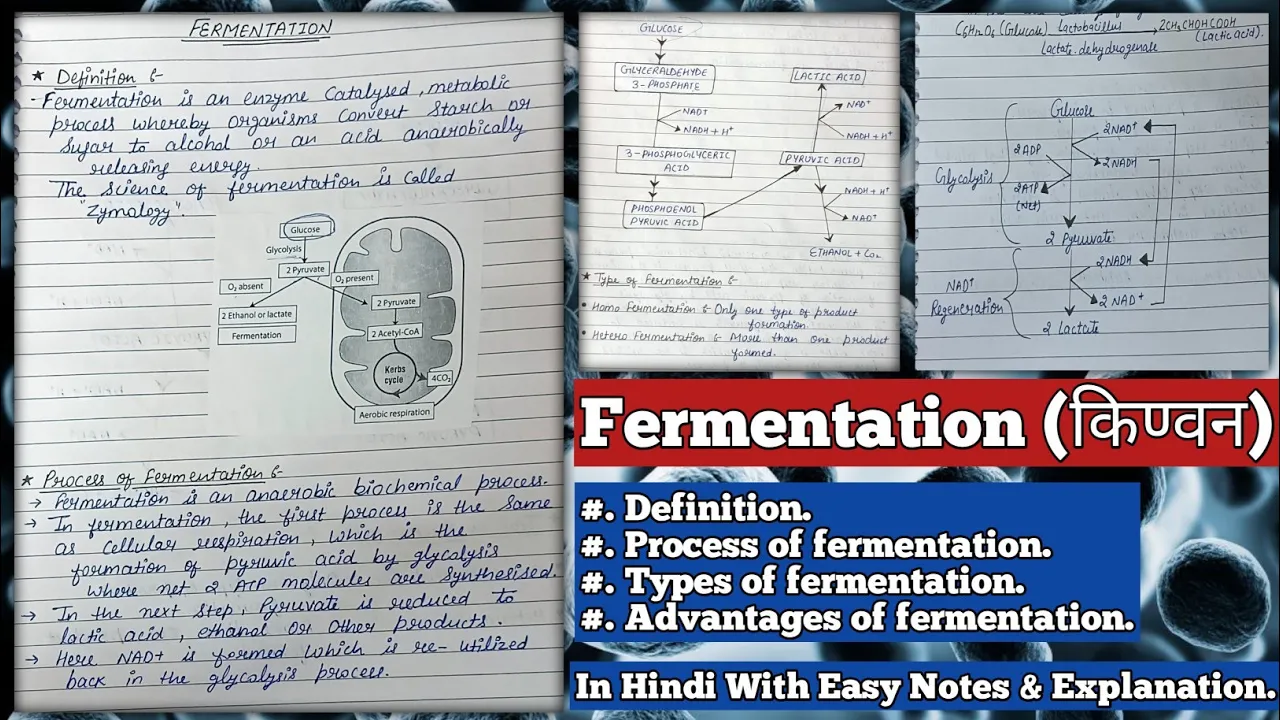
Fermenting preserves food using salt and natural processes without heat, maintaining enzymes and creating live foods that are easier to digest, while canning uses high heat to seal jars, which destroys enzymes and kills beneficial bacteria; fermenting foods last 6 months to a year in a cool dark spot and provide increased vitamins B and C, making them more bioavailable for the body.
Sustainable Food Preservation: A Guide to Fermentation
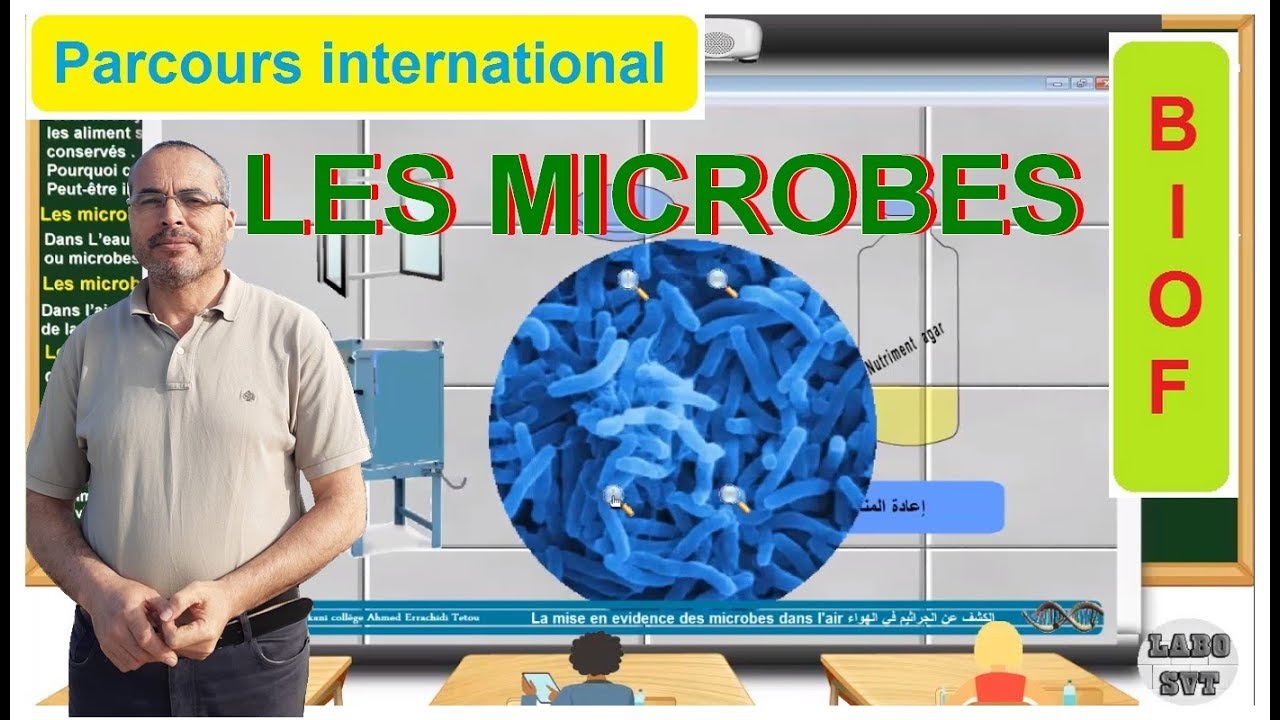
Added:Basic understanding of microbiology, specifically the differences between beneficial microorganisms (like lactic acid bacteria) and pathogens.
The concept of anaerobic versus aerobic environments and how oxygen levels affect microbial growth.
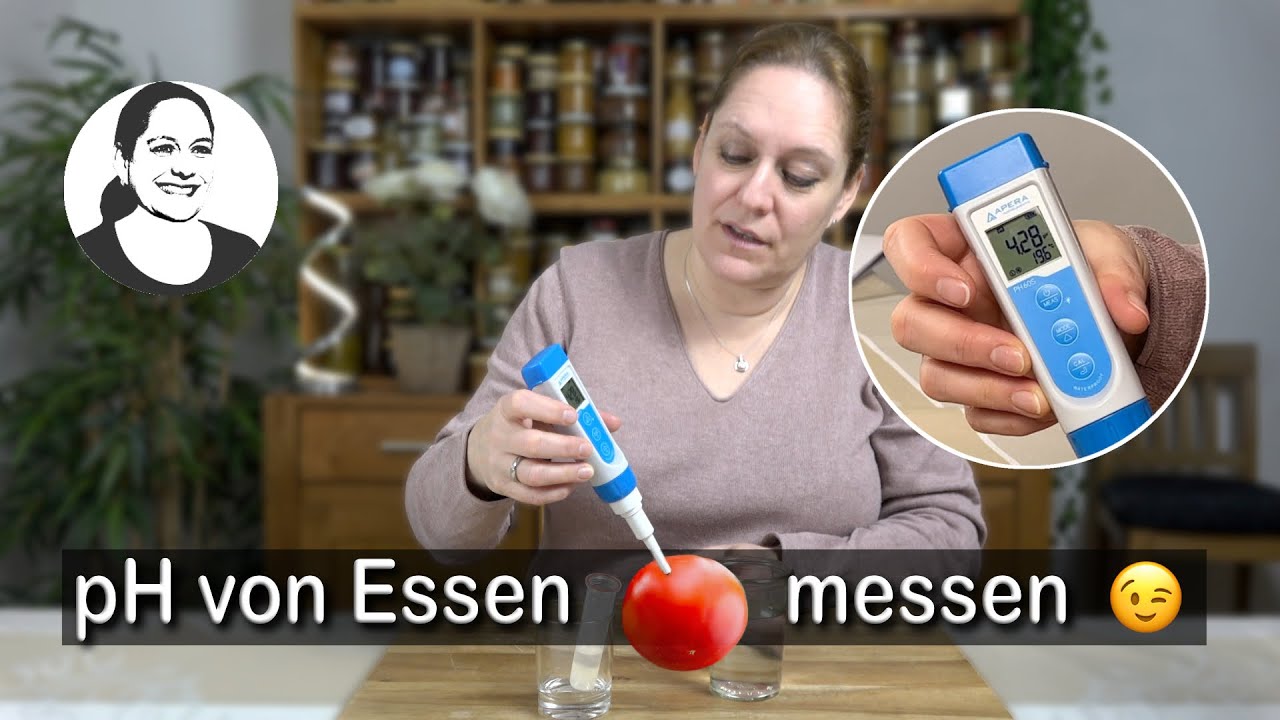
Fundamental chemical concepts of pH, acidity, and how they relate to food preservation and safety.
Standard kitchen hygiene and sanitation protocols to prevent contamination during food preparation.
Exploring other types of food fermentation, such as yeast fermentation (bread, alcohol) and acetic acid fermentation (vinegar).
The study of the human gut microbiome and the nutritional and health benefits of probiotic-rich fermented foods.
Advanced food preservation techniques, including dehydration, canning, and curing, to compare sustainability and shelf-life.
Industrial food science applications, quality control standards, and commercial scale-up of fermented products.
68.5K views3.7Klikes1:24:42Original Release: 2022-05-28
oh it takes a lot to make this happen you guys have no idea are we doing it we're doing it this is the thing but we are doing it that's it i'm not ready we'll be waiting for the people to show up yup it's just you so far can you guys hear us make sure you leave a comment so you know that you can hear us is it working hola hello hello hello is this day going i think it is can you hear us say you can hear it yeah okay good all right finally there's boston there's boston how about you is there like rain everywhere or are you having no rain we're just getting out of the rain now half day today was a good day today and now i'm finally everybody pretty cleaned up for a little bit yeah i think we're really hot just for a day 70s and 80s hey diana simple living with chris and tara what's up they'll be at the homesteading live conference if you guys haven't got your tickets for the homesteading live conference you don't want to miss it the homesteadinglifeconference.com is a limited seating event that stacy and i host every year about 400 people in hannibal missouri and we have a riverboat cruise it's really a good time and we sell out every year right and it's our fifth year and we never missed a performance so performance yeah we hope to see you guys there and uh we got a great line up you can go to homesteadinglife.com homesteadinglive.com i'm leaving the links for you and get your tickets before we sell out there's donna from missouri thanks donna for watching us recently now make sure you go back and watch the thousand videos that we already have up so you can get to know us and catch up on all that good information and there's kentucky bluegrass living hey shabbat shalom yeah we're a little late normally i wouldn't be here but we got a little late and then hooking this thing up sometimes can be man it's actually kind of blurry isn't it oh man choppy yeah it looks crazy it looks brighter there than it does there yeah oh all right does everything look all right you guys all right we're just gonna hang out for a little while we want to talk about the uh coolest fermenting book i'm glad you're excited i am excited i finished my cookbook so because you're not cooking anything because it's going to be a real live food all the things you're going to have in it and there's so many recipes i think there's honey ferments and there's vegetable ferments and there's fruit ferments there's drinks there's condiments there's sourdough recipes so it's got like everything so very excited there's 101 recipes in it and it's done so i'm very excited and you can pre-order yours we're going to pre-sign the pre-orders and uh you're going to sign them anyways and you can get them i just left the link it off there with doug stacy and then the shop tab so that's what we're talking about is this fermenting book and so if you all want to get in on it and get a pre-order we're going to sign the pre-order books and then get them out and they'll be here the first week of july so they're already at the printers and everything offered with doug and stacy.com and then the shop tab and then you'll see the book okay and we can talk about other stuff too yeah we're gonna just hang out with you guys yeah but we wanted a lot of people pre-ordered the book and they've been hanging in there because it took her a second but we are finished and it's at the printer so we wanted to make this big announcement so we encompassed everybody at the same time and plus a lot of y'all are new there so you might not even know that she's worked for like a whole year on this fermenting book plus i broke my ribs and hurt my hands so that kind of delayed everything and life and you know doing a homestead doing everything and you know so but it's done so i'm excited here's a here's a fun fact right the printers are actually having a hard time having paper to make books because y'all are on amazon gobbling up all these boxes for shipping right so there is literally a delay in getting books printed because they're having a hard time with the paper because all pulp is going towards boxes so amazon can continue killing it you order the chocolate tea and love it yeah if you're not into the fermenting book we have chocolate tea and t-balls that's also at offgoodwoodduggenstafe.com then shop tab okay so if you have questions we have answers but we're just hanging out with you guys and we wanted to make sure we have a mass announcement on uh stacy being finished with her book and luna's here she's been hanging out with us all week you say hi hi and she went to an amish wedding we went to an amish wedding yesterday so that was really cool yeah it was your first honest wedding right it was almost two yeah it was really cool good time yes ferment the ferment book is done at off grid with doug and stacy we're waiting for the printer to send it to us and they said it'll be for the first week of july if you order one now stacy will sign it and we'll get it out to you first those are all going to be first kelly says hi luna say hi kelly all right i just comes up with a report or block when i press your link that's because you're not pressing it right um or maybe i misspelled something off grid with doug and stacy.com my big finger sometimes if i go to put a link in i might have messed it up all right no clickable link yeah there is it's in the comments off grid doug and stacey.com oh i don't have a clickable link tara put a clickable link in there why can't i put a clickable link in there it's my channel interesting sarah paneuville off goodwillduggingstacey.com where's other people at i'm gonna make some more uh moderators can you read the comments and answer some questions it's hard for me to read that far this way it's still too cold to put in sweet potato slubs it is here too we have a whole vine oh my gosh they're growing potatoes so huge because i know you want them about six or eight inches at the most and they're like growing and growing because it's been so cold here but i'm going to plant mine because we're supposed to get in the 90s sunday monday so i'm going to go ahead and plant mine so it's crazy everybody's late with everything well you know if you guys didn't know um we're actually in the second year of the earth cooling right i know right don't get me started but the thing is this is nasa even wrote a big paper about it right um it's called i'll tell you what it's called here in a second the my door minimum m-a-u-d-e-r my door minimum minimum it's the second year of cooling on the planet right so so much for global warming nasa wrote a big paper about it and as you can see we can't get our crops in everything's cool wet a little bit behind so somebody put that off-grid with doug and stacey.com i can't believe i can't leave a clickable link tara did you write it on there yes keep putting it on there i can't believe i can't do that solar minimum yeah pre-order the fermenting book anxious to get it love the cookbook yes maryland it'll be here the first week of july so we're pretty excited about it off crew with loganstacy.com and shop now let's ask some questions about living off grid or homesteading or the homesteading life conference so let's talk about it and turn off your tvs quit listening to your tvs if you guys are watching the tvs turn them off don't send your kids to public schools adjust your lifestyle all right that's enough my soap box your garden is beautiful we just planted it's been cool with no significant moisture since august and you don't have plenty of moisture here it's been terrible though it's been the weeds have just been crazy i mean she's been sitting out there and there because it rain and rain and rain so i've been just kind of doing a bed at a time so what you guys have seen on the video is kind of what i've done but little by little i'm doing it because you can't it's hard to keep up so she's in there with a hoe have you been helping with the hoe yeah yeah and then molly is really great because she's great at getting mice and rodents so i tell her get it and then she'll start to dig some of the you know things you can't get the weeds and you can't get the roots out so she'll dig and she's been helping us haven't she yeah no we don't we do not eat pork we don't need anything that doesn't have a hoof and choose a cud they call actually they call the pig in judaism they call the pig the deceiver because it chews the cud but it doesn't have a split hoof but it looks kind of like it has a split hook but it has toes so that's why they call it the deceiver and scientifically it's just bad for you no matter how special you treat and how many herbs you feed it [Laughter] [Music] oh this book 101 recipes right she has eaten like little ways you can eat the ferments fermenting meals you know all the yogurts the kefirs the kombuchas yeah so there's old drinks i mean it's just loaded with so many different things that you can ferment it's not just like cause a lot of people just think oh it's just sauerkraut but you can ferment like everything matt davis matt davis you are the man matt davis said he just wanted to say thank you all because i've it has helped me find what i really enjoy doing living in independent life i'm currently about to graduate high school okay and i will begin saving to start my home set oh get some man start a little market garden right now you can actually make a lot a little bit of money on a market garden right now you can actually incorporate some neighbors instead of them cutting the grass you can set up some raised beds we have a friend that did it and he farmed in their yards and raised beds and then sold those veggies at the farmers market his name's curtis stone and we actually have a guy coming to the conference this year 2022 his name is ray tyler he's been on the program right for several years now last year or actually this year and last year they hit four hundred thousand dollars in sales on less than an acre and we bring you all this information at the homesteading life conference and other ways that you guys can leave the rat race and make money on your homestead and live intentional and for yourself and just kind of you know ease down a little bit i love it amy wants to know how do you get your spouse on board his lifestyle that's a tricky one yeah because you need to they have to kind of you don't want to do this i mean there's a lot there are a lot of people though that live you know and then you'll have one spot that wants to do it more than another you know and they're the ones that are raising the animals and doing a lot of the things so you know you got to kind of pick your battles you know if they want to live somewhere maybe on the country and then you're raising some tickets it's not so bad well yes you know that's a hard one like you guys have to sit down and talk about the features and benefits right like you know and then start finding his hot buttons you know maybe he's not into the fresh food so much he's cool with the drive-through but maybe he'd like to just go out and fish in this pond in his backyard maybe that could be something that he likes i don't know is it impossible to do obama yeah yeah we have a lot of friends that are homesteading by themselves you just have to you know do what you can don't get there and try to do chicken sheep this that don't watch our channel and try to emulate everything we do we've tried to teach you that do you just be careful who your mentors are right just you know start off slow become a master of one gary started his homestead and he gary started his homestead and he started with his uh high tunnel and now he's moved on to his chickens he did like a year or two with his high tunnel he made good money with it with his seedlings he was selling those two he was growing his food he got that all ironed out and proficient and now he's moving on to meat birds and chickens yeah and then you just kind of see how much you can handle and then you kind of take it from there because i think the biggest mistake that most people do when they first get into this they do way too much and then it gets overwhelming and then they just throw up with their hands and then give up and a lot of people move back to the city so it's just like start off with you know maybe one raised bed and maybe a couple chickens you know and just do a little time and see what you can do and then as it gets better and you kind of get into the groove then you can kind of add on because that's the one thing you just don't want to do too much because i think most people you get so excited it's like oh you know i can do this and this and this and this and all of a sudden it's like whoa and you got to learn it's a learning curve you know when you start bringing animals in and especially different kinds of animals you know they all have different things that are different about them and maybe they get hurt or get sick or you know there's a lot of different things you just really need to start learning so that's why you know it's really important i think to do you know one thing at a time and then work on it that way just like even gardening you know i'll always you know you kind of get good at something as every year and then every year i always try to something new and then that way you get good at that or raising that and then you just kind of build on that every year so like i always say when we first started there was one of the amish guys he had the hugest onions you could ever imagine they were like huge big onions i'm like i want onions like that so that's what i strive for i try to get onions clean in the camera there it is that matter i don't know i'm trying so and that's the one thing and then i get to figure out how to do onions and then you kind of go from there and then maybe it'll be potatoes and then maybe it'll be tomatoes and then maybe it'll be peppers or maybe it'll be lettuce you know and just kind of pick one thing at a time and then go get there everyone will get there and the same thing in your garden every year garden season every year is going to be a different thing a different battle you get too much rain not enough rain and then or maybe pests so you'll always have one or two rock stars in the garden every year and that's what you're going to probably have a lot of so it is it is what it is i always like to you know plant extra things in the garden and then that way you know just in case you know you know at least get something it's not my camera it's my connection i know but i was just trying you know i gotta try what i can right here so it is our connection such great advice i've been trying to do everything at once no you guys don't do that you're gonna burn out and then it's not fun then what if you want to go somewhere then you have all these extra things and you have to you know just try to keep it simple right don't get caught up in everything now the reason why we're having this live show stacy's fermenting book is at the printers and it'll be here on july the first week of july they say and that's why we wanted to make this a live stream tonight just to let you guys know a lot of people had pre-ordered it they thought we'd ran off to vegas with the money and stacey's just been working on it took about 101 recipes even fermented hummus and hummus there's everything honey hermann's garlic ferments everything it's off good with doug and stacey.com and you can hit the shop tab and get your pre-order and we're going to sign all the pre-order books and they go out first what do you think about planting veggies and flower beds what do you mean like a garden box sure yeah sure kind of anywhere you can squeeze them in and you know those old feed buckets you know put them i mean you can do everywhere like i just did a you know a video not that long ago about doing potatoes i had someone give me a bag of these old organic yukon gold potatoes and they had the sprouts on them and i went ahead and stuck them and you know it's a five gallon bucket and then like feed barrel and like a pot a big pot and they're like this big right now i mean you can plant if you have a back deck you have a little sun you know you can do herbs you can do so much so much just have some pots they get a little drain hole and you guys can grow and that's a great way to start you know if it's a little overwhelming you don't want to go in the dirt or have a big raised bed or anything like that put it in something like that and you guys all can do it anybody can do it if you're 100 years old if you're in a wheelchair you know if you're a young kid you know like luna's age i mean they she can do she was planning today you know putting the seeds in putting the plants in today and right were you planting yeah she was so anybody can do it you just need a little dirt and a little time and some seeds or if you get some starts from the local nursery then go for it and you guys can just grow your own food and it isn't and same thing with growing don't do like a million things you know if you're just starting pick a few things and you guys will do it you can do it yeah zucchini and tomatoes as well you want to water from the ground at the ground you don't want to splash it all around and get them all wet the tomatoes are the ones like that try to get light and all that stuff so that's one of the tricks to tomatoes is watering them at the base well the other thing with that is when you have like your tomatoes a thing if you put some type of matter like he cut the grass the grass is growing so much and you have a lot of grass clippings or like the straw you know if you put that on the bottom of the tomatoes you know when it does rain and it splashes back up that'll help prevent that too so it's good to kind of put some compostable matter like that around those plants that helps a lot because we had a lot of extra grass and so i had some tomatoes and i went ahead and put a bunch of that grass on can't get out of paying taxes don't you know death and taxes but when you live really out here it's four hundred dollars a year versus five thousand dollars a year in town right it's a huge difference so forty dollars a month versus five hundred right i can't see them simple somebody wants to talk about the economy oh no don't do it all right i'm not an economist i'm not giving you any financial advice all i'm telling you is there's patterns that you can learn from and we're about to go through one right we're going through a 90-year pattern and we're also going to go through like a 25-year pattern and even a 10-year pattern all at the same time this one's gonna hurt so if you have money in your pensions or anything in the 401ks maybe talk to your advisor or somebody and you might want to start looking at ways you can move that stuff around because it's going to get ugly pretty quick here in a minute that's just my personal opinion you guys do ever do whatever you want to do all right all right let's go all my extra money has been in and being invested in land 401ks yeah how do you estimate how many vegetables to grow preserving and fresh eating just starting out to grow extra yeah that's the thing when you guys first start out you're gonna have to get a year or two under your belt and you're gonna have to build a lot of garden and then see how it goes and make your adjustments and i think the big one there is you got to look and see what you're going to want to eat i mean i know for me and probably for a lot of people to start out it's like i want to do everything you know people would be planning you know things have been anything we just talked about you know don't plant these things that you're gonna make a lot of and you're not you're not even hard to eat so you gotta pick the things that you enjoy eating so you know it is exciting i mean i was the same way it's like oh like i know you guys love okra like i'm not an ogre person and he isn't either so we don't really do okay i love the flowers and i think it's a beautiful gorgeous amazing plant but i don't do a lot of okra so like this year i didn't plant any okra so shame on me but we don't eat it so that's you know one of those things i always felt guilty for not growing it because everyone's growing it and they talk about it but you know what i mean it's that thing so if you guys like it then grow it and then the other thing too is there's so many squashes everyone's like oh do you get your zucchini in you know maybe you don't like zucchini there's yellow squashes you can use straight neck squashes or maybe you know don't feel pressure into making growing zucchini if you don't like it like there's like acorns squash and then there's the spaghetti squash and there's so many different other types of squashes maybe try another one so just kind of look and see you know if you're used to going to the grocery store some of those things that you like and you eat all the time maybe those are the ones that you should start growing and then also things that go well in your climate so bobblehead i just nominated you as moderator someone's giving some chickens they have three already and they're gonna introduce the new ones here coming up now you gotta make sure they're all feathered and they're all good to go but you wanna introduce them into the coop at nighttime when everybody comes back and everything's shut up you just go in there and sneak them in let them out and then keep the door closed and let them do their thing overnight sometimes i'll keep them in there like one day keep everybody pinned up and then let them out but usually in the next morning if you let them out everybody will come back together and if they're littler just kind of keep an eye on them because sometimes you know they're coming by that pecking order they might get bullied on sometimes watch them sure and you want to make sure like they come back to the coupe couple of them might be hiding out on here some they like to go under the coup or anything like that all right thank you for your input here what herbs are perennial i grew up lemon balm last year because of you and it came back and i just harvested a bunch today okay so peppermint i need mints spearmint peppermint there's chocolate mint lots of mints those are all going to be a good perennial sage is a good perennial thyme is a good perennial um let me think what else uh so you got leather bomb sage parsley kai oregano that's a really good one those are all really good hearty ones and now you have other ones you know like parsley if you live in a colder climate parsley is very good it's a biennial too so it's going to see every other year but it will do very well in the colder weather and then you it can recede itself you know so partly is good and see a lot of these things like cilantro that's an annual um but it has really nice seeds like what we would call coriander and so i like to let those go to seed and i'll collect tons of the seeds and then that way i'll just put them in the dirt and then just let them pop up too um what other good ones that are that are easy those are pretty much the basics for most of us that do very well your oregano will keep coming back over and over your time your sage and all those now basil those are they like warmer weather so that that's going to be more of an annual but it will reseed itself also too any of your basils hey tj good night man i know one day you're gonna bust that camper dude for a free camp you're like you are honest tweets like mad dude you i'll see you guys hopefully i'll see you guys in august but if not we'll talk to you soon have a good night always appreciate you is all right all right oh uh is that janine jeannie my favorite video from you guys is when doug got his boots stuck you like that one now we are going back down to dr leo's in june we're going to be stacey and i both are going to go down there and lay in that box he's got all the bees in there right now it's going to be something all right and you guys have to remember like we archive all of our videos at off grid with doug duganstacy.com you can go there and watch our videos because youtube does not give you notifications youtube hides our channel from you guys there's several reasons why i won't get into it but you guys help us out just always every day just wake up and go to offgrid with dugansfacey.com and it's right on our homepage we have archived our videos and you can just go to each video and see if you watch that one and you know if you look at a title and you think yeah i don't really want to watch that one you should probably watch it because in there we always have these extra nuggets and extra tips because we're always trying to explain the lifestyle and the tricks and the tips we're not just showing you you know so okay christine wants to know about the miss turkey have success with her egg i was going to say it so mrs turkey well we kept checking on her she was sitting on them and i think she had eggs under her and then done checked her he said she's been sitting on acorns yeah the whole time she was you know it wasn't the whole time so i think a rat something must have got him or whatever one night so she came back so she's back with the boys and then um someone else i just saw i wanted to know about the chicks the chicks are all doing amazing um i had two of the moms two moms for the chicks and so they're all in this a-frame i got some guineas in there too and the funny thing was i had the door open and one mom flew out because she was ready to leave and then i have the other mom she took all the chicks now so she's like the mom in charge and so they're doing great and then actually i have another one in my other coop who there's two moms sitting on a bunch of eggs i got a lot of broomy mamas this year and uh there's half some babies really cute so they're just hopping around in there too so i'm doing really good hatching eggs this year good good uh good luck with your stevia seeds there big bear i think she said those are kind of hard they're kind of small and real and yeah and gary said put make sure you have your hair on and do a lot more seeds because you're not going to get as good of germination but you only need a few plants so whatever's going to pop up pop up and you should do fine but they do like that warmer weather and actually i planted some in the garden and i have some other ones in pots and they're doing really really really well so you can do it you can do it you can do it you can do it and then you can cut them back oh and remember when you do cut them back if you guys want the stevia don't cut them back low you want to keep a few inches you know probably like seven eight inches at least and then let them grow and you can harvest it a couple times and then uh that way when you harvest it you know go ahead and let it hang it'll dry and then you can you know crumble it up put it in your jars and save it and then use it in your t-balls see there that they're getting all this good information any more questions like say the main reason we were caught talking to you guys tonight is to let you know stacy's fermenting book is at the publishers they are printing it up right now to be here the first week of july if you pre-order it we're going to sign them and get them out to you but we just wanted to touch base with all y'all that had pre-ordered it and you thought we'd ran off to vegas with the money we would never do that but he's worked on it for a year 101 ferments wow that has a lot of firmness and there's a variety you know what i mean it's i always like to talk about you know have a different kind of ferment with your meals so if you don't want to have a salad roll or what you do with your sourdough discard because you know you have a lot of that so you can have a lot of different recipes and then you know greens mustard ketchup salsa hummus things with yogurt how to make homemade yogurt you know how to do you know things with your honey ferments there's garlic and there's turmeric and there's ginger and then there's fruit and then there's veggie ferments even things to do with herbs ferments last six months to a year easy not even in the fridge it just needs a cool dark spot if you put it in a fridge no problem no problem there's actually some people that dedicate a whole fridge to their ferments well another thing is like if you're gonna do fruit now that's not gonna last as long yeah some of these ferments might only last a month to two to three months at most if you're gonna have something with a higher sugar content um it won't last quite as long because those sugars can kind of turn alcoholic it will get kind of a weirder flavor so those are the ones you want to eat are you know earlier a link for chocolate teas right there off grid doug and stacey.com but simple like with chris and tara just posted and you can get that chocolate tea we ship it right off to you and we have these cool t-balls if you want to get one too okay carol just said she started using acv heroin yeah it's wonderful i love it and you can also if you do like i just do like one part of the apple cider vinegar and then i'll put you know whatever eight parts water and then i'll put some rosemary like essential oil in there too or you can put different essential oils and then you put it over your hair after you get done shampooing and then she wanted to know about the shampoo i use shampoo bar that i really find that i like it's j.r leggett it's just a bar it's like 100 year old company um it just looks like a little bitty bar funny story about that is one time doug uh he was like that's the bar wasn't really that big it was like a little bar remember you used the whole thing and took a shower and i'm like oh my gosh because that marvel lasts me a long time to wash my hair because i just wash my hair like once a week they said we have it even humans have a packing order right you guys i don't know what so everybody there's packing orders everywhere there's cliques everywhere animals have them people have them you know you have them you have them now wow bob in missouri your elderberries are getting flowers yeah well he lives up in northeast missouri he lives up by saint joe bob yeah but it's still ours are nowhere near that well well good for you that's awesome all right so we're taking questions we're telling you guys about stacy's fermenting book and we're also talking the tickets for the homesteading live conference because we're almost sold out but we're not there yet homesteading live conference is in hannibal missouri and that is a good time stacey and i host that we have some great speakers homesteadinglifeconference.com and then rita i think it's j r leggett l-e-g-g-i-t-t in 100 year old shampoo off grid onto youtube and watch the video about it let me see if i can do something here i'll help my moderators out and bear with me bear with me now i might be able to do this okay this is not working i'm gonna try to see if i can help the moderators out here oh now i can read it better a little low here though can you tilt it up i'll put it on a book we'll put you on there you have a different view now guys huh i'm trying we're always trying for you always remember that oh carol you did the acv with purple dead metal and violet cool nobody tries harder than we did where's that oh it's kind of crazy but it'll work i guess all right let's see if we can do this now all right you guys got to talk or something don't just look at me i still can't do it all right it didn't work can you believe that it's our own channel and we can't even do uh uh you wanna move that i can't even do a thingamajig so i'll put you back up here it's up to the moderators but if you move it i can see it read it okay can you bring it down on the table oh my all right we'll try this kind of the lighting is weird we're just going to try it you can put it back down all right no you gotta have it up that is crooked oh my goodness all right okay that's pretty good that pretty good what is it yeah a few weeks they're just making the stems that they grow on oh bob okay no the jr liggets we get those from uh laymans.com laymans.com layman's dot com jrlick shampoo laymans.com laymans.com uh all there is layman's is a sponsor of our conference they're great friends of the channel we'll be in ohio when is it september september 7th yeah we're going to be at lehman so you guys can come see us there too we always try to find these places to come see you guys sometimes we skip a year or two you know we got stuff to do but this year we're pretty busy i'm coming to see you guys all right it's better now the lighting makes doug look like a ghost [Music] all right we'll try that it doesn't really look better thank you for all the links i could use some lessons all right yeah anytime we drop those off here at douglas station.com and we'll be talking about fermenting and hanging out about homesteading and all that stuff we are the og off-grid homesteading channel period we're actually doing this stuff we're still living without even solar power we've lived like the amish for the last 13 years if you guys want to get information about living off grid this is your channel no fluff just real deal how to how's the wood selling business it's going good i'm actually uh gonna all weekend i'm devoting all the time because we've had so much rain cut cut cut cut cut got cut i think i might actually bring in my first employee so we'll see how that goes doug you're going to miss stacy when she's on her book site she's not going on a book signing all right kayla wants to know how long fermented garlic honey lasts like years yeah a long time and then you're always adding to it and keeping it going always keep that stuff going guys or just i for me i like the mason jars it i just kind of like use it you can out i'll finish the garlic and then the honey will go you can use it over your salad dressings or whatever and then i'll go ahead and i always just every year i always make more and don't wait till cold and flu season you want it it gets really good and medicinal after five six months use it a month but then after a few months it's really good but you just keep it you know out of the sunlight you know in your pantry or someplace cool and it will last a long time and older kids don't freak out it will get very dark very dark real dark very dark like dark brown so don't get worried but that's what happens well thanks berto oh yeah i'm planning a trip there with some biker friends oh fun yeah that's a good to kidron yeah that's a good that'd be a beautiful ride yeah when you go through holmes county oh my gosh you guys it is so beautiful don't be jealous of all the amish houses those homesteads are like nothing you will ever see in if you go during the fall if you want to make a vacation it is september 17th yeah the stores and then just the view and the hills and the homesteads you're gonna be like whoa it is absolutely we went there during the fall and it was probably like why haven't we ever been there it was amazing it was one of the neatest places i have been to it's gorgeous yeah those comments they got their spreads home tight their stuff is tight me and gary were looking at him we're like whoa we got work to do on our homes yeah is oh my gosh it is beautiful you'll it rolling hills just beautiful everything and you'll get a lot of good ideas too yeah so if you guys didn't know stacy finished her fermenting book it's the best fermenting book in the business because i said so yeah and it'll be out the first week of july it'll be back to us it's at the printer right now for all the pre-order books we're signing them for you so if you want to get one it's off grid with doug and stacy.com and then the shop tab if you don't want a fermenting book just go check out the shop tab maybe there's some other stuff on there and if you ever wanted to get a sun oven or something like that all that stuff is there with the links and the coupon codes to save you money and uh that's just what we do for you and we also have an events tab on our home on our uh awkward with doug and stacy page it tells you where we're gonna be at so off grid with doug and stacy.com is your daily resource for all things good we archive all of our videos there so you cannot watch them once but twice or even three times so that way you can learn as they say repetition is how you learn all right oh yes i grew up with the amish in indiana we went to our first amish wedding yesterday it was really cool it was a lot of fun yeah everyone always buys a sun oven just so you know and as soon as they buy it in their area it starts raining and it doesn't stop so then they put the thing in the closet and then two years from when they bought it and after it stopped raining they leave a comment on a video and they say i have a sun oven it's still in the box well that's what happened with us when we first moved out here before we even moved here i had gotten the sun oven and i left it in the box you know and it's like i could have used it and i started using it i could kick myself when you use it you'll be like whoa and then when it's like 90 degrees yeah it's amazing and it's so easy it's so light it's so easy to open up once you do it a couple times you're like just whip it out it's not complicated it's not hard you know like a lot of these things these gadgets you have to put together it's so simple it's just like 22 pounds it cleans so easy it's got the glass it's wonderful see i knew it tara i know it how it goes i'm telling you we hear the stories we did it everything we try to share with you guys we've been there we've done that we got the lumps for it so if you listen to us you won't get the lumps for it so you just gotta just heed what we you should order some more just in case you really like it with some maple syrup with the maple syrup all right doug how did you find your property uh when you bought it so it was kind of a fluke right so i was kind of surfing in that we kind of figured out where we wanted to be and i saw this little kind of rundown not really too bad looking houses i thought i could maybe rehab a little you know i didn't have any carpentry skills i wasn't sure what we were going to do i didn't know how much that was how much land it was on so i just kind of called it you know and the guy was like yeah that's fun like no land it's on like a little it's like the house and the driveway and i was like shoot well i said well i was basically kind of looking for maybe 10 or 15 acres you know and he said well i think i might have a spot for you you know so i came up and checked it out and we bought it that was that's the whole story okay she's a good girl what do you cook in the sun you cook everything in the sun it's just like a regular oven even better because it doesn't dry out your food yeah it just keeps it very moist it's funny when you look at the outside part of it it'll get kind of when it's almost done it kind of gets like moisture on the glass but you know you could cook bread like you could bread you can bake cookies like you make cookies you could put whole potatoes in there you put whole corn in there with the chef on it and everything you could cook anything i use it like as a crock pot so if you leave in the morning you just kind of stick it somewhere and then put like a whole chicken in there and you can do two pots and you can put vegetables you can make rice i mean you can make anything bakes the best bread i make hard-boiled eggs in it so so simple and you can millions of recipes what happens is the way it heats up it heats up evenly so the heat is moving around the whole box so it doesn't dry anything out when you cook in the stove or in the oven it doesn't heat up evenly and so the bottom dries out faster than the top so that's why it's awesome and tara the homestead live conference is homesteading homesteadinglifeconference.com now don't make me get after you off-grid with doug and stacy is everything else if you want tea or the cookbook or the fermenting book that's pre-sale or anything like that that's off here with doug and stacey.com our archived videos our events page where we're going to be we even write blogs there for you guys to read and glean from and some of you guys don't even know that that's a resource for you you should go to it every day start your day every day at offgoodwithdugandstacy.com and that way you'll never miss a video because youtube keeps tricking you oh good times homestead yeah they're dehydrating plantain and wild garlic in the sun yeah it's great to dehydrate things you can distill water in it you can i mean it cook anything it's great it is wonderful to dehydrate i use it for a lot i like to do a lot of sun-dried tomatoes in it so it works out fabulous i don't think the chocolate tea is going to help you with your pollen allergies but but you can do other things you know uh i would say i had a video well right now a lot of it has gone the purple dead nettle and then the purple hen bit and a lot of amish around here will go ahead and make teas and drink it like that but um definitely you know even you know a lot of people doing a little apple cider vinegar and some water could possibly help and then the pressed honey you get some local honey and if you can get the pressed honey that has the pollen and everything in it that's going to be really good for your local what's going on around there so if you can find good pressed honey yeah we'll be at layman's on september 17th so make sure you keep your calendar marked for that kidron ohio layman's september 17th we'll be at the homesteading life conference hannibal missouri that we host every year uh limited seating and we're gonna have a great time great lineup at the homesteading live conference you can check out tickets if you want to come it's a two day event in hannibal missouri oh patrice what can i take to detox from black mold actually it's funny that you just said that because i was just talking to a friend of mine who's having that same problem and she just watched the whole thing on it so check into neem me n-e-e-m mean supplementation chicken do they act okay that's all i'm gonna say just checking i guess it's a derivative of neem oil yeah there's neem oil but you can do supplement but just check into it and see what it says about mole and we'll also be at the homesteading homesteaders of america conference in october and that's in virginia yeah it's on my birthday so if you guys come to the homesteading homesteaders of america conference uh in virginia homesteaders of americaconference.com uh you can come bring me some cool gifts oh there's steph hey deb how are you hey dad better you by the time you showed up we needed your moderating skills and you oh you're an hour ahead too in florida you should be getting ready for bed she stays up late yeah all right oh yeah big bear this suckers factory is just down the street from kindred you're right right there yep the smucker's factory is there the amish you know the almonds are there's the most amish is in kids in ohio than any other place in the united states a lot of people think it's in pennsylvania but it's not hi from texas oh boston karma's birthday last friday do you recommend mulching tomatoes also any ideas for someone suffering with lyme disease mulching tomatoes we tried we did mulch no what do you mean by mulching like no they put mulch underneath it yeah that's what i was talking about because then i put stuff i could like uh straw best breast cookings because when it rains it doesn't splash up and cause the black people it really helps that's what i do i think it works so homesteading live conference hannibal missouri great lineup homestead you want me to make pemmican yeah definitely yeah just like yeah do that you should do that at this home study live conference right on sunday night we take this riverboat we rent the whole riverboat and we get on the mississippi river and it's at sunset and we cruise up the mississippi river and there's a live band playing on the first deck so everyone's out there cutting a rug and we're having a good time we're eating and you can walk out on the deck it's like a two-story like steamboat kind of style going down fabulous if you don't even want to just if anything it's worth it just for that but the homesteading life conference we have a ton of great speakers uh dr leo's gonna be there ray tyler who's made a half million dollars on a acre of land uh growing veggies is going to be there and he's going to break down the whole process for you guys how to raise flowers no that guy's not going to be there but we're going to have rabbit butchering hands on we're going to have chicken butchering hands on lots of to make natural hands-on how to do i mean a lot of stuff like holistic and natural care uh it's gonna be crap yeah i got a lot of different things a lot of hands-on workshops solar 101 stuff somebody asked about our solar update uh we're working with another company right now we're going to give you the whole breakdown i like to try to run these things first before i tell you about them in case there's some hang-ups which there was so that's just where we're at right now but don't buy solar roi is terrible and then i have a good uh country vet coming you know he'll do q and a yeah yeah elderberry terry terry will be there dr leo yeah doug and i are going to be talking too so i have and then we have a wonderful like like a homesteader linda she's got so many cool things that she's gonna be talking about linda you know i remember the good old days we only had 284 people here the good old days we had a thousand people here i just showed you how youtube moves our channel around on them 286 we usually have a thousand people in our live shows hello from huntsville texas love you both you've helped me daily with all kinds of projects well thank you what kind of grains do you use for your sourdough bread my really my favorite i love ein corn flour i love it it has a really good a nutty flavor and it's really i think that it's like the first flower non-metal it um has not it's not been hybridized at all it's what we call a good ancient grain it has a wonderful flavor it's easy it's easier to digest a lot of these hybridized flowers when you look like the dna strand i don't know all the technical stuff but you know it has a lot more stuff to it it's more complicated and then your einkorn is not going to have as much involved into it doesn't have as much and it's easier to like assimilate and digest so a lot of people who maybe can't tolerate like modern type flowers and they try einkorn they're good with that so i view that a lot einkorn e-i-n-k-o-r-n and that brand that sells a lot you can get the wheat berries and you can get already ground up as jovial and i think it's from a lot of a lot of it is grown in italy believe it or not and there's a lot more farms now growing it here in the united states no more headaches once i switched to hindcorn and guys cut that sugar out of your diet read your labels they are overdosing you on sugar to keep you sick it's all about the food y'all we're living examples she's 84 and i'm 63. i mean we look great don't we because we cut sugar out of our diets mostly i'm still a cheater but stacy really did but if you guys do these little simple things drink more water you know what i mean like you're going to be healthier for it eat food closer to the vine like all that stuff's gonna matter why i know what you want she's got earrings on all right more dr leo video okay so b update one in the woods didn't make it again and the other one's doing fine i've added a couple frames to it but i've been busy and we've had a lot of rain so i haven't been able to really do it i need to get better at drinking more water yeah you know the big thing for everyone i think is if you to change anything about your health if you could start not tap water with chlorine and fluoride and all that make sure it's a nice filtered water but um or if you're drinking distilled water you can put a shot of apple cider raw apple cider vinegar in there um do it first thing in the morning before you you take coffee or tea or do anything to have a nice huge big glass of water right before you do anything in the morning so that's a good way to start your day you've been sleeping all night you've been fasting it's sort of like a splash in the face all the cells in your body it's going to wake you up it's going to make you feel better and it'll make you start your day amazing and the other thing is don't ever never something sugary for breakfast because a lot of people are like why am i so tired why am i so fatigued blah blah blah they go on it and how come one day i feel good other way i don't feel good it's because if you start your insulin and rock it way up there first thing in the morning and you have a bunch of pancakes you know lots of carbohydrates and stuff like that in the morning or a donut or sugary cereal first thing in the morning that'll mess up the rest of your day if you start your morning off a lot of you guys you have farm fresh eggs you know good eggs something like that what's the first thing you do in the morning what do you mean drink a big tall glass of water we were talking yeah and then when you have your breakfast don't do sugar in the morning like if you're gonna do your sugar or have something starchy wait until after lunch or something like here's the trick up too right you guys can have the pancakes if you have the iron corn flour and then don't use antimiamo right the number one ingredient number two ingredients high fructose corn syrup and then later it's syrup and then it's sugar sugar so so all you're doing is that if you have natural maple syrup that's a huge difference so let's talk real quick about insulin there's so much research now if your insulin levels are high insulin high insulin levels is like the root cause of everything all these bad things that are happening all these diseases all these cancers all this stuff i mean it's there it's not good and we eat here in america so much sugar if you could start cutting back your sugar you would notice your health your energy your vitality your sleeping it's i'm telling you guys just cutting back on your sugar and that's including bread pots of cereals crackers and all that kind of stuff cutting down on that a lot of that and then increasing and jolly pirate donuts and then the other thing is when you do your water like i'm i always put a pinch of the the real salt in it because you're putting the minerals because we're all wax in the middle you can buy that at off grid with duganstacy.com at the shop tab and we even have a discount code for you there now if you buy redmond real salt or that bits and i clay i don't know if you guys missed that bentonite clay video i want to talk about that hold on okay hold on you go there and get that stuff now we save you money there we negotiate with all these folks we get you discount coupon codes right but if you get the cookbook and the chocolate best i can do for you some free shipping this stuff's expensive we're just trying to help you guys out so yeah what was that video called you guys all if you have not seen it for our hygiene and everything y'all get your ben tonight clay get it in the big jug the more you get the merrier it doesn't go bad so i have my bentonite clay i do two parts of water to one part of the clay i keep this i cannot tell you okay how long does it last when you mix it with the water it'll just last a long time a lot of people have to well i mean long time show them what it looks like on your finger or something so we got the bentonite clay and she mixed it up in the water so that way we have a paste ready to go if i get a cut or she gets a cut or a gouge we're going to talk come here luna so luna has fallen down she's got a strawberry in her knee and what do we do oh poor luna did we put it on your knee yeah and then did it make the pain go away did you like it yeah was it soothing yeah because it hurt and it burned and so we put that on there and made the burger a lot of guys that do the biking the mountain biking and that stuff they have stories that with redmond and after road rash real bad they put the bentonite clay on there and it actually lifts the rocks and everything out of their skin you know what i mean it pulls it out and then the other thing is like poison ivy the itch it helps with the itch and then what happened today yes tell us now i got a tick she did she got a tick so we put it on immediately because if and it was stuck on her so we had to pull it out and then when you put that on there it helps it sucks the toxins if there's anything in there and does it itch anymore only when it wore off a little bit well we took up we yeah yeah so we took a bath out so we had to put more band tonight and then i found another tick on her so we had to put more on there right yeah we don't really can't really tap maple trees for syrup you know missouri is not really known for you that's just watery kind of not so good syrup all right i got some canadian guys and we do some bartering except for where's he at where's old joe i haven't seen him in a while we usually bar i send him some honey or something and he sends me some canadian um maple syrup so but if you guys go to the store just spend the extra dollar right and get the real canadian maple syrup okay i want to talk about my bed tonight yeah it's good tonight i tell you this is like amazing like if you ever go on a trip somewhere take some in a jar because you know who knows you get bitten by bugs you know those buffalo naps are horrible how many people have problems with those bolognese or those you know stamps whatever you call them where you get the big belts over and they itch for days this works with that if you have big zips on your face it helps with that this stuff is just amazing you can use it for so it's not gonna really help you with back pain like it's not that kind of a thing but if you get a uh any kind of an injection right that's like a bug injects a poison into you it's gonna pull that out cut on you it's gonna help heal it up we've seen holes in a guy's leg was this big and he was an amish guy and he didn't go get the stitches or anything and they just kept packing it packing it pack that picture picture pictures it's done right i put it on my finger some um and then um actually i you can use it on your animals if you have like an animal if you have anything operations yeah right now i'm taking care of i'm i'm farm sitting for a friend of mine and uh her dog is scratching the back of his her neck and getting a hot spot so i'm using this on the hot spot just packing it on there all over and over so i mean this stuff is invaluable and it doesn't hurt it doesn't smell um it's good for children so i love it yeah bentonite clay and remember everything we ever talk about it all food with doug and stacey.com yeah all you have to do is go there and then click the shop tab and scroll down and you'll see the redmond vince and i play you'll see the sun oven that we recommend the best one in the business um you'll see all the stuff the fermenting book that's coming out next month the first week of july you can pre-order yours now stacy will sign the pre-orders and we'll get them out to you first um you know we have our cookbook there the chocolate tea just everything that you know helps you and helps us at the same time so it's all off grid with doug and stacy.com okay james wants to know what's the difference between canning and fermenting so canning basically is where you're going to use high heat um and then you're going to heat it and then it seals the jars fermenting is where you aren't going to use any heat at all you basically use salt and maybe some water and you're going to make a brine and then that way it's going to stay alive it's going to be a live food so you're not destroying any of the enzymes and then that way it's like oldest way of preservation basically just by using salt and then through fermenting it's going to help increase it to be more digestible it helps to break down the fibers the carbohydrates so it's easier to digest it's easier to assimilate it basically even intensifies the vitamins you know you're getting a lot of vitamin b you're getting your vitamin c especially in sauerkraut you're getting so much more vitamin c than actual cabbage before you ferment it it is um like i say very it makes it very bioavailable in the body for you to like assimilate it and absorb it it helps people that have irritable bowel syndrome or ulcers it's very helpful especially sauerkraut so um it's something that i love it just aids it's called you know you hear about probiotics probiotics mean good bacteria we have good and bad bacteria in our bodies and our guts and then this day and age most of us have a lot of bad bacteria so this is going to help put the good bacteria back into your gut it'll help with your mood if you're suffering in fighting because it is your second gut is in your brain and if you have an unhealthy gut you may be suffering and being in bad moods and not very happy and if you can get that in order it can also help but you don't want to eat too much of it at one time because you're going to get too much of it and then it's eating the bad bacteria and can cause you to get gassy and get gassy or bloaty so just start with a little and then eventually you'll work your way up okay she's telling you her fingernails thank you she wouldn't put her little stickers on them all right something else right now fermenting sounds easier how long will the food last six months to a year easy in a cool dark spot you just take the fermenting stuff off if you get the mason tops and then you put the flat and ring on and then you just store it off in a cool dark and that was the reason i started fermenting because when we moved here we didn't have a water source and you need a lot of water to camp and i didn't have water we didn't have any water here i had you know gallon jugs that we were hauling in five gallon buckets and we learned that it was you know you're basically pasteurizing your food so it kills all the enzymes because you're eating it up too much when you can it and then was to deal sealers and then you don't need to eat as much of it you know because you're it's you're gonna get so much right you're gonna get it's a lot of food you're getting a lot a lot of bang for your buck for just a little bit it says in the bible you should eat a fermented food daily say i'm lying because i ain't it's right in your book right there if you look you know if you read that bible it tells you a daily fermented food is what's good for you what state are you and we're in missouri all right i love the clay for tooth powder doug and stacy have really introduced me to so many things yeah you got an explosion because an 80 jar canner failed yeah and that's the only thing you can get botulism from right canning you can't get sick with the permits right but the bachelor's yeah the one thing with fermenting is you know what if you look at it and you open it up and it smells terrible it's going to be terrible you know it or if it looks like really kind of gross you know when it has some mold on it and it smells bad then you're going to know i always say your nose will know but let's say you get there's something a lot of people get freaked out you get like this white film over the top which is called time yeast um you know you just wipe that off it's not going to hurt you just wipe it off and then that's the ferment you're going to eat first but if it smells and it tastes okay then it'll be fine so that's generally the rule and the thing is is your salt is the trick on that the salt is what's going to preserve it and you want to keep it under the brine so it's just it is very simple you can chop it up and put it in your clean jars and there you go so it is it is easier i have to say because i can get a lot done like in my in my um recipe books for the fermenting i have the easiest tomato sauce that you ever make you know when you can tomato sauce it is like there's a lot to it you have to boil it down and all the stuff you got to do if you're extreme it um this is so so easy basically you know i'm going to put it in there shake it up a little bit put some salt in it and i'm done and i can do boatloads quartz and corsa jars and it's so so simple so you know it's just kind of you know canning is fine you know you can do some canning and then doing some fermenting would be good too you know i do candy i do like to make some jellies and yeah jelly i do like to make tomato sauce yes i mean salsa i brought my chicken broth my bone broth you know but those are my three things i'll do some tomato sauce and i'll do some um yeah bone broth and i do my jellies so those are my three things that i can't everything else i ferment so all right i have such a time doing jalapeno seeds oh no raw food writer it is going to happen right but you know we're going to be okay we always go through these cycles but yeah that's how it's about to happen it's happening right now actually it's called the frog in the water right that's what they got you guys in right now i was about 13 years ahead of all this stuff right i mean that's why i got down to one car because i was telling stacey what if we can't even get tires or gas or oil so i was like 13 years ahead then they lullabied me back in a little bit and then i got some stuff that requires gas and oil so so prep for eternity um ferment has a slight alcohol smell so it could be if it was very hot and it fermented too quick that could happen i don't know if it was fermented too long or possibly what was it did you have beets carrots something higher in sugar write me back on here let me know what's up but sometimes if it is too warm ferments too fast that could happen so that's why generally ferment 62 to 72 degrees 62 to 75 degrees you know is a good temperature for it to ferment and uh that could happen sometimes now if you guys order anything at the website offloadwithdugandstacy.com the shop tab if you order the fermenting book it comes out the first week of july and we're we're sending them out signed by stacy and everything those are going out first the pre-sales let's say you go there and you're like oh i want to get some chocolate tea and this this and this if you get all that stuff i'm shipping that stuff out now right and then your book is going to be on hold until it comes in that's how we're doing it if you pre-ordered a while ago some people ordered like a tea and then a book so i'm holding that up because it's free shipping so as soon as the books come out i'll ship everything out so i'm just letting you guys know if you order a bunch of stuff i'll ship everything right now but only thing holding up is the fermenting book and we'll get those out to you asap okay i couldn't tell somebody asked about canning butter no cambodia so now you but you can't we have but you can some of them we even did a video about it i i make ghee so ghee is basically called clarified butter so you're gonna get your butter and you're gonna put it in the oven i've done many videos on it so you guys can check that out and it's so easy it's very shelf stable you don't need to put it in a refrigerator or anything like that and basically you just heat it in the oven oh my gosh i have beef i forgot about it it's been in my oven all day today oh my gosh so take it out here oh okay it's okay i forgot i got it in there live updates right here off here with doug and stacy left her ghee in the oven all day long the best way to make e you don't even have to babysit it obviously all right there it is look at that guy's ghee right out of the oven dang the oven is the oven is off so it's off well it's turned i mean i i just let it go so basically you're just the milk salad the lactose in the casing drop to the bottom and at the top you're gonna have a pure butter oil it's very shelf stable it has a very high smoke point it will not burn so you know when you make pancakes or you make eggs and you have that burnt butter it's terrible this will not do that you could leave i left my pan on the stove and it's smoking and smoking a little bit but it will not burn it makes the best pastries the baked goods i love it i use it on my skin it's the best moisture moisturizer because it absorbs in your skin very well and you know when we first put it on it might be a little oily but then it soaks in better than like anything else so i love the i use it for everything i use it on my hair it helps with the frizzies um i love it so he is great and it's great for immune system it's rivered in india um it's a sacred i mean they use it for a lot there and it's wonderful so i highly recommend it it's very nutritious for you it's very helpful for you look up all the health benefits of ghee gay g-h-e-e-g-a-g-e are watching my videos i love it so all you do too is you just get some grass-fed butter at the store and you can make your own we have a whole video about it how to make tea it's super good for you and you know if you're lactose intolerant like she said that this is shelf stable butter you don't have to can butter you don't have to do anything with it except turn it into ghee and then it lasts forever just a shelf stable ready to go long long time so it is like um it is a lot of people who are lactose intolerant can tolerate ghee because you've separated you know the casein and the laptops right so it is something that you might want to try because a lot of us like that butter taste and it has a really nice it's not exactly like butter it just has more like a nutty buttery taste i guess you could say it's wonderful so it does smell good i have to pour it in the jar when we get done here what about vegans on the ghee well then i guess you could do coconut oil coconut oil is good you can't make the ghee though you just have to use coconut oil yeah we should we do that too we use that for everything cooking you can use that has a higher key point not as high as yeah so so someone who's that i can't read a blankie on my beard yeah beto here we go see here's my knee just like this you rub them in your hand and i put it on him sure it'd be great and i didn't know our own logs for this log cabin because i didn't have a sawmill then so we sent them off to be milled but all the ones i'm going to be making for you guys here coming up this summer they're going to be milled right here and we're going to sell them to you guys log cabin kids modify the sun oven onto the track no why would i do all that i don't need to do that it's not that important you can just set it ahead of the sun and just let it sit after all day long i don't have to babysit it how long will my seeds keep in my fridge are you just talking about any kind of seeds yeah i get if just as long as you're not getting moist or wet you know just watch out for that you need to put what is the nutritional value of the chocolate tea about nothing i don't think right no it's no it's good it's good oh that's calories and stuff what is it you're gonna get a lot it's one thing you know when you hear and they talk about chocolate being one of the healthiest foods it's not like a chocolate candy bar that you know you're gonna have milk in it and you're going to have soy leftover and all these things they put into it so the chocolate is basically the roasted cacao and the roasted cacao you know inside of it you have the actual beet like coffee you have the the cacao like little bean thing in there and so you're going to get the nutrition from that it's really high in magnesium and you're going to get wonderful vitamins and minerals so you're going to get good stuff in it and it has this thing called theobromine which is similar to caffeine but it's not caffeine where you're gonna get that wonderful energy boost for kind of like you're getting a nice warm hug um you're gonna feel good and have a lot of energy but you're not gonna get that bad crash like you're gonna get with caffeine so it doesn't affect you like that like i cannot take if i drink coffee i would get sick and probably throw up or even like black tea for me i'm very affected by caffeine i drink the chocolate tea and it's fine for me but then there some of you guys that can't there's some people that can't tolerate chocolate period then you probably wouldn't be able to do the chocolate tea but no it tastes great it is very chocolatey and you're gonna get some nutrition out of it too for sure yeah uh tiger 13 us i mean i know it's funny and everything but we're truly off grid here we're just using a cell signal and this camera on our laptop here trying to bring you all those fabulous information so cheesecloth away babe off here with doug and stacy.com is a place where we archive all of our videos we're an educational channel we want to teach you guys how to live off-grid and homestead so you can get out of the rat race and live on a patch of land and make a living off of it so all of our videos are archived and off-grid with doug and stacy so you can watch them one two or three times and it's all right there on our homepage we have a stop page for all the stuff that we like and use on our homestead we have an events page places will be we have a blog page where we have articles that we've written so there's a lot of information on off grid with douglas and stacy.com it's a great resource and you should be using it yeah you guys need to bring your notebooks you need to come to these conferences the homesteadinglifeconference.com in hannibal missouri so deborah's finally leaned off coffee now drinking tea good it is really good and i like to put it in one of those thermal mugs and then that way it'll last me like all morning and then i'll just kind of sip on it it's just as good so i don't just drink the whole thing i just kind of sip on it so that's how i do it he drinks it real quick but i like to save the nine throughout the day well it depends sometimes i'll be a little faster on the drink and sometimes i'm a little slower it just depends it's all about the mood everybody give us a thumbs up we're going to crash this party we're here an hour and 13 minutes with you guys really wow if you guys want to get anything uh you know chocolatey the t-ball the books you can go order off-grid with duganstacy.com hit the shop tab we got free shipping on your orders over 40 or more and we'll get everything right out to you the pre-sale fermenting books will be out in july the first week of july we're going to sign all the pre-sales so if you order pre-sale books they spend hours and hours signing them and we're going to get those sent out to you ah don't forget the homesteading live conference don't forget the homesteaders of america conference don't forget we're gonna be at layman's kids yep so plan your trips now yeah we always add maple syrup to the tea you can add honey to it it's not bad but maple syrup is the creme de la creme and i like to do like stevia extract in mine he knows maple syrup i do stevia extract yeah i just ordered mine and we just want to help you guys we want to help you live off that's why we don't have these videos like you know whatever there's how to and everything's like why you should do this and you know how you can get more of that and better for you and your body and you know that kind of stuff all right just because you're off grid doesn't mean you don't have electricity and hair dryers uh if you're off grid you're not having a hair dryer even if you have solar unless you got a really good generator the hair dryer is the biggest crazy stuff yeah yeah that's funny you can have one i'm just teasing but they do suck yeah when you turn them on that was one of the one things stacey was biggest hang up when we first got out here was the hairdryer we had the generator and i have not used it not at all but we finally broke her now she never even uses them at all now maybe once if we go to the hotel if they have it i probably use it more than her because at the hotel i use used to pull my beard straight down he does too yeah no we're not going to the homestead festival we won't be doing anything other than what's on our events page so if you want to know anything that we're doing go to the no we don't go to the homestead expo in marshfield it says fermenting sauerkraut losing liquid do i add salt water or throw it out you find that a lot cheryl when you do ferment sauerkraut the liquid will kind of go away so what you can do if it's pretty if it's not ready is it already done if it's already done you could go ahead and add a little water if you taste it and it tastes pretty good um maybe just add a little bit of filtered water or if you have to add a lot i would put probably you know like a half a teaspoon of water or a half a teaspoon of salt with honey fine salt in some water and then put it in there and let it keep fermenting um kind of warmest water to dilute the salt a little or no you could or you don't necessarily have to and then um just just kind of see how much because if you push down on it so you have your ferment if you kind of push down on it with your puck or whatever you're using for your weight and see how much of the juice comes up go ahead sometimes if you let it go too long the top might even you might want to smell it and see how it is or if it looks kind of weird maybe get rid of that and then you can put a little bit of water in there sometimes it just depends how it tastes because sometimes you might get a little saltier just put a little bit more filtered water in it or if you can put a little salt in there and just pour it over it'll be fine and let it ferment some more all right this is the party's over the connections getting slower y'all are complaining about it go to off grid with duganstacy.com if you want to get something at the shop page otherwise we'll see you guys on probably sunday and then watch for us every day next week because we're going to be dropping videos on you guys like crazy and then i'll take a break don't you notice the pattern i'm the only guy with the pattern i'll take a week two weeks three weeks a month two months three months off but i'll give you a lot of good information to chew on while we're catching up around the homestead and stuff so off-grid with duganstation.com we'll see you guys on the next video and uh got some words of wisdom well someone said aloha from hawaii i'll say aloha right and you know what i mean just keep doing what you're doing try something new don't get discouraged you know just do little things at a time when it comes to your gardening or if you're raising animals or if you're going to try fermenting you know what it's better to try something to not do it at all right so just try something and you guys can do it and you will get better because you know what you you weren't good i mean you have to try something to get good at it right and it takes practice so over time we didn't do very we knew nothing nothing about anything so now we're goats we are yeah 13 years man and it is it's crazy you know you go to these places and now i think it's funny like how we'll go and i'll talk to a lot of the amish and stuff and a lot of these things that we have been learning that i'm teaching them when we came here initially and they taught us everything and so it's just kind of neat how it kind of works hand in hand so you guys want to know something i wasn't really going to tell you this until i was 100 ready but i also just wrote a off-grid booklet seven steps to get you out of rat race and put you off grid so man we're gonna be dropping information on you guys you have to keep up with us she's 60 i'm 56 come on y'all keep up with us we'll be dropping information on you we're trying to help you let us help you okay usd cup says it's hard to travel when homesteading that's the trick right you gotta find friends you actually have times we have friends and family yep we we have gotten like our little systems in place where you kind of meet people or if you know someone around the corner maybe start making them pies or bringing them stuff you gotta get your systems in place don't be a slave to your homestead it's also you know guys when you leave your homestead i know there's some people out there like i'll talk to them you know and i talk about how we take our little vacations and if you guys are watching arms family right now they're down in the bahamas but when you leave your homestead right it allows you to you said this when we were gone it allows you to kind of get a different perspective you know what i mean like it kind of freeze your mind a little bit so you can you know get out of the monotony and then kind of reevaluate and you can see it from a different perspective as you ponder on what's going on and stuff right so getting out and getting away or even going to other homesteads stuff like that all that stuff you should really try to do that don't get to your place and never leave and but there's some people that actually just love it and they never want to leave it and that's fine and you know just but you have to have your systems you have to have someone that can do what you do and you got you know that's why like milking animals we don't have any we can get our milk relatively inexpensive a few dollars for a gallon and it's right around the corner you know so you have to pick your battles and if you're going to be worried about milk now you have to bring in a sitter who can also like milk your goats or milk your cow so you're adding an extra layer of responsibility so look at that if you do want to travel and go places or go visit people you know yeah don't get a milking animal you know like chickens or even cats you know you can keep those water you can put a lot of stuff and gone for a few days and not have to worry about that kind of stuff have an automatic door that opens and shut and sunrise and sunset those little things you know you can do it it can it can be done chickens are one of the easiest you can automate their door and even if it doesn't close i mean we've we've gone to bed without closing our chicken coop up we live right on the edge of the forest i mean we've hardly there's really never been an accident when we've left the chicken coop open where they got in and killed everybody but lately we had this one raccoon that was figuring out how to get it literally stuck because part of the wood so this is crazy the door is really heavy on a chicken coop so there's a area there that some of the wood broke off the little guy this was in winter when we had all the snow they stuck their fingers underneath it and lifted it up because i had to kind of close pride clothes but he kind of worked it loose and got it yeah and then because i would come in and our chicken coops like four knocks except for that and they had to push it up that way and then got took the heads off yeah and then would go out the same way i'm just saying like you can automate your chicken coop and you can put enough water in there enough food in there and have the door work off of a solar automation i mean it's really no big deal and anyone can come over to your house and open a chicken coop door and shut a chicken coop door see that's super easy and just give them some and water that's not hard so just you know if you just start getting to be friends with people you know go to social hours you know how people used to go to people's houses and bring them a welcome basket i mean start doing that with your neighbors because it really has it means a lot and it's so funny now we're starting even around here there's a lot of people now i i told doug the other day if someone started a like homesteading or like a farm sitting service you could probably do really well that's another way you can make it there you go because there are so many people that say that farmers around here want to go somewhere yeah i'm like that would be our friends in africa right now we're babysitting her place right so that's how we do it they watch our spot we watch their spot you know we have other friends come and watch our spa we've had families to stay here and watch our spot so you got to get your systems because there's a lot of people who would like the farm life so if you have relatives or family you know it could it'll work so that's it always hit off grid with duganstacy.com daily you archive all of our videos there we are educational off-grid and homesteading channel if you watch our videos more than once you're gonna learn better right it's just the way the human mind works also on the shop tab you can get the fermenting book pre-sale you can get any of the other stuff we have and if you scroll down you can see the solar oven or the redmond clay or the salt all that stuff has discount codes and all that stuff we negotiated for you we really appreciate you guys always hanging out with us on the regular and that's it i'm tired now and i'm going to go to bed it's messing up my circadian rhythm and i'm going gonna go do my tours at my friend's house so we'll see you guys on sunday and then we'll see you monday tuesday wednesday thursday friday check in every day youtube's hiding us from you and we want to make sure we're staying connected because you're going to need our channel more than ever coming up in the near not so distant future so see you guys on the next one all right see you guys later say bye bye hit the thumbs up
Up Next
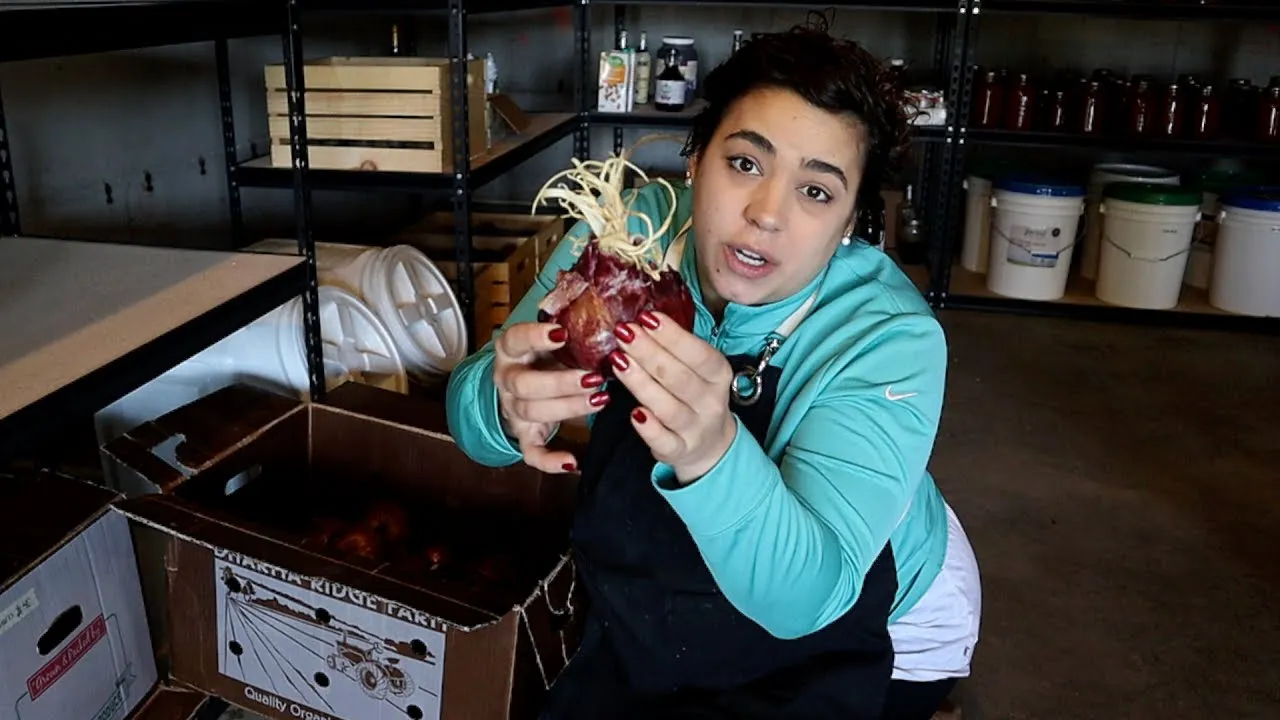
42:48
Homemade Candle Making: Essential Oils and Home Organization
@AcreHomestead
210.6K views•2022-12-01

12:54
Triumph of Orthodoxy Icon: Byzantine Art & History Explained
@BenCallan
2.1K views•2024-08-06

9:49
FastAPI vs Flask vs Django: Choosing the Right Python Web Framework
@TechWithTim
302.5K views•2024-05-26

1:42
Game of Thrones Opening Credits: A Cinematic Analysis
@gameofthrones
46.3M views•2011-04-18
Related Study Plans & Knowledge Roadmaps
Structured learning paths in General & Interdisciplinary Studies
general-studies
Elevator Engineering: History, Physics & Cities
01From Hoists to Safety Brakes: The Dawn of Vertical Lift
02Hydraulic vs. Traction: The Engineering Physics of Elevators
03Modern Speed, Safety, and Algorithms
+ 2 more learning modules
12h5 modules
Explore Roadmap
general-studies
Rubber: Material Science, History & Geopolitics
01Origins of Natural Rubber & Mesoamerican History
02The Chemistry of Natural Rubber & Vulcanization
03The Geopolitics of the Rubber Boom & Colonization
+ 2 more learning modules
12h5 modules
Explore Roadmap
general-studies
Containerization: Evolution, Logistics & Trade
01Ancient Trade & Bulk Cargo: Amphorae to Barrels
02The Industrial Revolution & Cardboard Packaging
03The Containerization Revolution: Malcom McLean
+ 2 more learning modules
12h5 modules
Explore Roadmap
general-studies
Textile Tech: Evolution, Labor & Global Impact
01Pre-Industrial Textiles: Handloom & Cottage Industry
02Mechanization: The Spinning Jenny to the Power Loom
03The Factory System & Global Labor Transformation
+ 2 more learning modules
10h5 modules
Explore Roadmap