
















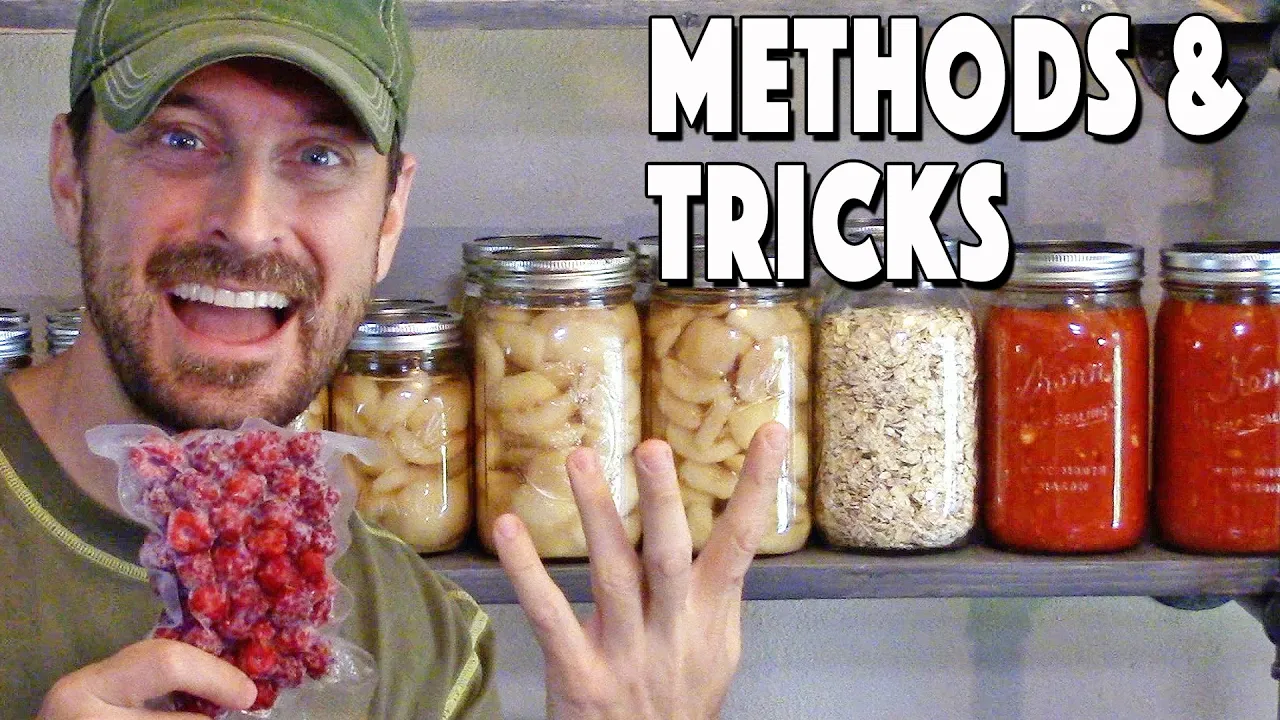




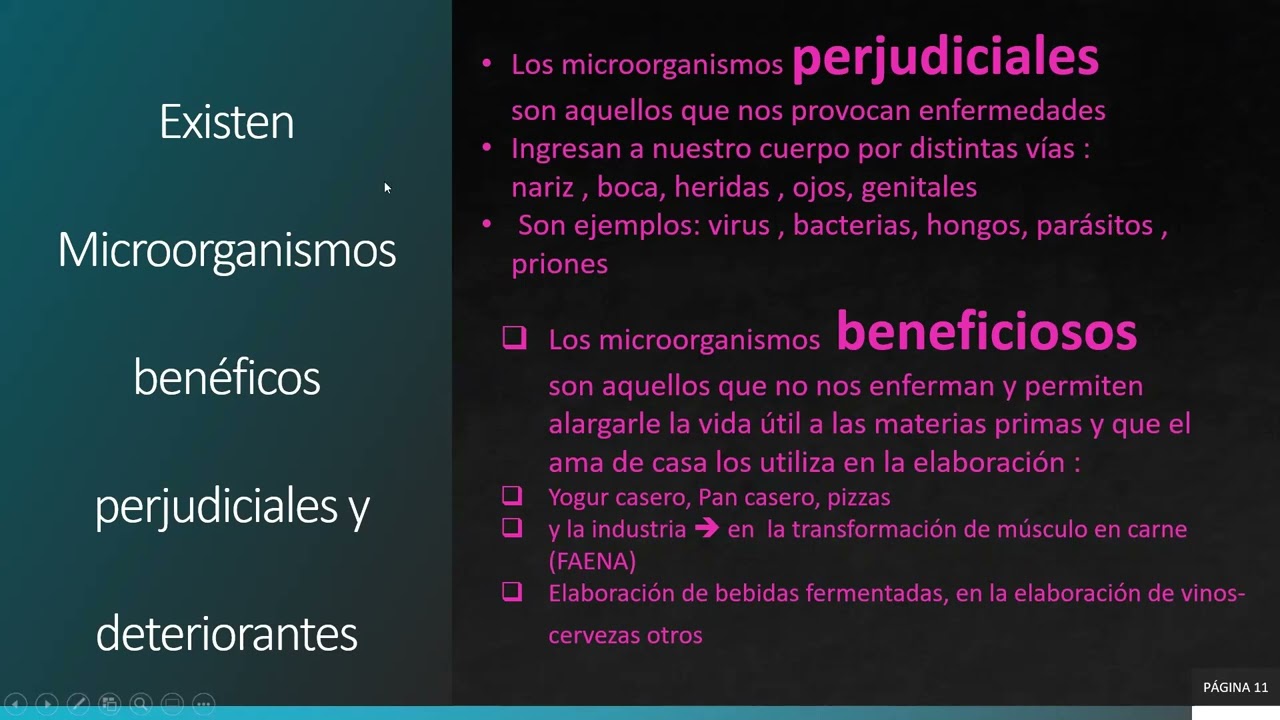


Regular inspection and rotation of stored food items prevents spoilage and ensures food safety, with acidic foods like tomatoes suitable for water bath canning while low-acid items like broths require pressure canning to reach temperatures above boiling for safe preservation.
Homemade Candle Making: Essential Oils and Home Organization
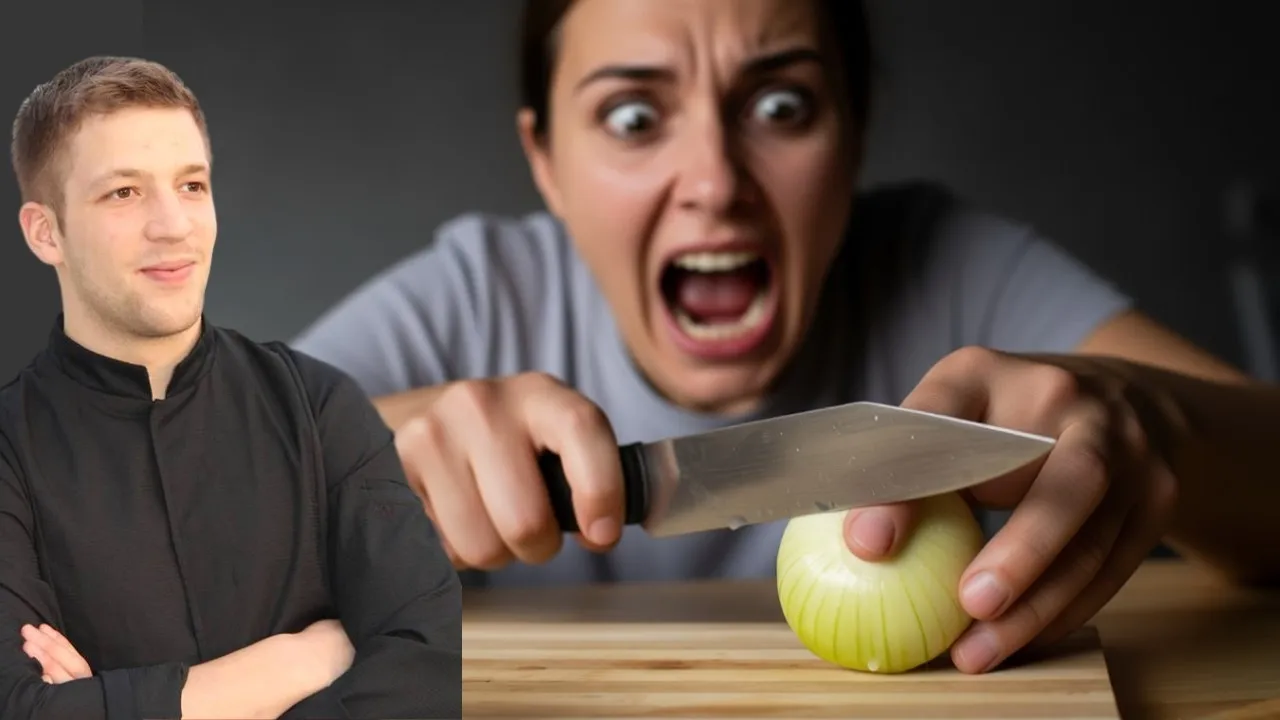
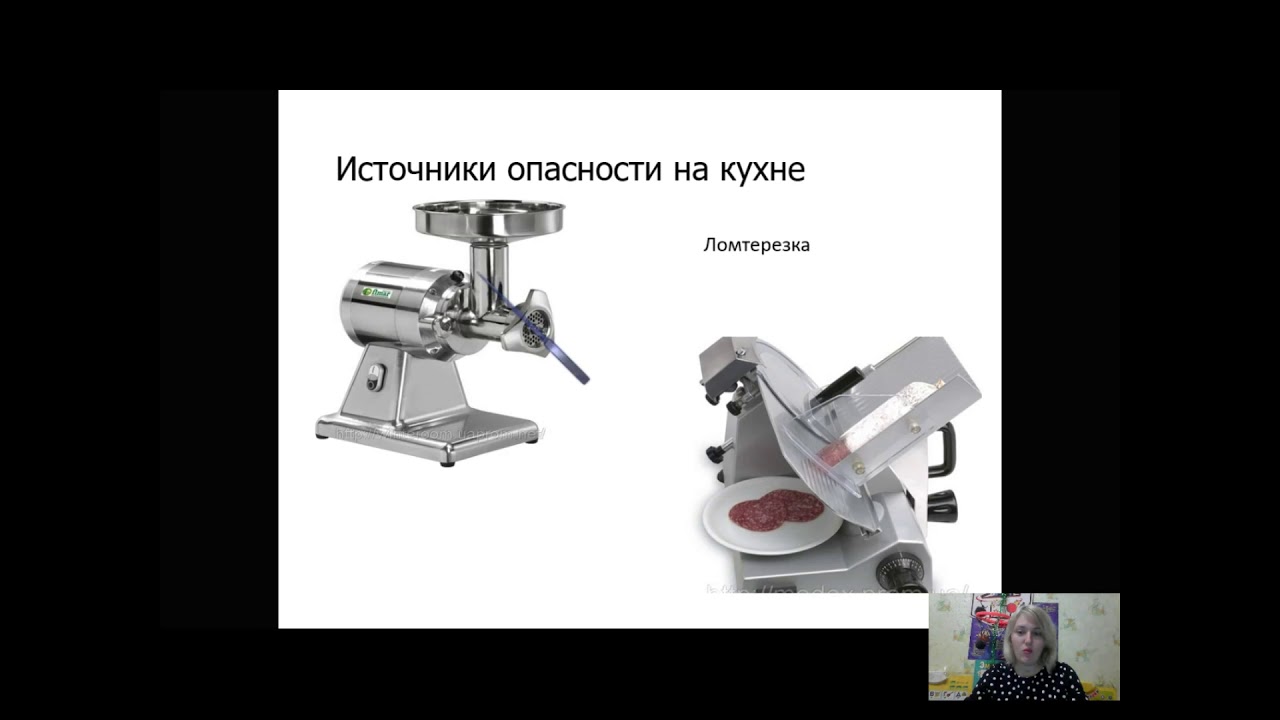
Added:Basic kitchen safety principles, including safe handling of hot liquids, open flames, and heat sources.
Fundamental food safety concepts, particularly the importance of sterilization and temperature control in preventing foodborne pathogens like botulism.
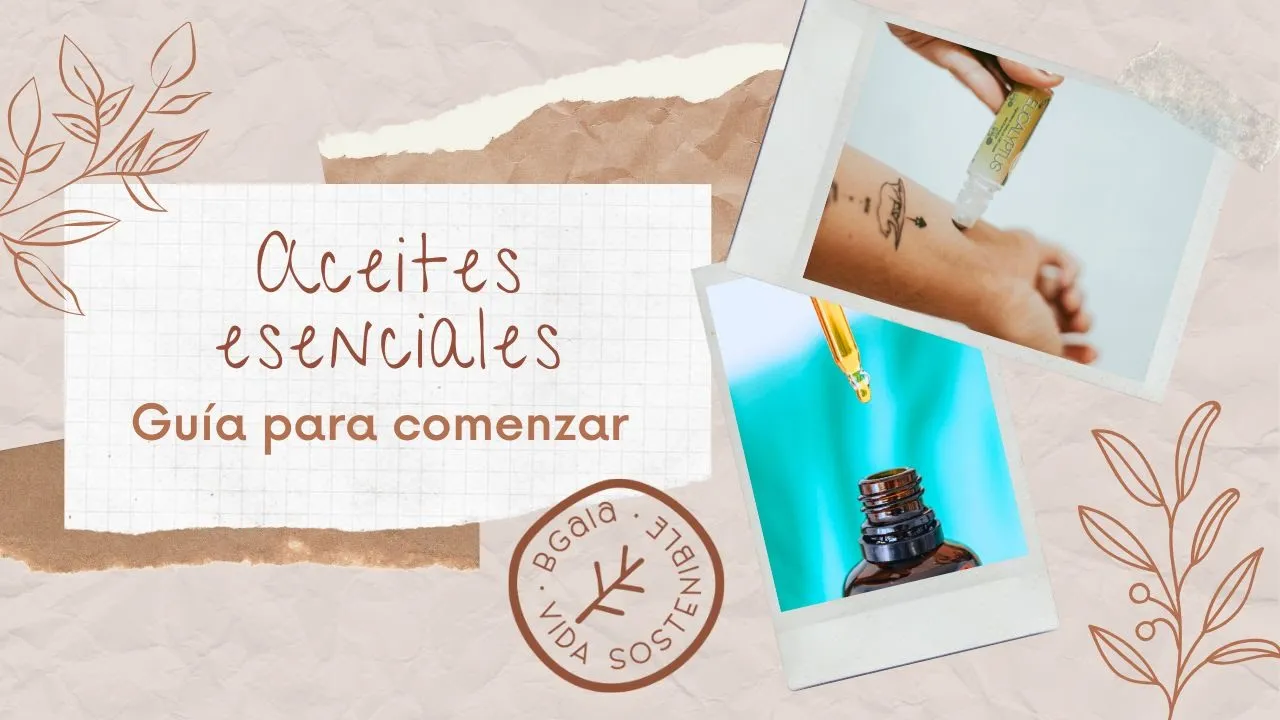
An introductory understanding of essential oils, including their high concentration, volatile nature, and general safety/handling guidelines.
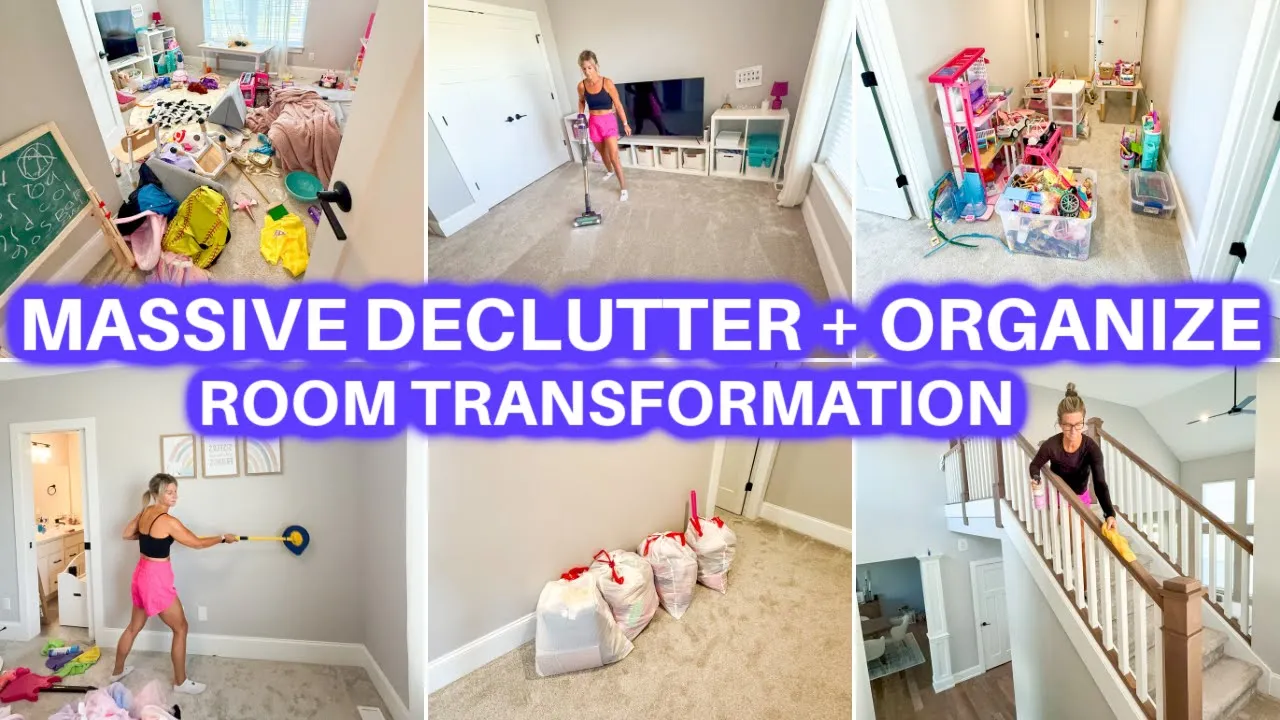
Basic home economics principles related to spatial organization, decluttering, and categorizing household items.
Advanced candle-making science, including calculating precise fragrance loads, understanding flashpoints of oils, and selecting appropriate wick sizes for different wax types.
Deep-dive food preservation methodology, comparing water bath canning and pressure canning for acidic versus non-acidic foods.
Microbiology of food preservation, focusing on pH levels, water activity, and atmospheric sealing to ensure long-term shelf stability.
Strategies for building a sustainable, self-sufficient homestead, including inventory rotation, bulk storage economics, and reducing household waste.
210.6K views16Klikes42:48Original Release: 2022-12-01
good morning friends we are back in well we're in the kitchen but we're not going to stay in the kitchen too long the only thing we're doing in the kitchen this morning real quick is we are going to light our candles that we made yesterday and we are going to go downstairs and actually work in the food storage room and I thought that while we're down there we're gonna have one of the candles we made burning up here and we're gonna see how well it kind of sends the room to see if we added enough essential oils to it the one I am burning right now is the orange cinnamon because after we're done working downstairs in the food storage room we are going to come back upstairs and play in the kitchen I have no kitchen obligations that I need to do today meaning we've got breakfast we've got dinner we've got lunches taken care of for a while but when I was downstairs yesterday taking out a turkey to thaw for Thanksgiving we are going to be celebrating with my family this weekend I found some hazelnuts in the freezer and I bought those hazelnuts probably six months ago to attempt to make Nutella homemade Nutella so I thought because I have no family or because I have no actual obligations let's go ahead and play around in the kitchen and let's attempt to make some Nutella and if we get to it we're gonna make some banana bread but why we're going down into the food storage room is because we need to go grocery shopping because we are celebrating like I said a big Thanksgiving at my mom's house and I'm going to be bringing as much of my own home canned home preserved homegrown ingredients as I can so we need to go shopping down there and while we're shopping down there I figured we might as well clean it up because it is kind of a disaster okay so I did not cut this Wick when I put it in here because I didn't want to buy one of those fancy Wick cutters so you can see I left the wick a little bit long and while I was talking to you it almost looked like the flame was gonna go out but now it looks like it's burning perfectly so I just had a panic moment thinking oh no I made nine of these candles and the wick doesn't work but I did go with a wooden Wick because I wanted it to have that really nice little flicker that we're getting that's pretty I'm excited about that so I've got some cleaning supplies we're gonna do some cleaning down there we've got some canning organizing we need to do some grocery shopping and we need to let the chickens out so let's go ahead and get this day going so we're gonna let the chickens out first thing this morning it is cold out here Sunny though so it's a beautiful beautiful day good morning girls good morning foreign I like to put this wood post here because the wind if it blows that close then they can't get back in the coop at night let's see if we got any eggs today I'm only getting one to two eggs a day now which is not very many and today is the first day there are zero eggs it's still early in the morning so they could still lay an egg so hopefully we start getting some eggs that just means that my chickens are getting older and the weather and daylight hours is starting to really affect how much egg production they're producing because we're working down here I want to get these blinds open so we can see better the last two years we had chickens they laid all winter long but now my chickens are three years old so I don't think they're gonna lay as many eggs throughout the winter here so that just means this coming spring we are gonna get some more chickens probably so enough talk about chickens let's go ahead and talk about what we're gonna do down here I need to clean up this garlic mess and then I need to go through my onions and just check them we've come down here one time and started organizing it but I never finished this project so I want to try to get a little bit more of the organizing down here because we need to get onions and potatoes for Thanksgiving at my mom's house we should go through the onions and just see if there are any bad ones and make sure we're staying on top of the food so that it doesn't go bad and then I do have some more canning jar projects that we need to get put away and just some overall organization down here and shopping down here this is what we're starting with it is embarrassing but a lot of this stuff is going to go up in the area that we haven't finished yet like our ski stuff and things like that but in our suitcases but I can at least make it look more organized down here than what it is we've got a bunch of empty boxes I need to deal with I have a grocery list that I need to get all the groceries from down here and it's kind of cool because it's a pretty extensive list of things that I can bring from my own garden and the first thing is onions so I'm going to take the time while I'm getting onions to bring to my mom's house to just go through here and see if there's any onions that are soft that are bad that need to be tossed out because if I just left onions in here to rot or go bad they could spoil the whole bunch so we don't want to do that and I haven't done this since I bought these onions in I think it was September I'm just gonna go through take a look I want to go all the way to the bottom of the box and just make sure everything looks nice and firm and healthy which it does I'm not seeing any bad onions in here I don't know how many I need to bring to my mom's house so I'm probably going to bring oh see this is why I'm doing this this one does have a little bit of mold on the bottom and it's firm right now but if this was to be left in here it could go bad so we want to make sure we get this out of this box now this onion looks perfect you can I don't know if you can see the difference this little bit of white right here that's a little bit of mold and this one is nice and dry and firm we're just going to take a second to look through all four of these boxes I have four boxes of onions down here the ones that are probably more likely to go bad are the red onions I have two boxes of red onions and two boxes of white yellow onions and I already see there's a bad one right here we're gonna get that one out this one is not bad yet but it was sitting next to a bad one so we're gonna take that one up okay the rest of these feel really good so we can put this box back in here it's probably wise to do this at least every other week I just haven't gotten to the habit of doing it yet and now that I've been down here we need to be in the habit of doing this at least every other week this one is still firm but it's starting to grow so we're gonna use this one this next coming week because that one will get soft this one is still firm but I can feel that it's softer than say this one so I'm going to bring this one upstairs too and if we don't you know go through all of these for the Thanksgiving I'll at least have them upstairs and we'll go through them and they're not gonna go bad down here and out of the four boxes I think there were five onions that were bad so this is a good reminder that I need to start getting down here and going through my food storage I am okay with losing that amount but I think that if I had been a little bit more on top of it we would not have lost that amount and there's like two in here that I'm gonna bring tomorrow for do doing some cooking that if I had let them sit in here you know for another week or two we would have lost those as well so I'm encouraged with the progress so now let's move on to the potatoes because we need to do the same thing with the potatoes I have this one box of potatoes right here that I know are the ones we need to use first these are a good size potato for using for Thanksgiving mashed potatoes so I'm gonna go ahead and we're just gonna dump this whole bag or box into our bag that we're gonna bring or you know what I could do I think what I'm gonna do is I can just take this whole box put it right on top and then I'm going to go through my boxes and just feel if there's any soft ones like this one has a little bit of softness to it and if there's any in here that are a little bit softer I'm gonna put them in our box and then I'm also going to if I see any eyes on potatoes I'm going to go ahead and pick the eyes off can you see there there's an eye groin on this potato but this potato is nice and firm so we're gonna keep it in our food storage I'm not going to bring it to cook with but I don't want the eyes to continue to grow because that is telling the potato that it needs to grow and it can start to get soft I'm just picking them off and putting them into this box because I don't want the eyes in the box they're going to be stored in the potatoes are handling being down here in this basement really really well there are a few soft ones but that's par for the course most of them feel nice and firm and we have been going through a lot of potatoes generally Josh and I don't eat a ton of potatoes but we've been eating a few more just because we've had such a good potato Harvest this year so now we got our potatoes I think we don't need that much more from down here except for quite a bit of broth I only have chicken broth right now I don't have any extra turkey broth and I only have three jars after taking these two jars so we need to be making some broth here coming up soon I lied I found one turkey broth so three quarts is probably enough broth for this weekend I was just looking at my grocery list that I need four down here and we also need some cranberry sauce so we don't have to make cranberry sauce so here's a jar of cranberry sauce now that we have everything that we need from down here we still have quite a few things we need to get from our freezers and from our refrigerator but we'll get that in a little bit let's go ahead and Tackle this mess Josh has been so awesome and he carries down all my jars for me but he doesn't know where they go so I am going to go ahead and put them away finally I do want to do an entire tour of down here but I just haven't organized it all the way yet to be able to do that so as soon as I am able to get it all organized we will do a whole tour this right here is our Peach hot sauce and it is one of the best hot sauces I have ever made it is so delicious but we need to get it on the Shelf one of my new favorite things I can this year are these jars right here these are a base I pressure can them and they are tomatoes Wait no that's just crushed tomatoes they're tomatoes onions and garlic so I can use it as a base for chili soups pastas anything most things have tomatoes onions and garlic it was a way for me to get not only my tomatoes canned up but preserve some onions and garlic at the same time in a way that will make a fast food ingredient later on down the road and I did do some in pints which is nice I don't always can tomato products in pints I usually always do it in quartz but sometimes I left my ring on this one on accident so we're gonna take that off it's nice to have some tomato products and pints [Music] so one of my parents friends was so gracious and gifted me a ton of jars and so they're not been washed or anything but I don't think I'm going to use any of these until next year so I'm just going to go ahead and start putting some of these boxes and types things away where they go if canning is something you're curious about now that you've seen all these jars on my shelves or it's just something that you've always wanted to try but have been intimidated to buy it I want to encourage you that it's something you absolutely can do and there's no need to be scared of it I will admit that the first few times I water bath canned I was nervous about it and the first couple times I pressure canned I was definitely nervous about it but the best thing to do is get yourself a really good canning cookbook I can leave the one down in the description box that I use it's the one my mom bought me seven years ago when I told her I wanted to get into canning and it's really the only one I've ever really needed and there we just lost a jar but there are more where that came from and so that is okay but I just want to encourage you that it is a fun hobby but I need you to be warned that once you start canning you are quickly going to become addicted and you're going to want to can all the things like I do and you're going to need lots and lots of jars I do try to get most my jars second hand if possible sometimes I do buy new ones but I was really grateful when my parents friends offered to give me some we have all of the empty jars put away I found a box of gardening stuff so I think that's going to be my next goal is to try to get the gardening things put together if you look over here I've got some random seeds so we're going to pick these up put these away in this box not only is there gardening stuff that needs to be put away but there's some canning lids and canning jars my seating Square this is my favorite thing I should have used that when I planted garlic but I didn't know where it was and now I know where it is this project does feel overwhelming to me right now but what I'm trying to do is think of one thing I can tackle like checking the onions putting the jars away now we're taking care of the seeds and garden stuff and that way it doesn't feel completely overwhelming because if we can at least tackle one like thing then we will see that there will be progress being made we'll get more motivation we'll get more confidence and we can keep moving forward this is not going to be a perfect organization today but it is going to feel a lot better when we're done down here these are all lids canning limits all my extra canning lid stuff is up here in these two boxes oh the boxes down here are just empty boxes and honestly if we just start taking care of some of the empty boxes then we're gonna start clearing out space and it's going to feel a lot better down here so that's my next goal start breaking down some boxes so let's talk about canning more while we clean up this disaster of a basement so the first thing I can ever were tomato products and the reason I started with tomato products is because I had at seven years ago or so I had been doing a bunch of research and there was some stuff that said that the acid in tomatoes can Leach things out of tin cans and it cannot be good for your food and I didn't in my budget have the I didn't have the budget to purchase tomato products in glass jars so I thought you know what I think I want to start canning my own tomatoes because I knew that that would be something that I probably would be able to Source in the summer from local farmers so seven years ago or so my mom bought me a canning cookbook and that was when I started canning and then I realized that every year we made applesauce growing up and I make it every single year and I also make freezer jam every single year and I thought you know what since I had been canning the tomatoes then for a couple years I thought you know what I think I can start canning my applesauce and my jam and get that out of my freezer because around the same time I started canning tomato products I also started buying beef from a local farmer and I realized how important my freezer space was I needed to put the beef in the freezer and I knew that I could put the jam and applesauce in jars and put that on the Pantry Shelf so then I started canning those two things and I did that for many many years and I also have been making my own homemade broth for many many years and I was so intimidated to get into pressure canning so the applesauce jams and tomatoes are all water bath canned because those are all acidic Foods so you don't need to pressure can those but things like beans and broths and meats or vegetables that are low acid foods you need to pressure can because you have to heat that product up above boiling temperature and that's what the pressure can does so I was so intimidated to get into pressure canning but I needed the freezer space I needed to get the broth that I was making out of the freezer and onto the Pantry Shelf and I knew in the end it would be more convenient for me to have room temperature broth instead of Frozen broth when I wanted to use it because sometimes you forget to take the broth out of the freezer and then you have Frozen broth so last year I got the confidence to start pressure canning and I had not looked back so I want to encourage you if you are new to canning to go ahead and give it a try get back over here you stinkers get back inside you stinker oh good boy I kind of feel like working down here is like the every bit counts challenge is it perfect are we done organizing down here no but we made some serious progress and every little bit of organizing counts it works towards the greater good so let me show you what we've done I'm going to kind of go over what we still need to do but I feel so much better about how it feels down here it feels cleaner there's a big space now where we can move around and I organize things like things with like things so when we are able to put them where they go we know where everything is so over here this is my recycle that I need to recycle and I'm actually going to ask Josh to take care of that because my hips are starting to hurt I've got some random dried foods there that I need to deal with I'm going to do that a different day we've got our boxes for our canning jars I like to keep some of these to carry up and down stairs so that I'm not carrying individual jars up and down stairs I do need to find a better place for them but that's where they are right now our root bags this is our chicken feed I probably should find a better place for this but I'm happy that we got this whole area cleaned up this is kind of like the the pet area because we've got the dog crate and we only use that when we need to put them in the car and we have some chicken shavings because our chicken coop is right there currently but huge progress was made in the center of this room we now can have the whole Center of this entire basement nice and cleared and then I was able to kind of stack everything over here 90 of these boxes are going upstairs our ski stuff our luggage our my Christmas wrapping paper my art supplies Josh's office stuff that's all going to go upstairs once we have that bonus area fixed and then this is some of my pre-pregnancy clothes so I haven't really dealt with it I'm just leaving it there I need to bring it upstairs these two boxes this is my bar cart stuff and I'm excited Josh has all of these stuff in the living room from wiring and doing all the smart switches and running cables for internet he's got all that done so all of that stuff is out of my living room so I can set my bar cart up I've got a big box of candles that needs to go upstairs I'm gonna ask Josh to carry those things upstairs for me because I don't want to push it too hard because I want to make sure I conserve some energy for all the cooking we're going to be doing with my mom tomorrow then I have all my artwork right here that is going to go on the walls one sweet I need to tell you secret friends I really I really don't like the color of paint I chose took me two weeks to admit it to Josh he was so incredibly sweet and supportive I finally broke down and I was so upset because I felt so silly picking this color and I really really don't like it I try to talk myself into liking this pink color for two weeks and I was being upbeat about it and positive and then finally Josh was like you really don't like the color do you and I'm I was honest I said I did it and I was so upset I felt so silly and he's like it's just paint we can repaint so I love the trim color I love that we got the ceilings done the doors are painted but I am going to choose a different wall color so unfortunately none of my artwork is going to be going on the walls anytime soon because we need to repaint the one oh my goodness these little girls caught my eye they were sticking their heads up out this window so cute anyway squirrel or should I say chicken so the one the one good thing is half of the house has yet to be painted the whole bonus area so we just need to repaint the bedrooms and living space and kitchen and things like that but we don't need to repaint the doors we don't need to repaint the trim or the ceiling just the walls so anyway I've gotten a couple questions about which paint color I ended up choosing and do I like it and honestly it's way too beige way too beige we're gonna go with a very light light gray whitish color let's go upstairs and go play in the kitchen and have some fun making some Nutella which reminds me I need to get into the freezer and the whole reason I want to make this is because I found these hazelnuts in the freezer yesterday when I was pulling out a turkey so let's get I'm going to carry up the groceries that I got for tomorrow and then I need to make sure oh good I have my list we still have half of the things we need to find around the house to bring to my mom's house for tomorrow one exciting thing is our candle when I came upstairs smells fantastic so I think what that's called if I didn't say it earlier is the throw I've never heard that before but it's how far a candle will throw its scent in a room and if you overheat the wax when you add the oils it can affect the throw which I didn't do any research on that I didn't know anything until one of you wrote me on Instagram and told me about that so I don't think we overheated the wax and I think we added the correct amount of essential oils to our candle and it smells so great it's cinnamon orange with the one that I lit this morning which is going to be perfect because we are about to make I think what we'll do is we'll make the banana bread first so that can be baking in the oven and then we'll make the Nutella and that way that hopefully our banana bread will come out of the oven and we'll be able to put some Nutella on our banana bread I also need to get out a few I almost just filled my coffee uh get out let me see if I can find my grocery list oh here it is a couple things out of this freezer for tomorrow so out of the freezer for tomorrow we need to get corn because we're gonna make a corn dip as an appetizer pumpkin because we're gonna make pumpkin pies the pumpkin that we roasted last time together I just put it in two cups Ziploc bags I'm going to let them thaw and we need some corn and we need bananas to make our banana bread so I'm gonna put these Frozen items in a plastic bag which I'm going to grab out of here and while I'm in here grabbing some plastic bags then I'll put those frozen items just in the fridge in a plastic bag in case they release any moisture we're gonna grab some garlic foreign I have this bowl of garlic that aren't in clothes anymore and these really need to be used up first so I'm going to pick through here and pick out some garlic cloves and we're going to bring these to Thanksgiving and we're gonna peel a bunch of these the last few things I need to grab are things that are in the freezer and I will grab those tomorrow I need to grab the turkey that's in the refrigerator actually thawing the pie crust and the poppers I don't want those to thaw out though but we'll get our corn and our pumpkin in the fridge and I'll just let these thaw it in the fridge so just preheated the oven to 350 and we are going to make our banana bread in the oven at 350 degrees I like to keep frozen bananas in my freezer so I can make banana bread whenever I want and we need three and a half bananas for this recipe the way I like to freeze my bananas is I break them up into thirds so that I know that three pieces equals one banana this is Josh's grandma's recipe and it is my absolute favorite I'm just gonna thaw these bananas in the microwave I just preheated the other oven to 400 degrees so that we can roast our hazelnuts in there making Nutella has been on my list of things to make an attempt for years I just have never got around to it so I'm excited we're doing it together today so now that we have our bananas in our Bowl you can do this in the KitchenAid but I I find making banana bread in a bowl just fine we use two eggs these are all the eggs I have in my house other than freeze dried eggs right now I probably should have used freeze-dried eggs in this instead of my fresh ones but too late now I am going to reduce the sugar in this recipe normally it calls for one and a half cups but I'm only going to add one cup today because we're gonna put Nutella on it five tablespoons of milk but I only have cream so I think I'm going to add three tablespoons of maybe four tablespoons of cream and then one tablespoon of water I wanted to mention that freeze dryers right now are on sale through the month of November they only go on sale I think this is the first time since I've had my freeze dryer I've ever seen them on sale it is kind of like a Black Friday all month of the month of December excuse me the month of November so if you've been interested I would consider I can leave a link for my freezer debt freezer leave a link for my freeze dryer down below and freeze-dried eggs work perfectly and make this that's why it jogged my memory on that and that's what I should have used because I have a ton of freeze-dried eggs and that's what I should have used in this recipe instead of my fresh ones but oh well Grandma Ruth's recipe calls for Crisco but I like to use just a light olive oil one that doesn't have much Flavor now we're gonna add two cups of all-purpose flour one teaspoon of baking soda now we're gonna mix this together our oven is already preheated and the amount of time it took took us to mix up this batter now you could put walnuts or chocolate chips in this I would love to put walnuts in this but Josh does not like walnuts in his quick breads so I want him to be able to enjoy it so I'm going to skip the walnuts today so when Grandma Ruth gave me this recipe she did not say if we were supposed to make one or two loaves out of this recipe so I normally so I wrote down one loaf but I'm going to attempt to make it into this time and see if we get a better outcome I don't want like when we made this recipe into a cake where it took forever for the inside to get cooked and then the outside was kind of overcooked so we're gonna see what it's like when we make it into loaves today I sprayed these pans really well see I don't know that barely fills the bottom of that hmm let's see I think it's only supposed to make one loaf not two yeah I think it's only supposed to make one the last time I made this was when we made it into the banana cake yeah I'm gonna make it just a new one you can make it in two loaves or one but it definitely is better to make it in two because it does take a little too long for this recipe to cook in the one low for the inside to be done before the outside is done foreign [Music] all right our banana bread is in the middle of the oven let's get going on making some Nutella now I did some Googling this morning I looked at a few different recipes and I found one that had the best reviews but there's kind of this funny caveat to it is that it leaves quite a few of the ingredient choices up to you as the maker so it and but this one had the best reviews online so that's the one we're going with it says that we get to choose what sweetener we want to put into it and we get to let me put this on here so we're going to do two cups [Music] and we get to choose if we are going to put a half a cup of milk it says half cup milk of choice or two tablespoons of oil so we have a lot of big decisions to make and I'm going to choose to make it in the blender I think we'll get a smoother consistency if we use the blender as opposed to using the food processor I may have just burned these oh no oh I was on my phone and I completely forgot I had those in the oven we need to get them off that cookie sheet and onto a clean towel ASAP to stop a cooking process [Applause] oh I hope I didn't burn I don't think I burnt these [Applause] and we need to roll them to get the papers off and I'm two for two on roasty nuts I do have a timer surprisingly on my banana bread but I did not set a timer for these nuts let's taste one they're kind of hot I love hazelnuts those are delicious not over toasted whatsoever perfectly toasted that's so good our nuts are nice and room temperature again I'm gonna re-measure them said you want two cups and I think I went a little heavy-handed on than when I was putting them on a cookie sheet but I did drop some on the ground I have two cups of hazelnuts and we need to add vanilla a quarter cup of cocoa powder and this here is where I'm stumped because it says we need to add oh I'm going to add the two tablespoons of oil first which is a half a quarter cup so an eighth of a cup says we can add the sweetener of our choice so we can add when it says in the notes it says read the notes to know what kind of sweeteners Agave honey maple syrup or sugar if I add sugar or powdered sugar those are going to change the consistency of the spread versus if I use a liquid sweetener so we need to add the salt so I'm still contemplating what kind of sweetener I want to add because I'm just not sure and I I I just don't know normally I'm okay with switching up recipes and making things my own you all know I have a very hard time I didn't follow the recipe for making the banana bread I used oil instead of Crisco and I reduced the amount of sugar in it but for some reason with this recipe it's giving me too many options maybe because it's giving me the option as opposed to me choosing to not follow what it's saying when I looked at another recipe because this one didn't say we use powdered sugar it just said sugar but when I was looking at another recipe it said use powdered sugar which is what I think I'm going to use just because it will it's already broken down versus I think a crystallized sugar might not break down as well and I don't really want the flavor of honey and I don't really want the flavor of maple syrup I just want the sweetness aspect so it says to add a third a cup of the sweeter of our choice so that's what I'm gonna do so we're gonna add a third a cup of powdered sugar and now we're going to blend this up it's very very dry so maybe I did want to use a liquid sweetener or maybe we'll need to add a little bit more oil or maybe we just need to mix it up and keep blending I'm not so sure about this recipe because another one of the options was to add a half a cup of milk of my choice or two tablespoons of oil I decided to add two tablespoons of oil and this is so dry so dry so I'm going to add some cream we're going to start with let's start with two tablespoons and we'll go from there because a half a cup of the milk of our choice versus two tablespoons of oil that's way a huge difference in volume of liquid I'm going to give this a little bit of a taste test it's getting a little bit softer it tastes good but it's definitely not the consistency we want and hmm so I just added now a quarter cup of cream this I think was an epic fail now maybe I should just blend this more I don't know but it was like splitting and it's hard to tell but you can tell on the spatula that it's kind of greasy and I don't know I feel like if I just kept blending it it would continue to split so I'm not sure if you have any suggestions for me I'm going to look up a few other recipes but I did look up a bunch of recipes and this one had excellent reviews but I was nervous about the now it's got good flavor I mean it's you know hazelnuts and cocoa and salt and some sugar this is not overly sweet it probably could use a little bit more sugar the texture chewy almost like a really good brownie but like I mean this is kind of gross but I don't know if you can see but when you squeeze it there's like there's a lot of oil in it so I don't know if that's the oil splitting from the nuts or if it's probably the two tablespoons of oil I put in it I don't know it's good though it's got good flavor texture is interesting the oiling in this is a little off-putting we cannot win them all not all you know cooking Adventures are wins some of them are epic fails I wouldn't say that was an epic fail but it was definitely a fail it was hmm I'm not sure you know who I should look to see if they have a recipe on Nutella is Claire saffets I'm not properly pronouncing her name her last name correctly she used to be on the YouTube channel Bon Appetit now she has her own and she has a cookbook called dessert person and I used to love watching her YouTube segment that she did on Bon Appetit that was what was that called Gourmet makes where she would attempt to make things like Oreos from scratch or all sorts of random things like Doritos and try to copy them exactly and I bet she would have if she has a Nutella recipe I bet it's really good so I'm gonna look her up and see if I can find her recipe if she has one I know she just came out with a new cookbook that is very chocolate heavy versus her first cookbook which I have is more like fruit flavored desserts it was a very productive day it's still really early in the day but I'm going to after the banana bread comes out of the oven kind of call it a day and relax for the rest of the day because the next few days are going to be super busy we're going shopping together with my mom for Thanksgiving prep tomorrow we're gonna get lunch and it's gonna be a lot of fun and then the next day we're gonna prep for a huge Thanksgiving feast together we're celebrating that's our banana bread Thanksgiving the week before Thanksgiving this Saturday before Thanksgiving with my family oh that's not done yet that probably has another eight minutes look at that beauty okay that still has a few more minutes almost done so our banana bread is almost ready to come out of the oven I'm going to show you what that looks like when it comes out of the oven and whether I think that we should have put it in two different pans or one pan I will cut into it we'll slap some butter on it I'm not gonna put that Nutella on it because it's kind of weird I need to process that Nutella and figure out exactly what I'm gonna do with it but it was a great productive day we got a lot of good stuff done down in the food storage room I got all the stuff that I need ready for tomorrow so that we can go and start Thanksgiving huge prep with my mom which is going to be great and now I just have the rest of the day to kind of relax I could do laundry but I don't think I'm going to I've got it all washed I need to fold laundry but what I think I'm going to do is make myself a cup of tea enjoy the sunshine maybe go hang out with my chickens for a little bit I just want to say thank you for taking time out of your day to spend time with me I greatly appreciate it we had a lot of fun it was a great day and if you enjoyed this video I can pop a couple of my other videos here you can go enjoy between now and my next upload I hope you are having a great start to this Thanksgiving season and I can't wait to see you next time bye friend
Up Next

31:33
Battery Recycling Process: From Dead Cells to Pure Metal
@TheWorks-p7h
1.2K views•2025-12-17

26:22
Walking in the City: Urban Rituals and the Flâneur in Contemporary India
@PSBTIndia
1.9K views•2016-08-02

9:49
FastAPI vs Flask vs Django: Choosing the Right Python Web Framework
@TechWithTim
302.5K views•2024-05-26

1:42
Game of Thrones Opening Credits: A Cinematic Analysis
@gameofthrones
46.3M views•2011-04-18
Related Study Plans & Knowledge Roadmaps
Structured learning paths in General & Interdisciplinary Studies
general-studies
Artificial Light: History, Tech & Human Impact
01The Pre-Electric Era: Fire, Oil, and Gas Lighting
02The Incandescent Revolution and Grid Electrification
03Gas Discharge and Fluorescent Illumination
+ 3 more learning modules
14h6 modules
Explore Roadmap
general-studies
Elevator Engineering: History, Physics & Cities
01From Hoists to Safety Brakes: The Dawn of Vertical Lift
02Hydraulic vs. Traction: The Engineering Physics of Elevators
03Modern Speed, Safety, and Algorithms
+ 2 more learning modules
12h5 modules
Explore Roadmap
general-studies
Rubber: Material Science, History & Geopolitics
01Origins of Natural Rubber & Mesoamerican History
02The Chemistry of Natural Rubber & Vulcanization
03The Geopolitics of the Rubber Boom & Colonization
+ 2 more learning modules
12h5 modules
Explore Roadmap
general-studies
Containerization: Evolution, Logistics & Trade
01Ancient Trade & Bulk Cargo: Amphorae to Barrels
02The Industrial Revolution & Cardboard Packaging
03The Containerization Revolution: Malcom McLean
+ 2 more learning modules
12h5 modules
Explore Roadmap