







![[HÓA 12 CT MỚI] - CHƯƠNG VI ĐẠI CƯƠNG KL - B2](https://i.ytimg.com/vi/nGHV5qLrSbk/maxresdefault.jpg)

![[HÓA 12] ĂN TRỌN ĐIỂM 18 CÂU ĐẦU TIÊN TRONG ĐỀ THI THPT - Buổi 1, 2, 3](https://i.ytimg.com/vi/Gc35kwW5k8M/maxresdefault.jpg)
![[HÓA 12] PHƯƠNG PHÁP TÁCH KIM LOẠI (Sách Cánh Diều, Kết Nối Tri Thức, Chân Trời Sáng Tạo)](https://i.ytimg.com/vi/fOElNpwr2HM/maxresdefault.jpg)
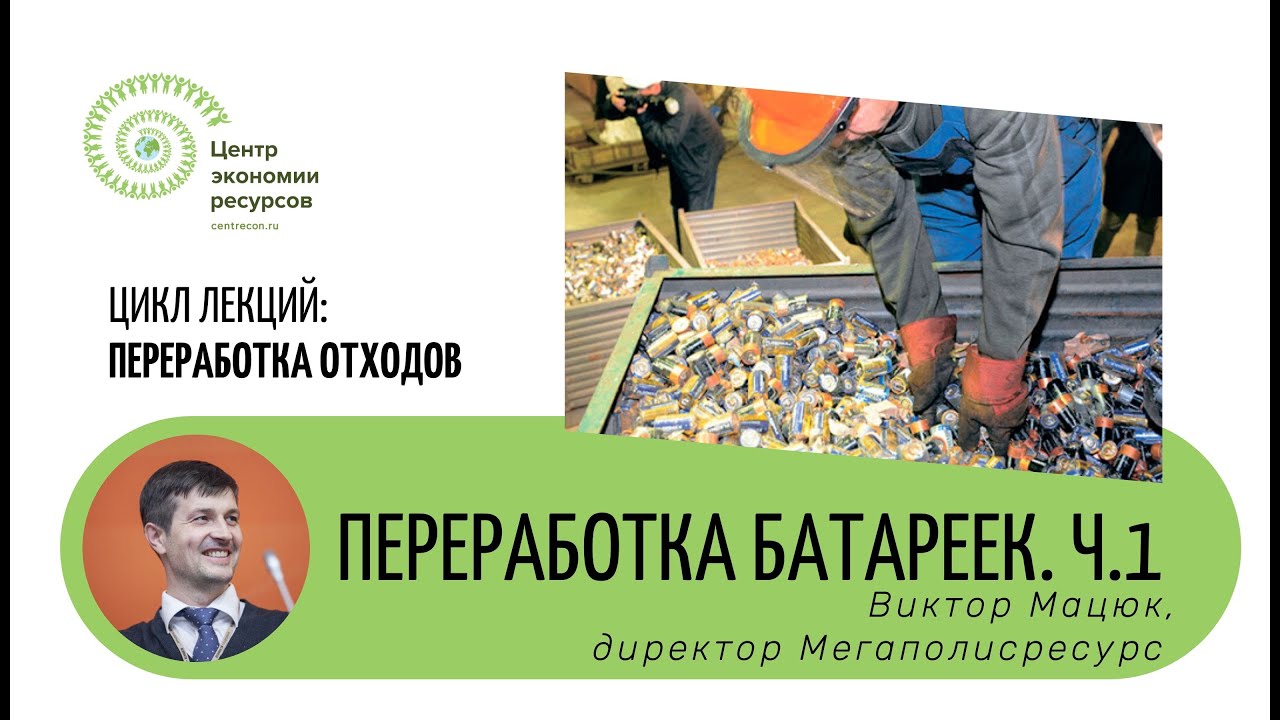


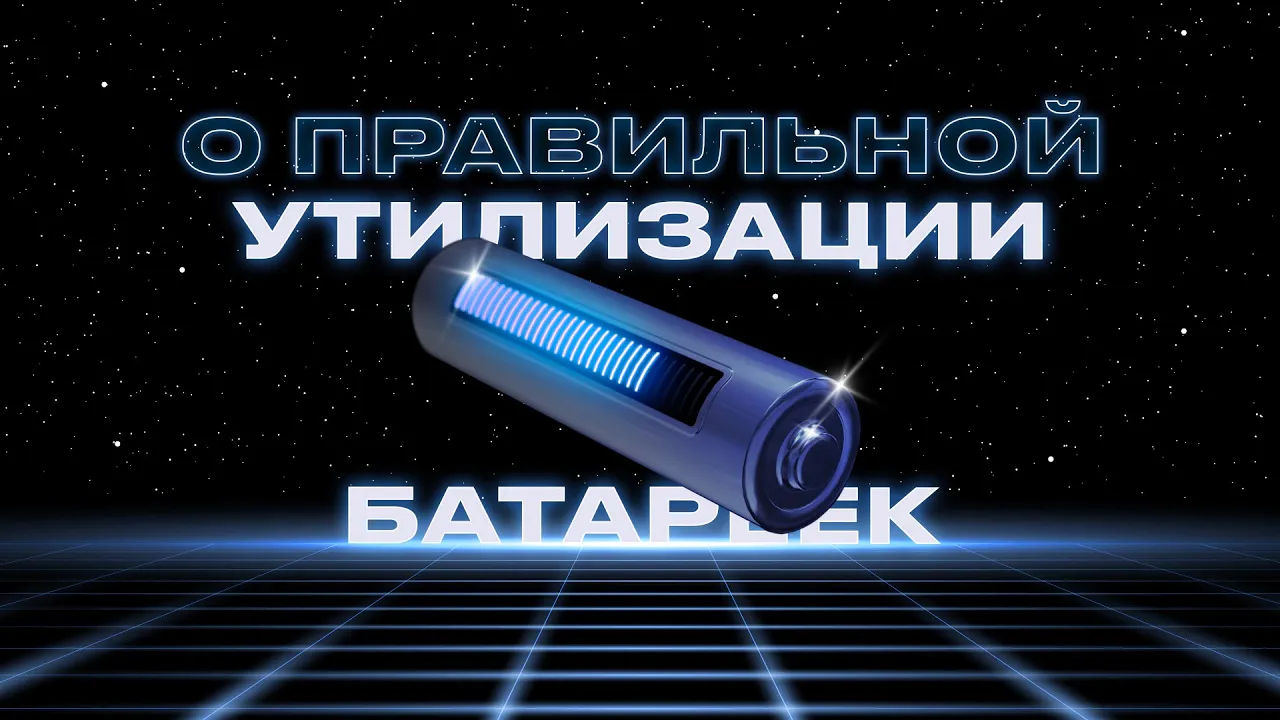









Battery recycling transforms discarded batteries into valuable metals through industrial processes including shredding, magnetic separation, and chemical extraction (hydrometallurgy and pyrometallurgy), recovering lithium, cobalt, nickel, and other rare earth elements that can be reused in new batteries, thereby reducing environmental damage from mining and creating a circular economy for 21st-century materials.
Battery Recycling Process: From Dead Cells to Pure Metal
Added:Basic electrochemistry and battery anatomy, including anodes, cathodes, and the role of electrolytes in energy storage.
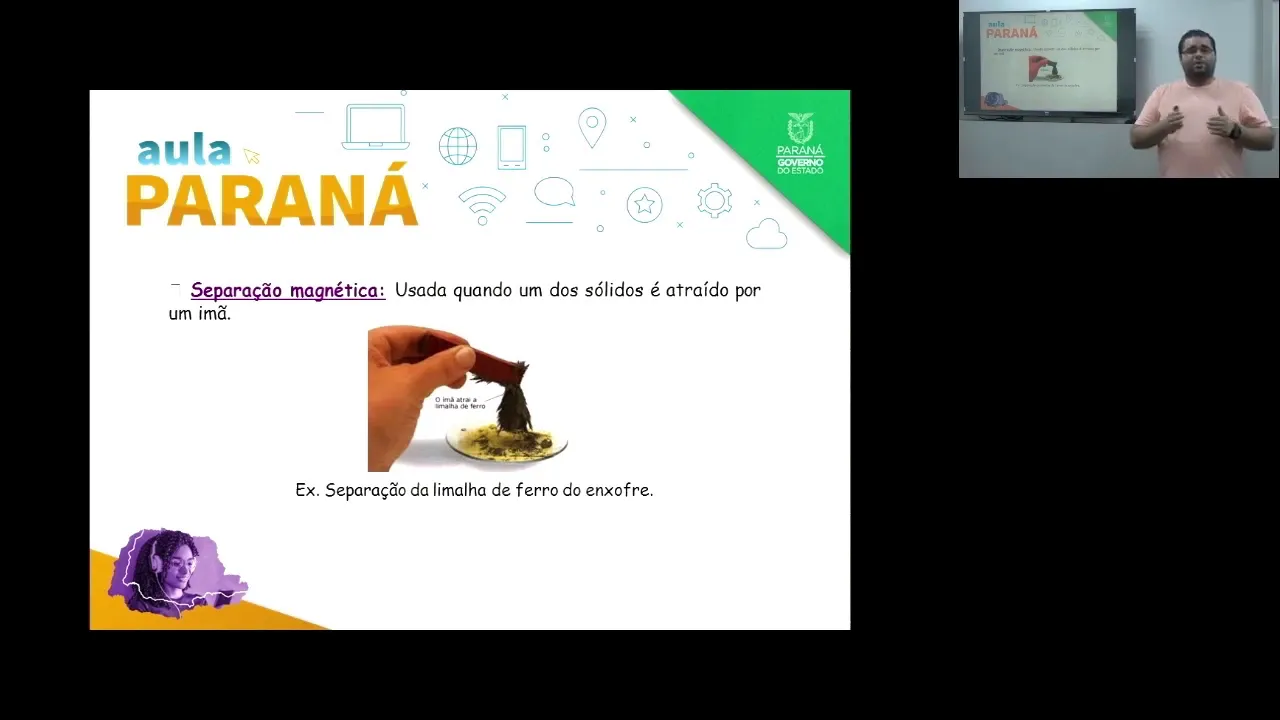
Fundamentals of physical separation methods, such as magnetic, density-based, and mechanical sorting.
The concept of thermal reduction (smelting) and how metals behave under high temperatures during extraction.
Environmental hazards of improper battery disposal, such as heavy metal leaching and thermal runaway in landfills.
Hydrometallurgy vs. Pyrometallurgy: Comparing chemical leaching processes with high-temperature smelting for metal recovery efficiency.
Design for Recycling (DfR): How modern electric vehicle battery packs are being engineered to facilitate easier automated disassembly.
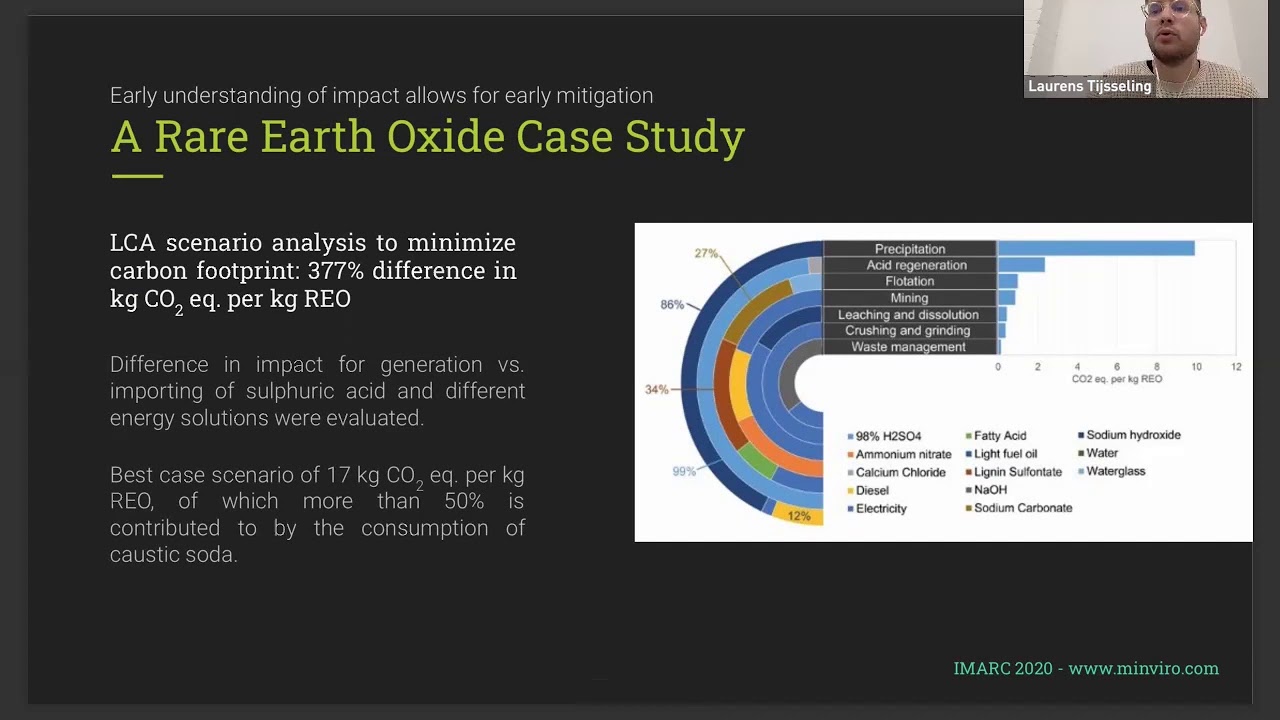
Life Cycle Assessment (LCA) methodology to evaluate and compare the carbon footprint of recycled versus mined lithium, cobalt, and nickel.
Global battery regulations, supply chain geopolitics, and closed-loop manufacturing frameworks like the European Battery Passport.
1.2K views13likes31:33Original Release: 2025-12-17
Every year, humanity throws away more than 50 billion batteries. That's enough to build a tower all the way to the moon. Mountains of toxic metal and chemicals that could become raw material for new life instead of poisoning the planet. But what happens next to all these power sources? Where do they end up after the charge dies in your phone, laptop, or [music] electric car? Behind the plain doors of an ordinary collection point hides [music] an entire industry of the future. This is a world of giant shredders that grind metal into dust, magnetic separators that sort [music] the invisible and furnaces reaching temperatures of 3,000° F, hotter than the mouth of a volcano. And here's the best part. By the end of this video, you'll find [music] out what actually happens to the lithium that once lived inside your battery and why this process is called urban mining for 21st century treasures.
The path to rebirth doesn't start at the factory. It starts in [music] our hands.
Collecting used batteries is a massive logistical operation spanning the entire [music] country. Regular people drop off tiny batteries from phones and laptops into special [music] bins installed at electronic stores and supermarkets. Auto shops, like hospitals for cars, pull out massive battery packs from electric vehicles, hundreds of pounds each.
Industrial facilities running heavy machinery turn in their spent power sources by the ton. It's like thousands of streams flowing into one big river.
Old batteries from factories and auto shops get hauled in armored trucks to regional collection centers. Here's what's interesting. Modern smart collection containers have sensors that track fill levels in real time. When a container is almost full, it automatically sends a signal to the logistics company which plans a pickup route.
When mountains of collected batteries arrive at the sorting facility, one of the most complex and critical stages begins. Batteries come [music] in dozens of different types. Lithium ion, like the one in your smartphone. nickel metal hydide from old toys, [music] lead acid from cars. Mixing them during recycling is like mixing sand with sugar. At small collection centers, [music] workers sort batteries by hand like jewelers, relying on markings and appearance. But at large scale facilities, technology takes over.
Batteries move along conveyor belts under the watch of artificial intelligence. Computer vision systems equipped with X-ray and spectroscopic scanners identify the chemical composition of each battery in fractions of a second. Robotic arms snatch the right types from the stream at lightning speed and sort them into different containers.
Despite automation, human oversight remains irreplaceable. [music] Operators like air traffic controllers monitor the machines and step in when things get complicated. If a battery has a damaged casing or missing labels, only a human can make the right call. This is especially true for the massive batteries from electric vehicles.
[music] These giant blocks weighing up to half a ton are dismantled into smaller modules using specialized robots, but the final cell sorting is often done by hand. It's painstaking and dangerous work that demands total focus.
At the end of the day, every properly sorted battery isn't just a piece of metal. It's a chance to return the most valuable rare earth elements like cobalt and lithium [music] back into the economy and to reduce the enormous damage caused by mining them in the first place.
After sorting, [music] the batteries head to their execution, the shredding floor. They fall into the steel jaws of a giant shredder. This is a true industrial monster whose hardened [music] steel blades can grind up even the armored casing of an electric vehicle battery. Inside the protected chamber, total [music] metallic chaos unfolds, deafening roars, grinding, and cracking. Batteries literally torn [music] into tiny pieces. But this process is extremely dangerous. Any energy left in a battery can lead to fire or explosion. To prevent this, engineers developed several brilliant solutions. Before shredding, batteries are often subjected to cryogenic freezing. in liquid nitrogen at temperatures of -320° F. [music] This not only makes the metals more brittle, but also completely neutralizes any chemical activity. Some shredders operate in sealed chambers filled with inert gases [music] to eliminate contact with oxygen.
The shredded pieces pass through a system of magnetic separators that [music] pull steel, nickel, and cobalt from the stream with incredible precision. But the most valuable thing is the fine black powder that settles in specialized dust collectors. It's known as black mass. Right here in this unremarkable looking dust lie the real treasures of the 21st century. Lithium, cobalt, manganese, and graphite. Plastic residue and traces of electrolytes get washed away with special solutions.
Engineers in armored control rooms monitor the process through thick glass, controlling temperature and pressure. If a battery does explode, the system instantly snuffs out the flash and the process [music] doesn't stop for a second.
Once the precious black mass has been extracted from the chaos of shredded batteries, [music] the real alchemy begins. Metals that seemed forever locked inside old batteries are recovered using two main methods: hydrometallergy and pyrometallergy.
Hydromemetaly is a process similar to cooking up a complex chemical soup. The black mass [music] is plunged into massive reactors filled with acid solutions, typically sulfuric or hydrochloric acid. With constant stirring and heating, metals, lithium, cobalt, nickel, literally dissolve, transitioning into liquid form. To extract a specific metal from this soup, an ion extraction process is used.
Special reagents are added to the solution that selectively bind to only one metal, [music] like a key to a lock.
As a result, each metal settles into a separate layer.
If hydromemetaly is delicate chemistry, then pyetallergy is the primal [music] force of fire. Here, everything literally burns and melts. The black mass gets loaded into a massive arc furnace where temperatures reach nearly 3,000° F. At that kind of heat, metals [music] melt and plastic and other organic remnants simply burn away. The molten mass separates under gravity like oil and water. Heavier metals such as cobalt, nickel, and copper sink to the bottom forming a valuable alloy. The lighter lithium stays in the top layer in what's called slag. Then this slag is extracted and processed separately to obtain pure lithium. This method is faster and handles larger volumes, but it's also more energyintensive.
After cooling, the extracted metals emerge as the purest [music] ingots, shiny, smooth, and ready for their second life. Cooling after the pyometallergical process is [music] just as critical a stage. If you simply let molten metals cool in open air, it can take several days and lead to uneven [music] crystal structure formation, which degrades quality. That's why cooling is always controlled. ing might move slowly along a conveyor beneath powerful fans. [music] It's like a giant hair dryer that quickly yet evenly cools the surface. For an even faster process, red hot ingots can be plunged into massive tanks of water or special cooling fluids. It's an incredible sight. Glowing metal hitting water instantly shrouded in clouds of hissing steam.
[music] Sometimes they use combined cooling too. Air cooling first, then water cooling to reduce internal stress in the metal. Controlled cooling ensures a uniform metal structure, which [music] is critical for reuse, especially in manufacturing new high-tech batteries.
The recovered lithium, now [music] in the form of ultra pure lithium carbonate, heads back to factories to become the heart of new batteries that will power electric cars or even your phones. [music] Nickel can become part of super strong alloys for turbines that generate energy from wind. And cobalt becomes an irreplaceable component in complex medical equipment. We're literally closing the loop. Old discarded batteries give life to new cuttingedge technologies.
Tossed batteries. They can become a full-blown environmental disaster.
First, they're packed with toxic heavy metals that seep into landfills, contaminate soil, poison groundwater, and [music] wreck everything around them. Second, mining new rare earth metals is an incredibly [music] dirty, destructive process that drains natural resources and devastates ecosystems on a massive scale. Recycling tackles both problems at once. And here's the real [music] power move. The more batteries we recycle, the less we depend on unstable raw material supplies from other countries, strengthening our technological independence. [music] Despite lithium's critical importance, only about 1% of this metal gets recycled globally today. The main reason, high costs and complex processes. But right now, researchers around the world are developing new, cheaper technologies that could dramatically change the game in the coming years.
Every year, the world extracts over 8 million tons of gray, unremarkable ore.
But only a tiny fraction of it undergoes an incredibly [music] complex, almost alchemical journey to become a metal capable of withstanding even space flight. Titanium isn't just a metal.
It's a substance born in hell from [music] fire, chlorine, and magnesium at temperatures exceeding a thousand degrees C. Its first form looks like light ash, but from it they create the invisible skeleton of aircraft, eternal implants, and rocket engines. How does a chunk of dirty rock transform into a material stronger than steel yet lighter than aluminium? Watch to the end and [music] you'll see how an ordinary stone passes through chemical purgatory to become the heart of modern civilization.
The history of titanium is the story of a [music] ghost metal that remained hidden in plain sight for decades. In 1791, British clergyman and [music] amateur geologist William Greger while studying black sand on the Cornish [music] coast discovered traces of an unknown element within it. But only four years later in 1795, the great German chemist Martin Clapro independently [music] discovered the same element and named it titanium after the mighty titans from ancient Greek mythology. [music] However, despite its thunderous name, the metal remained elusive. For nearly a century and a half, it [music] slumbered in chemistry textbooks, resisting attempts to isolate it in pure form.
Only in the 20th century, [music] thanks to breakthroughs by American chemist Matthew Hunter and Dutch scientists, did humanity finally manage to touch pure titanium. [music] From the mid 20th century with the onset of the cold war and the space race, titanium transformed from a laboratory curiosity into a strategic material. The United States recognizing its colossal potential invested enormous sums into its production. Titanium became the foundation for the legendary spy plane SR71 Blackbird capable of flying at the edge of space and found its place in the construction of Apollo spacecraft.
Titanium production begins with mining its ores ilmanite and routtile. These minerals are found in the sands of Australia, Canada, and South Africa.
After extraction, the ore undergoes multi-stage enrichment. It's washed, screened, separated [music] from waste rock using magnets and gravity, yielding a dark, heavy concentrate. But this still isn't metal. This is merely titanium oxide where it's firmly bound to oxygen.
To break these molecular shackles, the concentrate is sent to chemical hell into fluidized bed reactors. Here, at temperatures of a,000° C, gaseous chlorine is blown into a boiling layer of ore in coal. A fierce chemical reaction begins. [music] Chlorine tears titanium away from oxygen, forming a volatile compound, [music] titanium tetrachloride.
This costic toxic substance is then repeatedly distilled, purifying [music] it from impurities to near perfect purity. The next stage is the heart of the entire process, named after its creator, William Croll. Into a sealed steel sarcophagus filled with inert argon gas, molten magnesium is placed.
Then purified titanium tetrachloride is slowly fed in. A chemical duel begins.
Magnesium being a more reactive metal literally rips chlorine atoms away from titanium. As a result of this battle, pure titanium settles at the reactor's bottom, but in the strangest [music] and most unremarkable form imaginable. This is sponge titanium, a porous, lightweight, [music] gray mass that looks like frozen foam or pummus. It's brittle and utterly unlike strong metal.
But inside this ugly, porous sponge lies all the future might. This sponge is extracted, crushed, [music] and then pressed under enormous pressure into dense briquettes. And only then is it sent to its final transformation into the melting furnace.
To transform sponge briquettes [music] into a monolithic ingot, they're melted in vacuum arc furnaces. This is [music] necessary because at high temperatures, titanium absorbs oxygen and nitrogen from the air with incredible [music] greed, instantly making it brittle.
Inside a sealed chamber, a powerful electric arc [music] like lightning melts the briquettes and liquid titanium flows into a copper water cooled mold.
To achieve perfect uniformity, this process is repeated [music] twice, sometimes even thrice. The result is a gleaming silvery ingot of pure titanium ready for further processing. Just look at this incredible transformation from porous lightweight sponge to dense shining metal.
But pure titanium is merely the beginning. To create materials for aviation and space, it's transformed into alloys. To molten titanium, like spices [music] in a chef's dish, other metals are added. Aluminium for lightness, venadium for strength, malibdinum for heat resistance. Thus is born for example the most famous titanium alloy T6 AL4V [music] which became the workhorse of the aerospace industry. These alloys are remelted several [music] times to achieve perfect uniformity. The next stage is mechanical processing. Giant ingots are heated red hot to make them malleable and sent under presses or rolling mills. With incredible force, machines bend the metal to their will, transforming it into sheets, rods, beams, and wire.
From these semi-finished products, [music] the most complex parts are then cut, turned, and mil. But that's not all. In recent [music] years, additive technologies for three-dimensional printing have entered the game. Special printers center [music] the finest titanium powder layer by layer with lasers, growing parts of such complex geometry that traditional methods cannot achieve. This allows creation of lighter and stronger components for aircraft and rockets, saving up to 40% of weight.
Every finished part undergoes the strictest control. It's x-rayed, scanned with ultrasound, checking for the slightest internal defects.
In aviation, titanium has become indispensable. from it. They make up to 15% of a modern passenger airliner's weight, landing gear, wing elements, and of course, engine components. This significantly reduces the aircraft's overall mass and [music] increases its fuel efficiency. In the medical field, roughly 70% of all implants, such [music] as artificial hip joints or dental prosthetics, are made from titanium. Its unique biompatibility means the human body doesn't reject it, [music] allowing bone tissue to literally grow into the implant surface.
This is a metal that becomes part of a person. Thus, having passed through fire and chemistry, an unremarkable stone transforms into high-tech material that pierces the heavens, explores space, and restores people's ability to move.
But [music] titanium conquered not only the sky but also the darkest ocean depths. At the [music] height of the Cold War, Soviet engineers created something unthinkable. Submarines of Project Lera, [music] known to NATO as alpha. Their holes were made entirely from titanium. This allowed [music] them to dive to depths unreachable by the enemy and develop underwater speeds exceeding those of torpedoes. These goldfish, as they were nicknamed for their incredible cost, became underwater phantoms, invulnerable to magnetic detectors and capable of escaping any pursuit. Titanium is the only material capable of withstanding the colossal pressure at depths of 800 m whilst remaining sufficiently light.
Moreover, its absolute resistance to corrosion in salt water makes it [music] an eternal material for the marine element.
So, what's titanium's main secret promised at the beginning? It's not [music] just its strength or lightness.
Its true magic lies in its ability to self-heal. Every [music] time titanium's surface is scratched, it instantly reacts with oxygen from the air or water [music] and covers itself with the thinnest, invisible, yet incredibly strong film of titanium oxide. This is a sort of invisible armor that [music] instantly regenerates when damaged. It's precisely this film that makes it absolutely inert, preventing it from reacting with the human body or aggressive environments. But this superpower has another side, [music] another secret. During mechanical processing, if proper technique isn't followed, fine titanium [music] swarf can spontaneously ignite. This white fire burns at such high temperatures that it's impossible to extinguish [music] with water or sand. Taming titanium is playing with fire in the literal sense. [music] And only those who've mastered this art can make this mythical metal serve humanity.
[music] Every year, people around the world devour over 50 billion pieces of fried chicken, millions of burgers, and a billion pizzas. But hardly anyone stops to think about what's behind those perfectly golden crusts. and aromomas we've come to take for granted. What if I told you that inside these flavor factories, technologies operate with more precision than surgical instruments, and recipes are guarded more closely than military secrets? In this video, you'll see how the food the [music] entire planet loves is made.
From KFC's secret blend of 11 herbs and spices to Domino's billion pizza assembly line, stick around until the end and [music] you'll learn things they've never revealed, even in their advertising.
Do you love KFC fried chicken as much as I do? Its story doesn't start in a fryer, but on massive American farms where chickens are raised under the strictest safety standards. After arriving at the plant, each bird flows through a cascade of automated systems.
Artificial intelligence, like a vigilant guardian, analyzes images from highresolution cameras, [music] filtering out any defects. This isn't just a conveyor belt. This is a river of raw material flowing [music] through an incredibly complex control system. Only the best specimens passing this digital selection move to the next stage. This is the [music] first level of guarantee that every single piece will be perfect.
What follows is a processing stage that resembles a high techch ballet. The carcasses are plunged into water at a precisely calibrated temperature of 140° F to soften the feathers. [music] Then, automated machines equipped with thousands of rubber fingers spinning at tremendous speed strip away the plumage in seconds. These units can process up to 10,000 carcasses per hour. After that, laserg guided robotic cutters [music] divide the carcasses into nine standard parts with surgical precision.
No more, no less. Every single piece gets weighed, scanned, and assigned its own digital footprint in the production management system.
But here's where things get really interesting. The chicken gets marinated in a special brine that makes the meat incredibly juicy. And then comes the sacred ritual, the breading. That legendary secret blend of 11 herbs and spices. A recipe Colonel Sanders developed way back in 1940 [music] remains one of the most closely guarded trade secrets in the world. Where it is, the original recipe sits in a vault at KFC headquarters. [music] The blend ships to factories in two separate bags, and they only mix the contents right [music] before breading. The breaded chicken gets fried in special pressure fryers at 375°.
[music] It's that pressure that locks in the juiciness inside while creating that iconic crispy coating outside.
>> [music] >> If beef's more your style, welcome to the world of the Big Mac. McDonald's uses only 100% beef from verified suppliers. After rigorous inspection, the meats ground and formed into patties weighing exactly 1.6 o. This precision isn't a quirk.
>> [music] >> It's what guarantees each patty cooks perfectly. To preserve freshness without preservatives, the patties undergo flash freezing at 0 degrees Fahrenheit. This allows ice crystals to form instantly [music] without damaging the meat structure. Big Mac buns are baked on automated lines where [music] the dough is mixed, shaped, and topped with exactly the amount of sesame seeds the standard requires.
vegetables. Crispy iceberg lettuce, onions, pickles go through multiple rounds of washing and slicing. But the real secret of the Big Mac, that's the sauce. Its exact [music] recipe is another mystery guarded like classified intel. In restaurants, frozen patties get seared on a double-sided grill [music] at 425° for just 42 seconds. That's the perfect window. Golden crust on the outside, [music] juicy meat inside. Then the crew, like soldiers on an assembly line, stacks the burger in strict order in mere seconds. That's why this icon of an era has stayed exactly the same for over [music] 50 years.
>> [music] >> Did you know the Domino's pizza story started with a $500 debt? In 1962, two brothers bought a small pizzeria in the American town of Ipsellante. Their main promise which became the driving force of the entire industry, pizza delivery in 30 minutes. This rule sparked a revolution. Today, everything starts with the dough. At giant facilities, flour, [music] water, yeast, and oil get mixed in industrial mixers. The dough rises in chambers with controlled humidity and temperature. Then, it's divided into [music] portions, shaped into round bases using presses, and flash frozen. That's what makes it possible to deliver identical dough to thousands of pizzeras around the world.
Tomato sauce is made from specially grown tomato varieties that [music] get processed into puree within hours of harvest. Mozzarella is shredded on industrial [music] grers and pepperoni is sliced with laser precision. Sauce gets spread on the base, cheese is sprinkled on top, [music] and exactly the number of pepperoni slices required by the standard gets laid out. Then the pizza heads into a conveyor oven at around 500° F. [music] Domino's Pizza is the world's largest pizza chain, printing out roughly 1 billion pizzas every year. Their newest automated dough production center in Indiana can produce enough raw dough for tens of thousands of pizzas daily.
But how does all this food produced in giant factories make it to our table while staying fresh and flavorful?
Behind it lies an invisible yet incredibly complex system, cold chain [music] logistics. It's the actual nervous system of the global fast food empire. Frozen patties for the Big Mac [music] and chicken for KFC travel in special refrigerated trucks where the temperature is maintained at -4° [music] F, accurate to within a degree. Sensors transmit temperature data to a central server in real time. Any deviation, the system sounds the alarm. Buns, vegetables, and sauces are transported in separate compartments at their own optimal temperatures. It's a whole science ensuring products don't thaw and refreeze, which destroys their texture and flavor.
Why does a Big Mac in Tokyo taste exactly like one in [music] New York?
The secret lies in sensory analysis science and obsessive consistency.
Every major company has what are called sensory panels, teams of specially trained tasters with superhuman taste and smell. Their job, sample products and compare them against the gold standard, a reference sample stored in the lab. They evaluate dozens of parameters. The saltiness of the sauce, the crunch of the lettuce, the softness of the bun, the aroma of the patty. Any deviation from the standard, even the slightest, and the entire batch can be rejected. It's a genuine flavor DNA code that companies replicate and reproduce worldwide. So no matter where you are, you always get that same familiar taste from childhood. So, what's the main secret promised at the start? It's not 11 herbs and spices, and it's not some sauce recipe. The real secret these giants are hiding is creating [music] consistency. It's psychology. The secret is they're [music] not just selling food. They're selling comfort. In a world full of uncertainty, you always know exactly [music] what your Big Mac or chicken wing will taste like. This isn't just lunch. It's an anchor of stability, a flavor that hasn't changed in years and decades. They took the most complex processes from animal genetics to global logistics to flavor chemistry and packaged them in a simple cardboard box. And they made us believe it's simple, fast, [music] and always tastes the same. And that's their real genius.
Up Next

5:43
Food Irradiation Explained: How It Works and Its Benefits
@nordion
67.4K views•2014-06-27

12:54
Triumph of Orthodoxy Icon: Byzantine Art & History Explained
@BenCallan
2.1K views•2024-08-06

9:49
FastAPI vs Flask vs Django: Choosing the Right Python Web Framework
@TechWithTim
302.5K views•2024-05-26

1:42
Game of Thrones Opening Credits: A Cinematic Analysis
@gameofthrones
46.3M views•2011-04-18
Related Study Plans & Knowledge Roadmaps
Structured learning paths in General & Interdisciplinary Studies
general-studies
Elevator Engineering: History, Physics & Cities
01From Hoists to Safety Brakes: The Dawn of Vertical Lift
02Hydraulic vs. Traction: The Engineering Physics of Elevators
03Modern Speed, Safety, and Algorithms
+ 2 more learning modules
12h5 modules
Explore Roadmap
general-studies
Rubber: Material Science, History & Geopolitics
01Origins of Natural Rubber & Mesoamerican History
02The Chemistry of Natural Rubber & Vulcanization
03The Geopolitics of the Rubber Boom & Colonization
+ 2 more learning modules
12h5 modules
Explore Roadmap
general-studies
Containerization: Evolution, Logistics & Trade
01Ancient Trade & Bulk Cargo: Amphorae to Barrels
02The Industrial Revolution & Cardboard Packaging
03The Containerization Revolution: Malcom McLean
+ 2 more learning modules
12h5 modules
Explore Roadmap
general-studies
Textile Tech: Evolution, Labor & Global Impact
01Pre-Industrial Textiles: Handloom & Cottage Industry
02Mechanization: The Spinning Jenny to the Power Loom
03The Factory System & Global Labor Transformation
+ 2 more learning modules
10h5 modules
Explore Roadmap