










![The Neuropsychology of Self Control - and its Implications for AI [UKH+] (5/8)](https://i.ytimg.com/vi/2p23DWQkKtE/hqdefault.jpg)

The Whole Brain Architecture (WBA) initiative promotes international collaboration to create standardized brain reference architecture data by integrating neuroscience findings into computational models, enabling the development of interpretable AI systems that mimic biological brain mechanisms for applications in medicine, education, and understanding human cognition.
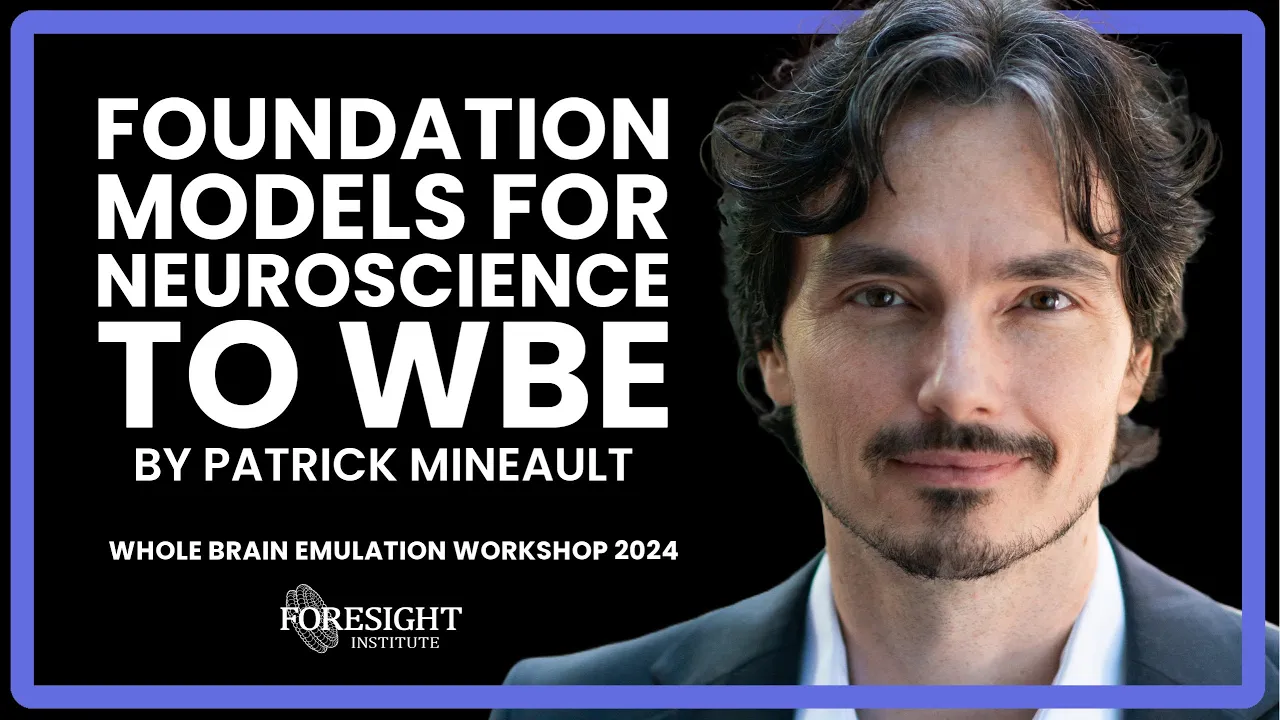
Whole Brain Architecture: First International Workshop 2024
Added:Basic concepts of Artificial General Intelligence (AGI) and how it differs from narrow AI.
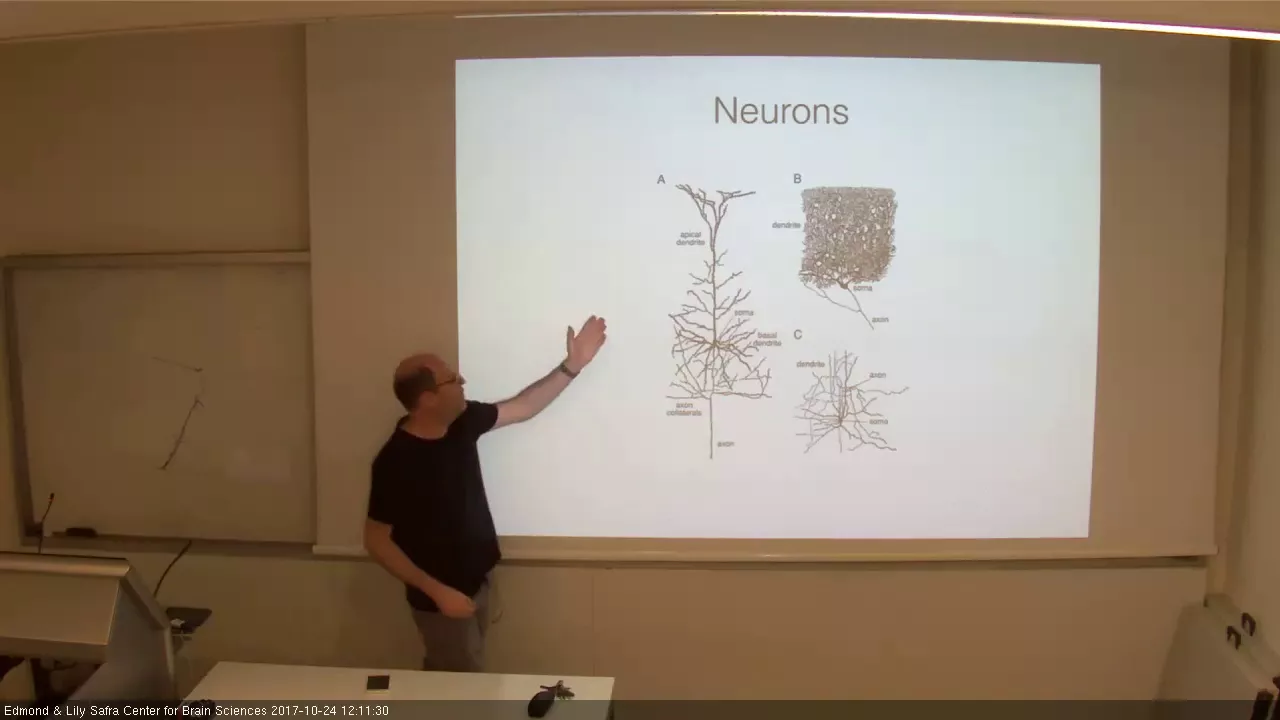
Fundamentals of computational neuroscience, including biological neural networks and synaptic plasticity.
Core principles of cognitive architectures (such as ACT-R or SOAR) and how they model human cognition.
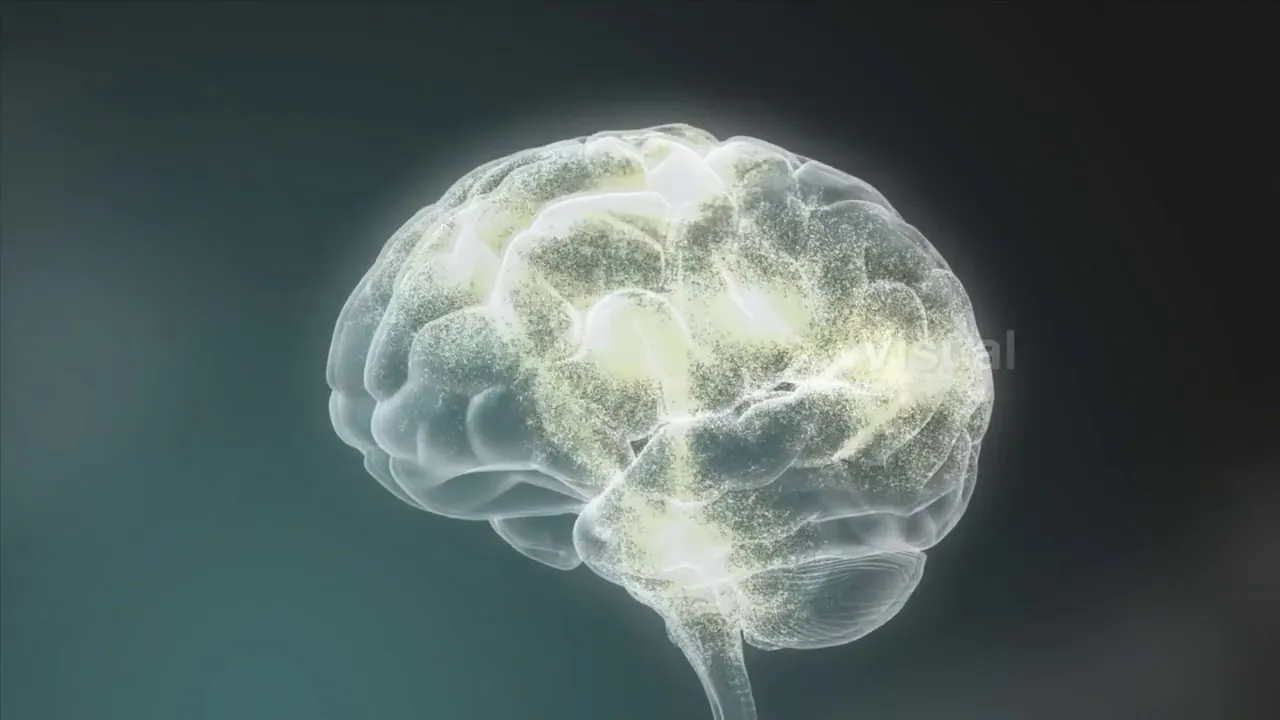
Anatomy of the human brain, specifically the functions of key structures like the neocortex, hippocampus, and basal ganglia.
Advanced neuromorphic computing and hardware implementations designed to run brain-inspired algorithms.
In-depth study of connectomics and the mapping of brain reference architectures to computational models.
Methods for validating and testing whole-brain emulation models against real-world human cognitive performance.
Ethical, philosophical, and safety considerations surrounding the creation of human-level AGI based on brain architectures.
640 views17likes2:58:38Original Release: 2024-07-22
hi everyone uh it's almost time so we will soon start this first International whole bra architecture Workshop I please wait soon e hi hi there I will start this Workshop uh this is the first International whole brain architecture workshop and I'm hakawa the chairperson of the H bra architecture initiative and and I also the principal researcher of the Tokyo University and uh former of the Japan Society of AR intelligence and uh I have researched uh brain science and uh AR intelligence about 30 years so uh today we start uh this uh or architecture Workshop as this kind of general program uh we first we have some remarks about uh this workshop and after that h p do will presenting the uh keyote of spe and uh there are some uh guidance for the audience because this Workshop has presenting the some data of the brain architecture so the has a presentation of the how to understand that datas and after this few 10 minutes break the or for oral presentation is for after that and after that there short a tutorial about the how we can build this brain reference architecture data and after that we I have some concluding remarks so uh for audience I have some uh event guidelines uh no screen recording please and uh if you have question please use the zoom chat uh if you selected we will the select the questions address during the Q and A of each talks what and uh for me I continue the uh welcome and opening remarks the uh and first of all the uh we are conducting whole brain arure approach uh that is the to create the human like general intelligence AGI by learning from the architecture of the uh entire brain uh this idea is basically started 2000 14 or 15 so and this idea is mimicking the brain architecture and uh like brain so we have a correction of the machine learning and other uh information processing system is a build like a brain so uh in this picture only there are five modules but in reality we what 300 5000 on Pro passes benefits of high compa with the humans and brain based interpretability and a Medi with the super intelligence because and I talk about this second point because the uh today the uh AI is a progress very quick so the uh understanding the uh AI is a very important point so the interpretability is now many focus in the uh AI areas so today the large langage model is some kind of the how to understand the inside of the that system because but if we use the rhf kind of system system so we can add the mask of the that system and they looks like a human but in reality inide is not we cannot understand but we use brain like AI the inside of the mechanism is very similar to the human so we can more understandable for uh that is very important point so I uh uh shortly uh ER reviews our progress of the uh uh WBA approach in WB AI we have established about the uh 2015 and we aiming to the uh realizing it 2030 at that first point and uh after that we clear clear uh clarification of the we should promoting other that development as NLP and 2070 we have defined Visions to create a world with AI exist in harmony with humanity and after that we establishing the design methodology based on the creating the speciation for brain SP Square which we call now the V driven development after that the is emerged then the the acceleration has occurred D development and 2083 the we are more H focus on the uh collaborative creating the publish and for brain b uh WB is important to create that is very important for Humanity so now we are H doing this kind of development method basically the uh BR driven development is we design the anatomical structure of the beef from the Neuroscience data and on that we build the hypo component diagram this is the kind of uh functional uh uh description and we Implement that s brain software and and and uh we go back this review process is uh opposite side so uh this the development and now the we are some publication related to the BR driven development there the macation of this method so now we are uh trying to uh complete the this project so that we have a roadm and uh uh at uh 20 uh 27 we to H build the first WB that that's the specification of the brain at this H era and we like to verion up this B after that so uh our aim is collaboratively create and share the WB designs spec for sh brain like AG until 2027 to do that now we are making the uh brandice architecture editoral system that is the uh portal site for submitting the reviewing the publishing the B data include the manuals and uh and they have some automated data check systems so uh today h uh data is uh up uploaded here so that you can see some data from the uh this side the v data so at this way the this past International whole brain architecture Workshop our aim is the promotion of the international collaborative collaboration of the creating the BL content and promotion of integr the international utilization such as the computer modeling using the this BR content V content include the BR data and that cre papers so H this is uh end of my talk so next step is uh keot Speech from the K doya so h k doya is the H talk about the digital brain project of the brain and mind to. and uh he is a professor of neuro computation unit okina Institute Science and Technology University and he studied reinforcement learning and probabil inference and how they are realizing the brain he took his PhD 1991 and he at the University of Tokyo and worked as a post at the UC San Diego and so at the so Institute and joined Advanced telecommunication research inter International ATR in uh 1994 4 and in 19 uh 2004 he was appro as the H principal investigator of the O and he established it under gradate university 2011 and he become a professor at S B pro research oh you don't need to explain all these I so useless okay so uh the could you change to the H speaker K doya is okay maybe it's better to uh take questions to your introduction I don't need that 90 minutes for this my presentation yeah yes so or there will there be more detailed explanation about the your road map road map yes uh the this uh the your the proposed plan about the WBA yes like this so you have question about this road map yeah yeah so this is a very H simplified road map so uh and uh we are uh first building the uh brain information flow that is uh corresponding to the anatomical structure of the brain and after that we have uh made the some uh hypothetical component diagram that is the uh some kind of the hypothesis of the comput model but that that did not defined in detail something like uh software specification so because because we are not specified uh any comput model such as related 5 model actually neural network so uh we just defined the uh some abstract Revel of the uh modeling description in here so after that another uh researcher can develop the based on the that kind of abstract description is very useful for uh many types of the uh implementation research and then that to come up with the the design SP in two years how many people do you think uh we need I he yeah we think the uh uh it it depends on the uh how many hypothesis is needed is not predicted because this is a hypothesis so the some hypothesis is not so good so so we have to we need to make the uh various hypothesis for one uh brain organs one brain organs a sum of brain organs so we have to aggregate or align the many hypothesis is we we should do that kind of alignment or aggregation so uh if there are many hypothesis we have a a chance to more good hypothesis at all other full brain so anyway we have to first cover almost whole brain of course the today's neuroscientist knowledge is not cover all the brain but but as as we can as possible as we can so we like to build the uh whole the brain so I think the uh for about maybe the not so many so 10 or something that's kind of a intensive cator will cover the four brains uh in today's neuros scien uh knowledge so that's kind of my image of the scale of the collaboration so is there any plan of applying some conventional AI for that process or that is uh mostly done by human work and discussions uh implementation side you see to create or brain uh reference architecture so that is a by human hand and discussion or can there be any AI tools to accelerate the process uh yeah yeah yeah that's very good point and uh uh of course the uh two years ago there are not a good large langage mod something like that but now uh we have uh today the language model is uh the level is going up uh day by day so uh in first we use the large langage model to extract uh Knowledge from the papers that is the first step but now uh we are trying to uh build the uh making the hypothesis is uh some uh possibility so we are now trying to that kind of side and another side is today I not talk about that but we need to a construction and review evaluation evaluation side is also a important aspect of we can apply LM so to do that but of course today's is not so uh yeah today very very they can use many knowledge but they are not understand the mechanism of the new neural activity or anatomical structure and that kind of relation is not understandable today so important thing is that we have to make the framework to the how framework for applying the uh so that can work well as our intentions so if we can do that our construction and R processes more close to the automatic or semi-automatic so uh but uh I we think we need some uh effort by two month so the uh we need uh effort just for making by ourself and also you like to make some kind of automation is both side is important to the situation okay yeah thank you very much yeah so if uh if any if somebody has another related question I can answer but uh but not now maybe the uh has some uh guidance or something after that so uh if yeah it's okay for disrupting your yeah very any anyway it's a productive uh discussion so I'd like to go ahead so can you I'd like to share you the my screen please go ahead all right so then uh uh let me start uh my presentation yeah so can you see my screen yes okay right so uh uh thank you very much for this uh uh Unity to uh talk about our new research project so it is some way kind of a related to what yamakan presented uh so this is the part of the new phase of Japan's uh Brain Project called brain Minds so uh the brain Minds project started in 201 uh 13 uh as a uh 2014 as a 10-year project and it just concluded uh last March the first 10y year uh program so the this is the uh the website of the project so uh and then uh this program had the two parts one is called brain Minds focusing on the the mapping the moset brain uh and another is called the brain Minds Beyond which focuses on the like a human brain uh research mainly by the MRI yeah so and then large scale data data Gathering and sharing was a to stop to do s has down it seems data and also like a neurala injection data right and many other data and on the other hand the brain Minds Beyond also has its like a portal and then it makes a systematic Gathering of mostly resting state functional M data from thousands of subjects in brain disorders like a schizophrenia autism and then depression together with like a control subjects so that will be the important resource for for example application of machine learning for diagnosis and prediction of different brain disorders right so uh yeah some of the fe uh highlight from the those databases is that uh tra injection to the moset brain so that uh we can follow the projection of the aons from different part of the cortex so so far the data from the pressure injection in the prefrontal cortex has been made available but the researchers finished mapping the entire a cortex and then the result of these ining will come out soon but based on these tra injection so people found that interesting like a type structure in the long range connections from the the prefrontal C Tex and then if you go to the site you can uh use a kind of interactive map of the brain to see which part project to which part yeah and then some of the original like Tesa images are also available okay so uh I am not involved in experiments but we are kind of involved in data analysis and modeling for example uh one uh work we did with Carlos Gus as the main researcher is uh use of the Tracer injection data uh as a reference for the uh fiber tracking algorithm using diffusion MRI right so uh the diffusion MRI uh gives the information about the orientation of the neural fibers based on the an is tropy of the water diffusion in the brain tissue and then there uh fiber tracking algorithms which concatenate those local orientation to estimate the uh fiber uh connection running with the fiber and then the connection of the different brain Parts uh but that is an estimate based on certain assumptions right so uh the reliability of such uh fiber tracking should be uh tested expandly and also should be optimized for different species right so and then we use the some of the Tesa injection data uh many cases from a same animal uh to uh compare the uh fiber connection based on the uh fiber tracking algorithm versus the the actual fiber connection verified by the Tracer injection and then use the optimization algorithm to optimize the parameters used for fiber tracking algorithm so we have shown that with this optimization so we can improve uh the tracking of the long range fibers so we think this verified like a uh validated fiber tracking method should be used for uh the species where the any neura data available so we also uh use the the data of like diffusion MRI and also function MRI to consider what kind of a brain Dynamics cause the kind of a activity measured by the ing State MRI so the framework is following the method proposed by Gustavo Deco and the Coles like from the uh diffusion MRI using the optimized fiber tracking algorithm you we estimate brain connectivity across uh many cal areas and then use this connective Matrix as a part of the network parameter and then we also uh control the parameters like strengths of the excitation and inhibition in the local network and then consider in what setting this uh Dynamic model constructed from diffusion MRI can reproduce the brain Dynamics measured by resting state function M so this is a kind of a application that we are performing so it is still in progress we are hoping to publish a paper soon out of this approach right and uh another kind of a highlight from this uh brain project is the identification of the new biomarker of schizophrenia right so many people believe that the schizophrenia is a disease of the frontal cortex uh but uh uh intriguingly by comparing the brain volume of many subjects so the researchers found that the volumes of the like B gangria like Cate F and especially the the global spiders kind of enlarged in the schizophrenic patients so such initial finding was also uh re discovered in another uh population include including ad adolescent right so now the researchers considering what is the uh biological basis of such a volume expansion and then why that could lead to like a symptoms of schizophrenia like a hallucination so yeah so these are the kind of part of the things we achieved in the previous round of the Japan's Brain Project right and then toward the end of the the project uh uh Japan is uh Ministry of science technology education and culture called mix uh uh started uh planning a new pro project I'm sorry this is in Japanese uh but uh uh this is called a brain Neuroscience integration program but important thing is that at the core of this uh new project is the so-called digital brain that is supposed to uh bring together the uh different data from the uh psychatric disorder and then neurod degenerative disorders and also using Advanced new measurement technology and then uh use a model of the brain to come up with a uh better understanding of the brain disorders and then the development now proposed the and then I was recruited to their team and then this was selected and to get started in March this year right and then the in in addition so individual proposals for for these five different different subtopics are now on call the The Proposal was already proposals were already uh closed and uh now it is under review and then uh uh it should have been uh selection was was supposed to be announced in early July but it is in mid July but still I haven't heard if it the result was uh like announced yet but anyway so this new program is being started right and then uh we can just created kind of a tentative version of the uh the website on like a Google site so we hoping to create a full Fred uh website sometime soon right and then the uh among these uh five subtopics I am kind of in charge of leading this uh digital brain development right so then to start with we have to Define what is a digital brain right so we kind of Define it as a kind of the integration of anatomical and physical and behavioral data into a mathematical model to reproduce brain Dynamics and functions so the the one major uh aim is to reproduce the brain function in perception motion cognition and so on right so this is should be a contribution to the basic neuroscience and hopefully the building of brain inspired AI the idea is very similar to what the WB aims at and the second important uh aim is a predict the effect of a changes in the brain areas or cells or molecules and then that will be a contribution to understanding of the brain disorders based on the uh causes in the different levels right so uh and because this grant was uh called from the Amed the uh Advanced Medical uh Research Institute which was used to be called Japanese NIH right so we need to come up with some kind of a result of clinical relevance right okay so in this uh like a general uh aim of the digital brain so we thought about what we can do in six years right so the primary goal of this uh digital brain uh project uh is to produce kind of software uh for ining the digital brains and make it openly available and then make one such instanciation available in the online platform so people can utilize it by themselves so the idea is that we need to produce some kind of a shortterm outcome but uh if the effort is just finished in six years that is a waste for we have to produce some kind of a platform which can continue to be used and continue to evolve so even after six years and then using such uh tool we need to come up with some uh concrete outcome right so uh for the the brain function we need we hope to better understand the network mechanism behind the reinforcement learning and B inference which uh supposed to be major function of the brain and then which I'm very personally very much interested in uh and uh also the we need to produce something useful for clinical applications so the one would be like uh for the neurod degenerative disorders like Pro propagation of a pathogenic proteins have been uh considered as a major mechanism of growing uh disorder progression so we hope to create some model regarding that uh and then another thing is the understanding of the psychist disorders like schizophrenia based on this digital brain uh brain models right yes so uh and then the uh having a complete digital brain in six0 years is a practical so uh uh we will focus on the building mathematical and computational tools and then uh uh demonstrate their usefulness usefulness at least some of the function of the brain and at least some of the disorders which is important which are important so and then hopefully we can complement our effort with the whole brain architecture initiative which uh come want to come up with a whole whole brain uh architecture and then functioning of the brain right so and we have a lot of uh participant already in the core organization including ricken University of Tokyo kot University uh National Center of psychic research and then ATR uh so uh they Pro produce a lot of data about the brain structure for example function uh structure MRI and gene expression and also they can have a uh like can use a pet to uh visualize the expression of different molecules uh including those involved in brain disorders and also these days by the traca injection and then diffusion we can have the connecto of different species right so the major species will be like a mice moset makak and humans right so the important aspect of this digital brain building is come up with a a tool to map the uh finding in the different species in the uh the common space and hopefully uh produce a model which is relevant for human brain function and brain disorders and then project also will produce a lot of activity data from uh MRI and then Eco and also more fine scale like Optical calcium Imaging data and also then these days with the Deep learning uh detailed analysis of the behavior by Mo capture is becoming available so our job is combine these structural data and activity data into like a data D model building okay so uh this is the uh kind of a current uh Team organization uh we have six uh sub topics one is the as I said the multip data mapping the professor sing at kyot University is the head of this team so they are going to make a map mapping between first moset and human and then also consider the Mak and then Mouse is if possible Right to uh uh map some kind of understanding in one species to the other and also the S tanak at is in charge of a uh constructing like uh multi species database uh in which we can uh search across different species for example using a brain region name or like a gene Gene names to uh search across different uh databases and then the uh major role of our team ATO is to uh construct a data driv modeling architecture right and then the uh Jun igarashi at ran is a in charge of a large scale simulation of such a brain model uh so ran is going to install a a decent Computing cluster but if necessarily we have access to the fugaku super computer in K as well right and then using such a model we hope to understand the brain uh function so this part is a led by taka isoma at ran Center for brain science and also the S Tanaka is also in charge of a modeling new psych disorders based on a lot of data and the modeling tools right so uh and then this is the kind of a current outline of the digital brain development team in the core organization with the additional proposals we hope to be able to integrate more components and then uh widen the coverage of our digital brain so uh regarding this core part of data driven modeling here's the our idea so uh uh in model building there are different Source data like data from new experiments so data already uh registered with the uh the papers uh or like there are some prior models which can be a base for a new model and then we may have some kind of a theoretical or conceptual assumptions so uh and then in building uh a model currently kind individual PhD student or individual post collect the data and then make a model for example using a neuron or a nest or uh different modeling tools and then run the simulation but that is not quite scalable right so and also once the the student or postl leaves love there's a difficulty in like sustainability of such a model so uh we want to make this model building process automatic or at least a semi automatic right so once you select the basis data and assumptions the the model builder produce like a simulator neutral model description and also selected particular simulation code and also the some description of the desired behavior of the model right and then this is put to the simulator for the simulation right so actually we have already constructed one such example soal builda and then the this uh output should be uh simulation output and desire Behavior should be uh compared by Optimizer and then tune the parameter or structure of the model and then we hope this model building cycle as like automatic as possible and also importantly we want to keep like a traceability of the model structure and data right so some of the parameters are based on particular literature or particular previous model but that may be changed through optimization process so the origin of such model setting should be well maintained for the model to be continously evolable right so as I already said that uh we already have a uh the two called spiking neural network Builder or SN Builder constructed by Carlos who used to be a pook my lab and now are like a a researcher at the social bank right so by registering a data and then specifying which data to use for model buing uh this uh SN Builder produce the uh source code of the nest simulator and then it can run the spiking neural network simulation based on generated code so we want to like a extend this kind of a uh framework right so so far that we have a uh the Builder for spiking your network but depending on the purpose we also want to create a mean field like a population activity based model and also in the case of a disease production we want to produce a much longer term uh like Dynamics model and then uh we are going to implement this automatic parameter tuning and then model evalation right and in doing that uh we want to uh uh uh maximally use utilize existing uh tools and the mo Frameworks for example The alen Institute provides the framework called brain modeling toolkit and also the description language like Sonata and also the neural is another popular standard and as you heard from yamakan so the VA is producing different Frameworks so we ought to utilize and then maintain like inter interoperability with those existing tools and also the in uh model building so we should utilize the recent progress in large language models so we are thinking two ways of using them so one is the extraction of model features from the literature or searching from the database using large language models by like a natural language prompt to the supporting system and then the uh also once the different parameters like a collected so uh building of particular model or running of a particular simulation so that also needs a lot of experience if you want need to do it by writing a script but uh as a current these days we can write a decent Python program using natural language prompt so we should create like a large langage model tools to assist uh our digital brain building based on the the data and the needs of the individual researchers so that is something uh we are hoping to uh do in the coming uh uh like already less than six years right okay and then uh by utilizing uh uh these tools we need to produce some kind of a concrete outputs so uh uh one is the like understanding of the V inference and reinforcement learning so for those we have a like connector data of the cortex and then in the new project we are going to have a connector of the sub subal areas as well and then in R the Muran has a wi field two phon calcium Imaging setup So based on such a structure and activity we would kind of a test the uh kind of a models of the uh implementation of the V inference and reinforcement learning in the cortex and then subcortical circuits so I proposed like a a speculative model of the how the V inference and then optimal control may be implemented in the cortical circuit and also the isan has his own reverse engineering uh methods for understanding uh the the computation uh performed by the Cal uh performed by the neural circuit based on the activity measurement so uh we Implement some of these algorithm into our digital brain modeling two and also the uh uh with the data D modeling for the kind of models we previously proposed are Justified or not so that uh and then explore the more realistic model of the implementation of the reinforcement learning and B inference in the brain circuit okay so yeah yeah this is also like similar to the aim of our new uh keni project on the unified theory of prediction action in which the Tak exan is a chief of the project so kind of a Synergy would be expected in this topic and the second target is like a psychiatric disorders so as I explained the in the previous uh Brain Project people found that uh enlargement of the basa gangria can be a biomarker of one type of a schizophrenia right so uh and then people are now investigating the biological mechanism behind that so and uh one interesting result proposed reported by sh yagas group at the University of Tokyo uh is that uh in the B gangria there's a two Pathways direct pathway and the indirect Pathways and the indirect Pathways uses dopamine D2 receptors so which uh detect the deep in the dopamine signaling and then the hyper dopamin state will uh uh disrupt such a detection of the dopamine dip so they propose that can be a kind of a mechanism behind overgeneralization or something like a hallucination right so uh and then uh such uh model uh based on the deficiency of a detecting doin de can be a basis for a model building and we also previously produced like a detailed circuit model based on gangria we can build on this kind of a model and together with the digital brain tools we hope to be able to reproduce some of the feature of the at least one sub type of the schizophrenia and also the so the neuroen disorders like a propagation of pathogenic protein like amid beta or t protein or Alpha ccine is recently identified as the major mechanism of those disease progression so then we can use the like a connector data and also the brain Dynamics uh meas by listening MRI to build for brain activity and the pration model so in this aspect yakob Fus in protein not only by pet but also uh like a uh brain tissue samples right so that is a kind of third target that we are aiming at right and then in also after this these digital brain are created and a lot of data collected we have to make it open so and in doing that there are already uh good uh tools available uh for example Europe produced e brains and then uh us brain intiatives uh produce a different uh tools including those implementing Dandy archive we hope to have like International collaboration to those leading project to like best to utilize open component of these existing tools right and uh uh in in conclusion uh the yeah so uh this kind of a digital ring project maybe cannot be done just by uh us the those who are granted the the a grant but also the wi community and international collaborations right so we uh have a hope to collaborate both the experimentalists and also the data scientists and then uh high performance Computing uh uh researchers and also the the international collaboration we are seeking those collaboration with other brain projects uh and then share data reuse tools and then make them kind of inter operable and finally so uh training and Outreach would be very important so uh we we are hope going to run seminars or training courses or Hons and also want to have a like industrial partners for example support our numerical uh like a digital infrastructure and then uh yeah so we are actually running uh this uh digital brain seminar so headed by uh Ken nakan at National Institute of physial Sciences so I gave the one of the first seminar but yeah so if you are interested please check this website okay okay yeah thank you very much for your attention and then let me take any questions thank you for a fantastic from Mr doya so uh so there one question is from the audience so so question is from the uh uh kumas I have a question could ideopathic Auto disorder like itpb observed using brain [Music] study yeah I'm sure there are people studying it but I'm not familiar with the disorder so I cannot give any useful comment unfortunately for this question uh hello uh yes uh good afternoon Professor uh uh shall I ask the question one question yeah H actually I'm I'm very happy to see the presentation and observation findings and result of your project that I appreciate uh the basic question from my side is sometimes idiopathic disease are there idopathic means uh the nature or character of the disease could not be identified by the medical science so far that means the neural signals that this is the signals capacity signals frequency could not be identified so far so could brain study C brain study can help in idiopathic immune disorder because in immune dis disorder system start considering the object as the foreign particle and start fighting with the body itself so I think there are some neurons problem rather than in you know some other kind of the problem so if we can identify the neurons related to that that that object and we could be able to change the frequency of the neuron so we can have the you know one of the broader study and which Medical Science has no solution so far I hope you understood my question yeah so our digital brain uh hope to be able to helpful for the the therapy of U Uh current uh and under studied or like unknown uh theas of unknown causes but in the first six years we would first focused on focus on the like a feasibility of this uh uh tool chain so uh we would start with the the kind of a disorders which were quite well studied like a schizophrenia or like a Parkinson disease or Alzheimer disease but uh uh after the the once the the use frame this digital brain framework is verified so there may be some way to apply apply it to other disorders as well and we are hope we hope that uh not in the immediate future but in the long future so this two will be helpful for different uh disorders like idopathic autoimmune disorders thank you Professor uh can you please share your email ID because I have some findings I have some some some data information related to this uh study so I could share with you for the further further research purpose or further new finding for the benefit of the society in the world okay thank you thank you good discussion and it's almost time so and uh thank you again for the Mr and uh we like to go to the next session thank you thank you very much thank you so next uh step is uh something the guide for the audience because uh today we will uh some for presentation after this break so before that yoshim who is the member of the W has some short presentation about how can we read the P data to understand so uh could you it's okay so please go ahead Mr T okay thank you for my introduction uh can you hear my voice okay okay thank you uh hi everyone uh thank you for participating today I would like to share some essential primary information before the presentation on B data I'm University of Tokyo and wbi I hope this material will be of some help when listening to the presentation and my talks are about this and first of all I would like to give a brief explanation of what the bra difference architecture data shortly uh B data is as already explained uh B serves as a reference architecture for software that mimic cognitive and behavioral functions in a brain like manner uh B consists of B be uh which is information about neural circuit and connectivity and hcd and F FRG uh which is information about the functions realized by these neural sockets uh in the next slides uh two slides I briefly explains BF hcd and FRG uh and here I will briefly explain the design methodology of bra data known as the structure constraint interface de composition method uh shortly uh skit method uh main first step is brain information from BF it means uh neural connectivity and uh registering and previously uh creation of hypothetical component diagram uh this data is uh uh from Neuroscience paper and data and it's constructed and uh uh this step includes uh surveying anatomical knowledge in specific brain Legion uh called Roi uh region of interest and then allying Roi and tlf tlf means top level function creation of a previously component diagram with a construction of FRG I will explain the FG in the next slide after Construction of ACD a hypothetical component diagram and FD is conducted reting the diagram that are Inc consistent with scientific knowledge and I will explain what is flz FZ means a function Rel realization graph to build software the function like the brain it is effective to use reverse engineering which creates a functional hierarchy uh diagram by concurrently employing both bottom up design and top down design uh the skit method is a design methodology based on this approach and SK f frz is a functional hierarchy diagram that represents how upper level no uh which uh with tlf at the top node are realized from combination of functional groups at lower nodes for examp example node ID equal a is uh achieved by node ID equal beta and gamma as the nodes at the lowest level of the this functional hierarchy uh represents uh the function of HD components so for example node ID equal Delta is achieved by com combination of node ID B and node ID D ID equal C and node ID equal B and C uh is cor responding to the uh High uh component in the hypothetical component diagram and important point is that these bottom level nodes uh correspond to uh brain structure known as BF so the components and uh next I will uh share the uh data and papers uh you can uh obtain the data from the workshop website so please access the workshop website and uh I was I show the QR code on this side please check here and if you access the uh Workshop website you can uh access to the data and paper for uh each presentation for example I checked this ym 24 an data uh you can see the uh several data uh and PN files and the data papers PDF file and uh v data for the uh Google spreadsheet uh style so it contains three types uh types of data you can check please check and uh you can see the BR data image files and data paper if you access the link okay and here is a be data for example Le I open this file you can see this uh data uh explain the BR data structure using ym 24 data as an ex example this project seat project seat uh which opens first upon access uh provides an overview of the data this SE contain information about a contributor who makes this data and uh details such as a project ID in bra data particularly circuits and connections and frz are important seats so we'll explain these seats so this three uh seats is very important to uh understand uh v data the circuit seats contains information of the neural uh new uh neural nucleus groups and codex within the Ali as well as their anatomical High relationship the data below the yellow line at the bottom of the seat uh pre-registered as whole beef uh this data is registered based on the anatomical structure recorded in alen institutes dhba contributors while referring to BF registers new circuits as needed uh for example the low level IM ADM uh it is here IMM uh uh indicate that there is a su within the ID iadm within the ROI and various information about this ciruit is registered as noted in the names column uh this T represent the doal cluster of Medal IPC the existence of this circuit is demonstrated in Hagar n 2021 here and in m is graph order number uh is uh 1,824 uh in the dhba which represent the ITC and it is positioned as a subcircuit of this ITC this inm is a uniform circuit as a consist of gva eneric neon here and next connection seats uh registers the connections between circuits listed in the circuit seat in this example a projection from inm to inm is registered incidentally this projection is shown to be supported by an grade tracing experiment in previous research hagara 2021 next is the FZ seat this SE registers what functions each circuit performs and how the combination of these ciruits achieve the top level function uh for example uh in this law here uh by combining a circuits called ba fear with uh a capability called leay function uh it achieved a function of input normalization so in the figure it shows uh the this law presenting next I will briefly share about bra images this consist of VF images hcd images and F frz in diagram form uh it's a graphical representation of BR data created in the dra iio Etc in XML file format uh these images serve to make the content of bra data easier to understand visually finally uh I will explain the BR data you can also see the paper on our website the B data paper provides a linguistic explanation of the content described and explains how the data was created the data paper also serves a supplemental the description of the bra data uh this uh B data are evaluated from s uh b Paper evaluated through three perspective first uh comprehensibility uh the content of the paper is clearly and concisely written uh reproducibility the methods for data corlection processing and Analysis are describe in detail alling as a researcher to reproduce the same results and third uh transparency the process of constructing the data set and the tools and the techniques used are slowly uh explained making the entire research process clear okay that's it my explanation is over thank you for your attention and we'll move on to the allout session after 10 minutes break okay uh y uh thank you for so we make 10 break uh 10 minutes break so uh we restart uh ER 192 yeah 19 no not 12 19 20 so uh make a 10 minutes break please go back again thank it's almost time so let's move on to the uh present presentation session our questions should be submitted via Zoom chat I will SE some questions during Q and A the presentation will be 15 minutes long followed by a 5 minutes q and a session uh if you have any question please ask them in the chat AL so and there will be no Bell so please keep track of the time or present presenters and for the p uh presentation is uh udai Suzuki uh from University of Tokyo and data for brain difference architecture of ys24 longitudinally segmented distal ca1 and peripherally so please uh ready for your presentation he I can see though your presentation yeah is it okay okay okay okay so let's start the title is uh re data for brain difference architecture of ys24 long segmented dist C1 and periphery first I'm going to explain overview This research focus on the hippota formation the hippota formation has a crucial role in running memory and special navigation the area of the hpot temple formation that we covered is shown here the areas DC C3 C1 S and L C and four of these are r y this data includes 138 circuits and 1882 connections here I'm going to explain the data this is a project seat and this is a reference seat there are 10 reference seats and this is a circuit seat there are 138 circuits here and this is a connection seat there are 182 connections and uh this is the fure from V image this is made from circuit and connection seat these two seats and the figure is like here and next I'm going to move on the explanation of the method first I'm going to explain the sampling strategy the rure was surveyed by the others including experts in anatomy these references presented here were utilized and next I'm going to explain an overview of the method first we consider the HPP formation by dividing it into three a after that we use an algorithm to create circuit and connections this is a diagram of the brain and the Hamp formation is located in here if you cut out the H formation like this a cross-sectional View like this is observed the green axis is longitudinal axis and the red axis is transverse axis okay uh and the BL axis is Ramina organization first I'm going to consider the hip jumper formation by dividing it into these AIS next I'm going to create circuit and connection using this algorithm both have four types of inputs which were created using the algorithm shown here in four inputs these three inputs related to these three axis and the for input C it region and connection region great to the region the information of region and next I'm going to explain the details of the method first I'm going to consider the correspondence of Connections in longitudinal axis of the hyber formation it is this green axis first long axis of theformation was divided into three depal intermediate and temporal and in this fure here the projection from DZ to C3 is shown and it can be seen that there is a correspondence between the projections of D sepor to C3 sepor intermediate to intermediate and temporal to temporal the projection from C3 to sh1 is the same or we can see that there is a projection correspondence between sepal to septo intermediate to intermediate and temporal to temporal these correspondence or topologies are also found in other hypot Temple formations like this figure and this figure by making inferences from these figures it was thought that it will be possible to make some inferences about correspondence of relationships between projections that had not been found in previous research for example even if such a correspondence had not known from LC to sh one it was assumed that there will be a correspondence of connection between L sepor to C sepor and intermediate to intermediate and temporal to Temple therefore based on previous research on the left we formulated it we formulated the hypothesis on the right the hypothesis on the right states that if there is a connection between two regions there is a correspondence between regions such as septo projecting to septo intermediate projecting to intermediate and temporal projecting to temporal we combined the previous research on the left and hypothesis on the right then we created connection WR but is one of the inputs next I'm going to consider the same thing regarding the correspondence of Connections in transverse axis but it's a red axis the transverse axis of the hpot formation was divided into two proximal and dist this is more compc at it but the process was similar we combined the previous research on the left and the hypothesis on the right then we created connection trans that is one of the inputs next I'm going to consider the relationship between Connections in Ram organization of the hyp formation that is this blue axis there are some types of Domin organization in the hpot formation as shown in the table on the right unlike the previous axis this was created using only the previous research on the left and no hypothesis was used from here we created connection region and corlection lamin which are part of the input based on the previous SL I'm going to consider determining r i and classifying the axis determine the ROI to be full as I stated in the previous right we also decided on the classification of the axis based on considerations for correspondence of connections from this we created C Region C WR and C trans and C Ram which are part of input and next we created C and connection using an algorithm in overview uh going to the this part connection was created using this algorithm here I divided my explanation into three parts input meat and output the inputs are four inputs shown in previous slides that is a mixure of previous research findings and hypothesis first for reion the information of LC to C1 is transferred to me in data um oh here uh in this data the data includes information of connection disconnection it is C to sh1 with the difference with this difference next in longitud axis from the combination of the reong information of LC to C1 and the hypothesis about sepor the information of LC sepor to C1 sepor is created in mid in the data information about connection of regions is shown in column C and F and the hypothesis information is shown in column l and uh information about meat is listed in columns in A and D for transverse access the information ofc dist to C1 dist is transferred to Mid the data includes information of this connection with this difference also in Ramina organization information of lc3 to C1 is moved to meet the data includes information of this connection here and uh from me to Output by multiplying these four part of information the output we C sepal dist L3 to C1 sep distance is created in the data um here the information of connection from LC s d S3 to C1 SD is here and the information of multiplication is in column l in the same way C was using such an algorithm if there is a similar part of the previous right but here the input is unform C is false and from these for of information L C SD L3 is created with v subject is true in the data um here the information of L is registered with un ciruit is is false what's the here the information for LC is D L3 is registered with subject is true and the information of multiplication is in col AA next this is a data description in this study V and B data were created the creation time and public dat like this finally I'm going to mention some points to note regarding the data first this study contains several hypothesis so it must be twed with ction three hypothesis for longitudinal axis and for hypothesis in transverse axis and synthy process for algor these three are hypothesis possible way to test the hypothesis include using anr or de traces and transic mouse also the data has Sur with Source UC but this is a temporary suret used when using the algorithm so be careful to use the data that's all for my presentation okay thank you for your presentation Mr Suzuki and uh uh we move on to the uh next uh q1 day session uh do you have any uh questions uh if you have uh please uh WR down the on the chat okay uh Caron Caron uh so this is only connectomic data created from benovsky uh how about [Music] that uh okay okay so we used the information from these Publications so this this paper is one of the Publications this dat includes other applications as Honda or Honda 200 217 and orara 2 023 okay thank you uh your question the other you have any other questions or I have a question uh how about the uh papers are on which is not included in this v data uh have you uh confirmed any other uh previous researches or not not not yet [Music] um so correction of uh hippocampus is very wide uh various studies so how to decide uh these are uh to use these are previous researches oh so yeah in in this research uh we want to include MC or but the the information of connection it's uh not unclear like in MC or so we focused on this for rois but in future research future research we want to include the M or okay thank you uh you have any questions uh I have one short questions here ah I can see one short question do you have any questions okay it's about time so uh it's the over the presentation of uh the Mr suuki thank you for your presentation okay next uh presentation is uh by marama marama and title is data for brain difference architecture of ym 24 arm data uh if you are ready to start please uh make a presentation uh are now are we now present for the refin architecture of w24 amig f three I describe objective and aning of this presentation uh objective the objective of this presentation is to implement the functional expression of amig amig Fe conditioning in the Cry by constructing a functional realization graph FG in this data we attempt to construct the FG by using motives FG and motives a motives are unique structures that frequently appear in neural circuits I'll explain this further later and next outline the outline of this data construction is a method used defa from the SD method and this time we attempt to construct FG from the bottom up by feeling the b c with motives and now I will talk about this theer Fe we focus am conditioning am conditioning is the response in which a har stimulus Ed a fear reaction iny there is no response to harmless stimulus uh but where harmless stimulus CS is repeatedly paired with harmful stimulus harmful stimulus us then a harmless stimulus alone begin to elate fear response this dat paper presents a data or Amiga Fair conditioning in this the paper we focus we focus on this region to construct the beef and FG the am regions closely associated with fear conditioning includes the lateral nucleus La the Basel nucleus VA the central nuclear CN and the intergrated cell masses Ina within the V we focus on this Legion to construct the beef and FG from here I explain the data and how it was created and this is an overview of the data we created this time here is a diagram of the bi we created the data is included within the v data set uh for this beef we have modeled eight NE nuclei NE eight NE nuclei to represent a fa conditioning eight nulear nuclei um a uh uh this is Thea 1 two 3 four five 6 7 8 and neon nuclei additionally we have modeled 40 connection between this NE nuclear 40 40 connections uh these are 40 connection data points used to create the beef uh 40 uh 40 connections uh the beef is constructed based on these NE nuclei and their connection the details of how the data was created will be explained later next here is srg we created we construct the FG by ex ex exibly applying to the motive uh to the ne nuclei and connection in the beef details we describe later uh here is FG data uhy F data next I describe the process of how data was created from here we construct a beef based on several findings when fear conditioning occurs at first the lateral nucleus aray receives a sensory information Cs and us from the cortex and dhas this is where having learning take place next array project to the VA in the VA there are neurons known as B fear that induces the fear responses and Bax that are involved in extension learning and then a VA project to the CM which involved in inducing the fear response uh when the US and CS input to the LA it result in a fear response in a fear response to the Cs via ba and the CM additionally Ina and ca1 function as a moderator of the ba uh in this data paper we construct a beef based on these findings uh here is a beef constructed with the tm24 Am project uh in the array uh both Harless stimuli Cs and Hood stimuli Us Al the Hess stimulus CS triggers a f response via the ba without uh with output of the CM and these processes are modulated by the Ina and C1 uh using this using this spe we construct theg uh we construct theg by exactely am applying motiv to Fe the beef uh generate FG uh first I'll explain the motive uh in this data paper motifs are collected based on the ref s in the data paper uh for article uh here are some examples we assigned C capabilities and mechanis to each motive uh capability is C and the mechanis is mechanism is M uh for constructing zrg we use C switching and C input normalization and C delay uh before applying these motives to the beef I explain their mechanisms and capabilities uh this motive is simple to normalization first let me explain this diagram uh Z1 and Z2 are not of the motive they correspond to the Neal nucle in the beef the input point for the external signal to the motive are x f X2 X3 and so on uh the signals from the m is output at a yr and Y2 Y3 and so on uh the alls indicate the flow of signals black ARS represent excited excite excitatory signals and blue arrows represent inhibitory signals in this Mo signals flow f forward from X1 to the uh to the uh NE uh to the next two nose then one nose inhibit uh inhibit the output of the uh of the other nose the inhibit as is the external signal as a result the amount the amount of the final output is reg this so capability is described as input normalization next motive is C switching in this motive if the input comes from X1 the the output generated from Z1 for the output from Z2 is inhibited Accel signal inhib signal this this inhibit compul if the input comes from the two G1 is inhibited in this way the output vising the motive has mutually relationship as a result only one output strengthened only one outut string X1 Z1 string X2 Z2 string Z1 uh Z1 inhibit uh so the capability is described as a swiching this is an example of the final motives of CD uh the motive is simple uh with the input fallowing straight the stream since the signal is simply passed along the capability is named really uh This Time by applying motives to the beef one by one be that these Mo these motives could be utilized uh simp normalization cing CD and next I explain how the motive actually appli to the beef by exhaust applying to the motive to the beef we found that this motive can be matched the first one is here uh which includes input normalization uh excitory excitatory inhibitory excitory excitory inhibitory uh this is sh input normalization uh in this way this beef contains uh input normalization motive next uh here switching excit excit inory inory excit excit inory inory and this is C switching finally uh here relay excited excited excited excited here isay and another in normalization uh excit excit inhibitory excitory excitory inhibitory uh this is input normalization in this way this brief contains four motives uh input Novation she sing and relay and input normalization uh by applying the motives to the beef of am the fair condition and building up the function the FG is constructing as follows the lower section shows the ne nuclear involves in the motives the function of the applicable motives are shown above uh AR ABX ADM same normalization inm iabm C switching uh BX inm C and C BF simp normalization following these steps we construct FG for am Fe conditioning based on the capability of the motives and this time I describe the process of constructing the FG using mes and the beef and next time I'll talk about the significance and details of the FG uh this concludes this concludes a presentation on the construction processes of the beef and FG uh this data exists in BR edital system object name is24 z z v HD and FD images with with this v data not on data usages the v data focuses on the fear conditioning sory on the am the V is constructed based on the references within the v data uh this data statistics hypothetically for this so careful consideration should be taken when utilizing this the as the motive utilized to construct FRG while based on the referen CED in this in this paper lastly I'd like to advertise uh we will report on this data paper in the next issue of Japanese new network Society JN 2024 today I describe how the data was created in the next jnn I will talk about the significance and the content of this data the conclusion my presentation thank you okay thank you for your presentation uh Mr Mar and uh do you have any questions uh please uh write down on the chat okay I have a short questions uh because uh because of I'm a coor of this uh data paper and data um but I actually I'm very interested in the neural motifs and uh but uh I wonder how many types of motive will be used uh to understand uh uh cognitive functions or very higher higher level uh functions uh M uh oh yes yes uh yeah how many kind of motives will be used um this is a data is motive uh currently uh there are about 20 motives uh this is uh diagram uh we will explain uh uh we will plan to summarize and present them in future report all it seems so many kind of motives like uh about 20 20 motives ah 20 motives thank you oh okay it's good um Dr kbin post uh the questions uh given the same graph topology uh AG weights can have significant effect uh if there are scientific evidence on the strength of these edges how about maram give a save graph topies a save graph topologies uh strength of these edges uh [Music] uh I think uh [Music] there I don't have the information on the light now um for example Z it is inicial can be very weak and it's very important oh it's uh uh okay uh as a a closer of this uh data uh I'm very interested in this point and uh it is very difficult and uh uh we uh at least I don't know how to uh investigate the strength of these edges so uh for example something like the uh simulation or computational model with the simulation or something like that but uh it is very interesting the feed for inition uh can be very and uh yeah so uh it is very difficult to uh investigate the uh experimental data so uh we will uh move on to the computation model and simulations or something like that is that uh answer for you number distance oh oh okay it's very um good suggestions thank you for your [Music] information okay it's okay to Maran oh oh okay okay okay oh oh thank you for your uh questions and nice comments on the uh presentations uh and now is the time uh so uh we will move on to the next presentations thank you for presentation Mariam thank you okay uh next uh presentation is or sorry naut M and uh the title is uh data for brain refence architecture of nm24 bestx so if you're ready please uh make a presentation and uh uh sorry U Mr marama uh please stop your presentation Shar okay thank you okay so yeah can you see this slide okay so now I start my presentation it's like the data for brain b of V ular reflex or B and now I first describe the data description which is uh B image and Biff and hcd and F frz and data as shown in here and first I explain the context and this is about the BL one of the most key components of ey movements and biologically it's an important automatic biological reaction that maintains uh visual stability in response to the sudden or yeah sudden head movements and I yeah this is about the B and next I will explain the how to construct each v data and lastly I explained the several hypothesis about especially new an anatomical structures in some nuclei based on the B4 [Music] hcd now I show the data SE yeah data SE and BR image yes now we have the 45 sockets and now 42 Connections in addressed in this study right here and beef image is shown here and yeah in here and I return it later for further explanation and beef image is yes is constructed be based on these sockets and connections and especially the we in this research we defined seven rois which is mve m p 3n 4N 6n and arn and MNS and these are ablations yes and I just explain some be image here or here and yeah the semic canals in the inner ear actually project to the brain stem nuclei through the nucleus here and the input from the canals is received by the mve and the input is a head velocity and which projects to the p and 6n and 3n and 4N and the V is actually has a relationship with a horizontal SASE and so and it is s that the six n and p h here or the horizontal V which uh responsible for horizontal V and the 3 n and 4N projections from the mve here uh responsible for the regulation of Sr and I actually the iio or I and other extraocular muscles for partical B and next uh explains of f FRG data and the data sheet is here and we have the 42 node IDs like here and note IDs and yeah which is graph shown which is shown in here sorry yeah this one and actually this F image is actually a little small so please refer to this image when I explains the uh con details like here okay so I explain how to construct these FG data and first we I Define the trf tlf it's a b and as definition is to move the eyeball go into the direction opposite to the head movement and yeah please refer to this image as explaining this slide and uh we next did a hierarchical functional decomposition of tlf based on the B hcd image and the conclusion is that it can be decomposed into basically two components which is eye movement opposite to head movement and Direction switching like here and we basically uh this divided into a b basically divided into horizontal and vertical movement and respectively it's left world and right world and upward and downward like here and which I mean the ey movement OPP to head movement and the election switching is the uh basical components basical FZ components uh uh behind V and which are functionally decomposed into the following components and especially in the case of the left W movement opposite to right W head movement uh we thought that we yeah decide we thought that it can be decomposed into convert lightw head velocity to to left W sorry for the spelling mistake left w i velocity and then the convert left w i velocity to eye position and leftward eye movement and here leftward eye movement means that a regulation of extra extraocular muscles and we need to yeah and these three components here in this image the these three components are basically uh compos composing of the left W and movement opposite to light W head movement and this is how we constructed frz data and it is same for the right for or it is sa for the right forward I movement opposite to left forward head movement and partical eye movement yes and now I move on to the proposed hypothesis that we I want to present in this condition and there are basically two hypothesis about mve which is the com yeah MV basically responsible for the conversion from the head velocity to eye velocity and based on the previous research about the commission inhibition in MV Direction switching actually is accomplished by commissional inhibition in MV and yeah sorry it's this one and yeah in and especially in vertical V MV also plays a lot as neural integrator because and shown in this I'm sorry yeah beef beff image uh compared to the horizontal V which includes a p is which is a neural integrator uh based on the previous research previous anatomical research there is no uh no existence or as so far no existence of the neural integrator for partical B so we hypothesized that the mve can actually play a ro this play this role as neural integrator and in addition to their commissional inhibition in vertical and horizontal V all uh this is this is our first hypothesis that we presented and actually yeah in the further explanation we thought or we yeah commiss infusion is basically achieved by four components which is uh excit two excit neurons and neur suets and two as a inhibitor your sockets and shown in this image and this is the yeah this is the first explanation and let's move on to the second hypothesis is about 6n and 6n is divided into MNS and a NS and yeah which is uh which controls uh horizontal v r and in this conventional model here deferring due to the deferring number of processing steps I mean the uh MNS all to all all and a NR to SN m i l and ml L and these are defining number proessing steps and there must be a temporal disc discrepancy in this conventional model so we hypothesi that there is a certain presence of a dialect AI to M&S connection here and we presented this hypothesize be Biff and here yeah here is a a n all is occupying an upstream position here and this accomplish the same number of processing steps yeah and this is total second hypothesis that we presented here and actually yeah this is actually the end but caveat for data usage and future publication as same and of course this data and especially the beef image already included includes us two hypothesis for anat anatomical structures and functions so when using it requiring careful conations and also we are trying to have a pro presentation at JNS and the title is here and yeah this is our end of my talk and yeah thank you for listening to presentation okay thank you for your presentation missan and let's move on to the discussion uh do you have any questions about the presentations you have questions okay now the I have short questions are you have created v data for the bestx right it's and our the brainstem uh plays a very important role to uh make a OK model and uh in this B data are the the ru of uh brainstem is uh restricted to the uh brain uh best OKO modor deflex or uh it is useful to any other kind of the eye movements yeah yeah I think that some some subn or some some subset can be app PRI to other uh functions except for B all or consisting of the ey movements and yeah the brain STS for example the mve brain stems are responsible for converting the head velocity to ibocity and yeah as and this includes the I mean the MV itself includes the commissional inhibition and this node or this subset can actually be applied also to horizontal SASE and this 6n or 3n 4 and are especially especially the final uh uh position in the final final streams of the V of all IM movements because it regulates uh extra musle so also this subset can be applied to other uh functions like suas okay oh thank you Al so from the perspective of the ReUse of the B data so uh it is very good for to reuse this data so uh so if any other kind of ey movement for example the uh Sak or smooth passet or something like that it uh uh the the data can be the used uh for the explanation of the mechanisms of the uh subard or or any other kind of O motor so it is very good explanation thank you for your presentation yeah thank you do you have any other kind of uh questions I can perceive one short questions okay so if you don't have or any questions uh okay the presentation is are end here thank you for your presentations yeah thank you okay uh the last presentation in this session uh next presenter is uh takesi nakasima uh the title is data for brain difference architecture of tn24 Hamp formation if you have let it or please start your presentation okay can you hear me okay so hi this is tesma from University and today I want to talk about uh data for brain reference AR of tn24 formation and uh here is outline of my presentation the main topic is skit method it enable to us enable us to build brain architecture of software the first is Introduction the organisms it is important to acquire International representation for spe space that enable flexible behavior in complex and dynamic environment for example after that has run the loot to hood then if the environment suddenly change he have to find the different root to food in that situation uh my research question is what kind of internal representation should be acquired through their own experiments and how to recognize that the relation between uh environments and their own states are changed so we take a constructive approach in that we build the special cognition computational model inspired by the brain so to construct the brain inspired computational model we use skill model skit method proposed by yamakawa so structure constraint interface decomposition skit method enable hypos construction of software architecture that is structurally and functionally aligned with the brain even though our neuroscientific knowledge is still insufficient to explain the whole picture of brain function the skit method consist of three steps the first step is to determine the region of interest and top level function of our Y and create the brain information flow based on the neuros science Insight then in step two the h postcar component diagram hcd is constructed under the constraint of V the fin in the final step the in step three the rejection and creation of HD are repeated based on scientific knowledge in this presentation we will explain the BF and H CD and additionally the functional realization graph which break down the function as well the first of all to construct the computational model of spatial cognition we have to determine the ROI from the last century the special cognition has been studied in the field of cognitive science and Neuroscience the special cognition has been uh sorry uh psychologist toan show that the lot could take flexible behavior when their loot to hood was brocked and he named this special representation a cognitive map the subsequent study discovered the spal cell uh space cell and G cells in the hpot formation which uh responsible for the cognitive map so in this study the hpoc formation is the region of study region of Interest the specifically the ROI of this study consist of hyppocampus formation and surrounding areas the key region are hippocampus lateral and interal cortex lateral and Med medial ininal cortex uh suion ofus the dentate gyus C1 and C3 considered as as region surrounding area offormation and there are two main neural circuits within this region one is toic group which project from ental cortex to DG C3 and C1 other the other one is direct passway that project from C ENT cortex to C1 in addition to these two neural circuits CS3 is known as having recurrent collateral pathway that project to its own region based on these insights the BF for our research is shown as follows the colored rectangles represent the brain region and arows represent projection the here uh let's move to the uh connection sheet of BF uh each arrow in BF corresponding to the low of in this sheet for example the in the first row uh projection from C1 dist to LC five layer is shown in first row it's corresponding to the uh this arrow in bf8 from C1 dist to LC fifth layer so every uh arrow in the BF is corresponding to the each Arrow of the VF data okay so the important thing is LC in blue and MEC in red has six layer and the H and it is uh information H for hampus it means that hippocampus integrate information from LC and MEC after determining the ROI and bf the second step in the second step of psyit method we create hoscar component diagram our research team is working on constructing a cognitive model with probabilistic generative models the advantage of probabilties generative model is that it enable easy integration of PGM models and it Ena to creation of models incorporating beian brain hypothesis free energy principle and the predictive coding hypothesis since we are using PGM We performed the uh generation inference process allocation uh G to construct the HD in gper uh the model and inference model are assigned to their projection and if there a loop in the circuit in AI uh time delay uh in time delay introduced to endure the PGM model become directed uh cyclic graphs in addition to G to create the hcd we hypothesize that what type of information proceed in the each region and what function each region Pro perform the following paper indicated that the kind of information the LC and MC process according to this paper the LC process uh context independent uh local view uh entric information on the other hand me process uh context depend entric information such as pass integration and by eyes B eyes view based on these information the generated HD is shown in below the sorry for small T but the key Point here is that we construct we constructed the hcd in which the L process uh context independent uh discrete semantic information such as Place category and uh on the other hand in the M process uh context related information in navigation such as celf C location and pass integration in the objective coordinate system the based on that hcd the functional function realized graph which decompose the function is shown as follows in summary the top level function is special cognition which is supported by special category ation and self localization the special categorization is uh primary supported by LC and on the other hand the self localization is mainly supported by MC and these information are integrated by hippocampus and these structure of FG corresponding to the F FRG sheet so let's go tog sheet for example first row of FG sheet shows that the spatial cognition is supported by uh Place categorization and self localization the following low shows the place categorization is followed by the G five uh requirement so this F FRG sheet is corresponding to that kind of three three three three structure of FG the finally we show the research based on this v data uh we have uh constructed uh and evaluate the special cognition model using the brain reference architecture data last month it was accepted by Journal of Frontiers in Neuroscience neuro comput sorry the joural frontier in computational neuroscience and it's in this article we evaluate the self localization performance andon that it has ability to adapt to Sudden Change in self State such as teleportation so finally this is conclusion and we constructed BF and hcd of H formation inspired special cognition model and we uh construct a spatial cognition model and it is uh under evaluation and it show it becomes show higher adaptability in the sudden change situation so thank you for listening hey thank you for your presentation let's move on to the discussion uh do you have any comments or questions oh uh thank you for your questions are first uh from yamak Sensei your is a overlapping tree but it's actually alls DS but why did they make how about is overing three but it actually [Music] allow thees what Why didn't it [Music] ah ah I I I think uh FG and the graphical model is not uh compare maybe so in FG uh as you said the structure is seem to overlap maybe maybe maybe said this area but I don't think uh FG and graphical model of PGM is different information is described so it is not related to FG and drg graph I think uh it it is answer of your questions yeah I think that uh if to see this graph the uh other example for example the uh former M example the uh some uh uniform circuit is uh used to ER another functions but your uh uniform circuit in in the bottom side is uh uh just under the just one ER requirement so is this a design for this kind of thing or is there some similarity of the two functions or something yeah if it take a time that you should go to another question okay thank you for your questions and let move on to next question uh from Dr caran uh do you know which cellot types are the source and targets of the projections or it is if it excited victory yeah yeah it is depend on the I can I cannot clearly I cannot answer clearly but maybe it depend on the paper uh in the connection sheet the each connection is uh each connection has a reference paper so in this sheet there is uh no information it is uh inhabit or excitatory but uh if you uh check the reference paper the information May is uh it so it depend on the paper is that answer of your question all from and in C the description of inhibitor exist also please go to on the circuit SE oh okay it has our transmitter modulation typ w b or n w is denoted in okay so the circuit using the data is or decided uh to with uh excited okay thank you for questions um do you have any other questions I have I can receive that one short questions okay from Dr Yi uh I think the hippocampus has also a layered structure as a cortex but how do you determine the granularity of Roi in these areas how about [Music] that yeah actually uh actually uhas yeah this is uh this is first time to hear the hampus has layer especially the DED gyus uh or C1 C3 is in my knowledge there is a in my knowledge D [Music] has uh uh uniform so uh sorry I don't know the I don't know the yeah I'm a CO contributor and uh this is uh project and uh Mr Nakashima is a kind of engineer and almost making the comption model and me and other comp contributor is designed the Hy hippocampus uh anatomical structure so uh in this case uh uh we in Nakashima model the uh C1 C3 and D has only one layer but uh we introduced the uh many layers for uh M and so this is a simplification of in this model but uh as first Speaker Mr suuki said there are some more detailed uh uh design has uh we are thinking now is the answer to this question okay thank you for your uh answers and thank you for your presentations uh and this is the end of the this sessions thank you for your participant and pres all presenters and our participants are thank you very much okay thank you and thank you T but uh you have to continue to the tutorial so uh it's time to you should uh preparation for the tutorials okay thank you for your uh introductions so it's is okay so please start about 10 uh 10 minutes or more minutes yeah about or this okay pleas go ahead please okay thank you so much all um you know and in this session I will explain the bra data construction method uh using uh Toy architecture uh this is a tutorial for B data construction uh please note that due to time constraints uh we will uh I will not cover the uh specific uh application of the skip method okay uh today's topic on my talk firstly uh I would explain the Bri brain difference architecture editorial system and the brief introduction of B uh it's almost uh comp competition of uh what I explained before and example of BR data construction uh okay let's uh move on to the uh explanation uh first uh let me explain about BR uh brain difference architecture editorial system uh this is a platform that supports the creation and sharing of B data uh like uh all presentation uh in this uh previous sessions uh the platform provides guides and manuals on how to create B data uh links to the submission portal sites uh and uh data reposit uh for example uh our access the links uh we can go the bras and we can check the manual here uh via data preparation manual and Brin software design guide and uh review manual or something like that and uh also we can see the uh submitted data uh uh this is a br data repository uh for example the uh the all presenters here uh shown in this uh project and check the link uh we can see the uh data uh PN uh BR image file or data uh paper file or v data itself uh for the uh Google format SE okay uh this is a bias it is very uh important uh platform for us to share the B data and uh all shared uh accepted B data is uh under creative common license it is very important to reuse uh and construct a whole brain architecture to uh with uh everyone uh to in tackle with a uh brain complexity or network and you know uh I show that uh manuals on the BR uh it is a brain software design guide it is very recommended to read first it is very important uh this guide shows how to create the publish uh create and publish v data or brain moric software design data uh for brain difference architecture uh V driven development uh and v data preparation manual is also important uh this document explains how to collect B uh BR reference architecture data uh in B driven development that embodies uh WBA approach and it also contains a v data review manual and and descriptive text is not used now so it it it's it should be ignored then then also please uh lead this two uh guide and M for the first to make a cons to cons the BR is uh written in English and so you can check the how to create the B of course it also uh provided the Japanese version okay and the procedure from data creation to publication uh I will explain it uh the over all s from data creation to publication is as shown in the diagram uh first obtain the data format uh and man SP BR like uh like as we see uh the data Creator callede uh contributor uh uses these materials to create bra data and bra images you can submit the data via the submission from um B uh uh bras after the data are submitted and automatic format check is conducted to ensure there are no issues with the data uh if there are progams you will need to collect and resubmit the data feedback deliv result to contributor via uh email so data modification and resubmit the modified data and now again the format reviewed and checked if there are no issues the manager will request a review of the data by experts in Neuroscience or engineering it is especially important that uh B data uh including hcd and F FRG is uh written in a way that Engineers can understand the results of this data rev are communicated to the contributor uh through the manager uh data that is accepted uh is registered and published in the BR repository as we can see uh the repository here like like this it is accepted PR data okay and brain deance architecture is more are has been explained so well from all presenters and me before so it is uh repeated uh but I will explain I would like to explain what the brain difference architecture data uh again uh as already explained uh B serves as a reference architecture for software that mimic cognitive and behavioral functions in the brain right manner so it contains brain information from from BF of anatomical data of the brain and the information of brain functionality as a hypothetical component diagram and functional realization graph uh as HD and FZ respectively uh BR data is essentially a design specification for brain arure uh represent in the contents of bis ACD and F FRG okay uh I explained the B data so I skip this slide and function realization graph is very important uh to understand the functionality to uh achievement how to achieve the top level function uh of the brain Legion called uh Legion of interest is very important because uh for the engineering engineer to construct a brain like architecture is uh lead uh and understand the how the uh brain like uh architecture works and functions uh with this FRG uh so the construction of e is very important and uh hcd is also important to uh the legion is uh can be pred uh and consistent with uh uh uh actual neural circuits so this is a very important point but it's very difficult to construct so uh the constuction of the FZ is the key to uh construct the BR data okay uh now uh I will explain the uh with a demonstration how to actually exist data using the toy architecture and using template bra file and the procedure is uh first how to prepare and make a copy of the template file to your own workspace on Google drial and the BF data construction and uh it uh includes the circuit registration and connections registration and then uh FR frz data constructions now let's dive in the uh actual uh station and construction uh this is a simple architecture uh and FZ is uh provided uh for the workshop uh explanation it's very simple and uh it's a toy architecture uh bfhd at FZ is should be constructed based on skip method uh but it is very difficult to construct so uh in this uh section uh I the steps are skip so I make constructed this uh B and HD FZ previously okay so how to uh register and construct this uh BF and hcd and frz on the temperate uh B file so B file is uh of course uh can down uh access to can be accessed to on the BR this is a temporate PR file uh it's version two and it's uh open uh you can access fre and but uh you cannot uh uh edit this original template file you can uh you download and and make a copy to your own workspace uh this is a copy of template uh for this work workshop I already written some part of uh some parts uh this is a uh project seat is uh it's a summarization of the v data it's uh part of to uh show the contribut who is the contributor and what is the project ID and the list of contributors and if you you have a any description U please right here any kind of description for example this v data explains how aiga works for the neur socket ATS uh fear conditioning or something like that and the circuits and connection and FZ is very important to uh constract BR data and and we uh I registered uh circuit seat uh some part is uh already written but some uh part is not written so I will write down and how I I would like to explain how the register circuits or something like that okay uh this is a sample of uh BF so BF has four circuits a uniform circuit one two three four and this is actual uh correspond to uh actual burin nucle or something codex uh like that and so we have to register uh the uniform circuit and one two three four on the uh circuit seat so here uh we register uniform circuit one for example and the uniform circuit one 2 3 4 is uh if you have any differences you choose uh difference here so in this uh explanation I use the sample to 2024 it's registered in the referenes reference se but I skip the explanation of the reference SE here and the names of uniform circuit one is uh uniform circuit one or something like that if uh Amy I data is am Y is a one of C ID and the name is AMD or something like that and uh uniform uh uniforms are true or not is very important to uh uh this circuit is a computational unit or something like that but uh these are computational unit in the ROI so this checks the true here and the second line is on the circuits is uh registered the uh Roi so here is a a Roi and names is RI of this project or something like that and the subcircuit uh it should be L for example uh Roi is in this explanation uh includes on uniform circuit 1 2 3 4 so sorry I WR down the old S ID here and of course this is not a uniform circuit and so it's uh makes a for so this is uh circuit seats uh to uh construct the B bis data and next uh we have the register the connection of the each circuit so uh I already uh some part write down some part of uh connection but uh some connectivity is missed so I lie down any kind of so check the uh ciruit is here so 1 2 two 2 two 4 and three and four has a neutral inhibition so sender circuit is for the uniform circuit one sent to the uniform circuit too like this so if you have uh the difference to uh any differences to uh show the con connection of uh uniform circuit one to uniform circuits to you liay down the uh previous study ID here if the in the differences uh the for example the ladent is used uh taxon is uh written as the ladent but uh no distribution here and the measurement method is something like this for example the retrograding tracing or something like this and uh what figure or Tex is uh shown of the connectivity in the references uh you should write down here the for example the figure one shows is this connectivity okay this uh is a connectivity R is registered here lastly is very Po and FZ FZ is uh like this uh so uniform circuit one uh uh conveys the information to uniform circuit two and uniform circuit two that convey uniform circuit four and three and four are interacted uh to uh realize a function and in this section uh function realization graph is already given and the top level function is our top node and uh our top node is achieved by two sections our sub node and sub node one and two and sub node two is realized by uh Sub sub node one and network Motif or something like this and and it is registered here and the for example the sry alop node I not here and it's uh includes uh it's achieved from uh two uh nodes R sub node one and R sub node two so WR down here our sub node one and uh sub node two if you have uh uh uniform C four is actually uh correspond to the uniform sa 4 and you write down here the uniform sa 4 okay and the this kind of the uh procedure you make a uh FRG data and more detail is written in the manual and design guide here so please uh uh read uh this guide and manuals documents uh you I would like to uh constract any kind uh any data uh v data and share the your v data uh in the field of neurosciences and engineering and lastly I I show again the BR here and please uh download and man also uh pre check the v data construction okay thank you for uh my talk uh attention on my talk okay uh thank you for uh uh tutorial about is there any question from the audiences okay so if some detailed questions we will have some breakout room but here is some uh here this is refence so uh we like to go so we' like to go to the uh last part of the this uh Workshop so uh could you change I'd like to change the slide please stop the slide please okay go on next slide yes yeah yeah uh I I I show my slide okay okay uh I stopped my uh sharing okay thank you for everyone so I I have some concluding closing remarks uh at short time so thank you for everyone so uh uh we are already uh uh planning to the next uh this uh workshop at the next year about February so uh if you are interested in the H ER submit this Workshop so uh we be announced maybe the uh later so uh please check our activities so and uh and this will be held with the uh this uh biology of the behavior change project and our Workshop is uh joined and another another announcement is this is only for Japanese so and we have a nice W Symposium in Japan so we have uh some uh discussion about a half day uh September 18 and I have lastly the uh some concluding closing remarks so so uh I think the uh this is while the recent rapid development of AI has low exception of the AGI completion through the brain inspired approach uh compared to the around 20 15 but there is a still potential for brains by the AGI to contribute the human welfare so it can Ser bre super intelligence or Advanced AI due to in high Affinity with the human so this is human like AI is very useful and it will be the foundation of inovative applications so various Fields such as medicine and education and modeling the brain is a journey to understand ourselves so uh making the brainia is a very important for us uh and uh if we can provide design information from brain SPI based on the uh latest findings in NE science and other field so uh each imp implementation will likely become increasingly easier in the future by using the advanced AIS so as I already said uh our uh designing process is uh replaced by AI now so it will that kind of process uh acceleration is uh continue so I think that this effort will be a more uh faster than as we think so and however uh comparation of the essential to complete the whole brain specification of BR is uh I think uh important because it is not completely automatic so uh the coroporation is very important to uh progress this uh projects so we look forward to the particip participant in the construction v data so uh thank you for attending all audience and presentator thank you very much and I'd like to end this Workshop but we have some additional breakout runes it is already a finished but if you have any interest of uh talking about sometimes about uh 10 or 20 minutes talk is breakout room so if you have some uh question and something talk about presentator or or me so uh I think all presenter is not here or not but if they presenter room so maybe the uh I showed four roomes I defined four rules okay how long do you want to set record time set uh 20 minutes 20 minutes yes all right yes so uh it is end of uh that Workshop finished but it's additional time if you are interested in please H enjoy the breakout rooms okay uh additional uh comments additional notes for uh attending breakout room uh everyone is located at some particular room room but uh everyone can uh want to go to any room by your own self okay uh TW I set uh 20 minutes okay I start break time go
Up Next
67:17
Embodiment in Qualitative Research: Theory & Practice Methods
@ATLAS.ti_QDAsoftware
1.7K views•2021-01-17
55:00
The Hidden Power of Taste: Food Anthropology & Sensory Design
@theexperiencedesigners
5.3K views•2025-10-23

9:49
FastAPI vs Flask vs Django: Choosing the Right Python Web Framework
@TechWithTim
302.5K views•2024-05-26

1:42
Game of Thrones Opening Credits: A Cinematic Analysis
@gameofthrones
46.3M views•2011-04-18
Related Study Plans & Knowledge Roadmaps
Structured learning paths in General & Interdisciplinary Studies
general-studies
Artificial Light: History, Tech & Human Impact
01The Pre-Electric Era: Fire, Oil, and Gas Lighting
02The Incandescent Revolution and Grid Electrification
03Gas Discharge and Fluorescent Illumination
+ 3 more learning modules
14h6 modules
Explore Roadmap
general-studies
Elevator Engineering: History, Physics & Cities
01From Hoists to Safety Brakes: The Dawn of Vertical Lift
02Hydraulic vs. Traction: The Engineering Physics of Elevators
03Modern Speed, Safety, and Algorithms
+ 2 more learning modules
12h5 modules
Explore Roadmap
general-studies
Rubber: Material Science, History & Geopolitics
01Origins of Natural Rubber & Mesoamerican History
02The Chemistry of Natural Rubber & Vulcanization
03The Geopolitics of the Rubber Boom & Colonization
+ 2 more learning modules
12h5 modules
Explore Roadmap
general-studies
Containerization: Evolution, Logistics & Trade
01Ancient Trade & Bulk Cargo: Amphorae to Barrels
02The Industrial Revolution & Cardboard Packaging
03The Containerization Revolution: Malcom McLean
+ 2 more learning modules
12h5 modules
Explore Roadmap