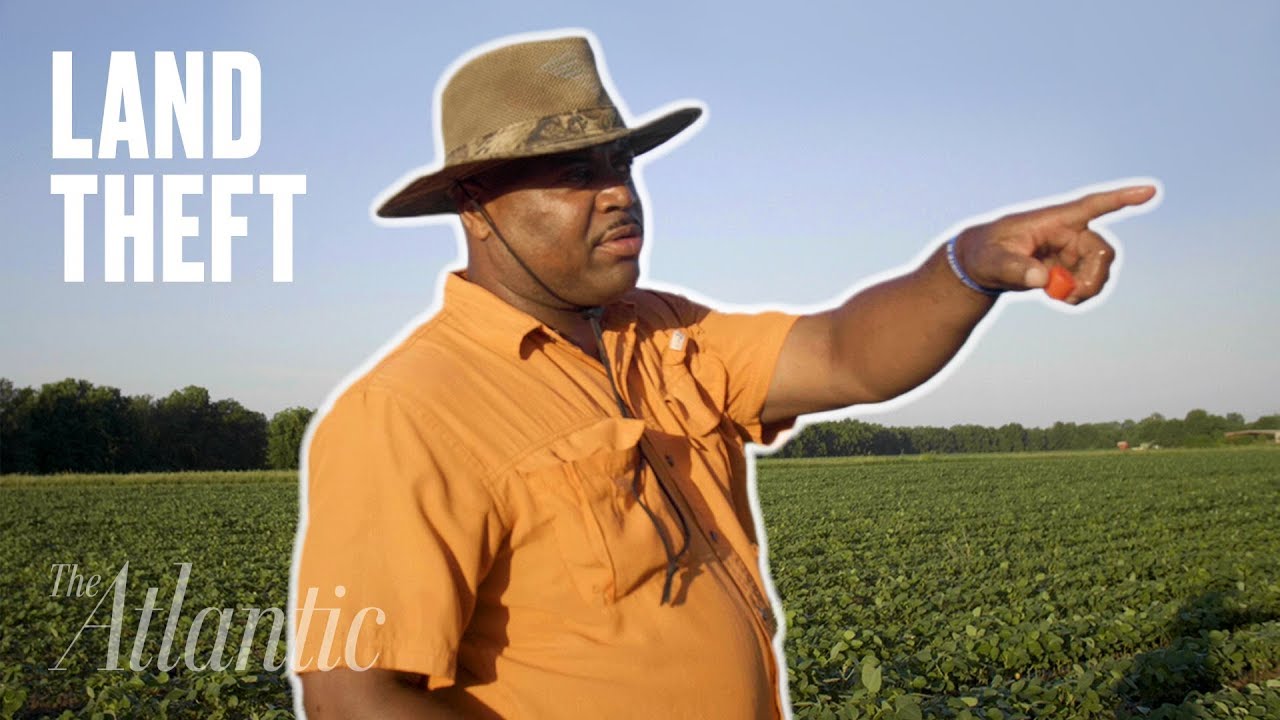















Black farmers have made foundational contributions to sustainable agricultural practices including soil regeneration techniques, crop rotation systems, and agroforestry, which were preserved and transmitted through oral traditions and cultural practices like braiding seeds into hair during the Middle Passage; these practices were later appropriated or erased from mainstream agricultural history, yet continue to inform modern sustainable farming approaches.
Leah Penniman on Black Agrarian Farming Traditions
Added:The history of US agriculture, specifically how slavery, sharecropping, and systematic land dispossession shaped Black land ownership.
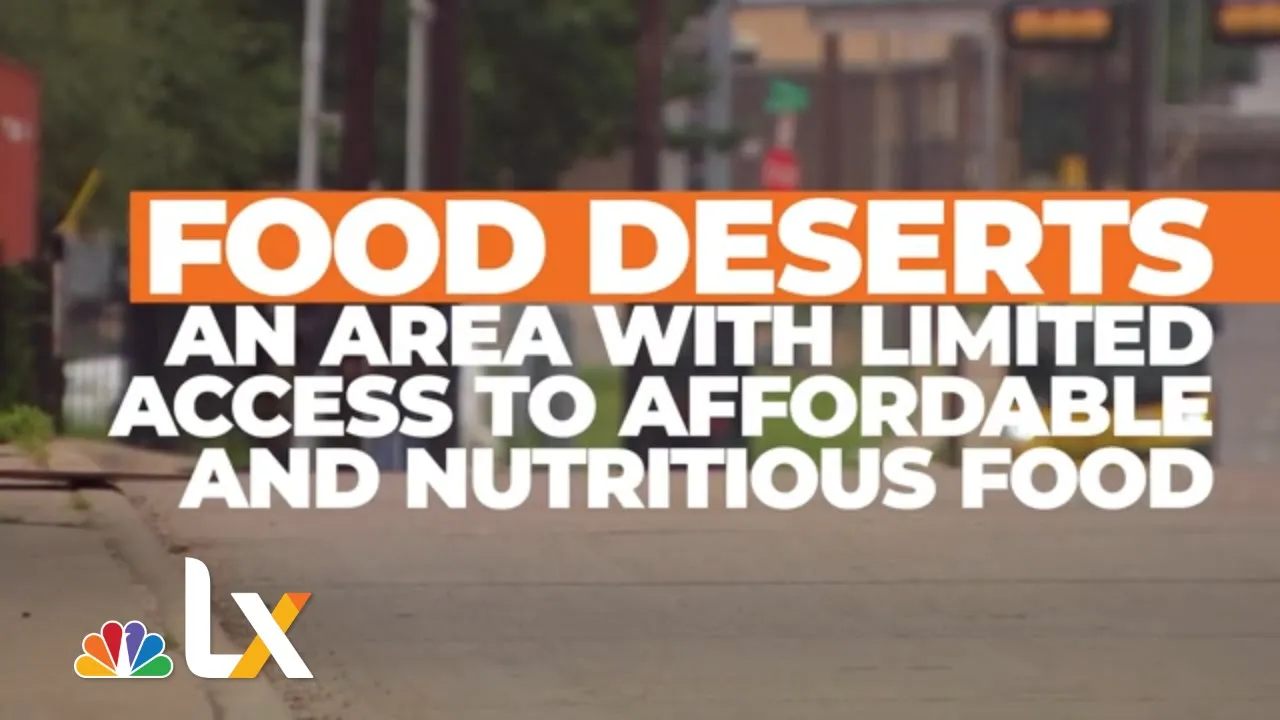
The concept of 'food apartheid' and how it differs from the term 'food desert' in describing systemic inequalities in food access.
Basic principles of sustainable agriculture, organic farming, and regenerative soil management.
The historical significance of agricultural cooperatives and mutual aid societies in marginalized communities.
Advanced study of Food Sovereignty movements globally and how local agrarian traditions challenge industrial food systems.
Analysis of legislative policies, community land trusts, and reparations models designed to restore land access to BIPOC farmers.
Practical implementation of Afro-indigenous agroecological techniques, such as companion planting, sheet mulching, and traditional seed-keeping.
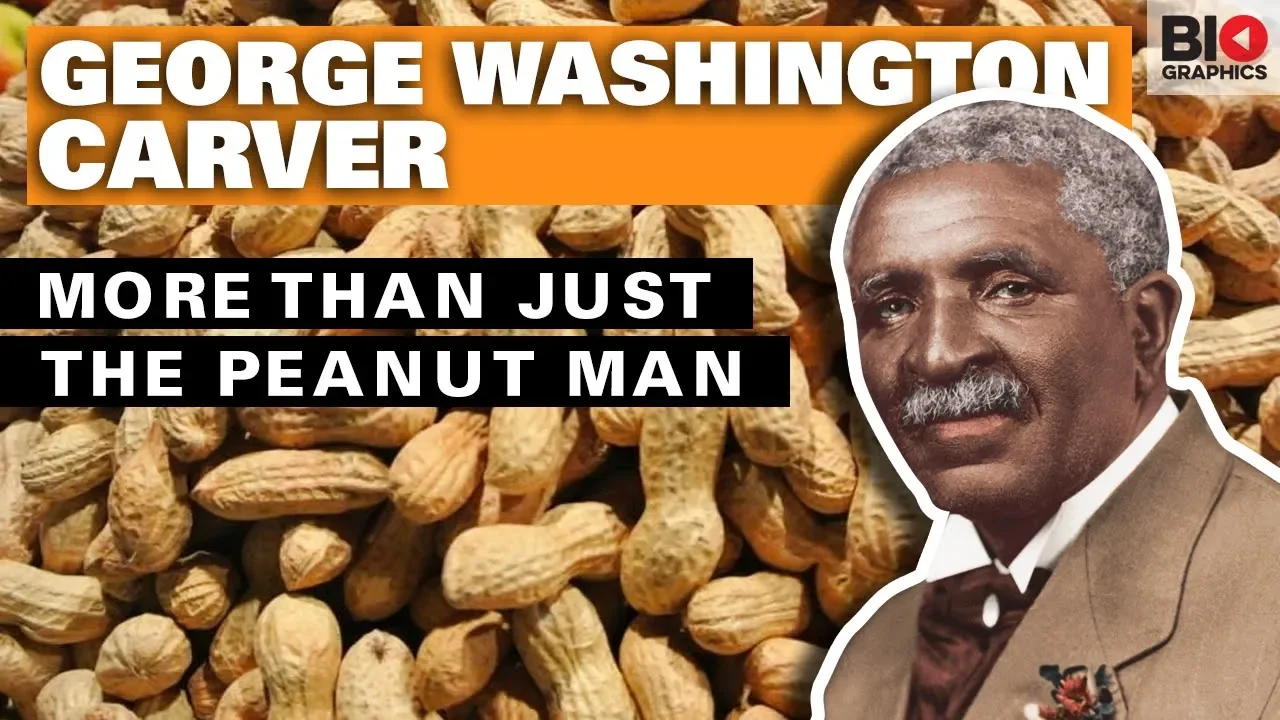
The history and legacy of key figures in Black agricultural history, such as George Washington Carver, Booker T. Whatley, and Fannie Lou Hamer.
30.8K views953likes39:22Original Release: 2019-03-18
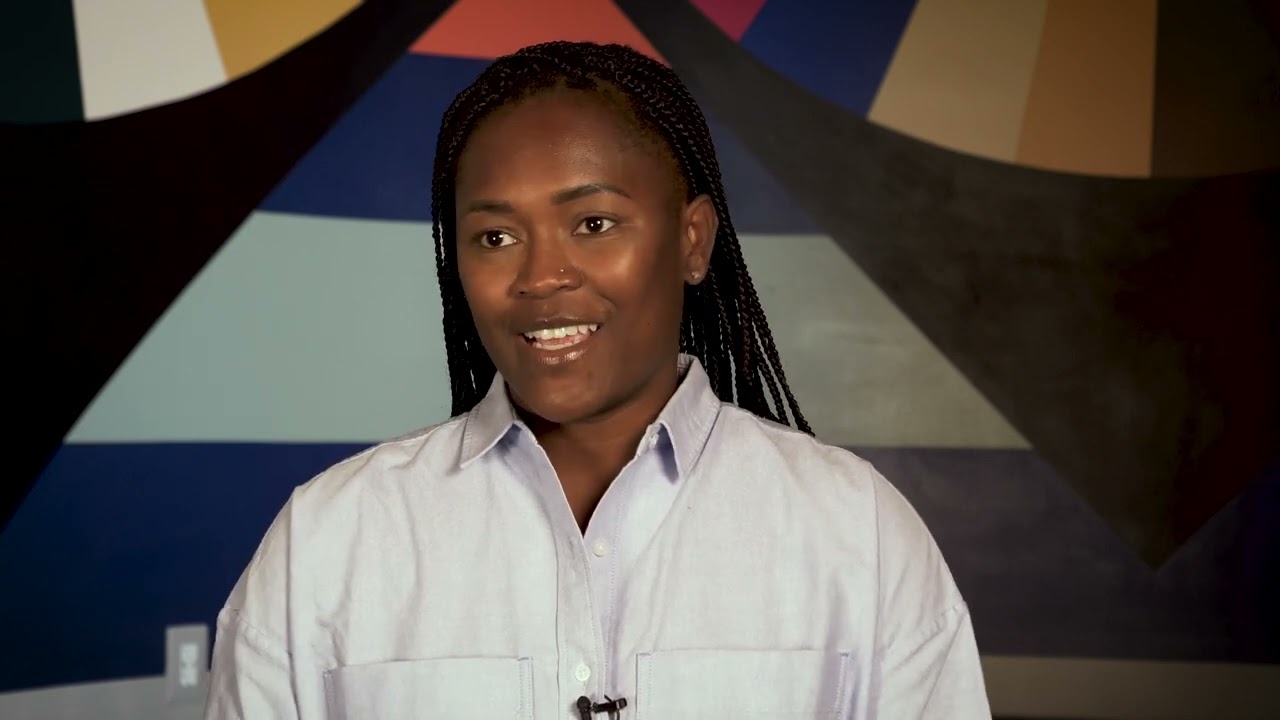
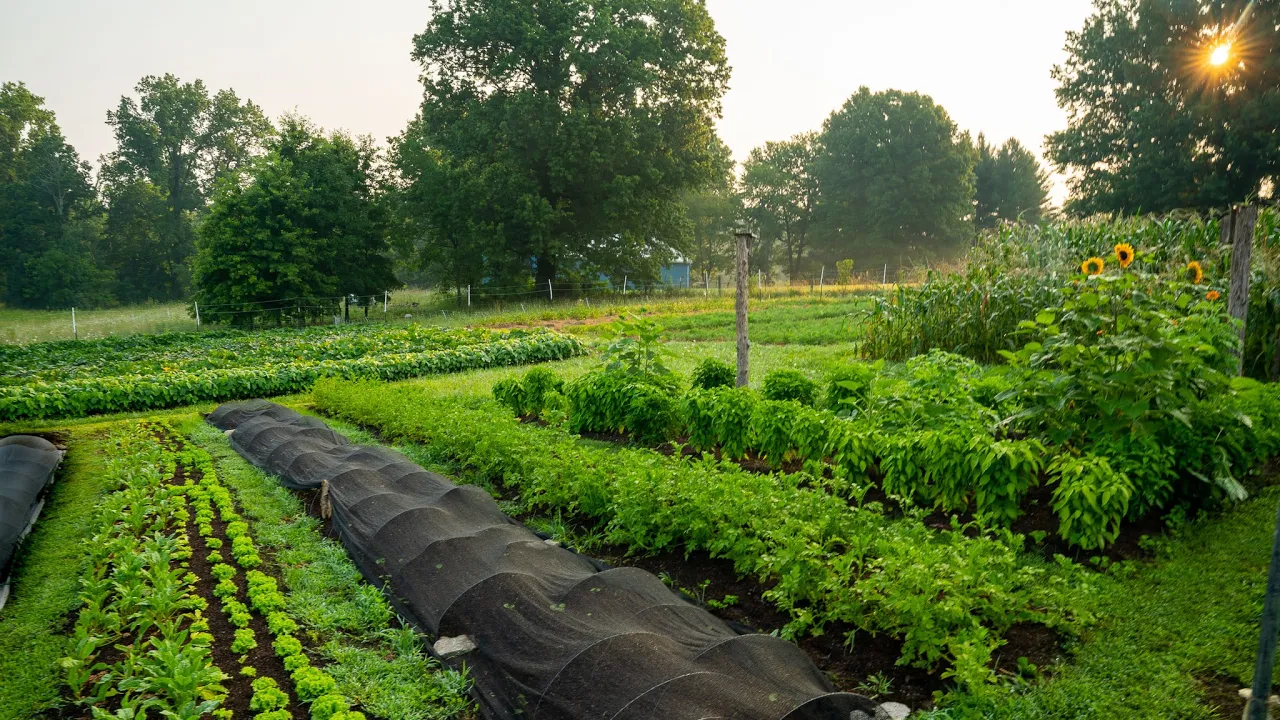
[Applause] we have a lot of things to give today you know I didn't know Enid very well but Julie Rossen longtime executive director of nofa mass is a mentor of mine and obviously dear friend of all of you and of Enid and I had a chance to sit with her yesterday morning through tears and hear some stories about our beloved leader and so I want to dedicate this next 30 minutes or so to her I also want to give other thanks in this moment you know we as in our African cosmology we begin every conversation every meal every gathering with thanks for our ancestors and I invite you in this moment to recognize the fact that none of us got here by ourselves all of us got here because of the foresight and fortitude and sacrifice and wisdom of those who came before us and not in a metaphorical sense or an allegorical sense they're here with us they're at our backs all the time you know they're whispering our belonging and our homecoming so I invite you to call to mind an ancestor who's been there for you and at the count of three we're gonna say their name really loud and call them and welcome welcome them into our space one two three ashay I also want to echo the heartfelt and humble and sometimes stumbling way that folks so far today have worked to acknowledge and give thanks for the Abenaki you know for the land stewardship for the foot trails for the agrarian tradition and I've looked at the schedule and we're really blessed that there are a number of folks who've decided to take their time to join this predominantly white space and teach and so melody Walker Brooke is going to be speaking tomorrow I hope we listen very carefully there are members of the Abenaki or Knight a turtle clan Lakota Standing Rock van and chair wolf clan or giving a series of workshops tomorrow and I think that you know well it's become somewhat a fad to name the land we're standing on and that's an important first step it is just a first step and the deeper work is to make sure that we're listening carefully to what solidarity looks like whether it's working to interrupt pipelines that folks are struggling against or remate reiation of land or seed whether it's giving voluntary taxes and money you know so folks can rebuild lives of sovereignty and dignity we need to really be acting on that intention and I have up here this image representing the stockbridge-munsee Mohican nation and they are the folks who've stewarded the land that Soulfire farmers on for tens of thousands of years and so we're working very carefully and closely in a listening journey with them about how we can share our land in a way that makes sense for their goals and the other thanks I encourage us to give before we get into our storytelling is a thanks to our teams you know I imagine that each of us are here today right because someone's watching the kids someone's feeding the chickens you know someone's doing QuickBooks whatever else has to happen for a life to carry on you know back on the land and back on the farm we're all here because of a team and soul fire you know I want to shout out a mining and Larissa Letitia and Demarest and my whole team who are doing that hard work so that I get to hang out with you and this warm cozy space and talk about things I love so shout out to them so just a tiny and thank you Peter said a lot about soul fire but I want to share a little bit about our farm because most of this morning's conversation will be about black agrarian tradition and everything at soul fire that we do is informed by and inspired by that you know my very first are some of my very first farming teachers where the Queen Mother's in Ghana West Africa who are this like badass group of 40 elder women farmers who not only farm and teach farming to the community but also taken orphans and micro-enterprise and do the ceremony and the conflict mediation and you know many of the the roles that elders and in traditional societies play all around the world and they taught me this beautiful proverb Lafayette's a no-no da which is that three stones make the cooking pot stand firm so everything we do we do in threes is the sacred trilogy so it's all fire our threes number one is actually growing food you know it's gotten kind of sexy to call yourself a farmer but you don't actually farm so we actually have eighty acres that we take care of about five are intensively cultivated and vegetables and pasture poultry and herbs and what's really special about these vegetables one is that everyone's told us that there's no way you could grow food in the Rocky Mountains of Grafton New York it's like you know class 13 of 13 of the USDA soil really rough and eroded and deforested but we rebuilt that soil using a fro indigenous technologies which I'll get to in a little bit of how we did that we we tripled the topsoil depth we got the organic matter from two and a half percent to 12 percent so we healed the soil right over the years and then all this food this beautiful bouncy you know we don't give it to the highest bidder we boxed it up every Wednesday and put it in this creepy right man which is less creepy because of the sticker and the cute child but we box it up and then we bring it to folks who need it most in our community on a sliding scale accepting snap and EBT and bringing it right to folks doorstep so transportation is not a barrier so we have 350 individuals who are part of our farm share 100 families and we Center the needs of refugees new Americans and people with an incarcerated loved one and the farmer still gets paid because neighbors are paying more so that those next-door to them can receive this food as a welcome to the community as I see you in the community so that's the first stone the second stone latte at Dana Noda is training programs because black and brown folks from all around the country from our first year of being a farm we're calling saying like I want to be a farmer and I'm just running up against so many barriers I can't find land I can't find credit I can't get into an incubator program I'm not gonna do wolf because I can't afford to not be paid like how do I get the skills and knowledge that I need and so we started these training programs for new and beginning farmers and I made a Facebook post and in 24 hours we had a waiting list so I created another program and then it was filled in 24 hours we have a two year waiting list of black and brown folks who want to come far an 85% of our grads are growing food and 100 percent looks Superfly wall farming and the third thing rap - is organizing and this comes out from you know elders in our community really challenging me reminding me that black farmers weren't just farming in the 60s and 70s they were the backbone of the entire civil rights movement right so black farmers were providing the the lodging the meeting space the meals the arms protection you know leveraging their land as collateral for bail money to get voter registration activists out of out of jail and so black farmers really were the backbone of the civil rights movement tell you fun stories about that in my workshop but so they we were challenged like what are we doing systemically so we started working very hard regionally and nationally on changing policies making the farm bill better making farm worker rights legislation better as well as working with you know our beloved Stephanie who you should check out her workshop tomorrow to form a Land Trust in collaboration with Northeast indigenous communities and black farmers to get land returned to those from whom it was stolen and this organizing work extends beyond the imaginary and imposed borders of the United States so this is our sibling farm in Haiti we also have a sibling farm in Vieques Puerto Rico and in Ghana and we work with them to determine priorities for each year and do fundraising and send skilled volunteers to support with things like installation of irrigation seat keeping co-op creation of compost reforestation we planted thousands and thousands of trees in Haiti so it's very very important that we Center the needs and voices and expertise of peasant farmers all around the world there is so much love in this room you all did something right so what I want to talk about today is braids and seeds my grandma's grandma's grandma Susie Boyd in the 1700s was one of the twelve and a half million skilled farmers who were kidnapped from their home and taken across the Atlantic Ocean to work for no pay on plantations in what is now the United States the Caribbean South America and these farmers particularly the women in the community had foresight they said we don't know where we're going we're not getting any of any report backs but we know that people are being kidnapped all around us and that our future is uncertain what is most precious to us and so they gathered up the okra the millet the cowpea the black rice the agusi melon the sorghum and all the seed that they've been keeping for generations and they braided it into their hair they hid it because they believed against odds in a future of tilling and reaping on soil and they believed that they would have descendants who needed to inherit that seed their example is what allows us even in the midst of really challenging times not to give up on our descendants so let's talk about what was in those seeds my sister made this incredible painting called 4sight about that moment of braiding and anyone who has a braiding tradition in their family knows that while you sit and get your locks brushed out you know and the oils added and the braids added there's stories that get transmitted there's culture and their song that gets passed down and in that deep deep knowledge of how to be in right relationship with the earth was transmitted so we're gonna talk about what exactly was transmitted because so many of the practices we take for granted as a historical or European came with those seed braids but first I want to see what you already know about it so if you could take just a minute turn to the person next to you and answer this question what black agrarian practices do you use on your farm and there's some hints it might relate to soil testing perhaps it relates to how you financed your farm or how you attain technical assistance or how you prepare your beds and I don't know it's a fine answer to but take a minute talk to the person next to you and then I'll ask a few people what you came up with [Music] when I say free the people you say free the lands free the people when I say free the people you say free the land free the people free the people by any means necessary that comes from the Malcolm X grassroots movement that chance I'd love to hear from a couple folks what did you come up with be courageous there's no exam or anything or grades yeah so community and storytelling excellent what else rose excellent callaloo beautiful which actually is a turtle island indigenous plan but is used by black folks to replace things like the Greens of our eggplant which are edible so it's prepared by black communities but it's a Turtle Island indigenous plant amazing Tanzanian work songs thank you so y'all are advance we got this [Music] beautiful tree releasing so thank you all right well let's jump into some of this so folks mentioned crops you know both in terms of crop selection but also how you prepare and cook the crops so things like okra and Egyptian spinach cotton sesame the black-eyed pea eggplants melons rice kale amara kale specifically gourd homonka or sorrel spice basil scented geranium coffee palm Kola nut Tamron these are all crops that came in the seed braids and then there are many many more crops that were adapted so the Georgia rattlesnake melon or green glaze collars that were adapted by enslaved African so many of the crops that we grow have those origins so I mentioned our soil my left hand is 2006 Soulfire farm my right hand is 2018 soul fire so in West Africa the Yoruba and other communities know how to determine the quality of the soil using their five senses texture by feel anyone done that that's originally a West African technology the ability to determine the percentage of sand silt and clay by making a ribbon and listening to the grittiness pH down to half a point can be determined by taste by the Yoruba the salty these sweetness versus the sourness of the soil the color determines the percent organic matter so Western scientists have gone and said oh my goodness these match our classifications how could it be right and when we started teaching soil testing at our programs at Soulfire farm we teach the $0.05 method first and almost everything you didn't need to know about soil you can figure out you know without a test unfortunately not letter arsenic but those are newer problems anyone here do a Fermi composting or encourage earthworms to live on your farm okay right good so Cleopatra 59 BCE put out a decree that anyone who harms an earthworm would be put to death in 1949 USDA scientist went over and did soil cores and determined that the amount of worm castings all throughout the Nile River Delta was ten times as much as the average soils in the Great Plains of the United States because she was intentionally doing sheep firma composting across the entire land that was why the Nile River area was so fertile she had a whole cadre of priests whose full-time work was dedicated to the study of the habits of earthworms and how to encourage them so we can give thanks to Cleopatra and black farmers for our understanding of worm castings as a key component of in Liberia and Ghana if you take a soil core you can read it like the rings of the tree to tell how old a community is because every single generation is responsible for laying down at least an inch of dark earth and dark earth is a special combination of cooking ash and bone char and residue from crops that's combined to compost just so so that it makes a super carbon rich super black soil and your responsibility is to leave behind soil for the next generation so you can measure like rings of a tree how old the community is again USDA scientists measured down 700 years worth of these rings in Ghana these are my teachers these are my farming teachers is anyone here do crop rotation yes I know you're not raising your hand because it's so obvious that of course you have to for your organic certification what do you think this picture is though slash-and-burn right so slash-and-burn is the sort of derogatory name that some folks give to swidden agriculture and you know i studied environmental science in college too so i thought it was like the worst thing you could ever do to the land like you know burn it down and then rape the soil of its nutrients and all of that that's really how I understood it what I didn't realize is that swidden agriculture in its inception which was practiced by African farmers as well as indigenous farmers in Asia and on Turtle Island is about on average a 26 year crop rotation so you burn an area releases the nutrients it kills the pests and weeds and pathogens right releases all of that and then you grow the food for a couple of years and by the time you make it back in a rotation it's been almost a generation the problem is that when you steal people's land and force them into a small territory of marginal soils and you try to practice within agriculture you get the environmental devastation that we see all across the developing worlds because the rotation has reduced to two or three years which is not enough time for that below ground biomass to form for all that carbon to be captured for those deep roots of trees to pull up the minerals really regenerate the soil but in its inception this is the proto cover cropping this is what we do when we have a rotational foul fallow right and we plant legumes in between is swidden agriculture say no one ever heard of permaculture alright this usually makes me kind of unpopular but permaculture doesn't exist permaculture is the fact of indigenous knowledge and rebranding it for profit one example of quote permaculture is the idea of these permanent agroforestry systems in Haiti one of them is called a den la koo but there are many many dozens of them and they all deserve their own story so in Nigeria 26 different agroforestry systems have been documented by Western scientists I've been trained in jaén makuu which is when you put you know beautiful big trees of Moringa and Limon and fruit trees and then around them you have aromatic herbs for pest repellents you have berries and bushes you have your annual crops it's all fenced in with a cactus that's really resilient and then you can choose when you want to let your chickens into forage and your goats and when you don't and so on this is a nursery that we helped build in Haiti in the community of beagle named for people to use for it to replenish their jaw danmaku their house garden and everybody has one agroforestry is pervasive so we can thank black farmers and other indigenous farmers for what we call permaculture and here we are making our own zen-like huette soulfire farm using another black indigenous technology we may know it as terraces or terraces in Africa it's called fan yazoo can you say that I love the word because it means in Kiswahili throw it upwards because what happens to soil over time in a hill right it just like a roads down so you have to make your terraces literally throw it back up the hill and then put some kind of barrier you see you have that stepped system and so here we are at our highly soils you know with wheelbarrows and occasionally a tractor pulling that soil back up to make our Ted Asus many of our tools come from African farmers my favorite is the hoe I don't like those little hoes that you can get at Home Depot I really like those big honkin like 20 pounds like hoes that you can get in Haiti in West Africa so usually I try to take a few with me in my luggage back home when I visit and then I get in trouble with the airport people because they don't like sharp metal objects but here we are you know the most versatile and most widely used tools still to the state in farming in the world it can be used upland and you know down in the swamps it can be used in sandy soils and clay soils for primary tillage and cultivation for harvesting so we thank black farmers for the hoe and for irrigation we're all into that first documented irrigation 5,000 years ago also in what is now Egypt and that was based on irrigation which is the kind when you like dig out channels and and flood and then you know you flood the next area which is very useful and still used in many places in the world a more irrigation system more akin to what we use today would be the folk Aras and so the folk Aras irrigated the Sahel desert starting a couple of thousand years ago and that's actually folks would dig through bedrock to access underground aquifers and have wells coming up along the way there are many folk are is still in use that's how many of the dates that we eat are irrigated in the Sahel desert so we hear they're planting rice chickens it's an interesting story with gallinaceous birds and black farmers because the oldest domesticated animal that we have record of as the guinea fowl which is a relative of the chicken there's like footprints millions of years old of the you know ancestor of the guinea fowl all around sub-saharan Africa but chickens have been are very very popular animal and one of the reasons that our techniques for raising chickens are so connected to black farmers is because after slavery the Black Codes the laws in the South prevented black farmers from raising most livestock they didn't want them to compete with white farmers so you weren't allowed to have pigs or turkeys or goats or cows but chickens weren't thought worthy of mentioned and so a lot of farmers developed expertise in raising chickens and there there's some interesting like primary source stuff you can get into with the Jefferson family like buying their poultry from you know the black farmers down the street and how many pounds of chicken they purchased but a lot of our rotational grazing methods and the breeds we have come out of the black farming community this is in Burundi that's a Mito six months old because it was stored and sifted ash in a box in the ground so things like storage and earth drying fermentation were developed all around the world simultaneously but many of those technologies came from sub-saharan Africa raised beds and mounding you know in a 2013 in the middle of hurricane sandy in 2013 I was forget the names but you know the farms in the Hudson Valley were devastated a lot of farms completely lost their topsoil and we're upland a little bit and so we didn't get the worst of it but our town the roads were so washed out that elders couldn't get to their appointments like route 222 completely washed out big ravines you know people were out with their tractors and chainsaws trying to fix the road so that folks get to their appointments and in the middle of the night during that storm it sounded like a Mack truck was driving through the forest it's like I woke up my husband woke up what could that be and we looked outside and a river existed where there was not one before it was rushing through the forest towards all of our alliums like an acre of garlic and onions and all these things that we did not want to lose so we woke up the children who were little at the time and put shovels in their hand and we put shovels and we started trenching to divert the water in the morning we went out to assess the damage and my son who was maybe six or yeah six or so at the time he was afraid he would drown in the wine so he had this cute pictures of this life jacket on while he went outside like look at what we lost almost nothing and the reason was because we had permanent raised beds which divert and channelized and slow down water on a slope which is one of their many purposes the soil also gets warmer you have better till you can you know concentrate your fertility this farmer has added a great innovation of the neem leaf which is any kills nematodes to protect his yams so we thank the farmers for the raised beds we also thank black farmers for the work party it's called duck way and the Dahomey region it's called cone beat in Haiti it's like this Saturday you're gonna come over and plant beans with me and next Saturday I'll go over to your farm and the third Saturday we'll go to your farm and and it's obligatory like we're all accountable to each other but then our harvest is staggered and whoever's house we're at that person is going to provide the soup the POIs Congo soup as well as the songs and if it's a really hard task a brass band credit unions they started as sousou's women in West Africa would get together in these microfinance organizations the the most reliable among them would be elected as the Sousou ma who would manage everybody's money and you put in a little bit every week or every month and then when it's your turn you get out alone so you can capitalize your market stand you can buy the cow that you needed you can fix your roof whatever it is so it became the idea behind a credit union so when I was in Ghana the first time and I told the story last night so forgive me for those who were here but the Queen Mother's had a fun game they liked to play with me which was to figure out what life was like in America and my name is a me today there which means Saturday born oldest daughter so they would say immediateiy come come come come come we have a question for you is it true that in the United States the man will be stirring the soup pots and the women will be tasting it for enough salt yeah and they'd laugh I thought that was so funny like how could you all be in the kitchen together right so the next day immediateiy come come come come come is it true than in the United States the farmer will put the seed in the ground and they will not pour libation they will not sing or dance or pray or say thank you and they look at that seed and expect it to grow I was like I felt shame right it's true right and they said that's why you are sick as a people you're sick because you see the earth as a material thing from which you can extract and not a living being deserving of reciprocity and love and caring and a being from which you need to seek permission and consent for the things that you do so don't come back to Ghana and be today and tell me that you are planting and not praying so this is us looking a little silly but at least once a week we have ceremony for the lands we have a spring ceremony we have a fall ceremony we ask permission before we till new ground or before we cut down trees and build that sacred relationship with earth and you never call their Extension agent we can thank Booker T Washington and George Washington Carver for the first Extension agent they realized that black farmers in the south this is like late 1800s it really slack farmers in the South can't all get to Tuskegee University for classes and degrees so we need to get out there I'm actually reading this beautiful primary source from 1895 that talks about the before this one before there were cars they had a horse and buggy version of this and it was like an extreme makeover kind of situation they would go to a farm they would bring the Extension agent they would invite all the community and then they would like redo your terraces fix up your fencing you know administer to your sick livestock and do all the things to demonstrate these sustainable practices so this idea of the Extension agency came out of Tuskegee University a black agricultural institution dr. Carver and Watley were really renowned professors there Watley in particular I revere a lot because he helped farmers get away from mono cropping and toward diversified horticulture with new marketing strategies he's like you can't compete on KY and you can't compete on tobacco you're destroying your soil here's what we're gonna do cuz what we're gonna do these city folks they feel disconnected from the rural landscape so you're gonna invite them to your farm they'll pay a membership fee you'll fight them to the farm and they'll harvest and they will pay you for the privilege of harvesting and I think we will call it I think we will call it pick your own and further there'll be a monthly newsletter so they feel connected to the goings-on of the farm you know and they feel like they're part of it and they own it and so on and they'll be clients held members of the farm so the CSA movement the pick-your-own movement the direct farmer to consumer movement was started by Watley and actually prevented a lot of black farmers from losing their land dr. carver his teacher a whole generation before Rodale identified that the very most important thing we can do as farmers is to care for the life in the soil he was the first AG professor to teach leguminous cover cropping compost heavy mulches you know he has this beautiful speech where he quotes Bible verses to basically tell people like they're against the will of God if they destroyed the soil so they can't after harvest just go chill for the winter they need to go rake out leaves from the forest and muck from the swamps and make these furrows and compost piles and so that they're returning the life to the soil so we can think if any one grows you know clover any legumes as cover crops we can thank Carver for that this whole idea that we shouldn't own property privately this isn't a universal indigenous concept that's been documented in Russia in Southeast Asia in Africa South America right here this very pretty new idea of enclosure came about in the 1400s we can thank the British for that idea that we should fence everything and own it all by ourselves but there was a group of black farmers in the 60s who said how do we take white man's law and make it work for communal land ownership we really want to figure that out so they traveled around the world they studied the key boots in Israel you know in other systems and they came up with the idea of the Community Land Trust the Community Land Trust where you have an organization that collectively stewards the land but the ownership of the structures the equity in the structures can be owned by the individual and passed on through generations brilliant legal model there are now thousands of community land Trust's and we can thank the sure odds Shirley and Charles Sherrod and the five hundred black farmers who new communities on 6000 acres in Albany Georgia in 1969 for the idea of the Community Land Trust food hubs we can think the black churches specifically Dorothy and Philip Barker and their ancestors who came up with this first food food hubs which were sheds in the back of a church where all the farmers would bring their produce they'd aggregated they'd sell it to congregants and then if they had too much they'd take a truck up to Chicago or Pittsburgh they'd set up in another black church and they distribute the food there the food hub movement was started by black farmers in the southeast and this one here this last example that I want to share with you today is very close to my heart because my daughter who's now 16 when she was one I was doing urban community garden work and youth work in Worcester Mass so I dragged her around with me and she would you know plants and weed and eat dirt and all that stuff in the gardens and play as children do and I took her to her one-and-a-half year her 18 month checkup and she had lead poisoning so she had blood elevated blood lead levels which about half a million children in the United States have today from playing in the soil so being an activist mom I went around and started testing soils all around Worcester the city had never bothered to do that the EPA safe limit is 400 parts per million I was finding 11,000 parts per million in children's play areas that's Superfund level that's hazmat hazardous waste and so we created the toxic soil busters which is a youth co-op business those are actual hazmat suits we got a contract with the city to completely deal ed like the soils the miracle flower that we used is an African flower called the paler Gonia more scented geranium so black children are disproportionately impacted by this problem and this African flower is a hyper accumulator that can pull that out of the soil it's an element it can't be broken down but it can pull that out of the soil and be moved to a safe site to a hazardous waste site so we're able to create new safe play areas for children so I just have a couple minutes so I'm gonna rush through this last part but um my workshop will talk a little bit more about this question because these are really amazing things right like black farmers just like indigenous farmers and Asian farmers and European farmers have all contributed so much to what we cherish as folks who love the earth and who grow food for community and it's a tragedy that many of these stories have been erased and ignored there's a few things getting in the way of the restoration of black agrarianism and we'll talk about this more in the workshop but one is the fact that 98% of the land rural land in this country is owned by white people and that's higher and more racially skewed than ever before in the history of this nation it's because of the original sin of this nation which is the genocide of indigenous people and the theft of land and the stealing again of land any land that black or brown folks have been able to attain has almost all been stolen again so that's something we got to deal with if we want to restore black agrarianism another thing we need to deal with is how we're treating labor you know eighty-five percent of the food grown in this country is grown by people with brown skin who speaks Spanish and who were born outside of these colonial borders yet only 2 percent of the farms are managed and owned by people who with those demographics and we have a whole different set of labor laws that apply to the people who grow our food as opposed to the rest of us and so there's going to be a conversation about that where are you do you want to just say when that's happening yep [Music] yeah so at 1 o'clock make sure you're there talking with migrant justice and the agricultural justice project and filling out the survey that they're asking you to fill out about farm practices so that we can all get on page with this there's food apartheid there's lack of access to the good food that we grow which disproportionately affects black and brown people there's the fact that all these technologies that we talked about are either appropriated or ignored when they could feed the world without trashing the planet and finally which we need to deal with internally to our communities is the trauma you know when your people have gone through hundreds of years of displacement and slavery and attempted genocide and sharecropping and convict leasing the land was the scene of the crime and can feel like the criminal and so there's also healing of the heart and the soul and the relationships that need to happen to restore black agrarianism but there's hope in that you know there's a lot of ways that we can honor that legacy of the seed braid and folks who are able to join for the workshop we'll talk about a little bit more about the harm that was done and how we can all repair it but if folks want to check out you know at soul fire farms org we have interviewed 500 black farmers about ways that they need support and collated that into an action step list so there's everything from you know policy changes that need to be made we have a reparations map where you can contribute a tractor or a hug to a black farmer and so there's a lot of ways to get involved I want to end with this quote from Michael Twitty I need to hear the bumping of pestel's making percussion with sunrise and twilight's I need the scratch of grading tubers and the grinding of spices on stone I need the sonic world of the ancestors lullabies said while babies are fed body songs at the land as the land is soothed for planting I need to understand the sound of the wind in the rice and the complexities of the yam mounds intercropped to save space I need the rustle of the oil palm fronds so I can hear generations speak thank you [Applause] you
Up Next

18:17
Enzyme Assay Protocol: Characterizing Mutant Proteins
@Biochem_Lab_with_Dr._B
552 views•2022-04-04
178:38
Whole Brain Architecture: First International Workshop 2024
@thewholebrainarchitecturei9784
640 views•2024-07-22

9:49
FastAPI vs Flask vs Django: Choosing the Right Python Web Framework
@TechWithTim
302.5K views•2024-05-26

1:42
Game of Thrones Opening Credits: A Cinematic Analysis
@gameofthrones
46.3M views•2011-04-18
Related Study Plans & Knowledge Roadmaps
Structured learning paths in General & Interdisciplinary Studies
general-studies
Artificial Light: History, Tech & Human Impact
01The Pre-Electric Era: Fire, Oil, and Gas Lighting
02The Incandescent Revolution and Grid Electrification
03Gas Discharge and Fluorescent Illumination
+ 3 more learning modules
14h6 modules
Explore Roadmap
general-studies
Elevator Engineering: History, Physics & Cities
01From Hoists to Safety Brakes: The Dawn of Vertical Lift
02Hydraulic vs. Traction: The Engineering Physics of Elevators
03Modern Speed, Safety, and Algorithms
+ 2 more learning modules
12h5 modules
Explore Roadmap
general-studies
Rubber: Material Science, History & Geopolitics
01Origins of Natural Rubber & Mesoamerican History
02The Chemistry of Natural Rubber & Vulcanization
03The Geopolitics of the Rubber Boom & Colonization
+ 2 more learning modules
12h5 modules
Explore Roadmap
general-studies
Containerization: Evolution, Logistics & Trade
01Ancient Trade & Bulk Cargo: Amphorae to Barrels
02The Industrial Revolution & Cardboard Packaging
03The Containerization Revolution: Malcom McLean
+ 2 more learning modules
12h5 modules
Explore Roadmap