



![⚗️ ¿Qué son los Metales Pesados? ⚗️ [Fácil y Rápido] | QUÍMICA |](https://i.ytimg.com/vi/4Rx_YvGYFcw/hqdefault.jpg)














![क्या पेड़ों के जरिए खनन से, निकल की कमी पूरी होगी?[Can plants solve the nickel battery supply gap?]](https://i.ytimg.com/vi/2NjgS0UOMyY/maxresdefault.jpg)



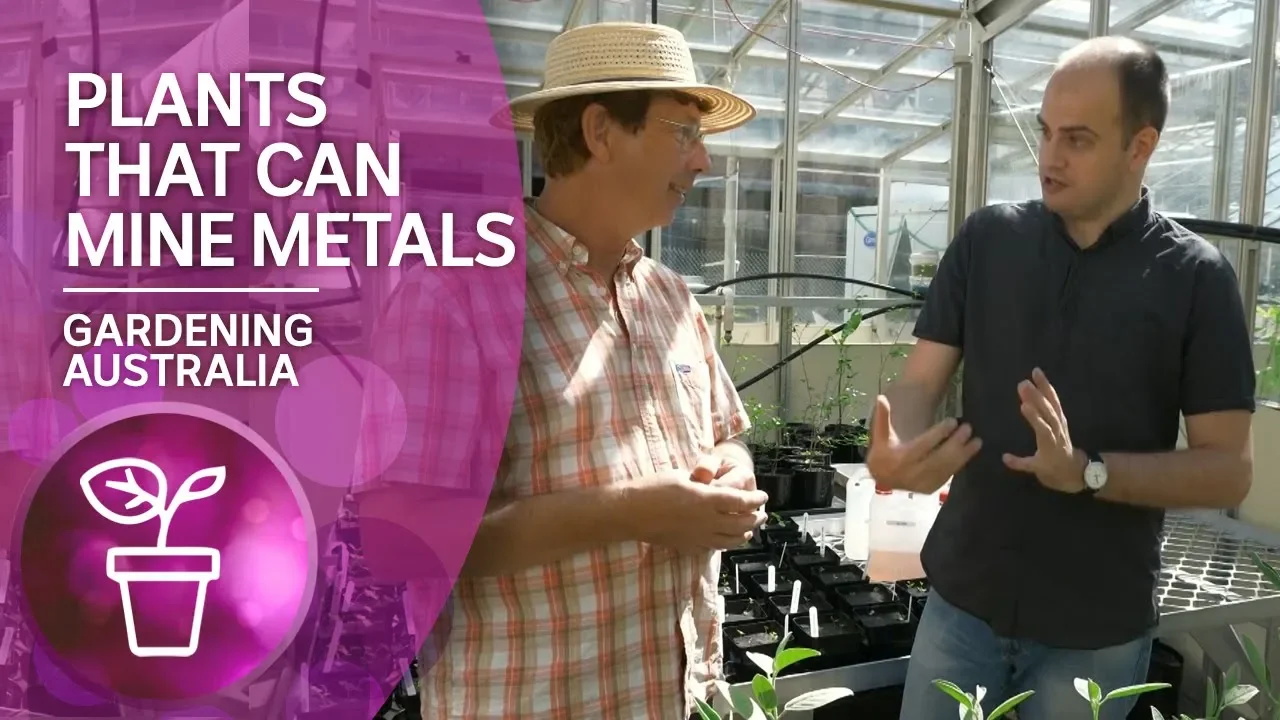
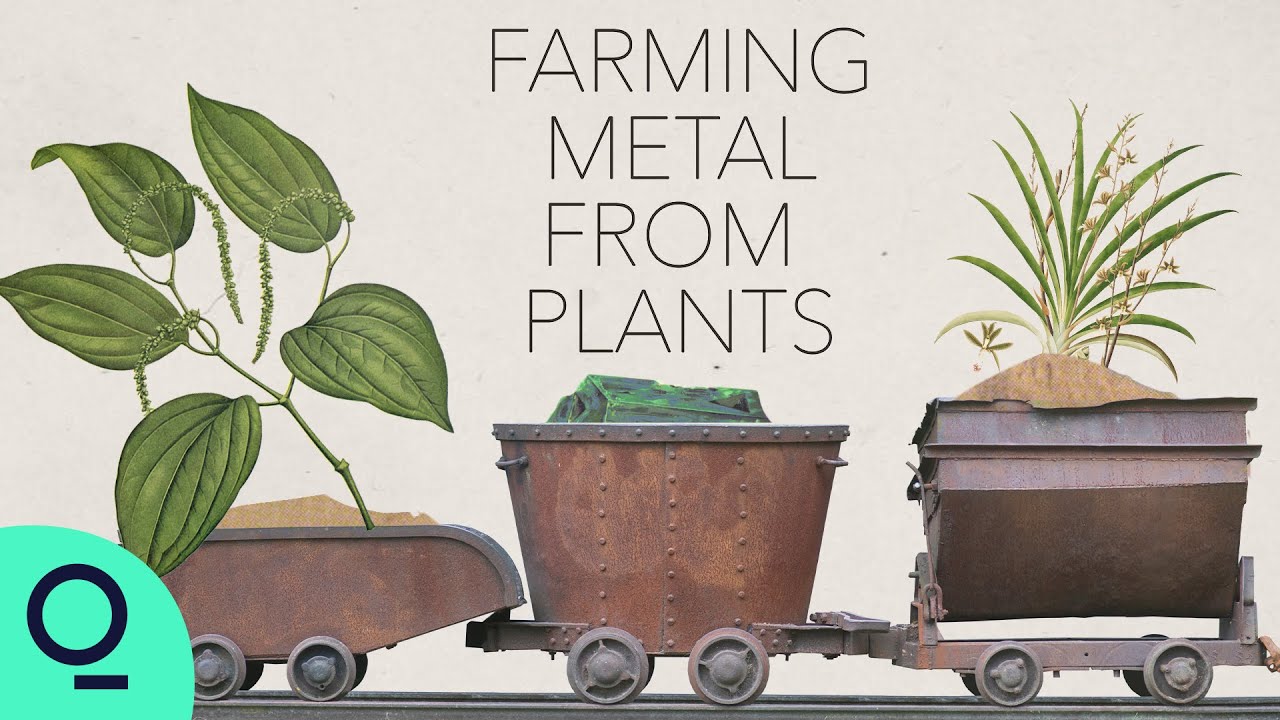
Hyperaccumulators are extraordinary plants capable of accumulating heavy metals (such as arsenic, cadmium, mercury, lead, and selenium) at concentrations up to hundreds or thousands times higher than normal plants, enabling their use in phytomining—a biotechnological process where these plants are cultivated on contaminated soils to extract and recover valuable metals from the environment; these plants possess unique genetic mechanisms involving enhanced metal uptake, rapid shoot translocation, and efficient detoxification through sequestration in vacuoles, making them valuable tools for environmental remediation and potential applications in food fortification.
Hyperaccumulators & Phytomining Explained in 10 Minutes
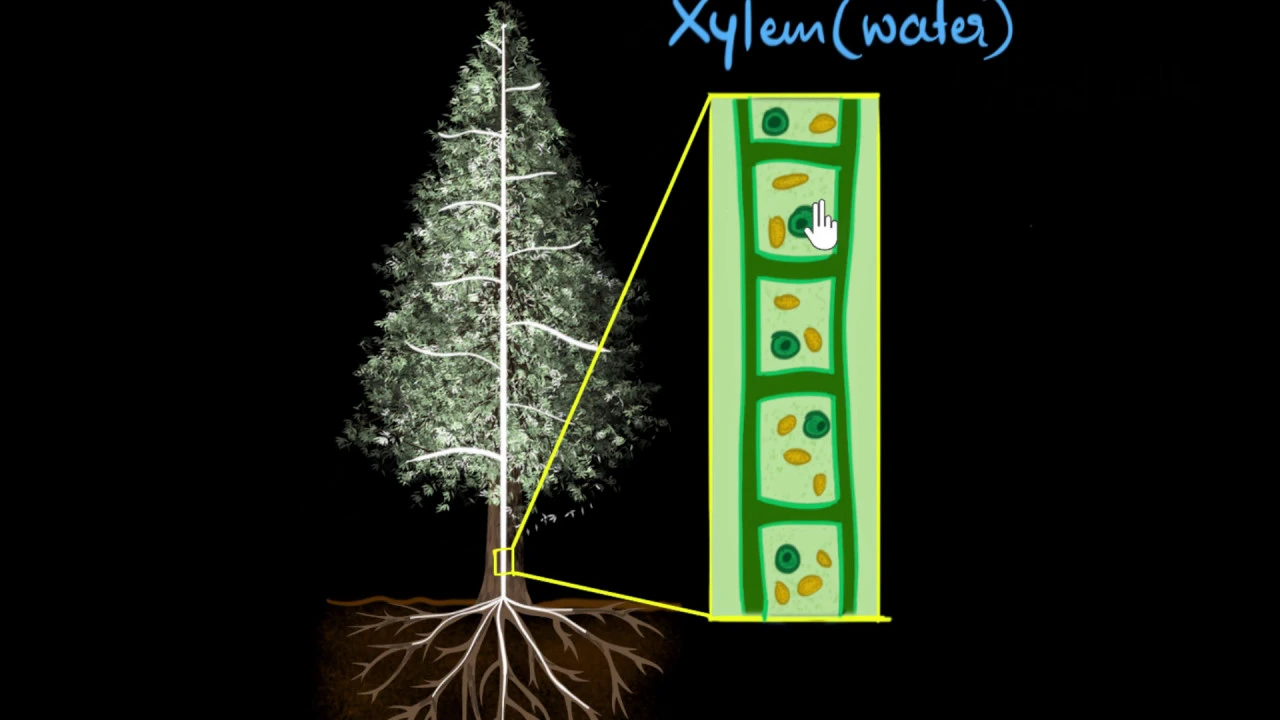
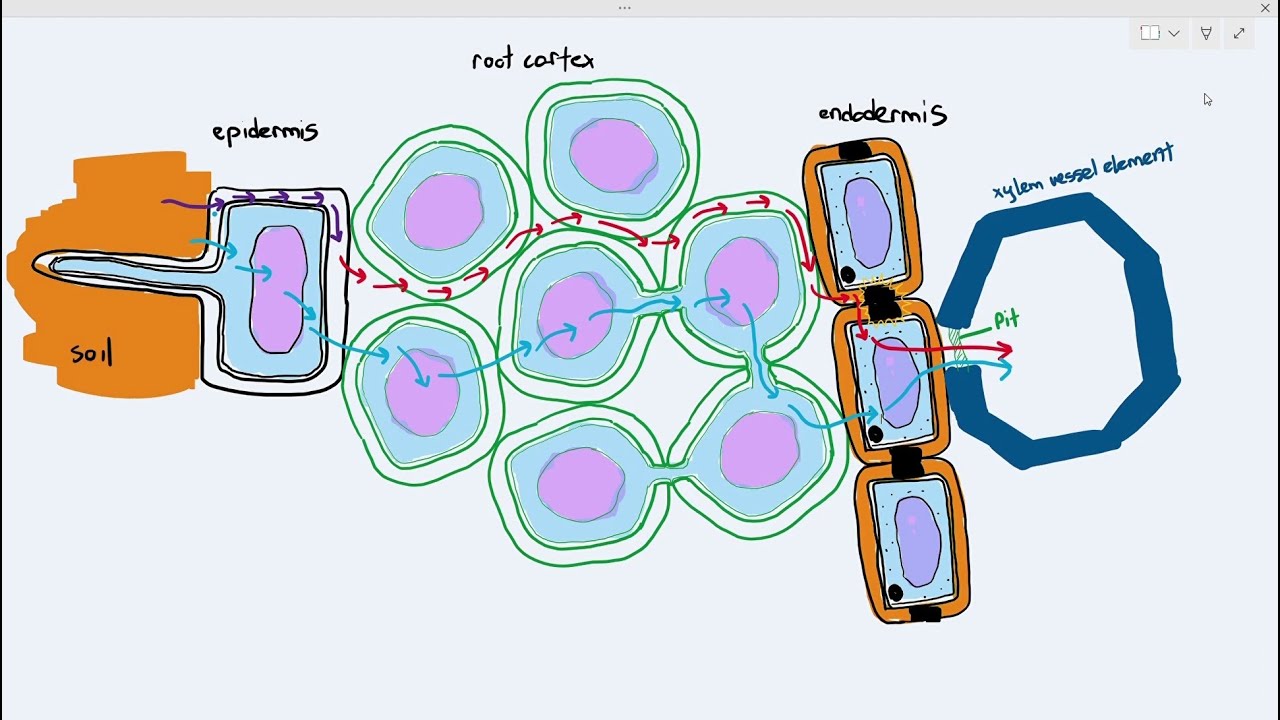
Added:Basic plant physiology, specifically the mechanisms of water and nutrient uptake through roots and transport via the xylem.
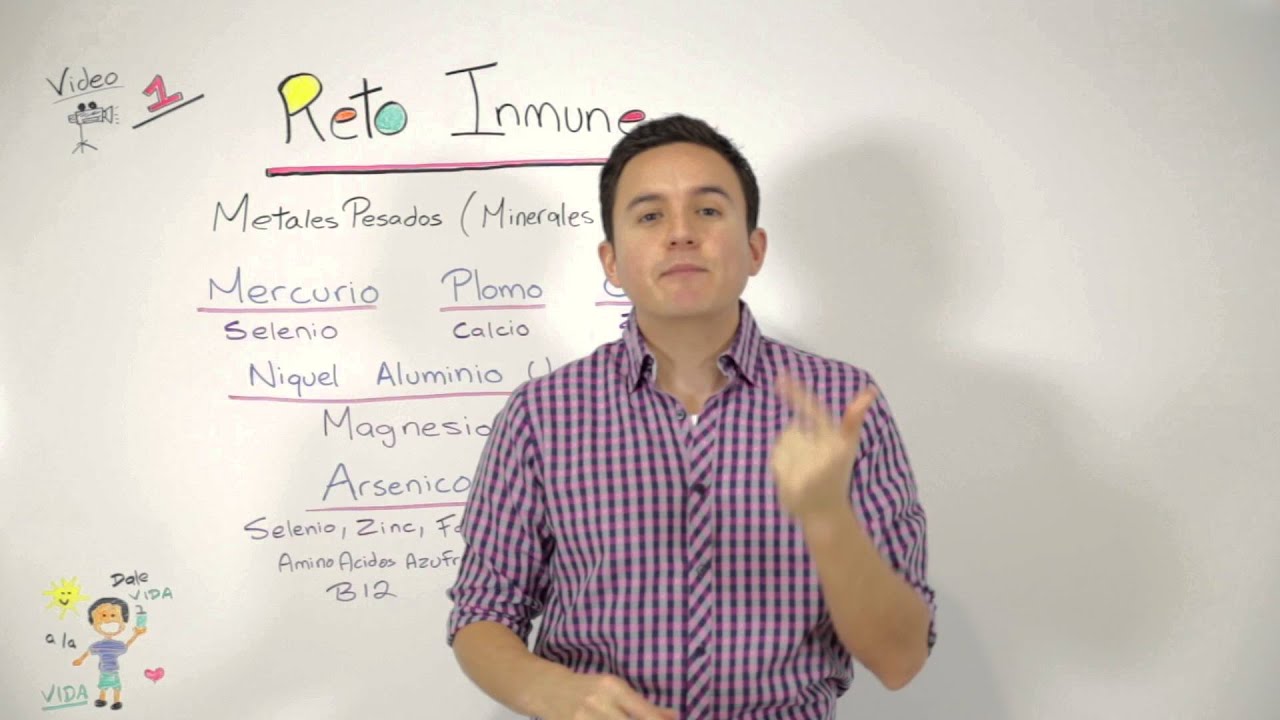
An understanding of what heavy metals are (such as nickel, cadmium, and zinc) and why they are toxic to most living organisms.
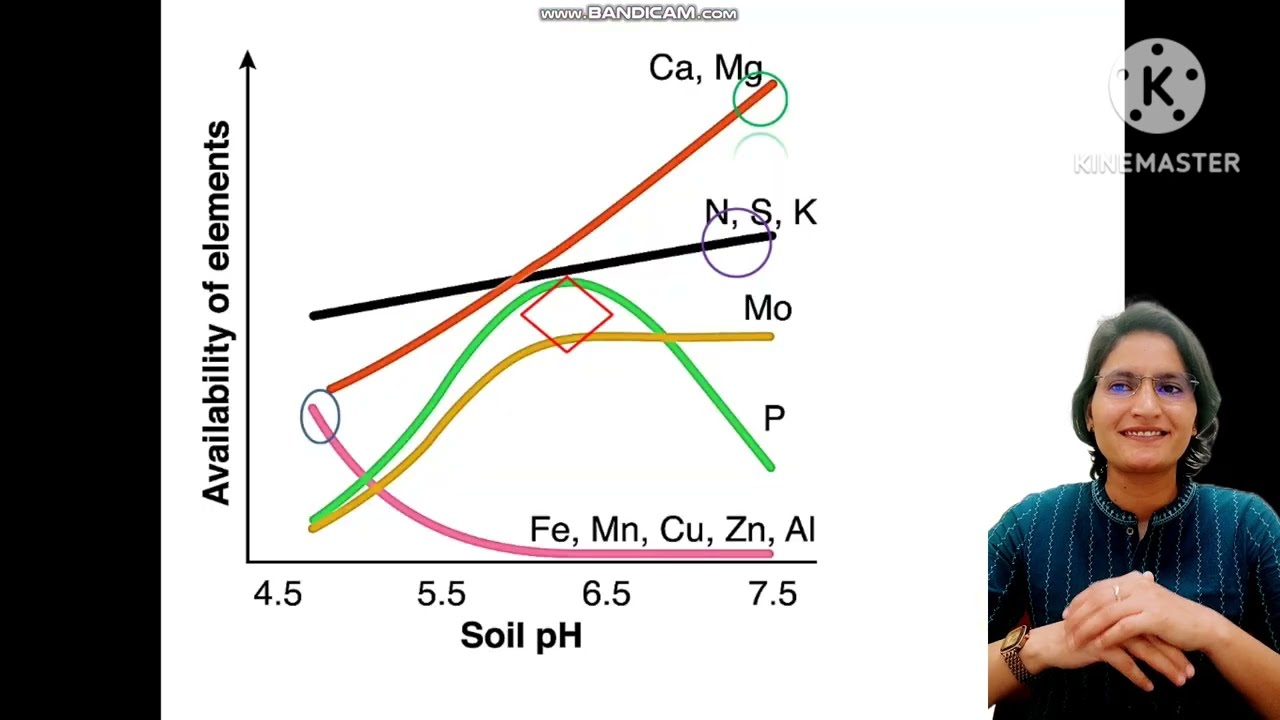
Fundamental soil chemistry concepts, particularly soil pH and how it affects the bioavailability and solubility of metal ions.
The general concept of bioremediation, which is the use of living organisms to remove or neutralize pollutants from a contaminated site.
Methods of bio-ore processing, including pyrometallurgical and hydrometallurgical techniques used to extract and purify metals from harvested plant biomass.
Genetic engineering approaches aimed at developing transgenic plants with increased biomass and enhanced metal tolerance for improved phytomining efficiency.
The economic viability and scalability challenges of phytomining compared to traditional, high-emission mining and refining processes.
Ecological risk assessment of hyperaccumulating sites, particularly the potential for heavy metals to enter the local food web through herbivores feeding on the plants.
1.3K views42likes9:15Original Release: 2022-01-18
welcome to the bio whisperer channel our topic today is on a prospective overview of the hypercumulators a class of plants that is tolerant and able to bioaccumulate heavy metals the situation as seen from the google search images on heavy metals from contaminated sources could be triggered as a result of industrialization one of the key causes is mining where water ground water and soil are contaminated our discussion will focus on a prospective overview of hyper accumulators from mining activities we see heavy metal presence in soils around mining sites after metallic or extraction some illustrated pictures include contaminated water bodies in fact the european union recognized that mining waste is one of the largest waste streams and regulations and awareness have to be enacted and raised to the responsible parties which includes businesses and the industrialized countries some of these heavy metals such as arsenic cadmium mercury lead or selenium are not essential since they do not perform any known physiological function in plants others such as cobalt copper iron and zinc are essential elements required for normal growth and metabolism of plants the accumulation where internal concentration within the plant rises to superoptimal values leads to poisoning inactivation of metabolic enzymes blocking functional groups of metabolically important molecules and disrupting membrane integrity moreover the enhanced production of reactive oxygen species due to interference with electron transport activities at the chloroplast membrane functions in light capturing process what are hyper accumulators plants that hyperaccumulate metal and metalloid trace element and these unusual yet useful plants are capable of accumulating up to hundreds or thousands of times greater than is normal for most plants being exceptional models for fundamental science to understand metal regulation these plants build on our understanding which includes the physiology of metal uptake transport and sequestration as well as evolution and adaptation in extreme environments over the past decade as well as in the future ongoing efforts to hunt for more extremely tolerant excluders in metallifer soils continues hyper accumulators distinguish themselves from related non-hyper accumulating taxa with these key hallmarks which include a strongly enhanced rate of heavy metal uptake a faster route to shoot translocation and alongside that a greater ability to detoxify and sequester heavy metals and leaves most key steps of hyperaccumulation rely on different regulation and expression of genes where examples include the constitutive over-expression of genes encoding transmembrane transporters such as members of sip hma mate ysl and ntp families plants resort to a series of defense mechanisms that control uptake accumulation and translocation of these dangerous elements and detoxify them by excluding the free ionic forms from the cytoplasm hindering the entrance of heavy metals into root cells through entrapment in the apoplastic environment by binding them to exuded organic acids or to an ionic groups of cell walls restricting the heavy metals that do enter the plant are then kept in root cells where they are detoxified by complexation with amino acids organic acids or metal binding peptides and or sequestered into vacuoles where it also restricts translocation to the above ground organs thus protecting the leaf tissues and particularly the metabolically active photosynthetic cells from heavy metal damage i would thank you for helping to share your love for this science channel by clicking the like button and subscribe for future updates with that out of the way let's continue the discussion heavy metal hyper accumulators do occur on metal rich soils in both tropical and temperate zones they are found in vegetations from regions of south africa new caledonia latin america as well as of north america and europe there is substantial fundamental interest and practical importance where hyper accumulators serve as exceptional models exploited in applied biotechnologies including phytomining and phytomediation some thoughts are also directed towards possible hyper accumulation applications in food fortification of essential nutrients and minerals elemental defense hypothesis which states that plants hyper accumulate heavy metals as a defense mechanism against natural enemies such as herbivores joint effects hypothesis heavy metals can operate in concert with organic defensive compounds leading to enhanced plant defense overall hyper accumulator plants often appear to be restricted in their distribution to metallifer soils and not in non-metalliferous soils and they are broadly split into two categories obligate hypercumulators always exhibit accumulation of some element whereas the facultative hyper accumulators do not show unusual accumulation in non-metallifer soils examples of some of the more well understood species include teres potato with up to two point three percent arsenic this you tell a layer of the gala which can accumulate more than one percent thallium phytolica americana which can accumulate more than one percent manganese respectively databasing the known species help to provide a depository of information for researchers to tap upon hyper accumulator plants reporting across academic media are widely diffused including region based and features based reporting having them centralized into a global database will provide background information for any researcher intending to investigate specific hyper species it is projected that hypercumulators alone with new discoveries will number around a thousand species though we need to make efforts to ensure that hypercumulators should also be separately categorized against metal tolerant plant species with genetic engineering of potentially useful metal tolerance traits from hyper accumulators into better and more improved variants and new species the need for the database to record genetically modified species will definitely be useful ideally such databases should provide access to data from sources that are difficult to locate it should also give details that may not have been published in the open literature there is also a constant need to monitor and update nomenclature changes and to raise awareness of the plight of many hypercumulator species that are under threat of extinction an example of such a database is the global hypercumulator database where information about the taxonomy distribution ecology collection records and analytical data are available phytomediation and phytomining of heavy metals rich soils by using plants which hyper accumulate these metals in above ground organs the harvesting of the aerial part of the plants leads to the disposal of the huge amounts of toxic heavy metals removed from the soil or to the recovery of the valuable metals taken up at the moment vital extraction with hyper accumulators is an option to decontaminate soils with low to moderate metal concentrations but not really for heavily contaminated soils at this moment another key application is to enhance selective breeding or by the transfer of metal hyper accumulation genes to high biomass species since most hyper accumulators are small plants a larger biomass would improve the phytomediation capabilities bioengineered plants tolerant to the presence of toxic levels of metals with higher efficiency can be envisioned in the future phytomining which is a subset of phytomediation can be extended to recover marketable amounts of metals from plant biomass or mineralized soil for revenue commercialization of phytomining using high biomass hyper accumulator plants depends essentially on the metal concentration of the plant its annual biomass production and the world price of the target metal embedding genetic resources to develop engineered plants with enhanced nutritional value for improving public health fortified foods including mineral deficiencies i would thank you for helping to share your love for this science channel by clicking the like button in subscribe for future updates
Up Next

20:14
Bioremediation: Types, Applications, and Future Prospects
@Vidyamitra
107 views•2017-03-23
20:32
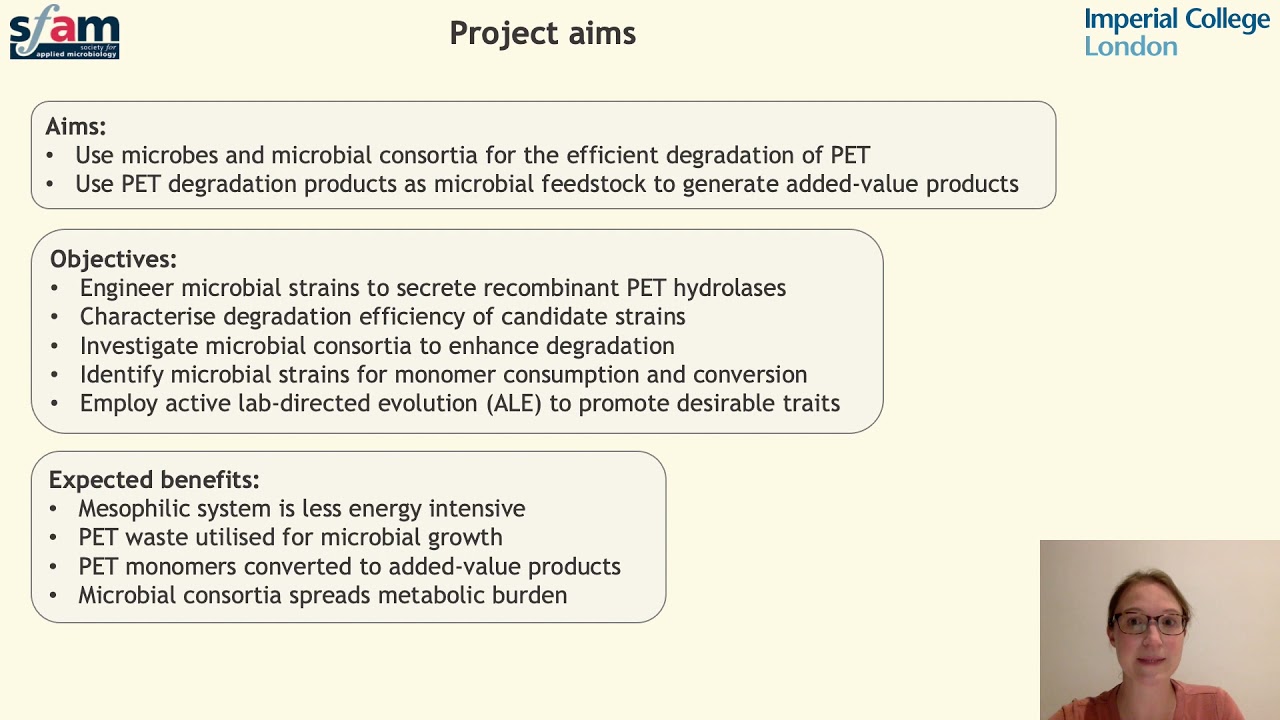
Microbial Degradation and Upcycling of PET Plastic | Research Talk
@appliedmicrobiology
1.5K views•2021-10-18
23:33
Microbial Degradation of Plastics: Biodegradation Pathways & Sustainability
@majeedhammad
2.9K views•2021-04-11

16:04
CRISPR and Genetic Engineering: How Gene Editing Works and Why It Matters
@kurzgesagt
30.5M views•2016-08-10
Related Study Plans & Knowledge Roadmaps
Structured learning paths in Biotechnology
biotechnology
PETase Evolution: Library Design & Kinetics
01Foundations of Enzymes and Plastic Biodegradation
02Recombinant Protein Expression in E. coli
03Directed Evolution and Mutant Library Generation
+ 3 more learning modules
36h6 modules
Explore Roadmap
biotechnology
AAV Production: Transfection, Prep & qPCR
01Introduction to Gene Therapy and AAV Biology
02Mammalian Cell Culture: Suspension HEK293 Cells
03Upstream Bioprocessing: Triple-Transfection Optimization
+ 2 more learning modules
18h5 modules
Explore Roadmap
biotechnology
Building Gut-on-a-Chip: PDMS, Cells & TEER
01Foundations of Microfluidics and Gut Anatomy
02Cleanroom Fabrication & PDMS Soft Lithography
03Epithelial Cell Culture and On-Chip Seeding
+ 2 more learning modules
26h5 modules
Explore Roadmap
biotechnology
Optimizing CFPS: E. coli Extract & Yield
01Fundamentals of Molecular Biology and Translation
02Introduction to Cell-Free Protein Synthesis (CFPS)
03Preparing E. coli Crude Lysate (The Extract)
+ 2 more learning modules
19h5 modules
Explore Roadmap