






















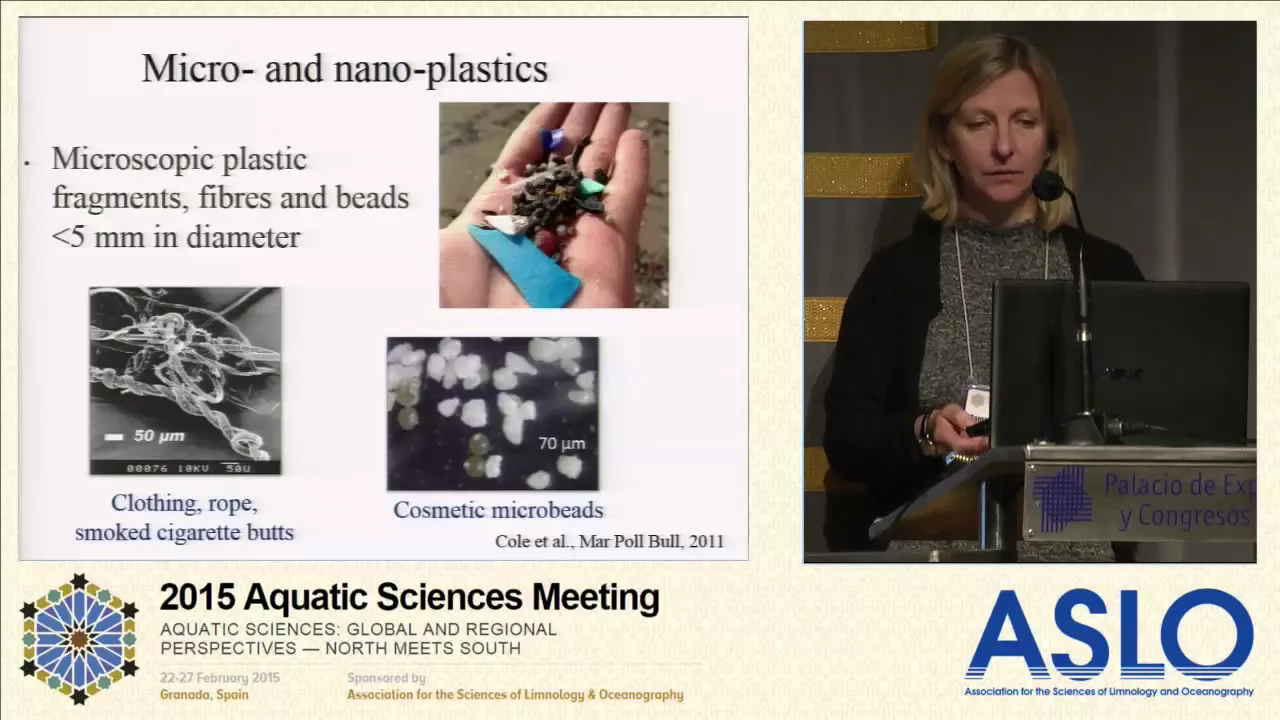

Microbial degradation of plastics is a biodegradation process where microorganisms (bacteria and fungi) break down synthetic polymers through enzymatic hydrolysis, converting them into water, carbon dioxide, and biomass. The process involves three main mechanisms: aerobic biodegradation (using oxygen as electron acceptor), partially aerobic biodegradation, and anaerobic biodegradation (using alternative electron acceptors like nitrate or sulfate). Key factors affecting biodegradation include polymer characteristics (molecular weight, crystallinity, hydrophobicity), morphological properties, and the presence of breakable chemical bonds. Common microorganisms involved include Pseudomonas, Bacillus, Aspergillus, and Rhizopus species. Biofilm formation enhances degradation efficiency by facilitating nutrient bioavailability and metabolic interactions. This process offers a sustainable alternative to physical and chemical methods for plastic waste management, enabling complete mineralization of plastic materials.
Microbial Degradation of Plastics: Biodegradation Pathways & Sustainability
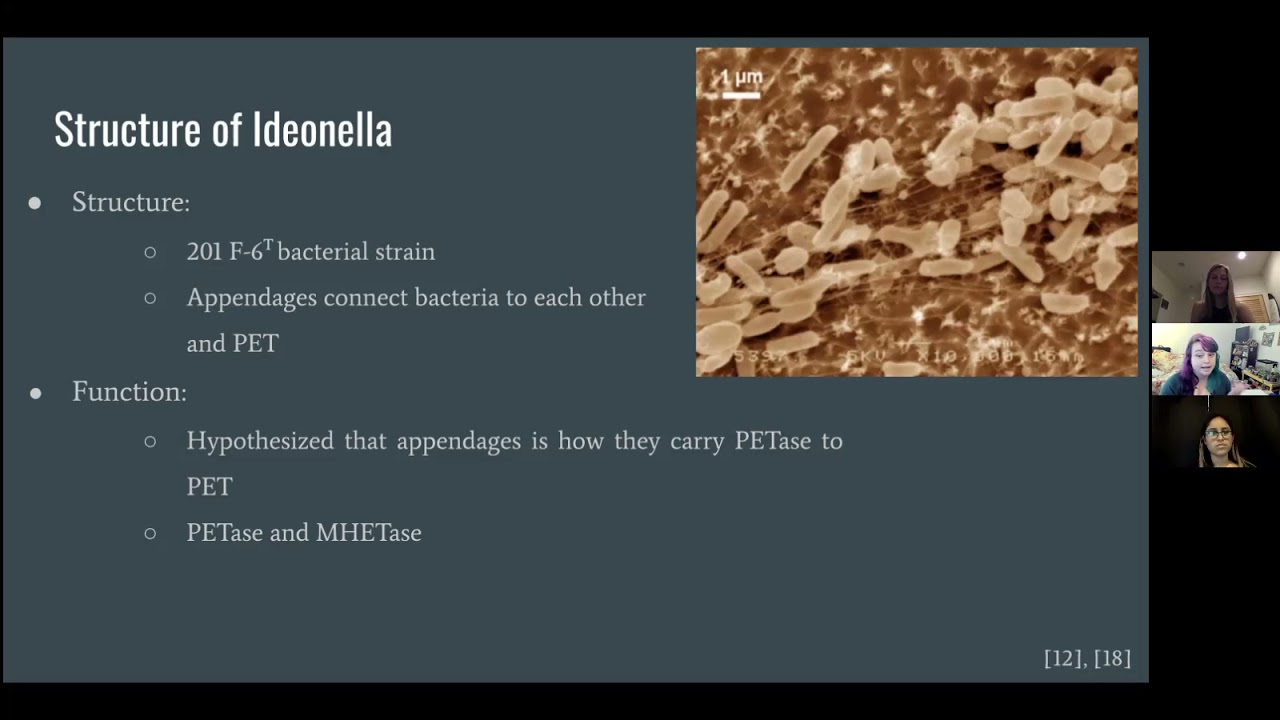
Added:today my topic of presentation is microbial degradation of plastics in this topic we shall see biodegradation of plastic mechanism factors affecting biodegradation mechanisms involved in degradation plastic degradation pathways in bacteria bathroom forming microbes involved in degradation plastic biofilm interaction bioremediation and country first of all we see what is plastic the word plastic refers to a series of polymeric synthetic polymer made up of chain of carbon based monomers plastic or wide range of synthetic or semi-synthetic materials that use polymers as a main ingredient the mic global market for plastic is growing continuously since their mass production started around the 1950s but the petroleum-based plastics has gradually occupied almost every area of human life a recent statistical amount statistical study estimated that humankind has so far produced tremendous amount of plastic over 8.3 newtons lack of degrability and the closing of landfill sites as well as growing water and inclusion problems has led to the concern about plastics with the excessive use of plastics and increasing pressure being placed on capacities available for the plastic waste disposal the need for biodegradable plastics and the biodegradation of plastic waste has assumed increasing importance in the last few years if we talk about plastic there are two types of plastic first one is biodegradable plastics which are composed by the action of living organisms usually microbes into water carbon dioxide and the biomass and the second one is petroleum-based plastic which can be produced by crude oil natural gas and petroleum which can be said as a synthetic plastic over the last few years the need for bio degree biodegradable plastics has led to the extended significance due to extreme use of plastic and increasing pressure being positioned onto the head capacities for plastic waste disposal lack of degrability and the closing of landfill sites as well as growing water and land pollution problems has caused this restoration about the plastics plastics are causing great difficulty in an environmental problem and subsequently this desires manufacturers to synthesize materials that don't have an impact on the environment the use of microorganism in the surrounding uh to multiply the the molecular shape of plastic material to produce an inner human slight material and this is the much less dangerous to the surrounding furthermore expertise the interaction and the biochemical uh adjustment so that they undergo are tremendously essential the next one is biodegradation of plastic plastic biodegradation is actually the process of changing properties such as tensor strength and shape color uh chemical structure molecular weight etc uh this process involves the enzymatic and non-enzymatic hydrolysis of microorganisms especially bacteria and fungi in the microorganism biodegradation is necessary for water soluble eye water invisible polymers because they eventually enter streams which can then neither be recycled or incinerated it is important to consider the microbial degradation of plastic and synthetic polymer in order to understand the which is necessary for biodegradation and the mechanism involved this basically requires the uh you can say understanding of interaction between material and the microorganism and the myo biochemical changes involved while separate studies on the biodegradation of plastic has been carried out in order to overcome the environment the problems associated with the synthetic plastic waste ways for biodegradation there are really three ways we use in the process of biodegradation plastics are generally biodegradable aerobically in nature and aerobically in sediments and landfills and partially aerobically compost and soil if we talk about aerobic biodegradation which is also known as aerobic respiration and is most important part of natural reduction of contaminants in many hazardous waste style aerobic microbes use oxygen as a electron acceptor and break down organic chemicals into smaller organic compounds with carbon dioxide and water as a bipod in partially aerobic biodegradation this moves less oxygen and it produces more bio product along with water and carbon dioxide anaerobic bio degradation is the decomposition of organic contaminants by using microorganisms with the absence of oxygen and is likewise the crucial component of the nature reduction of the contaminants at dangerous waste sites some aerobic bacteria use nitrate sulfate manganese iron co2 as the electron their electron receptor to interact down organic chemicals into smaller compounds likewise as if we see the anaerobically breakdown of plastic it decomposed to methane carbon dioxide water and carbon residual plus palmas these are the ways for and by degradation of plastic and the next one we see mechanism of biodegradation microorganisms are not able to move the polymer without delay through the outer cellular membranes into the cell which of the in which most of the biochemical processes take place since polymer molecule and are long and no longer water software in this mechanism uh we see uh in the number of biodegradation level the extra cellular enzyme secreted by the organism inflicting the primary chain to claim leading to the formation of low molecular weight fragments like oligomers monomers diamonds these are low molecular weight compounds which can be further utilized by microbes as the as a carbon asset uh small oligomers might also diffuse into organism and get assimilated into their environment so there are some steps of mechanism of biodegradation of plastic first one is attachment of microorganism on to the surface of polymer the second one is uh growth microorganism using the polymer as a carbon source third one is ultimate degradation of polymer as i have explained before once the organism attached uh to circle it grows the usage of polymer and its carbon supply and then into the process of uh it secretes some enzyme which you break down and the dead polymer and thus ultimate degradation of polymer happens negative factors affecting the biodegradation biodegradation is governed by mean of different factors that consist of polymer characteristic type of organism and the nature of the nature of chemical and physical homes of plastic player crucial in their biodegradation side chain ionic polymers are tough to degrade while in the comparison to polymer without cycling it has been seen that uh it needs to be saved in the thoughts that polymer with excessive molecular weights are difficult to degrade the other factors worried within the degradation of polymer arthur morphology melting temperature and degree of crystallity if the polymer is amorphous then it will be degraded without difficulty as compared to crystalline polymer polymer with excessive melting temperature are also hard to biodegrade okay next uh when we see the five uh most important eight characteristic which essentially determine the biodegradability of the polymer the first one is hydrophobicity the availability of uh can a functional group that increase hydrophobicity uh hydrophilicity of electro degradation is faster than the hydrophobic as we know the second one is molecular weight and density of the polymer low d and lower degrades faster than the higher one the third one is the morphology of polymer plastic they depend on the amount of the crystalline and morph uh first degrees faster than the crystalline so the fourth one is structural complexity such as linearity or the presence of branching in the polymer first one is the presence of essentially breakable bonds such as asteroids are amino bond amide bonds chin coupling uh like ester to ether to amide and then to urethine so the next one is the molecular composition the seventh one is the nature and physical form of the polymer films like films palettes powder are fibers so the last one is hard and soft women degrade faster than the harder one so the next uh slide is microorganism involved in degradation there is a lot many organisms which are involved and have mechanism to delete and large and complicated hydrocarbons into simple biomolecules here we mostly talk about bacteria and fungi from species of bacterium fungi and then species include ground negative streptococcus structural focus and microfocus and in gram positive this includes more oxidation etc and in the uh fungal based species of fungus the region is included basically asparagus with then further include asparagus glappers and especially uh in addition bacillus the eutropha as you vector and holy species are also involved in this breakdown methods plastic degradation pathways in bacteria synthetic polymers serve as a nutrient as a carbon and energy source for hydrograph such as fungi and bacteria in many ways [Music] and it basically includes polyethylene type of slate polyurethane polystyrene low density polystyrene ethylene high density polyethylene commonly found in the agriculture soils as microplastic when microbes don't get into contact with plastic oxygen and ultraviolet radiation these are the most crucial determinants that initiate the chain reaction in the carbon-carbon backbone shorter polymer fragments or oligomers generated during the process of respectively to get attacked by microbes therefore ebiotic biodegradation is proceeded over the biodegradation uh synthetic polymers are such as homo hydroquinone which may contain same kind or different kind of movement the degradation position is achieved by the microbe having different bond cleavage and enzymatic activity thus the microbial or take on the polymer surface can be direct or indirect in the direct mechanism microbes attack and degrade the polymer for its nutrition and growth on the contrary in the indirect micronesia metabolic products produced by the microbes degrade are deteriorated it occurs in a consecutive era where physical and chemical traits of the polymer are alternated like bio deterioration followed by the enzymatic plate fragmentation then assimilation and the mineralization here so we they see the two pathways in metabolic activity the first one is the natural metabolic pathway people use in diameter are many mainly employed in plastic degradation extracellular enzyme are secreted by microorganism which clears complex polymers to their corresponding monomers and diamonds they generally undergo hydrolytic cleavage in the pyroplastic space and the cell membrane if we go in detail in the natural metabolic pathway we see that when the enzymatic activity involved they are further exploited as carbon and energy sources by the intracellular enzyme oligomers can be directly internalized and presumably with the ida bioinfected surfactants produced by the microbes thus entering better beta radiations can be further healed by the abiotic processes before internalization biosurface surfactants skin are produced during biofilm formation alternately these the monomers can also undergo subsequential degradation into the common metabolic polite of the tca cycle and enter into the central carbon metabolism it has been important that the appearance of acetyl aldehyde prior weight to vinyl muconing to phenyl at hanoi during during the biodegradation of styrene these compounds are further metabolized to phenyl acetyl coenzyme a and thus enter into the central uh carbon metabolism are the tricarbolic tca which is also known as tca cycle next one is the uh engineered pathway during the degradation of a homophobic classic material one kind of monomer is being produced which either undergo the better or beta oxidation or the tca cycle like generally the complete degradation pathway genes are complemented by unchanging different bacterial species additionally a european website has revolting before during the pet degradation association by synthesize an enzyme which hydrolyzed the polymer to yield that tetra plate uh and ethylene glycol are two principal monuments that is the first step of the biodegradable degradation of engineered pathway polymer harboring hydrocarbon chain are degraded by uh different enzymes commonly termite polymerase uh strained right from the commoners enzyme and the other other different enzyme is a toxic they are toxic molecules that are related to this enzyme consequently this duties lies by a root dioxin is to utilize these two as a nutrient source the such that is detoxifies that enzyme and the byproducts and then accept this the uh less harmful products is produced along with the carbon dioxide in the water by product the next one is biofilms forming microbes in degradation as we have talked about bacteria and there before that they are basically involved in the degradation of plastic microbial community accumulate on the solid surface therefore by forming the biofilm here first we see about the bacteria so around 90 a microbial genera was reported to degrade plastics microbial community composition wires in region it has been suggested the environment of pseudomonas and this uh rhodopus species along with fungal strain which has can be used exactly there are many uh species which are used in this process here we see some species and their action on the different polymers like uh gloss radium but only and we checked on pcs framing which act on php physical and pbs like poly butylene succinate and sudamnas which act on again and it includes different firemen then pseudomonas and which include it's three different more general which again act on polyhydroxyl cannot etc these are some species of the bacteria which has been uh involved and the next we see the fungi a fungi infrared basically include the asparagus nuclear and syrian species and accept this it also include uh uh rhizobal species and fusarium which can act on pci and php and pbs these are some fungus species which act on the polymer in different way like the bacteria has been acted on the polymer it is pointed that the fuel resistance which another fungus which is the eroded surface and after their attachment the next one is plastic biofilm plastic interaction plastic was absorbed by inorganic ions and molecules which promote the microbial attachments you test microbes initiate hydrophobic interaction upon its contact with the polymer surface uh it is the observed at the elevated bacterial numbers on pvc and polyethylene then stainless steel which they speculated to the leashing of the tips of the as a possible nutrient source polycyclide and the nucleic acids of eps created by the initiator organism adhere to the film are known to be relatively sticky which are conditioned to fill them it facilitates the colonization for the other organism uh furthermore file conditioning customized community colonization by governing material special surface attributes resulting in the leaching of carbon compounds so the last one topic is bio remediation one of the most recent ways to dispose plastic waste is biolamination which is the removal of polluting substances from an area for the microorganism while recycling and using bioplastics can be efficient method to prevent waste from being landfills parametric can solve the problem some environment that are already putting microbial degradation can be studied in various way of which one can lead to a different desserts and has its own phones and con and the productivity of experiments and the reliability of the regular here i have written two terms polyurethane and fungi and pet and bacteria if we talk about the first one from poli the european and the endocrine fungi here is some report in 2008 a group of researchers from the yar university tested the ability of various organisms to degrade polyurethane 59 endophytic fungi were grown in the pur medium like pony writing medium in the first asset 18 of these organism produces a hollow of clearance on the surface of the growth medium therefore they had been screened in other assets okay in the first one all 18 fungi could further examine in other essence these other experiments showed that the microscore and the other genera of microscope are the quickest to degrade them uh p r as the soul carbon source in the liquid cultures and the only the two that are able to grow in the anaerobic conditions as uh with patent bacteria if we talk about this as the as with polyurethane various studies has been carried out about the microorganism which can degrade polyethylene tetrastate in 2018 one of the most significant um experiment was performed uh by and dr yoshida and his team whose uh screening 250 classic samples to identify degrading microorganisms in this way they discovered a new specie which was able to degrade a film of 0.31 milligram per cubic meter in per day so the biofilm community next one is conclusion in conclusion we see the microbial degradation is better than the physical and the chemical methods at the degradation pathway led to the complete degradation and mineralization utilization of molecular techniques to detect specific groups of microorganisms involved in the regression process without a better understanding budget biological community play a significant role in modifying the physiochemical properties and degradation of plastics as biofilm offers bioavailability of nutrients ensuring of metabolism without the accumulation of metabolic products resulting in the increased cell with viability and degradation efficiency so at the end i want to say that however biodegradability depends upon the microbial biofilm community and the characterization of efficient plastic dehydrating micro at the molecular level is still not available so the researcher it could be focus in the field of genomics and proteomics which could speed up the degradation that's all about my topic thank you very much
Up Next
CRISPR-Cas9 Genome Editing: Mechanism & Applications
@McGovernInstitute
4.4M views•2014-11-05
Quantitative Real-Time PCR (qPCR): Principle, Method & Data Analysis
@animatedbiologywitharpan
129.2K views•2023-09-06

Non-Homologous End Joining (NHEJ) | DNA Double-Strand Break Repair Animation
@OUPAcademic
319.8K views•2014-04-11
CRISPR and Genetic Engineering: How Gene Editing Works and Why It Matters
@kurzgesagt
30.5M views•2016-08-10
Related Study Plans & Knowledge Roadmaps
Structured learning paths in Biotechnology