AAV Production: Transfection, Prep & qPCR
Learning Goal: Designing and validating an adeno-associated virus (AAV) vector production process in suspension HEK293 cells, covering triple-transfection optimization, downstream purification via density-gradient ultracentrifugation, and qPCR-based physical titering.
- Prerequisites: Familiarity with basic molecular biology (replication, transcription, translation), fundamental laboratory pipetting skills, and introductory genetics concepts.
- Estimated Total Study Time: 18 Hours
Module 1: Introduction to Gene Therapy and AAV Biology
Overview
This module introduces the basic concepts of gene therapy, establishing how DNA/RNA function as therapeutic drugs. You will learn the structural and genomic biology of wild-type Adeno-Associated Virus (AAV) and how recombinant AAV (rAAV) is designed to serve as a non-pathogenic delivery vehicle.
Recommended Videos
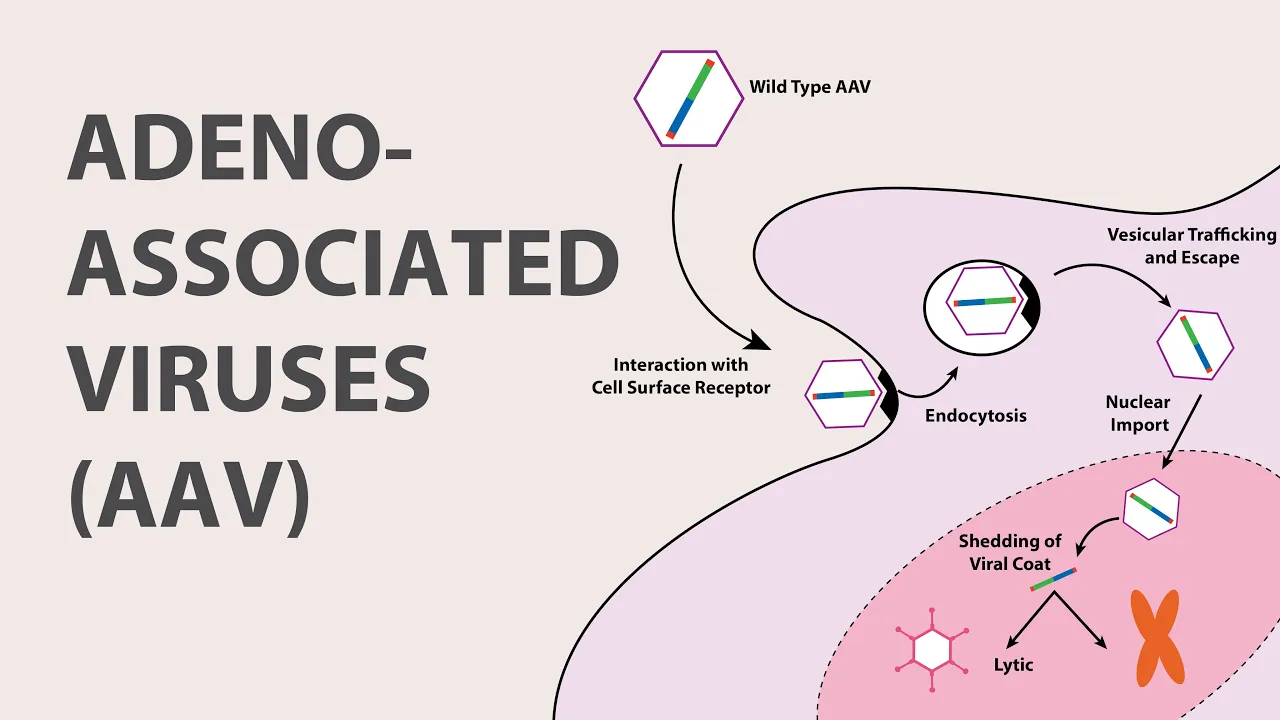
- Why this video is valuable: It provides a clear, high-level structural and genomic overview of AAV. You will learn the differences between wild-type AAV and recombinant AAV, focusing on how the rep (replication) and cap (capsid) genes are replaced with a transgene of interest to construct a safe clinical vector.
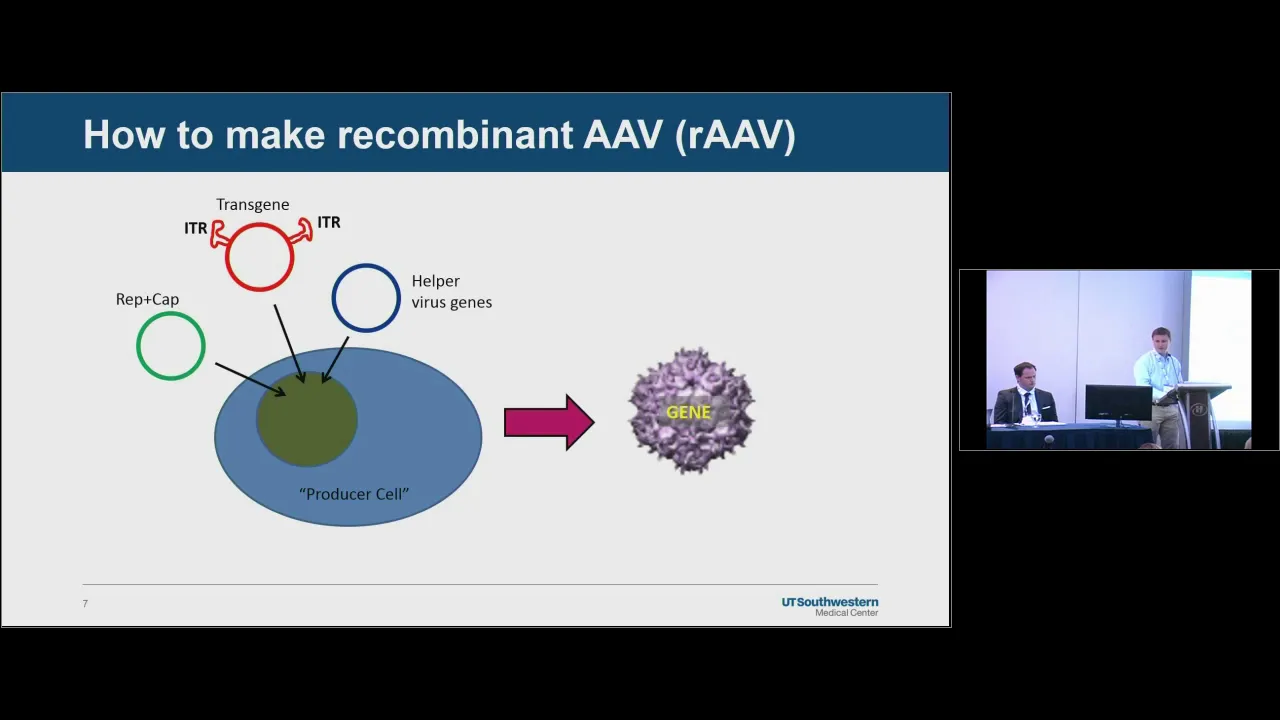
- Why this video is valuable: Presented by the American Society of Gene & Cell Therapy (ASGCT), this lecture goes deep into vector engineering. It reviews how the single-stranded DNA genome with its self-priming Inverted Terminal Repeats (ITRs) acts inside target host cells and why AAV requires a helper virus (like Adenovirus or HSV) for replication.
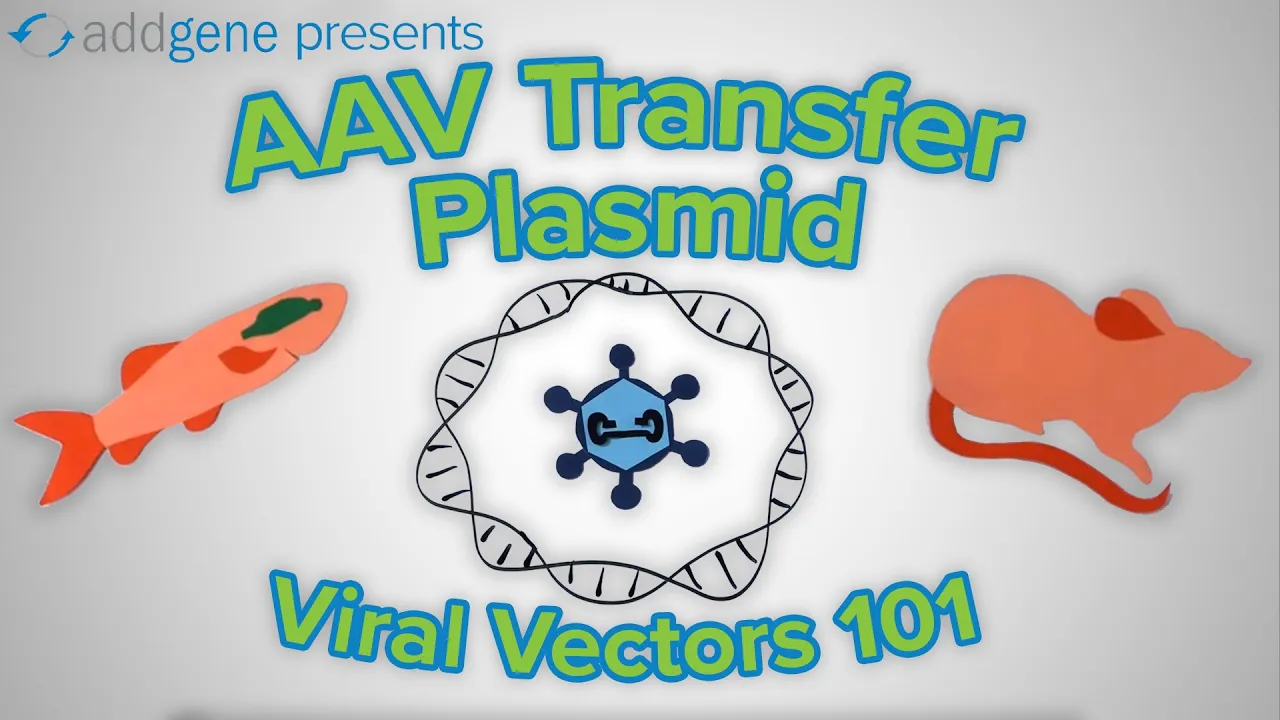
- Why this video is valuable: Focuses directly on plasmid design. You will understand the crucial promoter-transgene-polyA cassette flanked by the 145-nucleotide ITRs, which are the only viral elements retained in the recombinant AAV transfer plasmid.
Knowledge Checkpoint
- Describe the structural role and sequence significance of the 145-bp Inverted Terminal Repeats (ITRs).
- Distinguish between wild-type AAV replication dependency and recombinant AAV (rAAV) replication incompetence.
- Identify why the deletion of rep and cap from the transfer plasmid prevents the vector from replicating after delivery into patient tissue.
Module 2: Mammalian Cell Culture: Suspension HEK293 Cells
Overview
Biomanufacturing at scale requires transitioning from adherent cell culture monolayers to high-density suspension systems. This module focuses on maintaining, monitoring, and scaling HEK293 cells in chemically defined, serum-free suspension formats.
Recommended Videos

- Why this video is valuable: An excellent baseline tutorial showing sterile handling, biosafety cabinet (BSC) organization, cell counting using a hemocytometer, and cell viability calculations, which are fundamental to managing any mammalian culture line.
- Why this video is valuable: A highly industrial webinar focused on adapting and optimizing HEK293 suspension cells for gene therapy. It covers critical parameters like shake flask agitation speeds, CO2 concentrations, and vessel orbit diameters needed to maintain viability and prevent cell clumping at high densities.

- Why this video is valuable: This brief excerpt illustrates how suspension-adapted HEK293 lines are grown in serum-free, chemically-defined media to achieve high densities (10–15 million cells/mL), which is critical for maximizing viral vector yields per unit volume.
Gap Coverage & Self-Directed Learning
⚠️ Practical Gap Acknowledgment: While the videos cover standard cell counting and scaling strategies, they do not show a physical, step-by-step demonstration of subculturing (passaging) suspension cells in shaker flasks at the lab bench.
To fill this gap, independently search YouTube for: "HEK293 suspension cell culture protocol shaker flask" to observe hands-on flask seeding, media changes without centrifugation, and clumping mitigation techniques.
Knowledge Checkpoint
- Calculate cell density and viability using trypan blue exclusion with a hemocytometer.
- List the primary environmental parameters (agitation speed, orbit diameter, CO2 percentage, temperature) required for optimal HEK293 suspension culture.
- Explain why serum-free, chemically defined media is preferred over serum-containing media for clinical AAV manufacturing.
Module 3: Upstream Bioprocessing: Triple-Transfection Optimization
Overview
This module explores upstream bioprocessing, focusing on the transient triple-transfection process. You will learn the mechanical roles of the three plasmids and transfection reagents (like Polyethylenimine or PEI) and how to optimize ratios to achieve maximum viral assembly.
Recommended Videos

- Why this video is valuable: An outstanding, comprehensive step-by-step wet-lab tutorial showing transfection setup specifically for AAV2 production in HEK293 suspension cells. It covers cell preparation, transfection reagent formulation, and incubation.

- Why this video is valuable: This brief lecture clip breaks down the specific names and roles of the three plasmids: (1) Transgene/ITR plasmid, (2) Rep/Cap plasmid, and (3) Helper plasmid (providing Adenovirus elements E2A, E4, and VA RNA) that are co-transfected to produce functional AAV.
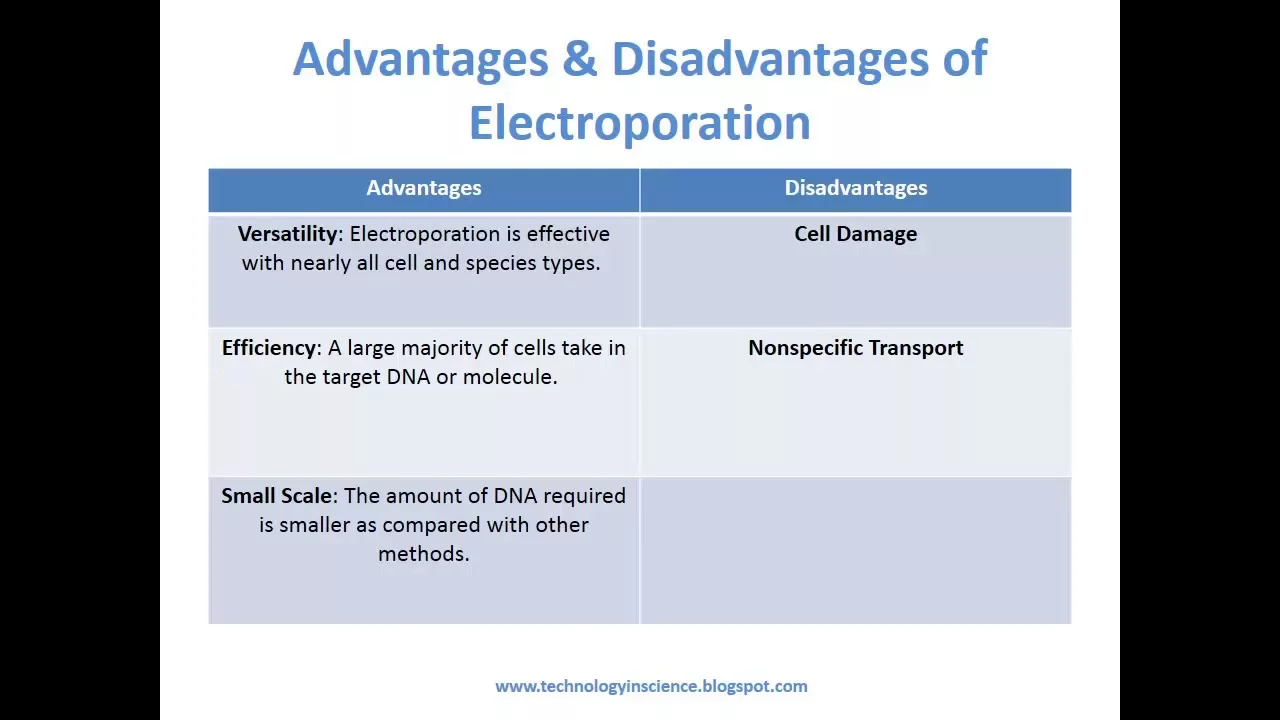
- Why this video is valuable: Focuses on the physical and chemical mechanics of transient transfection, comparing lipid-mediated transport, electroporation, and chemical precipitation. It provides invaluable optimization steps to maximize cell viability post-transfection.
Gap Coverage & Self-Directed Learning
⚠️ Practical Gap Acknowledgment: The standard video pool lacks detailed animations or visual protocols explaining how to calculate and optimize the specific stoichiometric ratios of the three plasmids (e.g., 1:1:1 or 1:1:2 ratios of Transfer:Rep/Cap:Helper) to prevent the generation of empty, non-functional viral capsids.
To fill this gap, independently search YouTube or scientific literature for: "AAV triple transfection plasmid ratio optimization PEI" to understand how to adjust plasmid molar ratios and PEI-to-DNA nitrogen-to-phosphate (N:P) ratios.
Knowledge Checkpoint
- List the three plasmids required for transient transfection and detail the exact function of each component.
- Describe how PEI condenses plasmid DNA into positively charged complexes to facilitate cell entry via endocytosis.
- Explain the consequences of transfecting cells at an excessively high DNA-to-cell ratio on cell viability and the proportion of empty capsids.
Module 4: Downstream Bioprocessing: Harvest and Ultracentrifugation
Overview
Once AAV is synthesized inside host cells, the downstream challenge is harvesting the virus, lysing host cell membranes to release intracellular particles, and separating therapeutic (full) capsids from cellular debris and empty capsids. This module covers physical harvest and density-gradient ultracentrifugation.
Recommended Videos
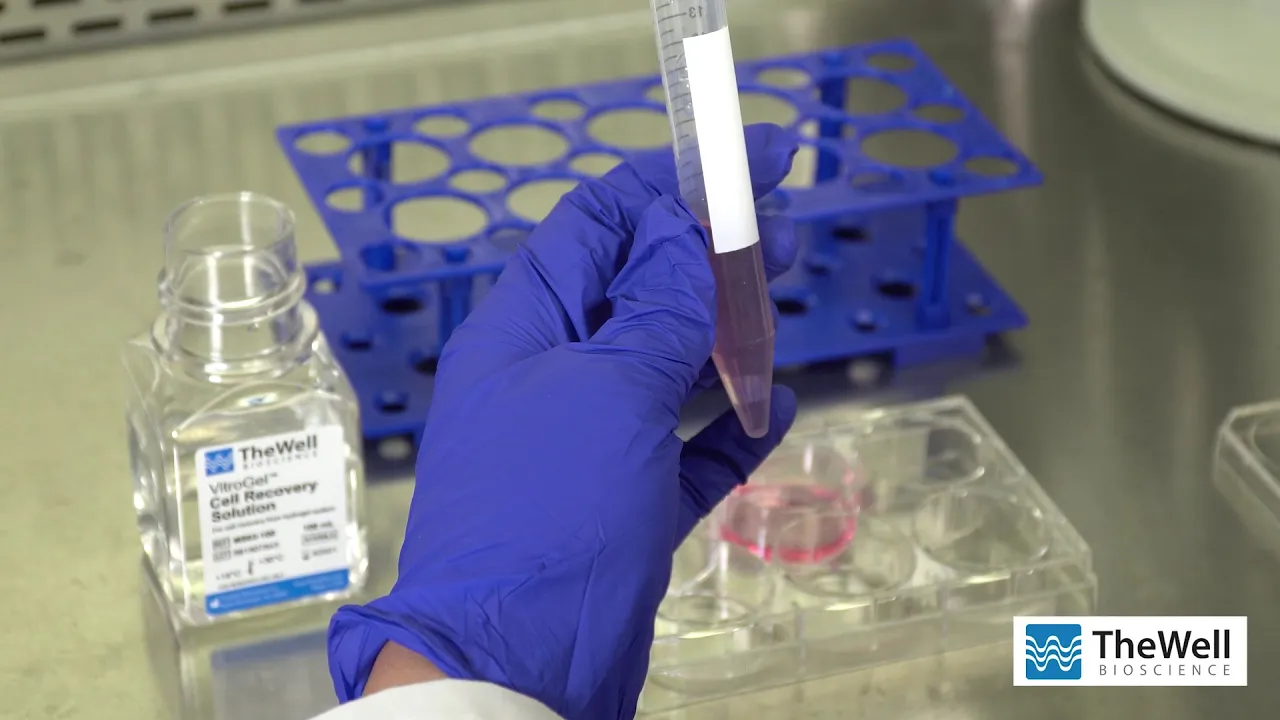
- Why this video is valuable: Demonstrates practical harvesting of HEK293 suspension cells. This serves as a quick visual baseline for handling high-density cultures before chemical lysis.
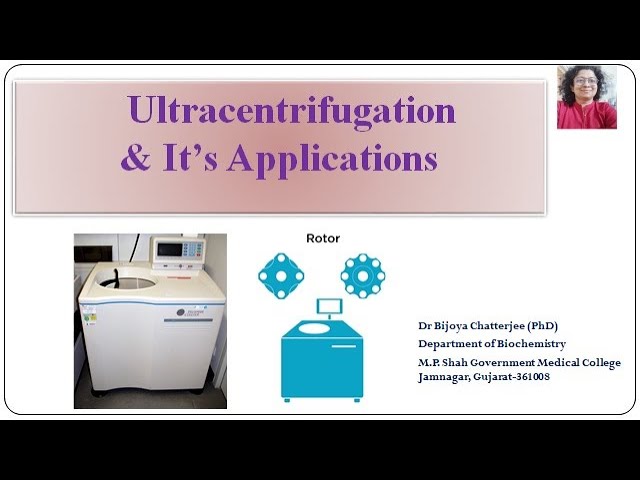
- Why this video is valuable: This video details the intense physical mechanics behind ultracentrifugation, explaining the physics of centrifugal fields, sedimentation coefficients, and rotor selection (fixed-angle vs. swinging-bucket) required to spin down viral particles at forces up to 500,000g.
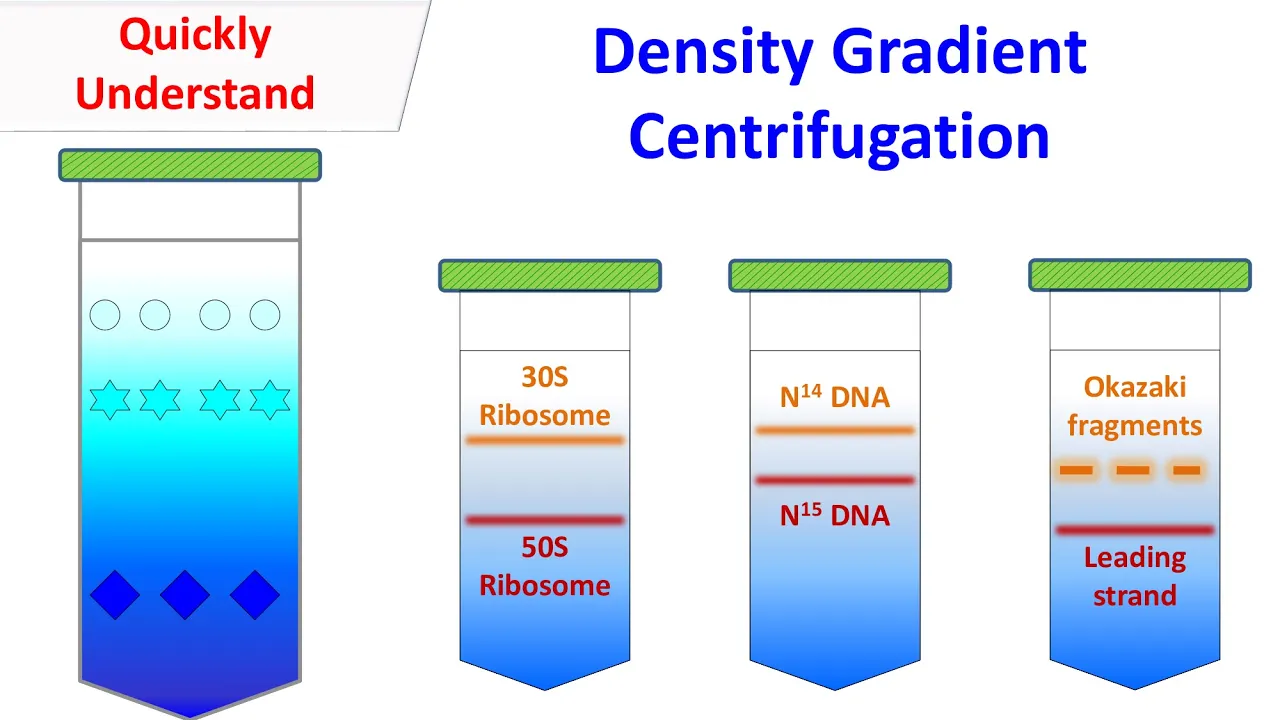
- Why this video is valuable: Clarifies the core difference between simple pelleting centrifugation and density-gradient separation (isopycnic centrifugation), demonstrating how biological nanoparticles migrate through gradients until they reach their matching buoyant density (equilibrium).
Gap Coverage & Self-Directed Learning
⚠️ Practical Gap Acknowledgment: Standard videos outline general density-gradient concepts (like sucrose or CsCl) but lack a practical, hands-on demonstration of pouring, loading, and fraction-recovering a discontinuous Iodixanol gradient (typically 15%, 25%, 40%, and 60% steps) which is the industry standard for AAV purification.
To fill this gap, independently search YouTube or JoVE (Journal of Visualized Experiments) for: "Iodixanol density gradient preparation AAV purification" to observe how the gradient is built from bottom to top and how fractions are recovered using needle-puncture extraction.
Knowledge Checkpoint
- Explain how cell lysis is achieved physically (freeze-thaw cycles) vs. chemically (using detergents like Triton X-100 or Tween-20).
- Describe why empty AAV capsids (without packaged DNA) have a lower buoyant density than full AAV capsids.
- Calculate the centrifugal force (-force) when given the rotor radius () and revolutions per minute (RPM).
Module 5: Analytical Validation: qPCR-Based Physical Titering
Overview
In this validation module, you will learn how to measure the concentration of packaged viral genomes (vg/mL) using Real-Time Quantitative PCR (qPCR). Crucially, you will master the preparatory enzymatic steps—specifically DNase I digestion—to eliminate contaminating plasmid DNA, ensuring you only titer functional, encapsulated genomes.
Recommended Videos
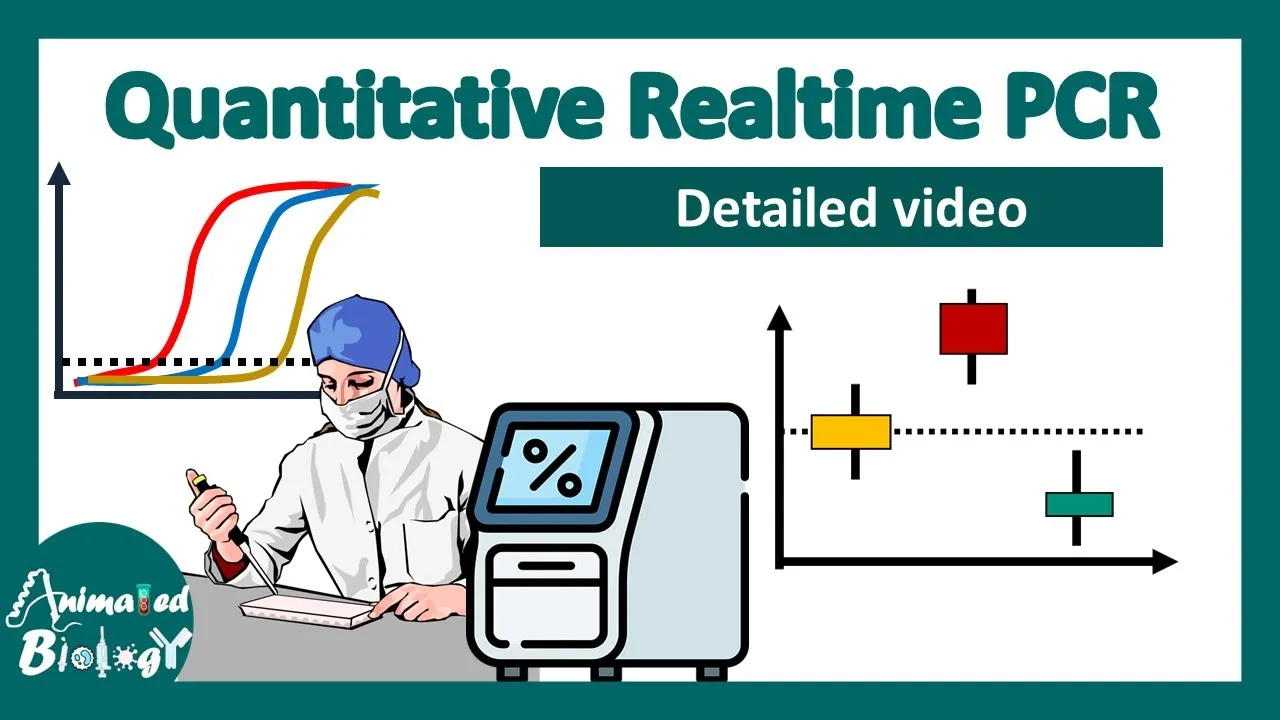
- Why this video is valuable: A masterful explanation of real-time PCR physics, showing how fluorescent dyes (SYBR Green) and sequence-specific fluorogenic probes (TaqMan) allow physical quantification of amplicon accumulation cycle-by-cycle.
- Why this video is valuable: This brief practical video demonstrates the exact execution of a DNase I digestion reaction protocol (mixing target sample, DNase I enzyme, reaction buffer, and water, followed by incubation). This is the key step used in AAV sample prep to digest non-packaged plasmid DNA before lysing capsids to release the viral genome.

- Why this video is valuable: Teaches you the mathematics of absolute quantification. You will learn how to plot a standard curve using plasmid DNA dilutions of a known copy number, find the slope, calculate PCR efficiency, and convert AAV sample cycle threshold (Ct) values into a physical genome titer (vg/mL).
Gap Coverage & Self-Directed Learning
⚠️ Practical Gap Acknowledgment: After DNase I digestion (which destroys external, unencapsidated plasmid DNA), the sample must be heated or treated with Proteinase K to destroy the viral protein capsid and release the target therapeutic DNA for qPCR amplification. This capsid-rupturing step is crucial.
To fill this gap, independently search YouTube for: "AAV DNase digestion protocol before qPCR titering" to study the dual-enzymatic prep workflow (DNase I treatment followed by Proteinase K digestion).
Knowledge Checkpoint
- Explain why treating raw harvested AAV vectors with DNase I prior to capsid lysis is necessary to avoid overestimating the physical titer.
- Define the "Cycle Threshold" (Ct) and explain its inverse relationship to the starting copy number of your DNA template.
- Convert a plasmid concentration in ng/μL to physical copy numbers using the molecular weight of the plasmid.
Course Map
Key People Index
- Dr. Julie Wells: Educator whose practical assay methodologies help clarify cellular dilutions and viral plating parameters.
- Dr. Tim Miles: Expert on AAV column chromatography, separation engineering, and full/empty capsid analytics.
- Christine Le Bec (Genethon): Pioneer in downstream validation, specializing in physical analytical methods designed to characterize empty vs. full AAV particles.
Final Self-Assessment
Complete this comprehensive self-assessment checklist before proceeding to wet-lab manufacturing trials:
- AAV Biology: Can you draw a wild-type AAV genome structure and explain how it differs from a recombinant AAV transfer plasmid?
- ITR Functions: Do you understand why standard AAV transfer plasmids must keep the inverted terminal repeats (ITRs) intact while removing all other replication and viral capsid open reading frames?
- Suspension Parameters: Can you list the optimum range of cell density and viability required for suspension HEK293 cells at the point of transfection?
- Transfection Plasmids: Can you name the three components of a triple-transfection protocol and describe the specific biochemical utility of each?
- Carrier Chemistry: Can you explain how cationic polymers (e.g., PEI) neutralize and compact negatively charged DNA to overcome the cellular lipid bilayer barrier?
- Harvest Lysis: Can you explain why physical freeze-thaw cycles or chemical detergent lysis is required to harvest vector particles (specifically for serotypes with low cell secretion, like AAV2)?
- Ultracentrifugation Physics: Can you define buoyant density and explain how a discontinuous Iodixanol gradient separates full capsids, empty capsids, and host-cell protein contaminants?
- DNase I Digestion Prep: Can you outline why treating an AAV harvest with DNase I is necessary prior to qPCR titering, and what happens to the resulting signal if you omit this step?
- TaqMan Chemistry: Can you describe how the 5'-to-3' exonuclease activity of Taq polymerase is utilized in probe-based qPCR assays to yield sequence-specific fluorescent signals?
- Titer Calculation: Can you successfully build a linear regression model ( vs. log[DNA Copy Number]) from standard curve data and use it to calculate the exact genomic titer of an unknown AAV vector preparation in units of ?