
















Adeno-associated virus (AAV) is a non-pathogenic parvovirus that requires helper viruses for replication; recombinant AAV vectors are created by separating the viral genome into ITR-flanked transgenes and trans-acting rep/cap genes, enabling flexible therapeutic gene delivery with packaging capacity around 4.7 kb, where self-complementary designs enhance expression efficiency by providing immediate double-stranded templates.
AAV Gene Therapy: Viral Vectors, Capsid Design & Clinical Applications
Added:Basic molecular biology principles, including the central dogma of genetics (DNA to RNA to protein) and gene expression regulation (promoters, enhancers, and polyadenylation).
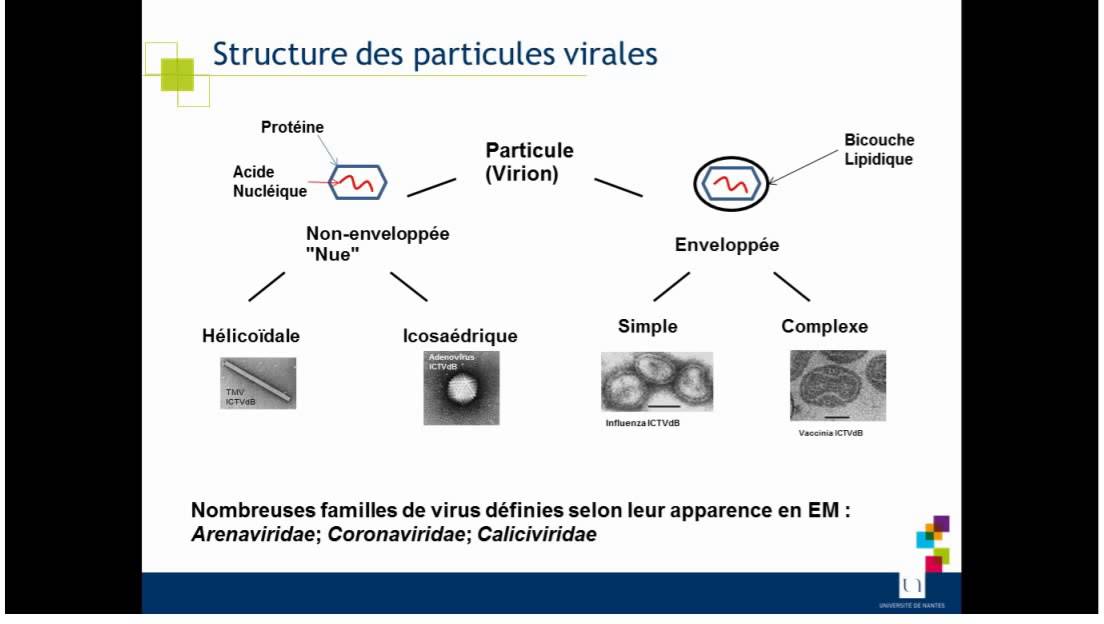
Fundamentals of virology, specifically the structural classification of viruses, capsid assembly, and viral genome replication cycles.
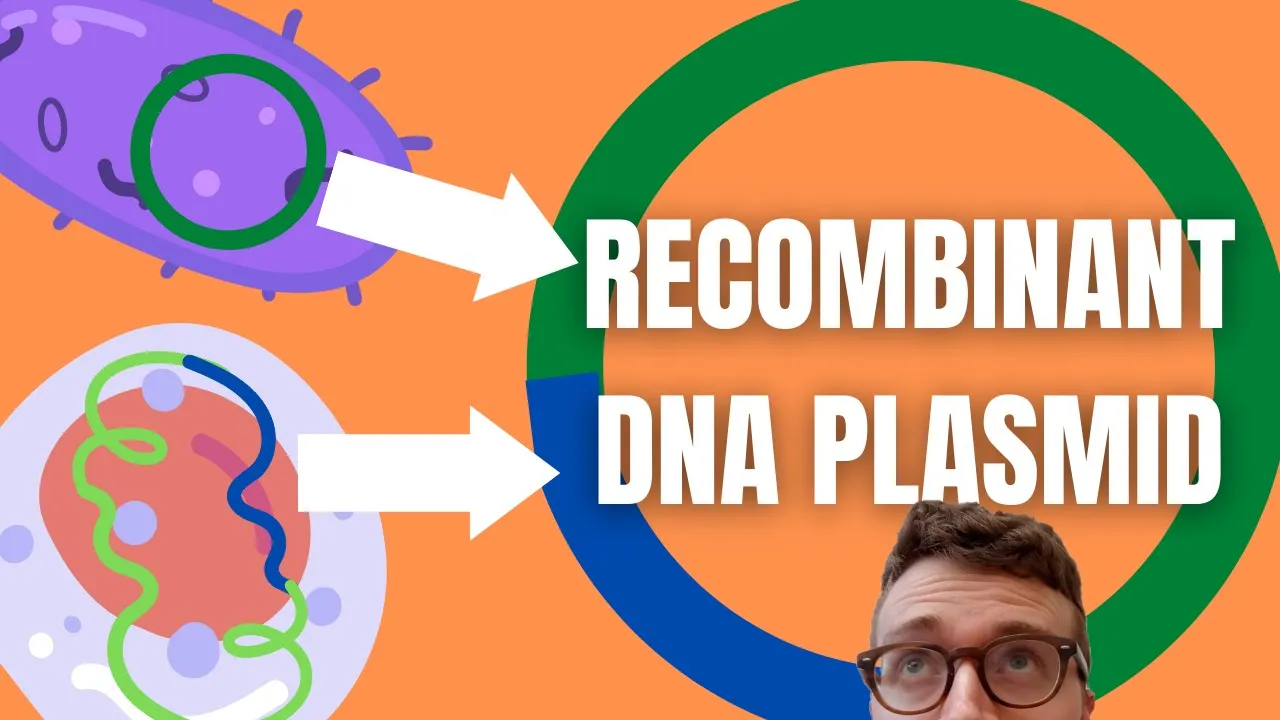
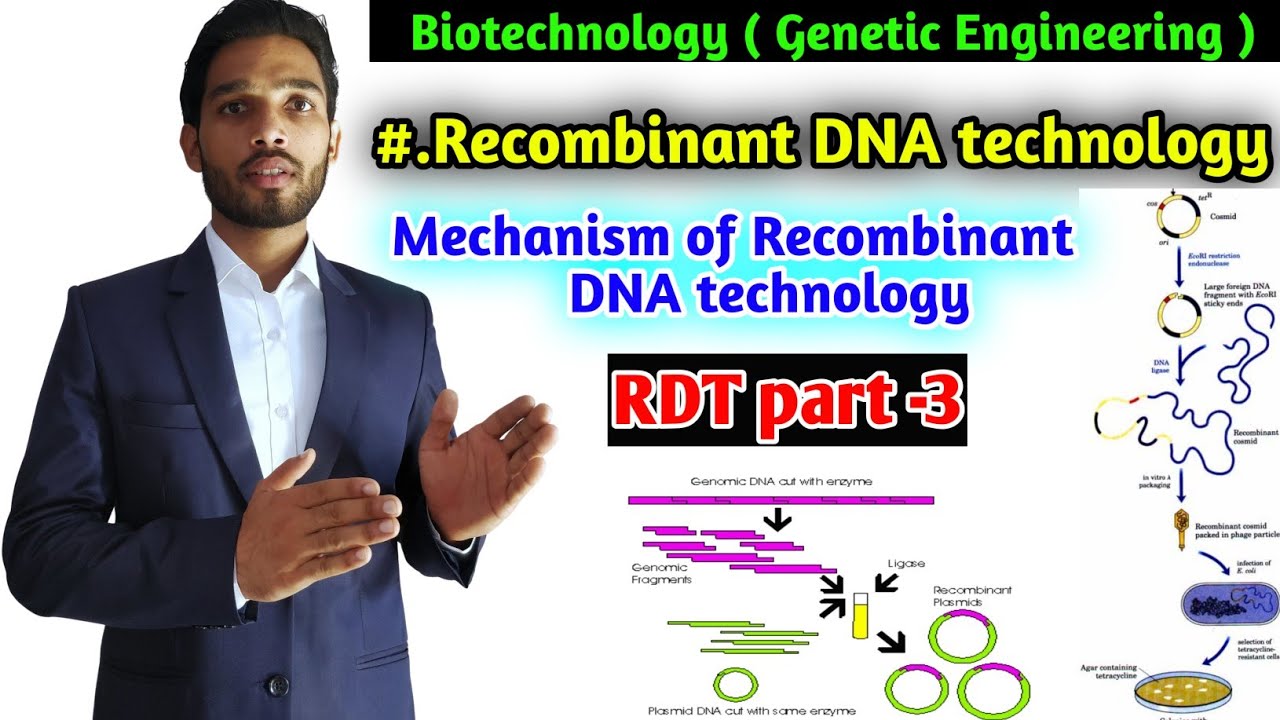
Recombinant DNA technology techniques, such as plasmid design, molecular cloning, and transfection methods in mammalian host cells.
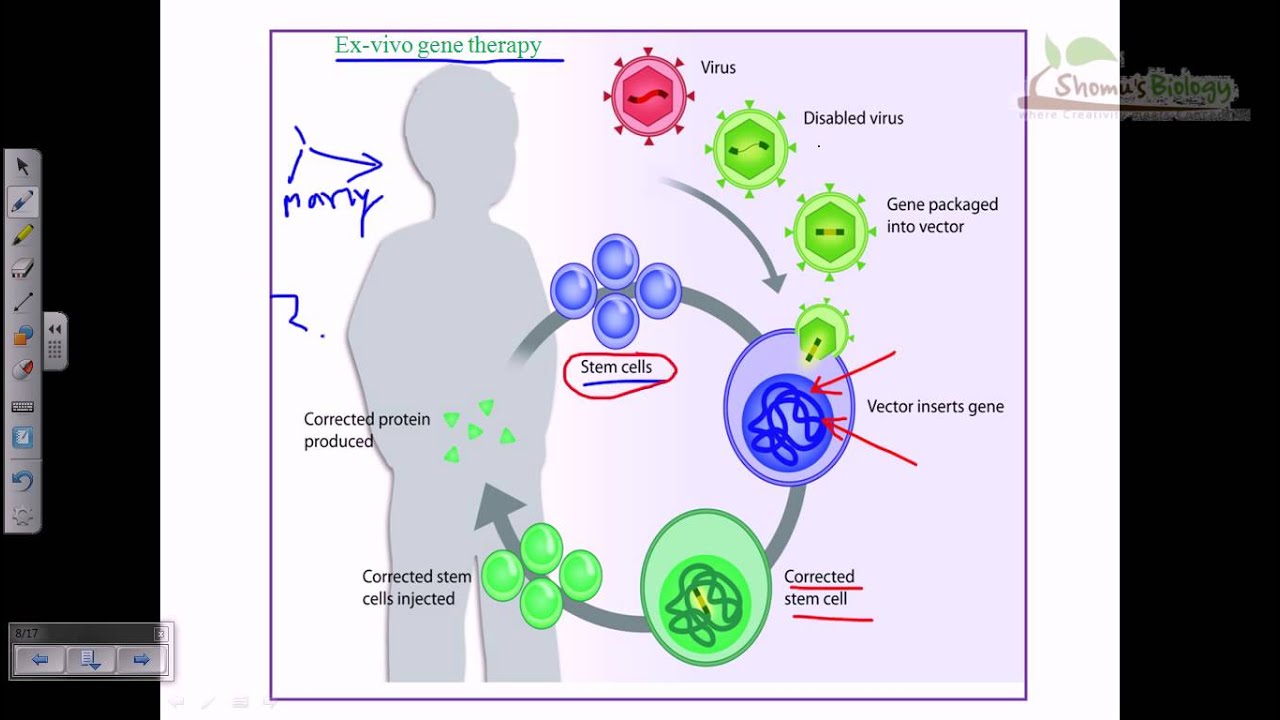
General concepts of gene therapy, including the difference between in vivo and ex vivo genetic modification strategies.
Advanced capsid engineering techniques, including directed evolution, rational design, and machine learning models for improving tissue tropism and target specificity.
Immunogenicity and host immune barriers, focusing on pre-existing neutralizing antibodies to AAV and strategies for immune evasion.
Regulatory pathways and quality control standards for scaling up AAV manufacturing under Good Manufacturing Practice (GMP) guidelines.
The integration of gene-editing technologies, such as CRISPR/Cas9 and base editors, with AAV-mediated delivery systems for precise in vivo therapeutics.
80K views827likes30:01Original Release: 2019-11-27
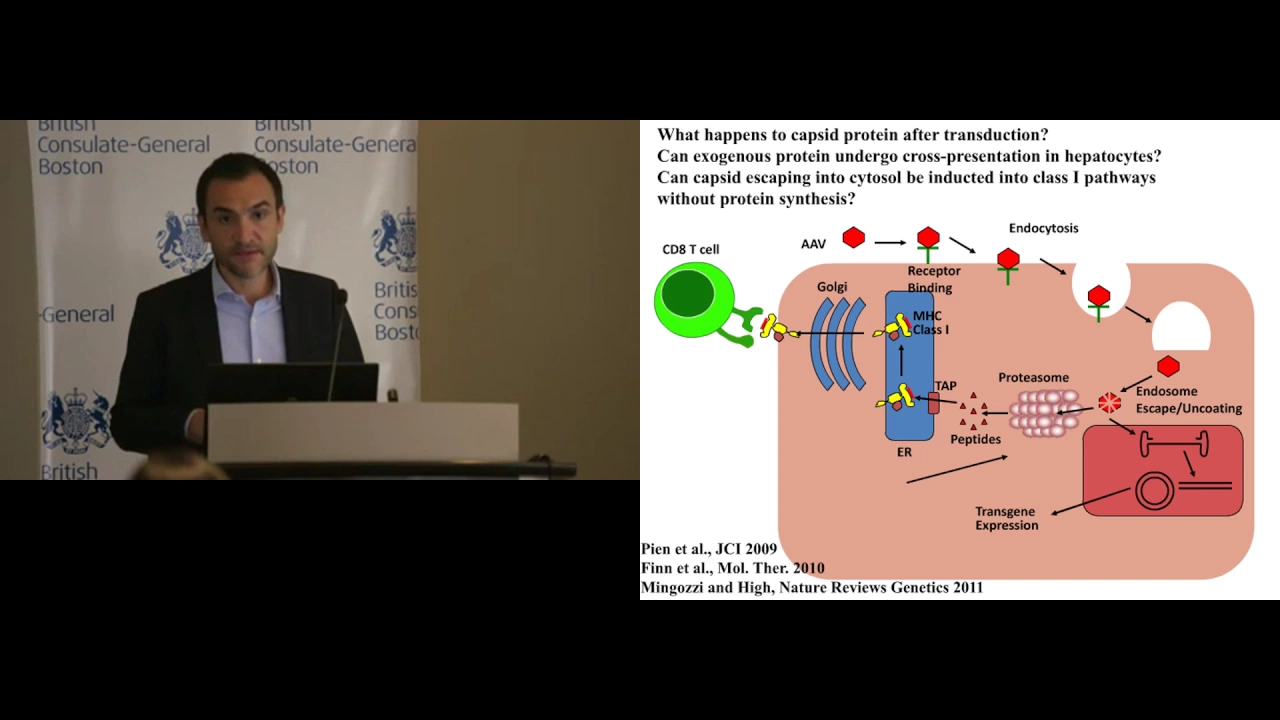
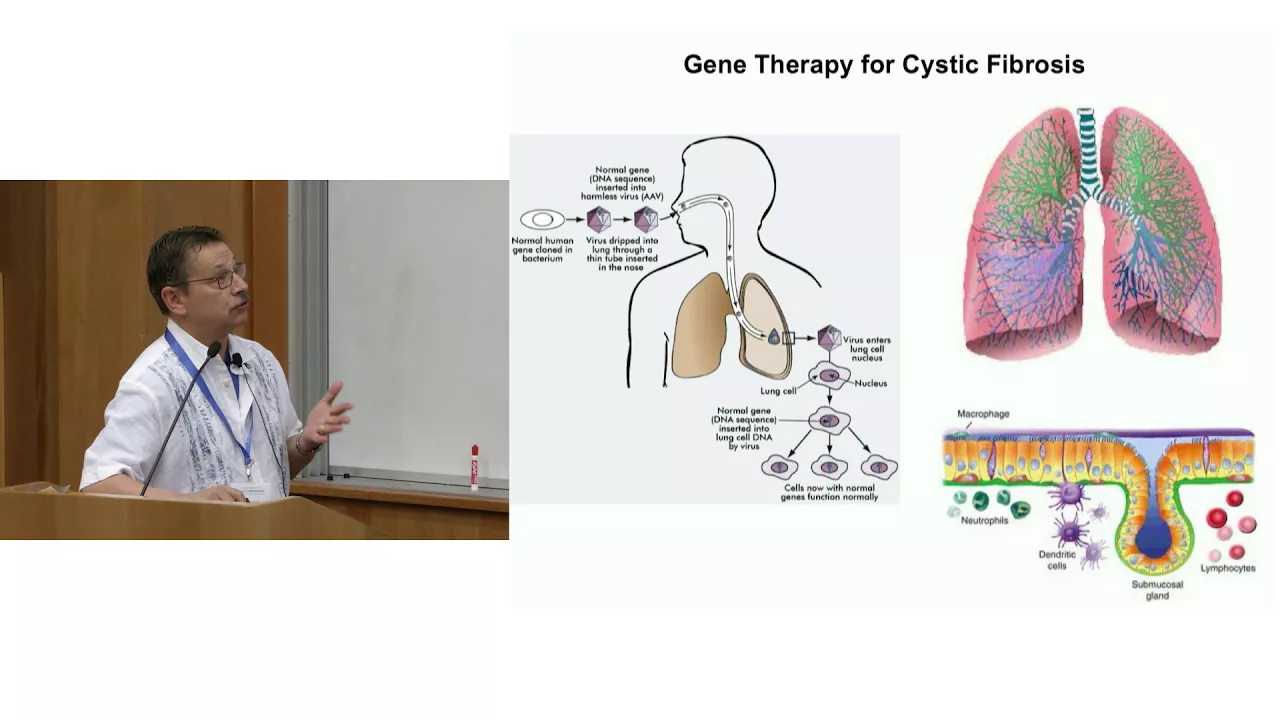
I'm gonna I'm really gonna try to give an overview of more of a lot of background on AV biology how it's been developed into a vector a little bit of historical context so to try to give a you know just a basic foundation and then the next talks will really go into vector development or capsid design and then immuno immune studies so the topics that I want to try to go into a little bit of detail is you know comparing wild-type AAV how that was discovered how it got converted into recombinant AAV a little bit about AV genome design cellular trafficking and binding capsid structure function and then just kind of threw in everything else that I could think of in the end so as a starting point you know I want to give a little bit of you know certainly more than a mention to the the first description of AV that came out in 1965 so over 50 years ago was when AV was first discovered and published in science as a contaminant of adenovirus stocks and kind of as a fun fact if you go back into that literature AV can actually you know attenuate the replication production of adenovirus so it's it's not just non pathogenic virus that it can actually inhibit pathogenic virus so it's in the parvovirus family it's a you know it has a protein capsid it's non-enveloped and it was put into this Gina stupendo virus because AAV is is sort of unique in that it is not capable of replicating itself it needs the helper virus such as aDNA virus or herpes virus to sort of prime the cell to enable replication and transmission so the genome of AV well and just going back you know this electro micrograph that showed up in that first paper you'll see one aDNA virus particle in there the scale bar is a hundred nanometers so you can see adenoviruses is quite large a navy is about one-fifth the diameter and and so you can even see some empty and full particles on that stain so so AAV has you know as with most viruses it has a very compact efficient genome let's see all I'm gonna I'm gonna point over to this one over here sorry for you on your side of the room but the the way that the genome is designed it's a single-stranded genome it has these okay may be able okay has these inverted terminal repeats on one side or the other and and it has three promoters that can drive expression it has actually three open reading well multiple open reading frames but you basically have the two open reading frames that can encode different forms of rep this is the protein that's involved with AAV genome replication and then packaging into the capsid and then you have the cap open reading frame that that basically through alternative start sites and then you can generate three different capsid proteins all of them will be all the all three capsid proteins will be conserved in this VP 3 region and then the other 2 capsid subunits they only differ by the addition of an additional amino sorry end terminus and then kind of you know we thought that we had a pretty good understanding of this virus and then a few years back it was discovered that there was another another open reading frame and another and another protein after after you know having been studying this virus or about 40 years and nobody really recognized this you had this a ap this AV accessory protein that was discovered as an out of frame protein embedded within the VP the the viral protein cap gene and since it's out of frame I think this solved a little bit of a mystery because you know people have been trying to manipulate some of the wobble bases within the capsid gene and and you could you know you can change some of those wobble bases and then it won't make a V anymore and it turned out those those would have been mutations that inactivated a ap and then a key key function of this is that the wild-type a V genome is about 4.7 KB and that's that's a pretty hard and fast rule you really can't package much more than that and then you know lastly when you look at the caps of the the intact formed capsid it's a ratio of V P 1 V P 2 and V P 3 where most of the capsid is made of V P 3 and then you have a few V P 1 a VP two proteins incorporated so the the if you're just looking at wild-type a a V you know the lifecycle is that you can have as with many viruses a V can undergo oolitic infection or latent infection and so you you you basically have on let's see on your left would be the latent infection and this would be the default infectious pathway for a V where AV will infect a cell and wild-type AV can can integrate into a specific location in chromosome 19 in humans and but that integration event is dependent on the rep protein so recombinant AV won't go down this path this is something that's only wild-type AV and then so you can either go with a latent Lee infected cell that has a V incorporated that can be activated by subsequent it could be years later infection of helper virus like adenovirus or herpes virus and then that will basically prime the cell and it will activate the AAV genes and and you base have a reconstitution where AV will start to replicate an enter oolitic infection so you know Navy you know more or less you know go down that latent infection pathway but without the chromosome 19 integration so you know the key principles of how to make a V is that you'll have you know again you have the wild-type AV genome that has the ITRs it has all the viral genes and the way that you'll you'll make this in a recombinant system is you basically separate out those elements you'll you'll on on your right you can basically take out the AV ITRs you can put any other piece of DNA in between them within the size constraints and then on your left you can you can separate out and provide in trans the AV genome in its entirety without the ITRs and so you have those two components that are now separated out and and then you have to provide the helper virus genes in trans again to sort of prime the cell and and enable the replication and one thing that I want to point out here when I when I drew when I redrew this it's I redo it with AV to ITRs and with a AV to rep so if you have that system where you have AV to ITRs a AV to rep and any other capsid gene then you can you can basically cross package this genome into any other AV capsid there are a couple exceptions of that you have things like AV v capsid that the AV 2 rep won't interact very well with so some of the really divergent AV capsids you might have to have a like a hybrid rep protein but but on the whole this is a nice system because it allows you to design one construct with your your your recombinant genome and then cross package that into multiple you know dozens or hundreds of different AV capsules so continuing like how to make recombinant AAV like i said you you have these different features that you're you've separated out and you provide them all in the same cell and trans you have the helper virus genes you have the transgene flanked by the avi to yours and then you have rep and cap and so if you put all those into a producer cell then you'll end up getting out your recombinant protein or your sorry your comment capsid with the foreign gene inside it when we talk about recombinant AAV genome design I think you know really the creativity here is that it you can put in any DNA that will fit but traditionally you know you'll you'll have if you're trying to express a gene of course you have your enhancer and promoter to do your primary control of cell specificity and strength your gene coding sequence and poly a that's your basic transcription unit but of course you can get a lot more creative about that modifying the five prime UTR the three prime UTR and so introns typically will boost expression you know and then you have things like the woodchuck hepatitis promote a response element that can boost expression different micro RNA binding sites you know etc etc etc whatever you can design to control the expression of your gene and the important feature here is that as long as you have the ITRs you can package whatever DNA you want that will fit within the size constraints now talking about AV genome packaging constraints there's been a significant amount of effort to expand the capacity of AV and I will say that the core structure of the AV capsid protein is extremely well conserved and and I think you know my my opinion is that it's going to be very difficult to get this particle to package more or more more DNA so what what ends up happening is you have an ideal situation with your foreign DNA you know about 4.6 KB or less if you try to push this and package more DNA than then a couple things happen one you'll get strongly reduced yield as you start to get up around five KB or larger in terms of the size of the genome and and what will happen is that the AV when it packages the DNA it'll start well I'm gonna I'm going to assume that this is what happens I think nobody's proved it but is that you'll you know might take the the AV genome on one side and start stuffing it into the capsid and then the caps it's full and it'll just chop off the rest so what you'll end up with is whether it starts packaging from the right side of the left side you'll get a mixed population of of particles that contain part of one side of the genome or part of the other side now incidentally you know it's been shown by a number of groups that you could do something like this and have a mixed population of genomes if you put those in the same cell they will recombine at some efficiency so so you can you can design something where you have you know sort of split genomes and and package a larger gene but it's you're really at the mercy of the efficiency that this will recombine in in target cells so I'm gonna take a couple you know a little bit of time to go through av genome replication and I'm really providing this this can be really dry and I apologize for that but I wanted to go through this because there there is an issue of making self complimentary AAV and this is something that I think is pretty important when you're talking about AAV but it requires an understanding of how AV replicates so I really need a laser pointer here but I'll try to walk through it when the AV genome goes into a cell all right then you know you you know you'll have a host cell polymerase that will come in and it'll extend the three prime end then it'll extend through the ITRs and and convert those the ITRs can fold back on themselves and then you'll have a free three prime o h that can then be recognized by a host cell polymerase and extended out so then you're you're displacing the second strand and now you know two things can happen at this point wrap one of the functions that rep has is that will Nick the a/v genome and you know right next to the ITRs and and then that will expose another three prime OAH that can be extended out and then you can get strand displacement where when this when this copies through then then you'll release like another AV genome and then and then this side here can undergo isomerization of these ITRs and fold back and and it's basically a loop that can happen where you can get continuous replication what'll happen naturally in the course of AV replication is at this point it's kind of a stoichiometry some of it can go down this pathway and then some of it you'll get failed resolution from rep and and then you go on this alternative pathway where you you basically start replicating a concatenation to several unit length genomes and and then they just get resolved as as rep will come in and Nick the ITR but the consequence of that is that you know if you look at step seven M there you're packaging a monomer of the genome and in in step 10 D you can actually package a dimer where it's it's two two copies of the genome one is complimentary to the other and they're linked in cysts and so normally if it's a you know a 4.7 kb genome then you'll go down seven m and you'll only package monomers but if you if you actually just create a version of the AV capsid that's short you know about half size then naturally you will get some of these you know you'll either get two monomers that packaged in one capsid sometimes you'll get one monomer packaged in the capsid and sometimes you'll get two monomers that are actually linked in cysts as a dimer and so this principle of kind of having that mixture if the genome size is small ended up leading towards the development of self complimentary a vit arse and and the way that this works like I said rep the rep protein will sit on the ITR it'll interact in this rep binding element RBE and then it and then it binds the tip of one of the stem loops and so you can think you know one of the functions of rep is it acts as a helicase and so you can think about it as almost like it's grabbing on to it and then you have the bars coming off and and rep is almost like anchoring it and then twisting and then unwinding the DNA but a core feature of rep also is it has this NIC case activity and there's a specific location I've got underlined in red where this actually forms a separate stem loop like a hairpin structure and and then there's a specific location in there that rep lamech so that that's critical as far as the replication of the AV genomes that rep has to be able to Nick there if you have two ITRs and neither of them have the nick site AV can't replicate but what you can do is you can take one of the ITRs and and Doug McCarty and Jude small ski did this right you know they published this in 2001 is to make a mutant of a mutant version of the ITR that lacks that D element so it doesn't have the nicking site and and and so rep can't resolve that ITR and and it forces the genomes to replicate as a dimer so you're it's basically forcing AV down this pathway of of packaging a self complimentary or double-stranded genome so we can call it like a delta d ITR on one side and then at wild-type AV ITR on the other side okay so coming back to this this is just you know that that we're basically forcing AV during the replication cycle we're forcing it into this pathway on your right to package a double strategy no so why is this important you know this is this is just you know work published out of my lab this is a supplemental figure so I'm sorry it's a little hard to find but this is just looking at two equivalent AV vectors one is self complementary one is single-stranded and so if you inject them you know basically the AV capsules will take everything to the same location but you'll have persistent expression a much more efficient persistent expression with a self complimentary genome versus a single-stranded and and I will say that if you have applications where you're really saturating a target like if we're talking about subretinal injections or intramuscular injections or inter printable brain injections you're you're saturating the target site with vector so you're not really going to see it a big difference between self complimentary or single-stranded AV but if it's a situation where it's a diffuse administration something like an IV injection then then you will see it so and this is just emphasizing here you know the difference is self complimentary single stranded transduction the trans you know or the cell binding is going to be exactly the same trafficking is going to be very much you know pretty much exactly the same but once the once the genomes are released in the nucleus then a single-stranded vector has to go through second strand synthesis before you can get you know an act of transcriptional unit and you know self complimentary can go into the cell it can snap back together and immediately have it be a double-stranded template for transcription and a lot of the AV genomes going through second strand synthesis are going to end up getting degraded by the cell so none of this is really proven but I would say you know that would kind of make sense is that when you get to the end of this and you're getting stable formation of an episome by a AV then if you're starting off with a double-stranded template that ends up being a much more efficient process alright so I'm going to move past that so you know if we're talking about persistence of recombinant AAV trans gene expression you know I think the question that everybody asks a lot is how permanent is expression how long is this going to last and the the key features to answer that question expression will persist well so so keep in mind AV is going to persist primarily as an extra chromosomal episome it is not going to be able to replicate itself even if the cell replicates and so expression will persist if targets that targeted cells don't divide and and you'll get persistent expression if you don't get the gene silenced expression will be lost if promoter is silenced if the targeted cell divides and it's basically just a dilution effect the more the cells divide eventually you will lose the genomes and of course if you get some kind of immune mediated clearance or other other type of silencing then you'll lose expression all right so I'm gonna move on to a couple other topics you have AV trafficking AV is gonna bind a cell surface it's going to be end of site well and you basically have a primary receptor which is typically some type of proteoglycan and then a secondary receptor that will mediate that'll that'll push it into a clathrin or receptor mediated endocytosis through a clathrin coated pit AV you know the then this moves into an endosome the endosome acidifies that that acidification prompts a conformational change in the AV capsid where you have the n-terminus of ep1 and ep2 that get extruded those have a phospholipase domain that that that basically Lices the membrane of the end of them release into AV and then it goes into the nucleus once in the nucleus then it'll release the AV genome so if you look at the capsid structure the first 200 amino acids of vp1 are basically this end terminal domain that are unique to v p1 and vb2 has a phospholipase domaine and nuclear localization signal the rest of the the cap said this red VP three specific region then that's going to be have a number of variable regions and and very conserved regions so the concerned regions are going to be the core structure of this icosahedral shape and then the variable regions will be more of the surface loops that dictate the tropism so this is just you know a slide about known receptors of different Avco types and you'll note that you know even some key vectors like a v8 we still don't know what the primary receptor is so we use these things and a v2 which is most studied you'll see that there's quite a lot of Co receptors that identified so I think you can kind of take it as given that we still don't know you know we still don't have a comprehensive list of all the AV receptors and and you know it's going to be very diverse depending on the exact capsid variant so the capsid features you know there's sixty subunits that come together to form this icosahedral caps it's structure like I said it's very well conserved if you mess with some of those highly conserved regions then AV does doesn't tolerate that very well generally speaking but if you make mutations in the variable regions then those are typically things that are tolerated and and consequently if you try to insert large polypeptides somewhere on the AV capsid it doesn't tolerate that well most of the approach is to incorporate peptides have been like things like seven MERS in specific surface loops so I'm going to go through really quickly that you you know you've got a monomer that can form a trimer or a pentamer those come together to form this sixty subunit capsid you have threefold axis of summary cemetary fivefold axis of symmetry twofold axis of symmetry so you know I think other considerations really quick that I haven't mentioned yet AV can infect dividing or non-dividing cells there are over a hundred naturally Carine variants that have been identified in nature and I think at this point there's countless there's hundreds of lab drive variants and again I want stress AV will not replicate without co-infection of a helper virus a vias recombinator is not competent for replication Jude some all scheme I my postdoc mentor coined this term biological nanoparticle and I think it's it's pretty accurate and of course recombinant AAV has now been used in hundreds of clinical trials with a quite favorable safety track record so factors that influence where and how much transient is expressed obviously the capsid and the dose will determine how many copies of the genome get to each cell promoter and other regulatory elements dictate the cell specificity of expression and the overall strength so you know you can play with the promoter and regulatory elements and boost the expression just as well as as just using a better caps that are increasing the dose and then there's this question it does a V vector translate well across model systems and I'll say you know this is something always has to be considered it's like a V nine has poor efficiency in cultured cells but it's one of the best performing capsules in vivo and and you have of course these reports of this AV 9 variant pH P B that worked really well in c57 mice but then don't translate to primates very well and then of course I put immune responses always think about immune responses but that'll be a separate talk and then AV manufacturing two major platforms is triple transfection of HEK to nine three cells or baculovirus system using insect cells and there's there's a number of variations on this and i say the bacala virus system typically can get higher titers but you just have to be really careful about getting the right ratio of v p1 v p2 of e p3 to make sure that your particles are potent and I'm going to leave off my last slide here is just really this concept about disease application and vector needs where you know the the simplest disease to treat conceptually is going to be something where you have like a localized delivery and a secreted factor because then you know the delivery is easy and you don't have to target every cell and then the hardest diseases are the ones where really to get your effect you have to treat every cell all over the body obviously that's a pretty tall order at this point so I think that I'll end there and I can take a few questions Thanks any questions we've got a couple minutes yes up there yeah so so the question is really about that he's seen expression after three days and after interferon Keable injection in the brain I think he's being challenged that AV shouldn't express that early and you know if you put AV and cultured cells you'll see expression within 24 hours very clearly so if you're doing an interferon komal injection I don't want to offend your reviewers because there might be some of my reviewers but but I think you know certainly if you're doing an interferon kemal injection you will see expression probably within 24 hours your peak expression is probably gonna be about 2 to 4 weeks or so and then and then it should remain stable after that unless you have some kind of silencing issue yeah I got I can't help you with that fight I'm sorry all right we can take one more yes up there yes oh she's asking about you know specifically in the eye that there's persistent expression for years but then I think there's some some discussion about that after three to six years or so that you're starting to get a loss of expression I think that that's a really complicated question I can speculate and I'll take the freedom to do so you know I mean obviously you could get some silencing of the promoter you could also have a situation if you're doing inter parenchymal injections in the eye you're treating one area of the retina and and in a degenerative disease you'll end up with one small area of the retina that's healthy and the rest of the area around it may continue to degenerate I think that we don't really know what that looks like long term so it may just be a situation of you know a degenerative environment that's impacting a healthy area neighboring healthy area or one of a dozen other explanations but yeah okay Thank You Steven thank you [Applause]
Up Next

61:52
Engineering Extracellular Vesicles: Scaffolds for Therapeutic Cargo
@ExtracellularVesicleClub
916 views•2021-05-12
14:12
Quantitative Real-Time PCR (qPCR): Principle, Method & Data Analysis
@animatedbiologywitharpan
129.2K views•2023-09-06
23:33
Microbial Degradation of Plastics: Biodegradation Pathways & Sustainability
@majeedhammad
2.9K views•2021-04-11
16:04
CRISPR and Genetic Engineering: How Gene Editing Works and Why It Matters
@kurzgesagt
30.5M views•2016-08-10
Related Study Plans & Knowledge Roadmaps
Structured learning paths in Biotechnology
biotechnology
AAV Production: Transfection, Prep & qPCR
01Introduction to Gene Therapy and AAV Biology
02Mammalian Cell Culture: Suspension HEK293 Cells
03Upstream Bioprocessing: Triple-Transfection Optimization
+ 2 more learning modules
18h5 modules
Explore Roadmap
biotechnology
Building Gut-on-a-Chip: PDMS, Cells & TEER
01Foundations of Microfluidics and Gut Anatomy
02Cleanroom Fabrication & PDMS Soft Lithography
03Epithelial Cell Culture and On-Chip Seeding
+ 2 more learning modules
26h5 modules
Explore Roadmap
biotechnology
Optimizing CFPS: E. coli Extract & Yield
01Fundamentals of Molecular Biology and Translation
02Introduction to Cell-Free Protein Synthesis (CFPS)
03Preparing E. coli Crude Lysate (The Extract)
+ 2 more learning modules
19h5 modules
Explore Roadmap
biotechnology
Haematococcus PBR: Design, Stress & Astaxanthin
01Biology and Life Cycle of Haematococcus pluvialis
02Bench-Scale Photobioreactor (PBR) Design and Engineering
03Culture Media Formulation and Inoculation
+ 2 more learning modules
15h5 modules
Explore Roadmap