



















![[GMO 인싸이트🔎] 유전자가위기술 편 ㅣ 세 번째 키워드 "유전자가위기술의 미래"](https://i.ytimg.com/vi/eqmVHJk3eTQ/maxresdefault.jpg)




Ex vivo gene therapy is a treatment approach where cells are removed from the patient's body, genetically modified in a laboratory setting using techniques such as viral vectors or physical methods to introduce functional genes, and then reintroduced to replace or correct defective cells; this method offers advantages including controlled cell expansion, reduced immune response against vectors, and the ability to use stem cells that can differentiate into multiple cell types for comprehensive tissue repair.
Ex Vivo Gene Therapy Explained: Process, Vectors & Advantages
Added:Basic understanding of DNA structure, gene expression, and how genetic mutations lead to inherited diseases.
The definition and unique biological properties of stem cells, specifically their capacity for self-renewal and differentiation.
Fundamentals of virology, including how viruses naturally infect host cells and transfer genetic material.
Introduction to recombinant DNA technology and basic genetic engineering principles.
In-depth study of specific clinical applications of ex vivo gene therapy, such as CAR-T cell immunotherapy and treatments for Sickle Cell Disease.
A comparative analysis of ex vivo versus in vivo gene therapy delivery systems, including their respective physiological barriers.
Integration of advanced gene-editing systems (like CRISPR-Cas9, base editors, and prime editors) into ex vivo workflows.
The regulatory, ethical, and immunological challenges of gene therapies, including risk of insertional mutagenesis and high manufacturing costs.
41.5K views357likes8:49Original Release: 2013-09-28
[music] Let's move on now. Now let us talk about some gene therapy approaches.
Now there are two different actually two main approaches for a gene therapy cure.
One is uh the invivo approach. Another one is the Xvivo approach. Now invivo means inside the body directly injection. Xvivo means uh we take cells out of the body, culture them on the pet chip plate in the lab and then do the experiment on those cell lines in the petri plate. Then again take the cells and put it back into the uh body where from from where it is originated actually. So again so so again uh this is not in English language so you need to carry out so in so suppose this this injection is carrying all the necessary uh normal type of normal version of genes. So we take a direct injection direct in insertion inside the body in case of invivo technique. But in case of Xvivo suppose the problem is in the liver. So we take out liver cells from the biopsy and then grow the cells and rapidly multiplication of the cells and what we get a cell line in the P3DS inside the lab where we monitor the environment when we regulate the environment. But then what we can do we look uh we we infect it uh we inject the normal quality of the cells in that cell line. Now the we allow the cell lines to grow and regular monitoring of the cell line is done. Quality control of the cell line is done. Then we take the cells when after several generations when we find that everything is okay. We take the cells from the cell line and then reinsert back it into the body. We we push it simply in the blood and as the cells are having a particular destination it will reach its own destination. Okay. So this is these are the two pos therapeutic approaches that we can find. Now here is the first one Xvivo gene therapy. In the Xvivo gene therapy what we can see is uh say uh this is so whole all these things are done outside the body. Okay. And then reingjection is happening. So what we can do we are taking cells out from the body. Now what kind of cells we can take out? Here is a question. What kind of cells? The answer is suppose we are having any problem inside our body. Now what kind of cell can help us to remedy that. Now one thing you can notice I have talked before that suppose we are having a problem in livers. We are taking liver cells and insert the liver cells. But the answer is does uh the injection of the liver cell uh inside our body will result in the remedy of the gene in all the liver cells. The answer is no.
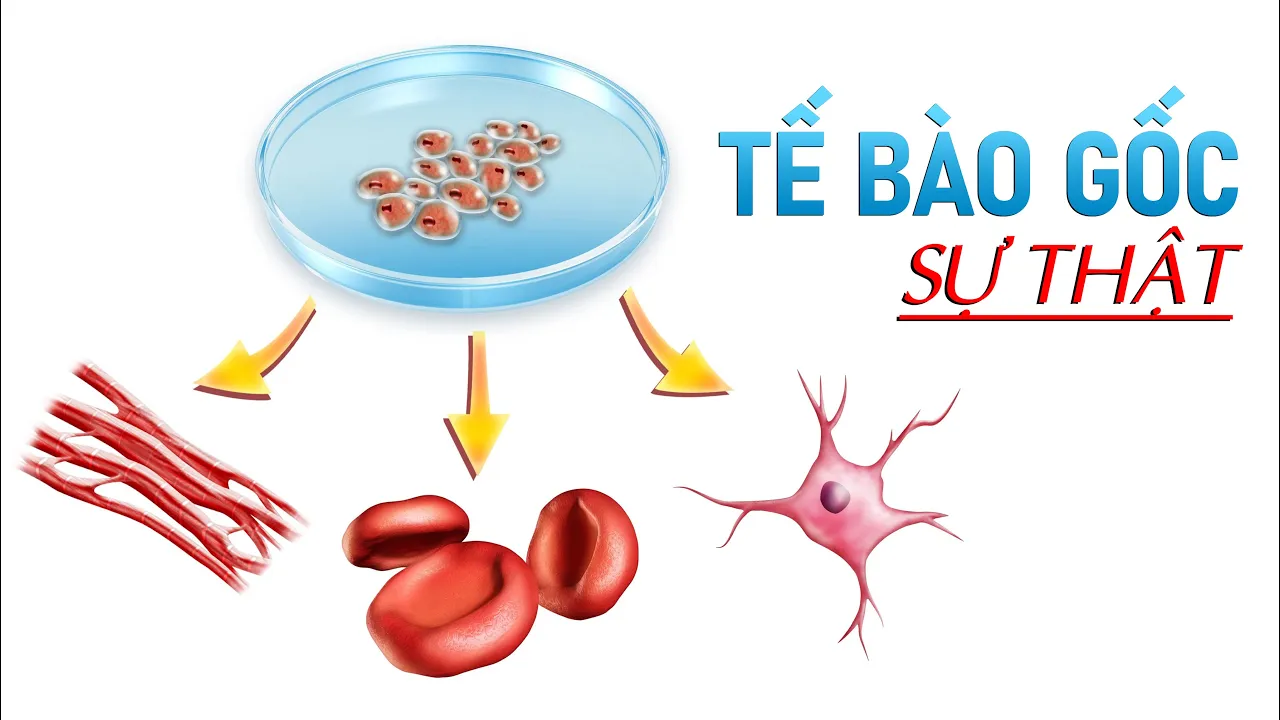
So we need to take such type of cells which are having the ability to distinguish which are having the ability to multiply and produce different variety of cells. So from one type of cells it need must have the quality of producing many variety of cells. So what we need we need multi- potent cells multi- potent cells. So the potency of the cell to develop multiple type of cells from one single type of cell. And this multi- potent cells inside our body can only be found in stem cells. So that's why stem cell research nowadays selling like hot cake. Right? So stem cells are very very important. So we must take out stem cells from the body.
We start to culture them and produce a cell line of the stem cell and then we develop chromosomes having the normal gene and incorporate this chromosomeal normal gene into the nor into these stem cells. Okay. So stem cells now having this normal gene instead a corrected gene in in between them. Okay. So the stem cell from the diseased person definitely will have the disease gene.
Now if you incorporate this normal gene it will replace the disease gene and will correct the stem cell. Okay. So there are several techniques through which we can add this desired stem cell gene uh desired gene into the stem cell.
Right? So there are different techniques. For example, one of the techniques are given here which is the viral mediated incorporation or viral mediated insertion. So virus can be uh taken as vectors which can carry the normal version of the gene and using these viruses we can deliver the normal version of the gene inside the stem cell. Okay. So this is one of the vectors. We can also utilize different techniques. We can directly micro inject uh this normal version of this gene inside the stem cell. This is a physical method and also we can utilize gene gun via uh the gold particle coding method.
This is also a physical means of the method and we can also utilize biological methods like this viruses.
Okay. So we'll be looking at each of these different methods and what are the merits and demerits of these different methods. But now let us consider that we taking the stem cell it is having the m faulty gene. We are taking uh some normal gene utilizing some of the vectors. It could be virus or any physical process injected inside the stem cell. It will replace uh the pre-existing faulty gene with this new new fully functional gene and then the corrected stem cells will be implanted again inside the body of the organism.
Okay. So this is how Xvivo gene therapy is done. Now why it is called Xvivo?
Again look at this whole of this process of incorporation of the new normal gene to replace the old faulty gene is done outside the body of the organism in the cell line in the cell mixture in the monitored environment inside the laboratory. So that's why it's called the Xvivo technique. Okay. Now what are the advantages of the Xvivo gene therapy? Now possibility to expand the different cell populations in Xvivo is very very much important. So it's a possibility to expand the different cells. It's pretty much rapid because it's in the environmental situation.
It's it's a lab environment. So we can stimulate the situations pretty rapidly.
But once if we doing inside the organism's body, we must depends on its body's capacity or capability to do it.
But once we are doing outside the body, we can trigger it uh uh onto our our uh we can trigger it just uh as we like.
Okay. select uh the cells in which the gene transfer has occurred and it avoid the possibility of immune response against the vector that might neutralize the gene transfer. For example, if you are utilizing viruses as a delivery vehicle nowadays I must tell you this virus mediated gene transfer is the most common type of gene transfer. Okay, because it is much more successful than the physical methods because physical methods are often damaging to the cells.
Okay. So we utilize this viral methods which is a biological methods. We can utilize them as a biological weapon to deliver the gene normal gene. Okay. Now if we are doing it outside the body, it reduces the immune response against all this. But if we are doing this virus mediated gene transfer in in a living whole body then the body will again because uh body immune system will recognize the virus as a foreign particle and they produce immune response against this foreign particle.
So we can reduce this via doing it Xvivbo and again cells treated through this manner include lymphocytes, stem cells and various deviations like keratinosytes or lymphocytes stem cells and all this.
Okay. So we can see here again the process. So bacterium carrying the plasmid cloned normal human ADA gene. So we take the gene. We take it and put it put the desired gene inside the viral particle and then take this virus and T- cells with the disabled ADA gene. Now virus will insert this this uh important gene inside this T- cell and take this T- cell will start to culture the T- cell for several generations and then insert this T cell inside the blood of the newly grown uh inside the organism's body. Okay. So the these are the techniques we can utilize. Okay. But there must be some different uh disadvantages of XVO therapy as well because in XVO if we are utilizing these viral vectors we must be careful because viruses uh can have uh genes which can cause virulence right so that's why they are viruses. Now we need to get rid of this virulence factors of the viruses before utilizing this virus as a gene delivery vehicle. So we must release or we must exclude all of
Up Next

25:25
Al-Razi, Ibn Sina & the Canon of Medicine: Islamic Golden Age Science
@MedicineDocumentary
150 views•2017-02-26

48:47
Graphic Medicine: Comics for Collaborative Healthcare Communication
@nationalpatientadvocate
189 views•2023-12-04

32:05
Lentiviral Gene Therapy: Retrovirus Vectors Explained
@shomusbiologyofficial
56.3K views•2013-12-09
3:05
Stages of Labor and Vaginal Birth | Childbirth Animation
@nucleusmedicalmedia
52.1M views•2017-08-18
Related Study Plans & Knowledge Roadmaps
Structured learning paths in Medicine
medicine
Abnormal LFTs: Diagnostic Workup & Pathology
01Liver Anatomy and Basic Physiology
02Introduction to Liver Function Tests (LFTs)
03Hepatocellular vs. Cholestatic Patterns
+ 3 more learning modules
12h6 modules
Explore Roadmap
medicine
Analyzing Blood Smears: RBC, WBC & Platelets
01Introduction to Blood Components & Smear Preparation
02Normal Morphology of Blood Cells
03Erythrocyte Pathologies & Morphological Variants
+ 2 more learning modules
12h5 modules
Explore Roadmap
medicine
Mechanical Ventilation: Waveforms & Alarms
01Anatomy and Physiology of Breathing
02Introduction to Mechanical Ventilation & Core Modes
03Ventilator Settings and Waveform Interpretation
+ 2 more learning modules
12h5 modules
Explore Roadmap
medicine
Neuro Exam: Localization & Stroke Syndromes
01Foundations of Neuroanatomy and Vascular Supply
02The Neurological Examination: Step-by-Step
03Principles of Neurological Localization
+ 3 more learning modules
18h6 modules
Explore Roadmap