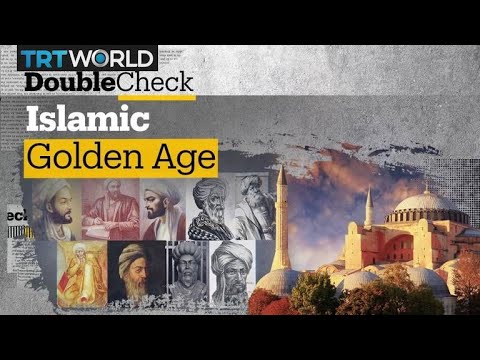









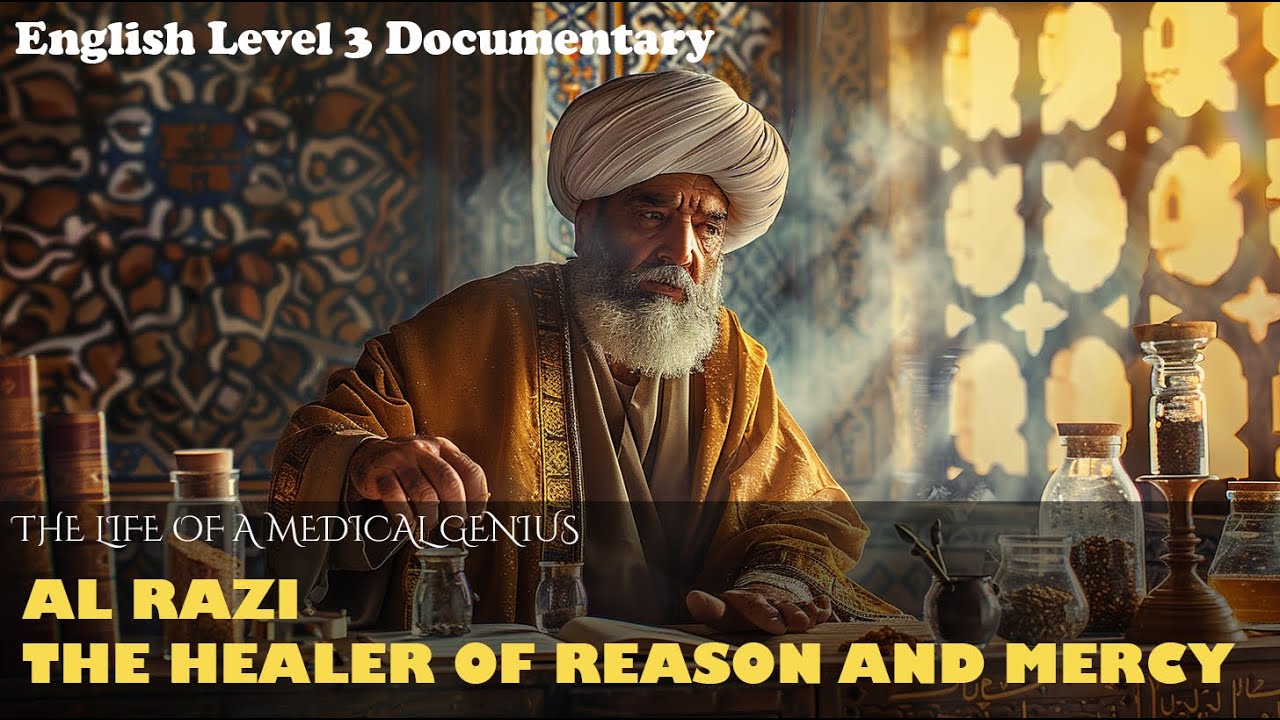










During the Islamic Golden Age (9th-14th century), scholars like Al-Razi and Ibn Sina (Avicenna) transformed medicine into a rigorous science, with Ibn Sina's 'Canon of Medicine' becoming the world's standard medical text for over 500 years; this period established foundational research methods including control groups and empirical experimentation that continue to influence modern biomedical science today.
Al-Razi, Ibn Sina & the Canon of Medicine: Islamic Golden Age Science
Added:Understanding of the Islamic Golden Age's historical and geographical context, spanning from the 8th to the 14th centuries.
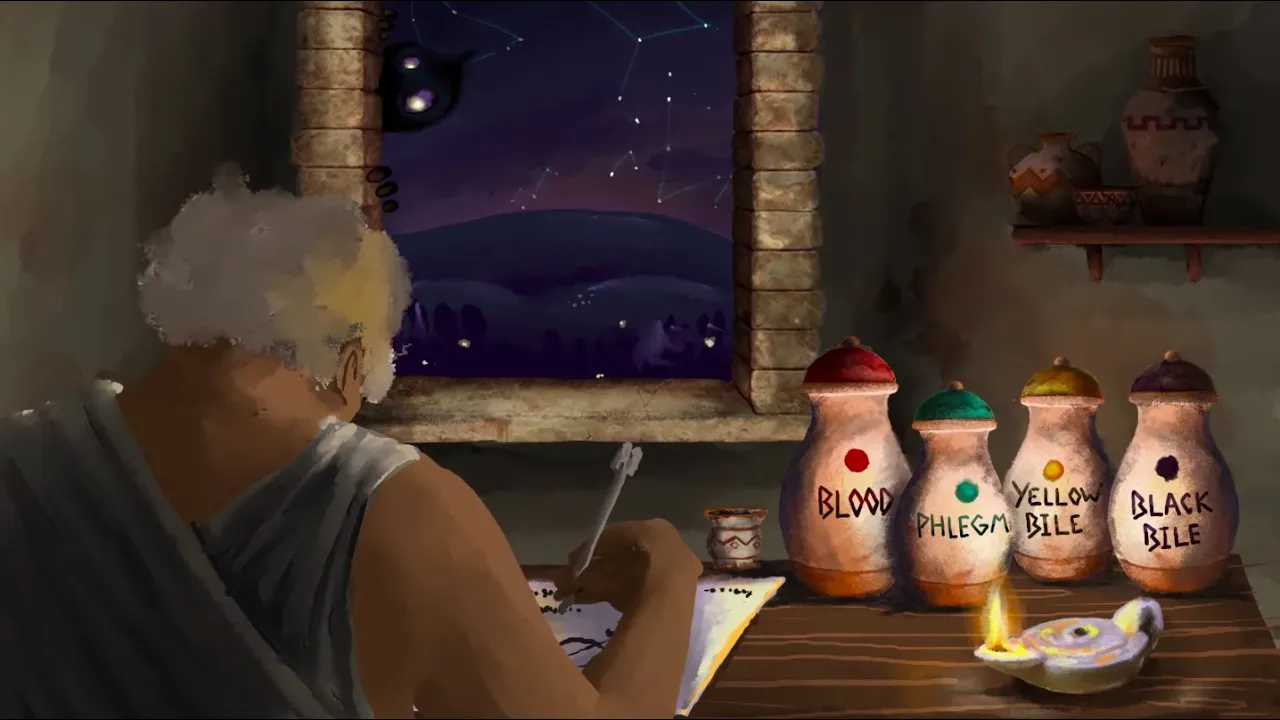
Familiarity with ancient Greco-Roman medical traditions, particularly the humoral theory of Hippocrates and Galen.
Basic awareness of the Translation Movement, which preserved, translated, and expanded classical philosophical and scientific texts into Arabic.
An introductory concept of clinical observation and how medical knowledge was historically accumulated before the modern scientific method.
The transmission of Arabic medical texts to Western Europe and their translation into Latin, which profoundly influenced Renaissance medicine.
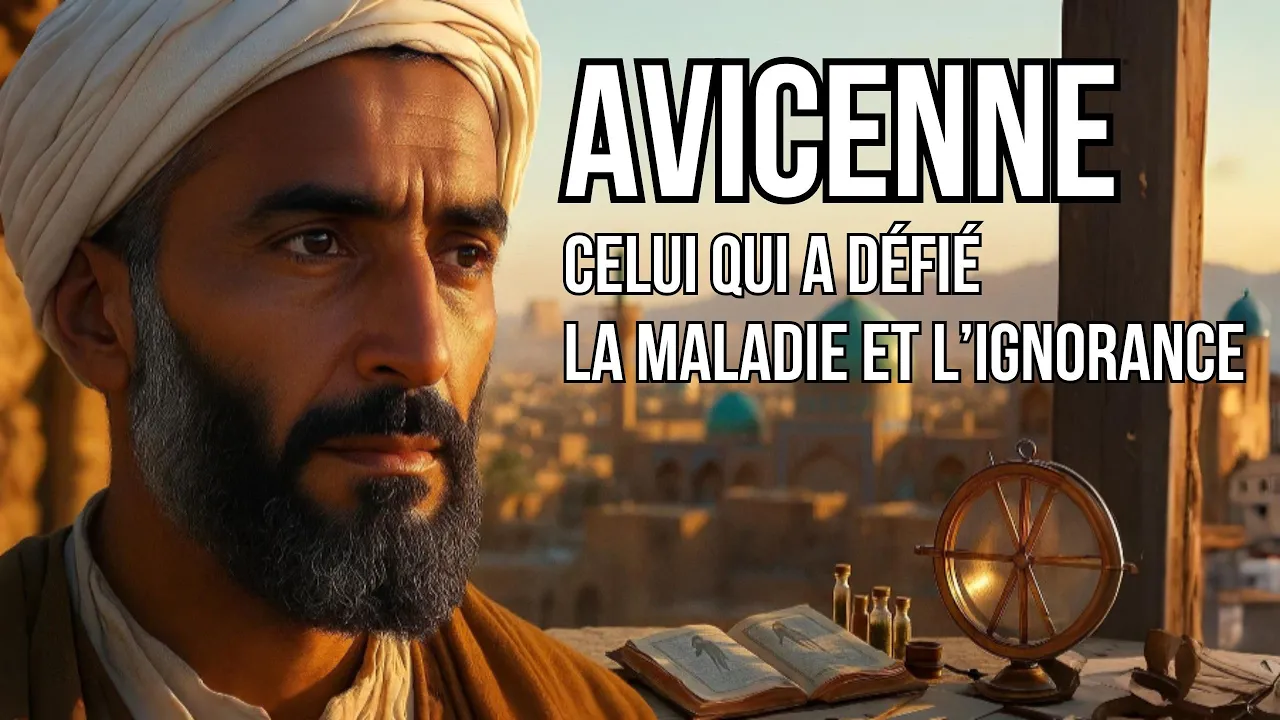
A deep-dive analysis of the structure, organization, and enduring legacy of Ibn Sina's (Avicenna) 'The Canon of Medicine' in European universities until the 17th century.
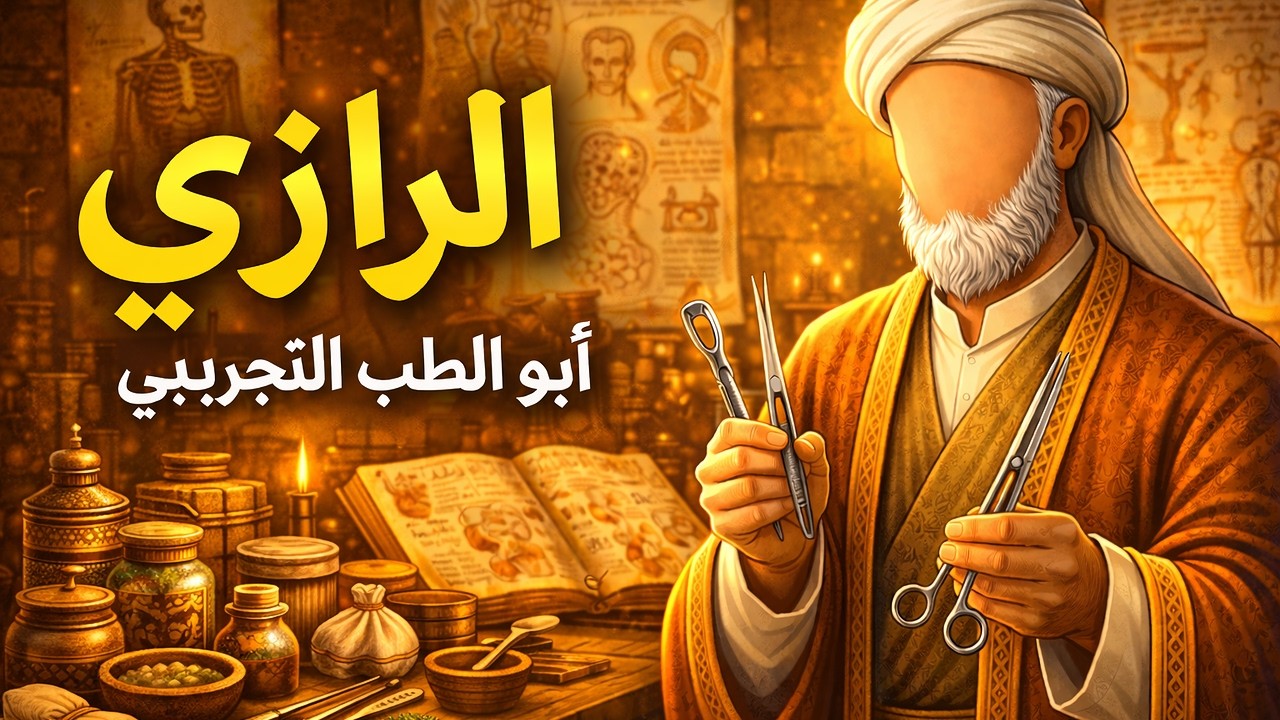
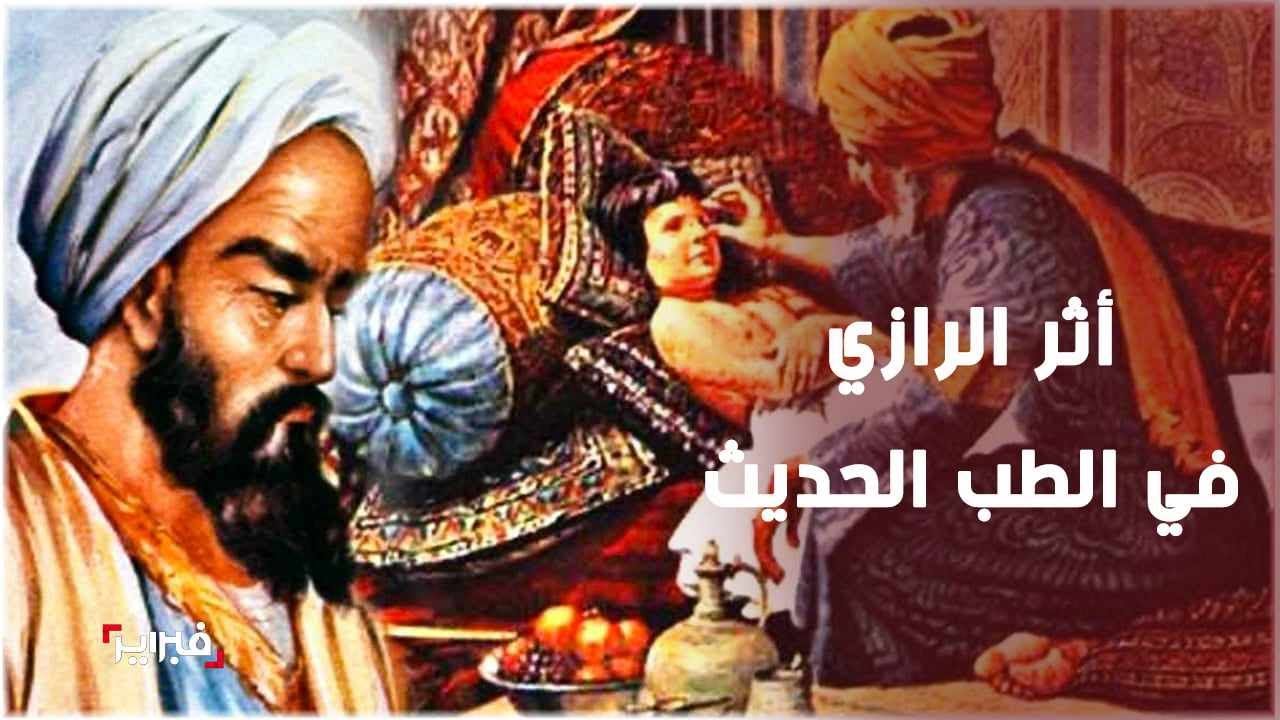
Al-Razi's specific contributions to infectious diseases, including his pioneering treatise distinguishing smallpox from measles.
The development and administration of 'Bimaristans' (medieval Islamic hospitals) as early institutions for medical education, clinical training, and holistic patient care.
The evolution of scientific methodology in clinical trials, comparing Al-Razi's early experimental controls to modern biomedical research standards.
150 views6likes25:25Original Release: 2017-02-26
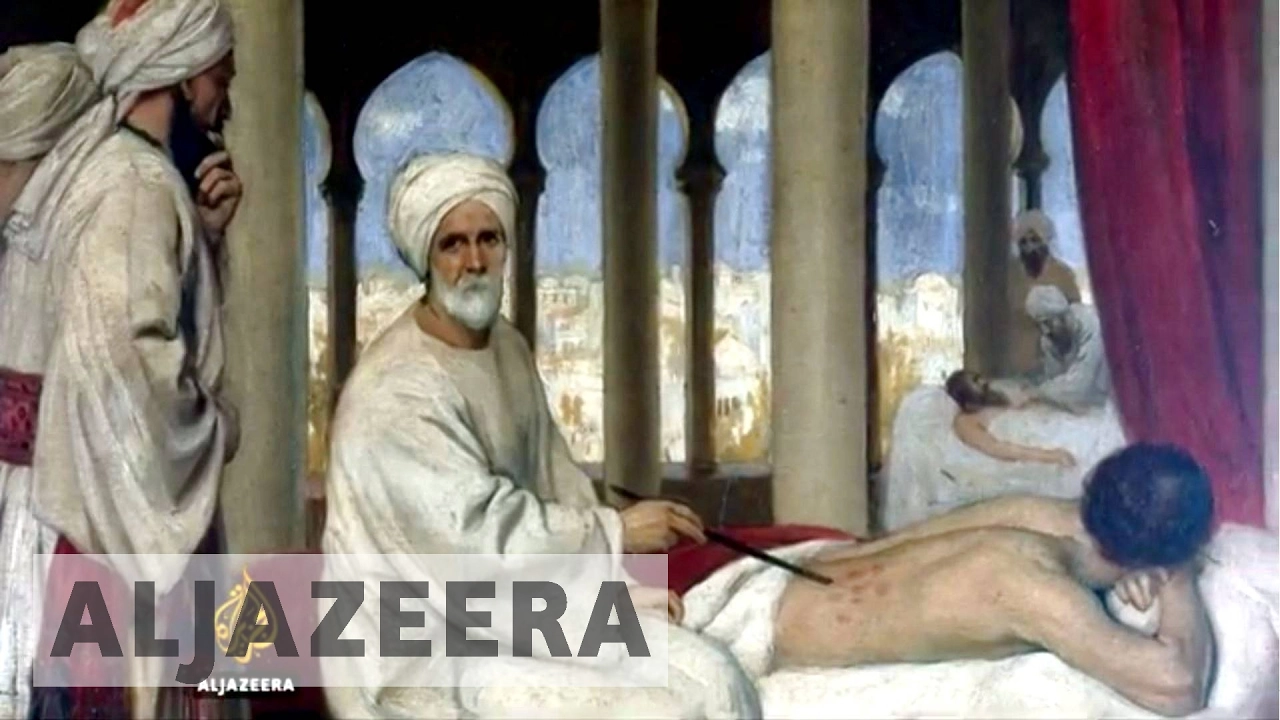
modern high-tech advances in medicine and health are of course the result of many centuries of development research and experimentation much of which took place in the Islamic world between the ninth and fourteenth century a golden age of science during this time scholars in the Islamic world made huge contributions to medicine and created a body of knowledge that was tremendously important and influential around the world for many hundreds of years I'm Jim al-khalili british professor of theoretical physics that born in baghdad i'll be exploring state-of-the-art biomedical science and uncovering the contribution made to the field by the scholars of the golden age [Music] [Music] it was during the Islamic Golden Age that medicine started to be treated as a true science with emphasis on empirical evidence and repeatable procedures during that time medical books are written it became standard texts throughout the world for many hundreds of years I've come here to the hammered hospital in Delhi utter to see how the ideas on the scholars in the medieval Islamic world compared our modern medicine the hospital's neonatal unit deals with premature and newborn babies who are suffering from the variety of conditions it's the only one of its kind in Qatar and babies are referred here from across the country all in all through our doors we probably have close to 17 to 18 hundred daily and that amounts to about ten to eleven percent of the total work that occurs in this hospital so it is by comparison one of the biggest units in the world we do look after babies who are as small as 23 or 24 weeks gestation so you're looking at a five month pregnancy five months and one week pregnancy day and that in itself is incredible I mean not that long ago 2324 we told the station there's no way they'd survive that hard work we've come a long way at this hospital they're carrying our pioneering research to improve the treatments of babies born with neonatal encephalopathy that is babies born with serious neurological damage because of a problem with oxygen or blood supply in the womb the gold standard of treatment is putting these babies on a cooling mattress to try to reduce the temperature and limit the potential ongoing damage that could ensue in the brain however it does not really provide an appropriate success rate or a wide here we're trying a simple remedy that we believe has potential which is the addition of a drug called magnet insulting but it's never being tried in combination with the cooling record to improve the reliability of their research the hospital's using what we call a control group some of the babies receive magnesium sulfate whereas a separate group the control group don't receive it this allows the hospital to compare fairly the effect of the treatment with and without the drug so this particular study is a double-blind placebo control which means that we are offering some of our babies of the feeble and some were getting the magnesium sulfate we don't really know which are which and that's unwise otherwise device will require exactly one thing this of tremendous interest to me is that this idea of a control group actually goes all the way back over a thousand years to a persian physician by the name of Roger who built the hospitals in Baghdad who was looking into the causes and treatments of meningitis and I believe he had not only his sample of patients that he had a control group to achieve wasn't administering the treatment in that case it was love letting you know isn't the way you treat meningitis but the idea of the control group goes all the way back to arising this is actually one of the most important components of research that we do have a control group to try to ensure that you know our studies come out as non biased as possible to comparing it out absolutely absolutely I raji was born in the city of Ray near Tehran in the mid 93 and he was an early proponent of applying a rigorous scientific approach to medicine during his distinguished career he served as chief position of hospitals in both ray and Baghdad in the early 10th century the ruling Calif in baghdad l-look taffy after razzy we're in the city he should build a new hospital so a rising designed an experiment he hung meet up around different locations to see how quickly they rotted and so determined the place with the cleanest air this was typical of a Razzie you have a problem you design an experiment to find the answer [Music] during the Golden Age the dissection of human bodies who is considered disrespectful but there was one group of people who you quite a bit about Anatomy butchers albeit the anatomy of animals rather than human well even though this is just a lamp heart not a human heart we can still see quite clearly the different compartments of different chambers within the half this isn't something those familiar to his early physicians of the medieval age circle in the 17th century William Harvey famously carried out his groundbreaking research into the circulation of blood and the function of the heart but in 1924 an ancient document was discovered this was a text written by administer teenth century Arabs divisions in it he described the basics of pulmonary circulation how Lud doesn't move across from one side of the heart of the other but have to take the long way round around the body this 400 years before harvest building on the right things of physicians like in an FES and William Harvey our understanding of the heart has continued to develop hair field hospital in the UK is part of the country's largest Center for heart and lung disease their cutting-edge treatments build on the work of Professor Magda yaku one of the world's leading heart specialists who set up the hospital's busy transplant limit and who's received a knighthood in Britain for his services to medicine the heart is such a like a magical gun the more I learn about it the more I respect it because it goes on incessantly beating quietly maintaining life professor yaku is also existed in the history of medicine as part of a paper he commissioned for a medical journal he's researched the life and work of illnesses here we have a scholar born in Syria and the early part of the 13th century he was a polymath because he was studying he was a theologian he was a scientist if you like he was a Discoverer that arguably his most important contribution was his commentary on medicine in which he looked at how blood moves through the heart so this is the heart and you can see quite clearly the right ventricle and the reference it comes and these are two completely separate chambers the question has been how does blood go from the right ventricle to the left ventricle the century the accepted view had been that of the renowned Greek physician Galen Galen said that blood passes directly between the right and left ventricles of the heart through tiny holes in the septum the dividing wall that separates them ebner murphy's was the fur to challenge Galen's view he established that there weren't any holes so there had to be another way for blood to pass from right to left a contention of some persons to say that this place is porous it's based on the preconceived idea that the blood from the right ventricle had to pass through the porosity and they are wrong just he's got it as saying that for somebody as young at this person at the time when he was 29 to have the courage to state such a thing is absolutely remarkable Galen said that there are holes in the septum God if you open the right ventricle like I am doing now it is solid there are no channels whatsoever even a feast was absolutely right identify stated that the blood must first pass through the lungs where he said it mingled with air before it came back to the heart and was pumped around the body now we know that the blood from the right ventricle goes into the pulmonary artery is here goes around along comes back in these pulmonary veins into the next century so this is the pulmonary circulation which comes here that is the discovery it's now obvious but it wasn't them devlin the thesis description wasn't widely accepted at the time and it wasn't until his manuscript was rediscovered in the 20th century and his work was universally recognized it's now part of the long history of medicine that continues to evolve today we have learned a lot about the heart we have learned how to stop it how to restart it how to replace it how to mend it but my god there's a lot more hidden as the journey continues early hospitals did exist in 8th to 9th century Baghdad but these are little more than hospitals for the sick offering care but not much in the way of cure however hospitals as would recognize them today giving treatments and offering medicine for free did begin to appear around the Empire in cities such as Cairo Cordoba and Damascus in order for these hospitals to provide care they needed a knowledge of medicines and surgery the most important work of the Golden Age was written by the great 10th century philosopher and physician even Cena better known by his letter name avicenna this is my personal copy of his great text the Canon of Medicine alkenyl in superb the full work was a multi-volume group of texts that took on where the greeks left off physicians like Galen and Hippocrates in this first volume he describes human anatomy in great detail and what I love is that he talks about things like kesha area hovel in which the muscles of the face and then goes on to talk about the muscles of the forward the muscles of the eyeball even the muscles of the eyelid he then works his way through the entire human anatomy in other texts he describes surgery he describes illnesses and their treatments its medical knowledge as they understood it then it contained a lot of superstition but a lot of common sense as well the point is this text was so important we were still being used round the world over 500 years later even though today we know that not everything had been seen a wrote was correct his work was the pinnacle of medical knowledge at that time in his cannons he includes a large number of medicines and remedies that use common herbs during the Golden Age herbal remedies weren't an alternative to mainstream medicine they were all they knew and as the Empire grew travelers will bring back new plants from far and wide so new drugs were discovered and administered Reimer has mapped is based in agile une in Jordan she cultivates medicinal herbs some of which have been in use since the Golden Age lavender is good for relax for the body and it's very good for anti bacterial so even though they would have used it in the Golden Age they wouldn't understand about bacteria yeah Kier yeah they knew it was still good yeah okay and this is war mod wormwood yeah what is this useful it's good for the call all 43 cons of you yes and this was known from a long time yeah this is sage yes can plan Jeju yeah is this a good for da stomach it's good for the clamp and constipation uh-huh yeah what I find so fascinating is that during the Golden Age every hospital would have had a herb garden just like this it was their drug store and it's interesting that we're hearing those sales over these are still described and in use in modern times Joker even seen as great canon of Medicine describes a variety of herds 1,000 years after the cannon was written dr. debt left Quinton is growing some of these herds in gahanna park in istanbul so that he can study the medical remedies that even Cena described we planted following the Canon of Medicine 26 medicinal plants out of hundreds which had been described by encina around thousand twenty he worked for six years on the camera so these plants they had medicinal properties what sort of things were they would they have been useful they were anti toxic anti-inflammatory and did they were some of them are proving even today that they have this active ingredients we say I can show you one sample it is called nowadays a letter name nagina sativa you can find it also on the bread on the Turkish bread oh these are more black see ya came back human black cumin a flu I to write and what would this have been useful you know what property they had it was also an T toxic for example encina mentions it against by probably snakebite it was used for anti-roma to me Phyllis views like other important work during the Golden Age it been seen as canon of medicines spread across the Islamic world and beyond as the process of knowledge transfer was revolution on one reason knowledge spread so effectively throughout the Islamic empire was because it suddenly became much easier to produce the copied text the Islamic scholars had adopted the Chinese technology of papermaking and paper is much cheaper to produce the news and parchment or papyrus an important aspect of this is calligraphy the art of handwriting so I've come to meet the calligrapher to tell me all about it I'm when water silicone is done will do her method and alone una marca laughlin in de habilis nami in bikini Sam would all have good home now chemin des know who a lot more open about the trickle omnia an intricate hospira phlebotomist massager well as the Fukushima we have a song for customers Fallon allora semalam Machado lemon yellow so Lucy gasping saloon tonight allora nena esta página que job hahaha Bashar Atreides na a Bern he cool and jalapeno citizen kubacheck estas SI verdad de maua holla tomorrow bukhara well escaped a musician the Chinese paper was durable lighter and more easily bound into books which created a thriving publishing and book copying industry manuscripts had to be duplicated by hand and this produced a great demand for Islamic calligraphy oh I don't selectively music with a little early you still had a view sugar having with the see any hot water ha and high schooler vegetarianism and like a sense of real formal communication with the video security nanny I can't believe I I ha ha ha ha and what's the worse of it if you came appropriate kind of photographer siliconindia portal well calligraphy clearly remains today just as important an art form as it was back in the Golden Age the scholars then not only perfected the art of paper making they also developed simpler forms of calligraphy means of preserving their paper and binding blues to hold their books together in that way these technologies came together enabling them to produce books in large quantities this is how their knowledge propagated so effectively throughout the world the manuscripts of the Golden Age influence scientists long after the decline of the Islamic empire for instance even seen as canon of medicine was translated into Latin and copies were still being printed and circulated well into the 16th century these texts influence the great features of the Renaissance who in turn laid the foundations for our modern world this impressive building is the wild cornell medical college an offshoot of cornell university in new york but based here in qatar I've come to find out more about their genetic research how they're mapping the human genome to find out more about genetic and hereditary diseases pertaining to people in this part of the world the genome is the complex genetic code contained in every cell in our body it determines all our inherited features such as what we look like or what inherited diseases we might be vulnerable to its unique for every person this is a microscope that allows you to look in different depth inside the cell professor hearted machaca has great expectations of what sequencing genomes will reveal the program is about six years old now the focus is on problems that are of importance in the region particularly in Qatar where there are a lot of families that have inherited diseases and diabetes is a critical importance there and your genetic disorders are critically important so we've chosen to take those families and sequence both affected unaffected members and that will help us pinpoint the gene that causes a disease the key to understanding these diseases is to analyze people's genomes to look for differences and to do this they use a DNA sequencer connected to a supercomputer all living organisms are made up of cells each cell has a nucleus and within the nucleus the genetic material that defines the features that make a feeling this genetic material is a coat made up of over three billion components called bases it's too long to be analyzed in one piece so first they need to split it into smaller sections these machines is just a process called shotgun sequencing so essentially here what we do is take that genetic material chop it up into small pieces and load it into the instrument it will interpret that information and put these pieces back together so rather than trying to follow the full string off over the billions of bases on one DNA molecule it's chopping it up looking a different bit and then putting it back teeth and get back together genetic technology is evolving rapidly the lab has recently installed their most advanced piece of equipment for DNA sequencing if the first of its kind to be used in the Middle East this is the third generation sequencer and when it does is it sequences longer fragments of the genetic code this one can give us as you see here the tail goes all the way to 40,000 2000 as opposed to 100 in that one so that will give you more structural information on the chromosome this equipment makes it possible for the lab to sequence the genomes of large numbers of people it's a huge advance since 1990 when the first project to sequence the human genome officially began the original human genome reference was sequence in 10 years it was a huge in tonight healers yeah it was the big accomplishment now we can sequence the human genome within six to ten days with this technology so the advances are huge within 10 years the work going on here puts the university at the forefront of modern research building on the scholarly spirit of the Golden Age we're over a thousand years ago the flow was from the west of Arab world where people were coming to Baghdad and Alexandria and Damascus as centers of learning and learning about the latest technology and what's going on and then taking it back home and improving their own health care or mathematics or understanding of astronomy or whatever it is do you feel personally a sense of pride that now in the Arab world in the Muslim world there is dis cutting-edge research going on again after so many centuries of decline where it was once the center of acknowledges and and and research know they are very much so very much so I think that's a huge incentive for a lot of scientists who are originally from the region to come back and contribute back but I also see it as a bridge to you know science tends to be a good subject to bring different people from all over the world together because everybody seeking new knowledge so it's a great platform the kind of build connectivity and build a multicultural environment where everybody can discuss and talk about these things well my head is spinning not only other laboratory is here the most advanced and well equipped that I've probably seen anywhere in the world that has brought together with searchers from around the world different cultures different backgrounds to work together collaboratively in a way that's so reminiscent of what happened in the House of Wisdom and Baghdad during the height of the Golden Age from astronomy and optics to chemistry and medicine we've traced the journey of scientific discovery that links the scholars of the Golden Age to the cutting-edge science of our modern world what you have here is a handheld model of the sky their achievements for groundbreaking this is a particular favorite of mine it's beautiful and their discoveries still resonate today almost a thousand years after the Golden Age of time
Up Next
6:20
Lung and Chest Wall Compliance | Respiratory Physiology
@bytesizemed
239.9K views•2020-12-31

48:47
Graphic Medicine: Comics for Collaborative Healthcare Communication
@nationalpatientadvocate
189 views•2023-12-04

10:28
Neuroanatomy: Central and Peripheral Nervous System Divisions Explained
@AKLECTURES
136.2K views•2014-09-20
3:05
Stages of Labor and Vaginal Birth | Childbirth Animation
@nucleusmedicalmedia
52.1M views•2017-08-18
Related Study Plans & Knowledge Roadmaps
Structured learning paths in Medicine
medicine
Abnormal LFTs: Diagnostic Workup & Pathology
01Liver Anatomy and Basic Physiology
02Introduction to Liver Function Tests (LFTs)
03Hepatocellular vs. Cholestatic Patterns
+ 3 more learning modules
12h6 modules
Explore Roadmap
medicine
Analyzing Blood Smears: RBC, WBC & Platelets
01Introduction to Blood Components & Smear Preparation
02Normal Morphology of Blood Cells
03Erythrocyte Pathologies & Morphological Variants
+ 2 more learning modules
12h5 modules
Explore Roadmap
medicine
Mechanical Ventilation: Waveforms & Alarms
01Anatomy and Physiology of Breathing
02Introduction to Mechanical Ventilation & Core Modes
03Ventilator Settings and Waveform Interpretation
+ 2 more learning modules
12h5 modules
Explore Roadmap
medicine
Neuro Exam: Localization & Stroke Syndromes
01Foundations of Neuroanatomy and Vascular Supply
02The Neurological Examination: Step-by-Step
03Principles of Neurological Localization
+ 3 more learning modules
18h6 modules
Explore Roadmap