
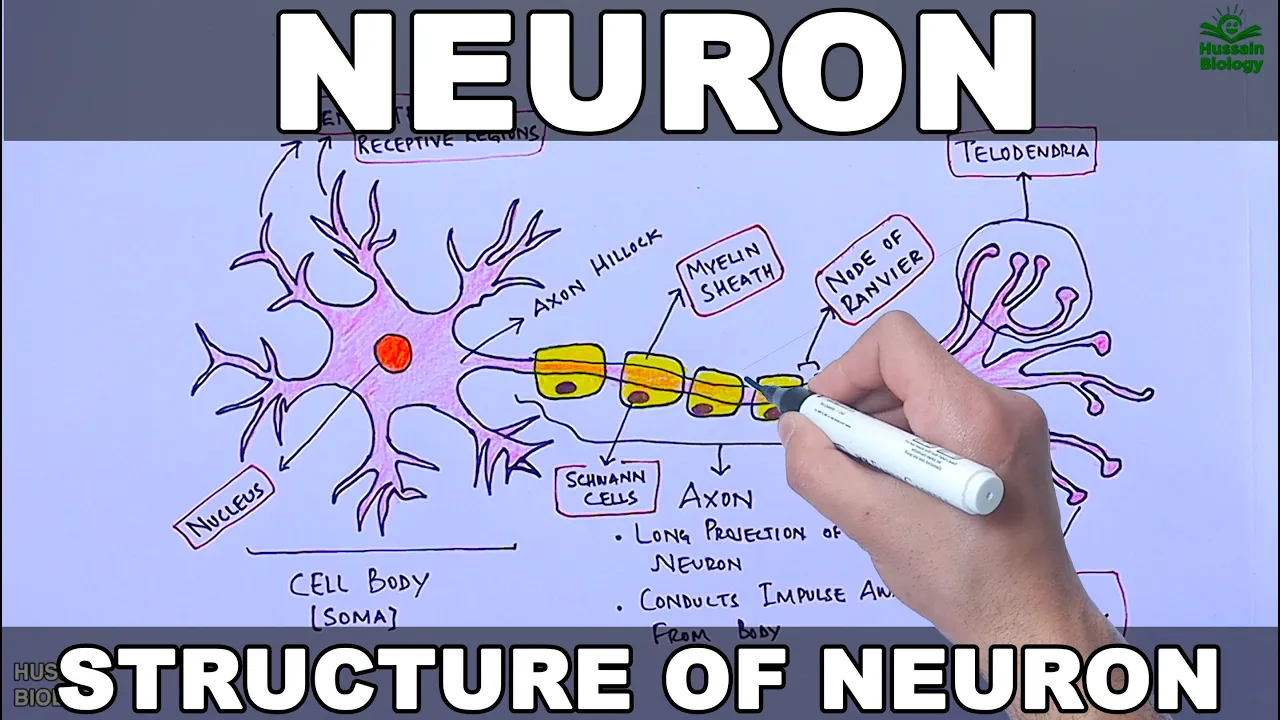


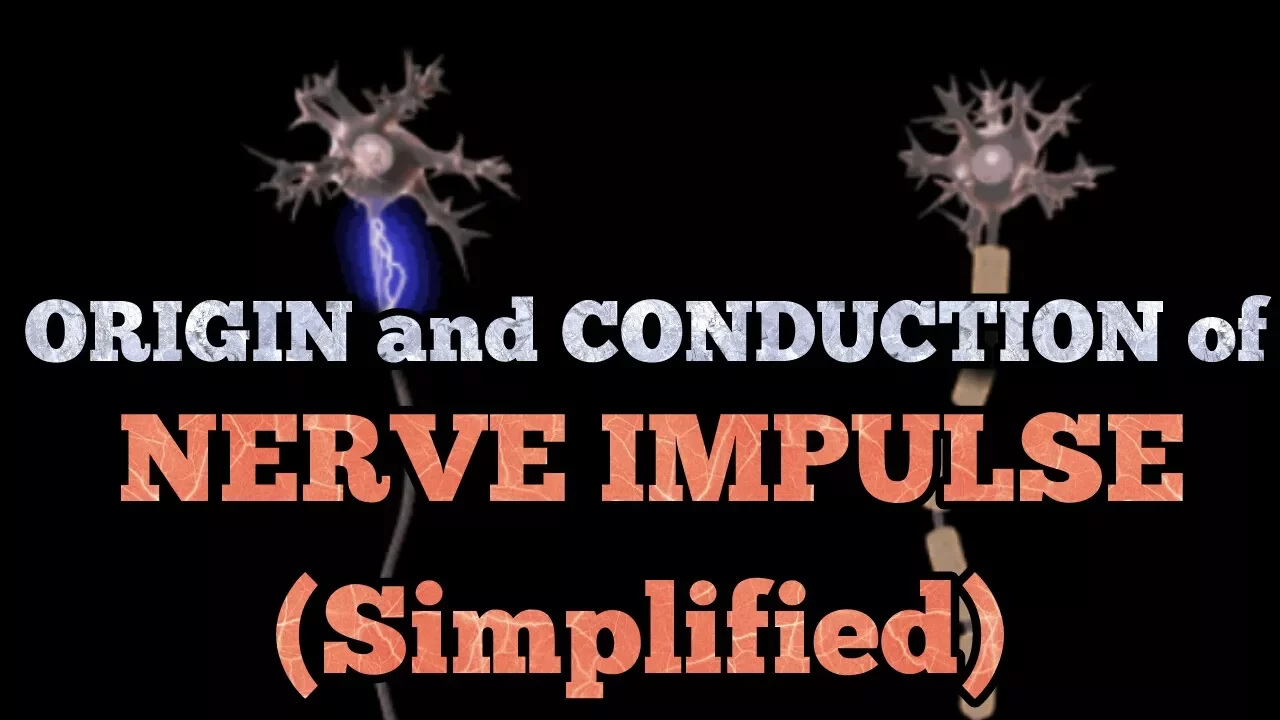









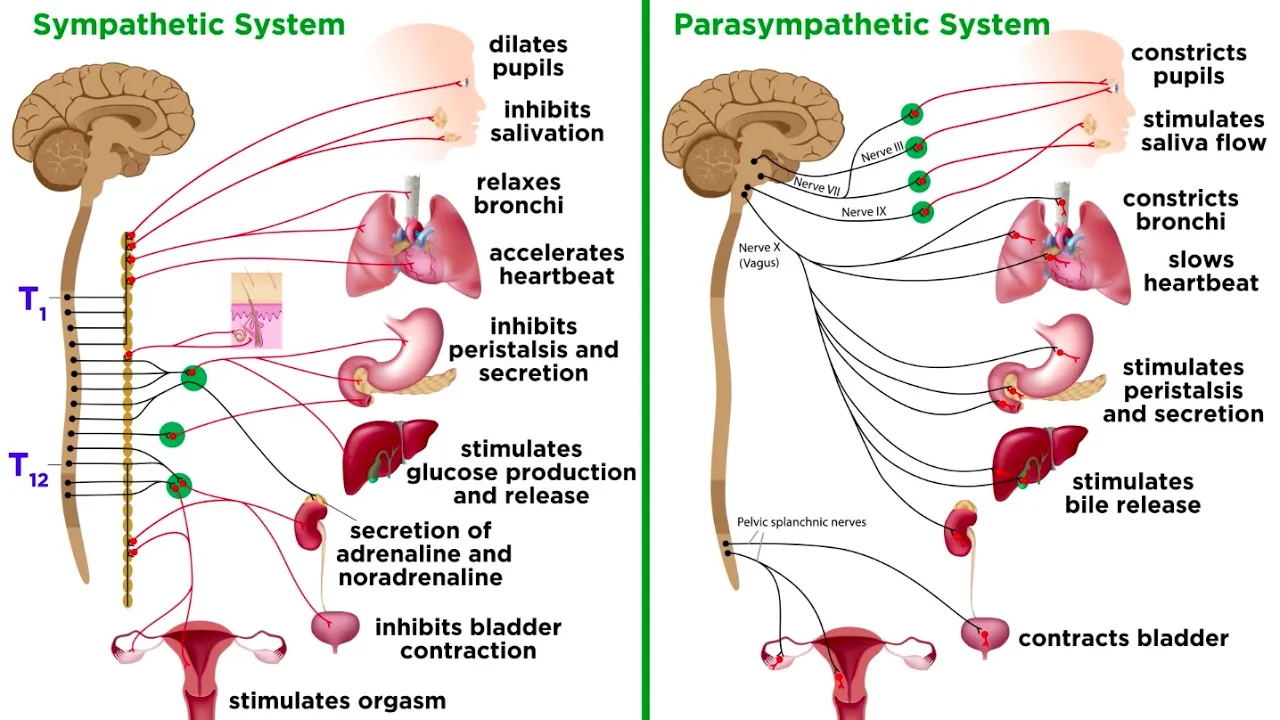











The human nervous system is divided into the Central Nervous System (CNS) containing the brain and spinal cord with only interneurons, and the Peripheral Nervous System (PNS) containing motor neurons (efferent neurons that carry signals from CNS to effectors like muscles and glands, exiting the spinal cord from the ventral side) and sensory neurons (afferent neurons that carry signals from receptors to CNS, entering the spinal cord from the dorsal side); the PNS further divides into the somatic nervous system and autonomic nervous system, which contains preganglionic neurons (originating in CNS and extending to peripheral ganglia) and postganglionic neurons (extending from ganglia to target organs); a simple reflex arc demonstrates this organization where sensory neurons detect stimuli, interneurons connect sensory to motor neurons within the CNS, and motor neurons trigger responses in effectors.
Neuroanatomy: Central and Peripheral Nervous System Divisions Explained
Added:the human nervous system can be divided into two divisions we have the central nervous system or the CNS and the peripheral nervous system or the pns now the central nervous system consists of the brain and the spinal cord and the only type of neurons found in the central nervous system are interneurons now on the other hand the peripheral nervous system consists of everything else of everything outse side of the brain and the spinal cord and it does not contain any interneurons the only type of neurons this system contains are motor neurons and sensory neurons and we'll see what those are in just a moment now we can subdivide the peripheral nervous system into the somatic nervous system and the autonomic nervous system now within the autonomic nervous system we have special type of motor and Sensory neurons known as pre ganglionic neurons and postganglionic neurons now the autonomic system can be divided into the sympathetic and the parasympathetic system now in the next several lectures we're going to basically discuss the details and the functionality of each one of these systems individually in this lecture we're going to focus on a terminology that we're going to need to know that we're going to come across in our discussion on the human nervous system so let's discuss and Define what a mo uh what a motor neuron is what a sensory neuron is what an inter neuron is let's define what the nucleus and the ganglia is with respect to our nervous system let's discuss pre ganglionic and postganglionic neurons and then let's focus on a simple reflex arc so let's begin with defining what a motor neuron is a motor neuron is basically a neuron that begins within the central nervous system and then extends into the peripheral nervous system and it basically carries an electric signal to some type of Target cell usually the target could be an organ it could be a gland it could be a muscle and so forth and because that Target is usually known as an effector so the organ that our motor neuron is trying to send that signal to is known as our eector and that's exactly why sometimes the motor neurons are also known as eent neurons so basically these two terms are synonymous they are used interchangeably so we said that motor neurons basically exit our nervous system now when they exit the spinal cord motor neurons exit from the front side of the spinal cord and the front side side is also known as the vental side so if this is the cross-sectional area of the spinal cord then this is the front side it's the vental side and this is where the motor neuron will leave so let's move on to the sensory neuron so what exactly is a sensory neuron a sensory neuron is basically the neuron that begins at some receptor it receives a signal from the environment and then it sends that signal into the central nervous system so uh Sensory neurons are neurons that receive electrical signals from receptors and carry those to other neurons or to the central nervous system now Sensory neurons are also known as aeric neurons so notice that we have an e here and we have an A here so a faer neuron basically means it carries it away from that receptor so these types of neurons enter our spinal cord from the backside and that means from the dorsal side so dorsal means from the back of our spinal cord now what about interneurons well interneurons are basically simply those neurons that connect other neurons to one another for example we can have an inter neuron that connects a sensory to a motor on as we'll see in just a moment in our example of the simple reflex arc now let's define what a nucleus is with respect to the nervous system so the nucleus here doesn't actually refer to the individual nucleus inside the cell body of our new uh NE uh neuron so the nucleus refers to a collection of many neurons of many cell bodies found within the central nervous system on the other hand if we are examining a collection or a group of cell bodies a group of neurons inside the peripheral nervous system this is known as a ganglia so ganglia are those cells inside our peripheral nervous system and nucleus refers to our groups of neurons inside the central nervous system now what about the preganglionic neuron and the postganglionic neurons so these are the two types of neurons that exist within the autonomic nervous system so in the autonomic division of the peripheral nervous system the neurons that begin at the central nervous system the brain or the spinal cord and extend into the ganglia of our peripheral nervous system remember the ganglia are simply the groups of cell bodies found inside the periphal nervous system these types of cells are known as preganglionic neurons so pre ganglionic neurons begin in the central nervous system and extend into the peripheral nervous system so this is basically a type of motor neuron now what about postganglionic neurons well postganglionic neurons are simply those neurons that synapse that connect to our preganglionic neuron so the pre Gonic neuron begins at the central nervous system it extends into the peripheral nervous system and then it connects with the postganglionic neuron and the post ganglionic neuron then carries that electric signal to some type of Target organ or Target cell known as our e factor or E Factor organ so the post ganglionic neurons are the cells that synapse or connect with the preganglionic neur Neons coming from the central nervous system and this takes place within the autonomic division of the peripheral nervous system so postganglionic cells carry those electric signals and extend to the affect the organ whatever it might be it could be a muscle it could be some type of organ it could be a tissue and so forth so uh let's take a look at the following simple reflex arc and let's follow our electric sign sign as it begins on one part of the body and Ascend somewhere else so let's suppose we take our finger and we pinch or we uh take a prick and we prick our finger and let's see what happens so on our finger let's say we apply pressure we have specific types of receptors pressure receptors that basically uh take that pressure and create and transform that pressure into an electrical signal and that electrical signal signal is picked up by the sensory neuron remember the sensory neuron is our neuron known as the AER neuron that picks up the signal that comes from the environment by that receptor and sends it into the central nervous system so this is our spinal cord now the spinal cord has a back side the dorsal side it has a front side the vental side and remember Sensory neurons basically pick up that signal and enter our spinal cord from the backside so from the dorsa side so the electric signal is carried through the axon and eventually ends up in this region so this inner region is our gray matter this outer region shown here is our white matter so the neurons here are melinated the neurons inside the gray matter are not m ated so we have our um axon terminal is found right here now this section here is an interneuron remember inside our central nervous system and the central nervous system is basically the spinal cord and the brain so inside the spinal cord we only have individual interneurons and so we have this inter neuron that connects our sensory to our motor neuron so once the electric signal is transmitted into the interneuron it travels and eventually it synapses with the motor neuron now the motor neuron once again begins in the central nervous system so it begins in a spinal cord and it leaves the spinal cord from the front side from the vental side and that's exactly why it leaves from the ventral side in this diagram and travels and it carries that elect signal back to some effector organ so this is where the signal arrives and this is where the signal is received by that receptor so we have sensory neuron we have the inter neuron and we have this motor neuron so this is a simple reflex arc so in the next several lectures we're going to discuss the individual functionality of each one of these systems in detail
Up Next

Vagus Nerve Anatomy Animation: Origin, Course, Nuclei & Branches
@doctorbhanuprakash
117.8K views•2021-11-25

Graphic Medicine: Comics for Collaborative Healthcare Communication
@nationalpatientadvocate
189 views•2023-12-04

Understanding Prions and Protein Misfolding Diseases
@AKLECTURES
143.5K views•2015-01-30
Stages of Labor and Vaginal Birth | Childbirth Animation
@nucleusmedicalmedia
52.1M views•2017-08-18
Related Study Plans & Knowledge Roadmaps
Structured learning paths in Medicine