












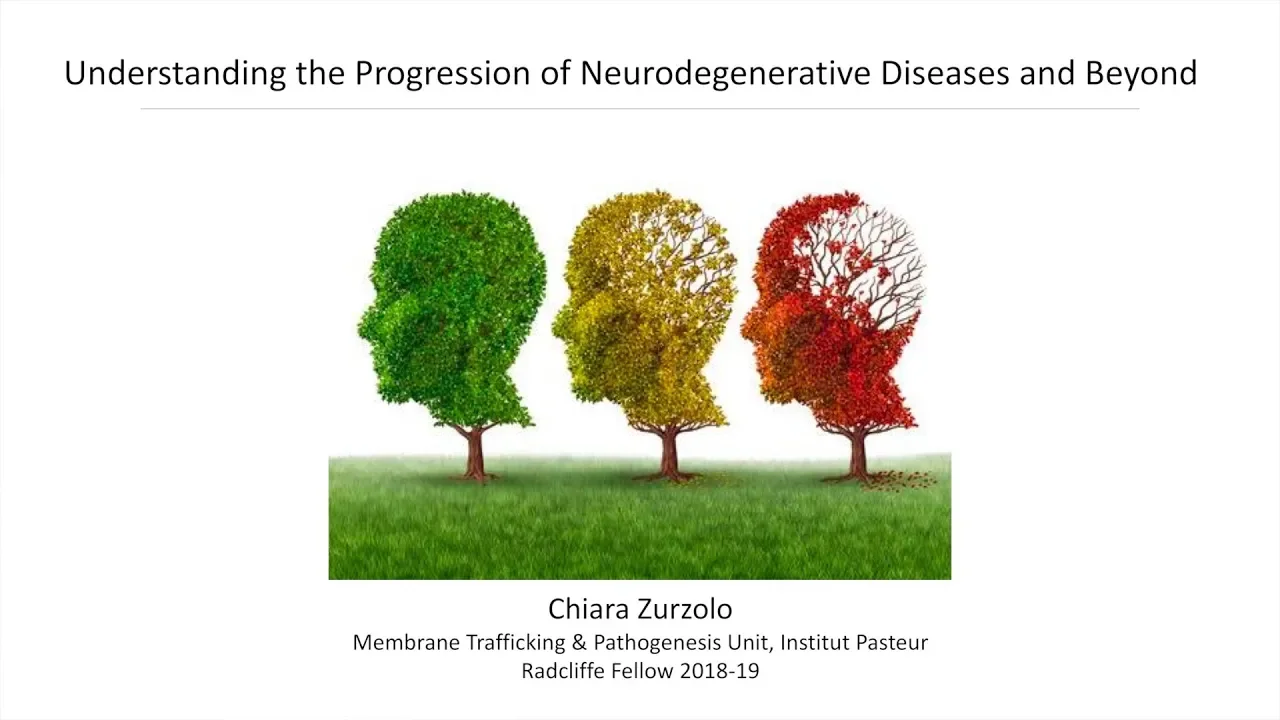






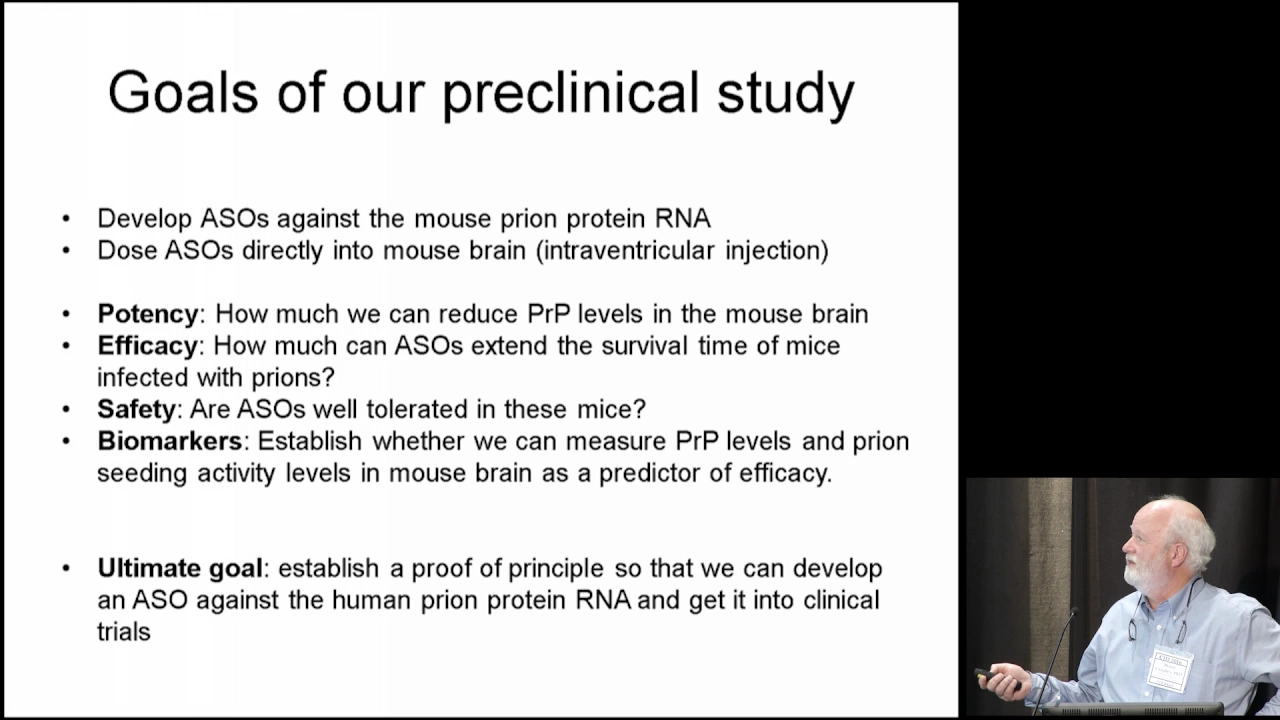


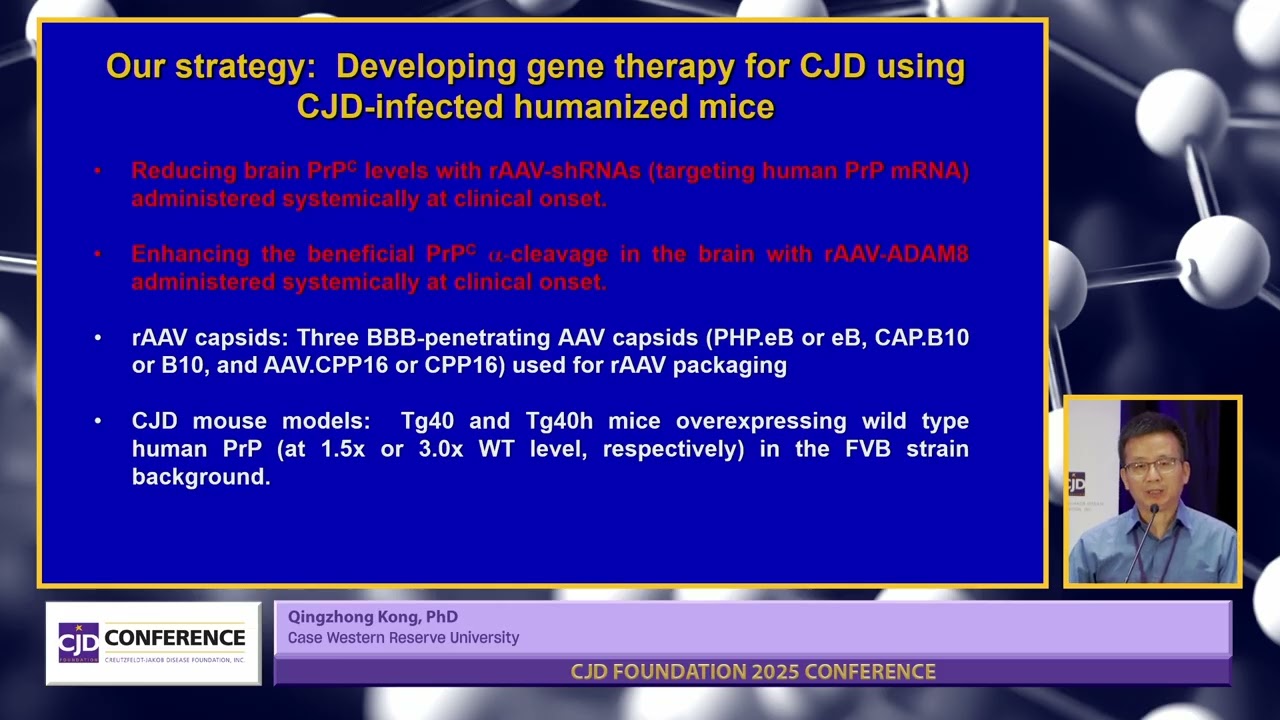

Prions are infectious agents composed of misfolded proteins that cause fatal neurodegenerative diseases; unlike normal misfolded proteins that cells can break down, prions form insoluble aggregates that convert normal proteins into abnormal versions, creating amyloid fibers that destroy brain cells and produce sponge-like brain tissue in conditions like Creutzfeldt-Jakob disease.
Understanding Prions and Protein Misfolding Diseases
Added:The four levels of protein structure (primary, secondary, tertiary, and quaternary), particularly the differences between alpha-helices and beta-sheets.
The Central Dogma of Molecular Biology, specifically how proteins are synthesized and how genetic information flows from DNA to RNA to protein.
The standard classification of infectious agents (viruses, bacteria, fungi, and parasites) and their reliance on nucleic acids (DNA/RNA) for replication.
The basics of cellular protein folding, including the role of chaperone proteins and the concept of proteostasis (protein homeostasis).
The molecular mechanisms of prion propagation, specifically the template-directed refolding and nucleated polymerization models.
The pathological links between prion diseases and other protein-misfolding neurodegenerative disorders, such as Alzheimer's (amyloid-beta) and Parkinson's (alpha-synuclein).
The biosafety and sterilization challenges associated with prions, given their extreme resistance to standard autoclaving, radiation, and chemical disinfectants.
Current therapeutic research and experimental strategies, including antisense oligonucleotides (ASOs) designed to downregulate endogenous prion protein (PrP) expression.
143.5K views2.1Klikes8:49Original Release: 2015-01-30
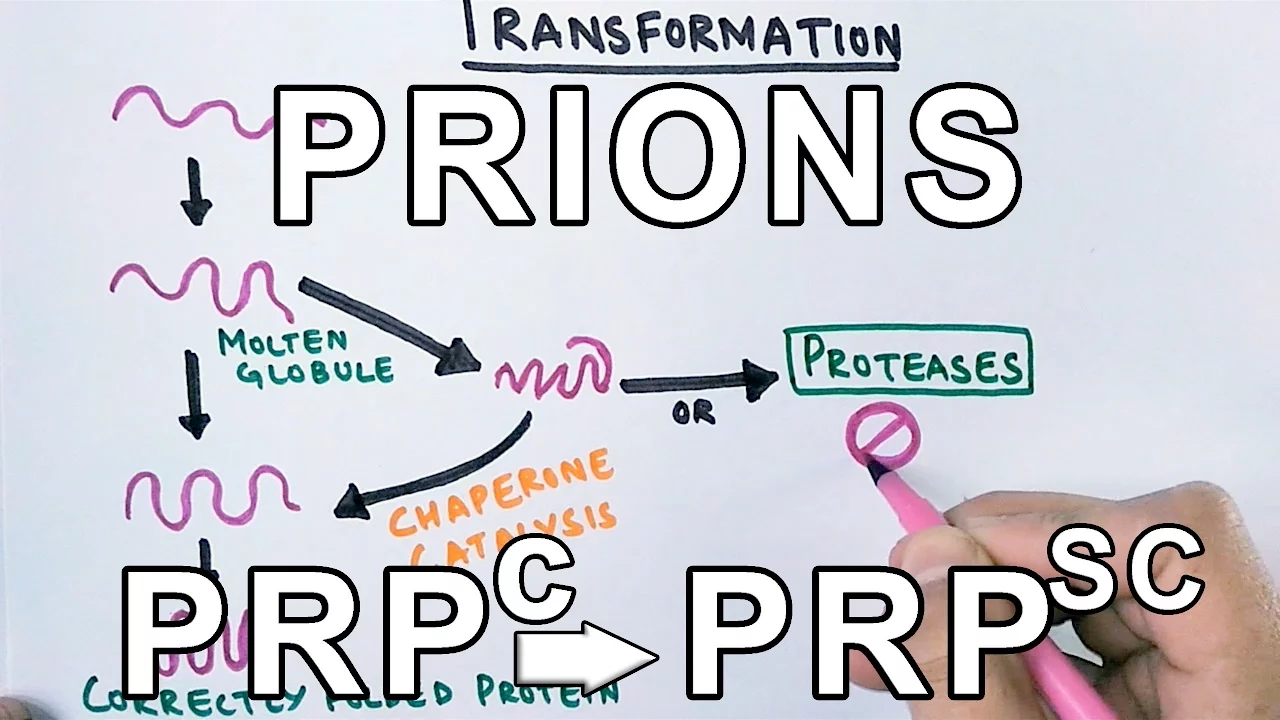
the process by which a polypeptide folds into its final three-dimensional structure is very complex and very intricate now what happens if that polypeptide that initially begins with the correct primary sequence what happens if it folds incorrectly so normally if it folds incorrectly that means the final three-dimensional structure of that polypeptide will not be correct and because it's the threedimensional structure of the poly that determines what the function of that polypeptide is the function of that final misfolded protein will not be the same and usually these types of misfolded proteins are biologically inactive and what that means is our cells will either denature and break down these proteins or refold them into the correct structure now in some very rare cases these misfolded proteins can actually form these biological molecules we call prons and prons are very very dangerous molecules as we'll see in gel State moment prons are these infectious agents that can actually cause a variety of different types of diseases not only in humans but also in other animals for example matad cow disease in cattle and SC creepy and sheep is caused by these prion molecules in fact in humans a disease known as kit yaka disease which is a deadly disease is called by prion molecule so what exactly is a prion and what are some properties of prons well prons are these aggregate these collection of proteins which normally exist in our body but which have misfolded and because they misfolded they form these insoluble Aggregates and so what that means is because they're insoluble there's no way our cells of the body can actually break them down and denature them by the same method as it normally does and because our cells cannot break them down eventually the aggregate proteins will somehow cause the death of the cell killing all the cells of our body and eventually that individual so to gain some insight into how prons actually function let's take a look at the following molecule the following protein that normally exists in the brain cells of our body in our neurons in the brain so PRP as shown in the following diagram is a normal protein that is found in the brain and under certain conditions for example if some type of mutation takes place this protein can actually misfold into this protein known as ppsc now what's the major difference between this protein here and this protein here well one major difference is the fact that this protein consists predominantly of alpha helicis but in this case it consists predominantly it has a very high content of beta pleated sheets so when this misfolding process takes place instead of forming all these Alpha helixes we form these beta ple sheets now what's the big deal about beta pleaded sheets well because we have a high content of beta pleated sheets these molecules will have a high potential will have a high density of binding to other molecules that also contain beta plated sheets why is that well recall that the structure of the beta plated sheet consists of these linear Polymers of amino acids so we have one linear polymer of amino acid a second linear polymer stacked on top of one another a third one stacked on top stacked on top of that and so forth so these beta plated sheets consist of these linear polymers stacked on top of one another and because they're stacked on top and they're linear they're parallel with respect to each other they will have a great potential of bonding to other beta pleaded sheets via non-covalent bonds so recall that beta pleed sheets have a high propensity high potential for foring bonds with other beta pleed sheets therefore the beta pleed sheets of one protein can interact with the beta sheets of another protein and that can form these aggregate molecules so if this protein that normally appears in the brain cells of our body transforms misfolds into this protein it can basically form Aggregates with other proteins and that will eventually form even larger fibers as we'll see in just a moment so to see what we mean let's take a look at the following diagram let's suppose some type of mutation took place or some type of uh event happened that eventually led to the formation of these molecules so we have let's say three of these misfolded protein now because they consist predominantly of these blue beta ple sheets they are drawn in blue now because of the because of the presence of these beta pleaded sheets they will bond with each other as a result of those beta uh beta pleaded sheets being attracted to one another via non-covalent bonds and So eventually we form this multi-unit and aggregate of three prpsc molecules now let's suppose we have these red molecules in close in close proximity that are normal now somehow by mechanism that we are still unsure of these uh infected molecules these misfolded proteins can somehow transform these normal proteins into these abnormal proteins and so these will bind to our multi-unit aggregate transforming these into the blue ones and eventually we form this fiber like protein we call an amalo fiber so these are known as ameloid fibers now eventually they form e even larger Aggregates and eventually these Aggregates because they cannot be broken down by the cells of our body by the same exact methods will basically affect the efficiency and uh the efficiency and the different types of functions that take place in our cells and the cells in this case are the brain cells the nerve cells found inside our brain So eventually that will kill off many nerve cells in our brain in fact if we examine the brain of an individual that has chist spelled yakup disease will see that the brain will resemble a sponge in the sense that it will contain many holes because those holes are a result of the fact that many nerve cells have died because these Aggregates have killed off those cells so in the case of cjd uh these proteins end up killing off many of the nerve cells which eventually degenerates the mental capability and the brain function of that particular individual and patients with these conditions develop a sponge-like brain that basically resembles a sponge in a sense that that it contains many holes and those holes come from the fact that these aggregate molecules kill off the different types of cells different types of nerve cells inside our brain so we see that usually the misfolding of a protein doesn't actually do much because our body is capable of denaturing and breaking down that misfolded protein or folding it correctly into that correct shape but sometimes we get something called a prime and these are very very dangerous infectious agents so up until recently we thought that only bacterial cells and viruses are capable of infecting our bodies and the bodies of other animals but now we know that these aggregate of misfolded proteins known as prons can only can also act as infectious agents they can easily be passed down from one individual to another and even from one organism to another as we saw the case was with those people those individuals that ate beef that came from cows that had mad cow disease so basically those prons were passed down to those individuals via the beef because the beef contain those prons in the cells
Up Next
39:14
Methylene Blue Neuroprotection in Ischemic Stroke: Mechanisms & Safety
@DrBeenMedicalLectures
69.9K views•2022-12-02

48:47
Graphic Medicine: Comics for Collaborative Healthcare Communication
@nationalpatientadvocate
189 views•2023-12-04

10:28
Neuroanatomy: Central and Peripheral Nervous System Divisions Explained
@AKLECTURES
136.2K views•2014-09-20
3:05
Stages of Labor and Vaginal Birth | Childbirth Animation
@nucleusmedicalmedia
52.1M views•2017-08-18
Related Study Plans & Knowledge Roadmaps
Structured learning paths in Medicine
medicine
Abnormal LFTs: Diagnostic Workup & Pathology
01Liver Anatomy and Basic Physiology
02Introduction to Liver Function Tests (LFTs)
03Hepatocellular vs. Cholestatic Patterns
+ 3 more learning modules
12h6 modules
Explore Roadmap
medicine
Analyzing Blood Smears: RBC, WBC & Platelets
01Introduction to Blood Components & Smear Preparation
02Normal Morphology of Blood Cells
03Erythrocyte Pathologies & Morphological Variants
+ 2 more learning modules
12h5 modules
Explore Roadmap
medicine
Mechanical Ventilation: Waveforms & Alarms
01Anatomy and Physiology of Breathing
02Introduction to Mechanical Ventilation & Core Modes
03Ventilator Settings and Waveform Interpretation
+ 2 more learning modules
12h5 modules
Explore Roadmap
medicine
Neuro Exam: Localization & Stroke Syndromes
01Foundations of Neuroanatomy and Vascular Supply
02The Neurological Examination: Step-by-Step
03Principles of Neurological Localization
+ 3 more learning modules
18h6 modules
Explore Roadmap