



















Methylene blue provides neuroprotection after ischemic injury through multiple mechanisms: it inhibits p53-mediated apoptosis by reducing BAX expression and caspase activation, enhances autophagy via the AMPK-mTOR pathway, and restores mitochondrial function by acting as an electron carrier that facilitates electron transport chain activity even under low-oxygen conditions; these combined effects make it potentially useful for protecting brain tissue during transient ischemic events and reducing infarction size.
Methylene Blue Neuroprotection in Ischemic Stroke: Mechanisms & Safety
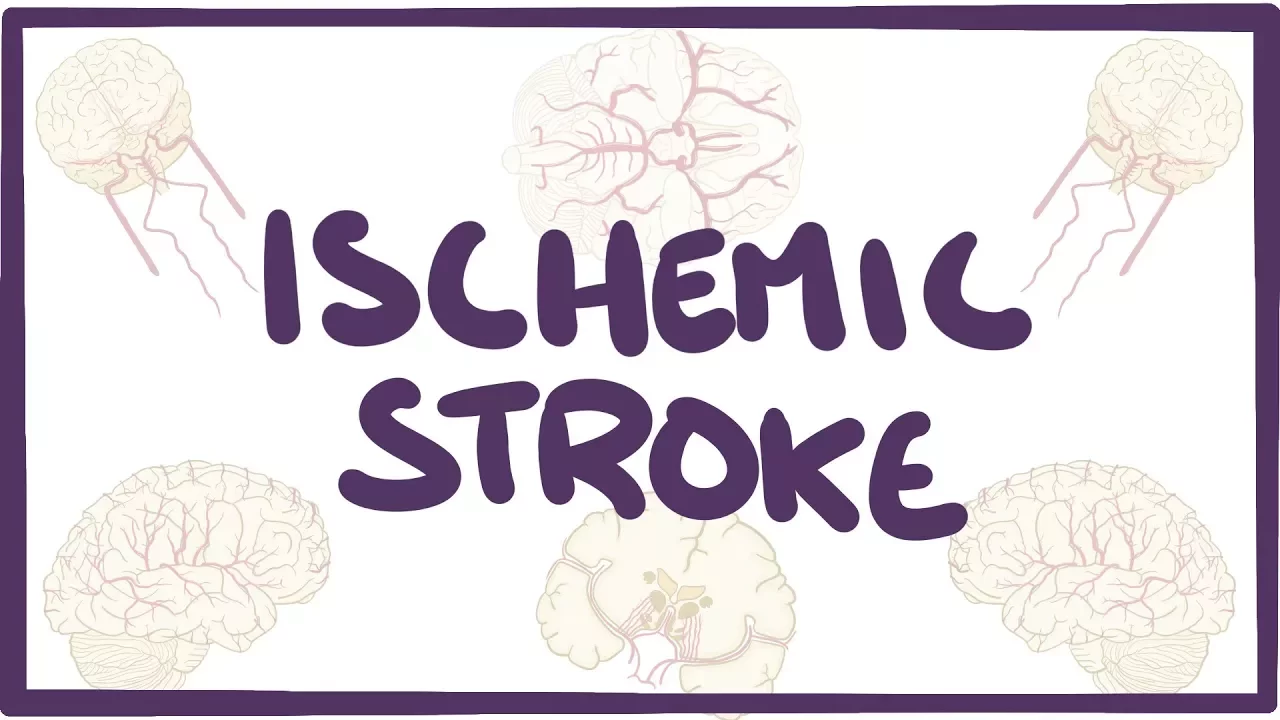
Added:The pathophysiology of ischemic stroke, including the cellular mechanisms of excitotoxicity, calcium overload, and reperfusion injury.
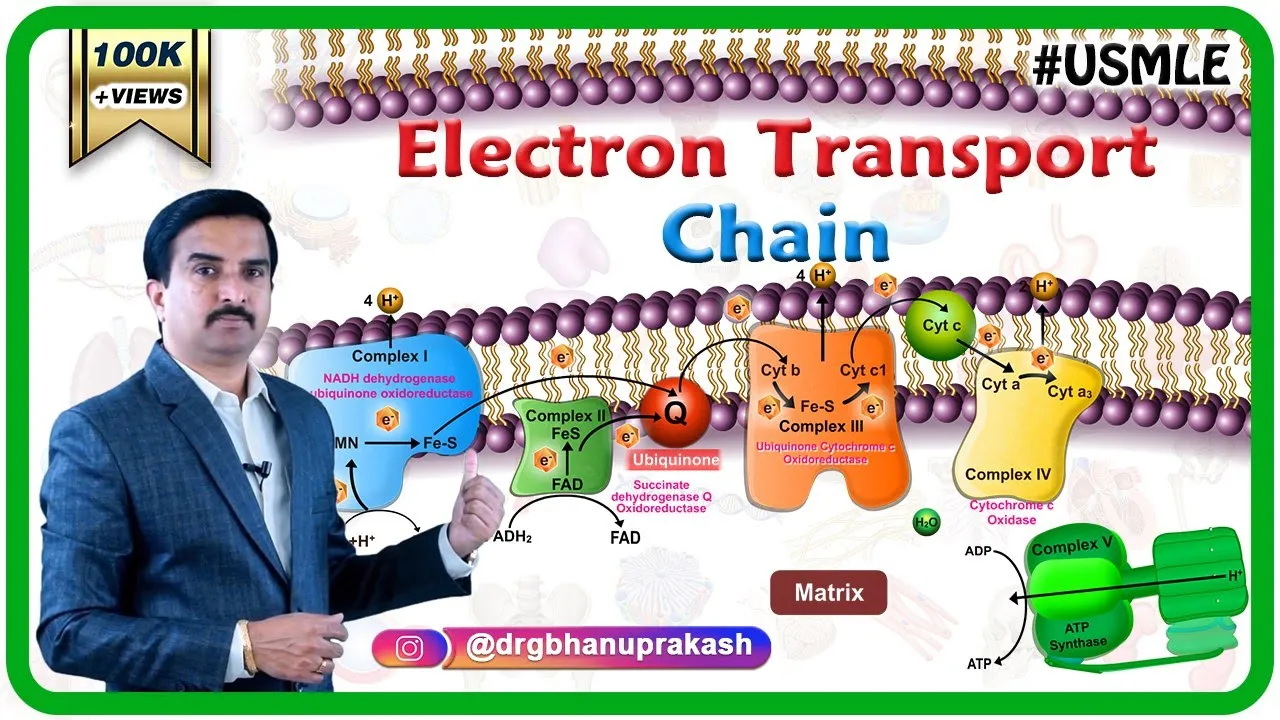
Mitochondrial physiology, specifically the role of the electron transport chain (ETC) in ATP production and the generation of reactive oxygen species (ROS).
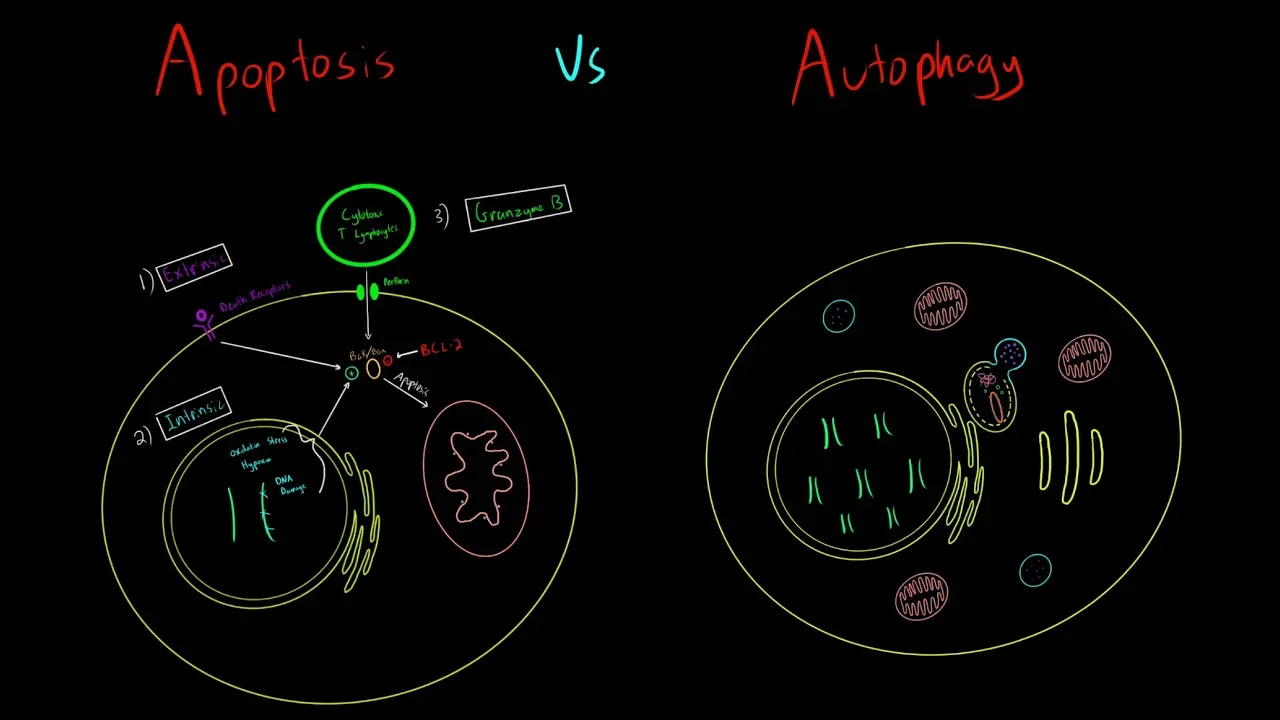
The basic biological pathways of cell death and survival, specifically apoptosis (programmed cell death) and autophagy (cellular self-digestion).
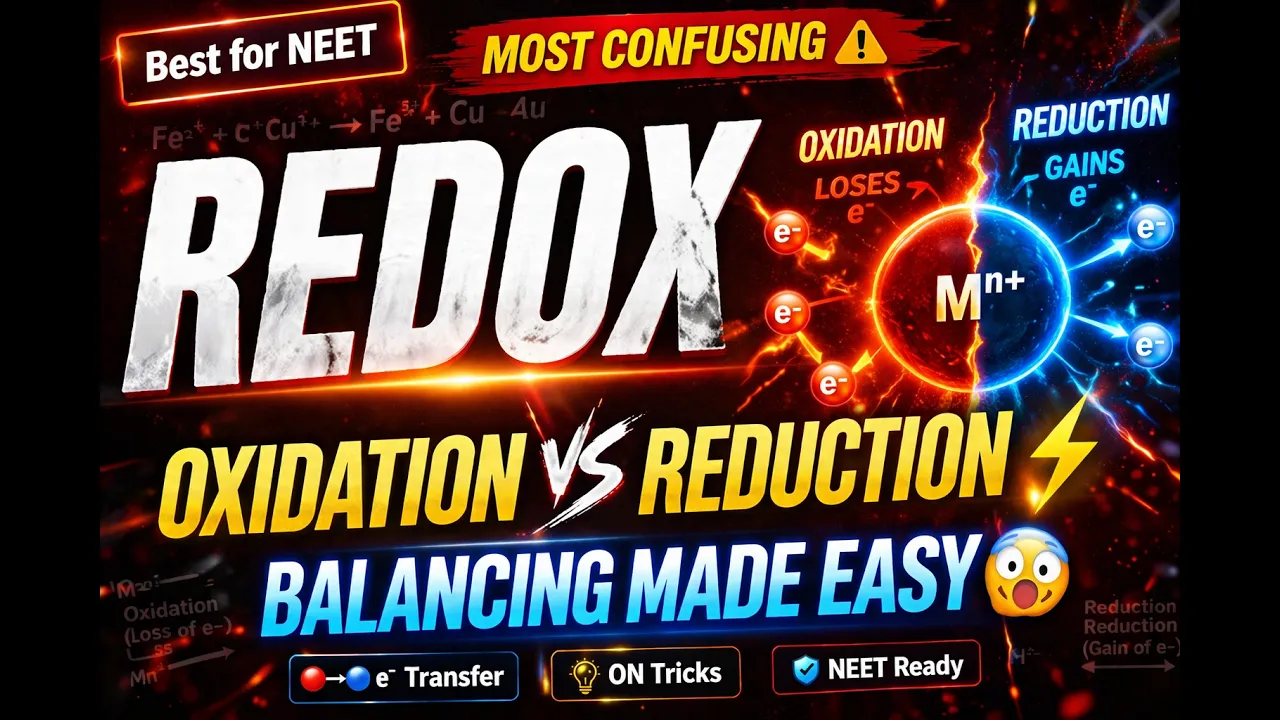
Basic chemical and pharmacological principles of redox-active compounds and electron cycling agents.
The pharmacological concept of hormesis, exploring why low-dose methylene blue is neuroprotective while high doses can induce toxicity.
The translational challenges in neuroprotection, analyzing why drugs successful in animal stroke models often fail in human clinical trials.
The clinical application of methylene blue in other neurological conditions, such as Alzheimer's, Parkinson's, and traumatic brain injury.
Evaluating combination therapies in acute stroke management, such as co-administering methylene blue with thrombolytic agents (tPA) or mechanical thrombectomy.
69.9K views2.9Klikes39:14Original Release: 2022-12-02
all this is Dr mobeen Syed from drbean.com welcome to one more show so the discussion today is about methylene blue and especially the low-dose methylene blue let's start a talk I want to start with the side effects and contraindications because these are really important so if these are the dosages for matte hemoglobin and even for the cyanide poisoning so that's not what we are talking about we're going to talk about the cognitive functions and neural protection and generally the function mitochondrial Rehabilitation and well-being function of methylene blue here are some side effects the link is in the description I would request you to please look at that before you decide to have methylene blue or not and also talk with your doctor here are the drugs with which it can interact and here are the contraindications that are important this is why I wanted to start with this severe hypersensitivity reaction to methylene blue or other thiazine dyes secondly patients of G6PD deficiency should not take methylene blue it could cause hemolysis in them then it is a teratogenic drug that means it can actually cause damage to the fetus so it is contraindicated in pregnancy and even for the breastfeeding mothers and then there are some more cautions here these are cautions contraindications have already discussed some questions are for example number one it interacts with the ssris so that is a contraindication because it can cause serotonin syndrome one second it is extensively metabolized in the liver so people with the liver um diseases or pathologies should talk with the doctor and possibly reduce the dose it is 40 percent excreted in the urine so there are two outcomes of that one people with impaired renal function should have a lower dose and also keep an eye on their renal functions when they are taking this drug secondly it would change the color of the urine so those tests for example dipsticks that look at the urine color these tests might become might give incorrect readings then it could cause and some people dizziness so that means after methylene blue be careful for driving or other such hazardous tasks and so my request is that please go over that as well now in the case of low dose the if you read here the methylene one percent methylene blue dose for example for met hemoglobin is five milligram per milliliter single dose ampule or one milligram per kilogram IV over 5 to 30 minutes however the low-dose methylene blue and this is this is a safe and effective dose low-dose methylene blue is normally 5 milligram twice a day or just total five milligram once a day so that is important to keep in mind so here is Rima Rima is here in the in the comments as well Rima had sent me this one percent Compass lab methylene blue I have no relationship with them or no commercial interest with them and there are many other as well so for example if I go down here there are other companies this is the compass Labs there is biofarm there is cztl Amazon themselves as well various prices here but this is a formulation present on Amazon if you look at the latest update in the flccc protocol you will see that they have a way to make it as well so uh Alexander said dollars but if you look at down here you would see the other prices as well anywhere from 22 27 70 and then 144. and talking about dollars look at this this is Dr Bean one-time access to all 900 lectures and at half the price of one bottle of methylene blue can you imagine that and I actually staged this tab after the methylene blue to be able to say this that oh goody look Dr Bean is half the price of the methylene blue uh bottle so continuing he here are some studies that I have been going over the detailed discussions are on flccc there is another discussion I'm gonna do for flccc tomorrow however here today I wanted to do a quick review of General mechanisms of methylene blue and how does it help so let's get ready for that John says good marketing technique really 67 one time forever versus one bottle of methylene blue which would finish very soon and then you buy another bottle but you don't buy another Dr Bean account okay so with this I'm gonna start from here this is a painting that I did using Rebel 5. it's a digital mixed color painting mixed media painting it is watercolor and oil colors for oils watercolors and oils so the title is war and I did that I think this Sunday okay with that so these are our gifts for Humanity this is methylene blue discussion General mechanisms not details so we'll we'll have an overview of why methylene blue is so interesting so we'll start from here as this is an overview look at this this is a neuron so if I color this neuron for a second to get us around this is the neuron's body this is a cell and here is the Exxon here are the dendrites just to give us a landscape I want you to look into the neuron and the first thing that I want to discuss is the following when a neuron is under stress especially ischemic stress so that means we are talking about ischemic insult to the brain tissue that can be transient ischemic stroke but that can be more permanent ischemic stroke but anything that causes brain hypoxia anything that causes circulation to brain to reduce anything that causes less oxygen supply to the brain what happens is in a normal reaction of the neurons is start from here let me increase the size this is the nucleus when the neuron is under stress what happens is that inside the nucleus there is a p53 gene and you would see that p50 p53 Dean and the protein system is involved in many of the cell survival or cell death mechanisms or even during the cell replications as well so p53 Gene becomes active when there is hypoxia or less oxygen or even ischemia then what p53 does is that there is another Downstream Gene called backs backspin is in the family of BCL genes so another set of genes that are responsible to help the cell die remember the cell is under ischemic insult so it is going to decide to die it's going to say you know what I am done I'm gonna die so we are looking at that mechanism that how does that work and what is the connection to methylene blue methylene blue would interfere with this mechanism and prevent the cell from dying so once again let's see how the cell decides and acts to die in case of ischemia so p53 becomes active p53 causes backs to become active the gene or open or Express once that Gene is expressed messenger RNA comes out of the nucleus for backs and goes to the ribosome ribosome will pick up that messenger RNA and make bags protein this backs enzyme will then enter the mitochondria this is why the first step to keep in mind this is why methylene blue is important because when methylene blue would interfere with this mechanism it will help protect the mitochondria in addition to protecting the whole neuron so this backs enzyme enters the mitochondria when it enters the mitochondria that is a message to mitochondria to say hey guys we are under stress you need to stop working or backs his presence inside the mitochondria causes mitochondrial disruption that in turn causes the components within the mitochondria remember mitochondria is filled with its own components and enzymes and fluids imagine it's a tiny purse which has little coins in it so some coins will spill out of mitochondria most important is cytochrome C ytochrome C enzyme when that spills out cytochrome C is also one of the complexes of the electron transport chain so anyways when that spills out in the cytoplasm of the cell that causes another protein called a p a f 1 to become activated and from here all hell breaks loose because this protein causes another set of proteins to become activated which are called caspase-9 and I always talk about caspices as Casper the Friendly Ghost here this is the Casper enemy ghost what that does is caspase 9 when that becomes active it activates many other caspices importantly caspase 3.
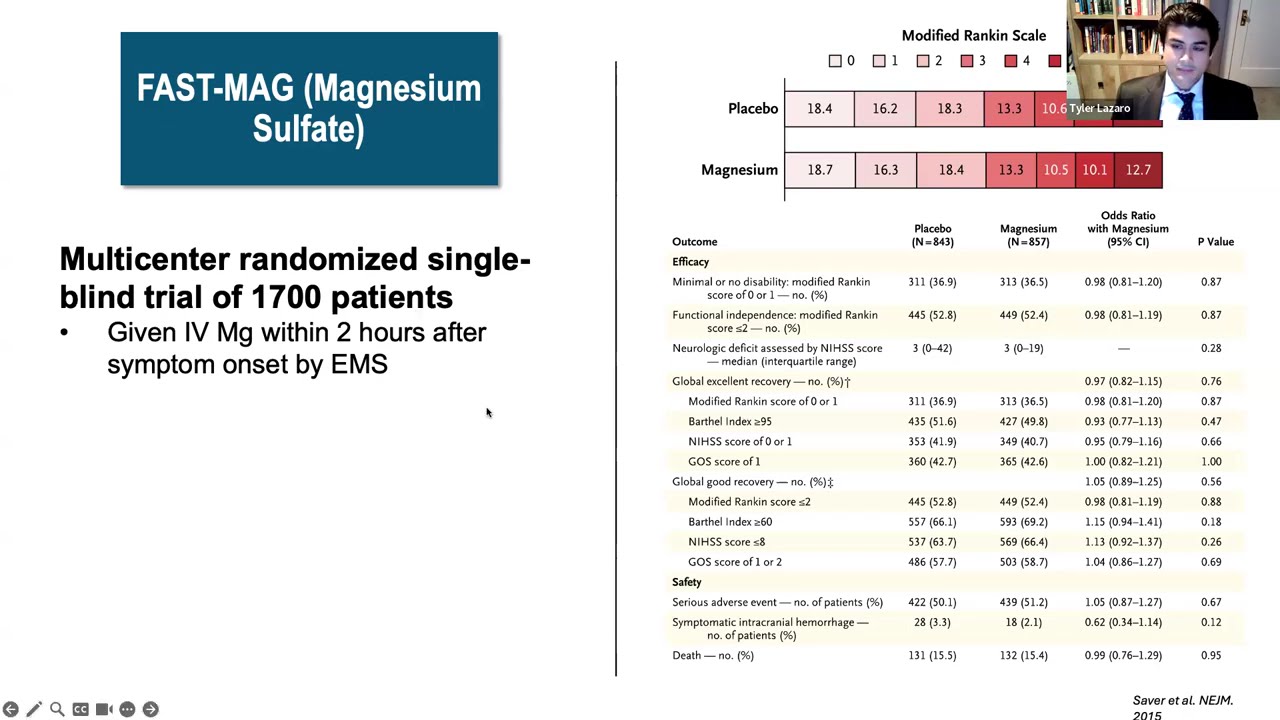
caspase 3 then causes this cell to start the apoptotic function and die so this is the mechanism in a higher in an overview of how a neuron and actually many other cells but here we're talking about neuron how a neuron decides to die after a stressful event and guess how does methylene blue help methylene blue interferes with p53 it reduces the expression of p53 when p53 expression is reduced that causes the bcl2 or backs Expressions to reduce the result of that is that the caspase side this expression of caspasis reduces and that causes or blocks apoptosis this is neural protection and why is this important look if somebody has transient ischemia of the brain tissue and you can imagine that can be for many reasons covet can cause that as well vaccines and some people can cause that as well and generally people have transient ischemic attacks nothing to do with covert or vaccine just generally that happens too the point is there is a possibility and as we age that possibility increases of transient ischemic attacks So within few minutes of the transient ischemic attacks if methylene blue is given methylene blue would prevent or reduce this particular mechanism and prevent the neurons from dying if we can save the neurons from dying then soon afterwards as the repairs happen as the blood supply restores to the tissue the tissue can actually have a chance to stay okay so here if the tissue has already died then giving it blood again will do nothing those dead neurons will just be removed and now we have our tissue damage which is permanent on the other hand if we can prevent them from dying then we have a chance of protecting them this is the neuroprotective behavior of methylene blue during a transient ischemic event and the authors in this study let me quickly show you the study here the authors in this study so this study is the effect of methylene blue on autophagy and apoptysis in MRI defined normal tissue ischemic penumbra and ischemic core and this at the end of this they say something that was really interesting I had to read this all today and it is actually fun to read this one here this said a unique advantage of methylene blue is that it could in principle be administered on site by emergency responders which could then potentially benefit a larger acute stroke patient population what they're saying is if the methylene blue is carried by the emergency responders and they administer that as soon as somebody has the stroke they can potentially protect a lot of people's brain tissue injury or the the extent of the injury it almost seems to me as if to have a tiny methylene Blues bottle always in our pockets and if we feel that there is a or the EMTs should know that the pocket has the methane blue and they can use that so anyways going back here this is how important this discussion is so first mechanism methylene blue helps prevent or reduce apoptosis good second mechanism methylene blue also enhances autophagy this is a very interesting behavior of methylene blue so think about it for a second in a in an ischemic insulted tissue the tissue's behavior is to just die here we are telling the tissue that hey man don't die here you little cells don't die survive do not commit suicide and also clean up your internal trash that has become produced as a result of the insult normally neurons do the opposite they die and they don't clean up inside methylene blue helps them reverse it number one it protects them from dying and number two it triggers autophagy in them so they can clean up their internals it's a homeostatic mechanism autophagy it is protective so look at how methylene blue does that so once again the same mechanism the beginning is the same methylene blue reduces the activation of p53 when the p53 activation is reduced that causes the ampk to be reduced as well that is another enzyme and this enzyme ampk can also be modulated with the administration of amp which can normally occur when there is less oxygen so if there is less oxygen or less nutrition then we make less ATP and that results in more amp because at adenosine triphosphate is made from adenosine monophosphate so there is adenosine monophosphate that becomes adenosine diphosphate that becomes adenosine triphosphate so when there is adenosine monophosphate reduced as a result of reduced p53 that causes another enzyme called tsc2 to increase which then causes mtor to reduce m2r is the mammalian Target of rapamycin mtor what is the importance of emptor mtor prevents autophagy it is a switch Dr Paul Merrick was talking about it yesterday as well mtor is a switch which prevents the cell from autophagy so you might say why what's wrong with the m2r why does it do that well the M tour decides that within a cell what should be happening should the cell be cleaning up or should the cell be eating so imagine that there is someone in our home who are orders us every day to say time to clean versus time to work when we are working for example let's say we are cooking something then it's not necessary that as you're cooking you are cleaning as well although I whenever I'm cooking I clean with it and it's kind of my I think I have an OCD for that so anyways when you're cooking maybe you don't want to clean up right away then when you stop cooking then you start cleaning mtor is that part that enzyme if there is insulin present if there is glucose present that means a cell is receiving nutrition and cell should stop cleaning and receive the nutrition store it put it somewhere and then when it is free that means there is no more glucose or there is less glucose and less insulin now the cell is free then it should do the cleaning up so mtor decides when the autophagy will be triggered so if you decide for mtor if you say you know what mtor I'm gonna make you stop and when mtor stops autophagy starts imagine I'm tour is someone sitting in our home continuously saying don't do clean up just keep working don't do clean up just keep working and that is what mtor does if you go to mtor and say um tour you stop then mtor will not say that don't do cleanup and as soon as it stops saying that then the cleanup would start methylene blue causes mtor to stop and when the Emptor becomes reduced in its action autophagy starts and we want a neuron that is under stress we wanted to do autophagy to clean up the trash from within itself so what a beautiful mechanism on one end it prevented the neuron from dying it protects us from losing a neuron forever secondly it triggers the cleaning up within the neuron a neuron under stress has lots of trash piling up inside heat shock proteins are being produced and methylene blue would help trigger that mechanism to clean up the neuron beautiful this is like methylene blue goes in and kisses the neurons to say you stay alive and you stay happy and healthy okay then and if you read some of the comments on under methylene blue many people are claiming and so this is not a study although studies show that as well many people say that hey my cognition becomes fast improved I can find words quickly I can react quickly I can think quickly so methylene blue low dose five milligram total in a day or even 10 milligram total in a day one percent solution of methylene blue is is magical with all those side effects and contraindications that we discussed already now final effect of methylene blue that is actually published at flccc platform I think yesterday so that is the long story short with Dr Bean if you find that on YouTube the latest video that I did was methylene blue and its effect on mitochondria I'm gonna give you a quick summary of that now we are going to go in the mitochondria the PowerHouse of the cell when a mitochondria is under stress imagine the whole cell is in distress and then of course the mitochondria that is living inside the cell is also in distress when the mitochondria is in distress what it does is the following it starts releasing the components its own components out in the environment that is a signal from the mitochondria to say I am under stress and that allows the cell to perform apoptosis and die even if those components are not causing apoptosis if there are released from the cell to the outside environment then the immune system cells will kill this cell so remember mitochondria is a very important component not only for energy production and not only for keeping inflammation at Bay but also to give a signal to immune system to kill this cell or not so how does methylene blue help in this whole situation when a mitochondria is functioning I have made this little diagram here let me show you what happens is mitochondria's function is to make ATP for to do that what it does is it has a bunch of um enzymes on its inner membrane and I have discussed that all in a separate talk so I don't want to take your time there there is an electron transport chain that electron transport chain has multiple enzymes in it we call them complex one two three four and then there is a fifth complex that is called ATP synthase that makes the ATP normally electron transport chain is separate in ATP synthes are separate they are together called the phosphorylation mechanism the details here what is important is this the complex one an enzyme inside the mitochondria receives an electron from nadh this is why nadh is very important it receives an electron from nadh similarly another complex called complex 2 receives an electron from fadh2 these electrons then are transferred to complex three complex 3 then transfers them to complex four so you would say what the heck are they doing just transferring the electron actually what happens is within their own structure they move electron from side to side within them and they harvest energy from the electrons movement so they're not just doing it because they're playing ball they are doing this because they are extracting energy from electron as electron is moving and finally when the electron reaches the complex four the complex 4 enzyme puts that electron on oxygen and makes water so of course oxygen is very important if oxygen is not there we cannot make water and now the electron chain is disrupted and they'll the mitochondria will be disrupted so imagine if there is ischemic injury to the brain tissue there is less oxygen available to the tissue cells or neurons and this electron transport chain has become a problem because it is not running it doesn't have oxygen or has low oxygen second thing the complex number three is the primary place where reactive oxygen species are made raws are made now normally a cell makes anywhere from 0.5 percent to four percent of the electrons get converted in Ros reactive oxygen species these reactive oxygen species are actually useful they do a lot of good things within the cell but if that percentage increases then those little bombs the reactive oxygen species they will go and they will just denature the lipids and they would cause the cell membranes to be destroyed and they will cause the membrane of other organelles within the cell to be destroyed they can essentially destroy the whole cell this is like having a fire erupt inside a house that would just blast the whole house out we don't want that but when the mitochondria is disrupted then the complex three can continue to make more reactive oxygen species while complex 4 is not using those electrons to make oxygen water with the oxygen and now we have ample in more than ample or excessive amounts of reactive oxygen species produced which cause lots of damage guess what methylene blue does I think after this talk you will pick up missing blue and kiss it so what methylene blue does it is a what we say it is a it is an electron cycler it can donate an electron to the complex four even if the remaining parts are not working you can actually donate to electron to all parts and it can receive an electron as well so if there is less oxygen there is no one to receive the final electron then methylene blue can raise its hand and say I will receive it for you is I need electrons to function methylene blue would raise its hand and say I can give you an electron it is an electron donor and acceptor it is a redox molecule it is an electron cycler so an electron transport chain that is in shambles because there is less oxygen and there is less nutrition nutrition there is less than a DH there is less F A dh2 the mitochondria is dying methylene blue comes in there and says I'll do this I'll give you electrons and if you want to give them back to me I'll take them so it reduces so it kick-starts the mitochondrial function which is very important because when the mitochondria would start functioning correctly it would start making ATP and that is an energy enhancing mechanism of methylene blue and production of ATP tells the cell the cell in which this mitochondria is when the mitochondria is making ATP that tells the cell that hey everything is good and the cell decides not to cause apoptosis what a beautiful mechanism right so energy enhancing mechanism also antioxidant because it can take electrons and it can give electron and it can make the electron transport chain to work correctly and that would become antioxidant Behavior then anti-inflammatory Behavior how when the mitochondria is under stress as I said before it would start releasing the mitochondria will start releasing its components out in the cytoplasm those components what causes the cell to understand that hey I'm under stress and cell would start inflammatory cytokines release which would then cause immune system to become activated and if those components from the mitochondria go into the cell cytoplasm from their outside then the the become activated as well so when methylene blue is present mitochondrial function is restored mitochondria stops spilling these signals an inflammatory behavior is reduced not only of this cell but the surrounding immune cells that means damage to the tissue is reduced and this is what they saw in the study that is a mouse study but they saw that those mice that were given methylene blue right in the beginning of the brain injury they had smaller areas of infarction they had smaller area of damage compared to those that were not given methylene blue so more actions this is also a very interesting action methylene blue works with the complex four to help produce more nitric oxide this is the last part and then we stop what is this about so what happens is when a mitochondria which is the mitochondria which is responsible to work with oxygen and nutritions right when it finds that there is less oxygen when it cannot make enough water and that mitochondria in normal situations helps produce more nitric oxide why did I say helps produce more nitric oxide some literature says mitochondria actually produces nitric oxide by the complex Force function and some literature says that the complex Force the function is to consume nitric oxide to reduce the amount of nitric oxide present in the environment so let's just say this much when there is less oxygen the mitochondrial function becomes to increase nitric oxide when the nitric oxide is present more that would cause the blood vessels to dilate we have done this discussion before nitric oxide dilates blood vessels when the blood vessel is dilated there is more glucose that will come in there is more oxygen that would come in there is more blood flow that would take the trash away as well the tissue would start healing and repairing guess what methylene blue does this is why methylene blue is called the Jack of all trades what it does is methylene blue consumes oxygen and converts that into water without the help of complex four which causes complex 4 to start making more nitric oxide which causes vasodilatation which causes more glucose and oxygen to start flowing in and more trash to start flowing out so the avid medical professionals who are here will be thinking well shouldn't that cause reperfusion injury so what happens is that when an area a tissue is under stress because of ischemia or because of less blood flow or oxygen or nutritional Supply problems when you give it normal flow of oxygen and blood and nutrition then that extra nutritions that come in that causes the mitochondria to start running fast which causes more reactive oxygen species and that causes even more insult to the tissue that is called a reperfusion injury guess what methane blue does because it is sitting in the mitochondria and keeping the reins of mitochondria correct because it can receive the electrons it actually protects from the reperfusion injury by reducing the production of reactive oxygen species so this study showed that not only it helped dilate the blood vessels and increase the cerebral blood flow it also reduced the reperfusion injury so it is such a beautiful molecule that says you know what bring the blood in open the floodgates and I know that this is going to cause damage so I am standing here to not let the damage occur what a beautiful thing little molecule so it increases nitric oxide it causes vasodilation that increases the glucose uptake and all of this normal behavior will bring the tissue back towards normalcy which prevent the tissue from dying which cause the tissue to do autophagy and clean itself now that is the discussion and maybe methylene Blue Bottle is actually more important than buying a Dr Bean account so with this having methylene blue with you is an interesting thing to to do and it is useful once again let me just give you a quick look at the studies that I presented these are also in the description of this video here is this study the effects of methane blue on autophagy and apoptosis then protection against neurodegeneration with low-dose methylene blue and then and actually photobiom modulation so I've done a talk about how photobiomodulation also helps restore mitochondrial behavior in the neuro neuronal tissues and then mitochondria as a target for neural protection protection role of methylene blue and photobiomodulation these are the studies I hope so mean being says why is it blue I have no idea just like why do we have our colors um Alexander says new Dr Bean bundle methylene blue plus Dr Bean account yes what we should do is if you buy methylene Blue from Dr Bean you'll get Dr Bean account for free with that so and Rima thank you very much for sending in the methylene Blues um bottle and yes somebody asked this question that can this help with other tissues of course the basic idea is that it can help with the mitochondrial Rehabilitation it reduces apoptosis of the tissues it triggers autophagy and we're talking low-dose methylene blue so it would do that wherever it can it crosses blood brain barrier very easily its Half-Life is anywhere from 5.5 to 6 hours so it doesn't stay in the body for a long time but it does accumulate as well with this half-life so this is the discussion please like subscribe and share comment as well if you can and then there are some links in the description if you would like to support this work I realize that I think we are going through a recession so there is um everyone has their own economic situation going on as well so totally understand however if you can support it good if not you're still very welcome to have these discussions thank you very much and I would see you tomorrow
Up Next

64:26
Fatigue and Mitochondrial Health: The Energy Paradox Explained
@DavidPerlmutterMD
83.2K views•2021-10-04

48:47
Graphic Medicine: Comics for Collaborative Healthcare Communication
@nationalpatientadvocate
189 views•2023-12-04

10:28
Neuroanatomy: Central and Peripheral Nervous System Divisions Explained
@AKLECTURES
136.2K views•2014-09-20
3:05
Stages of Labor and Vaginal Birth | Childbirth Animation
@nucleusmedicalmedia
52.1M views•2017-08-18
Related Study Plans & Knowledge Roadmaps
Structured learning paths in Medicine
medicine
Abnormal LFTs: Diagnostic Workup & Pathology
01Liver Anatomy and Basic Physiology
02Introduction to Liver Function Tests (LFTs)
03Hepatocellular vs. Cholestatic Patterns
+ 3 more learning modules
12h6 modules
Explore Roadmap
medicine
Analyzing Blood Smears: RBC, WBC & Platelets
01Introduction to Blood Components & Smear Preparation
02Normal Morphology of Blood Cells
03Erythrocyte Pathologies & Morphological Variants
+ 2 more learning modules
12h5 modules
Explore Roadmap
medicine
Mechanical Ventilation: Waveforms & Alarms
01Anatomy and Physiology of Breathing
02Introduction to Mechanical Ventilation & Core Modes
03Ventilator Settings and Waveform Interpretation
+ 2 more learning modules
12h5 modules
Explore Roadmap
medicine
Neuro Exam: Localization & Stroke Syndromes
01Foundations of Neuroanatomy and Vascular Supply
02The Neurological Examination: Step-by-Step
03Principles of Neurological Localization
+ 3 more learning modules
18h6 modules
Explore Roadmap