


![[Part 01] 1시간이면 할 수 있는 의료혁명의 핵심: 만성염증: 원인을 찾아 치료하기 MDS/MTQ의 안내를 따라 해보세요.](https://i.ytimg.com/vi/MW248yRdP8U/maxresdefault.jpg)






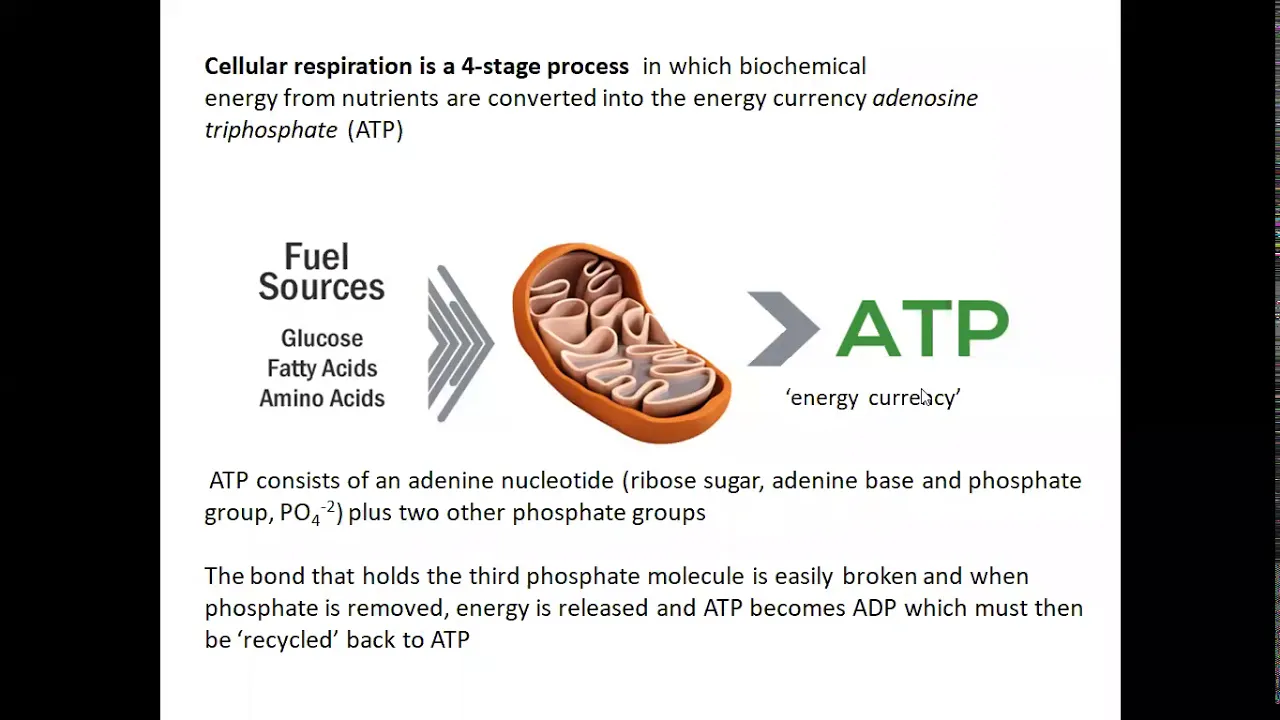
![Mitochondrien vermehren für mehr Lebensenergie ⚡️ wie geht das? [Tipps + Nährstoffe]](https://i.ytimg.com/vi_webp/Dp4KA8SrIXo/maxresdefault.webp)


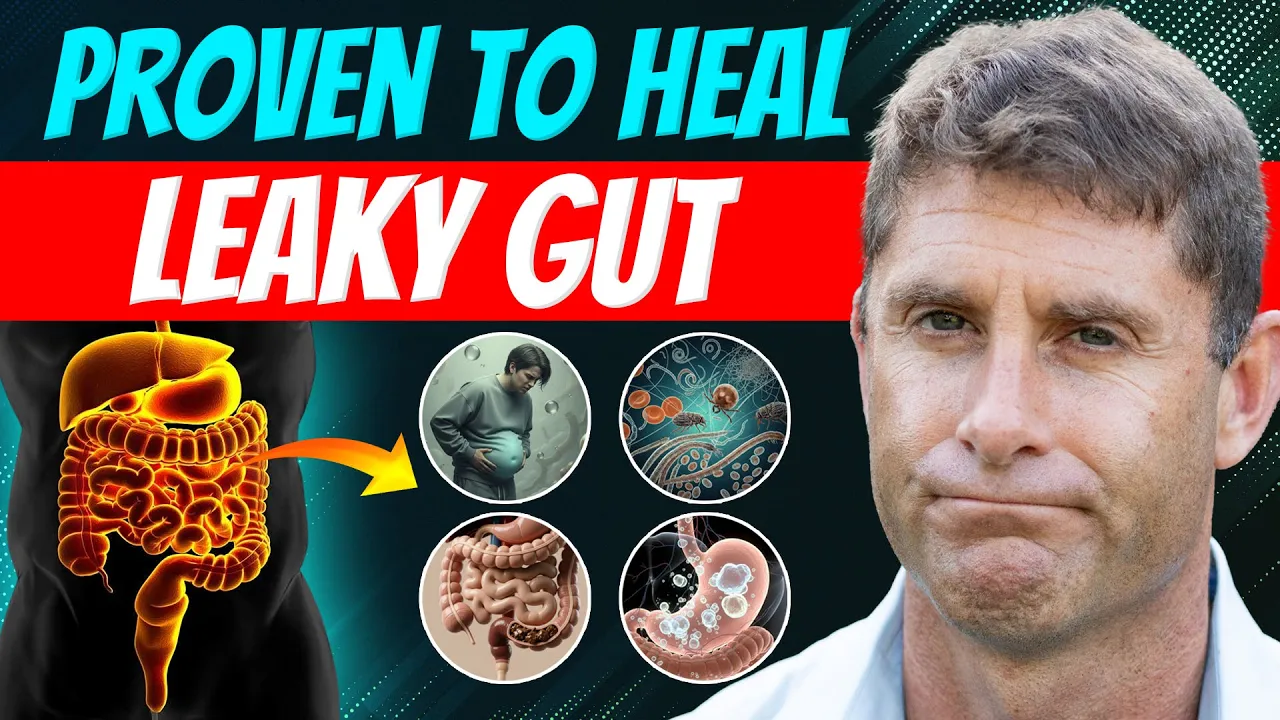







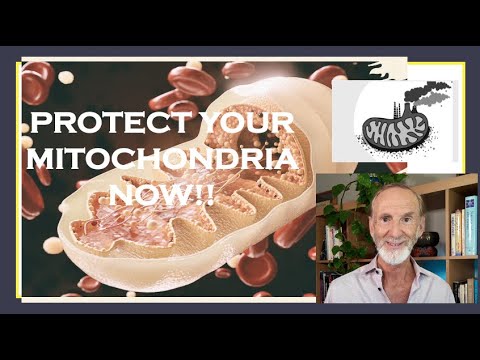
Chronic fatigue in modern populations stems from mitochondrial dysfunction caused by chronic inflammation, which is primarily driven by gut permeability (leaky gut) and dysbiosis. When the gut lining becomes compromised, harmful substances enter the bloodstream, triggering an immune response that consumes energy resources that would otherwise power muscles and the brain. This creates a 'rush hour' traffic jam at the mitochondria, where energy-producing materials arrive simultaneously rather than in a natural sequence, overwhelming the cells' ability to generate ATP efficiently. The body then diverts energy to maintain inflammatory responses, leading to the persistent fatigue experienced by millions of people.
Fatigue and Mitochondrial Health: The Energy Paradox Explained
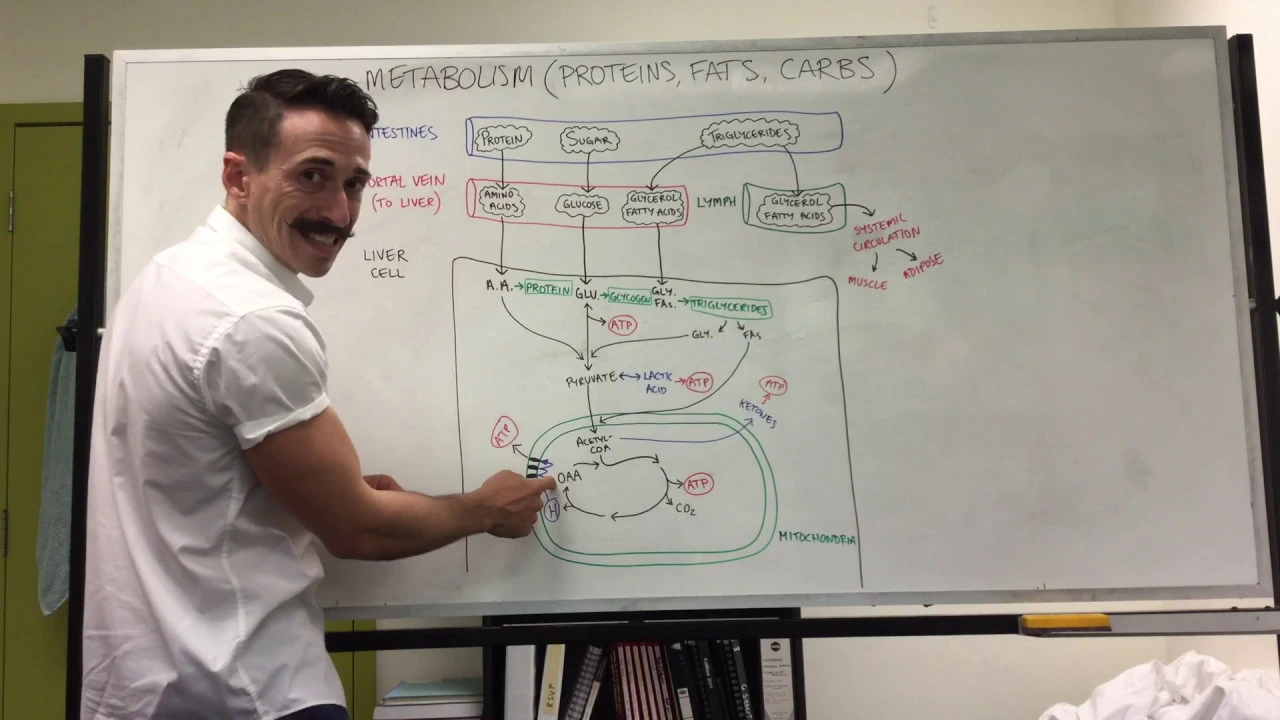
Added:Basic cellular biology, specifically the structure of the cell and the role of mitochondria in producing Adenosine Triphosphate (ATP) through cellular respiration.
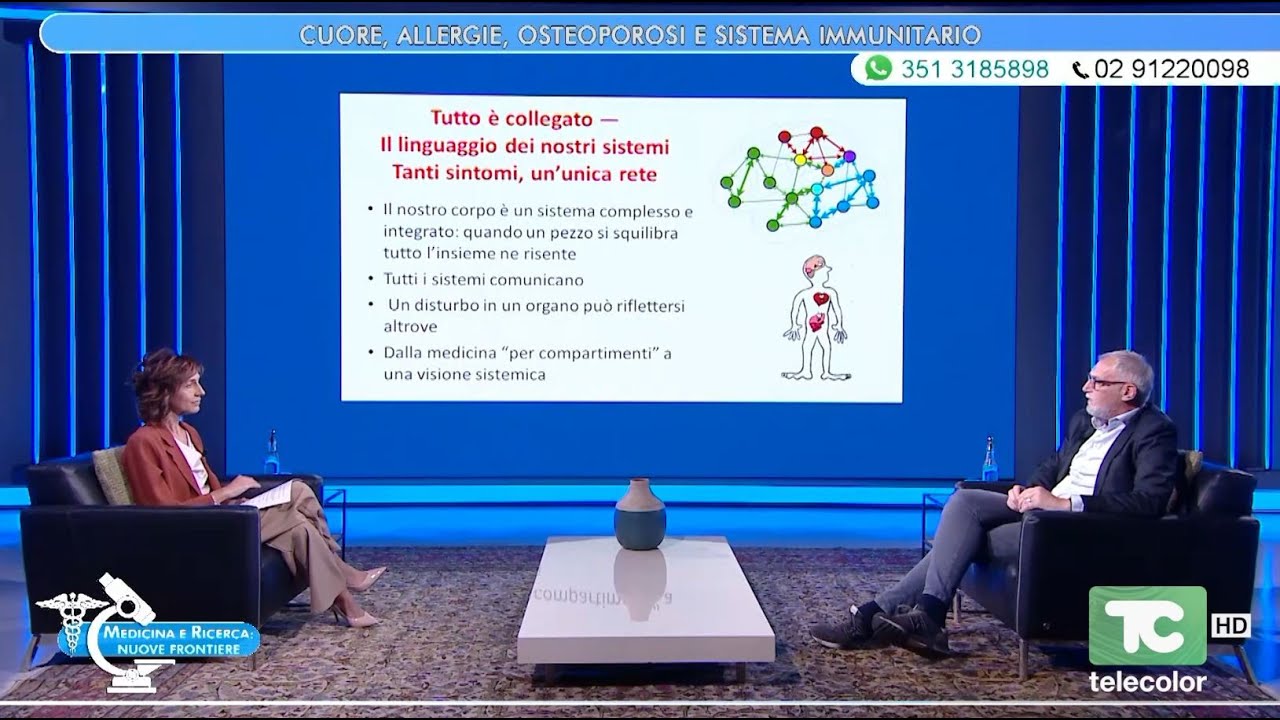
The fundamental mechanism of chronic inflammation, including the immune system's response to stressors and the concept of systemic inflammatory pathways.
Basic macronutrient metabolism, understanding how the body processes carbohydrates, fats, and proteins into substrates for energy production.
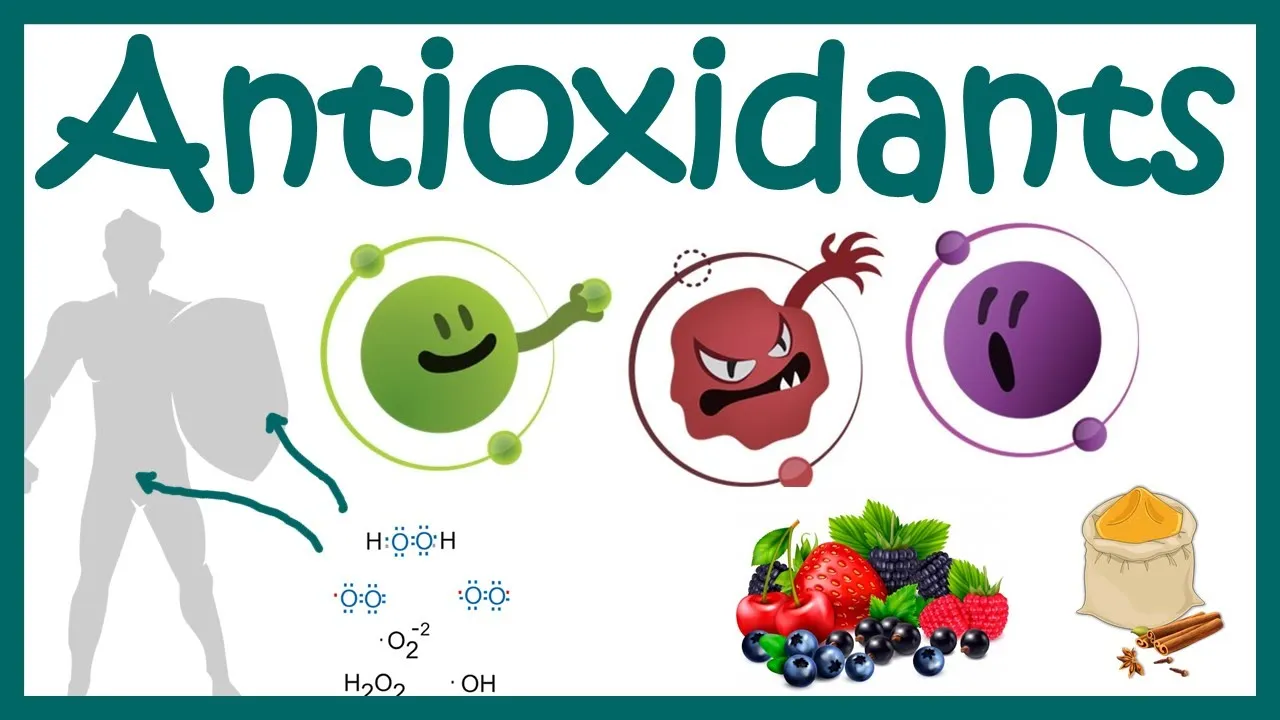
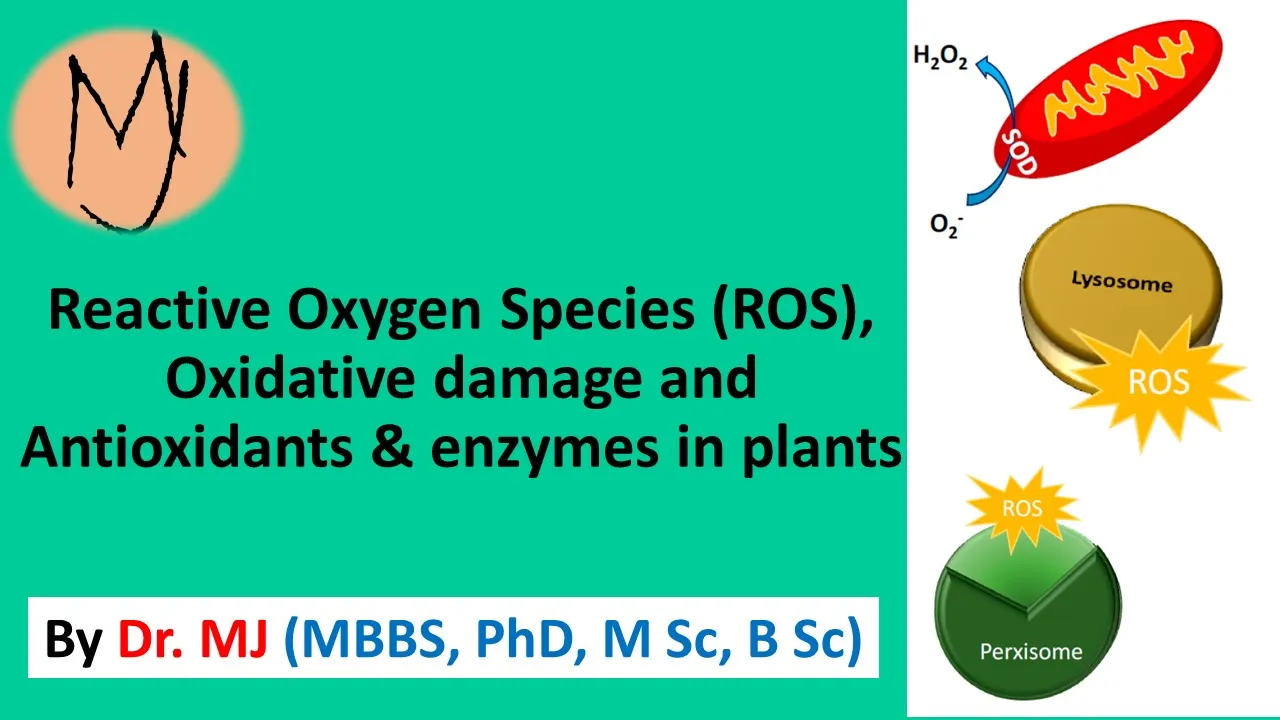
The concept of oxidative stress, reactive oxygen species (ROS), and the body's natural antioxidant defense systems.
Mitochondrial biogenesis and optimization strategies, including the impact of intermittent fasting, caloric restriction, and specific micronutrients (e.g., CoQ10, NAD+ precursors) on cellular energy.
The gut-mitochondria axis, exploring how gut microbiota dysbiosis and mucosal barrier permeability (leaky gut) trigger systemic mitochondrial dysfunction.
The pathophysiology of chronic fatigue syndrome (CFS/ME) and other metabolic disorders linked to cellular energy crises and mitochondrial decay.
The influence of environmental toxins, endocrine disruptors, and chronic psychological stress on mitochondrial genomics and cellular aging.
83.2K views2Klikes1:04:26Original Release: 2021-10-04
millennials are viewed by many people or they call themselves the lazy generation and they she said you know it's interesting my generation has we're lazy we're tired we're fatigued and i actually started my book because of an experience i had with a millennial canceling an interview because she just didn't have enough energy to come into work [Music] hello everyone i'm dr david perlmutter welcome back to the empowering neurologist you know one of the most common complaints that we get as physicians from patients is the notion that people are just pooped out they're tired they're get up and go got up and left they just don't have energy and you know what is the quick fix the quick fix is uh drinking a lot of coffee or drinking energy drinks as if that's going to help them with energy we really have to get to the source of the problem why are people so fatigued what's going on with their bioenergetics that can be fixed and help them feel better our guest today is dr stephen gundry he's been on the program before his new book is called the energy paradox and it addresses exactly this puzzle this conundrum that we face why are people so tired why are they so fatigued and he really takes us back to square one what is energetics all about in the human body and most importantly how can we fix it let me tell you a little bit more about dr gundry dr stephen gundry is a cardiothoracic surgeon and a pioneer in nutrition as well as medical director at the international heart and lung institute center for restorative medicine he has spent the last two decades studying the microbiome and now helps patients use diet and nutrition as a key form of treatment he is the author of many popular new york times bestselling books we've talked about them them on the program before including the plant paradox the plant paradox cookbook and the longevity paradox how to die young at a ripe old age great title and his most recent book the energy paradox what to do when your get up and go has got up and gone uh is an exciting book just released dr gundry is also the founder of gundry md a line of wellness products and supplements 20 years ago dr gundry decided to prevent health related issues he retired as a cardiologist to teach patients how to eat guiding them on how to get ahead of the problem not fixing it after the fact he's shifted towards a more proactive approach to health through food and diet changes and he is the host of the dr gundry podcast so we're real excited to spend some time again with dr gundry let's get right to the podcast hello dr gundry how are you doing david great to see you again thanks for having me i think our last in-person meeting was probably in austin texas i think backstage wasn't it yeah it actually was and you were telling me that in the future at that meeting never wear a coat and tie you got to you know kind of dress down a bit oh that was paleo fx oh it was paleo effect you gotta dress like a caveman yeah exactly you know but i have to say over the years uh i have uh you know really indicated that the notion or their fundamental principle of of really doing our best to communicate appropriately with our genome is at least that idea really does make a lot of sense oh absolutely absolutely i mean you know so much of our disease as you've seen is really because this evolutionary environmental mismatch i mean the development of the agricultural monsters that we see and all the changes to our foot i mean your new book is really awful an awful lot about that about how we are not catering to our mitochondria and people are are so fatigued yeah no absolutely true we've we've done a great job of literally creating rush hour in our mitochondria almost 24 hours a day now and i it's really no wonder that uh we're just kind of a fatigued nation it's i mean it surprises even me how tired we all are well i was very taken in the early part of your book where you were talking about that you're still working six hours a day in your you said you know in your seven six days a week uh yeah six days a week right and uh and still and you're in your seventh decade you weren't any more specific than that and uh that's great i mean you're still making it happen and i guess you're walking the talk yeah i actually work seven days a week i see patients six days a week and on fridays i'm at gundry md my supplement and food company so yeah it's like i you know i'm still luckily kind of a kid in a candy store and i just i need to keep seeing patients because everyone i see i learn from and you know in my past books i'm literally giving all the credit of what i've learned in the last 20 odd years doing restorative medicine to having my patients be my laboratory i've often said that you know they teach us a heck of a lot more than than we teach them uh you you stated let me make sure i get it correct that around 70 of the patients that you are seeing these days are suffering from an autoimmune issue i mean maybe not one of the classics but they're suffering let's say from autoimmunity walk us through what that means and what are the implications of that yeah so you're right uh 70 about 70 of my patients have a recognized autoimmune disease or we discover an autoimmune disease in the process of their workup but i think the longer i've been doing this the more i think that we'll come to think of almost all diseases like hippocrates said 2500 years ago as beginning in the gut and to take that one step further as i do in the book that all diseases will begin with a leaky gut and i now think that for instance heart disease where i started with coronary artery disease is actually an autoimmune attack on the surface of our blood vessels that is in turn prompted primarily by our immune system being activated by a leaky gut and you know if you had asked me this 20 years ago when i first started this i would have been very skeptical but now you know thanks to work with dr fazana and dr fasano who's now at harvard and others i think the the tide is really turning that we can trace almost all of our current problems brain as you know to what's happening in the gut and it's it's not a pretty picture well i think so much comes down to the integrity of the gut lining i mean we're talking one cell thick that if you are correct is really the arbiter of health versus disease by and large i mean there are certainly uh conditions that may not relate to but by and large the chronic degenerative conditions uh that are what we focus on uh may welcome down to one cellular level uh membrane or or uh blockage or an area of protection for the rest of the body uh in terms of keeping the rest of our systemic circulation in the body sterile at least as it relates to certain chemicals that can enhance or change our immune response and certainly these days a balanced immune system is a prize to have isn't it yeah it's uh i think if if nothing that covet has taught us besides you know people with pre-existing conditions are the setup for covid and when you then go backwards and look at well what are pre-existing conditions they almost universally can be traced to a dysbiotic gut microbiome and a leaky gut and a hyper activated immune system and it's this hyperactive immune system like i talk about in the book you know 70 80 percent of our immune system our white blood cells are concentrated around the wall of our gut and they're there for a very good reason because in general that's where the mischief is going to come through as you point out and i think two things happen number one our immune system is down in the gut almost distracted from taking care of business up in our nose up in our airways and because the action is down below that's number one but number two when you do get an invader like coven 19 our immune system is on hyper alert and we get this cytokine storm that you know it just devastating to the vast majority of people who who catch cover 19.
and i use the example for my patients way back when you and i when we were growing up there really were not peanut allergies um everybody brought peanut butter and jelly to school people eat peanuts nobody had epipens um to go to school and in my first book long ago there's actually a really cool paper that 95 of us carry a pre-formed antibody are born with a pre-formed antibody to the peanut lectin and this is not a lectin discussion but none of us reacted to that many many years ago and that's because our microbiome taught our immune system that these are the things you need to worry about these are the things you really don't need to worry about plus our gut wasn't leaky so our immune system wasn't activated now however the vast majority of patients that i see and probably the vast majority of us have a horrible microbiome that's been decimated like we talk about in the book and we have a leaky gut so we our immune system is hyper activated so now it sees a somewhat innocent peanut lectin an antigen that it does have a receptor for and goes crazy and i think that's a really good way of explaining the fundamental difference between when you and i were growing up with without exposure to glyphosate which is now one of my seven deadly energy disruptors and widespread antibiotic use these things didn't happen to us now they're universal um well i will say uh it's certainly um very exciting and supportive that science has come along to be as validating as it is now with reference to the relationships that you're describing you know back when i wrote brain maker and described gut permeability issues related to inflammation related to risk for certain conditions how we found markers of this permeability issue with antibodies towards like lipopolysaccharide elevated in autism and multiple sclerosis and a macho gladosclerosis in alzheimer's oh my gosh the pushback was really pretty profound but now i think what you're saying is that pretty well universally as it relates to these chronic degenerative may i say inflammatory conditions that people are really getting the message that you know pioneers like dr fasano you are correct uh have really made opened a door for us from not just an understanding perspective but i think in the long run as your book makes it so clear makes it clear from a therapeutic perspective okay we get it we understand that this is the central player here or a central player that then dis-regulates down regulates the functionality of our energy producer mitochondria and that it opens the door for interventions to say okay we get the problem let's fix it let's do the right thing and that's what's so great about your book because you know the first part lays out the science and it's a little technical but i think for readers who've been following your work and others over the years they kind of get what the mitochondria do they kind of understand this notion of hyper-inflammatory states in the human body brought on by gut permeability brought on by dysbiosis brought on by exposure to chemicals like glyphosate etc so you really did a great job not only connecting the dots from a mechanistic perspective but really taking the reader by the hand and saying okay you got this here's what you got to do and i think that's really very valuable so you made a point early in the book that the energy issues that people are suffering from are related at their core to this process of inflammation how do we get from inflammation let's say brought on by hyper permeability of the gut lining how do we get from that inflammation to disruption of our ability uh to be energetic well i think one of early on in the book i i bring up the study that was done by duke university researchers a few years ago looking at the hadza's one of the last hunter-gatherer tribes in tanzania and comparing their energy expenditure to desk workers sedentary death workers and the original hypothesis that they had was wow we're going to look at these hodzes the men walk eight to ten miles every day hunting the women are walking three to five miles every day digging tubers gathering berries and they're lean they're fit they're incredibly healthy they don't have chronic diseases and we're going to bet that their energy expenditure is pretty dog on high because you know look what they do and lo and behold so they compare them to office workers and lo and behold the energy expenditure of the office workers was virtually identical to the hodges and you and i and research know that when our hypothesis isn't backed up by research sometimes we'll make up a new hypothesis to try and explain it and their new explanation was well everybody has the same energy expenditure and that's what humans do now to me that didn't pass the sniff test and i'm going no not no that's that can't be yes i agree that these two groups are expending the same amount of energy but what are they expending it on and so when you look at these desk workers they have very elevated levels of inflammation and inflammation at its core is activation of our white blood cells and they're literally are troops and troops at any war need a lot of supplies and what i propose and i think i'm right about this is we have so much need for fuel for this ongoing chronic inflammation that we take the fuel that our muscles would ordinarily need our brain as you know would ordinarily need and it's diverted we ration that fuel to this in our inflammatory troops and i think that's why their observation is true that yes the overall energy expenditure was the same but it was being used for a in a way futile purpose i think i think there's plenty of support for that idea and we know that in the chronic immune state there is a deficiency of nad intracellular nad within uh immune cells and hence the push to restore intracellular nad you talked about that quite later in the in the book yeah with your recommendation i think of nicotinamide riboside uh actually mentioning the work of dr david sinclair who uses because he has access to it nicotinamide mononucleotide he actually talked about that on our podcast but and he uses a lot of it i can't afford it well he i i don't think affording is the issue there i think he anyway another for another time uh but that said i think that there's a lot of call it wasted energy in just keeping that the flame of inflammation exactly what the word means where it comes from uh going and i i i tend to think that that's that's correct i think in the on the upper right side page after you mentioned this about the hots you said and i know this is going to make going to raise a lot of eyebrows but um you know there's this whole notion that you're right that they're active uh and and therefore uh you know they should be using a lot more calories but interestingly um i think it does help us get back to the microbiome a little bit because you know of the microbiomes that have been studied on the planet i think the hadza might be whose microbiome has been studied the most right the extent that it is so diverse and and so rich in certain uh organisms that are designed or not designed for but help to reduce inflammation and maintain gut wall integrity i might add that there are some enterprising individuals who are trying to market hadza poop for fecal microbial transplant and uh it it you know it's an interesting world but um but your notion then that inflammation uh then uh is brought about by this whole process and therefore is energy consumptive i think you make a good point and i think that um in the the fact that inflammation then goes on to further downstream affect the functionality of mitochondria by the direct effect of inflammation the indirect of these effect of these inflammatory cytokines on other immune cells and their effect on mitochondria and ultimately through upregulation of oxidative stress mediators then further compromises our ability to produce energy and basically feel energetic yeah you know uh recently i was on a a podcast with a millennial who um uh and i'll i'll mention the podcast uh it's called i suck at life and um what a great name i guess yeah then the point she was making and the reason she had me on is that millennials are viewed by many people or they call themselves the lazy generation and they she said you know it's interesting my generation has we're lazy we're tired we're fatigued and i actually started my book because of an experience i had with a millennial canceling an interview because she just didn't have enough energy to come into work and it just it you know i'm going what do you mean i think the term that she used in your book was i don't have it in me i don't have it in me that's exactly right and and that stuck with me for several days and i'm going i don't get it and i think when i started talking with this young lady on on her podcast i realized that you know the millennials are actually the first full generation that have been exposed to roundup in everything glyphosate they're the second generation that now has been exposed to widespread broad spectrum antibiotics in everything in our food i mean in our animals and they are one of the first generations to be constantly exposed to processed and ultra processed foods which i go into as another major energy disruptor and it you know talking to her just kind of brought it home is my gosh you know we've produced this lazy generation from our you know our environment what they've been exposed to the foods they've been exposed to and they are actually the poster child for what i'm writing about in the energy paradox one of the things you call out as it relates to that generation is their reliance upon so-called energy drinks so what what does it mean an energy drink and why is that really an incredibly terrible misnomer well there's several things speaking of the hodzes long ago a few generations ago we ate whole foods whole and in the process of eating whole foods the process of breaking down those foods into individual carbohydrate molecules individual amino acids individual fatty acids was a extended process and in general these foods would arrive for processing into energy in our mitochondria in a slow fashion glucose would arrive first protein would take longer to digest amino acids would arrive second and fat as most of us know takes a very securities route to reach our mitochondria it actually is absorbed through our lymphatic system rather than directly into our bloodstream so these things arrive at mitochondria um actually at varying time periods and mitochondria are really good at making energy from glucose they're really good from making energy out of amino acids and they're really good out of using free fatty acids but it's a slightly different process for each now however with our energy drinks with our smoothies with our energy bars we have processed sugars amino acids and fats into wildly rapidly absorbing forms without any fiber associated with it and so what i propose to people is that we've literally created with these modern foods rush hour traffic jam at our mitochondria and living in the la area i can assure you that rush hour in the la area now occupies 16 hours a day and during rush hour nothing moves and one thing we've learned in covid was it's a wonderful thing when nobody's going to work because things actually move and it was actually a real eye-opener to see just what a traffic jam tons of potentially energy producing material you know arriving simultaneously on a freeway which i like into a mitochondria and the difference with covet so i think we've again we've literally produced you know gridlock in our mitochondria by these energy producing foods that didn't exist a generation ago 25 years ago i described alzheimer's disease as an acquired mitochondropathy you know this is in the day when we had to learn about the hereditary mitochondropathy or mitochondrial diseases uh like kurnsaire progressive external ophthalmal please all these things you had to know only for your boards and then you could forget them uh but we began noticing in fact exactly what you're saying that the the functionality of mitochondria was being compromised in this and other chronic degenerative conditions but you know we couldn't really measure it uh much as we cannot as you talked about the book we can't really measure fatigue and quantify it and therefore it can't be remedied uh simplistically you talk about that actually talk about how you can measure blood pressure you can measure blood sugar you measure cholesterol and therefore can target it because you can get feedback using your medication and then getting a lab test but you know there's a lot of open territory in terms of saying that i feel fatigued or my get up and go got up and left and i or you know i'm not cognitively where i think i need to be and i'm relying on coffee several times a day to get through the day so you know it's multifactorial but at the end of the day it does come down uh to mitochondria just not being given what they need uh being threatened by many of the things you've mentioned including changes in the microbiome and interestingly you know when we talk about the microbiome generally we're referring to the gut bacteria and as many of our viewers would know we've talked with this before now there is the theory that mitochondria were at one point free living bacteria that took up residence in what are now eukaryotic cells and therefore we should and i've often said this we should consider our mitochondria they have their unique genome to be part of our microbiome because they've taken up residence within our bodies so you know having said that uh what are uh what are some of the biggest threats then uh to our mitochondria these days i mean you mentioned glyphosate but what are we doing in terms of others of our lifestyle choices to so threaten our mitochondria yeah i think this is actually another really exciting point in the book talk about postbiotics and you're right i and others are pretty convinced that mitochondria are ancient engulfed bacteria about two billion years ago and interestingly as most people probably know mitochondria have their own dna and we inherit our mitochondrial dna from our mother uh dads contribute nothing uh as many women may think we contribute later on though so and the mother uh in general contributes the initial microbiome and so there's a thought that there is a sisterhood and i've written about this in my books between the microbiome the bacterial microbiome and the bacterial mitochondria and years ago i used to back before covid present at the major microbiota meeting in paris every year and the the chairman of that meeting marvin edis used to we talk and he says there is a communication system between the microbiome and the mitochondria there has to be and i said what are you talking about and he says there they send text messages to each other and he says they're sisters and i said well why haven't we you know discovered that he said we just haven't figured out how to measure it yet and he says you watch well he was absolutely right and this was i don't know 12 years ago so that communication system between the microbiome and the mitochondria has been discovered and as you probably know one of those discoveries won the nobel prize for medicine in terms of how nitric oxide works so the microbiome when they are given prebiotic fiber which is what they like to eat they turn that prebiotic fiber into what are now called postbiotics and postbiotics in general are two forms one are short chain fatty acids like acetate butyrate and propionate and gaso transmitters gaso messengers and they're basically farts folks and so there's hydrogen gas and hopefully we'll talk about hydrogen and gas and parkinson's as we go along there's hydrogen sulfide the rotnetic smell there's methane there's carbon dioxide which is actually a gaso messenger and there's nitric oxide and i'm sure we're going to find some more but it turns out that these gases particularly hydrogen gas is the smallest molecule there is and is instantly diffusable through the wall of our gut and these gases literally are a trans-kingdom communication system between the microbiome and primarily our mitochondria but also in terms of activating or deactivating genes so they're epigenetic signaling molecules and the discovery of this i think is so exciting to give another piece that's missing and why our modern lifestyle and why our diets which are devoid of fiber for the most part because of our processed foods have number one starved our microbiome have number two deprived our microbiome of the ability to produce these postbiotic signaling molecules and again it's it's another piece of this puzzle um so yeah the language has been discovered and it it's so exciting actually nerdy exciting but you know i i i want to simplify that just for a moment just for for uh not only the clarity of it but how important is what you're saying is that our uh bacterial organisms living within and upon us are actually through these messengers that you've just described regulating the expression of our life coat think about that i mean when we're thinking about whether you know should we eat this food or should we eat a food that's higher in fiber that taking care of our gut microbiota allows them to regulate in a more salubrious fashion the expression of our inherited life code that's pretty heady to think these little guys are changing the expression of my dna it but when you think about that at your next meal it makes you i think more likely to make better choices no i think you're right uh i had the i had the pleasure of knowing jack the lane in his later years um the godfather of fitness as far as i'm concerned and i used to say all the time jacqueline's one of one of his favorite expressions was if it tastes good spit it out and i would repeat this and some of my uh staff and advisors say don't say that but you know you're trying to tell people you know eat stuff that doesn't taste good i said no that's actually not what jack elaine was was trying to communicate he put it poorly but we should just like you said be making our choices for our microbiome rather than this two by three inch piece of muscle that's our tongue and if knowing what we now know about what they want and what they will do for us if we give them what they want to eat has you know just profound implications for our fate and our overall health well i'm going to make a bit of a segue here but but stay with me uh we're talking about let's say some of these postbiotic messenger molecules like you mentioned nitric oxide and we know that uric acid inhibits the way that nitric oxide at least endothelial enos is able to do its job and i was very uh impressed to see that in your list of recommended laboratory studies you had uric acid on the top of that list how did it appear there so um i think everybody needs to realize that fructose sorry about this is a toxic substance it's a mitochondrial toxin sorry about that it actually depletes atp production by mitochondria in the liver and we can go down that path but so fructose is such a toxin that fructose about 70 percent of fructose is absorbed directly through the portal vein and goes to the liver for quote detoxification and it's detoxif it's detoxified into two compounds uric acid and triglycerides now triglycerides had a huge benefit um my my studies at yale's an undergraduate were in great apes and uh their ecology and great apes only gain weight once a year during fruit season believe it or not fruit only ripens once a year in the jungle and they convert the fructose that they eat into triglycerides that they then store as fat in fact fun fact a female orangutan goes on a 5 000 calorie a day fruit diet for about six weeks she gains about seven to eight pounds and then she goes into heat uh estrus and that's when she has enough weight to have a baby so we we follow this rule so fructose in a limited time period was a very useful thing for us to store fat but its other consequences uric acid and you're right uric acid is one of the best ways to stop nitric oxide from working so i look at uric acid as a really good way of telling me and anyone who will listen along with triglycerides what is happening in terms of primarily fructose consumption and fructose sadly is one of my seven deadly energy disruptors because now we have 365 days of endless summer we have access to fruit that has been bred for sugar content a cup of seedless grapes has more sugar than an entire hershey's candy bar now and so yeah uric acid is a really good way of figuring out your fructose load not to mention high fructose corn syrup which is embedded everywhere and we tend to forget the table sugar sucrose is 50 fructose so so we have a gene mutation in the uric ace gene so that we cannot break down uh uric acid it lingers it's it threatens by uh inhibiting the action of nitric oxide it feeds back to continue the the metabolism of this fructose down a pathway for a um away from amp kinase into amp deaminase which tells the body make fat winter's coming and it winter never comes and we continue to make fat because we can it's a signal we signal our bodies with this fructose that is as you mentioned everywhere telling ourselves to make fat increase inflammation increase insulin resistance and lo and behold we see what's going on around the world so i i notice you know you mention this as being a powerful toxin no need to apologize because it really needs to be called out when we see that close to 70 of the 2 million foods on america's grocery store shelves have added sweetener because it appeals to us we are wired to like sweet because it was a survival mechanism but we can override that by being smart about it and getting information like you talk about in your book getting back to mitochondria one of the things you talk about is the relationship of various factors like sleep like the timing of our eating etc to the notion of enhancing this mitochondrial biogenesis basically allowing us to first rid ourselves of defective mitochondria mitophagy and then also create more mitochondrious that we are in a better position to utilize fuel for energy so what can we do to to to target those two pathways so i i think uh the the second part of the book is trying to convince people and give them an option of uh what whether we call it intermittent fasting whether we call it time controlled eating i call it chrono consumption but the evidence is is pretty overwhelming and gets more strong every year that the more we compress our eating window to maybe six hours a day which means a non-eating window of about 18 hours a day does actually two things first of all we begin uh producing if we don't have insulin resistance after about 12 hours of not eating we begin to start producing ketones in our liver and rather than saying ketones are a miracle fuel for our brain and you and i could probably talk on this for days uh ketones are actually a miracle signaling molecule for mitochondria to do two things to signal them to actively undergo repair work and to actively duplicate themselves mitogenesis make more of themselves and again we could spend days talking about why this happens and evolutionarily why this was a good idea but the presence of ketones after about 12 hours of fasting begins to start this process now for most of us as i lay out in the book the vast majority of americans are insulin resistant and as i point out in the book another must test if anybody just wants a blood test is get a fasting insulin level and it usually shocks most people i'll give you an example when i first started this over 20 years ago my fasting insulin level was 16 and we know that's insulin resistant and i was pre-diabetic etc etc now my insulin level runs around two my wife runs an insulin level of less than one i hate her i can't quite catch her but so when insulin is elevated as i talk about in the book you can't get into ketosis i'm sorry folks it's impossible because insulin suppresses uh hormone-sensitive lipase which allows free fatty acids to be released from fat cells and insulin stops that so that's number one try we got to get out of insulin resistance the longer you stay in a keto producing period up to a point the longer you're going to stimulate mitochondria to repair themselves and to make more mitochondria the so giving mitochondria a rest is one of the best ways to enable you to make more energy when you give mitochondria something to work with and i think we've we've forgotten that um the hadzas they don't eat breakfast um they their first meal is around 10 or 11. that and usually it's when they're gathering something so well that's when they break their fats exactly they're breakfast that's their they do they do tend to drink a little bit of blood there so i'm not sure their diet is necessarily one that we're going to write a book about but no and they actually you know i mean let me let's get back to them for a second i think one of the things that's fascinating about them and i write about this in the book is their microbiome changes seasonally yes and dramatic shifts in a circadian rhythm seasonally and i think we've forgotten that that we should be varying our food choices on a seasonal basis and clearly looking at them we were designed to do that and the messages that are sent from this variation in my in the microbiome may have you know implications for our you know health span we've just totally been oblivious to well there's one study it was quite interesting looking at the changes in the microbiome of the bear during feast and during hibernation and how dramatically different they are and you know one wonders is it cause or is it effect we do know that their metabolic pathways are changed as well going from amp kinase to amp deaminase during depending on whether they're building fat or they're using it for oxidation or as a fuel um you do talk about how in the book that you know in in days gone by and probably still happening when people would go to the doctor and complain of fatigue sometimes they would walk out with a diagnosis of epstein-barr chronic lyme disease or candidiasis and i think you had a call out box on that and where do we stand on those diagnoses as it relates to fatigue well so i think one of the problems is because we don't have good ways to measure tiredness and fatigue we don't have great biomarkers for it we're often looking for reasons to pin something on that perhaps doesn't exist most of us have been exposed to the epstein-barr virus mononucleosis most of us carry you know antibodies to the epstein-barr virus and so for years chronic fatigue was you know pinned on epstein-barr virus but the vast majority of these people didn't have active antigens of epstein-barr the same way in in chronic lyme disease i think many people working in this area i don't specialize in it but i certainly see plenty of people with chronic lyme now view this as a chronic inflammatory condition that needs to be addressed by addressing the inflammation rather than the presence or absence of these spirochetes rather than enduring multiple rounds of antibiotics which i think at least in my patient population lose their effectiveness and may actually make this inflammation worse in the long run and finally candidiasis i personally have never treated someone with um gut candidiasis with an anti-fungal drug i this is an overgrowth of a normal flora and this flora is kept in check by all of its other competing microbiome it's when that microbiome becomes out of balance that candida candidate candida flourishes and as anyone who likes wine we know that yeast likes fructose to ferment and so so many of my patients with candidiasis or candida they're sugar eaters they're having their fruit smoothie every day and they're having their bagel low-fat bagel and when we take these simple sugars and the simple fructoses away from them we can restore the balance and everything you know nature's got a really great balance if we wouldn't quit keep screwing well i've always been very taken by the notion of the healthy smoothie is somehow it doesn't matter what you put into the blender because once it becomes a smoothie then it's a smoothie and it has all these wonderful health properties so um and and same thing with fruit juice i mean fruit juice is a wonderful concentration of fructose as much as you'd get by drinking a can of soda yeah and yet it well it's it's all organic apple juice or whatever it may be or orange juice from florida sorry i live here and it's not that's not what our ancestors that's not the context in which our ancestors would consume that type of fructose it would be with fiber and polyphenols and other bioactive chemicals that would actually ultimately turn out to be positive in terms of an individual's diabetes risk for example let me get back to this energetics issue as it relates to the brain i mean you made it pretty clear that a lot of what's going on right now is though in a time of caloric abundance we are actually starving our brains for fuel yeah so what does that mean and more importantly then what do we do with that well as you know this is kind of like bringing coal to newcastle um when i was trained when you were trained we somehow magically thought that the brain could use glucose without insulin somehow it magically happened but we now realize that the brain is also dependent on insulin signaling to get glucose into neurons but probably more importantly that the brain neurons can develop insulin resistance just like any other cell and so there's you know type 3 diabetes of the brain insulin resistance of the brain is is a very real thing i think the other thing that we weren't as we're aware of and you certainly were is that the support system of the neurons the microglial cells the astrocytes i call them the bodyguards of of the brain these are you know among other things the immune cells of the brain and the the evidence now that microglial activation by leaky gut by inflammatory cytokines unleashes uh just this torrent of neural inflammation which among other things as you know literally eats away on the dendritic processes in an effort to protect the neuron that they're you know designed to defend and uh we've this neural inflammation is among other things in young people now showing up as brain fog i just saw a young lady yesterday who came in from phoenix arizona 31 years old and was a former very active very talented individual and now she can't remember anything and when we when we look at her leaky brain she's got all this neural information she's got her you know she's got her glial cells activated and you know this is a healthy 31 year old woman and you go you know wow so yeah the brain has become for most of us insulin resistance and what happens to most of us is that the brain is starving to death and the brain says where's the sugar that i need and it literally props as you and i both know in working with dementia patients they're looking for sugar all the time and it's it's really hard to stop them my father developed parkinson's and parkinson's dementia and bless his heart he made it for 20 years without changing of a parkinson's medication but he had the sugar craving and early on he used to walk the dogs twice a day and he'd knock on neighbors doors in san diego and say hey you know can i come in for a cookie and they'd feed my dad a cookie and we eventually went door to door and said please don't you know please don't feed the animals and cutting him off from sugar was a full-time job for my mother but he did well until he passed at 91 but it was this uh he taught me boy the sugar craving is so powerful when neurons aren't working and i'm sure you see that in your practice as well yeah and uh i've i went through something quite similar with my father and his alzheimer's and uh and you know the worrisome part of that is ultimately these individuals end up in a some form of care facility and are given these cans of i don't want to name the names but these meal replacements that are ridiculously high in sugar it's exactly what they don't need not only because of what you just mentioned but the the secondary effects that you described as well of ultimately enhancing insulin resistance compromising the way that insulin works and you know we tend to want to pigeonhole things in medicinal insulin is involved in driving sugar into the muscle cell to make glycogen endostory well no it's a very important trophic hormone for the neuron it nurtures the neuron it plays a role in the neurons ability to utilize ketones as a fuel as well so the development of this insulin resistant plays in into this whole concept of the bioenergetic theory of alzheimer's that guess what it's not necessarily a consequence of the accumulation of misfolded amyloid protein maybe that's the secondary event maybe that is the brain's response to an underlying inflammatory condition or infection and that we need to focus on the energetics we know that we can predict now by using radionucleotide labeled glucose what parts of the brain are having deficiencies of glucose utilization we can predict alzheimer's a decade ahead of time and the notion of focusing on the mitochondrial function the energetics of the brain is really the the cutting edge of brain science so back to your earlier statement that hey if you're you think having a fasting glucose is important why don't you check your fasting insulin level i i wrote that in back in grain brain and you know that raised a lot of eyebrows because you can come home with a perfectly normal fasting glucose when your pancreas is working overtime to keep it that way but eventually that's going to fail eventually your pancreas is going to max up your insulin production and at the same time cells are going to say you know what we've had it with this insulin we're going to shut the door we're not going to answer the door anymore when insulin comes unknocking and what happens is then insulin levels go up how will you know unless you check insulin levels so um very important and that gets right to the heart of uh the thesis of your book that uh we can turn it around so yeah let's talk about then uh what are the top choices in gosh i wanted to talk about sleep as well uh get let's let's do a couple of minutes on sleep because you really did a great job explaining why that's important for those walking wounded who are tired well so sleep does a lot of great things one of the things i think is very important about sleep first of all all animals have to sleep uh sorry about that we have to um they're during sleep uh there is a brainwashed cycle that you're well aware of that i know your listeners are well aware of where the lymphatic system if you will the lymphatic system of the brain does a brainwash and there is a need for increased blood flow to accomplish this brainwash normally this occurs during deep sleep and most of the time deep sleep happens early on in the sleep cycle and you can track that with your aura ring or your whoop band or whichever you use and you need increased blood flow to do that and what happens when we eat close to bedtime all of that blood flow is down in our intestines uh digestion takes a lot of blood flow and when we were growing up our mothers would say you can't go swimming for an hour after you eat because you'll get cramps and die and there was how did mothers know that they also they all repeated that yeah well there was a bit of truth in that wives tale because most of your blood flow was diverted to your intestines so it wasn't available to your big muscle groups and in theory yes you could get cramps you wouldn't die but that's okay but now we're realizing that you're literally will get a brain cramp uh that if you eat too close to bedtime and you know most of us try to urge people give us three hours from your last you know food intake until you go to go to sleep number one number two one of the great energy disruptors is the blue lights in in our televisions in our devices in all of our lighting now has intense blue light and that blue light actually served a very very good purpose evolutionarily because during summer we would have much longer periods of blue light we would have blue light into the late evening and that would stimulate us to eat because that's when the food was available and it awakens us and it makes us hungry it turns on ghrelin so one of the things that i really urge people is get yourself a pair of blue blocking glasses there are a number of companies now that make them that are really good and i mentioned a few in the book that i have no relationship to even dave asprey has a company now that makes them yes so he has sent me a couple of pairs i have them on our boat yeah and or you know use your screens in nighttime mode all of these devices have them and if i tell mothers who are nursing get yourself a nighttime blue blocking light in the nursery in your bedroom you'll do yourself a favor you'll do your baby a favor but yeah we've we've got to have a reparative process in the brain the other thing i think that's important and i i should have given it maybe even more importance than i did but we think of melatonin as the sleep hormone you know that melatonin rises we go to sleep but melatonin is actually the major mitochondrial antioxidant and it's so important that our mitochondria actually make melatonin and i'm beginning to think that the melatonin production has really very little to do with sleep but it's the melatonin production that actually stimulates mitochondrial repair and mitochondrial cleanup and that's why in the book i devote you know a little nibbet of where are melatonin-containing foods and for instance pistachios have the highest melatonin content of any food coffee has melatonin it turns out perhaps the benefit of red wine is actually in its melatonin content rather than resveratrol mushrooms another great source so melatonin i think is an unsung hero in all this and the sleep and the rise in melatonin may actually coincide with this is a signal for mitochondrial repair rather than a signal to go to sleep well there's a big report this week looking at increased risk of dementia not just cognitive decline but actually diagnosed dementia with under seven hours around six hours or less of sleep increased risk by about thirty percent previous work that i quoted back uh several months ago actually found in it was a u-shaped curve with increasing risk uh at around nine hours or greater as well this study actually didn't find that they didn't really have uh people in the study there were several thousand people who had extended sleep but that said if if dementia is a neuroinflammatory condition and these people are not sleeping enough it could be it could relate back to melatonin in that we know melatonin does have some immunomodulatory role as well uh which uh you know i i think in the time of covet is is something worthy exploring as well i know i'm sure you're aware that there are interventional trials right now using really a lot higher dosage of melatonin than you and i are ever used to as an intervention once someone has been diagnosed and you know i don't think we have good data on that yet but it's it's going to be interesting so before we close give us a couple of really important tips on your top food recommendations so top food number one i've always used to say it's not what i tell you to eat that's important it's what i tell you not to eat but again i still to this day see the removal of major lectin containing foods as an important part of preventing a leaky gut i think if people have a really great diverse microbiome like traditional societies do these lectin-containing foods can be handled better than our society where we have a worthless microbiome but that's a total different subject but i think the more i can get people to get fibrous foods in their diet particularly soluble fibers and it's actually easier than people think um the chicory family of vegetables radicchio belgian endive for instance curly endive there's not a salad that i've ever gotten in the south of france or in italy that doesn't have radicchio or curly endive in it in it it always went why are these guys eating all this stuff it's a great source of inulin asparagus which is in season right now another great source of inulin artichokes and artichokes hearts another great source of inulin the resistance starches um tubers one of the interesting things is the purple sweet potato which is now becoming fairly common in the united states if you cook a purple sweet potato and then cool it and then reheat it the purple sweet potato has the highest level of resistant starch that's been measured and it also has anthocyanins which are this phenomenal polyphenol and really interestingly polyphenols are of themselves prebiotics and i think the realization that polyphenols probably exert much of their power as a prebiotic i think it's exciting reasons why we should all be trying to get more polyphenol containing foods into our diet i think that might uh help explain the so-called french paradox that you know french are eating foods that we may not think are necessarily so good for us and yet you know in various metrics they seem to do better in terms of health uh risk risk health over uh health risk over a long period of time you know well beyond uh resveratrol in the red wine that the polyphenols are probably you know the other polyphenols are probably playing a really important role so it's great to talk to you it's great to see you and um i always really enjoy our our time together great discussion well thanks i appreciate it and it's always good to see you and you know we'll keep uh every now and then sending us interesting papers uh if you don't mind and i love to hear from you so you bet okay well listen great uh great success on the new book and i'm looking forward to talking to you soon bye for now all right thanks a lot well i hope you enjoyed the podcast i mean this is really really fundamental information we've got a look at the whole notion of bioenergetics how our cells utilize energy what that means how we fuel our bodies how we cater to the functionality and the health of our mitochondria so this is really important information again here's the book the energy paradox by my good friend dr steven gundry hope you enjoyed the podcast today i know i learned a lot i'll be back soon thanks for joining us [Music] you
Up Next

123:06
The Innate Immune System: A Paradigm for Health (Webinar)
@ZachBushMD
99.1K views•2021-01-19

48:47
Graphic Medicine: Comics for Collaborative Healthcare Communication
@nationalpatientadvocate
189 views•2023-12-04

10:28
Neuroanatomy: Central and Peripheral Nervous System Divisions Explained
@AKLECTURES
136.2K views•2014-09-20
3:05
Stages of Labor and Vaginal Birth | Childbirth Animation
@nucleusmedicalmedia
52.1M views•2017-08-18
Related Study Plans & Knowledge Roadmaps
Structured learning paths in Medicine
medicine
Abnormal LFTs: Diagnostic Workup & Pathology
01Liver Anatomy and Basic Physiology
02Introduction to Liver Function Tests (LFTs)
03Hepatocellular vs. Cholestatic Patterns
+ 3 more learning modules
12h6 modules
Explore Roadmap
medicine
Analyzing Blood Smears: RBC, WBC & Platelets
01Introduction to Blood Components & Smear Preparation
02Normal Morphology of Blood Cells
03Erythrocyte Pathologies & Morphological Variants
+ 2 more learning modules
12h5 modules
Explore Roadmap
medicine
Mechanical Ventilation: Waveforms & Alarms
01Anatomy and Physiology of Breathing
02Introduction to Mechanical Ventilation & Core Modes
03Ventilator Settings and Waveform Interpretation
+ 2 more learning modules
12h5 modules
Explore Roadmap
medicine
Neuro Exam: Localization & Stroke Syndromes
01Foundations of Neuroanatomy and Vascular Supply
02The Neurological Examination: Step-by-Step
03Principles of Neurological Localization
+ 3 more learning modules
18h6 modules
Explore Roadmap