





















The innate immune system, not the adaptive immune system, is the primary defense mechanism that maintains human health by keeping our bodies in balance with the vast ecosystem of microorganisms we coexist with; this system operates through barrier functions (tight junctions, nasal mucosa, gut lining) and cellular communication networks (microbiome, exosomes, microRNAs), and human health fundamentally depends on maintaining biodiversity and proper functioning of these innate defenses rather than relying solely on adaptive immune responses or pharmaceutical interventions.
The Innate Immune System: A Paradigm for Health (Webinar)
Added:Basic distinction between innate (non-specific, rapid response) and adaptive (specific, memory-based) immunity.
Fundamental anatomy of biological barriers, specifically the structure and function of epithelial and mucosal barriers in the gut and skin.
Introductory concepts of the human microbiome, including the symbiotic relationship between host tissue and beneficial microbes.
General principles of toxicology, including how environmental xenobiotics and toxins enter the body and interact with cellular mechanisms.
The cellular mechanisms of chronic inflammation and autoimmune diseases triggered by barrier dysfunction ('leaky gut' syndrome).
The clinical study of environmental medicine, focusing on how specific toxicants (like heavy metals or microplastics) biochemically disrupt immune pathways.
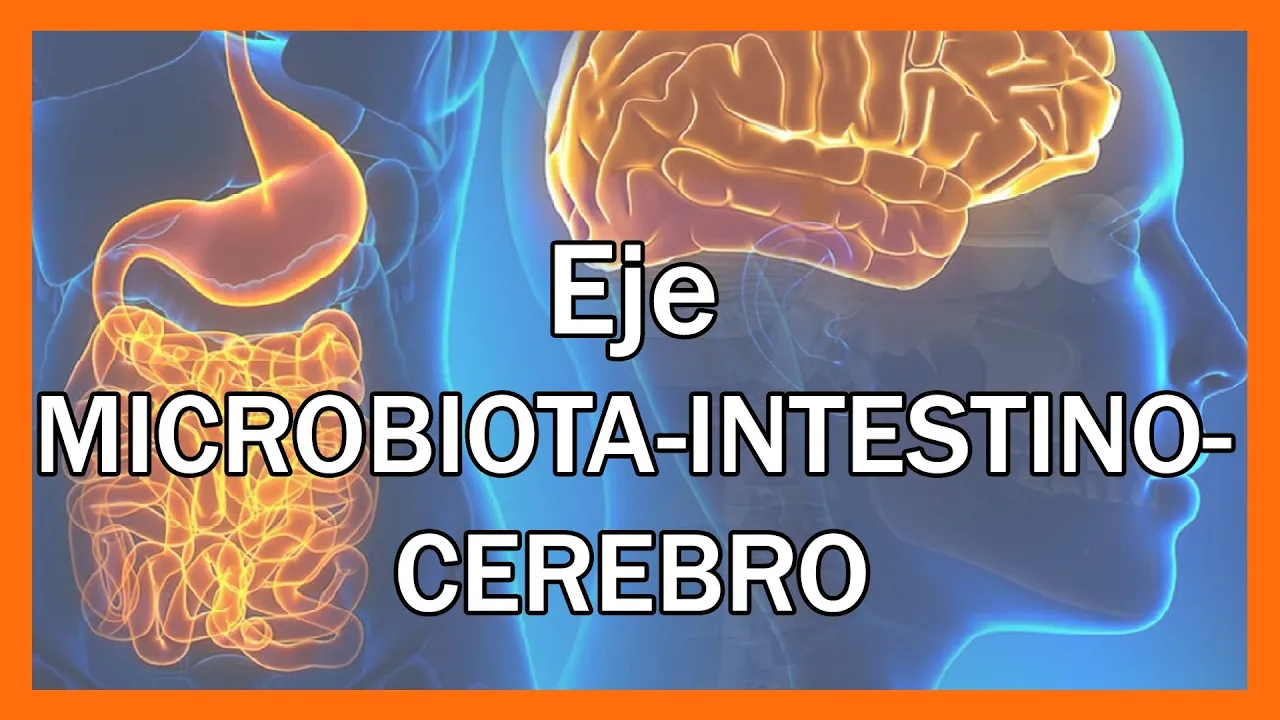
The Microbiome-Gut-Brain Axis and how innate immune signaling molecules (cytokines) affect neurological health and behavior.
Therapeutic interventions to restore innate immune resilience, such as targeted probiotics, prebiotic diets, and mucosal barrier repair protocols.
99.1K views3.4Klikes2:03:06Original Release: 2021-01-19
welcome to the global health education summit focused on the innate immune system it is january 2021 and i can't help but feel like we are at this extraordinary tipping point of human history for the first time in our history we are under a mass campaign to genetically modify our species we are lining up to inject a messenger rna a piece of genomic information that will change the protein synthesis within our body for the very first time in our history if you've come to know me through much of my work in the food and agricultural system then you know we've worked for the last decade to really pioneer this intersection between human health and ecological health at the intersection of food and agriculture we find this argument of genetically modified foods as a future versus as a the greatest existential threat to our species and our work around roundup and glyphosate and its interaction with the human barrier systems that we call the tight junctions and its erosion of our gut lining vascular lining blood brain barrier kidney tubules so that roundup has induced has given us a forefront look at something called the innate immune system if you missed any of our materials leading up to this event i strongly encourage you to review some of that in retrospect after listening through today's seminar you're going to do well to listen to the 12-minute piece that's available on the innate immune system landing page on zackbushmd.com as well as tap into the instagram short version of that if you if you don't have time for the full 12 minutes there there's a shorter version on instagram of that overview of the innate immune system and then our blog content the newsletter that went out earlier in the month reviewing the different layers of the innate immune system as it relates to these barrier systems of the tight junctions the microbiome the bacteria and fungi and how they interact with with our environment within us and outside of us as well as the deeper levels of the innate immune system in regards to cellular responses far downstream of the innate immune system is the adaptive immune system the adaptive immune system is is getting 99 of the attention these days and when it comes to the discussion around public health this is unfortunately very antiquated in its police belief system and is frankly scientifically erroneous based on some very simple facts that you've perhaps even witnessed this past year and also just the extraordinary health and vitality within a seven day old infant amazingly we don't actually develop the adaptive immune system within our bodies until three to six months after birth these adaptive immune systems produce antibodies to downstream proteins and other potentially external forces to keep us in balance with the world around us at one time we believed that the innate this adaptive immune system that was responsible for sterilizing the human body but that was a very antiquated perspective that became false as far back as 20 years ago as we started to realize the microbiome within the human body was in a constant relationship with it and in the last 10 years to find out that every compartment within our bodies including even our the hallowed blood-brain barrier and the central nervous system of our brain is teeming with microorganisms that are there not only to promote health in the moment's moment but also be there as an adaptive force to help us overcome injury and so this microbiome is now understood to be part of us which then challenges the belief that our our adaptive immune system and immunology of antibodies was ever there to sterilize us because it wasn't if we were sterile we would die immediately the reality is we have to stay in conjunction with in relationship to this vast system of bacteria fungi protozoa parasites and even the virum the massive genomic seed that we live within in that seven day old infant that i just mentioned there's 10 to the eighth more than a billion viruses per gram of stool in that child's gut system interacting with its immune system that lies primarily in the gut amazingly that child at seven days of age has no problem maintaining relationships to these billions of viruses despite the fact that there is no adaptive immune system present to make an antibody to any of those and so by that simple data point we know that we are wrong about the fact that pandemics our response to pandemics our adaptive capacity to recover from pandemics has nothing to do ultimately with our adaptive immune system and our ability to make antibodies it is a misbelieved system that is based on over 100 year old paradigm of science that again believed that sterility was the only pathway to human health the revolution that we are in the midst of the massive paradigm shift that is one of the biggest scientific discoveries of humankind is that human health does not reside within the human cell human health is dictated instead by the biodiversity that is at the center of our vitality biodiversity at the microbiome and the genomic information from the biohome is how we adapt it is the gain of function capacity of human biology and biology of the planet as a whole the way in which we came to be as mammals let alone as humans was through the intelligent design of the virum's capacity to create plasticity and a creativity within that thing we call life and so it is with great passion and a sense of import that i want to bring to you this panel today of the innate immune system discussion so that we can start to wrap our ideas of how do we get here to this point that an 100 year old belief system in sterility and adaptive immune system and antibodies is now a multi-trillion dollar endeavor that is shutting down economies globally and fueling massive wealth within the hands of a few for this very antiquated scientific belief and so we're going to dive into this effort we're going to look deeper into this experience of the innate immune system what it means how we got here and how we can think differently about human health than waiting for the genetic modification of our species to make some viral protein from our cells it is time for us to take our health back inside we we have an opportunity to make some critical decisions for our health our human health our family's health our our planet is a toll right now as we start to just check in with our common sense check in with our intuition to to really wonder are we really waiting for multi-billion dollar technology companies in the form of pharmaceutical companies or beyond to deliver us health or was health innate to the human experience hundreds of thousands of years ago when we emerged from this sea of life that we call the planet of earth when we emerged from that life were we somehow deficient and just hoping and holding on to life clinging to life just waiting for the pharmaceutical industry to be developed just waiting for technology to break through to show us how to kill everything around us how to protect us from that one virus out of the 10 to the 31 that we will have in our air this year or the 10 to the 30 that is in the soil beneath our feet or in the 10 to the 31 viruses that are in the ocean itself are we really against it all or are we the result of it all and so as we dive into the nate immune system i'm excited for you to just hold on strap in you're going to get a big download here but i guarantee you this is such new information such a different way of looking at human biology than you have been become used to in this public narrative that has dominated the human sphere this last year it's going to take some time so let it sink in revisit the innate immune system website re-watch that little 12-minute video that synopsis that i gave you sink into this reality that we are not dependent or hoping for some technological breakthrough for our species to survive instead we are waiting to align human creativity our technologies our consumer products and everything else with the biology we live within so with no further ado i get to introduce to you one of the most extraordinary panels out there the innate immune system is waiting to be divulged here from a multi-perspective standpoint coming to you first is dr cindy fallon a phd in organic chemistry she spent 25 years with dupont and it's her extraordinary experience of working alongside amazing people in these chemical industries that are somehow kept away from the big picture of the damage and harm that is done to environments people themselves through the use of these chemicals over her tenure she was involved in the roll out of over 400 consumer products over that 25 years and was it was very integrally uh involved in all of the fda and regulatory processes that allowed those to come to market and so an extraordinary expose on the industry there and a look at how humans can be led into narrow pathways of belief that allow us to make extraordinary mistakes in in regards to public health and biologic health on the planet next up after her will be dr john gilday one of my great mentors and colleagues john has really broken out the the whole concept of the innate immune system over the last decade in our laboratories at biomic sciences he has been very responsible for showing us this extraordinary world of the microbiomes communication network and its capacity to interface with the tight junction system the barrier system that is inherent to this thing that we call the innate immune system that first line of defense the tight junctions fall apart in the face of glyphosate and are put back together through the power of the microbiome and its communication network and so john got to that through an extraordinary winding pathway that took him from detection of germ warfare from in the military all the way to uh genomic detection through the first pcr tests that has become so relevant to the world this year all the way to uh research and forefront understanding of exosomes and the way in which we exude genomic information from our bodies how we send bioromics out of our bodies to interact distantly with other organ systems within us as well as other individuals and other organisms far outside of our body and so as an expert in micro rna which is kind of the new field of epigenetics he brings extraordinary insights there as well next up is dr lee cowden md a cardiologist one of the forefathers and four front runners in the integrative medicine world dr cowden is president of the association of comprehensive integrative medicine globally he and his network are now over 4 000 physicians in over 16 different countries around the world and we get to see the the wealth of information coming back from all those 4 000 practitioners globally bringing back indigenous wisdoms as well as integrative wisdoms that have been around for thousands of years to bring us into a realization that it is not technology we're waiting for but an open mind and open ears and open eyes of humanity to look back to nature for our solutions next up will be dr peter cummings dr cummings is an extraordinary triple board certified neuropathologist he's been a part of some of our previous global health uh summits and you you'll get to hear from him the extraordinary new science around the gut brain axis not in real art in regards just to the neurons and the neural interactions there but the immune system itself and how the innate immune system within the brain and the peripheral nervous system of the gut really functions in league with these other elements of the innate immune system so once again excited to introduce all these and and have you hear from them and we'll wrap up the end with some follow-up that will direct you to more resources so that you can refresh this and share this with everybody you know without further ado i am so glad to have you dr fallon please introduce yourself uh in regards to your long and winding career that brings you to this day where we honor the innate immune system from your perspective thank you so much for joining us zach i really appreciate you including me in this and i'm looking forward to the conversation and happy to be a part so thank you after i got my degree in organic chemistry i spent 25 or more years at dupont and i was in global technology leadership innovation new product development i was associated with hundreds of chemical product launches in biosecurity disinfection and animal health and human health so these were very regulated spaces so i had teams of people teams of regulatory experts working side by side with formulators trying to navigate products from concept commercialization and writing those really fine regulatory lines and i think herein lies one of the basic flaws in the system um as good people working in industry we trust the process so we play by the rules and therefore we believe we're doing what's right and the problem is we've confused doing what's legal with doing what's right and i think that's a common theme you'll you'll hear me go back to um since the earliest days of my career i had been on a health journey starting with a debilitating case of fibromyalgia at age 30 and anyone that has fibromyalgia is very familiar with the extreme the pain but i had also lost an ability in my my upper body so i turned to the literature and i learned to manage it with uh this ultra discipline routine of exercise like distance running and diet i tend to think of it i turned into my own little serotonin factory and it worked really well until about age 50 about seven years ago so um the regime didn't changed but it just stopped working so not only did i have a significant relapse in fibromyalgia i developed severe hypothyroidism extreme eczema around the eyes the arms the legs and debilitating allergies particularly to dust mites so i was washing the sheets every day um so i was in this really painful downward spiral again i turned to the literature and i learned about gut health thank you zach and team and um and his connection to all these disorders that i was experiencing and it was the first time in my life i realized what i put in my body actually matters not not just the food but what's hidden within it and simply by minimizing my exposure to the food toxins and tending to my gut so non-gmo iron gut health organic as much as i could my hypothyroidism was gone i went from a tsh of 48 down to five my eczema is gone my allergies are gone and the fibromyalgia symptoms have subsided are gone so i was inadvertently destroying my own health by consuming the toxins that came from the very company that had employed me for 25 years and the irony of that was not lost on me i began my next journey of trying to help good people in industry pause long enough to connect the dots and see the role that industry is playing in the health crisis there those of us in industry have have spent our career thinking that the products we introduce the benefits of the products we introduce outweigh the risks none of us joined corporate america to undermine human health so so how does this how does this happen how does industry um cultivate this culture of people thinking they're doing good and not seeing their connection to planetary health the industry is you know they employ very effective tactics um to recruit maintain allegiance rewarding royalty positioning our company as the best suited to deal with the necessary evils that come along with innovation um but i'll i'll speak tonight today about um just one embracing skepticism because i think it's so relevant today companies will hire ghostwriters and front groups i'm sure you know this to to be sure that there's an argument supporting the use of a particular chemistry or technology in an easily searchable way so if you google gmos you're going to get a ton of positive discussion about how wonderful they are and they're going to feed the world this clouds the water enough so any disparaging data can be thrown out and casting doubt allows us to dismiss any data that makes us um uncomfortable as simply conspiracy and it's not just casting down on data but on people they're they're fringe they're hippie good intent but they're just not operating from a position of sound science and embracing skepticism is done in plain sight at a massive scale an example of this is pfas perfluoroalkyl substances such as those found in teflon i remember when it first came to light that something in teflon was under scrutiny i didn't know what to think but but i didn't have to think because the talking points came very quickly and we were given all the messaging you'd have to totally abuse a teflon pan heat it far beyond anything a normal person would for much longer and they had data to support that so we could cling to extreme misused conditions and that cast enough doubt on the claim that we could write off anything negative that we were hearing about teflon when in fact the real issue wasn't even surfaced the fact that pfas chemicals and intermediates were getting into groundwater industrial discharge was killing livestock and sickening people there was no discussion of pfas and fast food wrappers migrating into greasy foods and into the bloodstreams of over 95 percent of all issues citizens so the problem was much more pervasive and had little to do with the issue of overheating a teflon pan but it didn't matter we were given the message that helped us cast out on anything that those over zealous activists might claim as they grabbed for money out of corporate pockets so the tactic is incredibly effective because we're given an alternate story we can cling to another key premise we buy into early in our career that i think can lead us astray is that regulatory agencies are designed to be gatekeepers as long as we play by the rules of these agencies we're being responsible stewards so it's again if it's legal it's right um but regulatory agencies like the epa fda in spite of being filled with really smart people of good intent are currently designed to fail and their mission to protect public health and environmental health it's just not how they're measured it starts with a lack of separation of powers the president appoints the head of these agencies so they directly serve the executive branch these agencies also write legislation and they enforce legislation so you've got the executive judicial and legislative branches colliding and you give industry full access at all levels so it's it's perfectly set up for corruption the ep and the fda have been giving the unenviable task of writing a playbook that is palatable to industry so that they can keep the peace so the industry has become the client and the pressures on the fda to appease industry only increased with padufa which is the prescription drug user fee act it was a law passed in 1992 which allowed the fda to collect fees from drug manufacturers to fund the new drug approval process so now the fda is under simultaneous and countervailing pressures to both speed up approval and ensure safety of new drugs so the epa can't help but look at industry as their client instead of the public now that pharma underwrites over half of the fda's budget for scientific reviews so their role has been become get as many drugs out as possible and i you know they've been successful in that measure i think the review process went from like 24 months down to eight and a half in 2015 with a 95 approval on first try and i suppose i should be happy about a faster approval but it would appear there might be a conflict of interest furthermore how about a government that focuses on changing the trajectory of health in this country getting at root cause so that we don't need as many pharmaceuticals i just think that we have lost sight lost sight of the mission that's the fda so the epa the epa's hands are also tied there is an overwhelming amount of studies out there showing current levels of exposure to pesticides for instance induce health negative health outcomes and severe impact on the immune system just as i experienced personally but many of these would not be detected in the traditional toxicology tests that are accepted by regulatory authorities the fact that these data don't fit typical experimental protocols doesn't make the data invalid in fact the epa comes right out and admits that several studies have tested herbicide formulations including roundup for mutagenic and genotoxic potential and they say although positive responses have been reported the testing systems used may not be adequate for regulatory purposes because quote routes of exposure vary from the required testing protocols so you must follow an existing protocol and to get a change in protocol takes an act of congress i'd like to maybe later if we have time to specifically talk about the epa and immunotoxicity test requirements but the bottom line is the testing protocols just haven't changed at pace with our understanding of the immune system and root cause of disease so i think it's time to untie the hands of the epa so that they can look at all available data peer-review data use their good judgment ethically of course we can't do a double blind clinical trial and ex purposely expose people to toxins and monitor but if um truthfully we are willfully exposing people all the time so the world has become an experiment and a big petri dish so let's at least use that data and not ignore it cindy were uh together uh presenting data to the epa on glyphosate and that's toxicity the human biology and animal biology uh about a year ago a little over a year ago now and they came back with some extraordinary statements around why they couldn't consider the data that we were presenting and our whole team that extended far beyond you and i presented over 96 human studies and animal studies showing the toxicity of glyphosate to mammalian biology and the like and the most damning stuff that we demonstrated was the generational data and i was just dumbstruck at the end of that that they said that it had become illegal a couple years ago for the epa to consider generational toxicity data and so somebody actually had the [Music] the forward you know view on we need to hurry up and pass some legislation that doesn't allow scientists to submit data on generational toxicity of these common compounds so it's just extraordinary as you say how it's very hard for us to bring the current regulatory mandates or regulatory processes of determining toxicity whether it be genetic toxicity or immune system toxicity those haven't been updated since the discovery of the microbiome and its role in the immune system and genetics and everything else and in the same way we keep seeing blocking legislation such that when new data starts to come to light they seem to be able to get to the legislative system before the data can to preempt the ability of the apa to hear that so i was struck by both of that process and by the humanity that was still on that epa board we saw members there on the epa that couldn't look us in the eye throughout the presentation and kind of followed us out into the parking lot with a sense of of shame shame a little bit there but more just a sense they they wanted to say keep going keep keep showing us the data because right now our hands are tied but maybe in the future our hands will be untied so please keep coming back with the data so there's members of that epa board that are so true to their humanity and true to their science and are doing the best they can and want the truth to come to light and so in the same way that you're showing us the humanity of those that are working at dupont or 3m or dao or pfizer or merck or beyond there are such good people with such good intentions that are working in every university in every irregulatory group and everything and it is the system put in place that allows for the corruption to continue to occur on these things so uh what an import incredible journey can you give us just you know a sense of where you see uh the biggest change could be made as consumers how we can most participate in a revolution to this process is there a way that we could participate in that yeah i i think um ultimately the consumer needs to embrace their power because they really have so much power and they can do that by getting involved uh there's so many ways to get involved these days you know whether it's farmer's footprint uh herbicide-free campus non-toxic neighborhood green lifestyle network bombs across america there's just tons but you can change your purchasing patterns um i i've been trying and i like conveniences as much as the next person but i'm trying to envision that my fingerprints are on everything that i buy so and those fingerprints follow the product all the way to the grave it sounds hokey i know but if i purchase a sunscreen that contains oxybenzone instead of zinc oxide not only are my fingers fingerprints on the bottle but they're also all over the crime scene that is now the bleached coral reefs on you know by contrast if i purchase from a regenerative farmer my arms embrace them and say thank you for regenerating the soil thank you for rebalancing carbon thank you for allowing me to put food on the table that's not poisoning my family so i think we have to each challenge our individual belief systems mine was very much better living through chemistry you know i was raised in the dupont family it ran deep and i spent a lifetime and a career reinforcing that that i could improve life through chemistry um until i had the strong wake-up call with my own health and allowed me to embrace an alternative a world where rather than killing or controlling we're supporting nature to do what she's designed to do and frankly does much better than we could ever do with a test tube right so um i mean i think that's why i'm glad we're here today with this kind of discussion because everyone needs to weigh their options and view of their own circumstances listen before acting and um you know own it so i do think that the consumer has the power to to influence much greater than they ever imagined it's extraordinary it's beautiful i was just you know walking through a store the other night picking up some mods and ends for the household and once you start to adopt this understanding that the [Music] cooking pants being a good example of it there with the teflon but the plastics and everything else in there with the endocrine disruptors through and through and you start to really see it through that lens you realize stores as large as you know costco or target or any of these places are having a very hard time delivering anything to your plate that hasn't been touched by these chemical industries and those chemical industries have infiltrated the clothes you're wearing the plastics that are in them the food that's on your table the lining of the aluminum can you know just goes on and on and on as to how many of these chemicals are touching your daily life uh you know teflon now thought to be at 99.5 of the bloodstream of all animals on earth including humans is pretty extraordinary you know the idea of the way in which these chemicals have infiltrated beyond our cpg you know consumer product goods to be in our very ecosystems and you know 75 percent of the the rainfall in the united states measured is measuring positive for glyphosate and roundup now so it's become so steeped in the human experience to be surrounded by these these chemicals that inherently disrupt our innate immune system and our endocrine systems to really lead to the epidemic of disease we see today very good any last thought cindy before we move on i would just say the you know as as far as glyphosate we didn't start measuring glyphosate until 2016. so the epa sets the speed limit fda is supposed to enforce it this has been registered since was it 84 or 74. it's in 74.
it's in our bodies it's in our bones up to 30 ppm in people's bones from you know for it to be that pervasive and we're not measuring it until 2016.
it the system supports process the system supports industry the system supports jobs it supports status quo but it does not support transparency and data and it does not support getting to the truth i think you know once you pull back the curtain and see the wizard is just a person they're not all-knowing they're not infallible and they might not even have my best interest at heart you cannot see that and it's also the individual to take responsibility amazing thank you cindy for your courage of transforming your career and pivoting a career that after 25 years it would have been so easy for you to finish up with that but to pivot and take a strong strong stand for for who you are and who you believe in is a really great demonstration to all of us of how we can participate beyond just the choices we make who do we work for who what are the systems that we support in our daily activities whether it be through our buying patterns or our working patterns and so for all of you listening there's an opportunity for us to look at this recent you know pandemic narrative to realize the united states is sicker than any other country in the world reporting of far greater mortality than any other country in the world with this pandemic and so if we are the sickest nation you know we are the sickest and uh developed nation developed economy for sure we're dead last in all developed economies for health outcomes and uh globally we rank somewhere between 35 and 50 depending on which list you look at as to health outcomes and that puts us behind a lot of developing nations and war-torn nations even having better health outcomes than us and so we we need to take a really critical look because if we believe in homeland security if we believe in the united states of america and things like that then we need to start to think much differently about what we're doing for all of you listening from abroad i would make a a call to action on your side to make sure you don't do what the united states has done you know please take a look at the mistakes we've made at our regulatory levels at our legislative levels and at our consumer behavior levels and try not to export human american behavior and maintain your cultures maintain your culture around food in europe please continue to push back towards your your cultural respect and gratitude for the food that you share together uh south america please do not feel the need to compete uh with american producers you guys are going to become the most valuable producers in the world over the next few years if you can go back to your your cultural roots of food production 70 of the world today is fed by a peasant farmer we honor all of you peasant farmers as has been termed what that really means is an independent farmer 70 of the world is fed by an independent farmer so we honor all of you in your independence in your resilience in your hard work every day and feeding the world around you and so thank you cindy for that extraordinary demonstration and uh expose on the system there thank you for your revolutionary mindset and behavior i want to turn now to dr john gilday phd in microbiology and genomics and uh dr guilde thank you for being with us uh you are such a extraordinary teacher in my life you've opened my eyes over and over again uh dr gildea helped uh reveal the cancer world in special ways to me when i was doing chemotherapy research at the university of virginia he became my microscopy consultant and he taught me immunofluorescence techniques for looking at protein synthesis inside cancer cells and the like and uh became a really important part of my early success in that space and it was a joy to reconnect with him after leaving the university i've asked dr gildea to give us a very personal journey today with his scientific career and to represent his own personal experience rather than the perspective of the university of virginia or anything else so this will be his personal experience and personal insights that he'll be sharing with us today and has no no reference back to the university or or the university's opinion on public health of science uh so dr gilley thank you for uh being with us thank you for being such a close friend and colleague and mentor to me over the years uh can you give us a sense of how you ended up here in this conversation today what was your long unwinding run that's taking you through so many segments of this topic of the innate immune system and the viral at large yeah thanks for the awesome introduction um once in a while they let me out of uh out of my lab to try and talk to the outside community um i'm the person that spends all day at the bench and uh it's a really good opportunity to get out there and try and speak more in general with general information that i may be able to convey so my journey is kind of a kind of a strange one and uh i guess i would i would start it with right after my uh college training uh i went pre-med but i fell in love with science my last couple of years and ended up uh designing my own courses and and teaching the last couple years and uh decided i want to look into this science thing and uh went out into industry first and the first job i i got was in a diagnostic lab working for the army and this lab was designed to detect uh all the retroviruses and a lot of the parasites that um army the army would contract during their travels around the world so i would collect those samples and grow them up in the lab and make positive controls for them and to try to defend uh develop uh sensitive tests for those uh or those pathogens so um developed a lot of those uh first pcr tests her viruses so that's kind of relevant these days um i did that way back in 1990 and so that that beginning of interest in virology was was most important to my development uh from there because i developed a lot of sensitive tests my next my next job was to develop tests for a germ warfare testing facility also for the army and this was i was tasked with the job of developing a test for airborne pathogens that had to be detected in 90 seconds from from the air and so that kind of stretched the limits of the ability to to test for pathogens that was a really really fun development project and i guess the relevant information that i could convey from that was um the beauty of of realizing the design of the human body how amazing it is is we actually imitated the human nose in order to get those virus particles impinged on the liquid in order to do that test the turbinates in the nose are designed to make high flow air connect into a liquid surface and capture those particles whereas meshwork small meshwork is not able to capture the particles efficiently especially the smaller particles so um that that uh design there of capturing particles uh can't be overestimated in that uh you know the way your nose is designed and the way that uh your outside world and your inside world interact is really pretty amazing can i uh can i put put a fine point on that as far as you know translating that a little bit we have so much discussion around the n95 mask and all these masks that the world is being asked to use but these are made of the same meshes that you found to be incapable of capturing the viruses you were trying to trying to capture out of the air is it and then it sounds like in that inefficiency of a mesh to be able to capture viruses you found that the most effective way to capture a virus would be to breathe it through the nose and so it sounds as if what we would do best from a public health standpoint would be to put people out into the world with if 100 percent of people had a healthy nose on the front of their face instead of a mask on in front of their face they'd be more capable of capturing viruses before they enter the lung per se is that is that an accurate you know real life application there yeah that was sort of the realization is that uh is that you know what a quick healthy test is to if you just relax you know where you're sitting right now with your mouth closed you know is is your tongue touching the roof of your mouth um and are you breathing through your nose and there's a really simple test to see if you are breathing correctly if you if you walk around breathing correctly like that your nasopharyngeal space is open and your nose is breathing without resistance that air is going quickly for your nose your mucosal layer has um villi flagella on it that are rhythmically binding if you're if they're healthy tight junctions are tight and that mucus is flowing forward towards the front of your nose um along with you know the whole way the viruses are killed um through the you know endogenous innate system you kill viruses you know through the myeloma peroxidase system we're making locally small amounts of bleach kill those cells hydrogen peroxide and um and then also flushing them out the front of your nose it's just amazing that that that ends up being you know the hallmarks of what a healthy person is is also the person that is much less likely to to get infected with any virus not just this this one that is particularly uh on the forefront of our lines right now so i think that you know i i probably did a poor job again at the beginning of this of describing the innate immune system in in in a abbreviated view again i put a longer version of this um on in content on my website and on instagram and dr cummings who will be on in a moment uh wrote a great blog that kind of summarizes the aspects there's a whole landing page now on the zac bushmd website that will take you through what are the the the multiple layers of the innate immune system but dr gilday here is really describing a very distinct front line of defense which is the barrier system so the barriers at our nasal mucosa at the actual liquid on the surface of that nasal mucosa being really the beginning of your your relationship to the viral and your relationship the virum is continuous in my bloodstream right now it's estimated that i have 10 to the 15 viruses in my bloodstream at the moment as a healthy individual and so the barrier at my nose is just one of the many barriers between me and the cells within my body that are keeping relationship to those 10 to the 15 viruses that i'm uh interacting with or in fellowship with so it's a really cool description there of the nose and you know i'm always struck by how we tend to do everything backwards and you know almost in an insane fashion western medicine but it reminds me of my very first rotation in surgery which is what i thought i wanted to do with my life uh as a physician i wanted to be an ent surgeon i thought and so my first day we spent the whole day 12 hours of surgery three different surgeries chiseling out the turbinates and the noses of these adult patients and so therefore removing their entire innate immune system's ability to create turbid flow within the airflow of their nose and we did this because they had lots of inflammation and polyps and their immune system was dysfunctioning so they couldn't breathe so in response to oh your immune system is overwhelmed and you've lost the barriers things we're just going to knock out all your turbinates now and oh now you can breathe now that person's risk of death from respiratory causes goes up over time and everything else and so i i it's just an awesome demonstration of the simplicity and beauty as you say there john of this human design is such an exquisite thing take us from uh detecting uh oh actually i think there were some other problems that you found and the military found with the effort at viral warfare can you give us a little bit of detail what happened with that yes sure so um because it was um you know your geomorphic um testing there are um test sites where they uh aerosolize not the not the actual um germ warfare agents but model system and they had viruses and bacteria and um proteins as well as uh spore forming uh bacteria and so when you aerosolize them and then you test these devices that we built uh to detect those those airborne devices um i mean uh capturing system and testing systems um one of the interesting things was none of the the viral vectors ever worked out because they wouldn't survive out in the open in the air to make it down to the to the the detector um so really we knew those those systems are not going to be uh viable um uh geomorphic agents so it's also pretty clickable to to us here now is your safest place to be uh outside and those particles just don't live out outside for very long yeah a good application of of just general understanding of making aerosolized virus particles so what's being described there is you know this awesome you know expansion of our understanding the microbiome extends here again in that the understanding the innate immune system our boundary levels of our nasal mucosa our respiratory mucosa the layers of our vascular system our gut membranes all these barriers as a front portion in some ways is a second form of barrier the first relationship to the environment large is the sun the water the air the soil these natural systems are so good at bringing us into balance and in the recent pandemic we can pinpoint with great predictive value we don't even have to wait for it for some sort of viral pandemic to express itself we can predict very very well uh that the highest levels of herbicides and pesticides combined with pm 2.5 carbon in the atmosphere which is a form of air pollution from our energy sector and transportation industries that pm 2.5 binds viruses and creates clumping and artificial survival and you know an artificial uh overload of viral components in very small spaces and so pm 2.5 combined with a lot a lack of sun a lack of clean water lack of soil microbial diversity and the rest can predispose a whole population in northern italy or parts of the uk parts of germany certainly the united states all the hot spots we saw are correlating with these changes in the environment so it's exciting for us to expand our concept of innate immune system beyond the word human when we talk about innate immunity we're talking about a planetary event we're talking about an ecosystem event in which we stay in balance with ecosystems and therefore we have human life it's not surprising that over billions of years of age of our our our planet uh we show up 200 000 years ago or whatever it is and and and we are have to be a result of this this global intelligence rather than against it so i'm fascinated by your your experience there in the army with the limitations of being able to alter that that germ environment doesn't work you can't overcome the sun you can't overcome healthy water and soil and air and i love that concept that no matter how malicious we get if we were to recombine reimagine our lifestyles within nature we would be that resilient and that's phenomenal john how did you get from army to university of virginia and beyond my next jump was um i went to get my phd and so i went to johns hopkins and did uh research genetics and fruit flies and did genetic screens uh an interesting part of the genetic screens was one of the screens i did was with uh mobilizing uh retrotransposons so the there are viruses in most cells and in in this particular case for drosophila you can make them jump they're called uh jumping genes or transposons so i jump them around and jump them into genes to knock things out and uh part of that my experience there was getting getting an understanding on what this strange process uh development that happens is i call it transcriptional memory but it's it's how your genome uh remembers things that happen during development so you know during development there's these induction events that happen that that cell has to remember that induction event for the rest of the rest of that cell's lifetime and so um the way that works is there's a uh a uh basically a three-dimensional chromatin architecture that's that's remembered for every cell division um that happens after uh development and uh the pertinent part of that is that you know these groups of genes these uh some of them are methylation um genes uh some are the machinery that carry around the these protein complexes that turn on and off genes but really the relevant part about it is that if um a cell type during development has a mutation in one of these genes it basically forgets who it is and whenever a cell forgets who it is usually has a secondary fate that's just behind it um waiting to express and a really good way to understand a lot of the things that we experience in life now that is age-related and chronic disease related is that these stressor events that they occupy the machinery that keeps those what i call epigen epigenetic marks um the transcriptional memory intact and so over time and through stress you forget that each your cells forgets who it is and because during development you know the body was designed to function in a certain way um and the sort of theme that we keep talking about here is barriers you know epithelial cells make a barrier and that very doesn't work very well if uh it's compromised so as you as yourselves forget who they are the gradients that form across a barrier makes that cell and that tissue function less correctly less less well and um you know it's just part of that whole innate immune system where the outside is supposed to stay outside and the inside is supposed to stay inside and yet we have to eat so we have to we have to take that outside and make it our inside um so digestion absorption is intimately linked with with um getting rid of toxins so it ties back to cindy's cindy's comments earlier that you know how do you keep a toxin outside of your body and if that toxin is is disrupting barriers um you're much less likely to be able to to get rid of it now the digestion is you break food down into these component parts so that in your intestines um those macronutrients and like nutrients are absorbed through specific pathways and then and then in the circulation um those nutrients are used by cells but then the kidney comes in into function therapy so it does a double filter it's filtered in your kidney and then all of those nutrients have to be reabsorbed again so that double filter that we have is you avoid taking up things that aren't part of our recognition system so they go through our body untouched and stay outside and then once byproducts of metabolism and other toxins that do get in the double filters that they go through the kidney and then you have a second time where you reabsorb everything and then if it's not absorbed there it goes out into your urine so it's kind of how you keep your inside clean and both of those barriers are really um really important for for um keeping your outside outside your inside inside and you know one of the ways that you know i talk to my kids about you know that barrier function is that is that um i don't think we're saying uh to our kids uh as much as we need to is that you know that outside world you want to go into that outside world that's balanced and in harmony um you know maybe a forest an untouched forest go out and get into that forest and then the foods that you're eating should be part of a balanced system also and in those balance systems when you take it into your system those systems of getting rid of exogenous things has a lot less tax of a job so that uh that system that innate community young kids in a community are really good it's very intact it hasn't forgot who they are yet and it's really a big problem with with the system that we have right now you know a person that's in their 60s or 70s spent so much time outside of nature outside of being in balance eating things that come from sterilized fields that over time you have made every one of those cells that is supposed to remember who it is from development and work so well when you're young has forgotten forgotten who they are and um are not functioning as well and so these new bad guys if it is a bad guy can infiltrate your system and do a lot of harm yeah there's a lot of questions coming through that we will get addressed later but really about the layers of the innate immune system and the rest and so um i'll go into some detail at the end of this but what dr gildea is describing as these these compartments uh these boundary events type junctions the velcro between them you've if you've heard any of my lectures you've heard that at nauseam dr gilday was really the one to introduce me to the tight junction world and and to their complexity he has been one of the the great scientists in our cadre that have worked very hard to understand the role of those those tight junctions in the human resiliency the innate immune system as well as the role of the microbiome and their communication network and maintaining those tight junction systems with all of the product uh product science that we've created over the years and so uh the boundary is one event and then this genomic memory of what is self is this deeper level uh at this genetic level which actually is one of those regulated uh environments of the innate immune system so the decision to take an rna strand and turn it into a protein within the cytoplasm of the cell is now considered one of the most heavily regulated decisions that the cell will ever make and so this model of a virus taking over every cell that it touches isn't you know almost 100 year old belief system that just has not played out that way now we know that cells have a moment-to-moment decision-making as to which proteins they produce and uh you know and the same thing is going to happen when you take an mrna vaccine for example and so the messenger rna in that vaccine the cell's going to have to decide to make a protein out of that it can't force your cells to make that and so that's why our regulatory groups and cdc nih and the drug companies have been so clear we don't know if an mrna thing is going to do anything to your immune system because we don't know if you're going to make enough protein to induce an antibody so this is you know one of the issues that we have around genomics is we can't actually trick the system that easily the system has so many checks and balances and so many regulatory steps to decide whether a virus has downstream capacity to change protein synthesis in our body or not and so uh john's you're you're touching on this incredible world of genomic uh variability or genomic control can you give us a just a snapshot of what is an exosome and you're one of the world experts in in isolating exosomes and so give us a glimpse of uh our current understanding of exosome communication yeah so i would describe those um as the um the genome is very plastic it's able to it's able to change within um you know designed normal uh normal ranges and uh one of the things that's been sort of a mystery for a long time is how one cell um talks to another cell adjacent to it or even at larger distances away and one of the things that's evolved um from um trying to figure out that system is that there's kind of an endogenous virus system that's going on inside your body um you make little tiny um nucleic acid um carrying vesicles at all times they're called exosomes and they have receptors on their surface and they're carrying cargo what i have studied the most so far is micrornas that are being carried by these exosomes and these little cargo cargo filled membrane vesicles that look a lot like viruses go between cells and those the components of the exosomes are dumped into another cell and release the micro rna into the adjacent cell and is able to change um transcription change gene expression in the recipient cell so the state of one cell can be communicated to adjacent or downstream cells by packaging genetic material into an exosome and then transferring it to along with the targeting surface proteins to to change the genome of adjacent cells so it's kind of a fall in line with a lot a lot of the things i've heard you talk about is you know the endogenous uh viral systems and some of these viruses hijacking components of that and um one little interesting component of that just because i i've been using viruses for a long time in my career to accomplish tax tasks um you can do the same thing with exosomes you can pack them full of genetic material of your choosing and then transfect cells to change their behavior um same with viruses and um the interesting part about viruses that's sometimes not a good thing that happens from it is they pick up genetic material from the host and they get integrated into the virus itself that is a whole you know area of study of viral oncogenes to pick up a function and ascribe it then to the virus that makes it uh makes it more um makes it worse for the host and one of the things that was picked up on this latest uh coronavirus is uh you know if you're in cleavage site that is uh is an endogenous site that comes from um a lot of people think is the enac gene the sodium regulatory um gene that's found in the kidney and and that new site has to be cleaved in over order for it to be infected and not that's paradox all of the old old viruses so that concept of viruses sometimes picking up things from the host and sometimes doing using it for bad is is this virus is no different than a lot of the other viruses that have been shown to be bad players amazing very good i want to turn our attention to some clinical intervention here uh thank you dr gilday and i appreciate you guys staying online cindy and john as we move towards a discussion element of our presentation but i want to turn to dr cowden dr kat you work with over 4 000 doctors around the world in the integrative medicine world and have a huge insight into the the methodologies that are being used globally to support the innate immune system and so we're looking forward to having uh your perspective on how did you get from cardiologists to integrated medicine and to this discussion today and then what are you seeing working on the global community to really support and change the way in which our nate immune system interacts with our environment yeah fortunately i i learned about alternative medicine integrated medicine in my first couple of months of medical school i had lived in arid west texas all my life and i moved to humid houston for medical school and i very soon developed allergic rhinitis then allergic sinusitis then infective sinusitis and bronchitis and finally pneumonia and i became so ill i couldn't go to class and i went to the chairman of three different medical school departments and followed their instructions for taking the pharmaceuticals and i got progressively worse and thank goodness my wife's grandmother came to visit us and she took pity on me she took me by the hand to the health food store and got me on some vitamin minerals and herbs and i got well in about a month and i thought oh my goodness i need to learn what this woman knows and i need to take with a grain of salt everything i learned in the medical training institution after this so that was my introduction whenever i had time to learn something i didn't uh study medical journal articles or even medical books i would go dig out you know books on nutrition or on herbs or on other natural things and study those and so by the time i finished my formal training nine years later i uh i had uh a pretty good knowledge of integrative medicine and uh started you know using that for my patients and started teaching that to other practitioners extraordinary to me uh what what is your what is your favorite part about being around the community of this international integrative medicine group at this point what what what do you what do you see as the trend perhaps there globally and and what gives you hope for the future well i think uh our world is in a mess right now in many different ways you know one of the things we're toxic overloaded from you know the pesticides and the herbicides and the antibiotics and all the other contaminants in the in the environment but also were overloaded with electromagnetic pollution and i think that concerns me as much as the chemical pollution you know the the 5g that's being rolled out worldwide is a 60 gigahertz signal which was used by the us military as a weapon prior to somebody deciding to use it as a communication device and that concerns me i i was in practice until uh until november of 2019 uh seeing patients out in phoenix arizona and i became so ill in the eight days that i stayed out there that i could barely make it through the last couple of days i developed atrial fibrillation and chronic fatigue and fibromyalgia and headaches and brain fog and shortness of breath and so on and uh i figured out that it was because i was sleeping all night long a very short distance away from a uh a 5g tower you know 5g tower and uh and working all day long only a few yards from a 5g tower uh i got zapped pretty hard and when i um when i went back out to west texas to try to get some reprieve from that 5g experience i didn't get well quickly and i thought what the heck is going on here and my uh my son gave me a clue he uh told me that his wife and he had a good sleep until uh a few months before that but then they both had developed bad sleep at the same time and he had to have a new roof put on his house because he had a hail storm and when they put the new roof on the house instead of putting an asphalt shingle roof they put a metal roof on the house and after they put the metal roof on the house they've already started so both started sleeping well again and says he told me that i realized that we were being zapped from above so i got on the internet and figured out that the us government had approved 40 000 satellites to be put into orbit above the world to broadcast 5g down upon us and at that point there was already several hundred that had been deployed so i had become sensitized to the 5g signal out in phoenix and i was still being zapped by it in my pristine house in west texas so that put me on a new path of learning about electromagnetic pollution and what can be done about that what's the best approach do you think at this point that you're seeing coming out of the integrative medicine community to find ways to make us resilient in these toxic environments from chemicals to emfs and the rest uh what are what are your favorite tools at this point well i think it has to go back to the basics the first and foremost is always drink enough water and clean up the diet and uh you know now it's really really hard to find clean food in a grocery store so in your best bet is to put in your own garden in your backyard and put it inside of a greenhouse preferably so the glyphosate that's in the rain doesn't get rained on it but then if you can't if you don't have a backyard if you don't have ability to put in a garden then do what i call the four foot farm which is basically putting a some vegetables into buckets in front of your windows that are found south facing so you're growing vegetables inside your house raising your own produce and not having to rely on the contaminated produce that was sold at the grocery store harvested weeks before it became right and then you know after you do that then you you try to uh clean up the electromagnetic environment as best you can you know you turn off your wi-fi all the time preferably but at least at bedtime every night and uh unplug the um you know the cordless phone get rid of that completely from the house get a corded phone instead make sure your cell phone is is at least 20 or 30 feet away from your bed perfectly in airplane mode while it's charging and turn off the breakers that go to your bedroom at night clean up the emf that way if you live in an apartment try to make plans to move out of an apartment to a single family dwelling so that your neighbors are not just right on the other side of the wall zapping you with their wi-fi and electric smart meter and cordless phones and all that stuff and so you know it's it's uh it's about uh you know detoxifying you know trying to get rid of the toxins that are going in whether it's electromagnetic toxins or chemical toxins and trying to put in more good stuff you know the foods that have you know really good nutrient value you know have plenty of you know vitamins and minerals between 1935 and 1965 us department of agriculture tells us that there was a 70 loss of vitamin and mineral content in the foods that were grown on regular uh soil in the united states and uh you know my estimate is that we lost more than an additional 70 of that since 1965 and so we're down to very little and the reason is because of the corporate forming they're growing the same crops on the same ground year after year never rotating the crops never uh replenishing the soil or you know they put a little phosphate back in maybe a little potassium they call that the sufficient remediation of the soil we're dying because we we don't have nutrients of sufficient amounts to regenerate our body and uh and to detoxify our body you know we have to have enough of the other vitamins and minerals to act as cofactors of coenzymes for the for the enzymes that help to detoxify us and restore our health you know we've got a mess yeah it's a it's an extraordinary world we live in and an extraordinary resilience and underneath the surface there dr gilday when you touched on the hydrogen peroxide and all that you were talking about endogenous systems that are able to make hydrogen peroxide cells that will be able to cleanse and treat this thing so in the integrated medicine we've gotten into things like vitamin c infusions which is simply a a mechanism for delivering hydrogen peroxide where we're deficient in hydrogen peroxide delivering uh hydrogen has been a big therapy and asia has pioneered this japan is infusing uh hydrogen h2 into the bloodstream people presenting with acute heart attack or cancer whatever it is with incredible results and it turns out the microbiome in your gut when healthy produces an enormous amount of h2 and that's not in a store of hydrogen and so it's it's always so exciting to me in this world of integrative medicine that anytime we find a tool that's starting to tell us that hey we're onto something we find out within a few years that's what your body was making before you screwed with it before you destroyed its toxicity before you took away the nutrient delivery systems of food all of this and so it's it's just extraordinary just as the the exquisite design of the nose that you've discussed dr gilday this this this exquisite design of detox is so powerful and to see somebody like you cindy turn around so fast with just a change in your nutrition and some support to your microbiome that you did with ion and all of that it was this transformation in your health that that changed your immune system fundamentally from your thyroid function all the way down to your your skin microbiome and your skin innate immune system with the elimination of the eczema and everything else the microbiome is is so good at doing what it does and that's that's where our state my hope in the future is mother nature is smarter than the insanity of humanity absolutely you know almost every thing that we put in our mouth from the regular grocery store has something in it that's going to kill off some of the friendly bacteria in the gut that are supposed to be producing and producing uh vitamins producing uh you know high you know molecular hydrogen as you point out uh producing other things that our body absolutely needs and we're just killing the the the you know the microbiome uh every day that we eat the regular food from the restaurants for the grocery store so we need to get back to nature years ago i had a elderly woman who said that she had a son that was chronically ill and she took him to every doctor specialist that she could imagine he can't continue to get worse and worse then she finally took him to an old country doctor and the country doctor said uh well tell me a little bit about you know you know his life you know tell me what he does does he play out in the backyard oh no he's too sick to play in the backyard so so the doctor said okay if you want to get him well you need to go out in the backyard and use the hose and squirt squirt those on the ground and put with the little boy he's about three or four years old in that puddle of mud and let him play in that he did eat it if he wants to okay play mud pies and uh pretty soon he's completely well that's the only therapy just eating dirt eating mud okay i love that that is a beautiful therapeutic intervention i think that that's what we could all use after a year of quarantine and netflix we need to sit in a in a mud puddle somewhere i love that yeah we got we got i don't know how he got off exactly into the into the into the uh pasture theory uh i guess he was a big flamboyant guy back in the 1800s but uh but his contemporary luke uh was uh antoine bechamp and basham said that the terrain is everything absolutely everything you know and he was saying you know the terrain inside the body the gut terrain the skin microbiota biome the health of the cells and so if you have healthy cells and healthy my own you're not going to get infections and uh actually pastor challenged him to a debate and it and came to the debate and passed to her said okay if you believe what you say then drink this vial of cholera and basham says i accept your challenge and so bashan turned around and handed the the myla cholera to his assistant said drink it his assistant drank it and did not become ill because they had already been working on his terrain for a long period of time and he did not become ill and uh you know on on pasteur's deathbed pastor said the terrain is everything so he finally acknowledged that bishop was right but unfortunately by that time what was in the literature was all of pasture's life so we ended up going down that path sells a lot more drugs but it's not necessarily best for the body well as we start to think about thank you dr again accountant for that overview and we'll come back to q a with you and more discussion but as we're thinking about the gut and what we're putting into it uh i'm excited to have dr cummings join us here uh peter would you give us a connection to the gut brain access as a neuropathologist there's a lot of attention over the last two decades on the gut brain connections and all that how does that relate to the innate immune system right well i think you know uh like for now i said i just i i used to hate when you put me in the fir first now i'm so sure i like going last because i gotta follow all these people same director accounting was was great i mean it gives me some some validity when i go to my son when he gets hurt just rub some dirt in it you know just you'll be all right you'll heal um yeah but i think we're going to circle back to a lot of the things that we've talked about with sleep nutrition particularly when we start talking about the role that the nervous system plays with our gut entry of the microbiome but i think if we take a step back and think about how it releases the innate immune system as a whole um i i was thinking this morning i was walking my my dog through the woods and having some quiet time that we think of the immune system as a barrier between us and nature us and our environment and it really isn't it's more really a sophisticated filtering system that allows us to not separate ourselves from our environment but integrate with it and the central part of that um process as we pass through our environment is our central nervous system and how that controls things and to touch on what cindy was saying she said something that struck me this morning when i was on my walk that everything matters and when we talk about nutrition we're not talking about just food you eat when we talk about filtering our barriers to our environment nature we're not just talking about microbiomes and viruses and fungi or whatever else we're talking about light you know um we light we're very important species we're beings of light our mitochondria depend on it we have certain cells that use light energy to especially an electron transport chain to breathe um sounds uh certain sounds can affect our emotional state um air what we breathe um the food that we eat the water we drink everything we encounter in our environment um is filtered through our central nervous system and affects us in one way or another and i'd like to talk about the idea of the cranial nerves which why do we have 12 nerves that innervate our face it seems like kind of overkill we've got this much body space it's not very much but yet it manifests it it manifests so much neurological input and a lot of it comes back to our brain stem where these nerves originate from and where they they come and go and speak to our brain stem where we have our heart rate receptors we have our breathing receptors all these things happen in our brain stem and so our as we evolved from four-legged creatures when you know we would enter the environment as a dog would um the cranial nerves are really very important in how we mitigated threats or relationships in our environment so the cranial nerves became very very involved in our exploration of nature um light from optic nerves sounds all of these things are tapped into emotional centers in our brain as well they're very closely regulated are integrated with something called the limbic system which is how we uh foster emotions whether they're what i call the four f's of life fight flight feeding fornication so you can survive as a species all come from cranial nerves so the one very important criminal nerve is our vagus nerve and it doesn't get a huge amount of attention in medical school or when we learn about it the vagus nerve means the wanderer and it goes from your brain stem all the way down into your gut and we learn about it in medical school as being you know it's the vagus nerve acetylcholine and it innervates the parasitic nervous system next topic but what it does is so much more than that and we want to get down and think about the heart the lungs and even the cells of the gastrointestinal system it is that tone or the firing or activity of that vagus nerve is really important for our emotional state and our emotional states will affect the firing downstream of that vagus nerve why our heart rate goes up if we have a decreased or less firing of the vagus nerve our heart rate's going to increase um the vagus nerve also is responsible for secreting a lot of inflammatory markers or chemicals that enhance inflammation in the body and so when you have problems with the vagus nerve whether it's from stress or toxins or light sound pollutions all these different things we're talking about we can have imbalances in the way that we respond in our immune system and the immune system isn't a fighter i mean we talk about this a little bit in the blog we think about the immune system as being these fighters that are protecting us from everything but they're a really important part of regeneration and healing in our bodies and it's when that process gets skewed or exaggerated is when we start developing chronic inflammatory diseases so it's really that vagus nerve that gets down here into the cells of the gastrointestinal system that secrete these various cytokines that support the cells some of those compounds also support the microbiome one of the biggest some of the biggest neurotransmitters in sydney serotonin um very important regular sleep and mood most that's produced by our gut microbiome so we need that relationship between the vagus nerve the brain uh and what's happening in our gut and everything along that axis is dependent upon how we interact with our environment right now we're all scared we're locked up um we're the levels of stress and now i'm seeing this in our youth athletes that don't have sports right now the stress anxiety substance abuse all these things are skyrocketing domestic abuse child abuse all the stresses that are put on us aren't doing our immune system any favors because when we're stressed out we're more susceptible to all kinds of different things not just this particular virus that's affecting our society right now but all the other comorbidities that come along with stress and anyone who's seen this us talk before we know that um you know i always felt as a forensic pathologist doing thousands of autopsies and seeing young people in their 30s and 40s dying of heart attacks i mean what we're experiencing our environment is literally killing us and ways to deal with that particularly with helping our immune systems a lot of things we've all been talking about particularly in the brain stress and anxiety mitigation there's so much interesting information coming out around the relationship of that vagal nerve tone and as you shift into that fight-or-flight state and its impact on the microbiome and so recognition that within hours of stress you start to shift your microbiome you start to lose biodiversity there and it's an intriguing concept to me at the kind of the metaphysical level of like do bacteria and fungi sense in fact uh the stress that you're having and withdraw you know and so uh because when you start to become stressed and you go through the endocrine and the neuroendocrine events of stress you start to exude the the micro rna that dr gildea was talking about earlier and so you're exuding these stress signals so that the genomics around you both within your body in different organ systems and outside of your body start to have a stress adaptation and i've seen this again and again in clinic over the last 10 years as i've gotten more and more kind of tuned into the extra patient environment like okay here's my patient here's what they say their stressors are but what's the environment around them what are those stressors and we start to realize that when we see something like a viral syndrome go tearing through a family we think oh my gosh what an infectious virus or what an infectious process is going on when in fact the stress within that organism of a family can predict the pattern of disorder or disease happening in within that family unit and so what's really familial or what is really really infectious in that case is actually the individual stress level rather than the germs themselves so we're getting this really extraordinary understanding that stress literally changes our genetics and the genetics then change our adaptive behavior and at the same time the microbiome responsible for at least 90 percent of the enzymatic work done in our body meaning detox metabolism digestion clearance all of those systems also start shutting down because the microbiome is withdrawing from that that scenario can you give us just a quick synopsis of of the immune system and the brain and peripheral nervous system and how it relates to the innate immunity yeah and to touch on what you're you're saying and i think that's exactly right because when we have immune responses to things um there's really kind of two stereotypical things that will happen in the human body we either see it and send the smoke signals that we have something we need to deal with here and those would be the cytokines and pro-inflammatory chemicals like interleukin-1 um you know these different side kinds that we have the other ways and detect them and then eat them up gobble them up and i think that you know there may be because the first response is the signaling so when you do have some stress being delivered to the body whether you're not just you know nothing happens in isolation when we're stressed out we're not just stressing out our microbiome in our gastrointestinal system we're also stressing out the microbiome that exists in our other organ systems and we have other microorganisms that live throughout our body that are just as important to our well-being so i think that when you when you are stressed you are altering the chemicals or neurotransmitters that are coming from the vagus nerve into the various ganglia or wherever they're going into whatever organ system telling the the cells of that tissue and the micro organisms that live along it that hey something isn't right here and uh definitely altering physiology and our biology that way within the brain the brain is is um [Music] you know has a very interesting sort of immune system and we're learning a lot about how the brain responds to various things in in terms of an inflammation um in itself the first kind of thing you think about is the oral uh aspect and that's the blood brain barrier so when blood vessels leave your heart and they go up into your brain um usually what happens in a tissue things can move in and out of that blood vessel into the tissue pretty easily sometimes you need proteins to transport them to open the door but in the brain the blood vessels are surrounded by the little feet of these cells called astrocytes and they will surround the blood vessel and create a barrier around it so things can't get out of the blood vessels into the brain very easily so the blood brain barrier is one of them and we talked about astrocytes before when we discussed nutrition uh with astrocytes being the glycogen storage um looks like the glucose storage cell of the brain so when neurons need glucose to function and do the things they do that glucose comes from our astrocytes so the astrocytes really the nurse cell it's taking care of the neurons getting rid of metabolic waste helping it use nutrients that it needs to be able to function properly you're finding that a lot of chronic diseases of the brain whether they're neurodegenerative diseases in particular alzheimer's parkinson's um that's alterations of the astrocytes um that that are really causing a lot of the problems and the neuro inflammation that's happening as a result of that is causing a lot of the diseases the chronic diseases within the brain the the other thing that we have inside the brain is something called a microglial cell and the microglial cell is essentially um the macrophage of the brain it's the responder to insult and injuries within the brain but like i said with everything with inflammation there's a physiological benefit to it as well and the microglial cells very early early on in our development are responsible for pruning neurons so when we're growing and developing as babies um into teenagers our neurons are forming connections with places and some of those connections we don't need anymore or are not useful and taking up split space is kind of like cleaning house so the microglial cell comes in now we don't need this axon and it heats it up and it goes away oh we don't need this one we'll you know take care of that one too so it prunes and helps helps with neuroplasticity and development of of the brain as you age um and also when you have uh viral infections um within the brain or other situations like that the microglial cells are kind of our first responders and they'll call form these little things called microglial nodules so when you look at a brain under a microscope for someone who's had a biopsy or unfortunately passed away and some viral infections you'll see collections of clumps of many many microglial cells around the brain to tell us how there's been a virus here so microglial cells are really important for plasticity dealing with injury um and infection as are our astrocytes the one thing that's interesting about the brain is when we were at uva zach some of the neurology and neurosurgeon people were really great about coming down and seeing their autopsies from their patients who unfortunately passed away because it's an incredible learning opportunity for physicians and they were probably one of the most active groups i've been around who wanted to know what happened they wanted to know what this disease did and everybody was always on the lookout for the metastatic glio glioblastoma the primary brain tumors do not metastasize outside of the brain and part of the theory for that in the old days was that the brain doesn't have a lymphatic system and so when we have metastatic tumors coming from the breast or the lung more often than not they spread through our lymphatic system which is why we check for lymph nodes those sort of things so um you're finding out now that there actually is quite an intricate lymphatic system within the brain that is responsible and this sort of a new [Music] idea of philosophy and scientists coming out around that that's very exciting to see see how that works so we like i always joke that i love doing neuroscience in the brain because the best and most common answer is i don't know nobody really knows all these things about the brain and it's a great field to get into because it's constant discovery of new information it's beautiful thank you all i want to spend a few minutes of just reaction time for all of you before we turn over to q a um but uh any burning thoughts questions uh clarifications or things that get jogged in your mindset when you were hearing the other panelists i'll go first on that one cindy i said something i thought was so important i think it was it may have may have i think it was cindy um and i think you touched on it too zach this culture that we're kind of living in right now um where there's two sort of camps of people um either you believe science or you're a science denier do you believe my facts or you're denying there that's not how science works um you know like i said previously i've always said this even to medical students and graduate students you don't believe in science there's nothing to believe in when you believe you become biased when you enter belief into a system you inherently become biased it's not a faith it's not a religion it's not a philosophy it's a process you can have faith and believe in the process but you can't believe in science it's not something you can believe in and there's there's i was always i was very naive as a baby scientist that everybody wanted to talk and debate discuss science and that's not true um you know it's a very difficult world to navigate the truth which really surprised me as an adult that science should always be openly debated and discussed and i think that's the beauty of the scientific process i think you guys touched on that i just wanted to reiterate that thank you i think that's one of the most critical things that we should all take away from this is that when dogma becomes uh the harbinger of of crisis i think is really the reality we we lose the scientific process when we start to uh ascribe to dogma and we've seen a lot of that this year so appreciate that uh inside other questions and and uh thoughts from the group there before we jump into the the audience i think one one thing that strikes me is um just the complexity that when i hear you talk the group of you that are experts and you know have all of these different perspectives just how complex and amazing the human body is and the regulatory agencies are trying to reduce that to a test and it just is not possible you can't you can't distill that down to here is the immunotoxicity test you know you take a rat 28 days you're exposing it you know you're then putting sheep red blood cells in and seeing reaction as if that's somehow can capture you know the impact um on the immune system and it's just it's just not possible so anyway every time i listen to people have this kind of discussion it's just amazing to me that we even try to do that um it's it's a it's a daunting task and no wonder we're failing at it yeah other reactions all right dr cabin if you're going to try to do something to look at the immune system it needs to be a functional test you know so so often the tests that are developed are not functional tests uh you know whether you're talking about the functional levels of vitamins and minerals in the body so you want to see how the enzymes use those vitamins and minerals and work properly or not and you know a functional test in the immune system evaluation is the is the t killer cell function test how well does the t cell kill a cancer cell and uh and so it's just uh we need we need to be developing more tests like that if we're going to try to to try to use tests at all not not just to test to you know like a ct scan gives you anatomical information but not functional information a functional mri scan gives you functional information and analytical information as an example excellent point dr gilday yeah i was gonna make a comment about um nervous system right just sparked my memory that uh one of the projects that we're doing right now is blood pressure salts effect on blood pressure and we're part of a group that was developing a continuous blood pressure meter and one of the strange things that i found out from that was that my blood pressure would go up depending who i was around or go down and then you know the interaction between people and you know your physiologies are are linked between people and another one was um i used to do a lot of experiments on rats and one of the things that i found out that i did kind of unconsciously was when i would go into the room to get the get the rat to do my experiments i would um consciously calm myself down and try and um you know center myself because when i would go to get the rat the rat would know my state and if i was really agitated that rat would be agitated as i went to grab them and um i got so good at it that i i didn't realize that i was really even doing it and the next day after um i left my postdoc uh another postdoc took over my position of getting these rats and the first day the postdoc had his finger almost chewed off by a bite broke the bone in his finger because he was so anxious about about having to go and grab the strap that uh he was you know very over excited so kind of curious that even even the interaction that you're talking about within your own brain and your own body that it even that even goes out to the people around you and uh that that getting out into into the environment that's classic and beautiful and balanced um is also uh around people and that you know surround yourself with people that are accepting of you and and uh that can keep you calm i guess that would be the opposite too if you want to get wound up and get on a hockey team that's uh crazy and uh really works hard so you get a good exercise too excellent all right i'm going to turn over to some questions and all of you as speakers thank you for your time thank you for being a part of this i'm so grateful for your respective perspectives on this situation um for all of the questions there's an enormous number that are focused on you know please describe the innate immune system in more detail please go to the blog that was written and attached to the innate immune system event today it goes into great detail into the different sectors of the innate immune system for a deeper dive on the bigger picture of viruses in the innate immune system please go to the 12-minute video there on the website or the shorter video there on uh instagram is also on facebook so those are places to answer a bunch of these questions um but a lot of the questions you know john you spurred a lot of interest in the nose and so there's a bunch of questions around how do we uh create a healthy nasal environment and is the nose really killing those viruses or what's happening when the nose captures those viruses because a number of people are pointing out the viruses aren't alive they're just genetic information things so what do we mean when we say we kill a virus it's not really a living thing so it's a bit of a lexicon issue here but how does the body then disarm or for that matter when you were talking about the environment uh where you were the military is trying to do germ warfare with viruses but the sunshine kept disarming those viruses and so can you give us a description of what's happening there when when the the virus is disarmed yeah so um you know the virus doesn't enter the cell and reproduce until you know it it fuses with the uh the receptor that's on the outside so in the case of most recent virus that's you know the ace phase ii receptor um so it has to there has to be a whole series of events that happen before that virus is put into the cell and then reproduce and then lysed and shed or just shed um you know and that's why the tests are all around in the mouth um the barriers that you're talking about um uh in general are your mucosal layer that's on the outside of your cells so those viruses are caught in very sticky designed mucous secretions and um and then the low level production of hypochloride chloride and hydrogen peroxide as well as keeping them outside of the body outside of a cell inside the cell is a reducing environment that doesn't have nearly as much oxidation so the longer you can keep it outside of your body um it's going to oxidize and get inactivated and so you know that barrier that we're talking about there is um just keeping that virus from getting to the cell surface and then also um a lot of the processes for getting the virus into the cell is that you have to you have to do that fear and cleavage in order to to clip the clip the spike protein on the on the surface of the virus and then you have to have tmpr ss2 is the protease that's androgen driven in order to clip the h2 receptor so that you have binding and membrane fusion and then taking it into the cell but um there's there's still five or more steps before there's you know the rna dependent rna replication uh to replicate the virus and then packaging the viruses into virus particles and then joining that membrane production system that that's the same as the exosome there's multiple steps in all of all of those in in a balanced cell that prevents it from from um replicating see you know it's like also like with toxins you know it's all in the dose you know a small amount of virus particles doesn't really come from a person who's not badly infected so those small amount of particles comes in contact with a person who's also healthy your body can contain those small amounts of particles but you know a huge amount of particles introduced to a person is where that innate innate immune system might be overwhelmed yeah fantastic um dr kalan there's some questions around the emf topic of how they directly would affect the innate immune system and our ability to deal with something like coronavirus what are your insights there i think emf pollution is one of the primary things that knocks our overall immune system down and makes it difficult for our bodies to overcome whatever toxic load we have or whatever infectious load we have and so i think it's important if you're going to try to prevent let's say covid that you reduce the emf in your environment as much as possible uh you know so as i said turn off the wi-fi turn off get rid of the cordless zones turn off the uh uh yeah the cell phone all that kind of stuff but but uh data on auction uh carrying capacity and the like and how it relates to emf i say it again i think you have some data on oxygen carrying capacity yeah yeah yeah the the the 60 gigahertz has been shown to this to displace oxygen from hemoglobin so that that's a big problem and uh so that's what's being put onto the little uh transmitters in every major uh you know neighborhood across the country right now uh people need to stand up against that and not not let that roll out in the 1990s the the telephone industry said that they needed to increase their rates in order to put in a fiber optic system to you know to have high-speed internet and they the rates went up but they didn't do any of that to to build the uh the fiber optic system so now they're going back and saying well we need the money from the government to pay for the 5g satellites and the 5g insulation in the communities of whenever they originally agreed that they were going to do it by fiber optic which would not be harmful to health yeah and it's significant in this current you know system that when when our innate immune system drops and and some of the fundamental things are a lack of of sunshine so vitamin d drops every fall so we go into the seasonal winter and our vitamin d levels drop we are have less fruits and fresh fruits and vegetables in our diets therefore we have less uh of the hydrogen peroxide and hydrogen and all the other things that we would expect to get from things like vitamin c and those fruits and vegetables and everything and then we developed this respiratory syndrome in the fall and it's uh what we see with that is this risk of hypoxia and this coronavirus is classic both at sars in 2002 uh merged in 2012 and then uh what we're calling covet 19 or sars kobe 2 in in 2019 all of these are inducing hypoxia symptoms more than they are infectious symptoms and so 5700 patients submitted to new york hospitals with uh coronavirus type syndromes we see them with normal white blood cell counts no fever but they are hypoxic and they have early organ failure and what this is indicative of or the best scientific description of this is something called histotoxic hypoxia where the red blood cell has lost the ability to carry carry this and there's ways in which uh viruses can induce an inflammatory cascade that we actually our own immune system can get involved and this is where something like arthritis is a good example of an immune system run awry where it will destroy a whole joint in its effort to continue this inflammatory cascade a similar fashion there and then you can start to see the overlapping toxicity and so you now put 5g radiation which at the 60 hertz level disrupts oxygen from the hemoglobin in context of this cascading toxicity with high levels of glyphosate and herbicides that perturb the protein structures within that cell and so i think it's really this perfect storm for all of you listening you know it's easy to walk away saying oh i heard 5g causes of this or i heard glyphosate causes this it's much more i hope you're walking away with a bigger picture of this is that it's that beautiful symphony of events that are happening to create a human body that cindy was recognizing a bit ago that is really what we're talking about and it takes a perfect storm of toxicity a massive screw-up of human behavior to get us to the point of disease and disorder that we have today and so i hope all of you are walking away with a little bit of of just dumb struck off how did we get here like why did we walk away from nature this far why did we divide ourselves from nature from our cooking pans to the air we breathe to the the food we eat the water systems we've contaminated how did we do that and it was probably because we were so confident that human was more important than everything else but that we disregarded the the the smallest among us we disregarded the invisible microbiome we disregarded and in fact demonized the viruses and the bacteria for generations and we have generations of scientists that are trying to or maybe not even trying yet but have to make this leap to this new era and we know scientific revolution is slow and it's frustratingly slow and when we make massive new breakthroughs like oh my gosh the human cell's not at the center of human health it's actually the microbiome that's going to take a hundred years for us to even start to get good traction at the previous rates of change in the scientific we don't have that much time as my my fear and so the reason we're having this event today and all of the previous global health initiatives and the future ones is to help bring you guys as consumers to an accelerated state of understanding because we believe that you guys will accelerate the behavior of your doctors faster than i can because you're going to be demanding hey how do i take care of my innate immune system okay you want me to have a vaccine that changes my adaptive immune system which only kicks in weeks after i see a virus so i don't understand how that's actually protecting me against anything that's that's a good question to ask but more importantly doc how do i really improve my innate immune system and if your doctor doesn't have those answers encourage them to go look for them and meanwhile you go look for another team or you broaden your team to to bring people in nutritionists the herbalist like dr calgan learned from there's thousands of years of health data and health information health practice that has supported the innate immune system in all of its levels before we even had a name for the innate immune system human experience has shown us that we have a beautiful relationship to this nature so i appreciate all of the questions and and going through here but we do need to wrap up i want to turn it over to last thoughts starting you dr cadden yeah i i want to say one more thing about the the importance of the nutrition on the immune system my friend dr leonard connealy has the largest integrated medicine practice in the united states and uh she sees uh 50 of her patients for can advanced cancer patients who have failed chemotherapy and radiation and the rest of them are equally chronically ill and nobody can get into our office immediately so they all call the office and get on the schedule and this receptionist says dr dr connealy and her team are going to want you to be on these nutrients and clean water and clean food between now and when you come in and the nutrients are vitamin c vitamin d3 magnesium zinc and iodine leukemia rhino and so between march 1st and december first of this past year uh she was seeing she and her team were seeing 800 to 1000 patients per week and they estimated that they should have seen at least 20 covet deaths in their office and they should have seen hundreds of coveted cases in their office but they did not see any deaths and they only saw one covet case which which resolved quickly with intravenous vitamin c uh it's an anecdote but it's a pretty powerful anecdote with 30 000 patients in the study so uh we would say it'd be good to be on vitamin c vitamin d3 magnesium zinc and iodine if you want to try to prevent illness if you live if you live in a toxic world and you eat the standard american degenerative diet yeah the only other only other thing i would say is is learn more about homeopathy homeopathy is a powerful tool and uh dr isaac golden published an article in the american journal of homeopathic medicine in may of 2019 and it was a study using homeoprophylaxis to prevent illness eight potentially fatal illnesses in 250 million patient years so we're talking about a massive study in three different countries and he found that the homeoprophylaxis reduced the incidence of illnesses by 90 percent on average compared to the people that did not get homeoprophylaxis so we're talking about a three dollar treatment a three dollar treatment that it works equally as well as or better than vaccines but without any adverse effects no side effects so i'm not against vaccines i'm just far for homeoprophylaxis and this has been done in this recent pandemic and so there's a province in india that as soon as it began rolled out a homeoprophylaxis project to their entire population you have do you have details on that yeah yeah they had one thirty of the incidents of death in that province compared to the united states one thirtieth as much and the cuban the cuban doctors did homoprophylaxis there in five million patients preventing you know cova-19 and there were 6.3 million patients in their control group that did not get homophobic and there was a 94 reduction in covid 19 in the group that got homoprophylaxis so these work on the innate immune system these work on you know helping the body to recognize something foreign and doing something about it naturally the exciting thing about supporting the innate immune system for all of you to walk away from is this isn't about you know preventing a single virus there's 10 to the 31 viruses now estimated in the air that i'm breathing uh there's 10 to the 31 viruses in the sea water there's another 10 to the 30 viruses estimated in in the soils of our our systems underneath our feet we are in a sea of genetic information and our body is constantly deciding how to keep us in relationship i love you know peter your description of this filter rather than this this war going on we are it's a filter for us to be able to interact and be in fellowship with mother nature and so when we talk about a homeoprophylaxis that supports the innate immune system our vitamin c zinc all these other ones that that support lines of defense within that innate immune system lines of filtration what we're talking about is supporting your against all health threats and not just you know we're not here to to prevent a pandemic that's ridiculous 1 out of 10 of the 31 viruses that's not what you need protection from you need to be in healthy relationship to all 10 to the 31 and that's where i think integrative medicine and support of innate immune system gets really exciting what we've learned from the military studies with flu vaccine is if we give the flu vaccine the chance of that population getting coronavirus the next year goes up and so does six other respiratory vac viruses and so when we screw with the immune system through artificial mechanisms not only do we fall short of preventing that the flu vaccine has never prevented any flu it decreases symptoms by a few things by a few hours and so in the same way as we move towards you know trying to combat other viruses with vaccines we're going to find out that if we don't allow the innate immune system's involvement in our relationship to these viral proteins we're going to miss the opportunity for intelligent design to happen for intelligent relationships to really unfold and so i hope you all are walking away without a lot of the questions that you walked in with because a lot of the questions that we see with over 700 questions or whatever i'm pouring in most of them are what should i do about this or how does it relate to masks or how does it relate to the virus or how does it relate to the vaccine i hope you're walking away the realization of the native immune system figured out how to keep biology before humanity it figured out how to keep mammals and before mammals it figured out how to keep protozoa in relationship to 10 to the 31 viruses this is the biology we're made within we should sit here in a state of awe and respect for the intelligent design of the human body and when we go about a pharmaceutical intervention and whether it be a vaccine or a drug or anything else we should not be at all surprised when that falls short of anything that the biology would naturally do how could it it it has we've been exploring this this mrna investigation just for a few months you know short period of time of human history this glimpse how could that possibly compare to 4 billion years of biologic intelligence baked into this planet that we live in how could it possibly be baked into the 200 000 years that we have developed a relationship with that microbiome as as humanity and so i hope you walk away with a sense of awe and a deep sense of appreciation to each of our our our panelists today thank you all any last comments from the group i think zach i would just say um we need to let go of our superiority complex that somehow we're better able to cope with toxins than other species and i get a lot of eye rolls that from my colleagues that it's it's bad but um but i never get i wrote eye rolls from the youth i think they know better than anyone they can see the hand that they've been dealt and uh we owe it to them to be a little bit more humble about our place and in all of this and do better than what we're doing beautiful empower the younger generations to to pursue their own curiosity and scientific discovery and and who we are any last comments i love that finally i want to invite all of you to re-engage throughout the next couple of days and weeks uh with the content that we've been producing around this event i think it's really critical for you all to really start to wrap your head around this innate immune system's beauty and how important it is to your family and without i think additional review everything that's that we've covered today is going to have a tendency to spark your interest but have a hard time sticking usually takes us three to five times to hear anything before it really starts to get into our cellular matrix so that becomes understanding so that it becomes something that you can react to so many of you are smartly asking what do i do about the vaccine should i take vaccines should i not take the vaccine as you know the regulatory agencies and the world at large in this bizarre way that it's functioning today is really editing and and frankly you know working very hard to suppress anything but the current narrative and so in the interest of letting this material have its full potential i'm not here to tell you what to do with your decision for you your children everything else but i instead appeal to your common sense appeal to your innate intelligence that you have within you that is going to make you understand whether or not you were prepared for this moment in history do you have the intelligence of the immune system the innate immunity within you to be in relationship to the environment around you does the virum including coronaviruses in fact have an important role in the human immune system and the health beyond does sickness itself play a role in our vitality does a febrile illness actually improve outcomes ultimately is fever a critical way in which we prevent cancer and the rest these are crucial things that i want you to really take home and think about how we misdefined the whole human experience in the in the you know claim of public health to justify more and more technology to justify more and more billions of dollars to be printed out of nowhere and hand it over to these pharmaceutical industries to speed innovation for what end we have no idea and so i appeal to your common sense and to your innate knowingness and and encourage you to make the decision that feels best for you if you're going to pursue the vaccine and everything else make sure that you're doing everything you can to improve your innate immune system's function because again that's old science that would suggest that the adaptive immune system and the antibodies that would come perhaps as a secondary reaction to the proteins that this vaccine is going to induce in your body to have any prevention at all the cdc nah everybody the who is very vehement right now that you don't know if you're protected at all from this vaccine so please keep wearing your mask and social distancing all these things that they're telling you they're admitting that they have no idea if this is going to actually balance your relationship with the chronovirus and if they have no idea what its implications are for global health and so it is a guess at best as to what's going to happen when this thing hold all this goes down so if you choose to do the vaccine make sure you that doesn't check off the oh i'm healthy and vital again around the biorome at large you have no idea if that's going to benefit anything if it did benefit you it would be the very first time in history that a vaccine has actually changed in a beneficial way your relationship to viruses as a whole and so and we may get lucky women that that could happen but the 99.9 likelihood is that we are going to again fall short of mimicking the true genius of creative capacity of life that's formed our innate immune system to be in relationship to this virus around us and so in my appeal i welcome you to more data re-engage zachbushmd.com the innate immune system there call to action for you to participate in this information stream and this effort you can help support the global health initiative the global health education effort is simply a gofundme site that i'm trying to kick-start more and more funds to get more and more activation of of the greatest minds in this industry to start to be able to reach you directly not behind pay walls and everything else i i'm hopeful that the whole world can start to see this information in real time if you haven't dove into some of our previous events please go review especially the sleep one which is critical to your innate immune system function if you're not getting good quality sleep your immune system is compromised and so and that has been true for the vast majority of people have shown up in our clinic with coronavirus related symptoms it was following a period of chronic or really acute sleep deficiencies and so revisit the sleep uh hour and a half that we did with dr cummings and i you've got to get that piece of it down these are practical ways you can stay engaged if you don't have an integrative medicine team around you you can look into the intrinsic health series which is a program that's sprung out of our clinic after the 10 years of our efforts we realized we could take this this show on the road and not just to impact one patient at a time in my exam room but start to impact thousands and so we would invite you to that four week group which is the the community connect where you go through eight member coaching uh sessions with a with a group of eight uh or the one-on-one experience which runs for eight weeks and intensive on how to apply these these features in your life and how to really process the transformation that occurs in your body as you really dive into the fundamental foundation of the innate immune systems which are everything from how to breathe correctly to how to fast to how to eat how to exercise these fundamentals in human biology that has become the hallmark of health in our clinic over the last decade and so the intrinsic health series is there for you you can engage through the zackbushmd.com website or vmclinic.com to get more information there in addition i just want to open up the possibility of your participation in farmer's footprint we are really trying to change this agricultural intersection between human health and the ecosystems at large uh visit us at farmer's footprint dot us or farmer's footprint or i'm sorry projectbiom.org for some of the the far-reaching efforts that we're making there thank you all again for your participation today i'm excited to continue uh to bring you more and more data in the weeks to come to help you make these critical decisions of 2021 the most stress-free experience that we can and to really help you become an up center of change in your community thank you again for joining we thank you to the five thousand six thousand that we're on over the course of the the two hours and we thank you to to the twenty thousand others that will be joining us later and each of you in your own homes communities we see you as a force of nature you showed up right now that means you're part of the revolution of human thought and human experience and we just honor each of you in being a curious agent of your community that you even tied into this two hours suggests that you're part of the curiosity that will drive us into a healthier future where our children and our planet uh can come in line together to create a healthy humanity perhaps a healthier humanity than we've ever seen before as we give up our our belief system in the in the fight and start to accept that we are the result of nature not against that nature and so thank you for joining us all of you have the healthiest of days and and you're ahead
Up Next
4:20
Inside Alzheimer's Disease: Mechanisms and Pathology Research
@NatureVideoChannel
559.8K views•2017-01-03

37:45
Rapid Quantitative Immunostaining of Intact Biological Systems
@simonscenterforthesocialbr1919
247 views•2015-12-02

10:28
Neuroanatomy: Central and Peripheral Nervous System Divisions Explained
@AKLECTURES
136.2K views•2014-09-20
3:05
Stages of Labor and Vaginal Birth | Childbirth Animation
@nucleusmedicalmedia
52.1M views•2017-08-18
Related Study Plans & Knowledge Roadmaps
Structured learning paths in Medicine
medicine
Interpreting PFTs: Spirometry & DLCO
01Respiratory Anatomy and Physiology Foundations
02Spirometry: FVC, FEV1, and Flow-Volume Loops
03Lung Volumes and Plethysmography
+ 2 more learning modules
12h5 modules
Explore Roadmap
medicine
Abnormal LFTs: Diagnostic Workup & Pathology
01Liver Anatomy and Basic Physiology
02Introduction to Liver Function Tests (LFTs)
03Hepatocellular vs. Cholestatic Patterns
+ 3 more learning modules
12h6 modules
Explore Roadmap
medicine
Analyzing Blood Smears: RBC, WBC & Platelets
01Introduction to Blood Components & Smear Preparation
02Normal Morphology of Blood Cells
03Erythrocyte Pathologies & Morphological Variants
+ 2 more learning modules
12h5 modules
Explore Roadmap
medicine
Mechanical Ventilation: Waveforms & Alarms
01Anatomy and Physiology of Breathing
02Introduction to Mechanical Ventilation & Core Modes
03Ventilator Settings and Waveform Interpretation
+ 2 more learning modules
12h5 modules
Explore Roadmap