









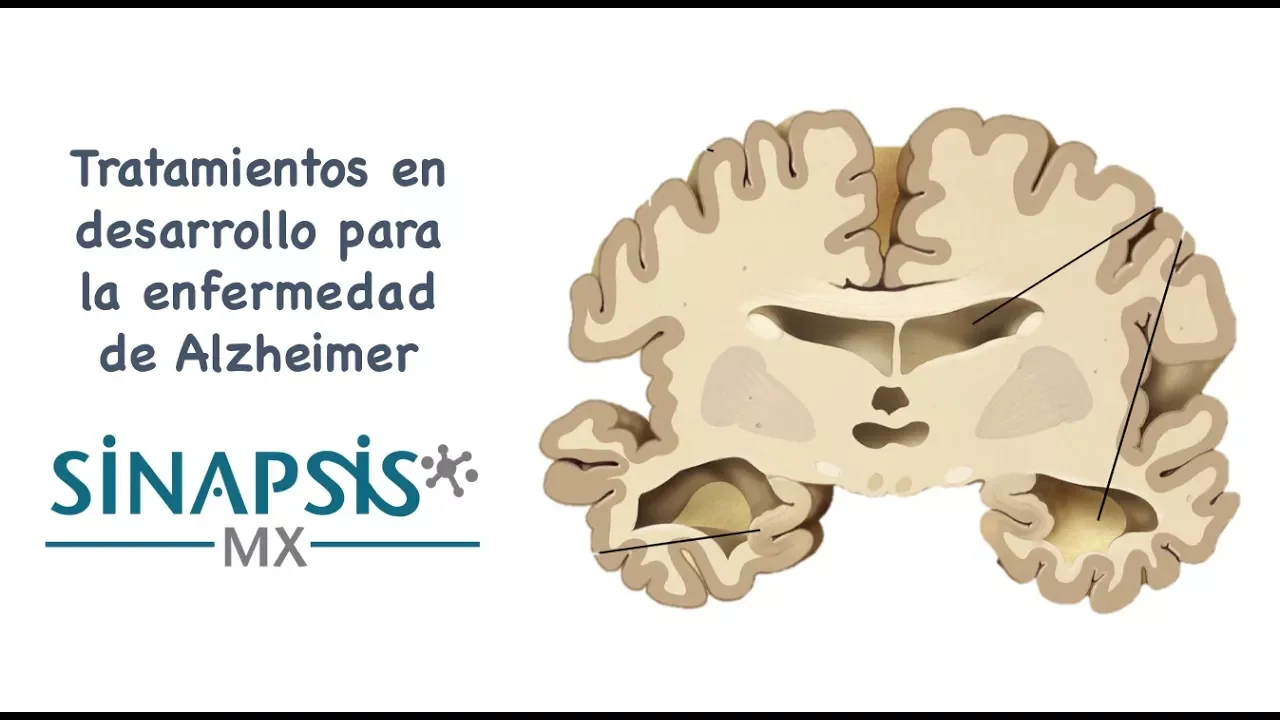




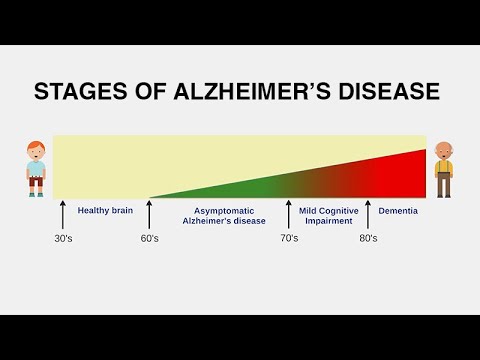




Alzheimer's disease is characterized by the accumulation of amyloid beta plaques formed from misfolded amyloid precursor protein and neurofibrillary tangles composed of abnormal tau protein; amyloid beta oligomers disrupt synaptic communication and trigger microglial inflammation, while misfolded tau spreads between neurons through synapses, progressively damaging brain cells and impairing cognitive function.
Inside Alzheimer's Disease: Mechanisms and Pathology Research
Added:Basic neuroanatomy, specifically the structure of neurons, synapses, and key brain regions like the hippocampus.
The fundamentals of protein synthesis, folding, and how misfolded proteins can disrupt cellular function.
The concept of cellular signaling and synaptic transmission, which is disrupted in neurodegenerative diseases.
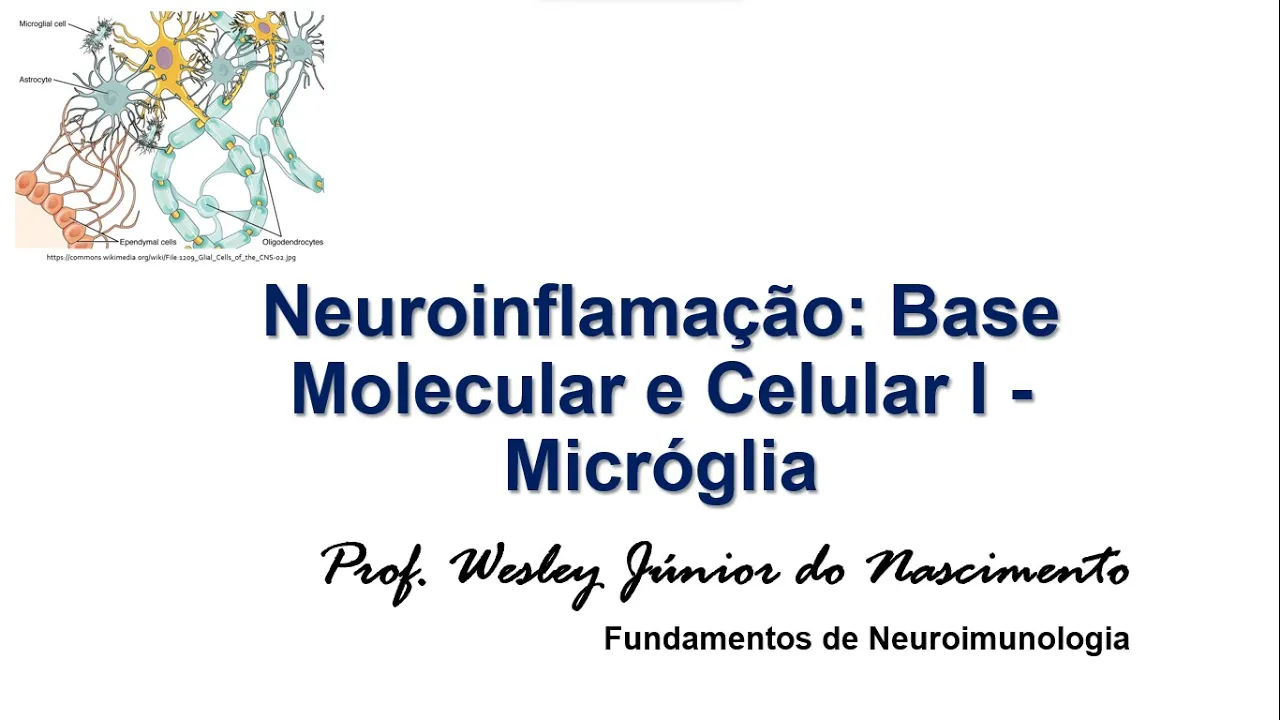
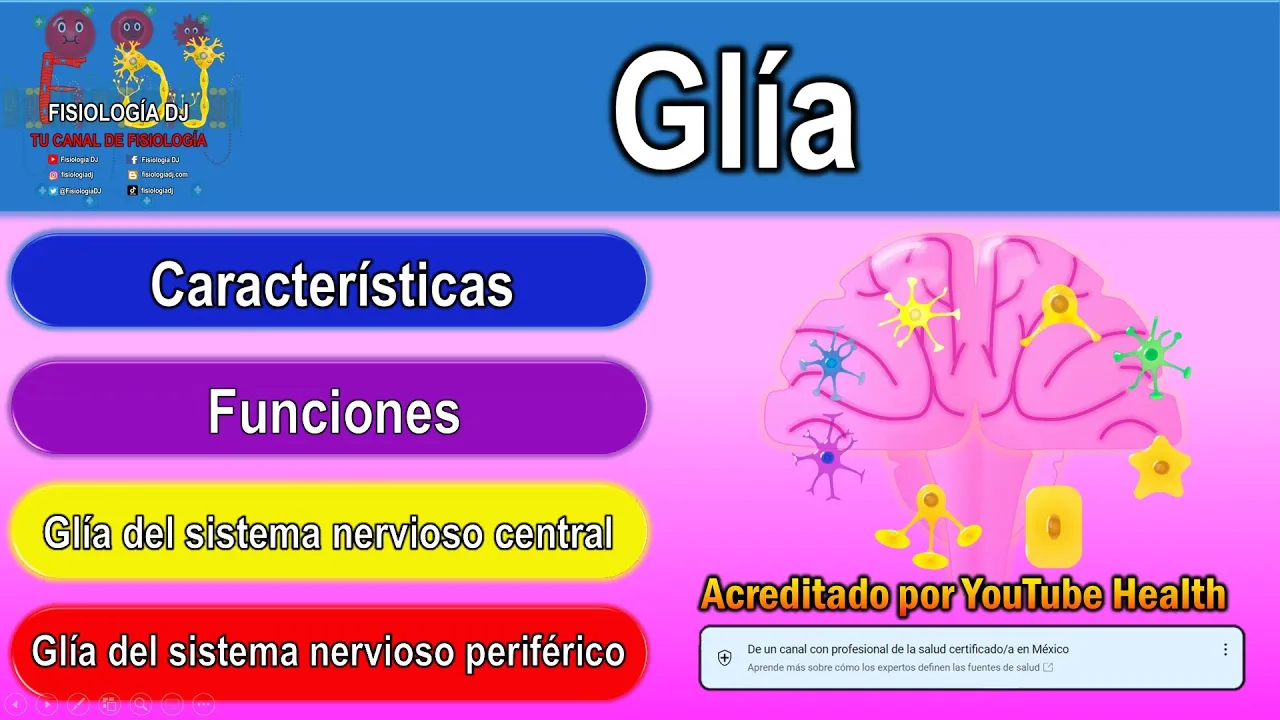
An introductory understanding of the body's immune response, particularly the role of glial cells (microglia and astrocytes) in the central nervous system.
Pharmacological treatments and drug development strategies for Alzheimer's, such as monoclonal antibodies targeting beta-amyloid and tau.
Diagnostic methodologies, including neuroimaging techniques (PET, MRI) and fluid biomarkers (CSF and blood-based assays) used to detect early-stage pathology.
The genetic basis of Alzheimer's disease, including the role of risk-factor genes like APOE-e4 and causative mutations in APP, PSEN1, and PSEN2.
The societal, clinical, and ethical implications of early diagnosis, patient care, and clinical trials for neurodegenerative diseases.
559.8K views10.1Klikes4:20Original Release: 2017-01-03
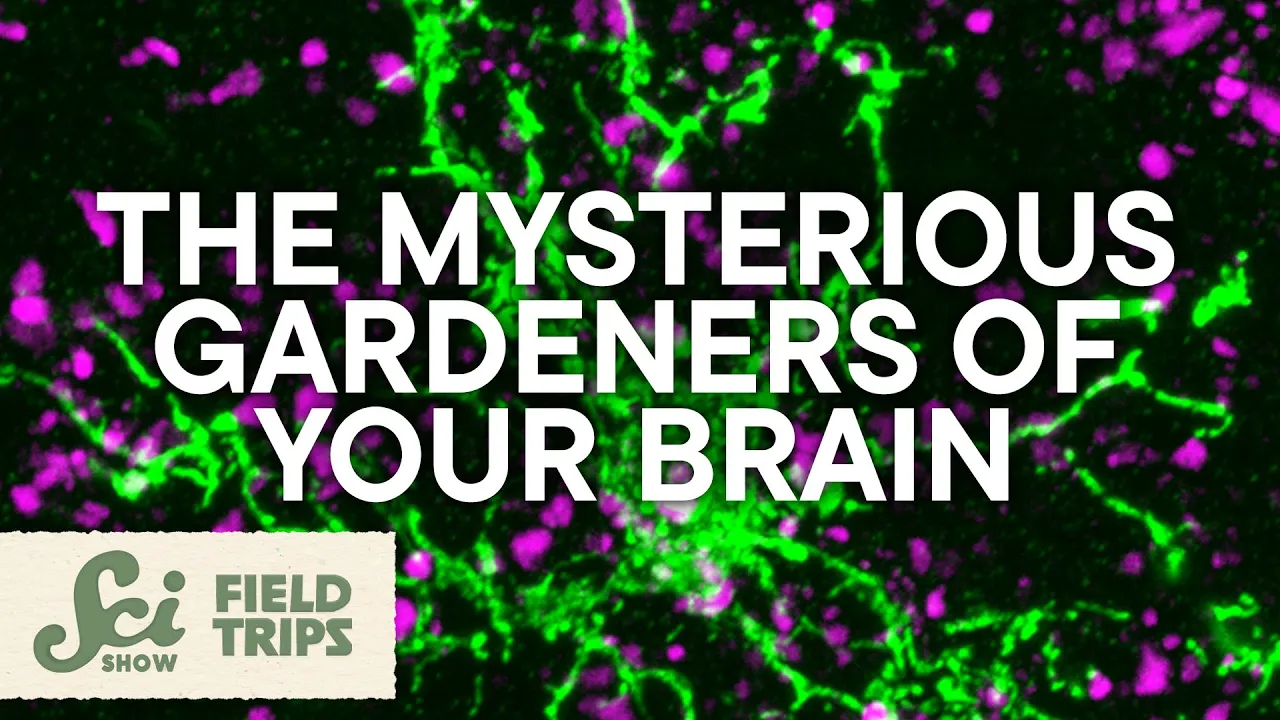
[Music] [Music] over a century ago a German doctor called Alice Alzheimer spotted anomalies in brain sections from a patient with dementia ever since people have been studying the strange plaques and tangles that he saw in the hope that we could one day understand and cure what is now known as Alzheimer's disease [Music] plaques are insoluble deposits of a peptide called amyloid beta or a beta they're formed when a protein called amyloid precursor protein is sequentially cleaved by two enzymes beta and gamma secretase other molecules are generated by this cleavage and may play a role in the disease but a beta is the main culprit a beta tends to miss fold and become sticky eventually clumping together to form soluble oligomers some of these aggregate into large in the soluble fibrillar the deposit in the brain as plaques the oligomers come in several forms or species we don't know exactly which species are toxic but research shows that they linked in communication and plasticity at sign APS's this could be what stops the brain and forming or retrieving memories neurons aren't the only cells affected in Alzheimer's disease astrocytes are microglia also play a role microglia our immune cells that clear out waste and prune synapse is during development microglia take up a beta but they also get activated by it triggering the release of inflammatory cytokines that can damage neurons the microglia also start to remove sign APS's by phagocytosis as sign apses start to malfunction and neurons die abnormal patterns of activity emerge and eventually the brain can't process and store information properly another key feature of Alzheimer's disease is neuro degeneration neuronal death and damage is triggered by a beta but some of ABT's effects seem to be mediated by another protein seen in the brains of patients tau a component of tangles in a healthy neuron molecules are carried along the axon on a series of tracks made of microtubules and stabilized by town but in Alzheimer's disease tau is modified causing it to dissociate from the microtubules adopt an abnormal shape and move from the apps onto the cell body like a beta tau comes in a variety of forms and we don't know which ones contribute to the disease and like a beta these forms either remain soluble or stick together and deposit as the tangles that dr. Alzheimer saw eventually these processes kill the neuron another problem seen in animal models is that Mis folded tau proteins can spread across synapses into healthy neurons there they makes healthy tau proteins start to miss faults as well spreading pathology across the brain the pattern of spreading through the different brain regions matches the changing symptoms from early to late stages of Alzheimer's disease this pattern also reflects how certain neurons are more vulnerable than others to dying despite these advances in our understanding of Alzheimer's disease no cure exists while drugs are being developed to target amyloid beta or tau it's unclear whether they will eventually be successful in treating the disease there's only one certainty continued support for basic and clinical research will enable us one day to diagnose and treat this devastating condition you
Up Next
8:54
Alzheimer's Disease: Causes, Pathology, and Symptoms
@osmosis
1.9M views•2016-03-22

48:47
Graphic Medicine: Comics for Collaborative Healthcare Communication
@nationalpatientadvocate
189 views•2023-12-04

6:52
Gut Mucosal Immunology: How the Intestine Fights Disease
@NatureVideoChannel
1.2M views•2013-02-05
3:05
Stages of Labor and Vaginal Birth | Childbirth Animation
@nucleusmedicalmedia
52.1M views•2017-08-18
Related Study Plans & Knowledge Roadmaps
Structured learning paths in Medicine
medicine
Abnormal LFTs: Diagnostic Workup & Pathology
01Liver Anatomy and Basic Physiology
02Introduction to Liver Function Tests (LFTs)
03Hepatocellular vs. Cholestatic Patterns
+ 3 more learning modules
12h6 modules
Explore Roadmap
medicine
Analyzing Blood Smears: RBC, WBC & Platelets
01Introduction to Blood Components & Smear Preparation
02Normal Morphology of Blood Cells
03Erythrocyte Pathologies & Morphological Variants
+ 2 more learning modules
12h5 modules
Explore Roadmap
medicine
Mechanical Ventilation: Waveforms & Alarms
01Anatomy and Physiology of Breathing
02Introduction to Mechanical Ventilation & Core Modes
03Ventilator Settings and Waveform Interpretation
+ 2 more learning modules
12h5 modules
Explore Roadmap
medicine
Neuro Exam: Localization & Stroke Syndromes
01Foundations of Neuroanatomy and Vascular Supply
02The Neurological Examination: Step-by-Step
03Principles of Neurological Localization
+ 3 more learning modules
18h6 modules
Explore Roadmap