























The gut mucosa hosts the body's largest immune cell population, where Peyer's patches sample antigens through specialized M cells and dendritic cells to promote tolerance to harmless microbes while mounting protective responses against pathogens; regulatory T cells secrete IL-10 to maintain immune homeostasis, and when this balance breaks down due to barrier disruption or genetic factors, it leads to inflammatory bowel disease characterized by excessive inflammation, neutrophil recruitment, and tissue damage.
Gut Mucosal Immunology: How the Intestine Fights Disease
Added:Basic principles of immunology, including the distinction between innate and adaptive immune responses.
Anatomy and histology of the gastrointestinal tract, specifically the epithelial barrier, tight junctions, and lamina propria.
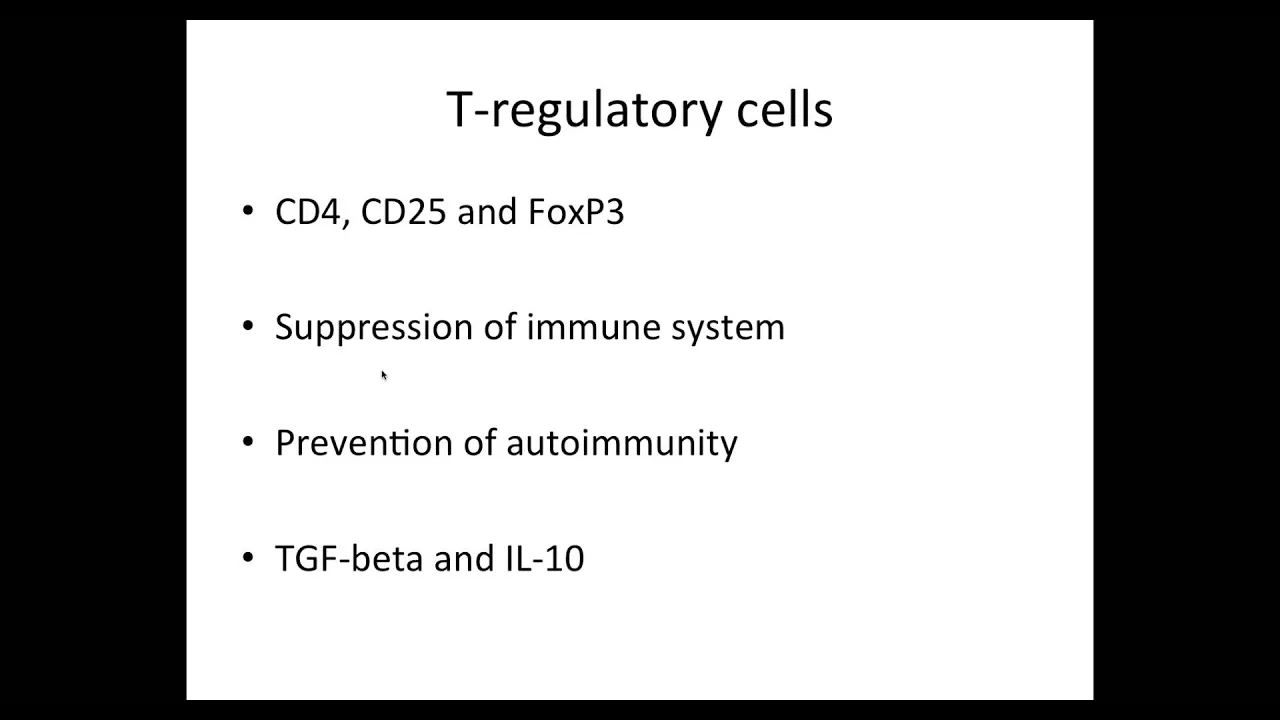
The concept of immunological tolerance and the general function of T-regulatory (T-reg) cells in preventing autoimmunity.
An introduction to the human gut microbiome and its symbiotic relationship with the host's immune system.
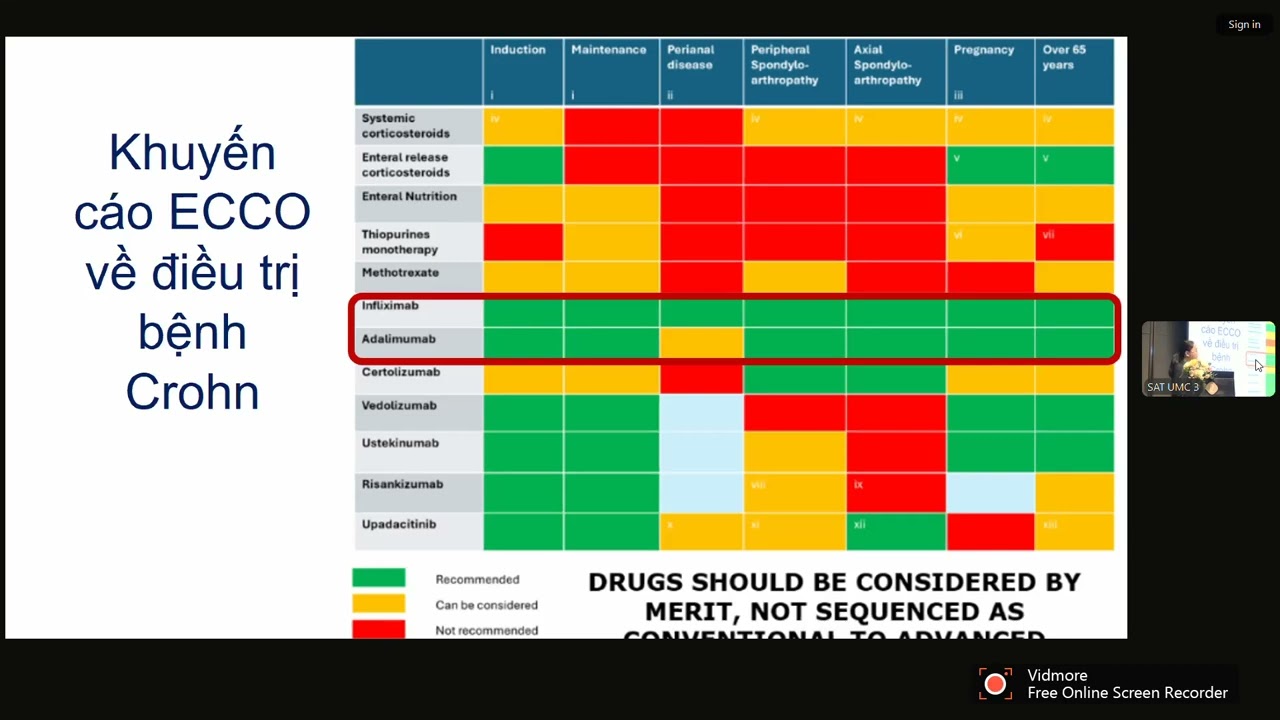
Clinical pharmacology of Inflammatory Bowel Disease (IBD) treatments, such as monoclonal antibodies (anti-TNF therapies) and immunosuppressants.
The gut-brain-microbiota axis and how mucosal inflammation influences systemic immunity and neurological health.
The role of short-chain fatty acids (SCFAs) and other dietary metabolites in modulating mucosal immunity and regulatory T-cell differentiation.
Advanced research in mucosal vaccines and targeted cell-based immunotherapies for chronic inflammatory disorders.
1.2M views21.2Klikes6:52Original Release: 2013-02-05
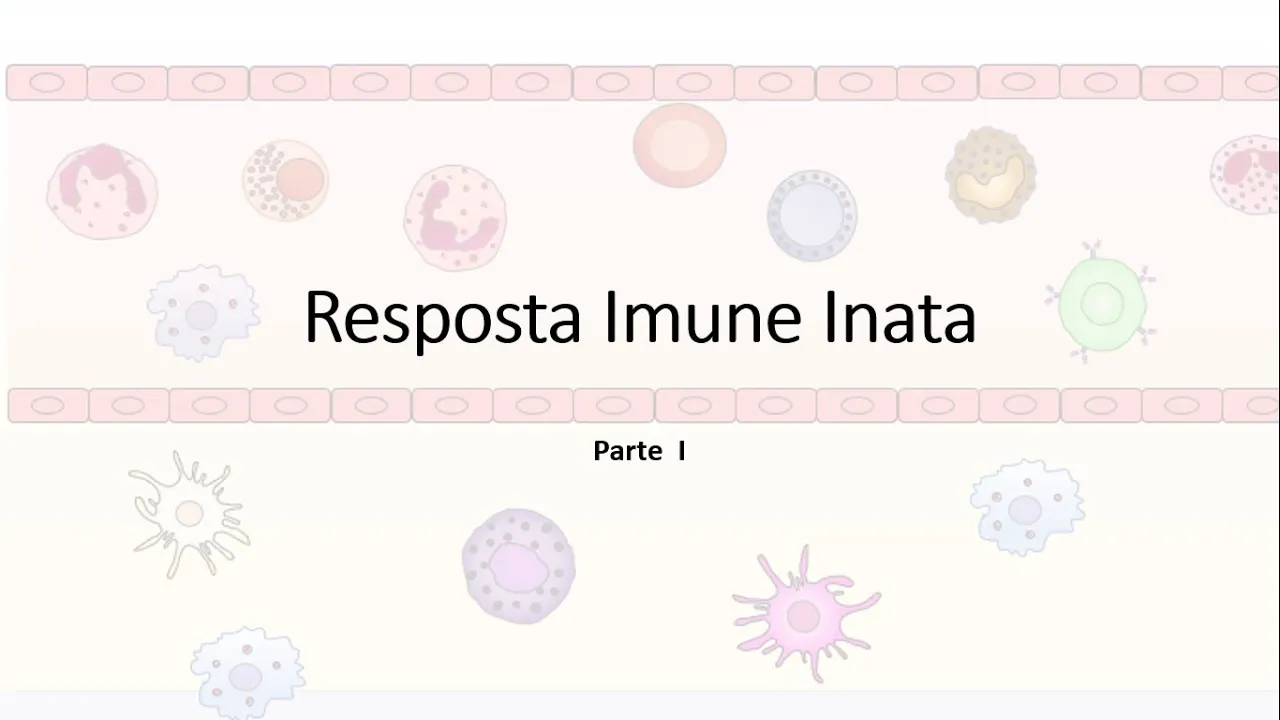
[Music] [Music] the human gut can be the scene for devastating conditions such as inflammatory bowel disease which arises through an improperly controlled immune response the gut is often the body's first point of contact with microbes every mouthful of food is accompanied by a cargo of microorganisms that go on to encounter the mucosa the inmost layer of the gut most microbes are destroyed by the harsh acidic environment in the stomach but a Hardy few make it through to the intestine the intestinal surface is covered with finger-like protrusions called Villi whose primary function is the absorption of nutrients however these structures and the underlying tissues also host the body's largest population of immune cells scattered along the intestinal mucosa are Dome like structures called PS patches these are enriched in lymphoid tissue making them key sites for coordinating immune responses to pathogens whilst promoting tolerance to harmless microbes and food the Villi contain a network of blood vessels to transport nutrients from food to the rest of the body lymphatics from both the peers patches and Villi drain into the meic lymph node within the Villi is a network of loose connected tissue called the lamina and at the base of the Villi are the crypts which host stem cells that replenish the epithelium finally the epithelium together with its thick overlying mucus forms an important barrier against microbial Invasion embedded within the Matrix of the payers patch is a mix of immune cells including T and B lymphocytes macrofagos and dendritic cells a key function of the payers patch is the sampling of antigens in this case mostly bacteria and bits to food to facilitate this the payers patch has a much thinner mucous layer as well as specialized phagocytic cells called M cells which can transport material across the epithelial barrier via a process called transcytosis finally dendritic cells are able to extend dendrites between epithelial cells to sample antigens that are then broken down and used for presenting to lymphocytes sampling antigens in this way typically results in so-called Toler ogenic activation where the immune system initiates an anti-inflammatory response with their cargo of antigen these dendritic cells then traffic to the te- cell zones of the payers patch upon encounter with specific tea cells the dendritic cells convert them into an immunomodulatory cell called a regulatory te- cell or t-reg defects in the function of these cells are associated with inflammatory bowel disease in both animals and humans these t-s then migrate to the lamin appropria of the Villi via the lymphatics here the T-Rex secrete a molecule called I10 which exerts a suppressive action on immune cells within the lamin propria and upon the epithelial layer itself il10 is therefore critical in maintaining immune quesence and preventing unnecessary inflammation however a breakdown in this process of immune homeostasis results in gut patholog and when this occurs over a prolonged period and in an uncontrolled manner it can lead to inflammatory bowel disease chemical mechanical or pathogen triggered barrier disruption coupled with particular genetic susceptibilities may all combine to set off inflammation epithelium coming into contact with bacteria is activated leading to bacterial influx alarm molecules released by The epithelium activate immune cells and t-s in the vicinity scale down on their il10 secretion to enable an immune response to proceed dendritic cells are also activated by this environment and start to release key inflammatory molecules such as il6 il2 and il23 effector tea cells also appear on the scene and these coordinate an escalation of the immune response by secreting their own inflammatory molecules tum necrosis Factor Alpha interferon gamma and il17 soon after the affected tea cells have arrived a voracious fosite called a nutrifil is recruited neutrophils are critical for the clearance of bacteria one weapon in the neutr Armory is the ability to undergo dramatic form of self-destruction called netosis this leaves behind a jumble of DNA saturated with enzymes called a nutrifil extracellular trap although this can effectively destroy bacterial Invaders and plug any breaches in the epithelial wall it also causes collateral damage to tissues slowly the tide begins to turn and the bacterial invasion is repulsed any remaining neutrophils die off via apoptosis a non-inflammatory form of cell death and are cleared by macras epithelial Integrity is restored by replacement of any damaged cells with new ones from the intestinal Crypts finally t-regs are recruited once again to calm the immune response targeting the molecules involved in gut pathology is leading to effective therapies for inflammatory bowel disease [Music] [Music]
Up Next

4:06
Mucosal Immunology: The Body's First Line of Defense
@Campbellteaching
138.7K views•2023-04-05

48:47
Graphic Medicine: Comics for Collaborative Healthcare Communication
@nationalpatientadvocate
189 views•2023-12-04
4:20
Inside Alzheimer's Disease: Mechanisms and Pathology Research
@NatureVideoChannel
559.8K views•2017-01-03
3:05
Stages of Labor and Vaginal Birth | Childbirth Animation
@nucleusmedicalmedia
52.1M views•2017-08-18
Related Study Plans & Knowledge Roadmaps
Structured learning paths in Medicine
medicine
Abnormal LFTs: Diagnostic Workup & Pathology
01Liver Anatomy and Basic Physiology
02Introduction to Liver Function Tests (LFTs)
03Hepatocellular vs. Cholestatic Patterns
+ 3 more learning modules
12h6 modules
Explore Roadmap
medicine
Analyzing Blood Smears: RBC, WBC & Platelets
01Introduction to Blood Components & Smear Preparation
02Normal Morphology of Blood Cells
03Erythrocyte Pathologies & Morphological Variants
+ 2 more learning modules
12h5 modules
Explore Roadmap
medicine
Mechanical Ventilation: Waveforms & Alarms
01Anatomy and Physiology of Breathing
02Introduction to Mechanical Ventilation & Core Modes
03Ventilator Settings and Waveform Interpretation
+ 2 more learning modules
12h5 modules
Explore Roadmap
medicine
Neuro Exam: Localization & Stroke Syndromes
01Foundations of Neuroanatomy and Vascular Supply
02The Neurological Examination: Step-by-Step
03Principles of Neurological Localization
+ 3 more learning modules
18h6 modules
Explore Roadmap