


![[#2] MECÂNICA RESPIRATÓRIA: PRESSÃO INTRAPLEURAL E PRESSÃO TRANSPULMONAR | MK Fisiologia](https://i.ytimg.com/vi/oL9R-s3AINc/maxresdefault.jpg)











![Lung Compliance in 6 minutes! [Physiology]](https://i.ytimg.com/vi/m9-QmZk6ask/maxresdefault.jpg)







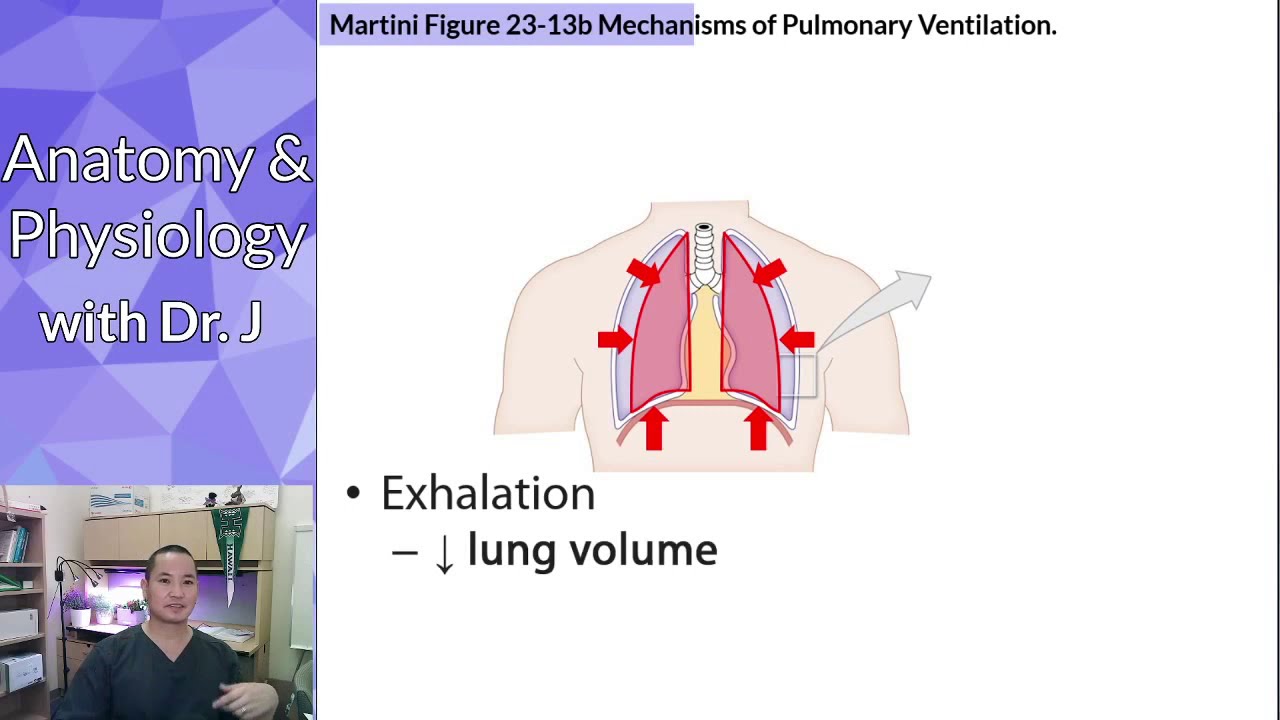
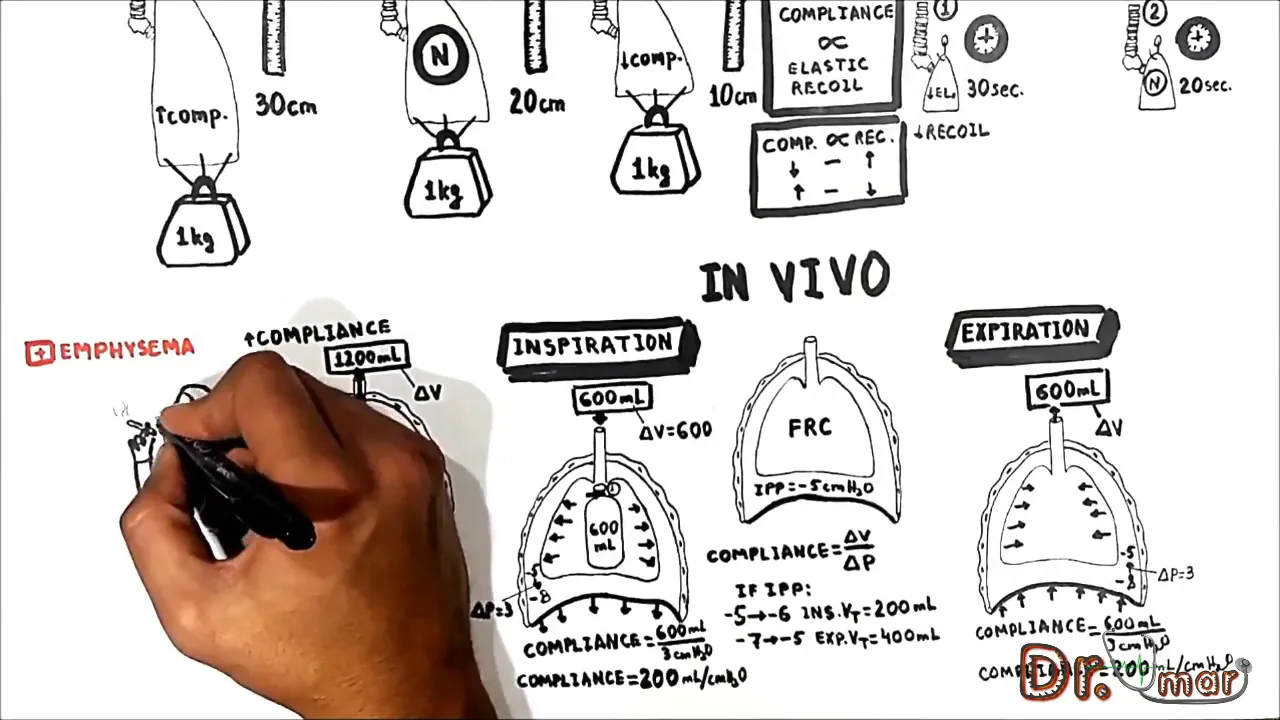
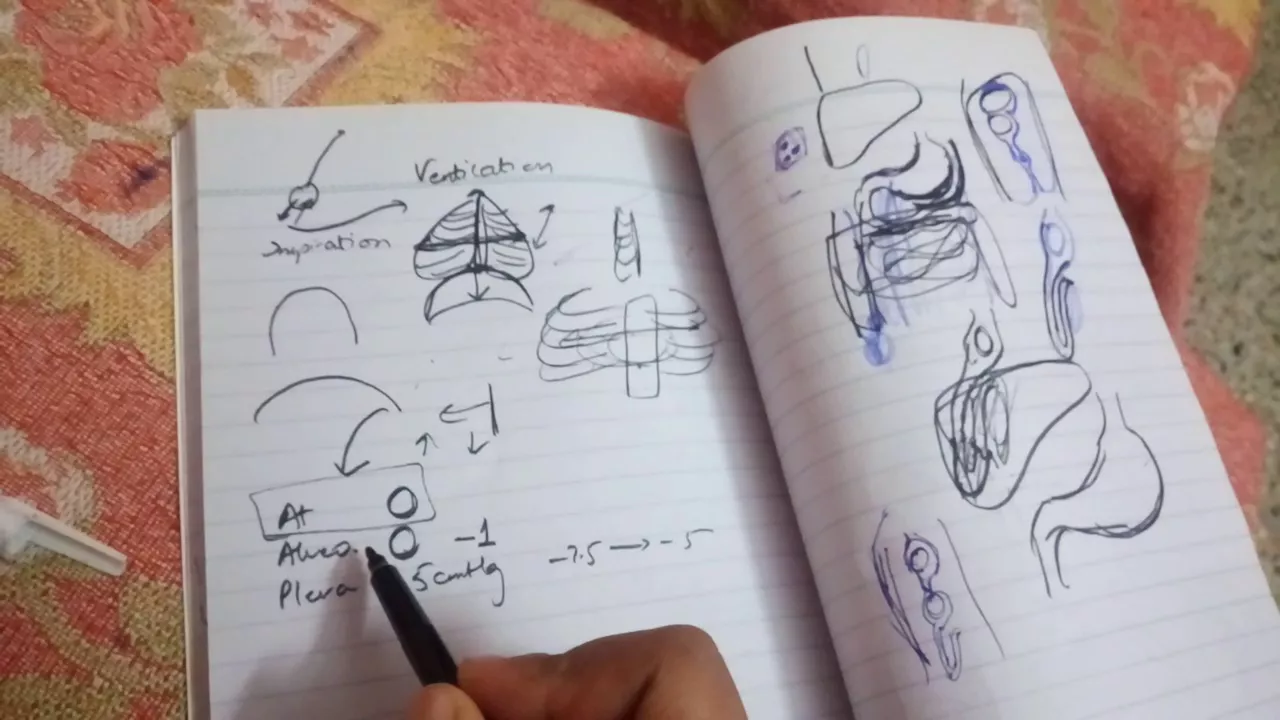
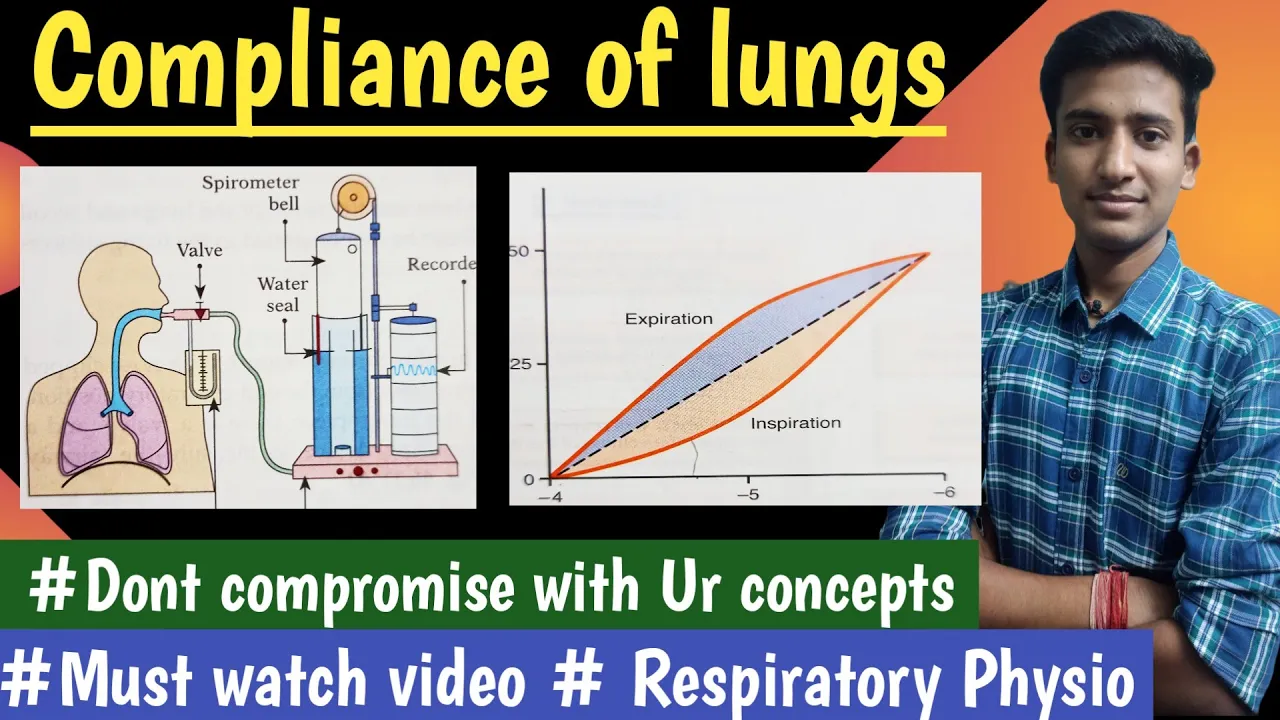
Lung compliance is the ability of the lungs to expand in response to pressure changes, calculated as the change in volume divided by the change in pressure; high compliance means the lungs stretch easily with small pressure changes, while low compliance requires greater pressure for the same volume change. The lungs have two main elastic forces: elastic fibers in the lung tissue that provide recoil, and surface tension at the air-fluid interface in alveoli, which surfactant helps reduce. The lung-chest wall system has combined compliance lower than either component alone, with the lungs naturally tending to collapse and the chest wall tending to expand, creating a balanced functional residual capacity at rest. During inspiration, alveolar pressure drops to -1 cm H2O and pleural pressure becomes -7.5 cm H2O, while during passive expiration, alveolar pressure rises to +1 cm H2O as the lungs recoil.
Lung and Chest Wall Compliance | Respiratory Physiology
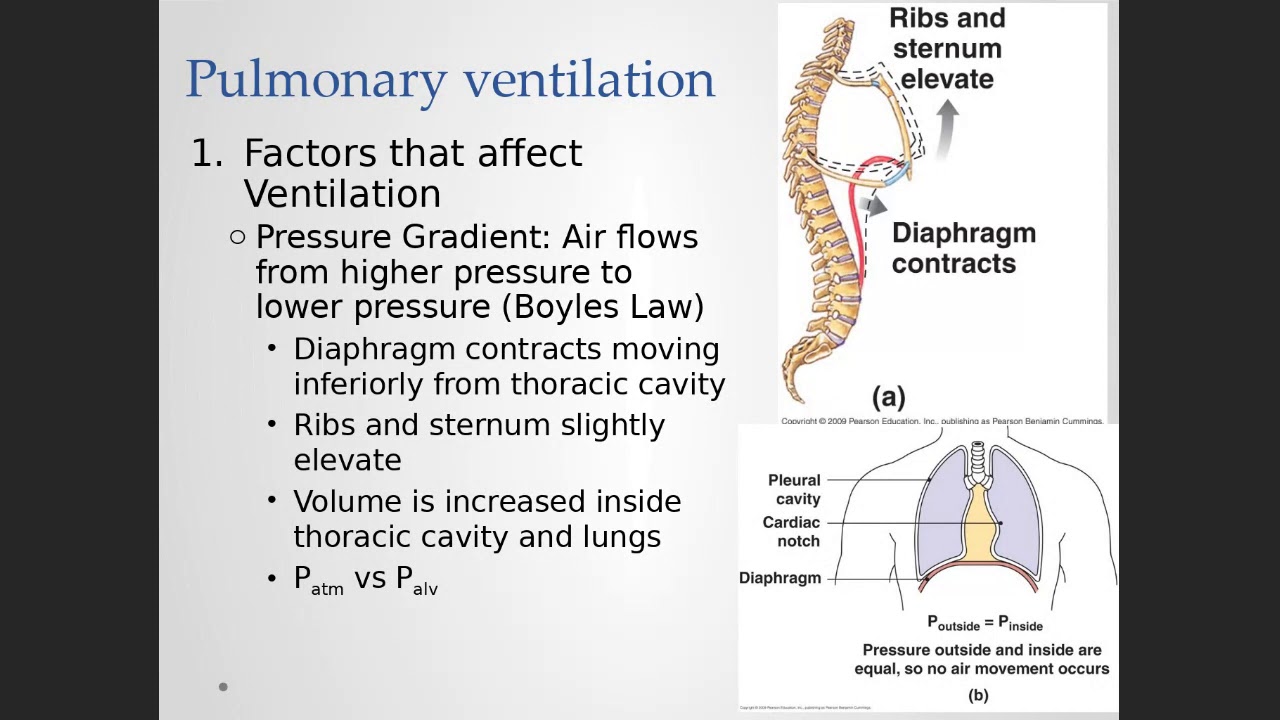
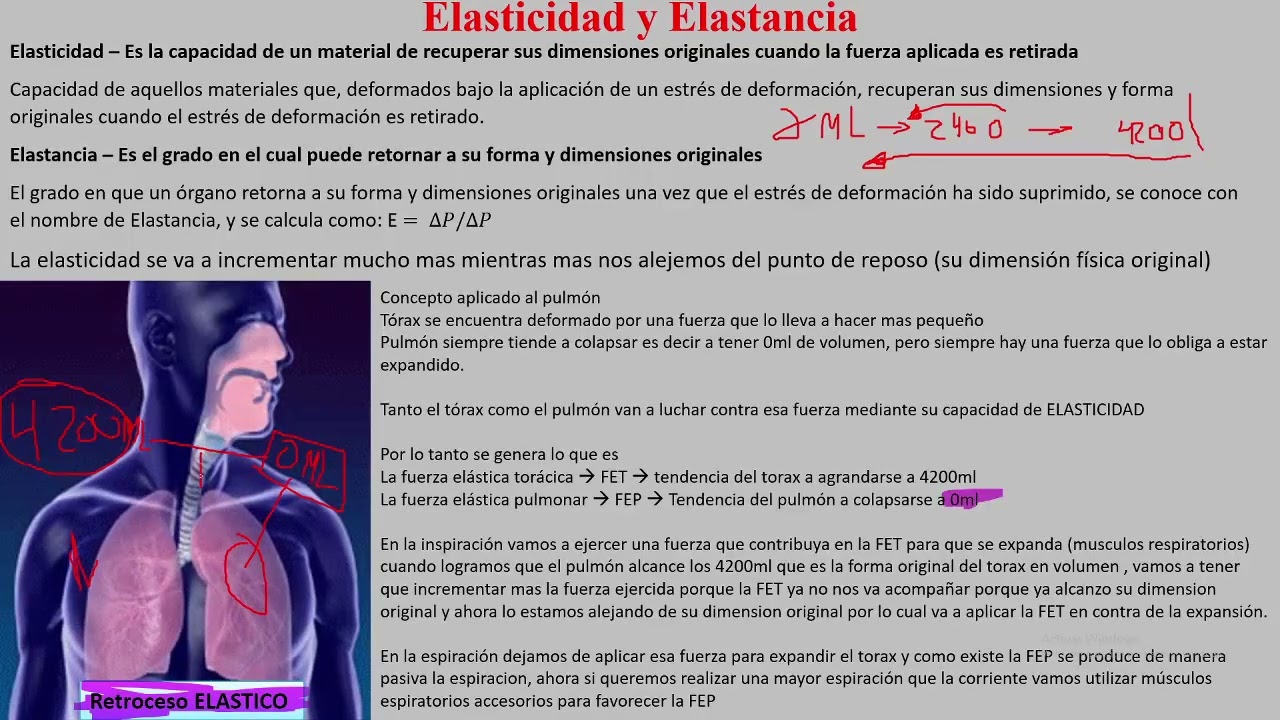
Added:hi everyone welcome to bite size med where we talk about quick bite-sized concepts and basic medical sciences for study and rapid review this video is on the compliance of the lungs and the chest wall now before i start i thought i'd let you know that when i study compliance it really annoyed me so i decided to make a video to sort of simplify it the best way that i can and hopefully it helps someone out there so let's get started now the breathing cycle is pretty straightforward air goes in during inspiration and goes out during expiration during this cycle there are volume and pressure changes the change in volume over the change in pressure that's compliance so let's quickly go over what these changes are the volume of air breathed in or out during quiet respiration that is the tidal volume that's around 500 ml now for this 500ml to go in or out the pressures have to change and air moves along a pressure gradient from high to low between the atmosphere and the alveoli is a pressure gradient another pressure is in the pleural space that's the pleural pressure the pleural pressure is negative at rest and minus five centimeters of water alveolar is zero and all of this is in relation to the atmosphere which is zero now for the tidal volume to enter the alveolar pressure has to become negative the diaphragm contracts the lungs expand alveolar pressure goes down to -1 and the pleural pressure becomes more negative at minus 7.5 air flows from high pressure to low pressure so now from the atmosphere into the lungs the tidal volume has entered at the end of inspiration the alveolar pressure comes back to zero for expiration which is passive the lungs recoil and the alveolar pressure becomes positive at plus one so the gradient has reversed and air leaves the lungs the pleural pressure goes back up to -5 and the alveolar pressure comes back to zero and we're at rest again so at rest the alveolar pressure is zero and the plural pressure is minus five during inspiration alveolar pressure goes down to minus one and comes back to zero plural pressure goes down to minus seven point five during expiration the alveolar pressure increases to plus one and comes back to zero and the pleural pressure returns to minus five now the difference between these two pressures that's the pressure across the organ which in this case is the lungs so it's the transpulmonary pressure that's alveolar minus pleural pressure it goes from plus five to plus seven point five and back to plus five the change in volume over the change in pressure so if there's a large change in volume for a small change in pressure it means it's highly compliant versus if a smaller volume needs a higher pressure that means it's low compliance so high compliance means the lungs can stretch easier for smaller pressure changes but the lungs can't just keep stretching remember expiration was passive it's from recoil that's elastic recoil so the elasticity of the lung that brings it back just like a rubber band once it's stretched it wants to recoil back so this is from elastic forces and one of those forces is in the lung tissue itself this is an elastic force so it's from elastin fibers which are in the connective tissue when the lung stretches these fibers stretch too so they help bring it back to shape again another force is in the alveoli the alveoli have fluid lining them and they also have air between air and fluid there's an interface this air fluid interface results in surface tension the water molecules at the surface of the fluid try to contract they try to make the smallest structure a sphere and that makes the alveoli more collapsible so the surface tension is the second elastic force now what reduces the surface tension surfactant if surface tension increases elasticity and reduces compliance surfactant does the opposite it increases compliance so if we were to plot pressure against volume you get that compliance diagram and the slope of this curve would be the change in volume over the change in pressure so that's the compliance that's the formula so more slope more compliance that means a steeper curve which means it's more compliant so this curve is for inspiration and this is for expiration and they follow different paths that phenomenon is called hysteresis and one of the reasons hysteresis happens is because of surface tension that needs to be overcome during inspiration so that's why the curves are different now all of that was further along and the lungs are inside the chest wall and it has to stretch as well so that's the chest wall compliance and the compliance of these two together is lower than any of the individual ones so this is the lung and this is the chest wall and at rest remember the volume in the lungs is at functional residual capacity the lungs have a natural tendency to want to collapse and that's an inward pull the chest wall wants to expand and that's an outward pull these two forces balance each other and the system is at neutral when the lungs expand the volume is getting higher and a bigger lung wants to recoil more so its inward pull is stronger than the outward pull of the chest wall so as a unit they want to collapse and that forces the air out now reverse it when the lung is contracted there's a lower volume and the smaller lung has lesser recoil and the chest wall now has a stronger outward pull compared to the lungs inward pull so as a unit it wants to expand and air enters the lungs so when the unit contracts it wants to expand and when it expands it wants to contract and that is the compliance of the lungs and the chest wall if this video helped you give it a thumbs up share and subscribe thanks for watching and i'll see you in the next one
Up Next
Mechanical Ventilation Basics for Respiratory Therapy Students
@RespiratoryTherapyZone
82.5K views•2023-06-19

Graphic Medicine: Comics for Collaborative Healthcare Communication
@nationalpatientadvocate
189 views•2023-12-04
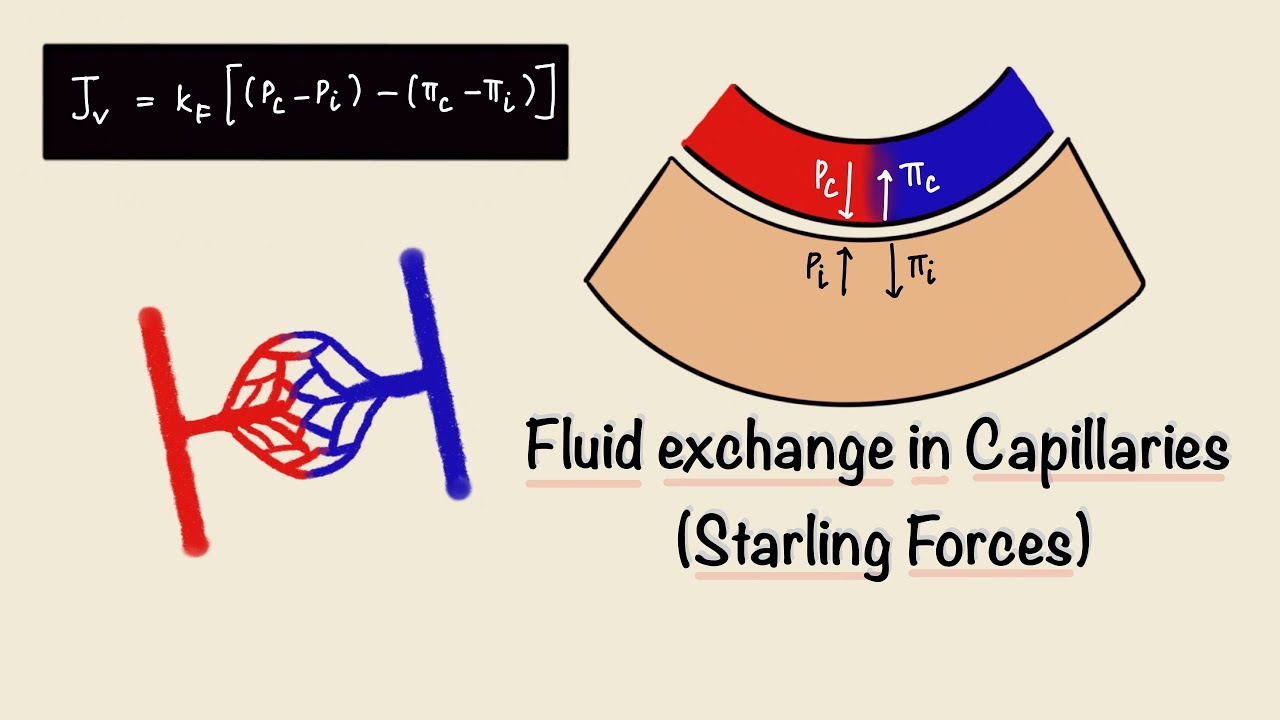
Capillary Fluid Exchange: Starling Forces Explained
@bytesizemed
136.1K views•2020-10-08
Stages of Labor and Vaginal Birth | Childbirth Animation
@nucleusmedicalmedia
52.1M views•2017-08-18
Related Study Plans & Knowledge Roadmaps
Structured learning paths in Medicine