














Mechanical ventilation is a life-saving intervention that uses positive pressure to deliver oxygenated air into the lungs of patients who cannot breathe adequately on their own, involving complex principles including ventilation, oxygenation, lung compliance, airway resistance, and dead space ventilation, with various types (positive/negative pressure, invasive/non-invasive) and modes (assist/control, SIMV) designed to support patients with conditions like insufficient oxygenation, respiratory failure, or airway obstructions while minimizing complications such as barotrauma and ventilator-associated pneumonia.
Mechanical Ventilation Basics for Respiratory Therapy Students
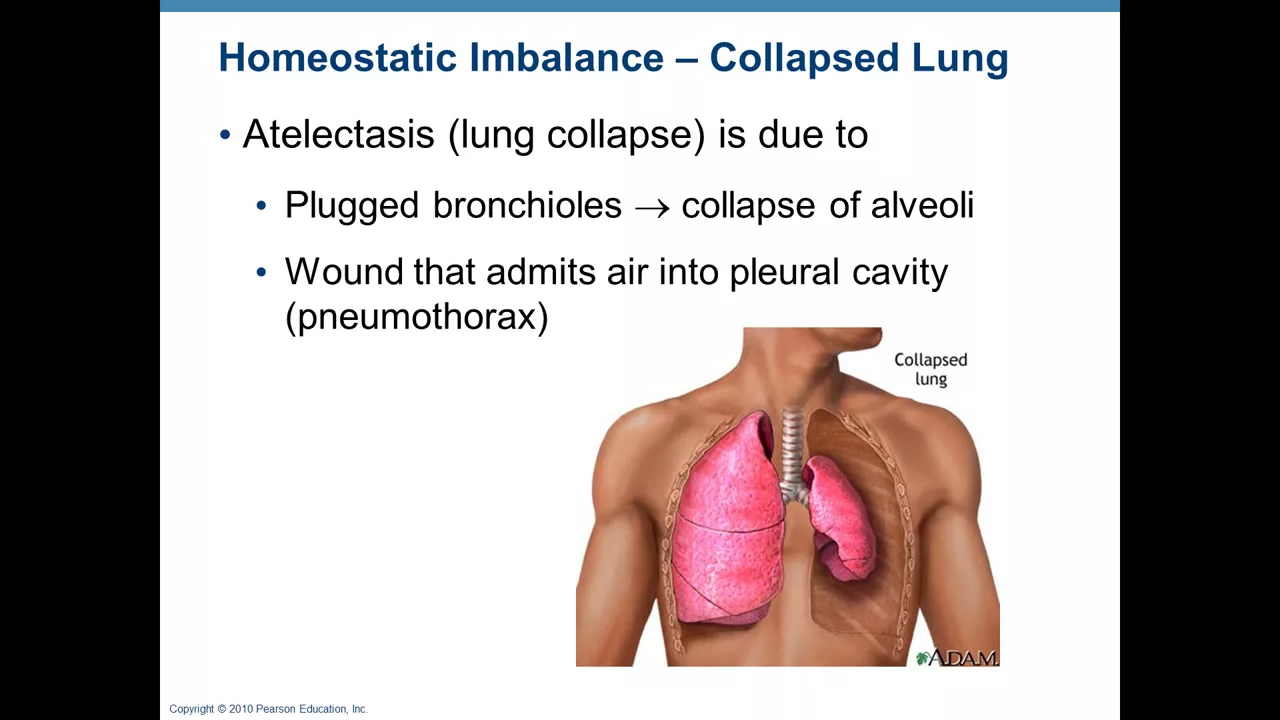
Added:Anatomy and physiology of the respiratory system, including mechanics of breathing, gas exchange, and lung compliance.
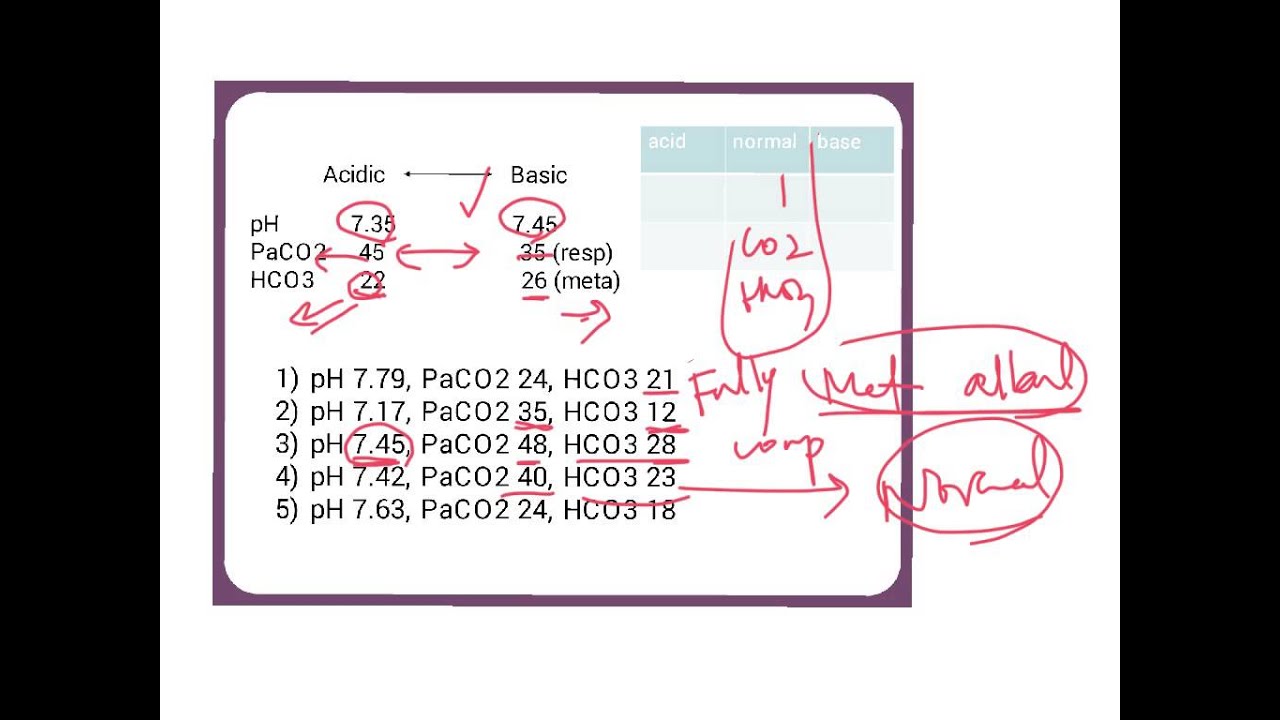
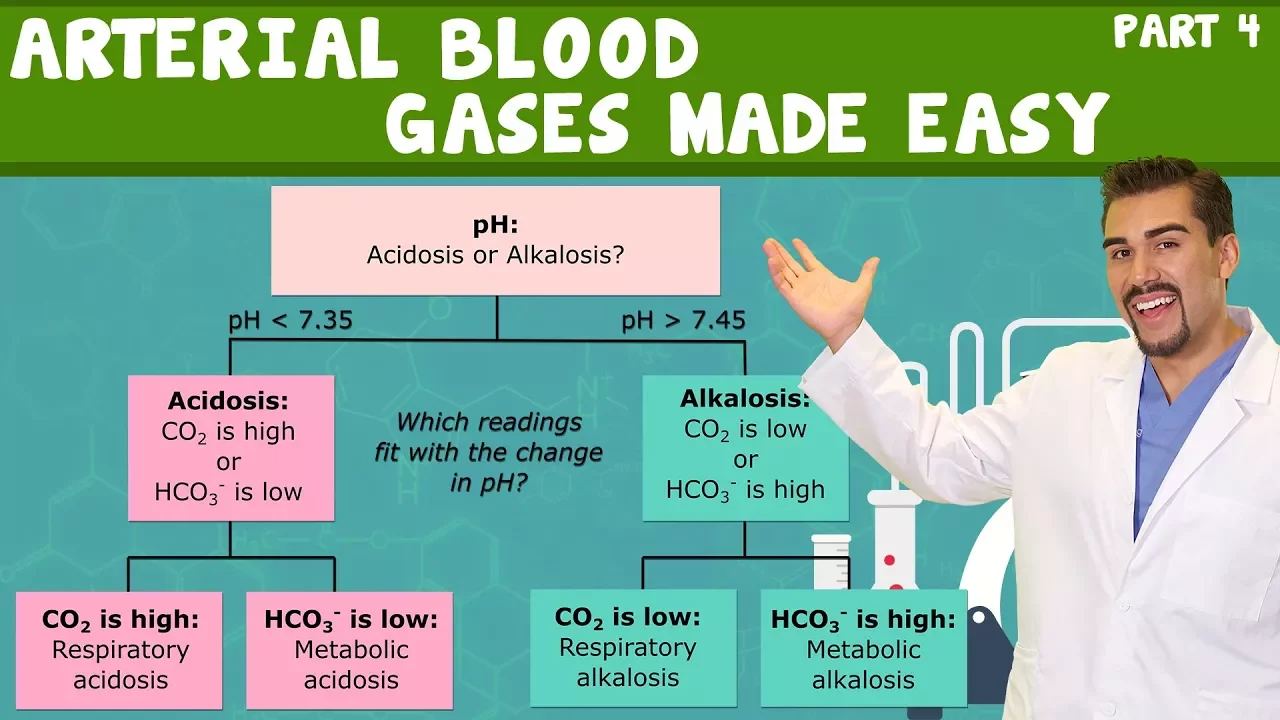
Interpretation of basic Arterial Blood Gas (ABG) values and acid-base balance.
Pathophysiology and clinical signs of acute respiratory failure, distinguishing between hypoxemic and hypercapnic failure.
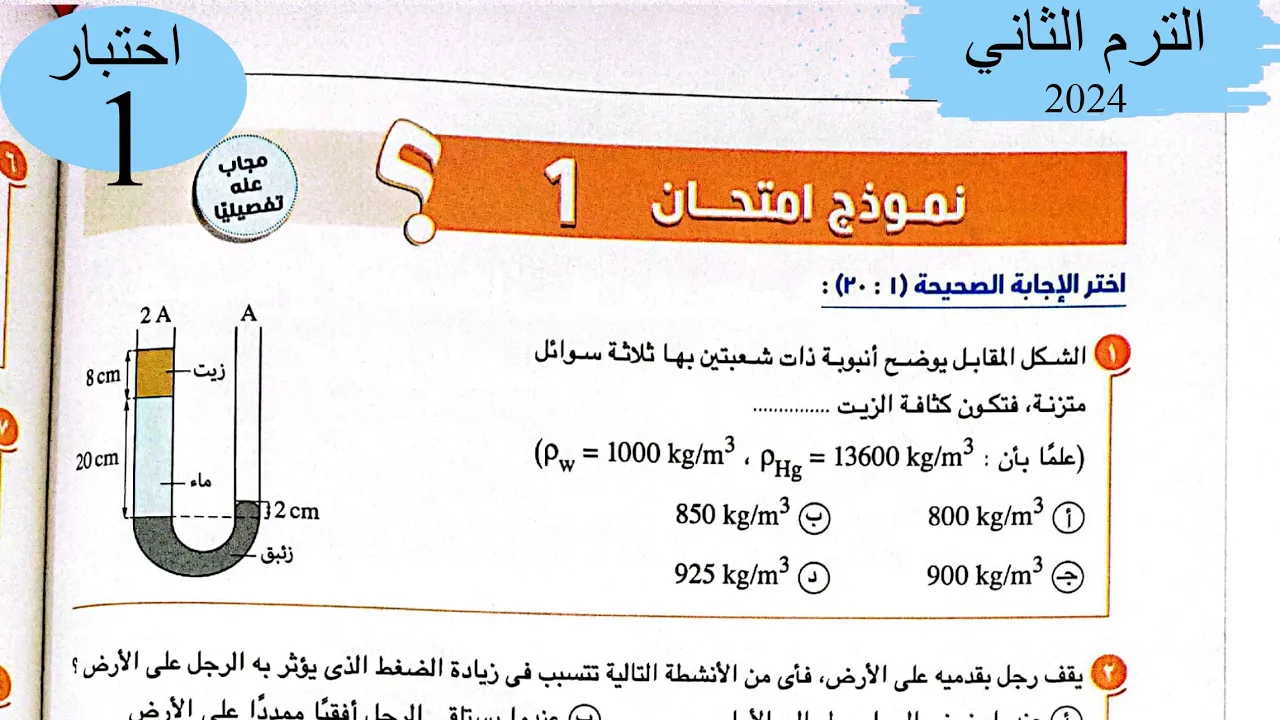
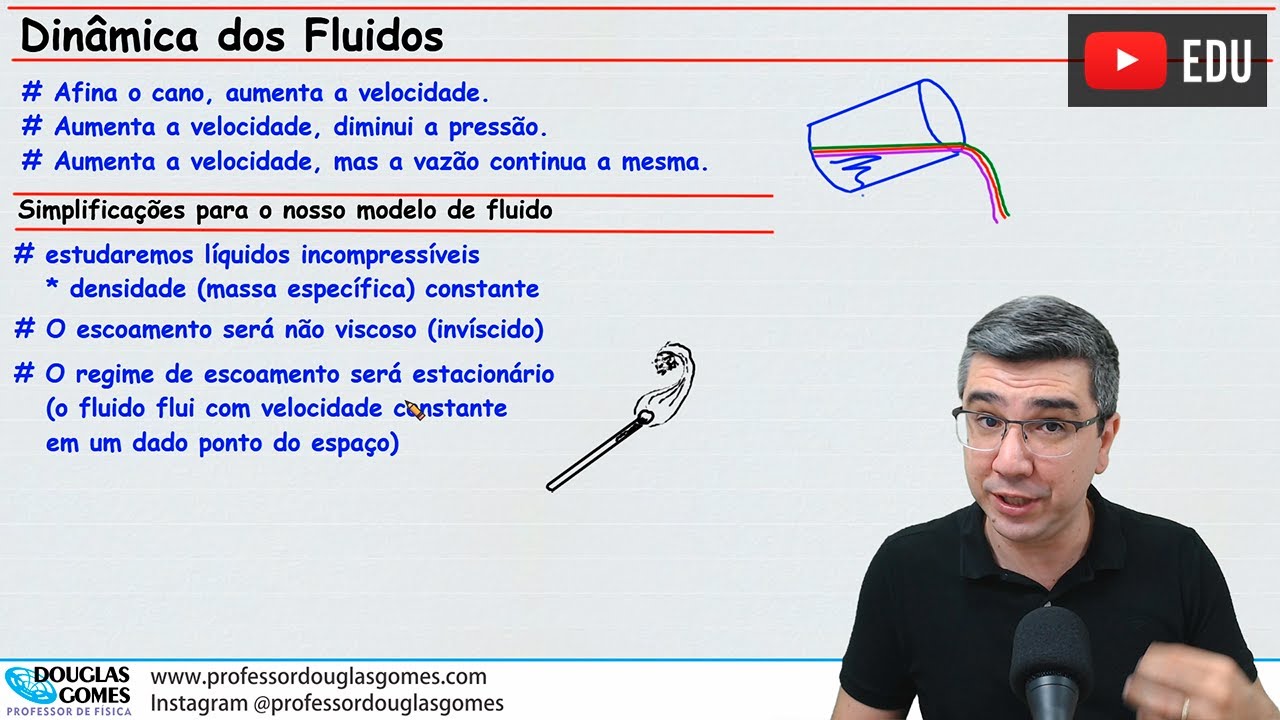
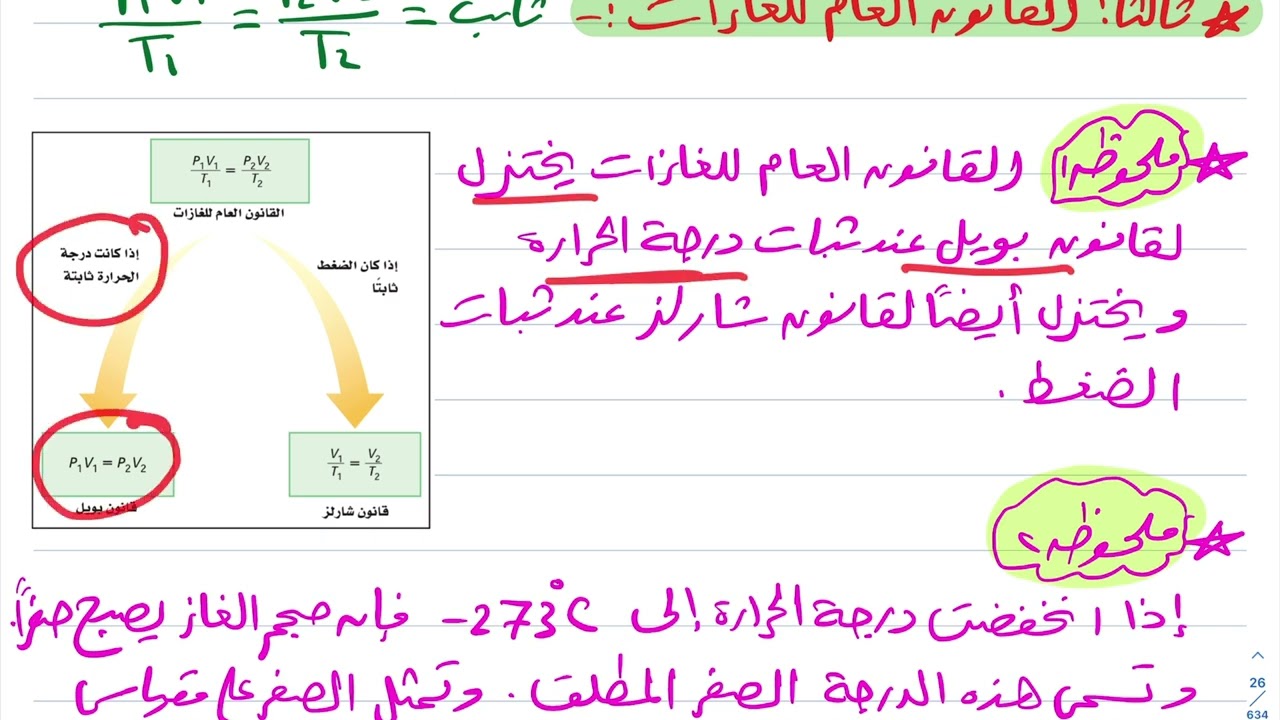
Basic physical principles of gas laws, fluid dynamics, and pressure-volume-flow relationships.
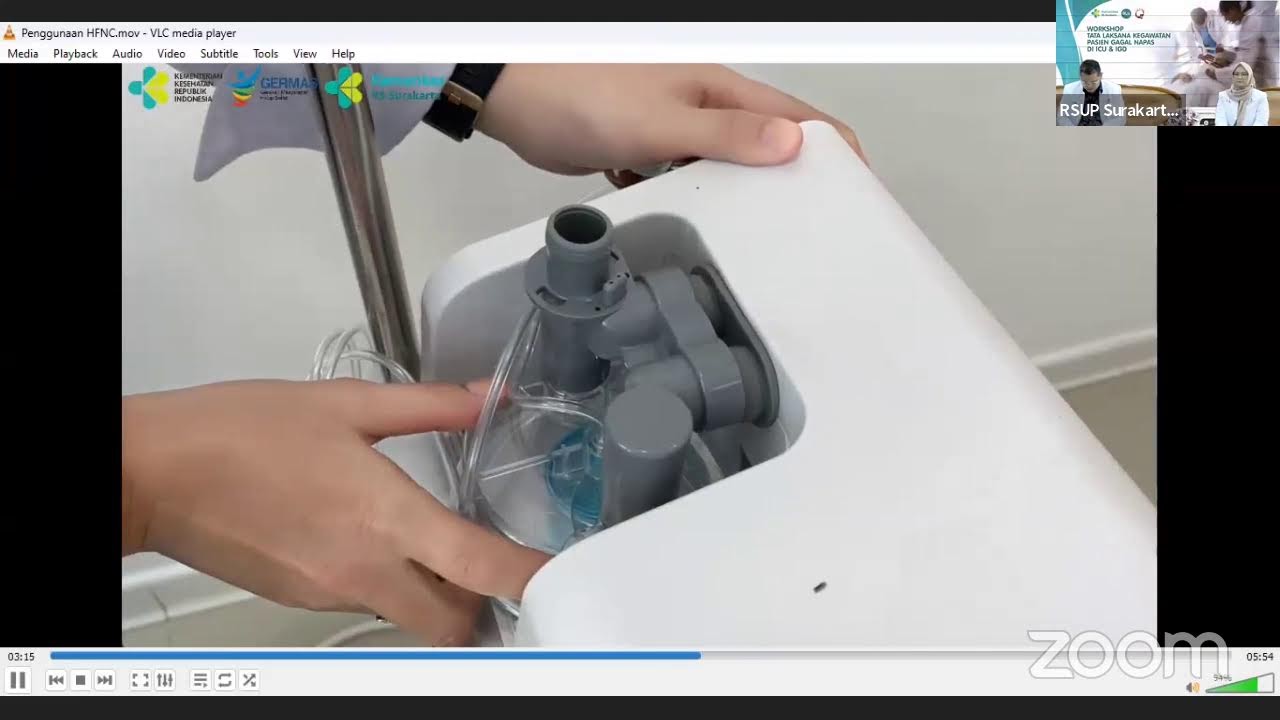
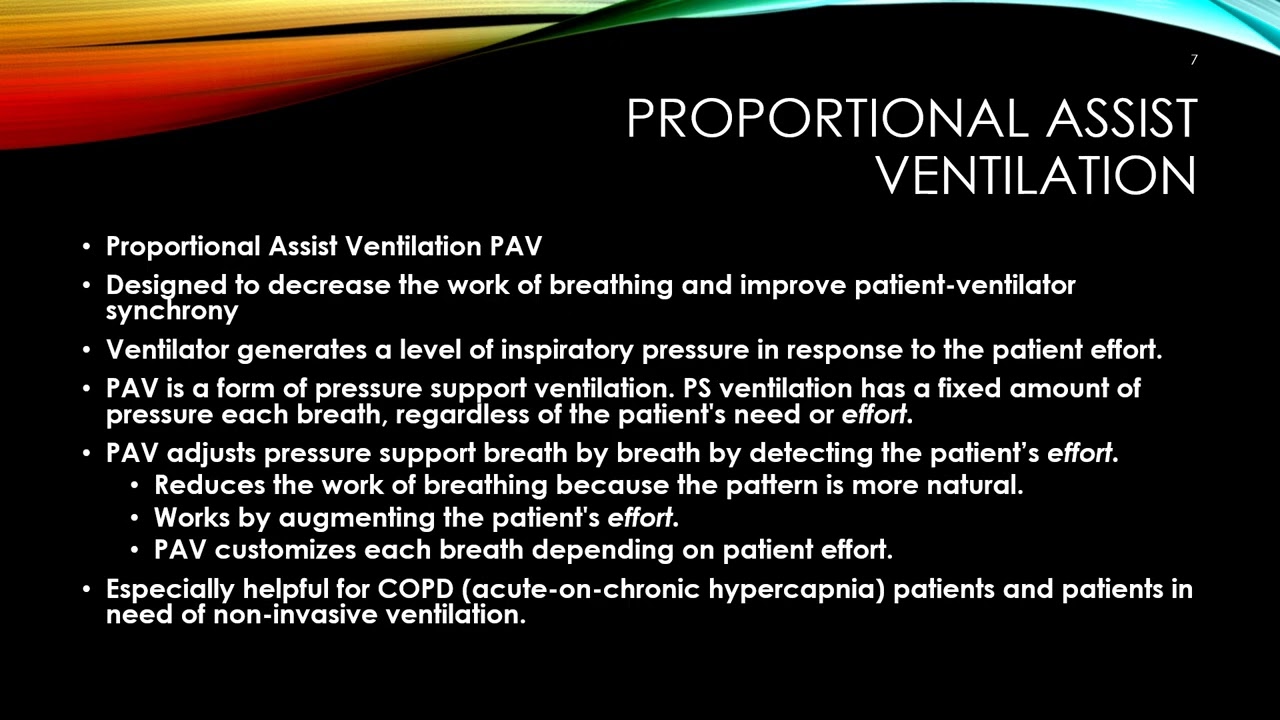
Advanced mechanical ventilation modes, such as Airway Pressure Release Ventilation (APRV) and High-Frequency Oscillatory Ventilation (HFOV).
Clinical protocols for weaning and liberating patients from mechanical ventilation, including Spontaneous Breathing Trials (SBTs).
Identifying, troubleshooting, and resolving patient-ventilator dyssynchrony and ventilator alarms.
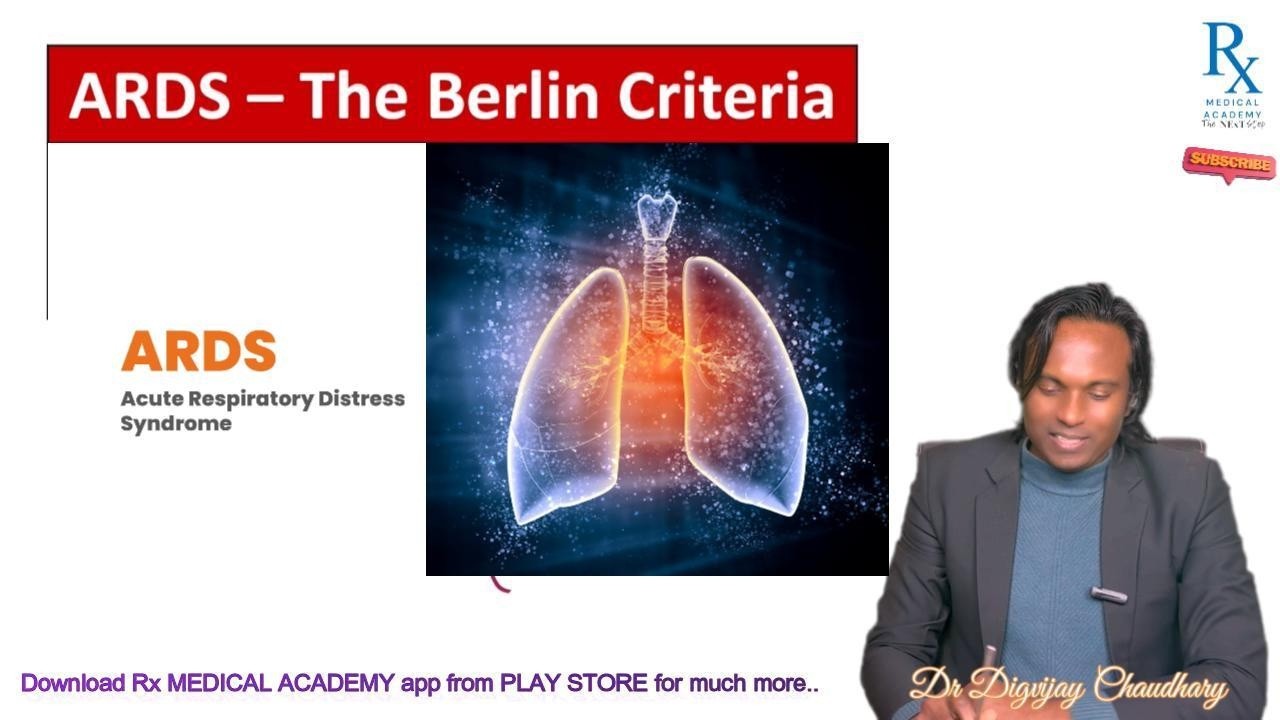
Management of specific pathologies under mechanical ventilation, such as lung-protective ventilation strategies for Acute Respiratory Distress Syndrome (ARDS).
82.5K views1.8Klikes32:00Original Release: 2023-06-19
mechanical ventilation is a life-saving intervention for patients who are unable to breathe on their own ventilators use positive pressure to deliver oxygenated air into the lungs so that gas exchange can occur as I'm sure you are aware this is a complex topic but it must be understood by respiratory therapists and medical professionals who care for patients in critical condition the good news is you're in the right place because this video will provide a comprehensive overview of mechanical ventilation and the basics of how ventilators work so if you're ready let's get into it as previously mentioned mechanical ventilation involves the use of a machine to help a patient who is unable to breathe spontaneously therefore it is indicated for patients who are unable to maintain adequate ventilation ventilation is the process of taking in oxygen during inhalation while removing carbon dioxide during exhalation when a patient is unable to do this on their own a ventilator can be used to assist with or completely take over the ventilatory process now let's talk about the indications some of the most common reasons why a patient may require ventilation include insufficient oxygenation when a patient is not receiving enough oxygen it can impact the functionality of tissues and vital organs of the body mechanical ventilation can help deliver oxygen to the lungs which is then distributed throughout the body insufficient ventilation when a patient is not removing enough carbon dioxide from their body it results in increased acidity of the blood mechanical ventilation helps the patient remove carbon dioxide during exhalation an acute lung injury this is an injury to the lungs that occurs from an acute event such as sepsis pneumonia aspiration or drum severe asthma Deering and asthma exacerbation the Airways constrict and make it difficult to move air in and out of the lungs this can lead to respiratory failure which often requires ventilatory support severe hypotension conditions that cause extremely low blood pressure such as shock sepsis and CHF often require mechanical ventilation inability to protect the airway when a patient is at risk of aspirating secretions into the lungs they may require intubation and mechanical ventilation to protect their Airway and an upper Airway obstruction conditions that cause upper Airway obstructions such as epiclottitis and laryngeal edema can prevent patients from being able to move air into the lungs therefore mechanical ventilation can help bypass the obstruction in general mechanical ventilation is indicated whenever a patient's spontaneous breathing is not adequate to sustain life in such a case a ventilator would be used to provide breathing support until the patient's underlying condition is reversed now let's talk about the contraindications a patient cannot survive without adequate ventilation and oxygenation therefore there are no true contraindications for mechanical ventilation however there may be some circumstances where a patient chooses not to receive mechanical ventilation such as when they have a DNR order in place this means that the patient legally wishes not to receive life-saving interventions in these cases the patient's goals of care must be respected now it's time to get into the weeds just a bit the next topic we need to cover is the principles of mechanical ventilation practitioners must learn and understand the basic principles in order to administer support to patients in need this includes the following ventilation which is the process of moving air into and out of the locks oxygenation which is the process of absorbing oxygen into the bloodstream lung compliance which is the longest ability to expand and contract Airway resistance which is the impedance of airflow through the respiratory tract dead space ventilation which is the volume of ventilated air that does not participate in gas exchange and respiratory failure which is the inability of the lungs to oxygenate the blood or remove carbon dioxide from the body each principle is important in determining the amount of ventilatory support that is delivered to the patient by the machine and speaking of machines what exactly is a mechanical ventilator a ventilator is a breathing machine that uses positive pressure to deliver ventilatory breaths to patients who are in need of assistance the machine consists of several parts that work together to generate positive pressure that helps Force air into the lungs mechanical ventilation is an intervention that can provide short or long-term support while the patient's underlying condition is treated it is often indicated for patients with cardiopulmonary disorders but is also common in post-operative patients who are recovering from anesthesia as previously mentioned ventilators work by using positive pressure to deliver breaths to the patient however an artificial Airway must be inserted into the patient strachea before being connected to the machine this process is known as intubation which involves the insertion of an endotracheal tube through the mouth and into the trachea once the tube is in place it establishes a link between the patient and the ventilator so that positive pressure breaths can be delivered and one important thing to remember is that ventilators are not used to heal and treat a patient of their underlying disease rather they are used to provide breathing support until the patient is stable and treated with medications and other modalities now let's talk about the benefits there are many benefits for patients who are receiving mechanical ventilation including the following the first benefit is that it decreases work of breathing the ventilator assists with the patient's breathing which can help to decrease the amount of energy and work required for each breath it maintains adequate oxygenation the ventilator can deliver an fio2 of up to 100 to help with oxygenation it can also deliver peep or positive end expiratory pressure which is helpful in patients with refractory hypoxemia it helps remove carbon dioxide the ventilator can help the patient remove CO2 from their body with an increased respiratory rate or tidal volume and it provides stability the ventilator helps keep the patient stable allowing medications and other modalities to reverse their underlying condition the benefits of mechanical ventilation often far outweigh the risk which is why it is such a common intervention in the field of Respiratory Care however there are some complications that can occur some of the most common risks and complications of mechanical ventilation include the following first is Barrel trauma which is an injury to lung tissue that results in alveolar over distention caused by increased levels of pressure ventilator Associated pneumonia which is a type of pneumonia that develops 48 hours or more after a patient has been intubated and placed on the ventilator peep which is a complication of mechanical ventilation that occurs when a positive pressure remains in the alveoli at the end exhalation phase of the breathing cycle oxygen toxicity which is a type of cell damage that can occur when a patient is exposed to high levels of oxygen for an extended period of time and a ventilator-induced lung injury which is an acute lung injury that occurs while a patient is receiving mechanical ventilatory support with that said these risks and complications can be minimized with proper care and monitoring by medical professionals next we need to talk about the types there are four primary types of mechanical ventilation each with its own indications settings contraindications and risks this includes the following positive pressure negative pressure invasive and non-invasive positive pressure ventilation is the most common type it's often referred to as conventional mechanical ventilation and is generally what people are talking about when they say that someone is on the ventilator this type works by using positive pressure that is greater than the atmospheric pressure to push air into the lungs the air then fills the alveoli where the exchange of oxygen and carbon dioxide takes place the next type is negative pressure ventilation this type is not as common as positive pressure but it may still be used in certain situations it works by generating negative pressure outside of the thoracic cavity that is less than atmospheric pressure as a result air moves from an area of higher pressure or outside the body to an area of lower pressure which is inside the lungs some examples of negative pressure ventilation include the iron lung which is a negative pressure ventilator that was invented in the 1920s primarily to treat patients with polio and Keras ventilation which is a type of negative pressure ventilation that is delivered through a tight fitting garment that covers the chest and abdomen like I said not quite as common but still worth mentioning and the next type is invasive mechanical ventilation this type involves the insertion of an artificial Airway into the trachea which establishes a direct connection between the ventilator and the patient's lungs there are two primary types of artificial Airways that can be used endotracheal tubes and tracheostomy tubes an endotracheal or ET tube is a long thin tube that is inserted through the nose or mouth and then passed down the throat into the trachea a tracheostomy tube on the other hand is a shorter tube that is inserted through a small incision in the neck and then directly into the trachea and finally the last type that I want to mention is non-invasive ventilation this is a type of ventilatory support that does not require the insertion of an artificial Airway instead it requires the use of a face mask that creates a Tight Seal over the patient's nose or mouth this allows the machine to force oxygen-rich air into the patient's lungs using positive pressure the two primary types of non-invasive ventilation include CPAP and BiPAP which we will talk more about later on in this video but in general non-invasive ventilation is indicated to improve oxygenation and ventilation and to provide relief for respiratory distress prior to intubation and conventional mechanical ventilation moving right along now let's talk about the ventilator modes a ventilator mode is a setting that determines how the machine will deliver breath to the patient the characteristics of each mode determine how the ventilator functions in general there are two primary control variables in mechanical ventilation volume control and pressure control volume control is a type of ventilation where the delivered volume can be set or controlled by the operator since the delivered volume is fixed the patient's Peak inspiratory pressure will vary depending on their lung compliance and air weight resistance the primary advantage of volume controlled ventilation is that a set volume allows the operator to regulate the patient's minute ventilation pressure control on the other hand is a type of ventilation where the delivered level of pressure can be set or controlled by the operator since the delivered pressure is fixed the patient's tidal volume will vary depending on their lung compliance and Airway resistance the primary advantage of pressure controlled ventilation is that it protects the lungs from over inflation due to too much pressure which prevents Barrel trauma and ventilator-induced lung injuries now it's time to dive deeper into the different types of ventilator moats including assist control simv pressure support CPAP volume support control mode airway pressure release ventilation mandatory minute ventilation inverse ratio ventilation and high frequency oscillatory ventilation each mode is different and has its own characteristics this includes unique settings and how the machine will deliver breaths to the patient we have a separate video that covers all the ventilator modes in more detail so definitely check that out if you want to learn more but for this video I still want to cover the two primary ventilator modes as they are assist control and simv or synchronous intermittent mandatory ventilation the assist control mode is used to deliver a minimum number of preset mandatory breaths by the ventilator but the patient can also trigger assisted breaths therefore the patient can make an effort to breathe and the Machine will use positive pressure to assist in delivering a breath this mode provides full ventilatory support therefore it is commonly used when mechanical ventilation is first initiated this mode helps keep the patient's work of breathing requirement very low the other primary mode of mechanical ventilation is simv this mode delivers a preset number of mandatory breasts but it also allows the patient to initiate spontaneous breasts in between the preset breaths since the patient is able to initiate spontaneous breaths it means that they are contributing to some of their minute vigilation therefore simv is indicated when a patient only needs partial of insulatory support so now that we've covered the modes next we need to talk about my second favorite topic which is the ventilator settings ventilator settings are the specific parameters that are set on the machine in order to provide the patient with optimal ventilation the most common types of ventilator settings include first is the moat which as I just discussed is the primary setting that determines how the ventilator functions next is the title void which is the volume of air that is delivered with each breath the frequency rate which is the number of breaths that are delivered per minute fio2 which is the percentage of inspired oxygen that is being delivered to the patient flow rate which is the rate at which a volume of air is being delivered to the patient next is the IE ratio which is the ratio of the inspiratory portion compared to the expiratory portion of the breathing cycle sensitivity which is the setting that determines how much effort or negative pressure the patient must generate in order to trigger a breath to be delivered then you have the peep or positive and expiratory pressure that is applied at the end of the expiratory phase in order to prevent alveolar collapse and you have the ventilator alarms all ventilators are equipped with alarms that act as safety mechanisms to alert caregivers when there is a problem related to the patient ventilator interaction each ventilator setting has different characteristics that must be controlled or adjusted to determine the amount of support that is delivered to the patient but before we can even input any modes or settings we must first learn about the initiation of mechanical ventilation this is a complex process that requires coordinated efforts of doctors and respiratory therapists the decision to use mechanical ventilation is based on the patient's respiratory status and the underlying cause of respiratory failure which means that you must learn about the initial ventilator settings once it has been determined that mechanical ventilation is needed the operator must know how to properly input the initial ventilator settings including the following first is the mode which the most common initial ventilator modes are assist control and simv however any operational mode will work when setting up the initial ventilator settings next is the title volume which the initial title volume should be set at six to eight milliliters per kilogram of the patient's ideal body weight the initial frequency is 10 to 20 breaths per minute the initial fio2 should be set at 30 to 60 percent or at the previous fio2 that the patient was on prior to intubation and this could be up to 100 percent the initial flow rate should be set between 40 to 60 liters per minute the initial IE ratio should be set between 1 to 2 and 1 to 4.
the initial sensitivity should be set between negative 1 and negative 2.
and the initial peep should be set between four to six centimeters of water pressure the initial ventilator settings are set based on the patient's condition but must be adjusted as their condition changes for example it's common for a patient to save an fio2 of 100 percent when they are first intubated and placed on the ventilator however as the patient's oxygenation status improves the fio2 setting should be decreased Switching gears just a bit next we need to discuss artificial Airways prior to being connected to the ventilator a patient must first be intubated as previously mentioned this is the process that involves the insertion of an artificial Airway into the trachea and the two primary types again are ET tubes and tracheostomy tubes endotracheal tubes are inserted through the nose or mouth and then pass through the vocal cords into the trachea where tracheostomy tubes are inserted through a surgical incision in the neck and directly into the trachea but there are some secondary types of artificial Airways that may be used in certain situations and I want to briefly mention them in this video so these include the following Oreo pharyngeal Airways nasopharyngeal Airways and LMA or laryngeal mask Airway King laryngeal tubes esophageal obturator Airways esophageal gastric tube Airways esophageal tracheal combat tubes and double Lumen endotracheal tubes each type of artificial Airway has its own advantages and disadvantages that must be considered when used during mechanical ventilation but we cover each of these in other videos and articles on this channel and on our website so definitely check those out if you want to learn more the next topic that we need to discuss is the drugs used in mechanical ventilation some examples of the most common types include sedatives analgesics and paralytics the use of drug therapy during mechanical ventilation is essential to achieve a desired patient outcome that is why respiratory therapists must fully understand these drugs to avoid complications and prolonged mechanical ventilation sedatives are a class of drugs used to calm and relax the patient reduce anxiety and maintain the patient ventilator interaction some examples include benzodiazepines neuroleptics and anesthetic agents analgesic agents are a class of drugs used to relieve pain and prevent discomfort associated with mechanical ventilation some examples include morphine Fentanyl and hydromorphone paralysis can be achieved with neuromuscular blocking agents that are classified as depolarizing and non-depolarized depending on their mode of action but moving right along now we need to talk about managing patients on the ventilator ventilator management is the process of operating a mechanical ventilator and ensuring that it delivers adequate levels of support to the patient this includes assessing oxygenation ventilation assessing low mechanics adjusting ventilator settings reviewing the patient's progress managing the ventilator circuit managing the artificial Airway providing humidification therapy implementing valve prevention strategies providing nutritional support maintaining fluid and electrolyte balance and documenting the results the primary goal of mechanical ventilation is to improve the patient's oxygenation and ventilation while minimizing ventilator-induced lung injuries therefore as previously mentioned it's important to make adjustments to the ventilator settings depending on the patient's condition and another part of ventilator management is monitoring mechanically ventilated patients mechanical ventilation is a type of life support that requires close monitoring of the patient this includes the process of assessing how the patient is responding to receiving positive pressure ventilation the parameters that must be monitored when a patient is on the ventilator include their Vital Signs breast sounds chest Imaging chest movement fluid balance blood gas results capnography and cerebral perfusion pressure mechanical ventilation monitoring is a job duty of both respiratory therapists and nurses in the ICU however only respiratory therapists are responsible for making adjustments to the patient's ventilator settings another important topic that I need to mention is ventilator alarms ventilator alarms are designed to notify medical professionals when there is a problem with the patient ventilator interaction there are several types of insulator alarms that you must know including high pressure low pressure low volume high frequency apnea High Peep and Low PEEP ventilator alarms can be visual audible or both depending on the mode settings patient's condition and the type of insulator which leads to the next topic and that is ventilator waveforms ventilator waveforms are graphical representations of the patient's breathing pattern that is displayed on the ventilator screen the most common types of waveforms to assess a patient's ventilation include the flow volume Loop pressure volume Loop constant flow waveform descending ramp flow waveform pressure time waveform and the flow time waveform these ventilator graphics and waveforms can be used to assess the patient's lung mechanics ventilator settings and response to mechanical ventilation and they should also help with ventilator troubleshooting which is the next topic that we need to discuss there are several things that can go wrong during mechanical ventilation therefore ventilator troubleshooting refers to the process of identifying and resolving problems in the patient ventilator interaction some examples of potential problems that can occur include bronchospasm secretion buildup Airway obstruction Dynamic hyperinflation a kink in the ET tube a patient biting the ET tube improper patient positioning drug-induced distress abdominal distension leaks in the circuit inadequate oxygenation inadequate ventilation improper ventilator settings patient ventilator asynchrony ventilator alarms that are sounding a technical machine error lung over inflation Auto peep excessive peep improper waveforms obstructive expiratory valve and apnea that is due to a disconnection oh yes as you can see a lot can go wrong but again respiratory therapists must be familiar with common ventilator problems and how to resolve them quickly and efficiently this involves assessing the situation analyzing the pertinent data and finding a viable solution which means that you must always remember the primary goal is to protect the patient by ensuring that they are receiving adequate ventilation and oxygenation therefore if a problem occurs in the patient ventilator system it may require disconnecting the patient and delivering breasts with a manual resuscitator until the problem is resolved and the next essential topic that we need to discuss is ventilator weak weaning from mechanical ventilation is the process of slowly reducing the level of support that a patient needs in order to eventually be able to breathe on their own weaning success occurs when a patient is able to tolerate spontaneous breathing for 48 hours following extubation without the need for re-intubbation there are several factors that can contribute to weaning success including the type of respiratory disease severity the patient's age the presence of comorbidities and the length of time on the ventilator as previously mentioned weaning failure occurs when a patient does not pass a spontaneous breathing trial or if there is a need for reintubation within 48 Hours of being removed from the ventilator in general the greater the amount of time a patient is on the ventilator the higher the risk of wing failure therefore patients with chronic diseases such as COPD are also more likely to experience weaning failure and you must also be familiar with the weaning criteria when assessing a patient's Readiness to wean from mechanical ventilation there are some parameters that must be met the first step for considering weaning requires the resolution of the acute phase of the disease that caused mechanical ventilation in the first place then the patient must have an adequate cough with manageable secretions and they must be hemodynamically stable if so then you can proceed to check the other criteria which include acceptable ABG results frequency tidal volume vital capacity minute ventilation maximum inspiratory pressure or negative inspiratory Force maximum expiratory pressure rapid shallow breathing index acceptable oxygenation acceptable PF ratio acceptable shunting acceptable alveolar to arterial oxygen gradient static compliance Airway resistance Dead Space to tidal volume ratio and the patient must pass the spontaneous breathing trial and again the acute condition that initially required mechanical ventilation must be resolved or significantly improved in order for weaning to be successful and just a reminder a spontaneous breathing trial is the primary test used to assess a patient's Readiness for weaning from the ventilator it involves a period of time where limited or no support is provided by the ventilator during which the patient's Vital Signs and respiratory status are closely monitored the trial is considered successful if the patient is able to maintain adequate oxygenation and ventilation without any significant distress if the patient does not meet the required criteria they should be placed back on the ventilator and given additional time to rest and recover and that leads to the next topic which is extubation extubation is the process of removing an endotracheal tube from the patient's trachea and discontinuing mechanical ventilation the decision to perform extubation is based on the following factors the patient's ability to protect the airway the ability to maintain adequate respiratory function their ability to manage secretions their ability to maintain adequate oxygenation their ability to maintain hemodynamic stability and their ability to cooperate with the medical team if the patient meets the above criteria extubation would be indicated and the endotracheal tube can be removed this procedure is typically performed by respiratory therapists and since I've been spending this entire time talking about mechanical ventilation in adults I feel like I also need to talk about neonatal mechanical ventilation which is the process of delivering positive pressure to an infant's lungs for breathing support just like adults this would be indicated when the infant's respiratory efforts are insufficient to maintain adequate oxygenation and ventilation however mechanical ventilation in newborns is different than in adults due to obvious anatomical differences for example infants have much smaller lungs therefore they will require smaller tidal volumes Additionally the pressure needed to ventilate a neonate's lungs is much lower than in adults these primary differences in pulmonary mechanics require special considerations when providing mechanical ventilatory support so as you can see mechanical ventilation is a wide-ranging complex topic however is one that must be understood by medical professionals especially respiratory therapists and to be honest this video only scratches the surface of all the information that is required for you to know but we do have a guide on our website that goes into more detail and breaks it all down in a simplified way so definitely check that out if you want to learn more I will drop a link to it below this video down in the description but if you want to support the channel I would greatly appreciate it if you liked and subscribed and there should be some other helpful videos popping up on your screen right about now that I think you'll enjoy and just a quick reminder we are not doctors this video is for informational purposes only thank you so much for watching have a blessed day and as always breathe easy my friend
Up Next

18:12
Negative vs Positive Pressure Ventilation | Respiratory Physiology
@MedSchoolMadeEasy
226.9K views•2014-11-01

48:47
Graphic Medicine: Comics for Collaborative Healthcare Communication
@nationalpatientadvocate
189 views•2023-12-04

8:10
Ventilator Alarms Explained: High, Low Pressure & PEEP
@RespiratoryTherapyZone
62.7K views•2021-09-07
3:05
Stages of Labor and Vaginal Birth | Childbirth Animation
@nucleusmedicalmedia
52.1M views•2017-08-18
Related Study Plans & Knowledge Roadmaps
Structured learning paths in Medicine
medicine
Abnormal LFTs: Diagnostic Workup & Pathology
01Liver Anatomy and Basic Physiology
02Introduction to Liver Function Tests (LFTs)
03Hepatocellular vs. Cholestatic Patterns
+ 3 more learning modules
12h6 modules
Explore Roadmap
medicine
Analyzing Blood Smears: RBC, WBC & Platelets
01Introduction to Blood Components & Smear Preparation
02Normal Morphology of Blood Cells
03Erythrocyte Pathologies & Morphological Variants
+ 2 more learning modules
12h5 modules
Explore Roadmap
medicine
Mechanical Ventilation: Waveforms & Alarms
01Anatomy and Physiology of Breathing
02Introduction to Mechanical Ventilation & Core Modes
03Ventilator Settings and Waveform Interpretation
+ 2 more learning modules
12h5 modules
Explore Roadmap
medicine
Neuro Exam: Localization & Stroke Syndromes
01Foundations of Neuroanatomy and Vascular Supply
02The Neurological Examination: Step-by-Step
03Principles of Neurological Localization
+ 3 more learning modules
18h6 modules
Explore Roadmap