















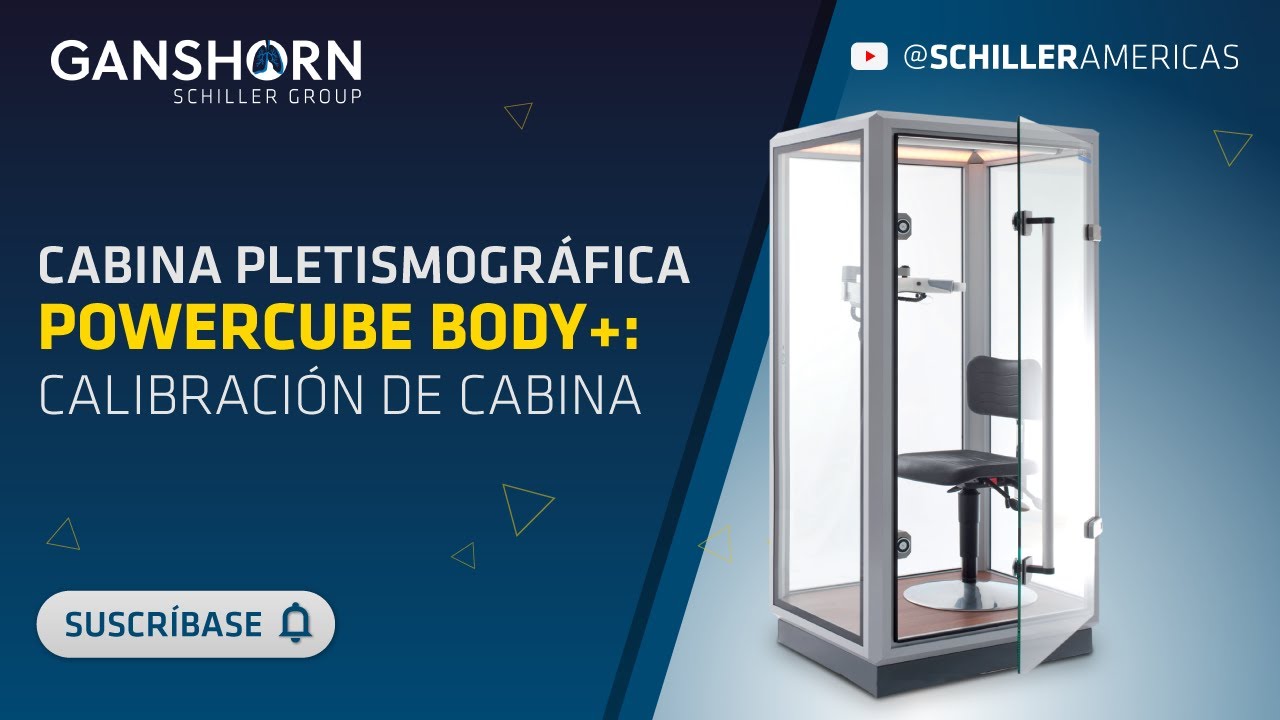




Body plethysmography is a pulmonary function test that measures lung volumes by having patients enter an airtight chamber where they make respiratory efforts against pressure, allowing clinicians to calculate residual volume, functional residual capacity, and total lung capacity to diagnose restrictive lung diseases and distinguish them from obstructive conditions.
Body Plethysmography Explained | Pulmonary Function Testing Tutorial
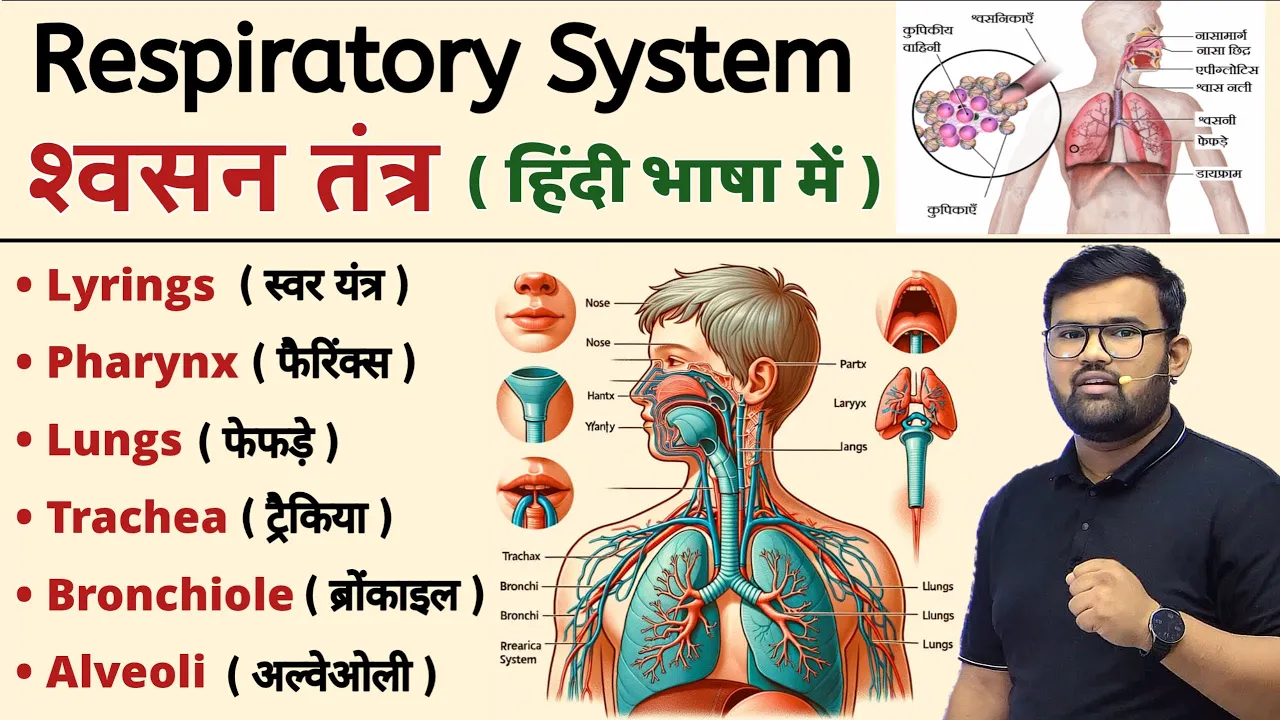
Added:Basic anatomy and physiology of the respiratory system, including the structure of the lungs, chest wall, and airways.
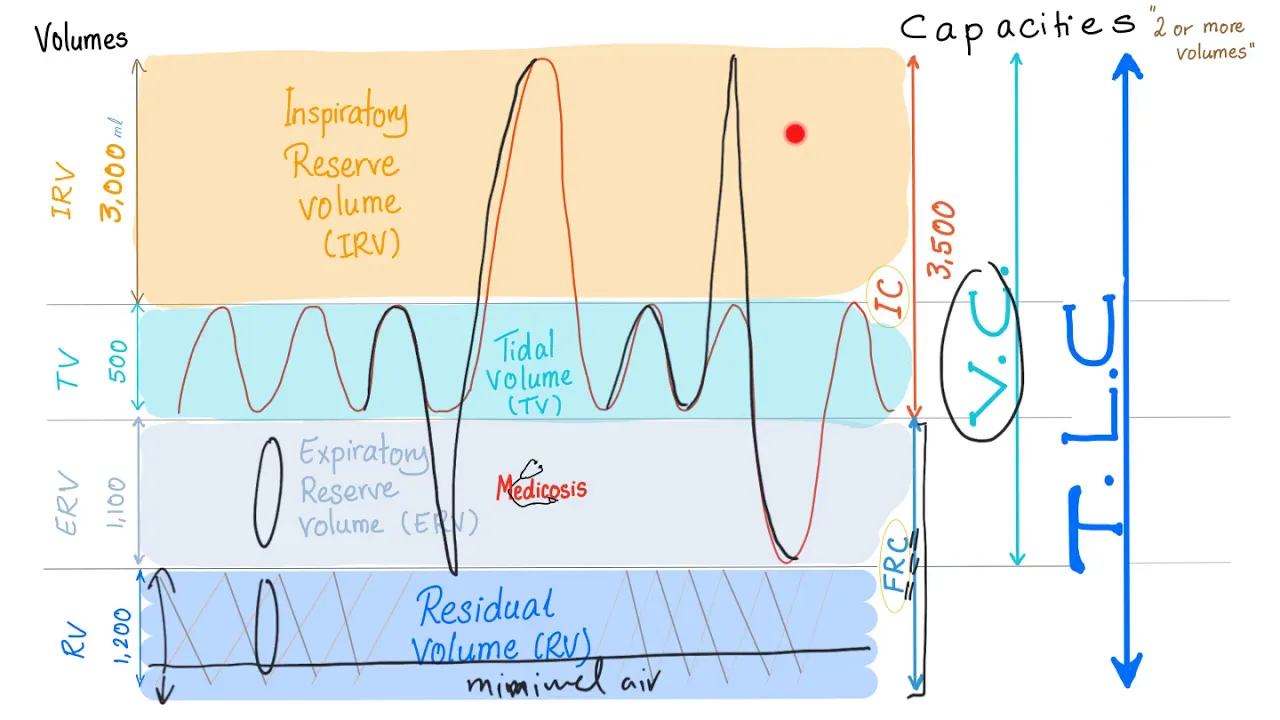
Standard lung volumes and capacities, particularly the definitions of Functional Residual Capacity (FRC), Residual Volume (RV), and Total Lung Capacity (TLC).
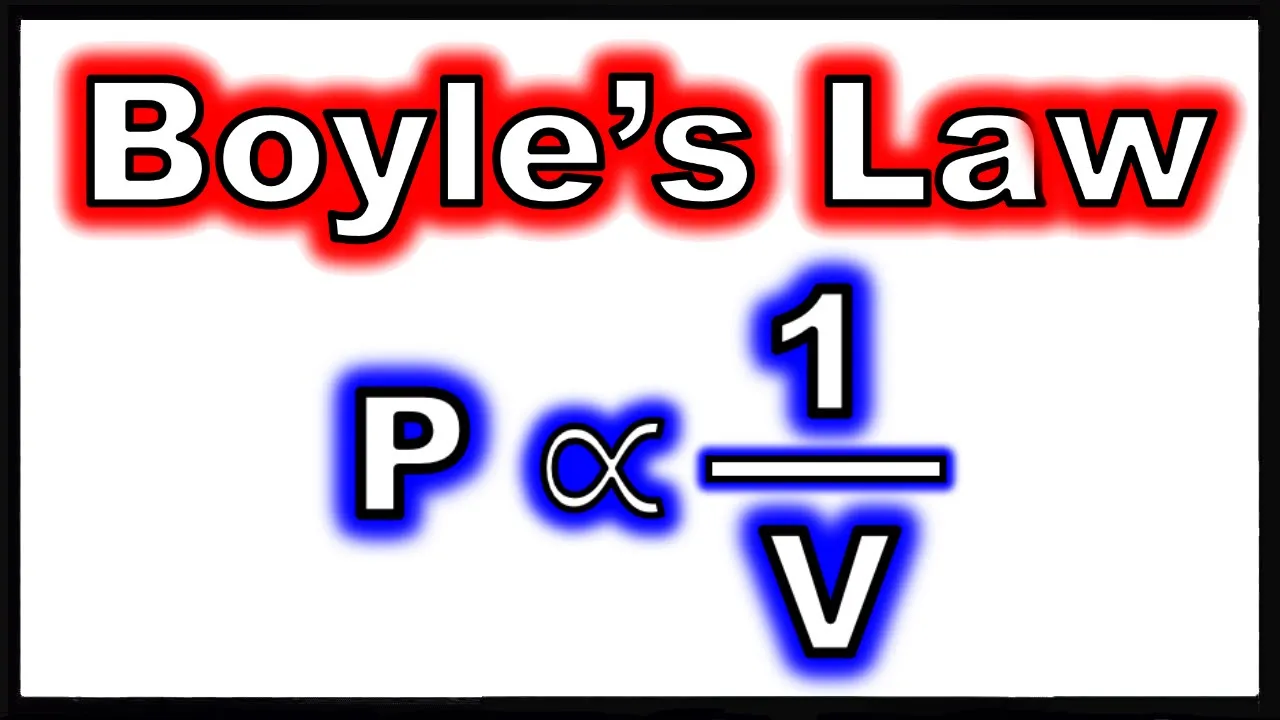
Boyle's Law of gas physics, which establishes the inverse relationship between the pressure and volume of a gas at a constant temperature.
The fundamentals of basic spirometry and its inherent limitations in measuring gas trapped in the lungs.
Clinical interpretation of complex Pulmonary Function Test (PFT) results to diagnose obstructive versus restrictive lung diseases.
The integration of Diffusing Capacity of the Lungs for Carbon Monoxide (DLCO) testing with plethysmography data for a comprehensive pulmonary workup.
Quality control, calibration protocols, and troubleshooting methods for the body plethysmograph ('body box') cabin.
Pathophysiology of advanced respiratory conditions such as severe COPD, emphysema, and thoracic wall deformities, and how they alter thoracic gas volume.
38.1K views547likes3:33Original Release: 2022-08-18
body plethysmography is a pulmonary function test that measures the amount of air that is inhaled and the amount of air that remains in the lungs after exhalation we created this video to cover the medical definition and provide a brief overview of this topic so if you're ready let's get into it pulmonary function testing refers to a set of non-invasive tests that are used to examine a patient's respiratory system and identify the severity of pulmonary impairment the tests measure how well the lungs are able to take in and release air and how efficiently they are able to exchange oxygen and carbon dioxide in order to perform pfts and obtain accurate results it is important to use the right types of pft equipment one of those being a body plathismograph as previously mentioned a body plathismograph is a large box in which the patient enters that can measure the amount of air that is inhaled and the volume that remains in the lungs after exhalation this volume that remains in the lungs is known as the residual volume and by being able to measure the residual volume it is helpful in assessing how a disease is affecting a patient's lung function it can also help confirm the presence of a restrictive lung disease that may significantly reduce the total lung volume spirometry is the standard method for measuring a patient's lung volumes however it is not capable of measuring the residual volume this is when body plathismography comes in handy it is also needed to obtain a patient's functional residual capacity and total lung capacity as well some other indications for body plathismography include to diagnose a restrictive lung disease to distinguish between an obstructive and restrictive disease to evaluate some obstructive lung diseases such as cystic fibrosis and emphysema to evaluate air flow resistance to assess if a bronchodilator medication is working to assess bronchial hyper-reactivity and to perform a follow-up assessment to monitor a patient's condition during the procedure the patient enters the body box which is an airtight chamber with transparent waltz they are instructed to make respiratory efforts against pressure which causes the chest to expand and it decompresses the air in the lungs when chest volume increases it decreases the boxes volume which increases the pressure inside the chamber this is how pressure flow and volume changes can be measured patients can also perform secondary tests as well during body platysmography and some examples include spirometry diffusing capacity for carbon monoxide bronchial challenge and a nitrogen washout test these are types of pulmonary function testing that we've covered in other videos on our channel body plethosmography tests are most often performed in pulmonary function labs but they may also occur in cardiopulmonary and pulmonology clinics as well if you want to support the channel be sure to like and subscribe i would greatly appreciate it and there should be some other helpful videos popping up on your screen right about now that i think you will enjoy and just a quick reminder we are not doctors this video is for informational purposes only thank you so much for watching have a blessed day and as always pretty easy my friend
Up Next
9:30
Mechanics of Breathing Physiology | Pulmonary Ventilation
@drvkphysiologyclasses
343 views•2022-10-28

32:45
Memory and Long-Term Potentiation | Physiology | MBBS Exam Prep
@doctutorialsmbbs
307 views•2025-08-27

8:10
Ventilator Alarms Explained: High, Low Pressure & PEEP
@RespiratoryTherapyZone
62.7K views•2021-09-07
3:05
Stages of Labor and Vaginal Birth | Childbirth Animation
@nucleusmedicalmedia
52.1M views•2017-08-18
Related Study Plans & Knowledge Roadmaps
Structured learning paths in Medicine
medicine
Interpreting PFTs: Spirometry & DLCO
01Respiratory Anatomy and Physiology Foundations
02Spirometry: FVC, FEV1, and Flow-Volume Loops
03Lung Volumes and Plethysmography
+ 2 more learning modules
12h5 modules
Explore Roadmap
medicine
Abnormal LFTs: Diagnostic Workup & Pathology
01Liver Anatomy and Basic Physiology
02Introduction to Liver Function Tests (LFTs)
03Hepatocellular vs. Cholestatic Patterns
+ 3 more learning modules
12h6 modules
Explore Roadmap
medicine
Analyzing Blood Smears: RBC, WBC & Platelets
01Introduction to Blood Components & Smear Preparation
02Normal Morphology of Blood Cells
03Erythrocyte Pathologies & Morphological Variants
+ 2 more learning modules
12h5 modules
Explore Roadmap
medicine
Mechanical Ventilation: Waveforms & Alarms
01Anatomy and Physiology of Breathing
02Introduction to Mechanical Ventilation & Core Modes
03Ventilator Settings and Waveform Interpretation
+ 2 more learning modules
12h5 modules
Explore Roadmap