![Thorax 8 - Trachée, bronches, poumons, plèvre [Descriptive anatomy of the respiratory tract]](https://i.ytimg.com/vi/fOG_CXzk_Xc/maxresdefault.jpg)







![[#1] Fisiologia do Músculo Esquelético: CONTRAÇÃO MUSCULAR | MK Fisiologia](https://i.ytimg.com/vi/R-N-VFGWyGg/maxresdefault.jpg)








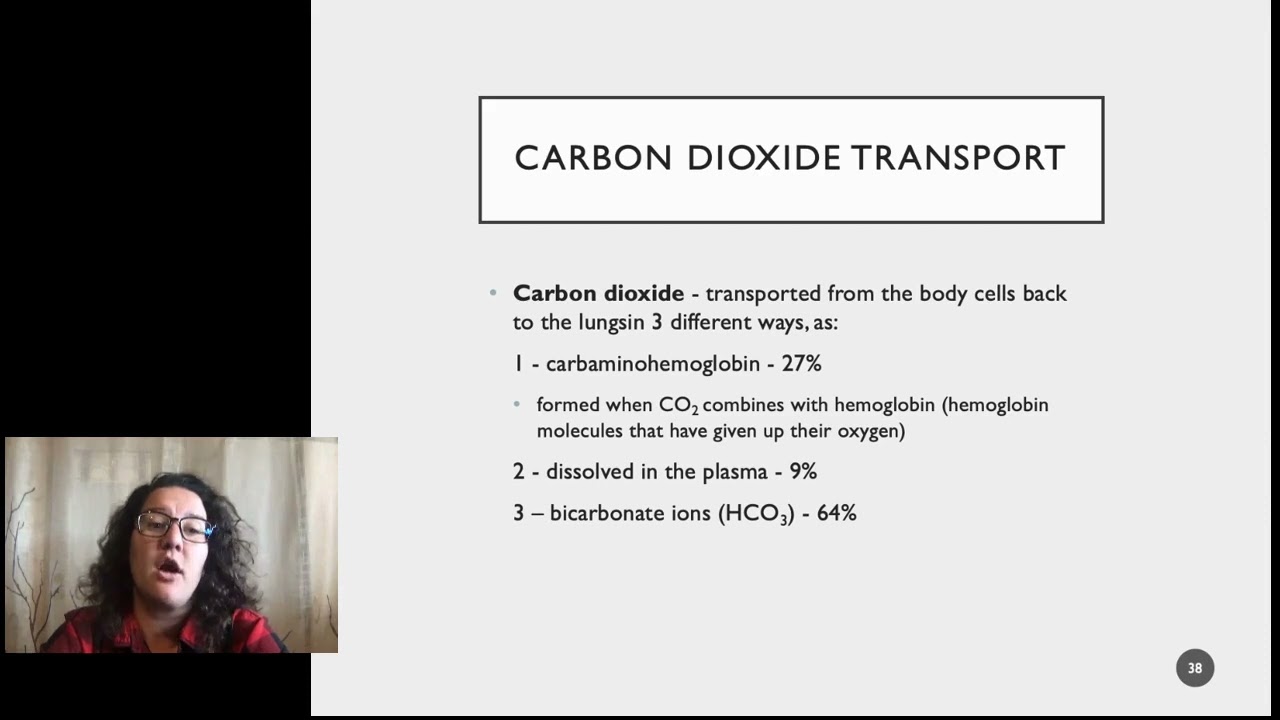



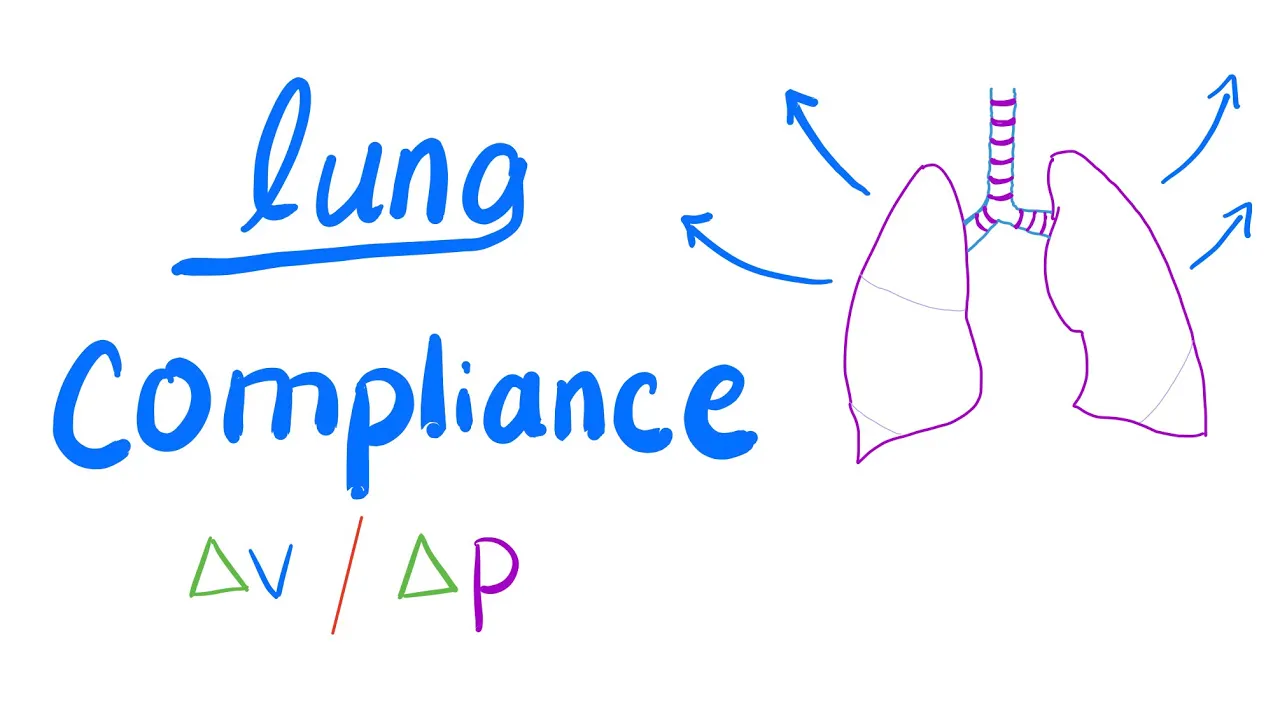
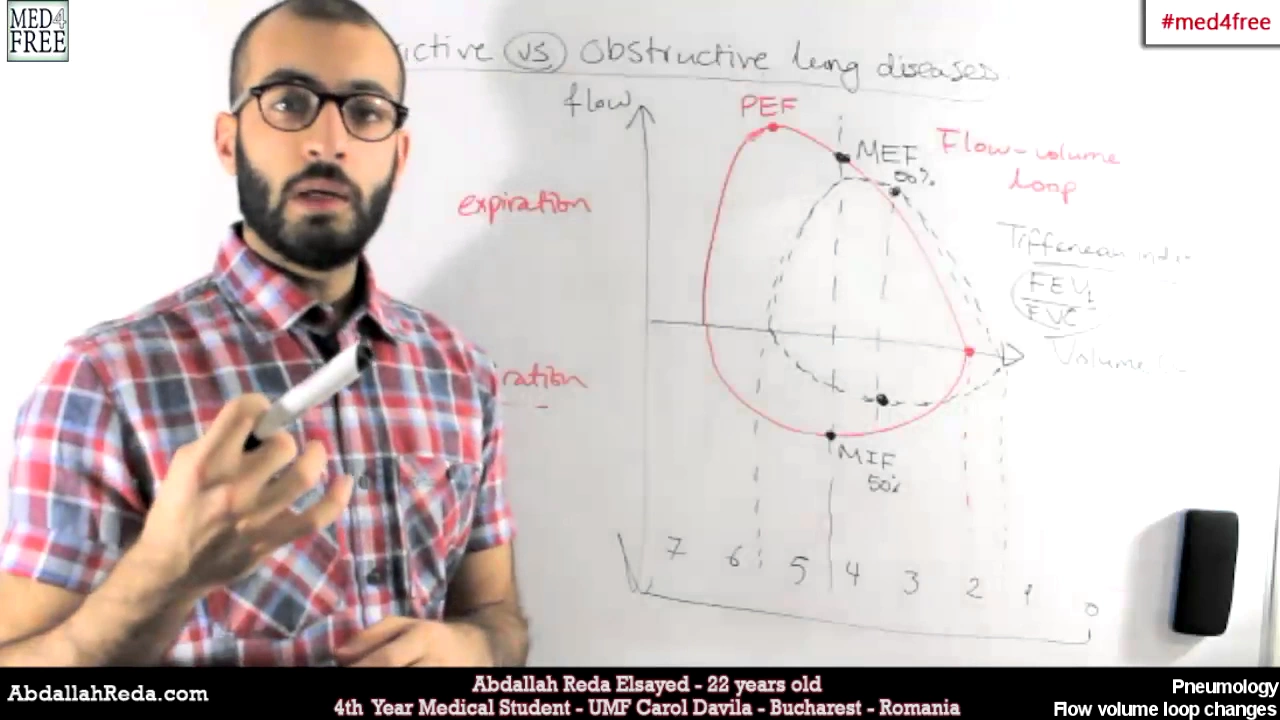


Breathing mechanics involve rhythmic inspiration (active process) and expiration (passive process), where diaphragm contraction (75% of volume change) and external intercostal muscles (pump and bucket handle movements) increase intrathoracic volume, decreasing intrapleural pressure from -2.5 mmHg to -6 mmHg, creating a pressure gradient that draws air into the lungs; intrapulmonary pressure fluctuates with lung expansion while intrapleural pressure remains negative throughout, with transpulmonary pressure representing the elastic recoil forces that tend to collapse the lungs.
Mechanics of Breathing Physiology | Pulmonary Ventilation
Added:Basic anatomy of the respiratory tract, including the structure of the lungs, trachea, thoracic cavity, and pleural membranes.
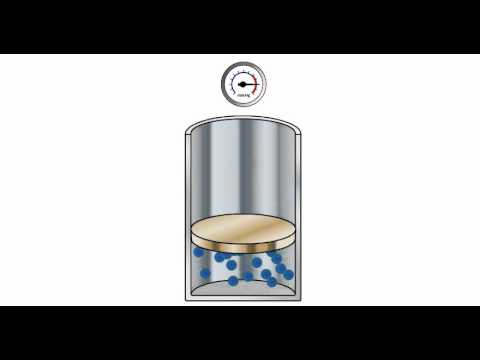
Boyle's Law and basic gas physics, specifically understanding how volume changes inversely affect gas pressure in a closed container.
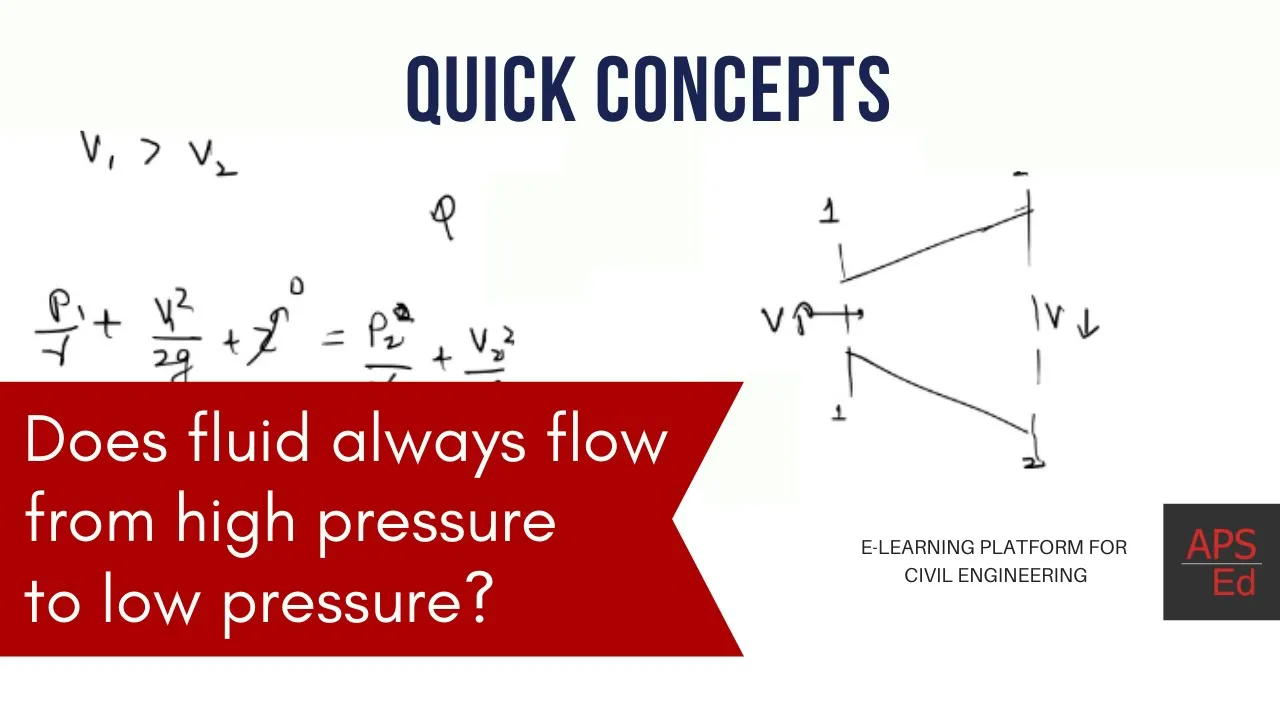
The concept of pressure gradients, particularly how fluids and gases naturally flow from areas of higher pressure to areas of lower pressure.
Basic musculoskeletal physiology, including the general mechanism of skeletal muscle contraction and relaxation.
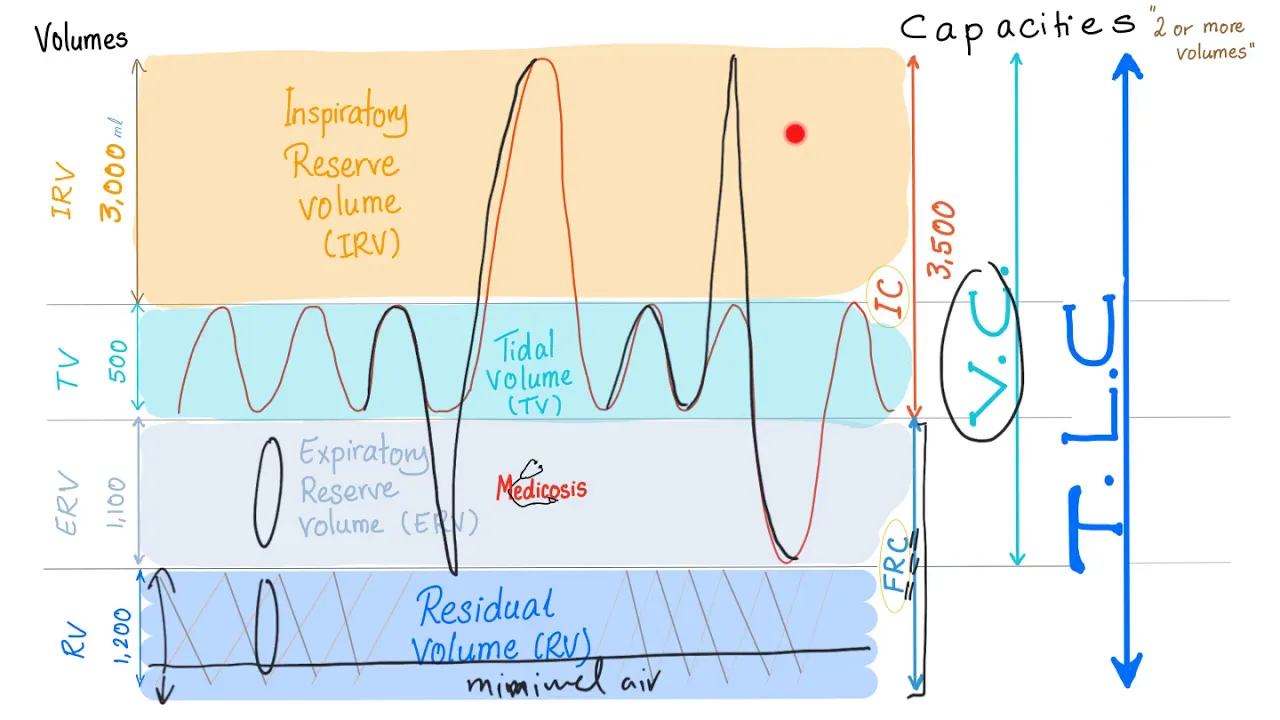
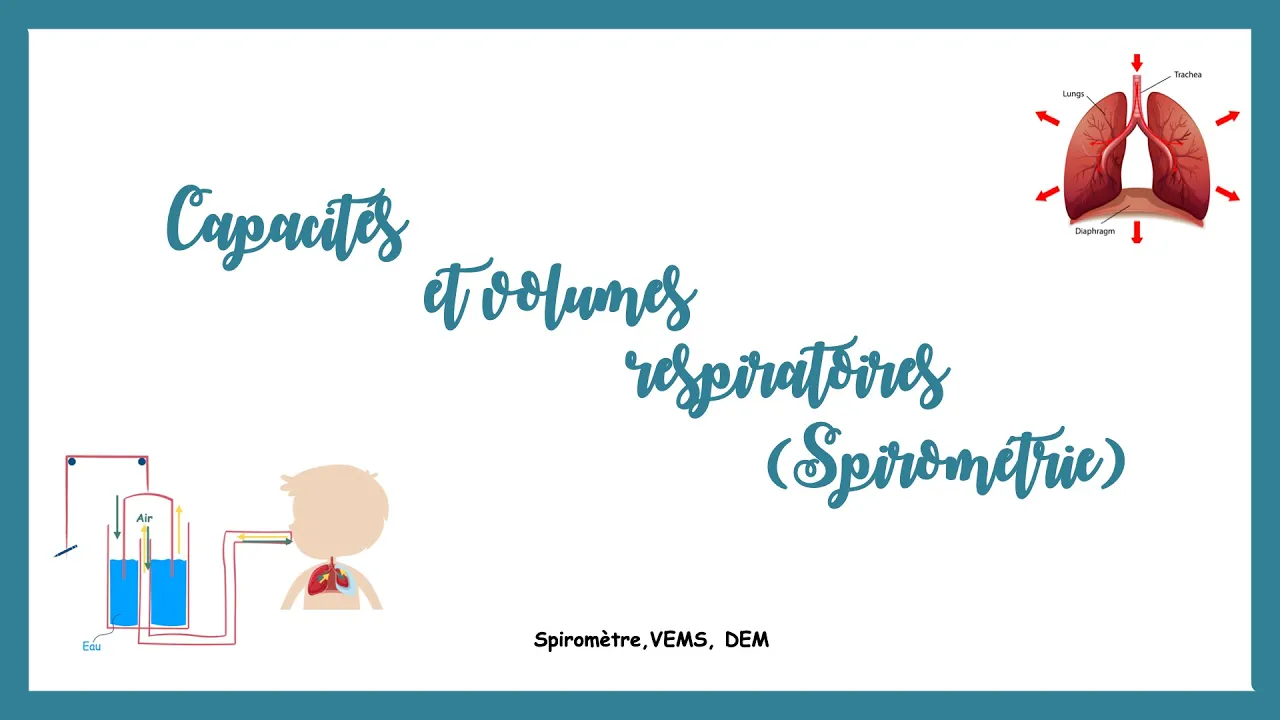
Spirometry and lung volumes, including the measurement of tidal volume, vital capacity, and forced expiratory volume (FEV1).
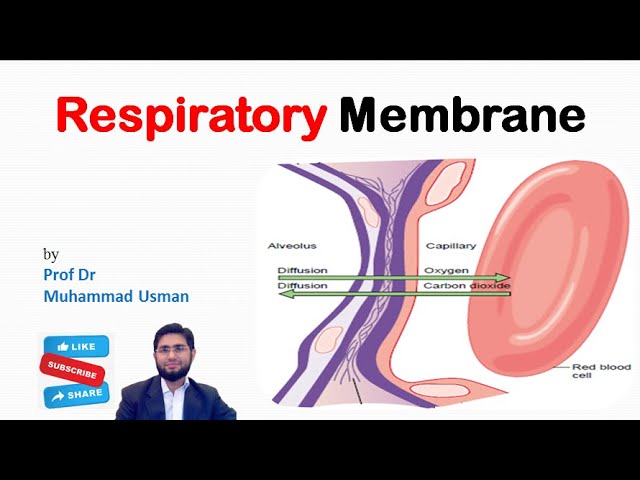
Alveolar and systemic gas exchange, focusing on partial pressure gradients and gas diffusion across the respiratory membrane.
Oxygen and carbon dioxide transport in the bloodstream, including hemoglobin saturation curves and the bicarbonate buffer system.
Pathophysiology of ventilation, comparing obstructive lung diseases (e.g., asthma, COPD) and restrictive lung diseases (e.g., pulmonary fibrosis).
Neural and chemical regulation of respiration, including the roles of the brainstem respiratory centers and chemoreceptors in monitoring blood pH and gas levels.
343 views11likes9:30Original Release: 2022-10-28
hello everyone in this class we'll learn about mechanism of breathing mechanism of breathing or ventilation is rhythmic breathing at rest consists of inspiration and expiration inspiration it is active process during which the contraction of the respiratory muscle increases the intrathoracic volume the interpretal pressure at the base of the lung is normally about minus 2.5 mm of HG that is related to atmospheric pressure and which is at the start of inspiration and it decreases to about minus 6 mm of a tree thus lungs are pulled into a more expanded position making the pressure in the Airways slightly negative and air flows into the lung the moment of diaphragm accounts for 75 percent of the change in the intrathoracic volume during quite inspiration the other inspiratory muscles are external intercostal muscles which run obliquely downward and forward from the rib to rib the ribs plywood as if hinged at the back so that when the external intercostal contract they elevate the lower ribs which pushes the sternum outward causing an increased anthroposty diameter of the chest inspirator mechanism mechanism during inspiration the thorax is enlarged because of the early movements that is movement of the ribs outwards and upwards and the diaphragmatic moments that is The Descent of diaphragm rib moments they can be pump handle moments the second and sixth trips slope obliquely towards and forwards from their joints with the spinal column on inspiration the ribs move upwards pushing the sternum more anteriorly which is called as pump handle movement to assume a more horizontal position by contraction of external intercostals resulting in increased AP diameter of the chest and bucket handle movement is where there is the lower ribs that is 7th to Tenth also swing outwards and upwards in inspiration causing increase in the transverse diameter of the thorax so these are the pump pattern movements which occurs because of the movement of the the sternum okay so if we here can see the sternum uh it it when muscle contracts they are going to move in upward Direction like this and these are bucket handle movements these are the movement of the thoracic rib cage especially of the lower part of the rib cage and when the ribs get elevated like this there will be change in the the transverse diameter whereas the pump and movements they are going to increase the anteroposterior diameter of the chest accessory muscles scalene sternocleidomastoid they're active during voluntary static inspiratory effort effort that help to elevate the thoracic cage during deep inspiration intrinsic muscles of larynx the abductor muscles of vocal cords that contract early on inspiratory phase pulling the vocal cords apart opening the glottis expiratory mechanism quite expiration is a passive process but during forced expiration example during exercise bronchial asthma the muscles of expiration contract expiratory muscles are the anterior abdominal muscles that is abdominal rectite transverse abdominis internal and external oblique muscles and of course internal intercostal muscles and accessory muscles of expiration are adductors adductor muscles of the vocal cord pressure changes during ventilation the intra-pulmonary pressure and intra-alvealar pressures intra-pulmonary pressure is defined as the pressure in the lung parenchyma it reduces with expansion of the lungs and facilitates the pull of air into the lungs via tracheal bronchial tree in quiet breathing at the end of expression and end inspiration as no air going in and coming out of the lungs the intramural pressure is equal to atmospheric pressure that is around 760 mm of HG with the beginning of inspiration as the volume increases pressure decreases and intrapulmonary pressure decreases to approximately 3 mmhg below the atmospheric pressure but regains the pressure value at the end of inspiration as the expression follows passively the elastic recoil of the lungs causes intra-pulmonary pressure to swing to the positive side that is plus ah 3 mm battery that is 763 mm of HG factors which are affecting intrapulmonary pressure while silver manner forced expiration against close got glottis May produce a positive inter-pulmonary pressure of 100 mm which above atmospheric pressure Muller's manure is the first inspiration against a closed glottis and can reduce the intrapulmonary pressure to 80 mm which below the atmospheric pressure intrapleural pressure the pressure in the space between lungs and the chest wall that is the intrapleural space is called as intrapleural pressure this pressure is about atmospheric and is not uniform throughout the thoracic cavity due to the effect of gravity it is minus 2 mmhg at the base and minus 7 mm mmhg at the Apex the negative interpolar pressure is directly proportional to the amount of thoracic expansion therefore during quite inspiration the lungs are pulled into a more expanded position causing intrapleural pressure to decrease to about minus 6 mm of HG at the end of inspiration the muscles of inspiration relax and the interpolar pressure becomes less negative and the lungs recoil thereby intra pulmonary pressure increases [Music] the factors which are affecting interpolar pressure deep inspiration decreases it as much as 30 mm of Fiji to sub atmospheric pressure effect of gravity the interruptural pressure in standing position is more negative at the Pisces of the lungs compared to the base at the upysis it is minus 7 mm which 300 the base it is minus 2 mm of HG trans pulmonary pressure it is the difference between the alveolar pressure and the pleural pressure it is the pressure difference between the pressure in the alveoli and that on the outer surfaces of the lungs it is a measure of elastic forces of the lungs that tend to collapse the lungs at each instant of respiration called coil pressure recoil pressure so this is the diagram showing the interpolar intrapulmonary pressure and intrapleural pressure during inspiration in the alveoli the pressure is going to decrease and at the end of inspiration it becomes again atmospheric and during the expiration again the pressure is going to increase and again at the end of expiration the pressure becomes atmospheric but in The Interpreter pressure is going to become more negative during inspiration and it reaches minus 6 mmhg at the end of inspiration and again during expiration The Interpreter pressure becomes uh less negative and at the end of expression again it reaches to minus 2 mm of HG clinical significance since transmitter pressure that is the pressure gradient between intra-pulmonary and intrapleural pressure is less at basis therefore lungs are less expanded at the basis that is the loss of decrease in the lung elasticity which increases the interruptible pressure thereby checks expands [Music] and becomes parallel shape injury to the thrax causes entry of air between two layers of pleura therefore intrapleural pressure is equal to atmospheric pressure thereby lung collapses that which occurs in pneumothorax so this is in brief about the mechanics of breathing thank you
Up Next

9:38
DLCO Explained: Diffusing Capacity in Pulmonary Function Tests
@StrongMed
267.6K views•2014-03-06

32:45
Memory and Long-Term Potentiation | Physiology | MBBS Exam Prep
@doctutorialsmbbs
307 views•2025-08-27

10:28
Neuroanatomy: Central and Peripheral Nervous System Divisions Explained
@AKLECTURES
136.2K views•2014-09-20
3:05
Stages of Labor and Vaginal Birth | Childbirth Animation
@nucleusmedicalmedia
52.1M views•2017-08-18
Related Study Plans & Knowledge Roadmaps
Structured learning paths in Medicine
medicine
Interpreting PFTs: Spirometry & DLCO
01Respiratory Anatomy and Physiology Foundations
02Spirometry: FVC, FEV1, and Flow-Volume Loops
03Lung Volumes and Plethysmography
+ 2 more learning modules
12h5 modules
Explore Roadmap
medicine
Abnormal LFTs: Diagnostic Workup & Pathology
01Liver Anatomy and Basic Physiology
02Introduction to Liver Function Tests (LFTs)
03Hepatocellular vs. Cholestatic Patterns
+ 3 more learning modules
12h6 modules
Explore Roadmap
medicine
Analyzing Blood Smears: RBC, WBC & Platelets
01Introduction to Blood Components & Smear Preparation
02Normal Morphology of Blood Cells
03Erythrocyte Pathologies & Morphological Variants
+ 2 more learning modules
12h5 modules
Explore Roadmap
medicine
Mechanical Ventilation: Waveforms & Alarms
01Anatomy and Physiology of Breathing
02Introduction to Mechanical Ventilation & Core Modes
03Ventilator Settings and Waveform Interpretation
+ 2 more learning modules
12h5 modules
Explore Roadmap