









![기억의 분자적 메커니즘[박문호박사 세계의 출현_6강]](https://i.ytimg.com/vi/IP23m7zf208/maxresdefault.jpg)









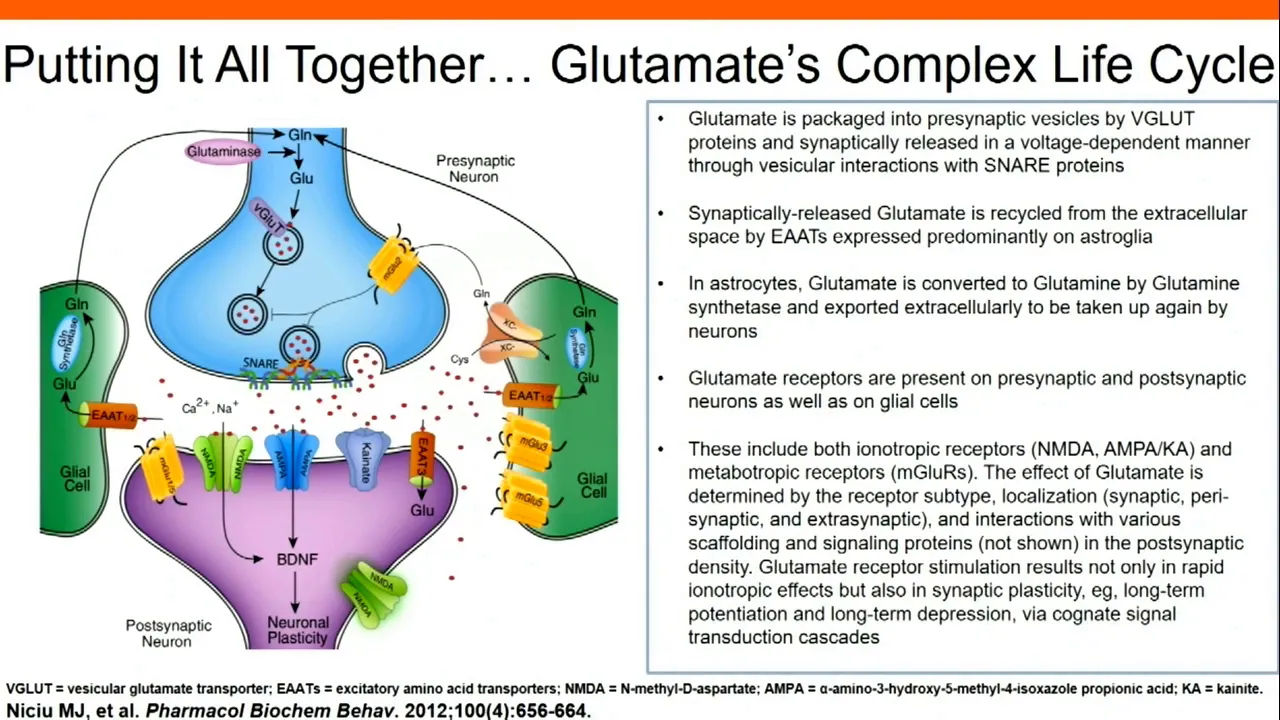
Memory formation involves two main types: declarative/implicit memory (conscious recall of facts and events, stored in temporal lobe) and non-declarative/implicit memory (unconscious skills and habits, stored in basal ganglia). Learning occurs through associative mechanisms like classical conditioning (Pavlov's dogs, forming associations between stimuli) and operant conditioning (reward/punishment-based learning), as well as non-associative mechanisms like habituation (decreased response to repeated stimuli) and sensitization (increased response). The conversion from short-term to long-term memory occurs via long-term potentiation (LTP) in the hippocampus, where glutamate release activates NMDA and AMPA receptors, magnesium blockade is removed, calcium influx occurs, and nitric oxide causes retrograde synaptic enhancement that strengthens synapses.
Memory and Long-Term Potentiation | Physiology | MBBS Exam Prep
Added:So good evening my dear doctors. Today's topic is learning and memory as well as long-term potentiation. So this topic is not only important for the medical course but we must know that learning and memory as a student. We all want to learn something and we want to strengthen one memory from short-term memory to long-term memory. So a lot of things are there in the physiology of this and this is asked in your ambus exam either as a short note or MCQ.
Okay. Sometimes they can be asking you these topic in as a part of the long question like they can ask you different type of ephysia and in that they can ask you what do you mean by learning and types of memory and how short-term memory converts into long-term memory.
Okay. So although this is a short topic but it's very important nowadays. So first of all you must know the difference between learning and memory.
Okay. Whatever I am discussing here what do you think it is a learning or a memory. So acquisition of new information or a skill. Okay. So whenever you are acquiring any new information or any skill it is called as learning. So learning is actually acquisition. It is a it is a knowledge or a skill you acquiring. It is a acquisition of either new information or skill. You want to drive a car or you want to drive a bicycle or whatever you want to do some surgery you are learning that. So these are learning and once these are stored storage of this information or the skill is called as memory. So in one word okay so sometimes they ask in the Bible also doctor tell me what is learning and what is memory. Remember it's very good evening Dr. Mul. Learning is acquisition of new information or the skill.
Whenever you are acquiring any new information or skill is called as learning and when it is stored there's a process I will discuss that through that process that will be stored and it is called as memory.
Now we have heard that there are two brains. Initially we say right brain as non-dominant left as dominant but right now we are not using the word dominant or non-dominant. We are using R for right and R for representational.
Right brain is representational brain.
Okay. And left brain is L for left L for logic. Logic. So when you are thinking logically when you're thinking logically like mathematics like speech language okay you are doing some calculus problem some physics problem. So when you are doing some mathematics or you are uh doing some logic work psychry okay so all those will come in the left brain on the other hand right brain is like a intuition based thinking like art music and dance. So art, music, dancing these all are learned by mainly representational side of the brain. So don't think that right brain is non-dominant, left brain is more dominant. No, now we say both are important but the type of things are different. So right brain is also for a spatial memory. Your memory become three-dimensional. For example, some people are reading and they get they got only by one vision they can understand.
They can reproduce the same topic again and again they can write. Okay. But sometimes we are reading the same topic again and again and we cannot answer the question. What is the reason? They are they are using their artistic brain. They are using their artistic brain the right brain to develop their threedimensional memory.
So when you involve emotion see memory can be increased only by two method. I will discuss both. One is emotion other is repetition the revision. So when you involve your for example you attending the class and you're very emotional that today I will understand each and every point and I will acquire this in increasing my memory. Okay. So your each and every word will be clear to you. It all depends on your emotion. Okay. So right brain is important for which type of memory is spatial memory three-dimensional memory. On the other hand left brain is logical. You are understanding in the lecture because of the logic lab is involved the language you know the English my speech okay some mathematics but how much you will remember it all depends on how much emotional you are so right brain is representational art music dance and left is what sometimes you remember the lyrics of some song which you like but when you are reading the ganong you forget the first line because you are emotional about that lyrics of the song isn't it? So this is the right brain. So try to uh utilize right brain along with the left brain.
Don't always read like books like that.
Try to understand try to build an image and when you are building some image automatically things they start coming to your hypoc campus and short-term memory will convert into long-term memory. Now if there's a lesion of right side of the brain there will be hemi spacial neglect and eststerinosis.
What is hemispacial neglect? Okay in these conditions you will see that patients are taking care of high half side of the brain or the body. They will wear some shirt on the half side. They will shave their beard on the half side.
They will comb their hair on the half side. So what is that called is hemi spatial neglect. It is one of the question in your MBBS. They ask hemispatial neglect is due to lesion of which side of the brain? Answer was right side.
On the other hand left side lesion will cause different type of aphasia. It can be brokasia.
Next time I can take type of aphasia.
Next Tuesday I will take topic of different types of aphasia. Vericase aphasia and there are so many aomic aphasia conduction aphasia I will discuss in next class. So when there is a lesion of the left side of the brain it can cause aphasas and the lesion of right will cause hemi spatial neglect or estonosis.
Now types of memory. Memory are of two types. One is declarative other is nond declarative. The first coming to declarative memory or explicit memory.
So you this is in your consciousness.
Suppose that I am asking what is your name?
This is in your consciousness.
What is your name? Okay. It is a declar you can declare your name because that your name is in your consciousness.
Okay. What is your age? What is the name of medical college you are studying in?
Okay. So like that the memory which you can declare is called as declarative memory or explicit memory. Okay. And these are of two types semantic and episodic.
Semantic means factual like name name place which place you are studying or some person.
Okay. Who is sitting in front of you or you are sitting watching the lecture along with whom? So the person name, age, what is your age? These all are called as semantic, factual, episodic, the events like how was your first day in the medical college? How was the first day in your medical college? Okay.
Is it good, bad, whatever? So that is your event that is called as episodic memory. So that is the event. How was like for example, how was your first day in college?
Okay, it is called as episodic memory.
This is clear. So in declarative there are two types semantic and there is episodic. Semantic is factual, episodic is event based. Now what are the part of the brain where these facts are accumulated like for example what is your name you remember this why your lateral and anterior temporal cortex is involved lateral because medial is busy with the event who's closer to your heart event or the name events now how was your day all the events all the memories these are so these are medial to your heart so remember like that medial temporal Medial. Just remember only one temporal loop. Temporal lobe. Which lobe is involved for declarative memory?
Temporal loop. Okay. Which is for events? Medial. Which is for fact?
Lateral.
Lateral. Although prefrontal cortex are also there. Hypocampus is also there.
But at least remember temporal cortex.
Medial is for episode, the memory, the the event part. How was your first day?
How was your today? How was your weather? Are you enjoying your college or not? How was your evening? So all those events.
Okay, you are celebrating the birthday of your colleagues. Okay, how was that event or your your fresher party? So whatever those events, these are called as episodic memory. So in the declarative episodic memory and semantic memory. So episodic memory. Okay. So remember your fisher party what is that episodic and you are d you are dancing with your one of your friend what was what was his name or her name whatever semantic memory so when there's some name okay please you were dancing in which area you are from which area up Maharashtra wherever so that is what semantic so please this is the gist of the exam question they will going to ask now first is declarative ative memory and second will be non declarative memory. Declarative memory is called as explicit. This is called as implicit. I M P L I C I T. This is the most common category of types of memory given in GO which they ask in the examination.
Declarative memory and non-declarative memory. So declarative is for what?
Semantic, episodic, events, fact, implicit memory, non. This is what it is in your subconscious.
Those memories which are not in your conscious but in the subconscious like if I ask you can you drive a car or not or can you drive a bike or not? Yes or no? You can say sir I cannot say I will I will drive and I will show you. You can show me how to drive a car.
Or for example you are a surgeon and I'm asking you can you do lab co surgery lapro laparoscopic coltomy surgery you can say I can show you I know the how to do with the surgery so those procedures okay those things are in your subconscious memory which you cannot say you cannot declare but you can show so when you can show the showing of the act is called as nond declarative Remember that was declarative, this is non-declarative, that was explicit, this is implicit, explicit memory, implicit memory. Clear?
That was declarative. This is non- declarative. Now there are four different types and all are itself a short note. They can ask a short note on priming procedural memory or the priming or associative or they can ask about the non. So they itself are subtopics. So what is the procedural memory?
Suppose that you learned how to drive a car or how to do a surgery. So whenever you are learning some procedure, some method in your first year, you know how to prepare a peripheral blood smear. Okay, a procedure is there. Okay, you are using microscope or how to do TLC. You are using some chamber new bar chambers.
So that procedure you will learn by repeating again and again and that is called as procedural memory skill habits. And remember the first part of the brain is most important. Who is involved? Corpus striatum. And please tell me corpusatum is the part of answer is basil ganglion.
basil.
So either you can say procedural memory is because of the basil ganglion or you can say it is because of corpus stratum because corpus stratum is the part of basil ganglion. Even if you don't remember cerebulum and motor cortex just remember the first one corpus stratum.
If you can remember all of them it is good. Second and the most important is priming and perceptual neoortex. So what is priming?
Okay, let me ask you. I am going to write name of a city. Tell me which city is that? Tell me.
Which city is that?
Can anyone tell me which city I am going to write? dash dash dash dash or other city dash dash dash or I'm going to write uh name of some some book okay tell me which book is that now those who already know about lucknau they can they will tell you this is luckno they can tell this is Delhi And you can say this is gayon.
Okay, this is called as priming. Only if you know something and I'm giving you a hint. Okay, what is that called? It is called as priming. There was a question MCQ asked in your examination. Question was like that who discovered EEG?
Examiner asked a student who discovered EEG and he was not able to answer. He he forgot somehow he was not able to answer who discovered EG. Then suddenly examiner has given a hint it has something to do with magd. Then he said okay sir it is hensed burger. Then question was which type of memory it is called as and answer was priming. Answer was priming. So when someone is giving you a hint like that correlating it is called as priming and perceptual and the part of the brain that is involved is called as neo cortex. It is called as neo cortex. Now next is associative learning and nonassociative learning. It is very important a separate MCQ and shorting exam. Associative learning are of two types.
One is your pavlo experiment. You know classical conditioning done by Pavlov classical conditioning and second is operant conditioning.
Second is operant.
First of all what is associative learning? Suppose you are going outside to have tea or coffee and you are seeing the clouds. You can say today it can rain. So just by looking at the cloud, just by looking at the cloud you are saying today there can be a rain. You have built association because from your past experiences you have seen that whenever there is cloud automatically there is always a rain most of the times. So you are associating something it is called as associative learning.
Clear? And there are two type classical conditioning and operent conditioning.
Regarding classical conditioning you must have read in your intermediate also pavlo experiment on the dog. Do you remember dog pavlo experiment? Suppose that if you are giving food to the dog.
If you are giving food to the dog and dog is slivating is it a classical conditioning or innate reflex? What do you think?
If and dog is salivating is it normal? So it should be called a simply innate reflex.
It should be called as simply innate reflex.
Yes or no? But one day at the same time at the same time you will suppose that every day you are giving food at 1 p.m.
every day. every day and along with the food you are also ringing the bell. You are also ringing the bell.
So dog is dog is associated that whenever you will ring the bell you will give the food. One fine day you are only ringing the bell.
One fine day you are only ringing the bell and even without food. Now this is important.
Even without food dog started slimmating.
What is this called as? This is called as classical conditioning. This is actually called as classical conditioning. So we all are living living reflexively. For example, every day you are going in your host 6 p.m.
tea time. Okay. So, reflexively at 6 p.m. you start developing craving for some tea or every day you are talking to your home to to your parents. Okay?
You're talking to your parents at 7 at 7 7:00 p.m. automatically you will get a reflex that I should talk. So, whatever you are doing every day automatically at that time that reflex will be built.
It's habit forming. It is like a habit.
Okay. Those who are smoking even they don't remember as they go out and start smoking the cigarette without even being aware because every day they have a habit of whenever they are going out with the bike they will their bike will go to the some cigarette shop. Okay. So automatically without thinking that they have to smoke they will go to the shop.
So these types of these types of things are actually because of the reflex build and it is called as classical conditioning.
So we are living life reflexely only.
That is why they say always try to build a good habit. Suppose every time you are sleeping at 10 p.m. and waking at 5.
Every day you automatically you wake up at 5:00 a.m. It is all because of the classical condition. Okay. Or else nowadays you are sleeping at 3:00 a.m.
and waking at 9 bunking the class. So that is again become a reflex. Okay. And chronically we become absentee. We are not going to the class. And this is all the reflects the habit which we are forming. So life is all about the habits. If there are good habit automatically every day you keep on improving your life.
See discipline why this is about the discipline.
If discipline is built by you, you are the master.
And if someone else is building discipline in you, you are a slave. If I if teacher have to say you have to come on time, it means that you are obeying him. But that is a different thing. But you are selfdisciplined, it is a different thing. You are a master of your own habit. So this is your classical conditioning. Second is your operent conditioning. Operent conditioning. It is based on punishment and the reward.
It is based on punishment and the reward. Actually there's a there was a scientist. Okay.
He put few monkeys in a in a case. Few monkeys were in the case and there were two handles handle A and handle B.
Whenever they are hitting handle A, they got a banana. They got a banana. What?
They get a banana. And whenever they are hitting handle B, that handle will bit hit on the head. They will get punished.
So eventually all of them is starting hitting A. So A will increase and B hitting will decrease. So when we when we start giving some punishment or suppose you are driving without helmet and because of some unfortunate accident and there's some injury over there next time you will not forget to wear helmet.
It is a punishment based learning or the reward. Suppose you are in your anatomy class or physiology class and teacher is complimenting you that you are working very good. Your answers are very nice.
You're sitting very hard. So you start getting the reward and you start increasing the act.
Okay. So once you start getting the compliments, you start increasing the activity and once you start giving the punishment, getting the punishment, you start decreasing the activity. So this type of learning is called as operent conditioning. That was classical conditioning and it's called as operent conditioning. So third was associative learning. classical and operant. Next is nonassociative learning and this comprise of two thing habituation and sensitization.
So there are two nonassociative thing.
One is called as after the class you can just uh please revise this topic again and again for three four times even you can increase the speed and see this video again and again. So that can be in your site of your brain. This is important topic. So one is your habituation, one is called as habituation, other is called as sensitization.
Suppose your room room partner is very nagging.
He's fickle mind. Some suppose that you got room partner but he is having a fickle mind and he's very nagging. But you are very intelligent. Okay. You start adjusting to that situation. It means you are habituated.
You decrease your response.
You start decreasing the response to his stimulus.
Okay. On the other hand, suppose that after one month you are going to your warden and sir, I cannot live without him. No, I I cannot I cannot live with him. Not without him. It is a different act. So what is that? You are sensitized.
Now you become very sensitive for every activity of him. So your response is increased.
So like that for example today 6 p.m.
there is a class at the same time there is some match going on. Okay. And you are very sensitive for your study. You want to learn something. So those students who want to learn they will be attending the class and seeing the lecture on the same times your mind may might be freaking I can see some real on Instagram or see some YouTube channel some song and all. So when you are habituated so you will not be very serious about that your response will decrease.
Okay. So when you are habituated means for the same stimulus for the same stimulus your response is decreased when you joined your medical college first day okay teacher will ask you why you want to become doctor I want to serve the society this and that I want to attend every class I want to learn like this I want to become a scientist also but after one month third month third month fourth month fifth month what start happening Okay, response started coming down. It means you get habituated when you are preparing for Eugene. All of you are very much sensitized. I want to become a doctor this and that. So when your response is increased for the same stimulus that is called as sensitization.
Clear? So this is a brief about types of memory declarative and non-declarative.
Okay. After the class also you can just see once again and you will remember that. Now the most important thing long-term potentiation how short-term memory how shortterm memory converts into longterm memory.
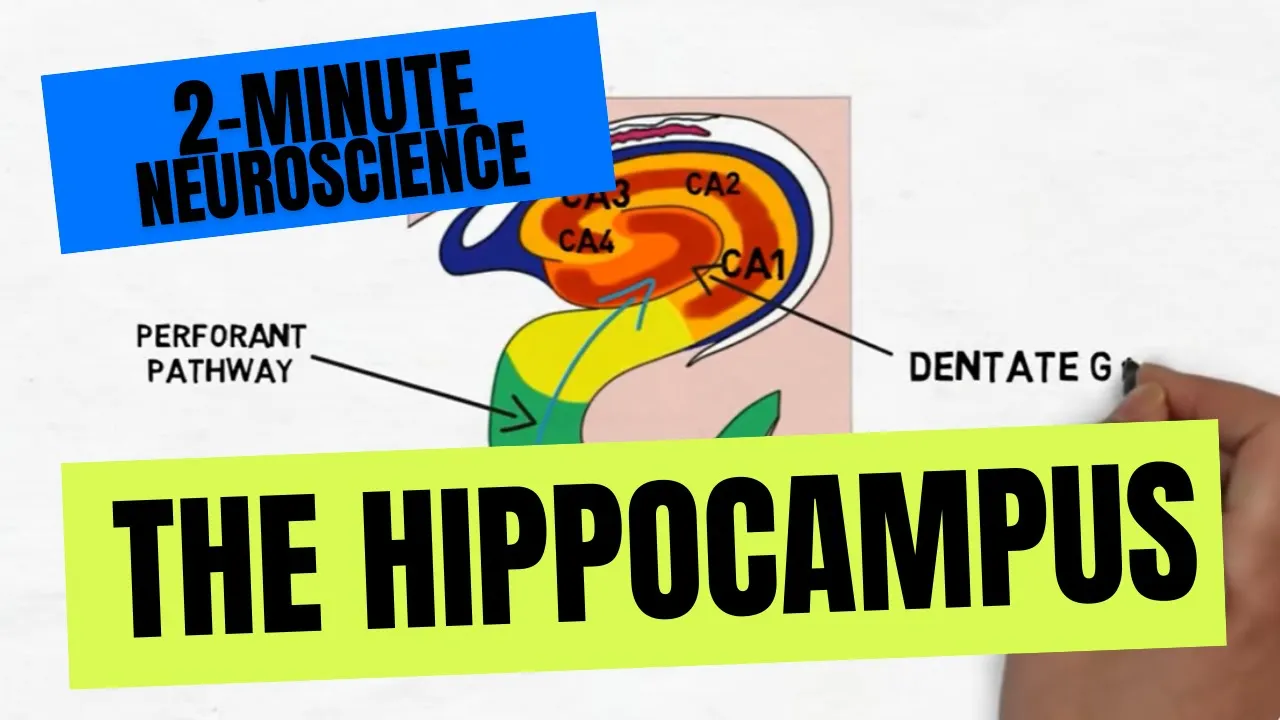
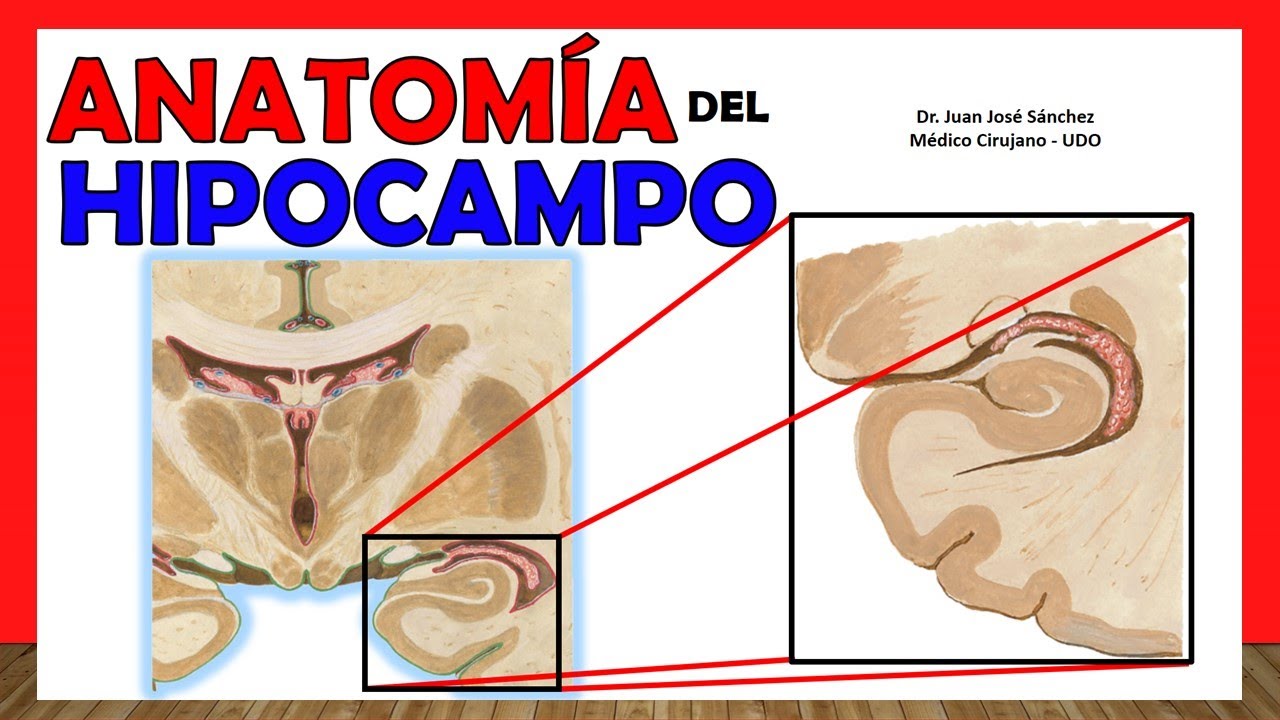
What is this process called this? And where it is happening? It is happening in the hippo campus.
Everyone wants a long time memory. Okay.
So where it is happening? Hippoc campus in which neuron CA1.
Okay. And this is a process of long-term potentiation.
Which neurotransmitter is involved?
What is the answer?
Glutamate.
Which neurotransmitter is involved for conversion of short-term memory into long-term memory? Glutamate.
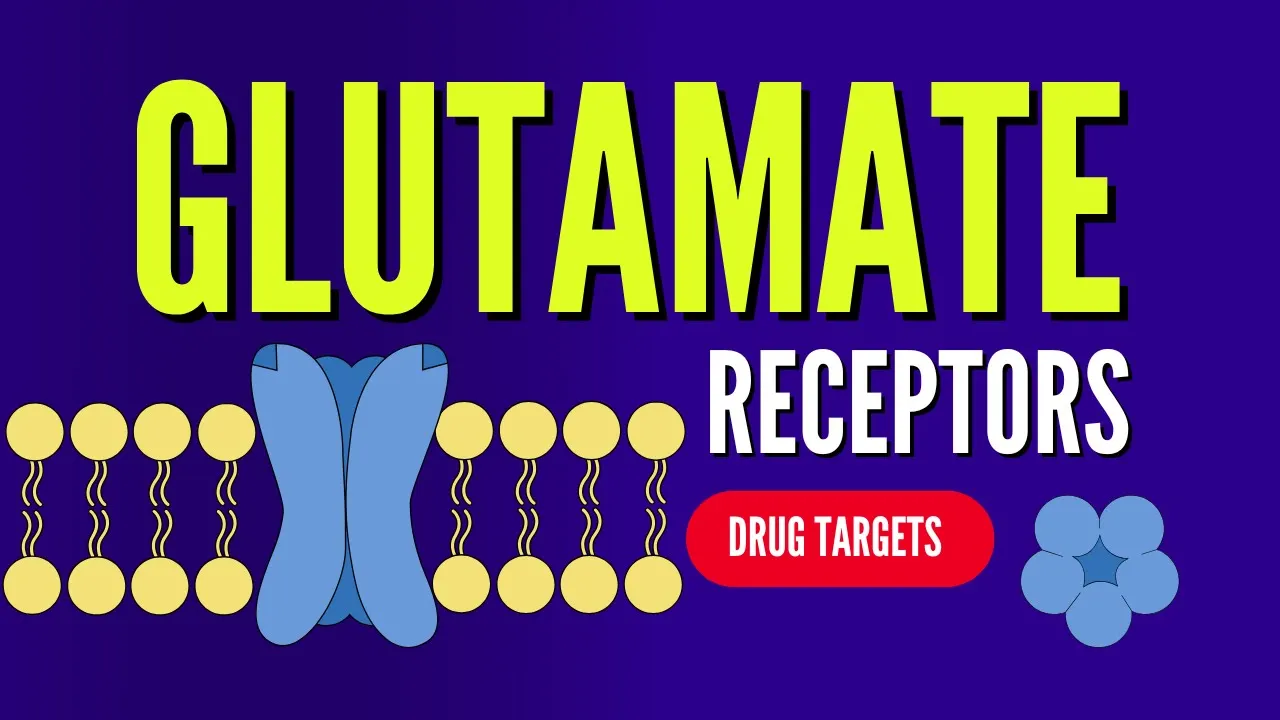
And there are two receptors. One is called as NMDA receptor.
Other is called as aa receptor. Other is called as AMPA receptor.
AMPA NMDA and AMBA. Now NMDA is blocked by a ion. Do you remember which ion?
Magnesium ion.
Magnesium ion. Now I'm going to ask you when glutamate is released when glutamate is released what do you think this is going to stimulate NMD or you know NMD is more important but it will stimulate a so that there will be influx of sodium ion and this influx of sodium will generate excitatory post synaptic potential that will remove the blocket of magnesium.
Remove the blocket of magnesium.
Clear?
So when glutamate is released, suppose you are revising for first time. So action potential will come like that and this will open voltage gated calcium channel.
This will cause exocytosis of glutamate.
And this glutamate will attach to the ampa cause influx of sodium generates epsp excitatory postsaptic potential.
This will remove the blockade of magnesium. Now this glutamate will activate MDA so that now calcium will come inside.
Calcium will come inside and this calcium will activate nitric oxide to cause retrograde.
It will cause retrograde synaptic enhancement.
Okay. So strength will increase synaptic strength will increase. So every time you are revising the notes or you are studying something or you are doing something every time strength will be increased.
This is how the revision instead of reading two books read one book twice because when you start revising what is happening is strengthening of the sinapse. What is memory?
What is memory? Strengthening of the sinapse.
Strengthening of the synapse.
So once again suppose you are revising for the first time. You are doing any activity action potential will come cause influx of calcium. Calcium causes exocytosis of the synaptic vesicle.
Glutamate will be released. This will activate ampa influx of sodium generation of epsp removal of magnesium blockade influx of calcium activation of nitric oxide and retrograde synaptic enhancement.
So this again can come as a short note but very important for MCQs which are asked in your examination. So this is in brief about types of memory.
Okay, declarative and non-declarative as well as how short-term memory convert into long-term memory in the hippo campus. So this is it for today's class.
Next time next Tuesday, okay, we will discuss about the type of aphasia like brokas aphasia, wne aphasia. So all those we discussed next time. Till then, bye-bye. Take care. All the best.
Study hard. Enjoy your life. Bye-bye.
Up Next

NEET PG Physiology Rapid Revision Marathon with MCQs | PrepLadder
@PrepLaddermedpg
154.3K views•2023-01-19

Complex Psychiatric Cases: Diagnosis and Treatment Approaches
@nyphospital
77.3K views•2017-06-20

Neuroanatomy: Central and Peripheral Nervous System Divisions Explained
@AKLECTURES
136.2K views•2014-09-20
Stages of Labor and Vaginal Birth | Childbirth Animation
@nucleusmedicalmedia
52.1M views•2017-08-18
Related Study Plans & Knowledge Roadmaps
Structured learning paths in Medicine