













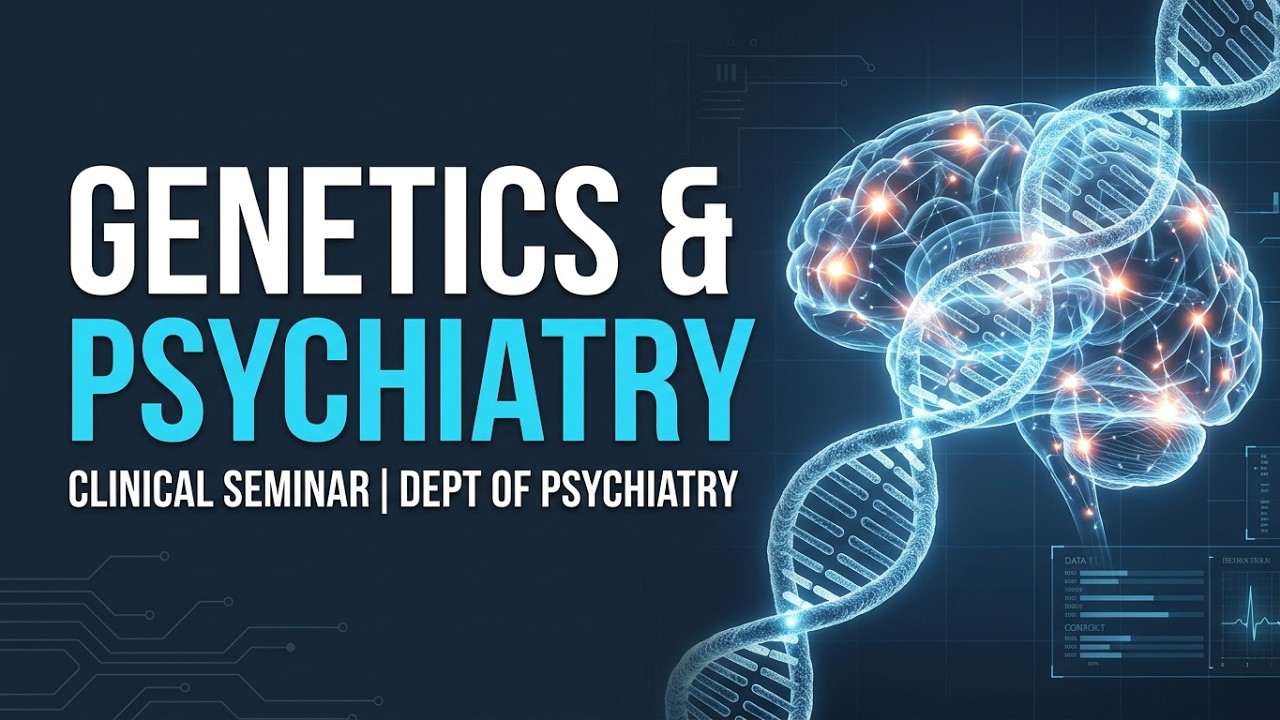
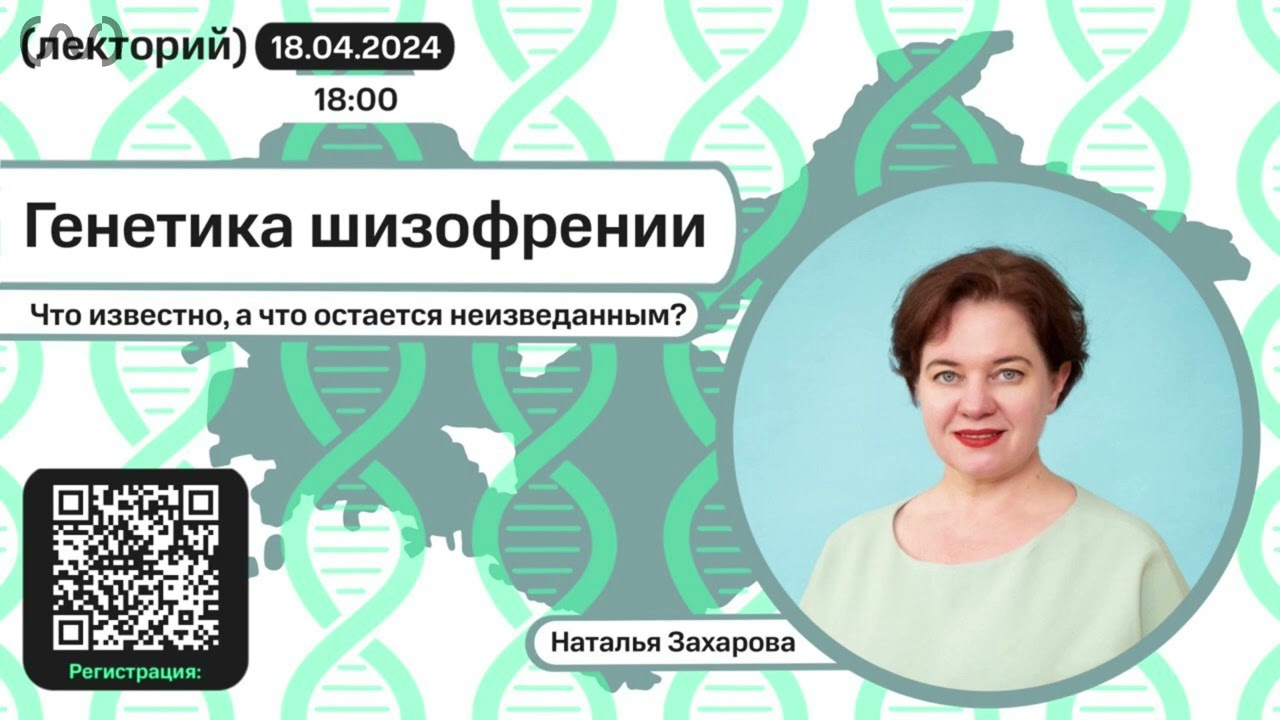






Complex psychiatric cases require comprehensive, individualized approaches that address multiple comorbidities and consider genetic, developmental, and environmental factors; early intervention and evidence-based treatments like CBT are effective for many conditions, but treatment-resistant cases may need alternative approaches including pharmacogenetic considerations and personalized medicine strategies.
Complex Psychiatric Cases: Diagnosis and Treatment Approaches
Added:Familiarity with the DSM-5 (or ICD-11) diagnostic criteria for major psychiatric disorders, such as schizophrenia, bipolar disorder, and major depressive disorder.
An understanding of basic psychopharmacology, including the mechanisms of action for standard classes of psychiatric medications (e.g., SSRIs, antipsychotics, mood stabilizers).
Knowledge of the biopsychosocial model of mental illness, which outlines how biological, psychological, and social factors interact to influence mental health.
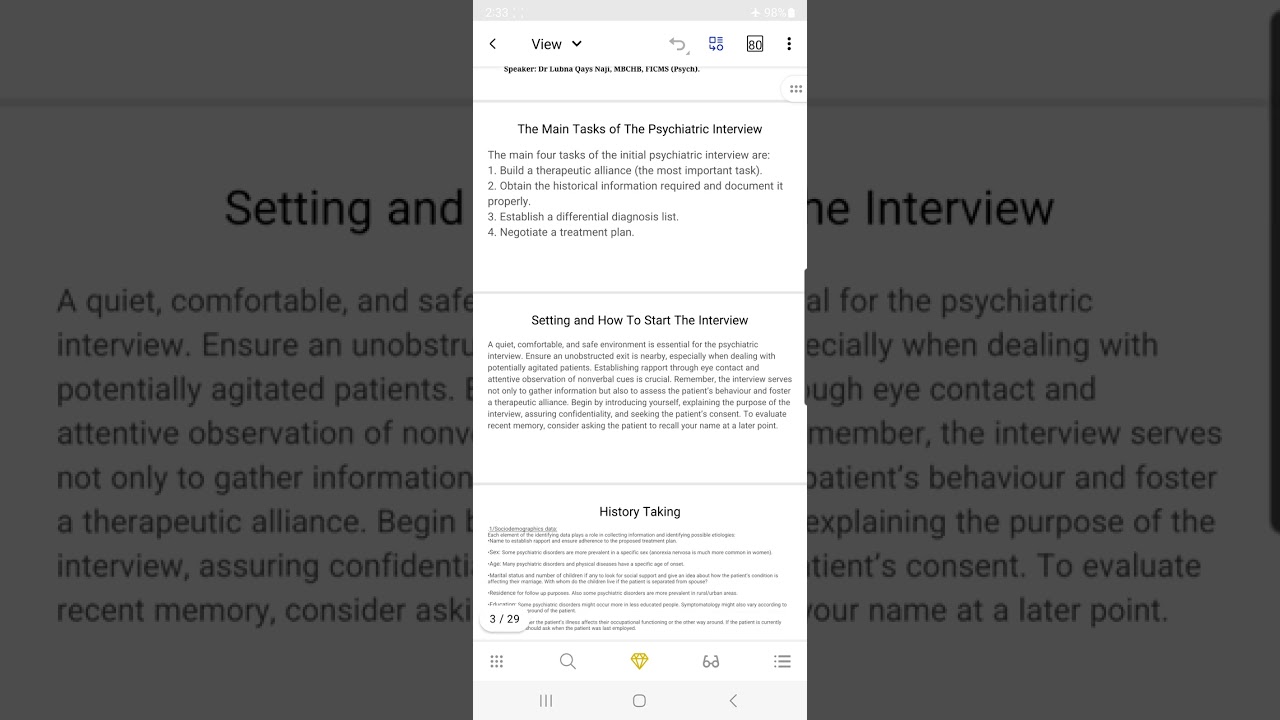
A foundational understanding of clinical interviewing techniques and the process of differential diagnosis in psychiatry.
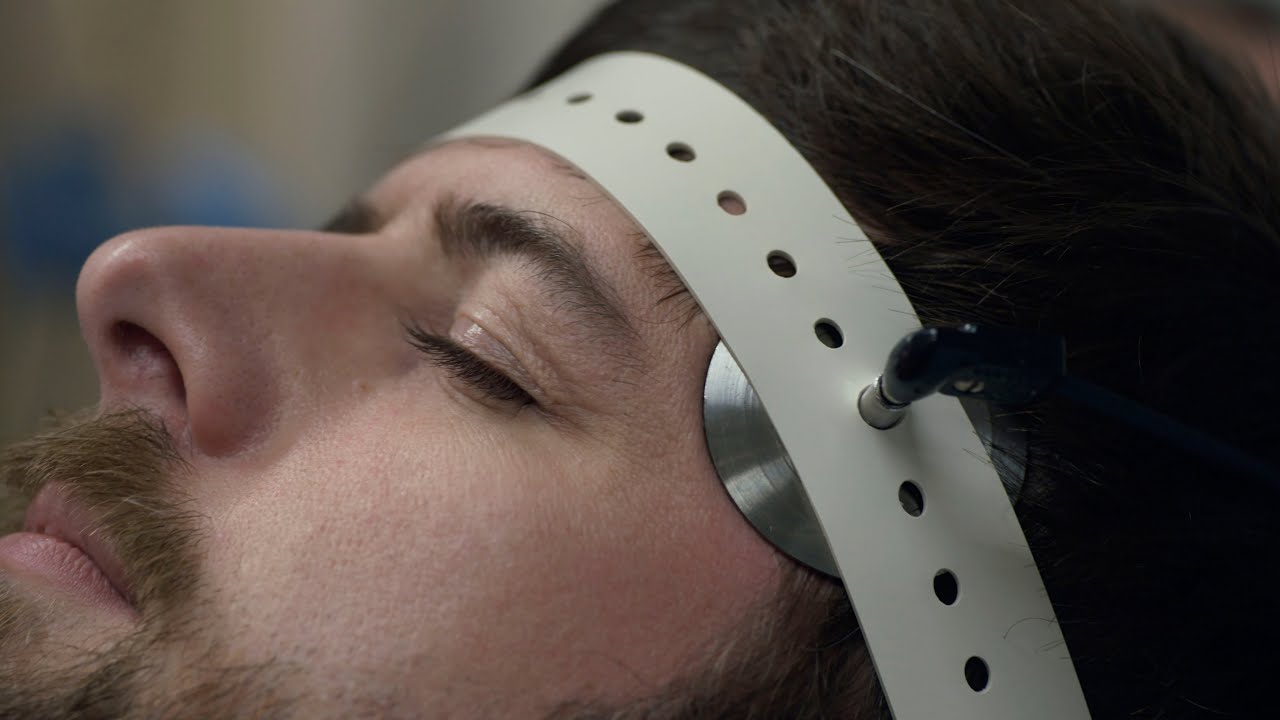
Advanced therapeutic interventions for treatment-resistant conditions, such as electroconvulsive therapy (ECT), transcranial magnetic stimulation (TMS), and esketamine.
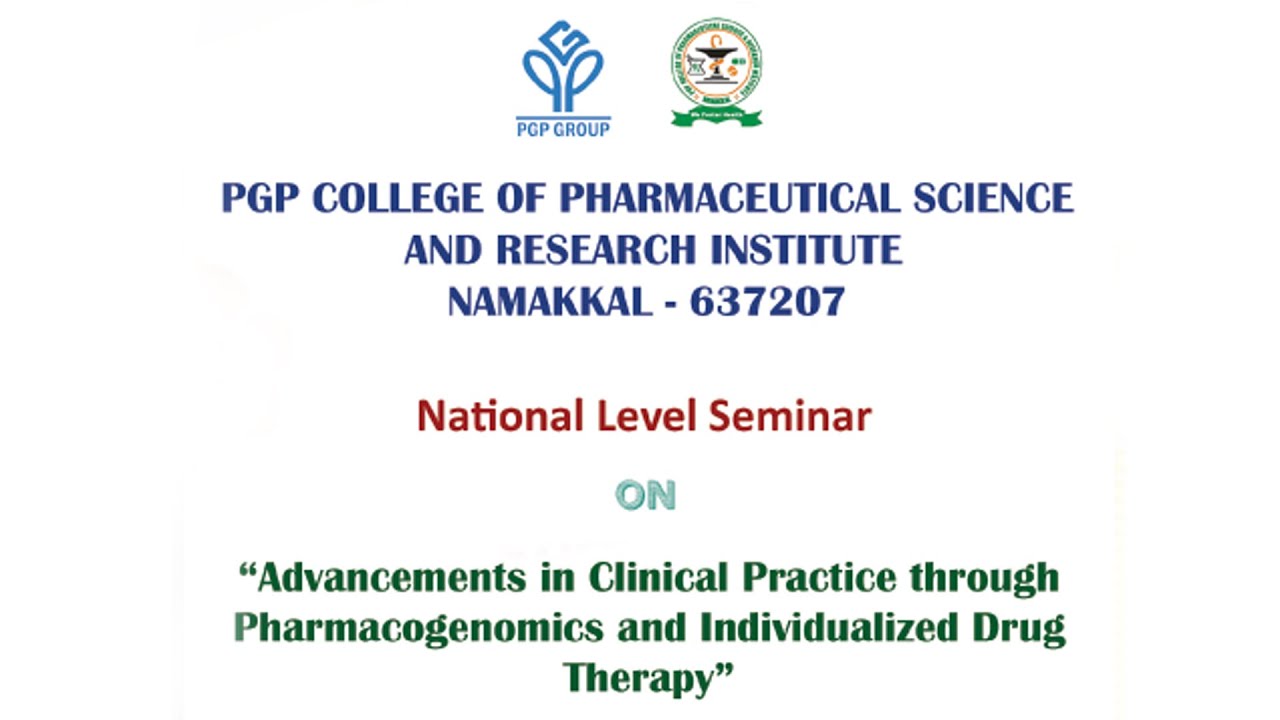
The role of pharmacogenomics in personalizing psychiatric treatment plans based on a patient's genetic profile.
Interdisciplinary collaborative care models that integrate psychiatric care with primary medicine to manage complex comorbidities.
Ethical and legal considerations in complex psychiatric management, including assessment of decision-making capacity and involuntary treatment protocols.
77.3K views926likes50:37Original Release: 2017-06-20
what we try and do at nework Presbyterian in Colombia is to provide the best in mental health care and psychiatric medicine that can be found anywhere and uh it's an ongoing process of not just providing the best But continuing to update our knowledge and the treatment we provide based on the latest research and in doing so uh we treat standard Garden variety types of illnesses but also those complex cases that are difficult to diagnose or are not responsive to treatment or have various comorbidities so if uh individuals have not had success in terms of having their illness correctly diagnosed and treated elsewhere New York Presbyterian is the place to come much of what we do is early intervention although we do see people across the age range and we're very focused on families trying to help families understand what is going on with their child and what they can do as well as working directly with the kids so we have a state funded Early Intervention Program that goes up to age three that provides all kinds of services so we see kids in a little classroom I mean it's a tiny classroom because these kids are mostly two years old some not even two um we see them three times a week in the classroom we offer occupational therapy speech therapy counseling for the families and then we coach the families on things that they can do with their own child um and then we have support groups for parents and we this is all built on a pretty detailed evaluation because the kids even at age two are so different from each other we know it's a neurobiological disorder we know there's a genetic component but we don't have biological markers there isn't a blood test there isn't an MRI that can tell you you have autism or what kind you have so we're looking at two kinds of behaviors social communication and restricted and repetitive behaviors and every child and every adult with autism is a bit different in how the deficits in those areas are different in addition we have um General issues sometimes autism is associated with intellectual disability I mean that's not so clear when you have a 2-year-old or a tiny child um but eventually it makes a huge difference if somebody has very severe delays across the board versus somebody who has autism but is actually of average or higher intelligence and then there's also a range of language skills so people can be quite intelligent but have specific difficulties in language um there's a range of Motor problems some people with Autism are very clutzy or awkward and other people are not um and then there's also a range of behavior problems that in children overlap with other aspects of Psychiatry or psychology like tantrums and hyperactivity and anxiety um all the things that anybody would struggle with and as you get older you begin to see depression in some kids and and in very rare cases overlap with things like bipolar disorder or schizophrenia you have to take into account those comorbidities all along and sometimes we know for example that a child is having a temper tantrum because he didn't understand what was going on and the expectations were just unreasonable and so there's there's a behavior problem but it really does come out of the autism there are other times when a child is truly impulsive and hyperactive in addition to the autism and when you have those situations it often multiplies I mean you have a multiplicative effect of a child with two problems that make anything much worse um also some of the things that families struggle with or or make a big deal at school are these comorbidities if a child is very very anxious he may not want want to go out of the house and so it's not just the child's autism that keeps him you know afraid of going to New Jersey but it's the it's the anxiety and so we need to figure out ways to treat both and when can we use the standard treatments that you would use with anybody and when do you need to do something differently one of the things that can be conf can be confusing to to parents and families is that their child may have a range of for example in anxiety a range of different anxiety symptoms and for children it's rare for them actually to present with only one anxiety diagnosis and they often have uh um at least one other and we have a range of anxiety dis diagnoses you can you can um identify in children adolescence and and they're quite similar to adults with the exception that if for example for generalized anxiety the child is worrying about things that make sense so the assessment is really important in terms of being sure of what are the different areas that the child is having difficulty and where does the child symptoms impact their everyday life in school at home with their peers so that you can really develop a treatment plan that will help in all of those areas we have very good um evidence-based treatments available for children and adolescents with anxiety disorder there still can be a percentage of children that don't uh respond they may get a little bit better but they may still have symptoms that are really quite impairing and difficult for them and you know you'll see a a wide range of reports of this across different studies but in general um the reports about 30 to 40% when you look at what we call a really excellent response meaning minimal symptoms and not leaving leading to functional impairment we realize these first line treatments are good but um when you really look for more of that excellent responder status where where the child is really functioning well um those numbers are percentages do drop um and are more uh around you know the 40% area in thinking about children and families that find that they've tried very hard and they've had an adequate dose of firstline treatments whether it be a Psychotherapy or a medication treatment what are the you know other options and certainly um one thinks about did they miss a diagnosis are there other comorbidities that should be targeted are there other environmental factors that need to be addressed that you know one may not have identified or becomes more obvious after you've treat some of the symptoms so all of those things need to be examined and once those things are addressed what still are we left with with being able to help a child or an adolescent that is still struggling with with anxiety symptoms and the truth is there's really limited options and what we see um is our you know certainly for clinicians trying to turn to other compounds that me in particularly certain types of classes of compounds like the atypical antic psychotics as a way to try to treat more refractory anxiety symptoms however we don't have a lot of evidence if that is the best approach um for treating children adolescent then we do know from some of the studies um and particularly in studying for adult obsessive compulsive disorder um looking at the addition of atypical an psychotics versus adding on more intensive cogni behavioral therapy that cogni behavioral therapy seems to have a more robust response than adding on atypical an psychotic so we don't have similar studies available to us in child for the Child and Adolescent populations um so we do need more research in the area of thinking about how to sequence treatments or what other classes of compounds we are there are studies going on across the nation looking at that but it at this point in time there isn't one particular class of medication that one could say wow this is the best next step we should take after you're you're clear that you've addressed all of these other issues and so that that is a challenge and an area that we need to do a lot more work I think one of the challenges um that we face today is really alerting everyone to the fact that the vast majority of Psychopathology really starts before kids graduate from high school and that the numbers are large about 20% of kids will have a mental health problem before they graduate from high school I think a number of the kids that that we see presenting with anxiety disorders between 6 and 12 actually probably met criteria for Behavioral inhibition at Birth there's you know that that very early literature of kids being kind of quiet and and a little inhibited even at a very early age and then over time it emerges into the anxiety syndromes if you really you know you really drill down on a young kid with with tick disorders he'll have ticks he'll have these repetitive behaviors but then he'll have separation anxiety so if you if you're not looking too close you could see the distress of the separation anxiety mix that with the repetitive behavior and see something that might look to you like an anx iety driven OCD phenomena when we talk about Tourette Syndrome we ask people not to worry too much about the tick because if everything else is working right those the ticks tend to go away on their own but what you tend to see uh with the comorbid conditions like ADHD and the anxiety OCD those things pick up steam over time and it's important to get to them early the genetic Studies have not been that successful in finding uh um an anxiety Gene per se but what we have found is so when the way it's normally done is that there is a an attempt to gr uh gather as many patients of a similar diagnosis and then do sort of like massive scanning of their genome for sort of alterations or mutations or variations and that has not borne much fruit it has borne more much more fruit in the area of schizophrenia but not in terms of depression or anxiety disorders this period of time in ad adolescence is actually also a period of of great plasticity and opportunity because it suggests that you can intervene in ways that that you can't intervene at other periods of time and this is sort of what we've you and I have discussed before about the idea that you could have potentially developmentally timed treatments that there that you can take advantage of this plasticity for example if you do some type of of of cbt-based therapy you might be able to have a greater effect it's something these are questions for the future but it's something that that if you can tailor it to each developmental wave that we've been talking about whether it's it's the childhood or the periadolescent wave that we could sort of develop individualized treatments and knowing that that basic Neuroscience is telling us that essentially the brain is very plastic it's very open to to modifications and possibly doing things such as even building in resilience we want to we can actually buffer them in ways by various treatments so it's not just that we I think this also suggests that that you should not just hover and and keep your children indoors but actually take them Outdoors let them see in new environments let them soak in because they're they will be able to integrate things much quicker and much better during this period of time than at other periods of time especially if they if they're handling an anxiety or a depressive disorder been recently been able to do is show that if you give um sort of an exposure-based treatment to try to diminish fear in mice that had been previously shocked that if you give if you stimulate the hippocampus during that period of time you can actually you can get a much more effective attenuation of fear so it suggests that and to the point that there it is is it that they won't experience fear later on in life and so it suggests that you can actually build in sort of resilience to fear by stimulating the hippocampus during only a defined period of time that again it seems to uh correspond to the second wave of we were talking about between 12 and 18 years of age we're working very hard to try to understand what are the brain systems that go Ary that lead to obsessions and compul so what do I mean by that um you know all of our behavior is produced by our brain so the fact that I'm talking with you here right now means my brains enable me to produce these words likewise if I had obsessions and compulsions it means that something's going on in my brain that's that's causing me to have those obsessions and compulsions but to be very clear it's a very different question and our assumption is and the data suggest that there's um abnormalities in specific brain circuits that are associated with obsess with obsessions and compulsions and we know this from brain Imaging studies where we um can see brain abnormalities in patients with OCD compared to um healthy participants we don't know what causes the brain to be to develop that dysfunction um in individual patients and that's a really important question that many people including us are also trying to answer and one of the ways we're trying to do that is through a proc ision medicine approach and what that means is um recruiting patients with OCD with early onset OCD which is thought to be the most heritable um and working with um and and working with geneticists um to look at the Genome of individual patients to see whether we can learn anything about that genomic analysis that might either identify uh new risk genes um uh or lead us to develop tored and targeted treatments for that individual we're really focusing in on these treatment resistant patients and trying to figure out novel treatments for them as well as better understand what are the mechanisms underlying obsessions and compulsions so we can develop targeted treatments some of the repetitive behaviors we see I I don't think are driven At All by the same things that happen in OCD so we have people that love their repetitive behaviors I mean really get substantial enjoyment about talking about Subways or riding on subways or looking out of the corner of their eye it's often repetitive but but there it is a source it's a positive source of enjoyment for the child or adult um and I think that there isn't often we can redirect it without somebody feeling particularly agitated you know if they have something else to do but it is something that they both seek out when they're happy and sometimes when they're upset and sometimes when they're bored so there's lots of reasons why someone might do it when we think about OCD we think about obsessions intrusive thoughts images or urges that generate anxiety or distress and then we think of compulsions repetitive behaviors or mental acts that people do over and over again and it's interesting in the field of OCD right now there's a lot of debate the old model said obsessions drive compulsions so you get anxious or afraid and your compulsion you're doing to um reassure yourself if you will you know there now a lot of new models where maybe it's where people are positing that the compulsion comes first and that the obsession is an afterthought or a post Haw rationalization now in fact that model can't explain the full panoply that we see but it is true that in many of my OCD patients there's a tremendous distress and anxiety um and these and they feel driven to perform these behaviors over and over again and in general it's not pleasurable there absolutely are people with Autism who I think have pretty classic OCD I mean I knew a young man who absolutely had to stop at certain stop lights and if he didn't stop at that stoplight he would go around the block until he stopped at that stoplight and if he somehow got urged through that light and could go around he was it wrecked his day I mean he really wanted to go back over there and there is that element I mean the element of wanting to do something over just in the way that you've done I think isn't I don't I don't know how obsessive that is or compulsive because I think people with Autism also sometimes miss the point I mean they don't understand that if I put a bubble jar here um for them to blow bubbles it doesn't have to be here it's me that put it not that the bubble jar belongs here but there also is a sense of like I want these things as they were we have longitudinal research where we followed children from Age Two who are up now to 25 kids referred for possible autism and we've looked at the course of their development and one of the things we predicted was that there would be an association between anxiety and repetitive behaviors now we didn't break them up into OCD like repetitive and others but we thought that those things might travel together and and actually we found that in fact they don't you know they're really separate and there are there is a subset of people with Autism who have both and that is very impairing so even if you're brilliant and you really made progress if you're really anxious and you need to repeat things then it's really it it impairs your life Eating Disorders are complicated illnesses um probably among all the illnesses in Psychiatry they are the ones where um the body and the brain are um both manifesting these conditions in so many um in so many different ways and these are illnesses that commonly co-occur with um symptoms from other psychiatric conditions or or maybe full syndrome um illnesses we often see mood disorder together with Eating Disorders we frequently see anxiety disorders certainly in anorexia nervosa we may see anxiety disorders or obsessive compulsive um symptoms or full disorder even before the eating disorder develops and um as we learn more we're um uh really trying to see what relationship those conditions have but as we're managing these illnesses this comorbidity and the complicated fabric of these conditions um becomes um important for for the clinicians and the many different disciplines of clinicians who work together to take care of these patients um it becomes an important piece as we're trying to figure out the best approaches for these patients the treatment for all of the Eating Disorders requires a sense of the behaviors that are Disturbed and the behavioral change that we really need to see um for most of the Eating Disorders we're aiming to help individuals do something very very difficult which is to normalize behaviors that have gotten way off track and for some of our patients to normalize their weight in addition so we're asking in whatever setting they're going to receive the treatment and for some it may be an outpatient behavioral approach maybe something that needs cognitive behavioral therapy or for our younger patients with uh anorexia nervosa sometimes it's a family-based treatment that focuses on behavior for some of our more severely affected we're using um day treatment programs or hospital-based programs and at New York Presbyterian Hospital we've got a range of services uh for these folks and what we're working on is helping um individuals better understand what um uh behavioral disturbances they have and helping patients sometimes very uh ambivalent patients who may be reluctant to make these changes helping them change um their eating and their weight uh so they really can achieve full recovery one of the things that we think about at our specialty program at New York Presbyterian Hospital is that we never give up recover is always possible and so folks may have participated in other treatment programs their Readiness for change might be different and our comprehensive Services might make the kind of difference um you know that individuals need it's very important in these treatment programs that we think about partnership a patient's Readiness for um the kind of change that's expected and um you know the non-judgmental sense that we're there for when someone's ready to do this hard work genetics and biology play a big part to the development both of psychiatric and substance use disorders but then there's a whole course that unfolds so you have a kid who has problems with concentration or focusing in school has ADHD and then you know is performing poorly getting negative feedback their self-esteem is lower they get involved with marginalized peer groups who are involved in drugs so that the course could be may they they're they may be somewhat of at higher risk because of their biology but then there are all these psychosocial factors that influence whether or not they have a problem one of the big elephants in the room when you talk about addiction is psychiatric comorbidity and I think that's often underrecognized and undertreated frankly uh you know almost half of patients with a substance use problem have some psychiatric comorbidity and if anything they have more than one so um as we talked about before I mean I do research uh in people who have substance use disorders and attention deficit hyperactivity disorder but I can tell you in my private practice and in the real world they they're often having depr depression anxiety it's not just one psychiatric comorbidity so it gets even more complicated when you see this population and you're evaluating them for the first time of what's going on and what do I address first and and I think it's a complicated issue and clearly uh as a psychiatrist we're in a good position to address both the substance use disorder as well as the psychiatric disorder people often make this distinction of which treatment is better and I don't think it's a function of which is better I think that uh based on the patient it depends on whether they need simply Psychotherapy treatment or whether they also would benefit from pharmacotherapies I think in general pharmacotherapy treatments are are um very much underutilized uh here in the United States as well as in the rest of the world for many years there was a lot of therapeutic nalism about treating uh psychiatric comorbidity when somebody has a substance use problem that you should go after the substance of problem first and that was sort of what I was trained 30 35 years ago I think with all the data that's come out out um Dr Nunes and I did a men analysis looking at treatment of depression and substance use disorders that uh probably the best way to go in comorbid populations is treating both simultaneously and addressing both and that it was sort of like the belief that you shouldn't treat nicotine dependents if you're trying to get someone free from opiates or alcohol and now we know that probably treating both simultaneously is a better way to go and have a greater likelihood of success ignoring psychiatric home morbidity or not addressing it uh you're more likely to fail in terms of successful treatment of a substance use disorder so they really need to be looked at conjointly most referrals came from the adult parents of adult children uh they would call and say you know I just saw my daughter at Christmas and she was really irritable she snapped at her grand mother um and there's something wrong and uh can you see her um people would call and say I don't know what's wrong with me I'm having getting fights with my spouse I'm not getting along with people at work um I'm just not the same anymore uh and I would say well have you ever have a trauma and they'd go no and then we go through a long laundry list of traumas including the World Trade Center and someone would say oh yeah I was there but that didn't affect me most common symptoms are the ones that are often most difficult to recognize avoidance it's human nature to avoid what's painful right so we avoid thinking about anything that's painful if we can we avoid our emotions we avoid going back to places that remind us of our trauma but so that could be and it may not be as obvious um because as trauma we think of it as uh our our memory for trauma as being cused to becoming cused to fear and so it may and those generalize out from the specific event so you could have been at the world Trade Center and perhaps not even been in the building but outside witnessing it and then over time you'll become afraid of tall buildings so we had a patient who um actually broke up with her her fiance because he lived on the 30th floor of an apartment building and she was terrified to go into his building of course she said that she was breaking up with him because they didn't get along and there were a whole host of other problems the good news is that after treatment she realized that was she was just scared to go into his building and they got back together and they got married but at the time she had no no recognition that that um that she was avoiding uh his home because it reminded her of being at the World Trade Center first of all most patients don't get to us because they don't recognize they have PTSD at um and so by the time they do though they've changed their life and this pattern of avoidance is woven into the fabric of their life and then they don't recognize it so they'll say you know someone who used to enjoy going to to soccer games um uh will say I'm just not that interested in anymore rather than oh yes after the World Trade Center I recognized that I stopped going to soccer games or after I came back from Iraq I recognize that like the noise and the crowd scare me so I don't go well I think that there's a per pervasive stigma for any psychiatric disorder but with trauma it seems to be particularly bad it's like we're adding insult injury if you will you've had this horrific experience and now the doctor saying oh you have a psychiatric Disorder so that that's part of it uh and the other part of it is a lot of people who have trauma particularly the people we see in our Clinic we see a lot of First Responders police officers firefighters um are military combatants so active duty reservist um and National Guard and many of the people who go into the military then when they when they retire are interested in going to become cops or in the fire service or the FBI and they're concerned about the stigma of having a psychiatric diagnosis um and so that that is a real problem in persuading people to come into treatment at the time of the World Trade Center there was really only a little bit of evidence for one particular treatment that's exposure therapy and at the time it was mostly with interpersonal assault um but after the World Trade Center we knew thousands of people would likely develop post-traumatic stress and we needed to start somewhere so we had our clinicians trained in exposure therapy which is a cognitive form of cognitive behavioral therapy in which you go over your trauma as if it were happening again in the present tense and in the safety of your therapist office that's very key um it takes about nine to 12 sessions for people who only have post-traumatic stress disorder without a comorbid depression or personality disorder or history of trauma uh to get better and so we start with that as the first line treatment but there's a significant number of people who don't respond to that depending upon Whose study you look at maybe 25 30% and so after the Trade Center again knowing that there would be a significant number of people needing treatment um we decided to engage in using virtual reality simulations of trauma U it's been shown at that point to be effective for some phobias like fear of flying uh and fear of heights and and crowds and the treatment for phobias is very similar it's it's a form of exposure therapy and so we created a simulation of the World Trade Center and what happens is when you put on it requires um a 3D computer software program and a headmount in display and when the patient puts the headmount in display on they're actually seeing the scenario of their of the World Trade Center and then they're able to narrate um their their trauma memory and we find with we we think probably that for people who are more avoidant and numb it will end up being the treatment of choice when once all the data is collected we know now that it's effective and that uh people who are offered this treatment get better we don't know which form of exposure the therapy is best for whom what you and I have been working on is the idea that in addition to trying to figure out the central question of who responds and who doesn't respond is it possible that we could have some type of of biomarker that will help guide our treatment so that we just don't have one size fits all type of treatment and there are genetic biomarkers that are fairly genetic variations that are fairly common in the population for example the ones that are in the 30% range so the idea is that we could possibly go work and figure out whether or not there was some type of of genes that might be involved in exactly this exact learning process of of that is integral to exposure-based treatment which is learning that previously dangerous stimuli or no longer dangerous and you need your prefrontal cortex and you need these plasticity factors a growth factor in particular called brain derive neurotrophic factor and there is a point mutation in there that 30% of the population has and uh and the study you and I are doing right now so the data are not completely in yet but the the idea is that that if you have this you might not respond as fully to a course of exposure-based Extinction based learning uh for this type of treatment it doesn't mean that it's not going to work it just means that you might need to modify the treatment for example a few more sessions and stuff so that's the what I think is very interesting then we will be able to to see whether or not we can sort of see that we have we that the variation in response might be due to genetic variation one of the other main treatments for PTSD is a phical therapy of of using um serotonin reuptake Inhibitors which actually raise the levels of this one molecule bdnf and that it's possible that if we can find drugs that don't use utilize this as a final common pathway this would be another way so you could use genes you could use uh combination behavioral but also pharmacal therapy that in the future might be and this is what we're working on right now where in addition to the behavioral intervention you would actually want to have a combined uh behavioral plus pharmacology involved often you haven't seen your spouse or your children for years you don't have a job if you if you if you've decided to separate from military and retire you have to go back out in the workforce your colleagues don't appreciate necessarily what you've seen almost in all most cases most of the men and women we see with PTSD always think that the other guy the person that was injured more severely or maybe their buddy who was killed that that situation is worse and so they don't tend to their own own needs unfortunately or their body armor now is amazingly effective for the neck down so the signature inj injuries of War now are post-traumatic stress and traumatic brain injury we often have to tease apart what aspect of the patient's presentation is a function of a psychiatric illness it's a function of a medical problem uh cognitive impairment uh psychological reaction is this um part of the social um you know structure or is this maybe a cultural variable um so that's the first step is being able to keep all these things in mind and that diagnosis which is the pointer really of treatment is not a you know onetime Affair it's really a process um and it entails not only talking to the patient but also getting collateral from you know their Pro mental uh their medical providers uh their family members members from the community uh who know them well and after that um you know we can sort of establish a sensitive and individualized treatment plan um that often um entails um different modalities um including individual therapy group therapy uh substance of use counseling um doing a lot of reach out to the community case management um and and a very strong psycho educational component I think that's that's key I personally feel that groups are very very powerful to um help patients remediate many of these experiences first of all it gives them an opportunity uh to you know be part of a group to feel included in in a group um to be part uh of uh of uh of perhaps men women who have experienced have experience the same uh difficulties uh we have to remember that many of these patients are incredibly isolated um so group membership is very powerful that's the advantage of the shift towards more team-based care and task shifting um where um you know you you come up with a collaborative care plan that's that's involving everyone one around the table and it's clear who's doing what and you sort of defragment the sort of silos uh between disciplines uh and you start to identify with a team more than more than with a particular discipline uh or a particular um unit or Department um uh you sort of you know the the patients care team becomes the new unit um and that that shift and identification and breaking down those silos is what's happening with a lot of these sort of changes in the healthcare delivery system and sort of incentivizing more team based care we offer Comprehensive Mental Health Services to patients that fall into one or more of the following three categories one of them is LGBT community uh people that are infected or affected with HIV and the third one would be uh comorbidity of uh mental health disorder and a substance use disorder or a dual diagnosis and our patients come in a an array of very complex uh mental health problems and they also come in different stages of the development of their sexual and gender identity okay we we we treat patients that um from very diverse ethnic backgrounds and uh they're also largely underprivileged and largely uh underserved and I think it's incredibly uh prevalent that many of our patients come in not only with recent trauma but we see a lot of patients have recent trauma in instances like the ones that you describe but also have very complex histories of childhood abuse um or neglect or physical abuse and this compounds with the most uh recent trauma so their patients are incredibly uh challenging to treat first of all because they come in already with a bias that they will be rejected that they will be violated they will be um uh perhaps uh not treated you know very well and that's a barrier for treatment so you know often we see a lot of ambivalence of wanting help at the same time being very scared of getting that help because of these experiences this population is so used to being marginalized and stigmatized that they they learn to compartmentalize their their own struggles and sometimes they delay medical or or psychiatric help I think it's important to keep in mind that even after the patient has been diagnosed and the treatment has been established the the treatment plan I think we need to be flexible and we need to be we need to make make sure that the evaluation and the assessment is an ongoing matter because sometimes this complex diagnosis change over time like sometimes the substance abuse stops and then something else comes to the surface that we that we could not see because of the other problems so sometimes the medical comorbidities are better managed and then we can we can actually treat the psychiatric illness better so I think it's important to keep in mind that because of these complexities we we need to have an ongoing assessment of what the patient problem is and then tailor the treatment the continuing day treatment program is a 5ed day a week Monday through Friday program we have um major mental illness schizophrenia bipolar disorder uh borderline personality disorder and major depressive disorder uh the reason why patients come to this program is usually because they have psychosocial dysfunction they've lost their jobs they've dropped out of school mainly because of their illness so they are in need of Psychosocial rehabilitation in addition to standard treatment with Psychotherapy psychopharmacology we have a team of social workers and occupational therapists they provide specialized treatment depending upon the diagnosis so for example patients who are schizophrenic receive CBT for psychosis patients who have borderline personality disorder receive dialectical behavioral therapy DBT Etc so every patient has a team which are comprised of a psychiatrist to provide psychopharmacology and social workers occupational therapists who provide individual therapy and group therapy targeted toward you know the diagnosis and the specific problems that the patients have these people do have dysfunction social vocational educational dysfunction so they're in need of more than just say once a week uh Psychotherapy or once a month psychopharmacology they need more specific targeted programs to address their uh deficiency IES in terms of you know getting back to school getting back to work getting back into relationships with friends families and spouses and so forth typically patients are in our program for 6 months to 18 months so it's a long-term program which is rather unique in in Psychiatry right to have such an intensive program that goes on for such a long period of time late life depression is is more difficult to treat than depression of early life for a variety of reasons first because there is an accumulation of the a good number of patients have early life depression that is recurring and comes back and again and with every episode The response to treatment is lower is diminished however another group of patients are people who develop depression for the first time in their late life this last group is called late on depression and they're more likely to have cognitive impairment resulting from brain impairment in circuits that have to do with mood regulation and with cognitive function the patients with COG itive impairment have been particularly difficult to function especially those that have impairment in executive functions um the anti-depressants work much less well than anti-press than the anti-depressants work in depression late life depression without executive impairment this is a finding of my colleagues and my group and has been and has been replicated many times anti-depressants don't work in the elderly as well as as they work in the young especially and in particular in elderly with some degree of cognitive impairment and specifically executive dysfunction is what interferes with response to anti-depressants so so a number of behavior therapies have been developed uh one of one of them is problem solving therapy that I mentioned earlier another is a therapy that we developed and and we're currently testing it is called engage and it is based on a neurobiological theory in which which implicates the reward system as the main as the main system impaired in late life depression uh so they treatment was because it is based on reward exposure the treatment was simplified to the point that it can be used by clinicians in the community and the theory is that repeated reward exposures through neuroplasticity strengthens the function of the reward system and therefore reduces depression while this is the main mechanism of treatment other type of abnormalities in the brain such as impairing the cognitive control system or impairment in the in the arousal system or impairment in the negative veilance system have been have may contribute to the point that a person cannot get to reward exposure for example if somebody has negative veillance impairment and clinically presents with negativity bias anything that you propose to him as a rewarding activity or or rewarding function would lose its value because they wouldn't be able to see it a current cohort of all people because the upcoming cohorts may have very different patterns of addiction the current cohort is either addicted to benzoin or opiates prescribed by their own Physicians they tend to not increase the dosages they tend to stay on the same dosages except God increases the dosages in the sense that they get older and the same dossage becomes much more difficult to tolerate so we have Falls we have we have confusion we have often uh worsening of cognitive dysfunction on an already compromised brain by aging or by disease alcohol rated admissions are as high for the elderly as Mi Admissions and that was something that was surprising to me but you could imagine that again the alcohol use patterns in a younger individual if it's maintained into older age it's going to become more problematic that as well as cigarette smoking that the that the medical complications and also psychiatric comorbidity is going to become a greater issue as as we age what's unfortunate is so few doctors are screening older populations for alcohol problems or for other drugs of abuse and therefore it goes unrecognized despite the fact that brief intervention something called esperate screening and brief intervention in referral for treatment uh if anything works better in older populations and it's often not applied a lot of the the theories and what you've thought of or thinking about for treatment for uh depression in geriatric populations is also some of the approaches that are frequently used uh both in younger as well as older patients with addiction uh particularly emphasis on the reward basis one of the most effective treatments out there with to date is contingency management therapy which uses rewards uh and but the con but the ability to maintain that Improvement once the contingencies are removed you often need something like cogni behavioral therapy which can maintain the Improvement so similar uh parallels exist in terms of treatments and often there's not a lot of cross talk among the Specialists about what could be used and given that so many elderly patients with depression also have psychiatric substance use comorbidity uh thinking about interventions that can Target both I think are very important in Psychiatry what's interesting is that I think one of the major advancements of the last um decade and a half two decades is that we're starting to really get a better understanding of the genetic architecture of a lot of psychiatric disorders like autism like schizophrenia like bipolar illness um where before we were grouping people together just based on phenomenology like it's done in the DSM now for the first time we're trying we're starting to get a sense that some disorders that we group together as being one disorder are maybe two separate disorders ERS whereas things that we conceptualize as two different disease entities May sometimes in fact be one and the same or different phenotypic end points of the same disease my lab specifically works on on on this on advancing this cause and we do that on three specific levels the first level is that we do genetic studies just like the ones I just described where we go out and meet with interesting subjects who suffer from a given disorder or who have a family who suffer from a given disorder sometimes we work with what are called founder populations with which are genetically isolated populations um who have remained isolated for generations and therefore are genetically more homogeneous uh one example is the Amish community in Pennsylvania that we work with um and what we do is we we find individuals who suffer from disorders for which we have very little treatments available right now like autism at the moment there's only two FDA approved drugs available um which do not really Target the core symptoms of the disease they are symptomatic treatments but don't really lead to Improvement into core symptoms and don't really improve quality of life life all that much so there's a a dire need to get to a better understanding of the disease so we could come up with better treatments so with our genetic studies we try to screen those individuals and come up with genetic analyses that point us in the direction where the genetic mutation or mutations are that cause that particular disease the second part of what our lab does is we take those findings from a given patient or a given family or a given population and then study that in different model systems so we use Mouse models uh transgenic Mouse models where we create the mutation in the mouse and then studied how it affects Behavior and the Brain structure and function or stem cell models where we introduce the mutation where the mutation is already there because we get cells from the patient's blood cells that we transform into neuron neuronal cells and then we study the function of those cells and what that allows us to do these model systems is to really hone in on what the disease mechanism is for a given patient who has that particular mutation we have one example now of where we actually took these sort of three steps and actually are now about to start a clinical trial so we found a m ation about 15 years ago in individuals with schizophrenia and autism colleagues of ours found it also in an Amish uh Amish subjects as well who live in Pennsylvania um and we then took that finding into a mouse model we characterized those mice who were quite abnormal on molecular synaptic cellular neuros circuitry and behavioral levels these M were very abnormal just sort of like the subjects who had the mutation and we were able to sort of identify the molecular disease mechanism in those M by looking for specific abnormalities in neuronal function and structure and then we were able to screen for a drug that specifically normalizes that abnormality molecular Abal in those mice so we treated the mice with the drug we treated them from birth onwards and the mice never got sick wow and then we treated older mice with the drug and they reverse back to normal so we couldn't really believe that finding at first and we've spent many years trying to replicate it and we were able to do that so now we really believe and feel that this finding is actually very much real and now we've learned that in the Community it's actually such a common mutation that hundreds if not several thousand patients have this mutation and suffer from mental illness so now we have a drug that in our model systems has shown great potential which is an FDA prooved drug for a different condition which could be reappropriated and tried out potentially now for a disease like autism where the alternative treatments that we have are not really making a big difference for these particular patients who are very treatment refractory unfortunately so my hope is that we can within the years that this project started within the 10 15 years we're now actually starting a clinical trial with those subjects from the Amish community who are coming to Columbia to participate
Up Next

141:27
NEET PG Physiology Rapid Revision Marathon with MCQs | PrepLadder
@PrepLaddermedpg
154.3K views•2023-01-19

32:45
Memory and Long-Term Potentiation | Physiology | MBBS Exam Prep
@doctutorialsmbbs
307 views•2025-08-27

10:28
Neuroanatomy: Central and Peripheral Nervous System Divisions Explained
@AKLECTURES
136.2K views•2014-09-20
3:05
Stages of Labor and Vaginal Birth | Childbirth Animation
@nucleusmedicalmedia
52.1M views•2017-08-18
Related Study Plans & Knowledge Roadmaps
Structured learning paths in Medicine
medicine
Interpreting PFTs: Spirometry & DLCO
01Respiratory Anatomy and Physiology Foundations
02Spirometry: FVC, FEV1, and Flow-Volume Loops
03Lung Volumes and Plethysmography
+ 2 more learning modules
12h5 modules
Explore Roadmap
medicine
Abnormal LFTs: Diagnostic Workup & Pathology
01Liver Anatomy and Basic Physiology
02Introduction to Liver Function Tests (LFTs)
03Hepatocellular vs. Cholestatic Patterns
+ 3 more learning modules
12h6 modules
Explore Roadmap
medicine
Analyzing Blood Smears: RBC, WBC & Platelets
01Introduction to Blood Components & Smear Preparation
02Normal Morphology of Blood Cells
03Erythrocyte Pathologies & Morphological Variants
+ 2 more learning modules
12h5 modules
Explore Roadmap
medicine
Mechanical Ventilation: Waveforms & Alarms
01Anatomy and Physiology of Breathing
02Introduction to Mechanical Ventilation & Core Modes
03Ventilator Settings and Waveform Interpretation
+ 2 more learning modules
12h5 modules
Explore Roadmap