











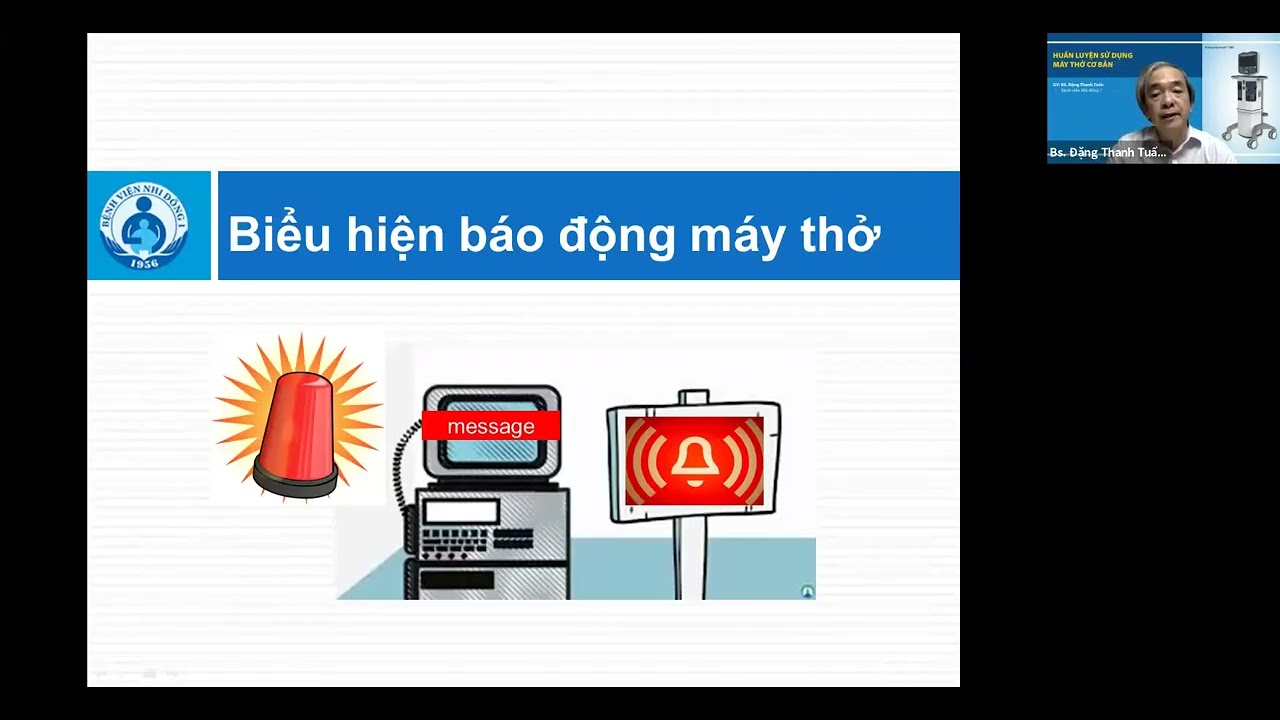
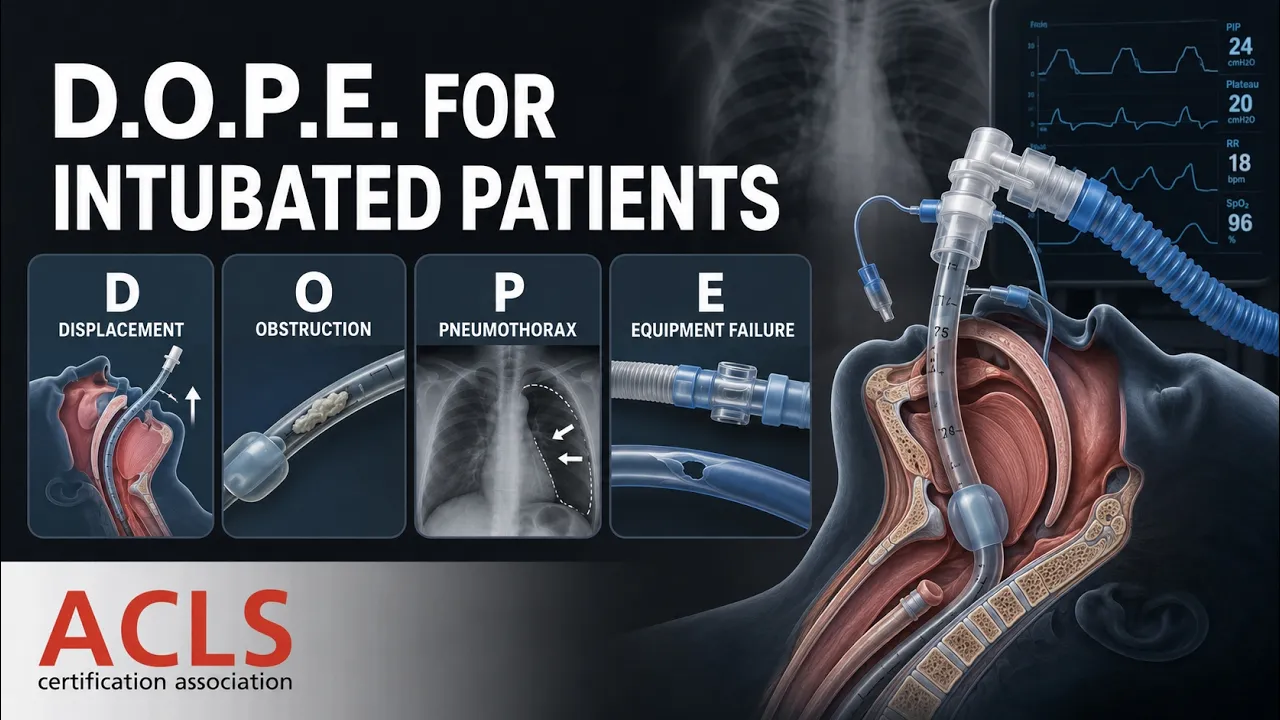


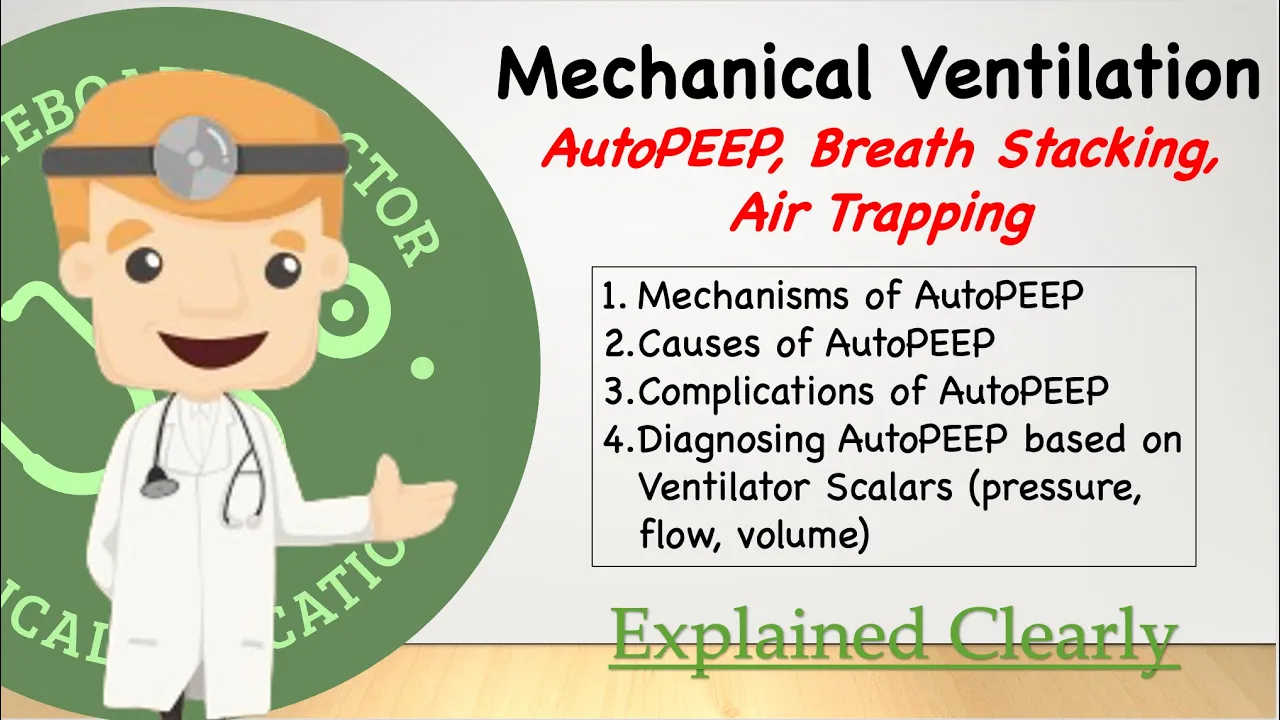









Ventilator alarms are safety mechanisms that alert healthcare providers to potential problems in patient-ventilator interaction; the most common alarms include high pressure (caused by decreased lung compliance, airway resistance, coughing, or circuit kinks), low pressure (indicating leaks or disconnections), low volume (signaling inadequate tidal volume or leaks), high frequency (suggesting auto-triggering or respiratory distress), apnea (detecting insufficient breathing rate), high PEEP (warning about auto-PEEP or air trapping), and low PEEP (indicating leaks in the circuit or endotracheal tube cuff), each requiring specific troubleshooting approaches such as manual ventilation, circuit inspection, parameter adjustment, or addressing underlying patient conditions.
Ventilator Alarms Explained: High, Low Pressure & PEEP
Added:ventilator alarms serve a very important purpose in respiratory care because they alert us as medical professionals whenever an issue is present between the patient and the ventilator we created this video to cover some of the most common ventilator alarms that you'll see when working as a respiratory therapist we're going to talk about what causes each alarm to sound and what you can do to fix the problem as quickly and effectively as possible so if you're ready let's get into it as previously mentioned a ventilator alarm is a safety mechanism on the mechanical ventilator that uses a set of parameters to provide alerts whenever there is a potential problem related to the patient ventilator interaction the alarms can be visual audible or both depending on the ventilator setting and the patient's condition in order to learn each of the different ventilator alarms you must develop an understanding of the different ventilator modes and settings which is something we've talked a lot about in other videos here on our channel in general here are some of the most common alarms that you must be familiar with when working with patients who are receiving mechanical ventilation high pressure low pressure low volume high frequency apnea high peep and the low peep alarm keep in mind that certain machines may include other types of ventilator alarms within their settings these are just some of the most common examples but now let's talk more about each type individually first there is the high pressure alarm a high pressure alarm in mechanical ventilation is triggered whenever the circuit pressure exceeds a preset pressure limit during the inspiratory phase of breathing this is common in respiratory conditions that decrease lung compliance and or increase airway resistance the preset high pressure limit for this alarm is typically set around 10 centimeters of water pressure above the peak inspiratory pressure some other causes of the triggering of this alarm include coughing secretion accumulation patient biting the et tube or a kink in the circuit next is the low pressure alarm a low pressure alarm in mechanical ventilation is triggered whenever the peak inspiratory pressure falls below a preset designated level this most commonly occurs whenever there is a leak or disconnection in the system the preset low pressure level for this alarm is typically set around 5 to 10 centimeters of water pressure below the peak inspiratory pressure if this alarm is triggered the respiratory therapist must first ensure that the patient is being ventilated if the cause of the alarm is unknown the patient should be manually ventilated until the source of the leak is identified next up is the low volume alarm a low volume alarm in mechanical ventilation is triggered whenever the expiratory volume falls below a preset low volume threshold this is useful in ensuring that the patient is receiving and exhaling a minimum tidal volume similar to the low pressure alarm this alarm will also sound whenever there is a leak or disconnection in the system when this is the case the respiratory therapist must ensure that the patient is being ventilated and provide manual breaths if necessary until the source of the issue is identified and corrected the next alarm that we need to discuss is the high frequency alarm a high frequency alarm in mechanical ventilation is triggered whenever the total frequency exceeds a preset high frequency limit this is useful in minimizing tachypnea and hyperventilation the activation of this alarm can occur whenever auto triggering is present due to an incorrect sensitivity setting it can also be a sign of respiratory distress which means that the cause should be identified and corrected as soon as possible some potential ways to do so include adjusting the sensitivity setting and or increasing the pressure support peak flow or fio2 next up is the apnea alarm an apnea alarm in mechanical ventilation is triggered whenever the total frequency drops below a preset low frequency limit this is useful in ensuring that a minimum number of breaths are delivered to the patient also most ventilators come with a preset apnea period that is typically around 20 seconds although some allow the operator to adjust this time limit the activation of an apnea alarm most commonly occurs whenever there is a disconnection in the circuit from the et tube when this occurs the respiratory therapist must ensure that the patient is being ventilated by delivering manual breaths until the source of the disconnection is identified another alarm that you need to know about is the high peep alarm a high peep alarm in mechanical ventilation is triggered whenever the level of peep exceeds a preset high peep limit this is useful in ensuring that too much peep isn't delivered to the patient this alarm most commonly occurs whenever auto peep or air trapping is present auto peep is a complication that occurs when a positive pressure remains in the alveoli at the end exhalation phase of the breathing cycle this increases the work of breathing for the patient however it can be corrected by prolonging the patient's expiratory time and then there is the low beep alarm a low peep alarm in mechanical ventilation is triggered whenever the level of peep falls below a preset low peep limit this most commonly occurs whenever there is a leak in the circuit tubing or the endotracheal tube cuff this alarm is useful in ensuring that a desired level of peep is being delivered to the patient real quick guys do me a huge favor and hit the like button it really helps support the channel and i greatly greatly appreciate it and while you're down there go ahead and click the subscribe button as well because we have a ton of other videos on our channel that i think you will enjoy as i said before as a respiratory therapist or someone who works in critical care it's extremely important to familiarize yourself with each of the different types of ventilated alarms because if you don't how will you know what's going on with the patient hopefully this video can help make the learning process easier for you and with that said we do have a ton of other valuable materials on mechanical ventilation so if you want to learn more i'll drop some helpful links right below this video down in the description i mentioned this earlier but these are just some of the most common alarms that you will typically see on many of the common mechanical ventilators that are used in the healthcare industry today and these are a lot of the ones that you will see when preparing for the tmc exam as well if you're interested we do have some materials that have already helped thousands of students pass their tmc exam and they go into a lot more depth about mechanical ventilation and talk a lot about all of the different ventilator alarms that you need to know about in order to pass the exam i'll drop links to some of those down below in the description as well and just a reminder we are not doctors this video is for educational and informational purposes only thank you so much for watching all the way to the end have a blessed day and as always you
Up Next
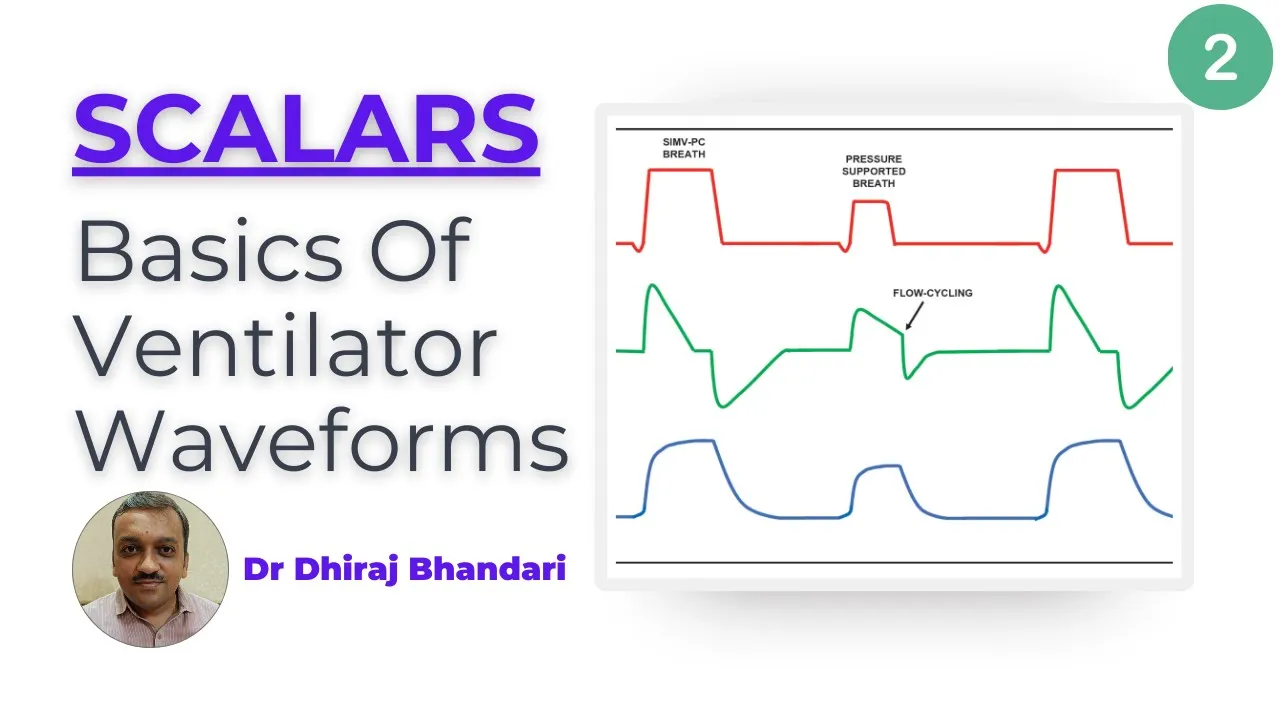
Ventilator Waveforms: Scalar Basics in Critical Care
@OzoneAnaesthesiaGroup
161 views•2024-07-18

Graphic Medicine: Comics for Collaborative Healthcare Communication
@nationalpatientadvocate
189 views•2023-12-04
Mechanical Ventilation Basics for Respiratory Therapy Students
@RespiratoryTherapyZone
82.5K views•2023-06-19
Stages of Labor and Vaginal Birth | Childbirth Animation
@nucleusmedicalmedia
52.1M views•2017-08-18
Related Study Plans & Knowledge Roadmaps
Structured learning paths in Medicine