






![[AULA PRÁTICA] SBV na pediatria + engasgo - WORKSHOP VERSÃO 2021](https://i.ytimg.com/vi_webp/sL1O99L6tNk/maxresdefault.webp)




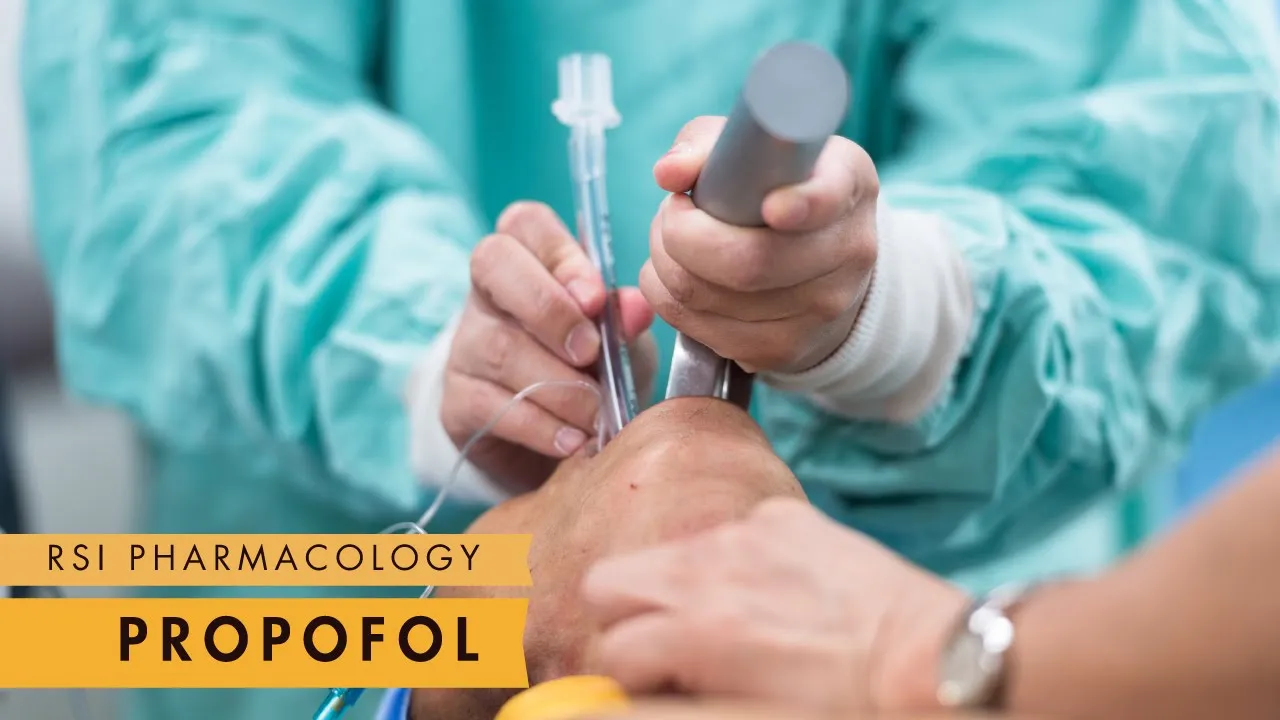






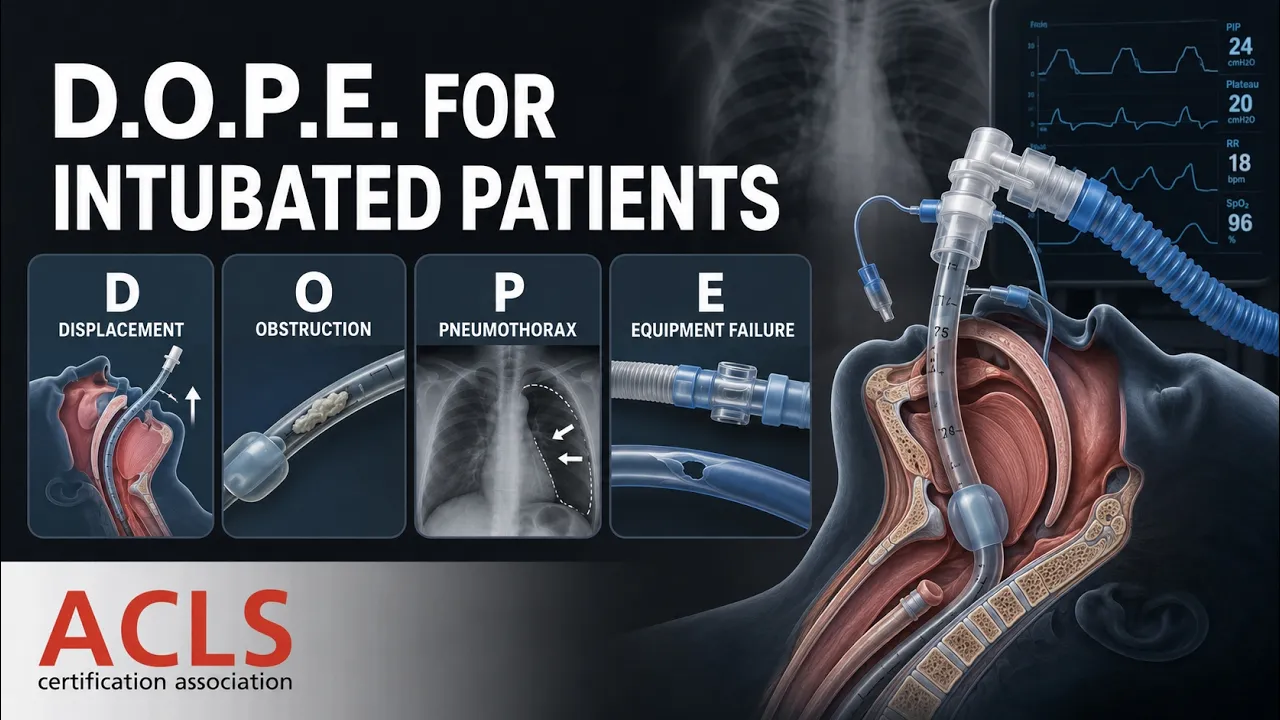


Effective pediatric airway management requires understanding that oxygen delivery depends on cardiac output, hemoglobin levels, and oxygen saturation, with hemoglobin-bound oxygen being the primary carrier; healthcare providers must select appropriate airway devices (oral/nasal airways, LMA, or endotracheal tubes) based on patient condition, verify correct tube placement through clinical assessment and CO2 detection, and follow the DOPE protocol (Dislodgement, Obstruction, Pneumothorax, Equipment failure) when ventilator alarms occur to ensure adequate oxygenation and ventilation.
Pediatric Airway Management: Oxygen & Intubation Basics
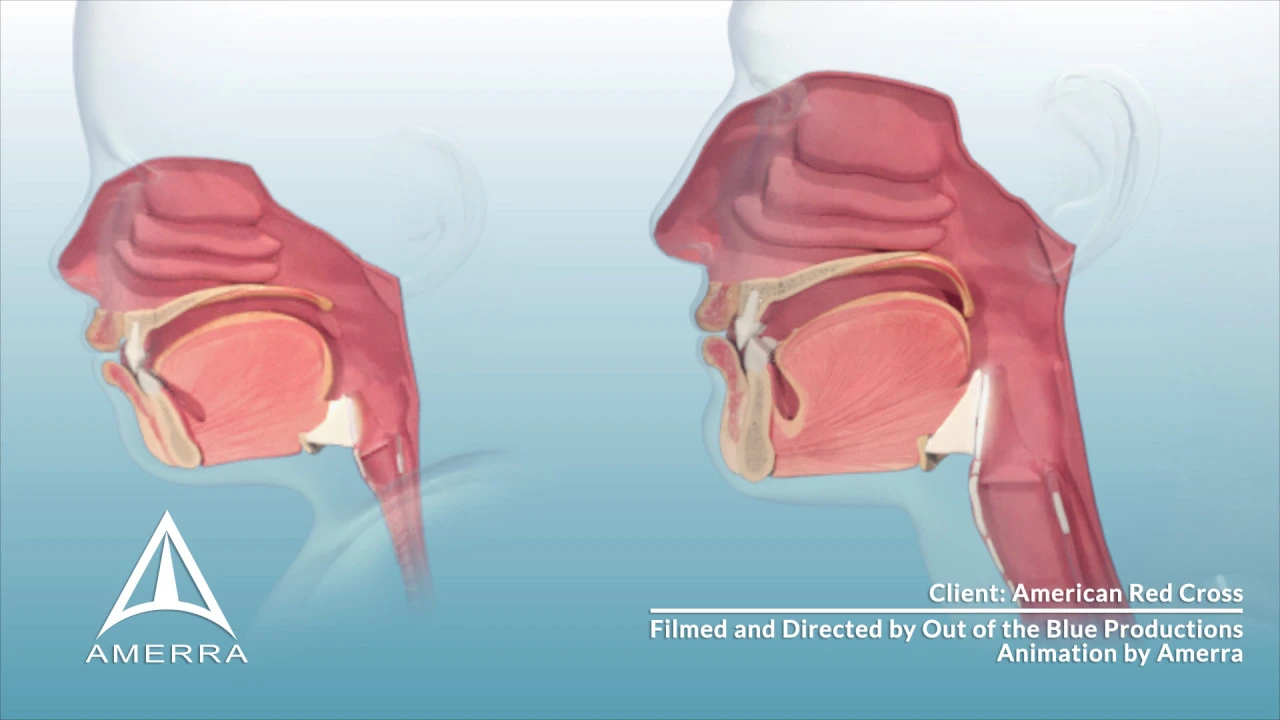
Added:Anatomical differences between the pediatric and adult airway, such as a larger tongue, higher larynx, and floppy epiglottis.
Pediatric respiratory physiology, particularly regarding higher oxygen consumption rates and lower functional residual capacity (FRC).
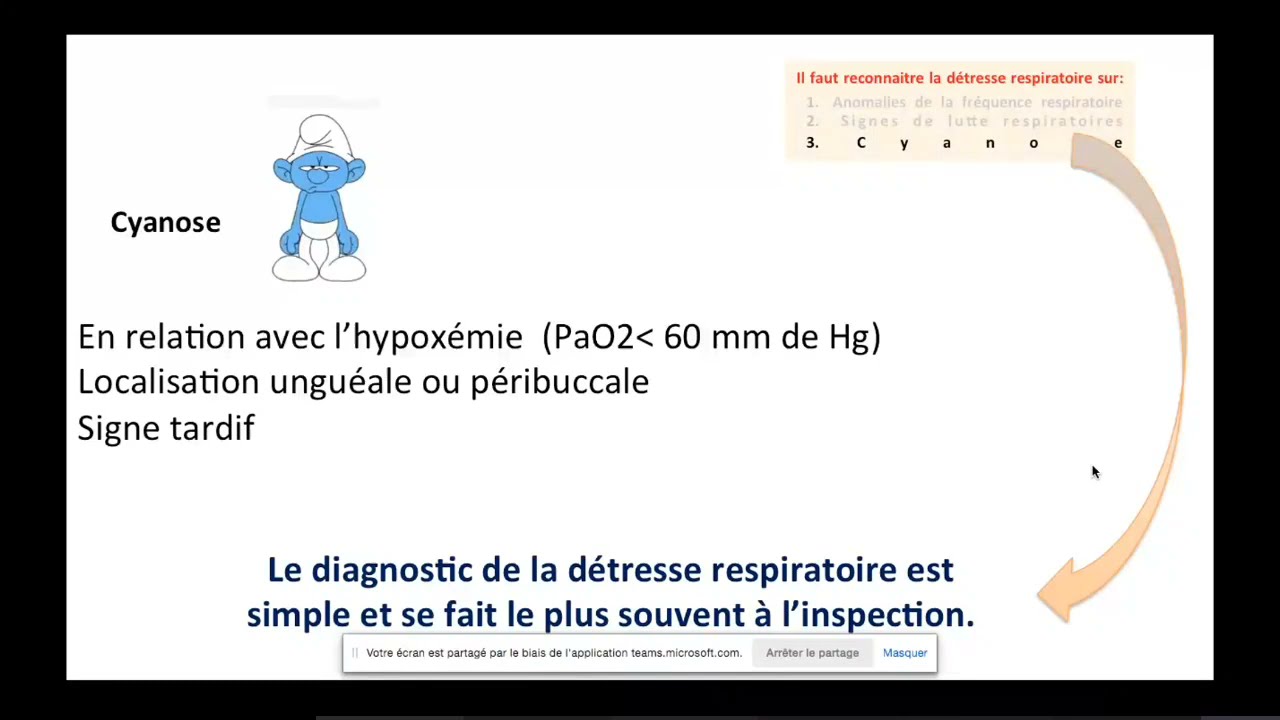
Clinical assessment of pediatric respiratory distress, respiratory failure, and imminent respiratory arrest.
Basic pediatric life support (PALS) principles, including proper positioning and effective bag-valve-mask (BVM) ventilation techniques.
Pharmacology of Rapid Sequence Intubation (RSI) in pediatrics, including the selection and dosing of induction agents, paralytics, and premedications.
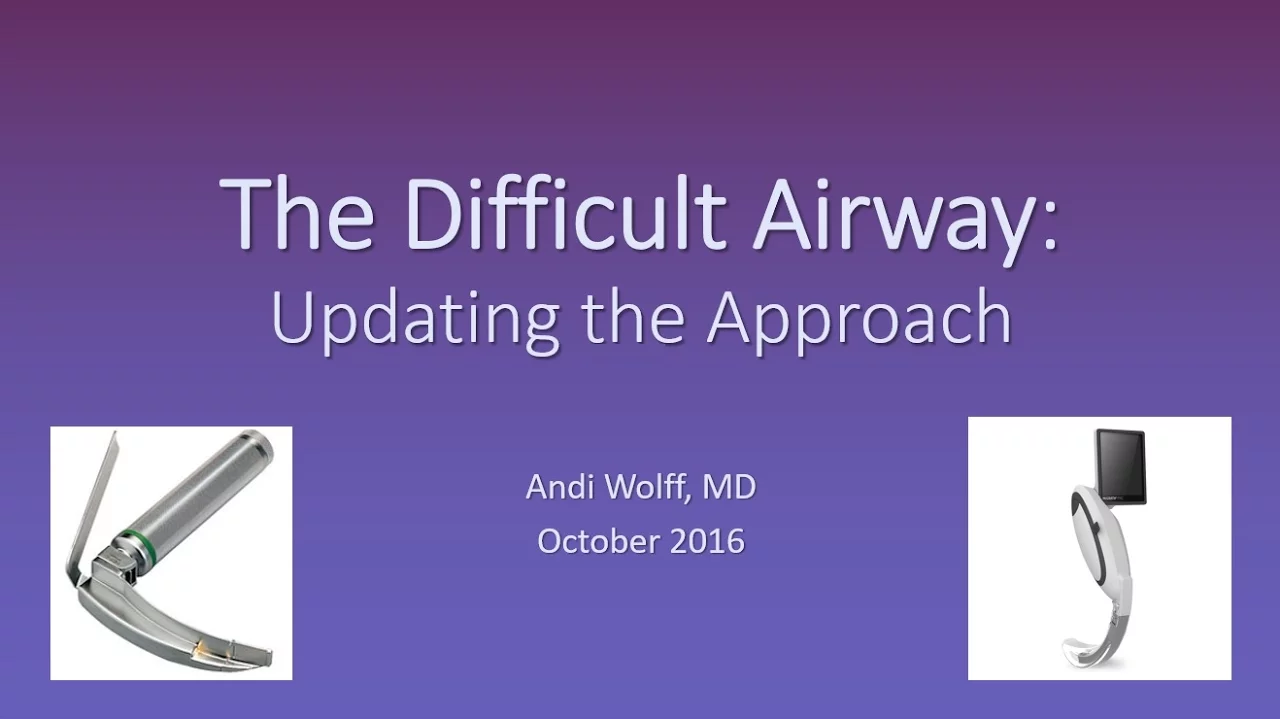
Management algorithms for the difficult pediatric airway, including the use of supraglottic devices (LMAs) and video laryngoscopy.
Post-intubation management and initial pediatric mechanical ventilator settings.
Troubleshooting acute deterioration in an intubated pediatric patient using the DOPE mnemonic (Displacement, Obstruction, Pneumothorax, Equipment failure).
32.5K views216likes14:17Original Release: 2013-05-24
all right so now let's start with Airway for Pals I thought we would start with looking at oxygen delivery so we're looking at the flow of oxygen through the blood and eventually getting it to the end organs now this is determined uh by the blood flow but it oxygen is carried in two ways it is dissolved in the plasma and also it's carried by hemoglobin so plasma uh dissolved oxygen is married is measured on your ABG and that in the hemoglobin bound oxygen is measured it's uh by your pulse oxymetry your oxygen saturation and the plasma dissolved oxygen plays a very small role compared to the hemoglobin bound oxygen and the other thing that that is an important factor is actually the cardiac output the thing that propels this oxygen through the blood vessels so any problems in this system can affect our oxygen delivery so let's say that cardiac output is not good so now that is going to decrease oxygen delivery or even patients with anemia maybe they don't have enough hemoglobin to carry the blood sorry they don't have enough hemoglobin to carry oxygen so that also affects oxygen delivery but one thing you should know I what we would do in that case is we would probably crank up the oxygen and try to increase the amount of free floating oxygen in here but if we don't have enough red cells to carry it it's not going to be enough because remember this only plays a small role if you wanted to see this mathematically depicted I have it here uh where you could see that the hemoglobin time the oxygen sat time 1.39 plus.3 time the P2 so I told you this plays a tiny roll look at this constant here you're multiplying it by 03 and here you're in fact increasing it by 1.39 so you add these two up this is the oxygen content of the blood and you multiply that times the cardiac output and that gets you the oxygen delivery but don't worry about that that's really irrelevant just remember that some big determinant are the cardiac output and the hemoglobin as well as the oxygen saturation that is how many of these binding sites on the hemoglobin are filled up so now let's talk about some ways that we can get air into the body and I've drawn uh a body here I've depicted it so with my crude drawing so here's the nose here's the mouth that all goes into the fings here you have the esophagus leading to the stomach and in here you have the the um the epiglottis right here the vocal cords here the trachea and that leads to both of the lungs so one thing that can happen in an obtunded child or adult is that the tongue can fall back and obstruct the air could hit the hit the back of the fairings there so there are two devices we can use well actually you can start with uh the Maneuvers like the chin thrst chin thrust the jaw lift uh chin thrust um head tilt those things that can also try to bring the tongue forward but we have two devices we can use the first is an oral Airway which is a hard plastic piece that kind of comes back here and it lifts the tongue off the back of the hypox now you have to be sure to use one that's properly sized because if you use one that's too small it might not reach far enough back here it may actually even just push the tongue back even further if you use one that's too big it itself May obstruct the airway now the oral Airways are hard and plastic and they're just obnoxious to stick in someone's uh throat so they're good for people who are completely obtunded for people who are maybe a little bit awake and they don't tolerate this you can use a nasal Airway and this works in a very similar way in the sense that it it kind of gets puts some space in between the tongue and the back and it's actually Hollow as well and so you can actually send air through here if you need to bag them whatever and get it in there and this is soft and flexible so it's a little bit easier to tolerate but if you're completely wake you're not going to want this shove down your nose either and those are typically used in conjunction with a non-invasive ventilation uh such as this which is a bag valve mask or BVM for short and here you have to get an appropriate size mask that covers the nose and mouth and has a Tight Seal so air can't escape from around it there's a valve here and a bag and you squeeze the air in here and hopefully get it to go not in there but it probably some will go into the stomach but also some will go into the lungs and this is this poor drawing is supposed to be the hand of The Rescuer who's doing the bagging so how much are you supposed to bag well it depends on the number of Rescuers you have if you have one rescuer you're going to do 30 chest compressions then you're going to pause then 30 chest compressions then you're going to pause now if you have two you can do 15 chest compressions and pause 15 chest compressions and then pause now this pause is important during this pause you're going to give two breaths so it's going to be 15 chest compressions a pause with two breaths then 15 chest compressions again then a pause with two breaths similarly for the one rescuer is going to be 30 compressions a pause two breaths 30 chest compressions then a pause and two breaths so this pause is different than in adult uh ACLS so I think the pause is there because if you're doing chest compressions you're not going to be able to efficiently get the breaths in because you'll be compressing the chest and you give only enough uh air to see the chest Wall rise you don't want to give too much because if you give too much that increases the intrathoracic pressure and if this pressure increases too much it's going to squeeze on this IVC which means you're not going to get that much blood back up to the heart and so you're not going to get that much preload you're not going to get very much Venus return so it's important not to be overzealous when you bag just look to try to get only enough to see the chest Wall rise another device you can use is what's called an LM or lenial mask Airway and what that is is this uh triangular shaped thing it has a balloon big balloon on here and it's attached to this tube and you blindly pass this through such that the pointy part of the triangle hopefully kind of lodges in the esophagus and this lodges above it and now when you introduce o oxygen through here it will hopefully go in like this now yes some of it might go in here but we're hoping that most of it is going to go into the trachea now one problem with the lmas is if the patient has just doesn't have an empty stomach then it's certainly possible that they could vomit and it'll hit the LMA and Just Bounce right back in here and now they've aspirated it goes into their lungs so it doesn't protect against aspiration but it is a way to get oxygen in to the trachea and lungs and obviously you're shoving this big thing down their throat so it's possible that it could cause coughing could even cause lingos spasm uh so just be aware of that now the ultimate Airway device is called an ET tube or an endot tral tube and that's basically a flexible plastic tube that goes through the vocal cords and it gets into the trachea and it's uh provides oxygenation and ventilation through this just comes through here then it gets through there and goes through there now uh there are two kinds of endot tral tube there are ones that don't have cuffs at the end those are balloons and there are ones that do the cuffed ones the ones that we use use commonly in adults uh it's meant to provide a barrier here the tube gets in and now this balloon fills up the rest of the space so should the patient vomit it can't they can't aspirate because it won't get past this balloon now the difference in kids is that it's this area right below the vocal cords the subotic area that it's often the narrowest and so you don't need a cuff because you just stick the tube in and it pretty much fills up the whole Space uh the new Pal's guidelines say you can use a cuff or you don't have to use a cuff if you're going to you not going to use a cuff you stick an appropriate size tubin if you're going to use a cuff you're going to have to use a uh5 MM smaller tube to accommodate that cuff space so how do you know what size to use well I would probably start by Consulting my brlo tape which is basically this colorcoded tape that you lay down and you put the patient right right next to it and then you see which color they match up to if they're in the green one then you you read right here on the within the tape it tells you what size of everything to use if you don't have one of those then you could follow this rule of thumb here for less than one you use a 3.5 for one to two use the size 4 Tube they're greater than two use four over the age divided 4 plus over the age divided by 4 now if you're going to use a cuffed tube just subtract 0.5 from all of these so instead of using a 3.5 use a three instead of using a four in the 1 to 2y olds you use a 3.5 and instead of using this formula 4 plus the age over 4 use 3.5 over the age + 4 this way you can accommodate for the that cuff size now let me make one note whenever you're intubating anyone adult or kid always have one size larger and one size bigger cuz these are just estimations you don't know if this is going to work this might be too big and you might not be able to pass it if that's the case have ready at hand a 3.0 in kids I'll have even a 2.5 because I just want to have everything I need ready to go so intubating is a learned skill it's a difficult skill in kids too but it's possible and you could do it once you do it how do you know that you're in the right spot well there's a couple of things you can do to confirm proper placement the first thing is to look for chest Wall rise when you are uh bagging them through the ET tube so also you could listen in the axela for breath sounds and the other place I would listen to is over the stomach cuz if if you don't get this in the trachea where else is it going to go it might go in the esophagus so you want to listen in the stomach to make sure you're not hearing breath sounds in the stomach there are also CO2 detectors that will change from yellow to purple and back to yellow and back to purple with each breath and there's also waveform capnography where you have a a tube that connects to here and it actually measures the number the amount of of CO2 with each breath and that would be a great way to make sure that you're getting that you're in the lungs cuz that's presumably what is going to be making the uh CO2 and You' of course also get an a post intubation chest x-ray to make sure that you haven't shoved that ET tube in too far and it's going into the right main stem you would instead like to see it uh you know 2 3 cm above the Carina here so that we can ventilate both lungs so we got a bunch of ways to check that we've intubated correctly we look for chest Wall rise we list listen in the axela for breath sounds we listen for an absence of breath sounds in the stomach and we look for CO2 production uh which we can look through various CO2 detectors like the colorometric one as well as the waveform capnography and finally we want to get a chest x-ray as well so the final thing we'll talk about is what happens when the ventilator starts alarming when the tube is when they're intubated uh they give the neonic they obviously don't think too much of me but the pneumonic is dope d o p e so the first thing you want to do when the ventilator starts alarming or the pulseox drops is you want to disconnect them from the vent and then manually bag the patient and then you're going to find out what it's like what to manually bag them so let's go what through what dope means so it stands for the things that could go wrong the tube could get dislodged it could become obstructed patient can get a numo thorax or the vent could fail you could have an equipment failure so the first thing you're going to do is disconnect them from the vent vent and manually bag the patient and you're also going to listen so if the tube is dislodged what you're going to find is that manually bagging the patient really doesn't improve anything and you're probably when you listen you're not going to hear breath sounds so in this case you're just going to need probably need to reintubate the patient what happens when they're obstructed you'll find that the patient is hard to bag so in these cases uh maybe you need some tracheal suctioning they may need to be reintubated as well uh if it they have a pneumothorax you will hear decreased breath sounds on one side so you'll have asymmetric breath sounds and so they might need to get a chest tube and for equipment failure when you're bagging you're going to find that they bag very easily and the SATs improve and so now you just need to go get another vent so I'm sorry we went a little bit longer with this video but this is the Pediatric Airway and the things you want to remember then we went over uh oxygen delivery and what over various different uh techniques we can use to get air in from the Oro Fingal Airway naso fral Airway the LMA and the endot tral tube how to check for tube placement and what to do when the uh ventilator starts alarming or the SAT start dropping all right see you next time
Up Next

20:01
Ventilator Troubleshooting: Peak Pressure, Leaks & Asynchrony
@RespiratoryCoach
58.8K views•2019-01-23

48:47
Graphic Medicine: Comics for Collaborative Healthcare Communication
@nationalpatientadvocate
189 views•2023-12-04

10:28
Neuroanatomy: Central and Peripheral Nervous System Divisions Explained
@AKLECTURES
136.2K views•2014-09-20
3:05
Stages of Labor and Vaginal Birth | Childbirth Animation
@nucleusmedicalmedia
52.1M views•2017-08-18
Related Study Plans & Knowledge Roadmaps
Structured learning paths in Medicine
medicine
Abnormal LFTs: Diagnostic Workup & Pathology
01Liver Anatomy and Basic Physiology
02Introduction to Liver Function Tests (LFTs)
03Hepatocellular vs. Cholestatic Patterns
+ 3 more learning modules
12h6 modules
Explore Roadmap
medicine
Analyzing Blood Smears: RBC, WBC & Platelets
01Introduction to Blood Components & Smear Preparation
02Normal Morphology of Blood Cells
03Erythrocyte Pathologies & Morphological Variants
+ 2 more learning modules
12h5 modules
Explore Roadmap
medicine
Mechanical Ventilation: Waveforms & Alarms
01Anatomy and Physiology of Breathing
02Introduction to Mechanical Ventilation & Core Modes
03Ventilator Settings and Waveform Interpretation
+ 2 more learning modules
12h5 modules
Explore Roadmap
medicine
Neuro Exam: Localization & Stroke Syndromes
01Foundations of Neuroanatomy and Vascular Supply
02The Neurological Examination: Step-by-Step
03Principles of Neurological Localization
+ 3 more learning modules
18h6 modules
Explore Roadmap