





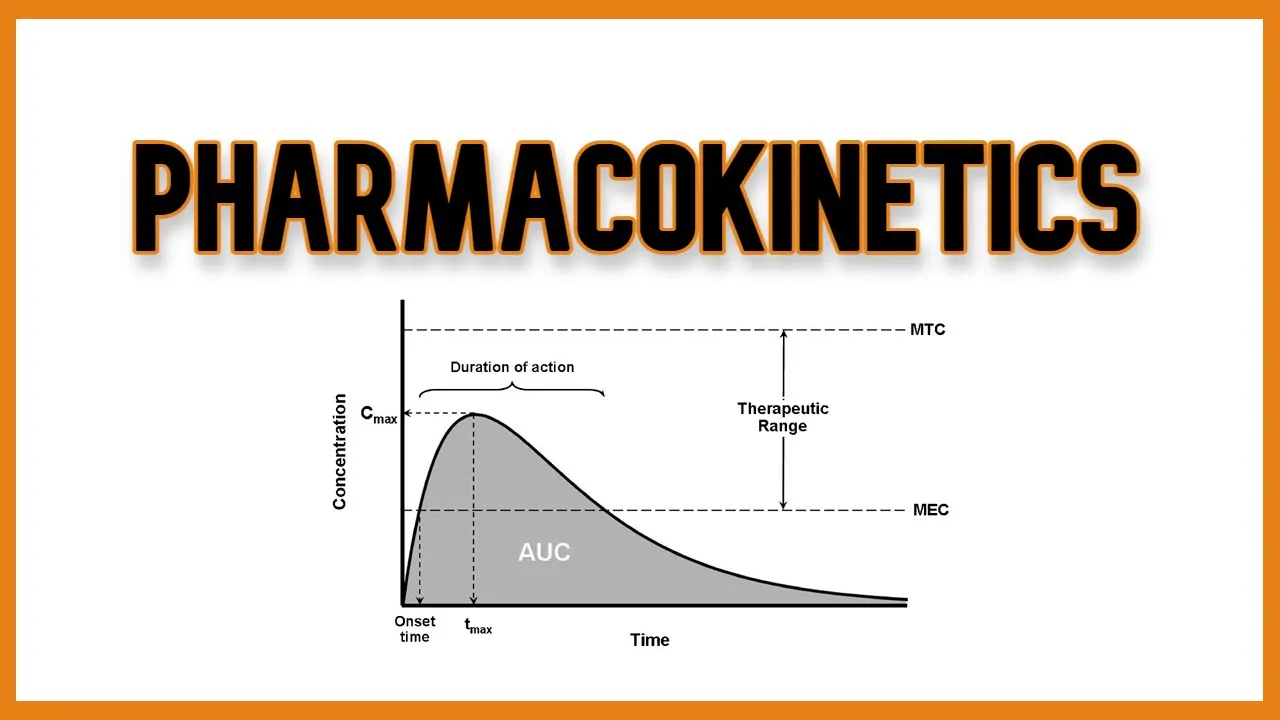






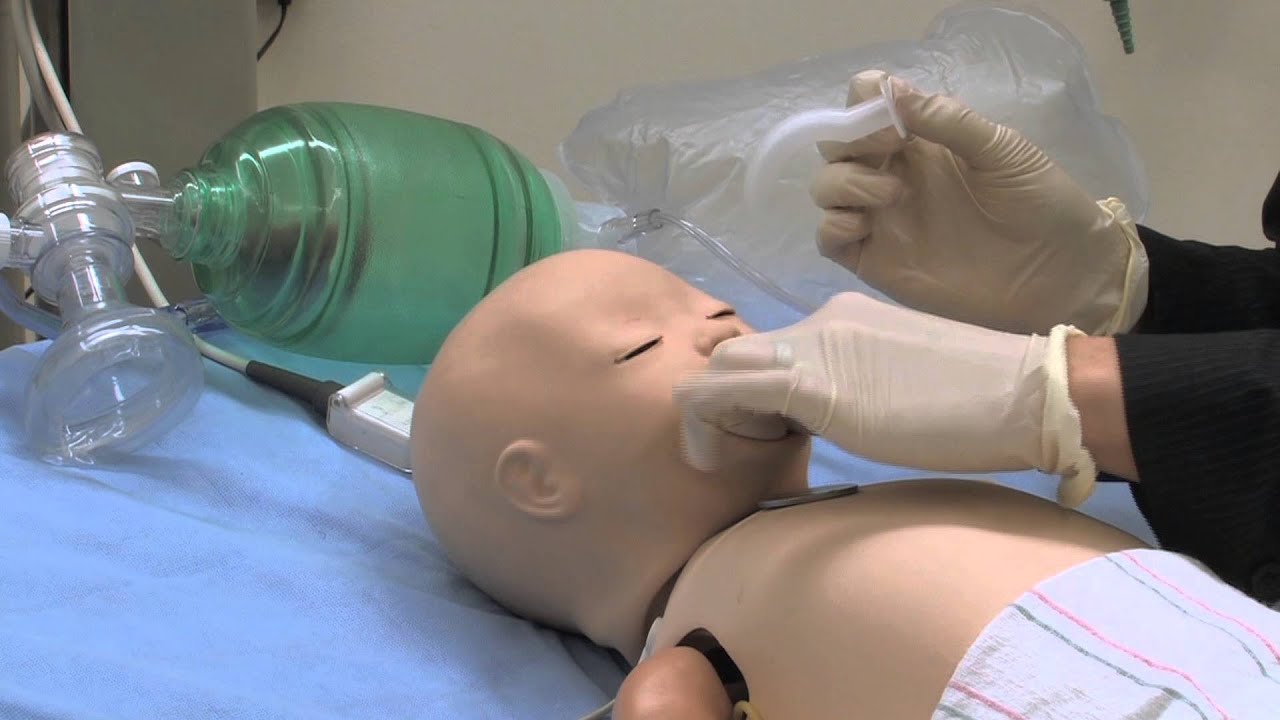


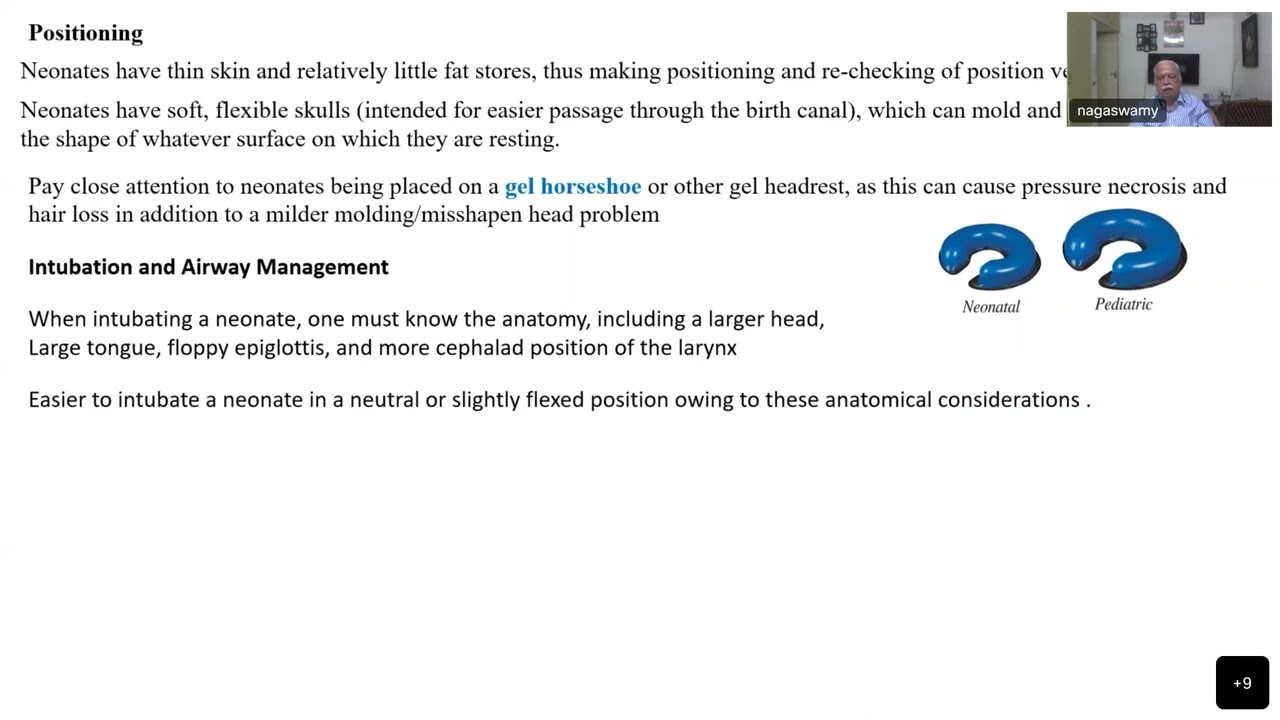






Pediatric patients differ significantly from adults in multiple organ systems: the pediatric airway is narrower with the cricoid cartilage being the narrowest point, requiring smaller endotracheal tubes (calculated by age/4 + 4 for uncuffed tubes); the respiratory system has immature lungs with decreased compliance and surfactant production until 36 weeks gestation; the cardiovascular system transitions from fetal parallel circulation to adult series circulation at birth, with cardiac output depending primarily on heart rate rather than stroke volume; the central nervous system has an immature blood-brain barrier and higher CSF volume per kg; the renal system matures by age 2 with glomerular filtration rate at half adult levels; and the hepatic system has immature phase II conjugation enzymes. These differences necessitate specialized anesthetic and medical management approaches for pediatric patients.
Pediatric vs Adult Anatomical & Physiological Differences | Anesthesia PG Class
Added:think we can start now Dr Nisha yes ma'am please start okay Dr arunima please stop screen sharing we are going live now Dr Nisha please start hello everyone I welcome you all for the ISC National Online PG class sorry for my voice I am Dr Nisha Jen I am working as an assistant professor at vmmc and saarang Hospital Delhi uh today we are discussing about the anatomical and physiological differences in pediatric and adult patient I'll be working as a screen coordinator for today's session and I welcome my screen coordinator uh Dr arunima she is working as a senior resident at NRS Medical College Kolkata before proceeding ahead let's invoke blessings of ma sarasti on the auspicious day of dantas just give me your time uh arunima can you stop your sharing please I have stopped I have stopped by sharing is there a problem Dr sorry for the delay I'm just uh ma sarasti is taking time to give us blessings sorry for the delay [Music] he [Music] [Applause] br [Music] [Applause] [Music] AC national uh honorary secretary Professor sukm minder Baja sir is with us I welcome sir and uh request sir to say few words for today's session Dr Nisha sir will be joining us shortly okay ma'am then he will address US meanwhile we can uh we can uh just these classes are held every Monday at 6:30 p.m. and uh today we have got the topic as you have already told of the differences between the anatomy and physiology between a child and an adult which is very important for any um anesthetist in the anesthetic management and to dwell upon this we have eminent luminary amongst from the Northeast uh state of arunachal Pradesh of our country and we are very very happy to have them with us here both the faculty and the student presenters and um uh sir will be joining us shortly and address us so I uh hand over to Dr Nisha to please proceed thank you ma'am I now request Dr arunima to please introduce our esteemed faculties for today's session Dr arunima uh thank you NAA uh I'm Dr arunima working as a s senior resident in anastesia in NZ Medical College Kolkata uh very good evening to everybody and welcoming you all to our Isa National PG online class I'm here to introduce our rowned faculty Dr ramapati shanal said Dr namami sharing Ma and Dr taji Lucy sir Professor Dr raati shanal sir uh he is professor and head in Department of anesthesiology and critical care uh from tomoru Institute of Medical Sciences uh in District arunachal Pradesh next uh Dr Nami sharing ma'am uh she is is secretary in arunachal Pradesh State Branch and working as associate professor in Department of anesthesiology and critical care uh from tomor Institute of Health and Medical Sciences uh he she is having hard PG teaching experience of three years and having 10 Publications till now Dr taji Lui said uh he is Honorable is secretary in Tano City branch and working as assistant professor in the department of anesthesiology and critical care and tomoro by Institute of Health and Medical Sciences uh from arunachal Pradesh uh now um I am handing over the stage to the faculty and requesting them to introduce the pgts and carry on the class uh before that just a small announcement everyone joined is requested to kindly keep microphone muted and videos turned off you can type your queries in the chat box after giving your introduction all the queries will be addressed at the end of the session now it's over to you sir ma'am good evening everyone uh we have two final year DNB pgs presenting today Dr miloo and Dr anim n and I hand over the mic to coordinator begin uh good evening everybody uh I am Professor ramapati sang professor H of the Tom Institute from where we are going to conduct the CM today and first of all I'd like to thank uh the Ia National body and specifically uh our honorary secretary Professor Baja for giving us a opportunity to conduct this CME and I thank Dr Dr maduri Dr Nisha Dr arunima for for conducting this helping us and overall an advanced Happy Diwali to all of you we start our session as such thank you should we start the class yes please please go ahead good evening everyone respective faculties and my colleagues our online today uh today we are going to uh present our class on anatomic IAL and physiological differences in from adult so today we are brief going to briefly discuss the differences uh in the the AOA and respiratory system the cardiovascular and central nervous system renal and hepatic system and hematology and food distribution in Pediatrics now uh to start with the newborns so the childrens are not as small adult as they they grossly uh vary in physical physically as I've shown a picture that I've taken from Smith Smith an pediatric anesthesiology uh showing the body proportion of an newborn to uh an adult in various aspects like uh in weight uh the the new bores are around 1 by 21 of the adult weight uh and in surface area they have around 1 by 9th of the adult surface area and the in length they are around 1 by 1 1.3 and and also they vary uh for in metabolic they have metabolic differences and immature F function of the organ systems the body weight of a newborn doubles by 4 months of each triples by 12 months and quadres by uh 24 months the length or height of the newborn they double by four years and triples by 13 year of age and for the body body surface area calculation if we know the weight and height of the baby we can calculate it by uh this formula it's square root of weight into height divid divided by 3,600 uh and we get the body surface area in the meters squar and on the right side I've uh uh taking a picture from Smith again showing this is a what is surface area normogram for infants and young children and if we know the weight or height of a children we can uh calculate uh the body surface area accordingly from this normogram the classification according to the age group we can classify the Pediatrics and as neonet that's from birth to 20day 28 days of Life infants that's from uh first to 12 month of age todlers from 1 to 3 year preschool child from 3 to 6 year school age 6 to 12 years and Adolescent from uh 10 to 18 years of age and according to the just station age we can classify them as less than 28 weeks we we call them as extremely pre-m 28 to 32 weeks they are very pre-m 28 to or 32 to 34 weeks they are moderate pre and from 34 to 37 weeks they are late pre according to the body weight uh we can classify them as 2.5 to 4.2 kg they are normal weight uh below 2.5 k kg they are called Low bir weight and less than 1.5 kg very low bird weight and less than 1 kg has extremely low birth weight babies now next coming to the airway uh the babies have a especially the new bornes they have a large head with promino oxypot therefore a shoulder roll or neck extension shoulder R must be used for NE extension so that's the to align the airway Airway exis and the upper Airway they have naron which gets easily blocked due to inflammation and secretions and the the they are obligate nasle breather till five months of age and mou breathing occurs only during uh crying therefore um care care must be taken while passing a Nas tube in uh in the Pediatric age group and nasal intubation should be avoided especially below the six years or six months of age coming to fings uh they have large tongue in proportion to oral cavity any any anatomical imbalance between fixed bony cavity and soft tissue may cause narrowing and narrowing of the area and fenal lumen they may collapse with negative pressure generated through any inspiratory effort made by the baby the iges they are they are floppy and Omega shaped and they are the epes is angle away from the exis of the trachea and also they have thick a eptic Falls therefore it's difficult to lift the epiglotis during Direct laringoscopia next is the larynx uh they the larynx is more s and interior in newborn and infants uh the it lies at the level of C3 in neonates and C4 in infants and and in adults it lies at the level of C5 C6 therefore straight blades are preferred for in uh direct lingos scopy of newborn and infants and the vocal Cordes are more anterior and the they more slanting towards the posterior posterior side therefore it's difficult for direct lingos scopy and there's always a uh increased risk of accidental tube dislodgment in uh babies the CID cartilage they develop fully at the at the year of 10 to 12 years of age therefore a redu GID pressure uh should be applied while intubation intubating uh in this age group of the patients and the recent studies they uh shown that they sees that the laryn larynx is more more of a cylindrical structure than than the the they used to see classical funnel shape larynx and the narrowest part of the larynx they are the underdeveloped pr cartilage which is now say to be eliptical rather than the circular circular shape therefore um it it tube size and type should be wisely chosen while intubating and baby or an infant this is the um to uh size calculation for size calculation uh in the new PR unit age of7 to 1.5 kg we can use uh anbe size UNC it size of 2.5 mm and in weight group weight of 1.6 to 3 Kg it's 3M 3 mm uh it tube and the term units it's uh 3.5 First Year to one year is four and plus two years uh 4.5 mm uncuff tube from 2 years to six year uh for it size calculation we can use this formula that's uh for uncurve we can use the formula age age of the baby divided by 4 + 4 and for uncurve tube we can use the formula H ided 4 + 3.5 and for the depth calculation estimation of the depth from the lip we can use the formula H ided 2 + 12 or we can use the the size of the it tube into multiplied by three uh and but uh to always confirmation of the it placements would be done by osculation and bilateral air entry should be confirmed and roughly also we can use the the diameter of the children's little finger uh to estimate the size of the tube coming to the tracka the tracka of track TR of the uh newborn of the infants are narrower and any little edema may cause a significant narrowing of the airway I've shown I've taken a picture here showing the TR Lan of an infant and an adult in which the infant has 4 mm of millimeter diameter of and adult has 8 8 mm diameter and any Eda of one one M Mim circumferential edema that may cause reduction of 75% reduction in the proection uh area and uh while in adults it's only up to 44% of the crosssectional area and the with this reduction in 75% crosssectional area the resistance Airway resistance increases to 16 times and while in Med it's only three times and with the tracha they are shorter in length up to 4 cm as compared to the 10 to 12 CM in adults and the right and the left main broncus uh they make almost equal angles more horizontal while in adults left men bronos form more acute angles therefore chances of uh inter bronchial in intubation is high in uh newborn and infants and uh uh the chances of inter intubation is also equal on equal on both sides uh now I to ask both of you as well as presenter as well as the audience who are present here which one will you choose and for unit I I'll choose a straight blade for direct can you the reason because they have a the LNS is high in in fense you said something about and igus is floppy and Omega shap they fall back and the okay one more going to ask which do you think is the narrowest POR in Airway that is in subotic reason you can mention the options also Madam yeah vocal cord at the area of CRI cartilage at Karina at the false vocal cords we'll give 30 to 45 seconds for the answers meanwhile Dr Apu and Dr animes your voice is eing please take care choices are vocal cord and the area of criid cartilage at Karina and at the false vocal cords which is the narrowest part of the Pediatric subotic Airway I think a lot of options have a lot of students have given answer is B at the area of CRI cartilage is that right can yeah the answer is at the area of cot cartilage some people they uh some literature nowadays they have come up with the obligation that in cavic position that is the during anesthesia only vocal Cod may be the narrowest portion but then while in intubating the tube the vocal code gives away since it is a p of ible so but when the patient is awake or the child is awake it is always the uh CID treason which is narrowest in and again in due by MRI scanning and all nowadays they are telling that um the cricoid portion the LNS may not beip uh like uh conical as previously thought it might be cylindrical this that that is the thing now this some of the publication are telling okay most of you are correct the option is B okay you may continue with the presentation coming to the organ system the first is the respiratory system firstly uh to speak about the CH one the the b the baby the chest fall of the baby is more compliant the ribs are soft soft and horizontally placed limiting the inspiration therefore uh pocket handle movement of the rib cage is limited the the adult configuration of Chess wall is achieved by 10 years of age the intercostal muscles are not mature and ventilation is primarily therefore diaphragmatic the the FR is more horizontal and then they they are deficient in type one which is type one muscles the type one muscles which are slow twitching and ftic resistant uh in the pre- terms they they have around 25% of the dihr muscles are type one and and in the newborns term term babies they around 35% and in adults they are they reach up to 50% therefore infants and neur are uh get fats more easily coming to the lungs they have immature elastic fibers therefore the lung compliance is decreased and the newborn has 10% of the adult ala numbers which reaches to adult level by 12 to 18 months of age after after uh months of age then the maturation is not complete until 8 years of age the surfect production by type 2 Nyes begins at the at 20 weeks of inter life but they increase between 30 to 34 weeks and the surfect they have to keep the AL F and distended but the in the pre pre uh new bores the in level is slow therefore prum newes are more PR to PR to easis and respir distress the mechanism of continuous continuous Neal breathing is the the onset of breathing activities occur not at the bird but in the utero as a part of normal FAL movement the clamping of the umbilical cord initiates rhythmic breathing the relative hyperoxia which air breathing comp compared with low fital po2 uh augments and maintains continuous and rhythmic breathing The Continuous breathing is independent of level of P2 and the breathing is unaffected by koted denervation and hypoxia depresses or ayses continuous breathing the work of breathing for each kilogram of body weight is similar in infants as well as adults but the oxygen consump consumption of infant is twice that that of an adult which is 6 ml per kg per minute in infants and in adults which is 3 ml per kg per minute the the tidal volume which is small and relatively fixed in the therefore the minute alular ventilation is uh more more dependent on the respiratory rate rather than the tidal volume the great greater oxygen consumption uh requires increased respiratory rate and increased LV relation leads to uh rapid induction and emergence from volatile anesthetics there is the functional residual Capac capacity is reduc in babies therefore they have a high chance of rapid resaturation and the CL but the in the closing capacity they exceed FRC which can lead to eectric and Airway collapse the maintenance of the functional residual capacity in young infants is achieved by sustain tonic activities of inspiratory muscles throughout the respiratory cycle the breaking of expiration with continual but diminishing di diaphragmatic activity narrowing of the glotis during expiration uh inspir and inspiration starting in with expiration period and the high respiratory rate in relation to expiratory time constant but all the but all this uh mechanism which sustain the F FRC in the babies are lost with anesthesia or muscle relaxant therefore anesthesized the babies thec is always reduced the central apnea or apnea of is a is common in pram infant so it's due to immure nervous system impair hypoxic ventilator response and impaired hyperic ventilator response therefore in prum babies uh the hypoxic and hypercapnic state does not increase the ventilatory rate rate the risk of uh postoperative apnea is they are the pre-term units less than 60 weeks of postconceptual age anemia hypothermia sepsis and neurological abnormalities okay uh Dr nimes uh you're going to answer let's put it to the uh the audience first which of the following is not true regarding the mechanism of onset of breathing breathing starts in intur life which is not true maternal alcohol inje and cigarette smoking depresses breathing hypoxia and raised partial pressure of carbon dioxide in blood stimulate rhythmic breathing at Birth and the clamping of the umbilical cor and increasing arterial oxygenation tensions with air breathing so which is not true this is the question screen coordinators please check on the options yes ma'am sure ma'am sure ma'am so the options are breathing starts in intrauterine life maternal alcohol inje and cigarette smoking depresses breathing hyp hypoxia and raised Paco to stimulate the rhythmic breathing at Birth and D is the clamping of the umbilical cord and increasing arterial oxygen tensions with air breathing what are the options screen coordinators what are the answers given by the most of the people answered option a option option A okay ma'am please discuss the options answers yes let us let us uh look look at the answers so uh the recent studies contradiction contradict the traditional theory so the fetal aspia stimulates the Cho receptors and produces gasping which is followed by rhythmic breathing indeed clamping of the art milical cord and increasing arterial oxygen tensions with air breathing with the breathing of air and resultant relative hyperoxia from the normally low fetal po2 initiate and maintain rhythmic breathing at Birth so hypoxia less than hypoxia less than 60 mm Mar results in significant increase in the ventilation in all glou except in the new born particularly the premature infants where ventilation is decreased by hypoxia so the main main what we were trying to say is that the as we see that the the uh can you go to the options uh yes so all these are true regarding the breathing breathing start will start in the intrauterine right there is a rhythmic breathing maternal and will definitely depress breathing at Birth but this hypoxia and raise P2 will not initiate the the the mechan the onset of breathing right so this is the wrong answer actually what it looks like the question looks like if there's a hypoxia there's a raise pH so there will be stimulation of breathing but as uh evidence suggest as we have put in the next slide that the hypoxia actually depresses the breathing so in the next slide please go so you can see the hypoxemia actually depresses the breathing it will significantly increase ventilation all groups except for the new born okay let us progress to the next one okay sir okay the next organ system we come to the cardiovascular system uh just just before you start this one thing that I would like to tell is regarding the reduced FRC in a newborn why there is a reduced functional residual capacity in a new born there are certain things that you should remember first the Alvi are not well developed in number as well as the wall is not elastic so the number of Alvi reduced they small the wall is not elastic the the conducting Airway is not supported very much because of the less tissue of the lung parenchima as well as there is no support of less support of the muscular so it collapses very easily the third thing the all the all the ribs they are actually cartilage in so when the newborn Tri to take a deep breath the whole chest wall collapses actually the Chas wall should move out so that is tented so all this what causes is a decrease in the F FRC so total total lung capacity and and the F FRC ratio is much much more increased and therefore since the FRC is less because of the collapse of the airb because the L not able to stretch to the maximum and third there is a collapse of the chased wall as such which acts as a support in the adult or in children there is less F FRC and we have already discussed what are the what are the effects of an arc and we'll discuss somewhat later on also please proceed so uh we go on with the cardiovascular system when we talk about the cardiovascular system in infants and neets it is a very important that we at least know about the fal circulation so the uh significant aspect of the fal circulation is the first thing is it has got a a low resistance placental vascular band so that the all the systemic all the blood from the systemic circulation preferentially move to the placenta and next is the it is it is a parallel circuit as the both vent both ventricles provide blood to the systemic circulation and in this parallel is also made possible as there are shuns which allow mixing of oxygenated and deoxygenated blood so uh as we can see this is a schematic diagram of FAL circulation and here we can see the shun uh the first shun is the foren ovel we see it is the it is essentially a one way wall from in between the right atrium and left atrium so there's a this is a wall and it allows only one way one way Direction blood of blood flow from the right side to left side the next is the ductus arteriosis which which is a vascular connection between pulmonary artery and the aota and since it is a vascular connection it it allows blood from either side of the uh uh connection but but the this the flow is directed as per the pressure gradient since in the in neutral life the right side of the heart has got higher pressure than the left side the mostly the shunt is from right to left so the next is the the next shun is the ductus vosis which between the placenta which directly drain into the IVC or inferior vena through this uh sh next we see uh we can just give see a overview of this circulation so the placenta get the blood from the whole systemic circulation or from by the two umal arteries and this is the site of the oxygenation in the in utos FAL circulation from the maternal circulation and after oxygenation the blood drains into the ductus ven venosus via one single amical vein and to the directly into the IVC so the blood in the placenta and ductus venosus is the most oxygenated uh blood in the this vital circulation so IBC also get the blood from the lower portion of the body and uh this all this IVC drain into the right atrium and the there is a right atrium has some Crystal dividend which allow which preferentially directs the blood from the ductus vosis to the left atrium via for oel and so the left atrium gets mostly the oxygenated blood from the dctas vosis and and left atrium also get the blood from the pulmonary vein but since the blood in the pulmonary circulation is very minimal and so the even the mixing doesn't cause that much significant reduction in the xation so this uh blood from the left atrium to go to left ventricle and it is pumped out in the aota so this from the aota it goes into circulation and this there is a important thing we have to see that the presence of the ductus arteriosis is usually most in most cases it is to the close proximity of the left subclavian ve so the uh this is important to us because the if the ductus arteriosis is raining into the a near the left subclavian vein so the upper extremity will get the if we get any simple from the left left side of the upper arm or if we give check the pulse oximetry in the left upper arm so we will see the sample as the post ductal blood so it is also important because the blood to the brain is brain is getting mostly the oxygenated blood via the both of the left and right corot artery B trun and the left cor artery so so the blood is uh blood brain is getting is the UN oxygenated uh and so after this the circulation The Blood come again to the by superior vena and R into the right and by the same mechanism it preferentially directed towards the right ventricle and it drains into the pulmonary artery but since the in the in utro the pulmonary vascular ress is quite high and pulmonary artery pressure is quite high so the most of the blood from this pulmonary artery goes to the this goes via this sh to ductus arteriosus and mixes it in the ascending AA or the arch of AA so next the physiological changes at Birth so cardiopulmonary system uh undergo major changes after delivery of the baby and clamping of the umblical cord the the parallel circuit that was there in the in neutral life it gets transition to the series circuit as there are pulmonary circulation systemic circulation now and they are just connected in series so this transition triggers multiple physiological changes the most the two very important things that happen at the birth is first thing is the placental removal so low resistance placental vascular bed is removed from the circulation see it has very great impacts on the circulation as the first thing is the the portal Venus pressure decreases drastically and du since the portal Venus pressure is reduces rather than in relation to the IVC so the ductal vosis gets closed so the first scent is gets closed due to this pressure gradient reversal next thing next impact this low resistance since the low resistance placental bed is removed from this circulation the systemic vascular resistance drastically increases so it also leads to the increase afterload to the left ventricle next important thing that uh happens in the second important thing that happen at the birth is the neon take the first breath so there is increase alv oxygen the lungs gas expands and there's increase in the ph and there are neurohemal mediators and which which release the nitric oxide in the pulmonary circulation this all leads to the relaxation of the pulmonary V vels which are otherwise in constriction state in the in neutro life so this relaxation of the pulmonary vessel decreases the pulmonary vascular resistance and so this decrease in the pulmonary vascular resistance and increase in the systemic vascular resistance both of them together lead to increase in the left atrial pressure so since we have seen that the the shunt that was there in the between the right atum and left atum it was just a oneway wall that was a flip wall so as the left atrium pressure increases as relative to the right atrium so the foran OV foran o close gets closed so the that is the mechanical closure of the foran OV at the time the next impact that ISE having due to the decreased pulmonary vascular resistance is it reverses the flow in the ductus arteriosis so the reverse in the reverse flow leads to the exposure of the ductus to the oxygenated blood and there is decrease prostaglandin since the placenta is removed from the circulation and this leads to the closure of the functional closure of the ductus arteriosis at Birth so this is how this is is the mechanism of of transition from the F circulation to the adult circulation now this new circulation is quite fragile and especially in prum neonates uh there are factors which can reverse this changes and this sudden return to the fal circulation we call it transitional circulation so very the main important risk factors which leads to this transition circulation is hypox hypercapnia acidosis and hypothermia basically these risk factors leads to increase pulmonary vascular resistance by increasing the pulmonary artery pressure and increase in the pulmonary vascular resistance at the as the this shs are not closed properly at Birth and that especially in prum neonet so they may reopen and for ovel May reopen and leads to the right to left sh and D ductus arteriosis may allow the due to the pressure gradient changes it can allow the reverse blood flow and in severe cases it it may lead to severe hypoxemia also in most of the cases uh we hyperventilation just giving the hyperventilation to the baby can decrease the arterial pco2 and it it can cause the pulmonary pressure to return to normal so uh coming to the heart the heart myocardium has less contractile myocardial cell mass and it also has low intracellular calcium store in The neetal myocardium so so due to these two reasons there is reduced myocardial contractility and the ventricles are also less compliant and since the since The myocardium could not stretch more then the the the stroke volume is quite fixed so even if we increase the preload or increase the end Asic volume the afterload or we cannot increase the stroke volume significantly so due to this fact the cardiac output is predominantly dependent on heart rate so whenever we need to increase the cardiac output we need to increase the heart rate as the stroke volume is relatively fixed so in in case of bre cardia due to any reason it is very poorly tolerated in NE and infants and it may lead to asol also in s cases so theard yes uh I I would like to explain this uh important part is the myocardial cell mass is fixed and it cannot increase so the important part is as you increase the preload or you make more return to the heart as it happens in the adult the contractility increases according to the Frank Starling law but here the Frank Starling law doesn't act because there is a less contract myocardial they have a different low calcium stores so this my is Frank Starling year will not act and therefore the output will only depend upon the rate the rate of the heart and a for but usually the myocardial tissue does not get fatigue why because it has a high glycogen conent concentration and therefore is more tolerant to hypoxia so this is the basic idea of this slide please go on thank you sir so The myocardium has high glycogen stores as it it is accustomed to the hypoxemic environment in in in utro so FAL heart is quite more tolerant to hypoxia as compared to the adult heart so in case of hypoxia the the chances of esamia is lesser as compared to the adult so the uh neonet has underdeveloped bar receptor reflex and also the sympathetic nervous system is not quite developed at at Birth at least in the initial few months so uh due to these two reasons any intravascular depletion uh due to hemorrage or anything it may cause profine hypotension without any reflex teic cardia since sympathetic nervous system is not happening The Reflex teic cardia sorry B receptor reflex is immature so that reflex te cardia doesn't happen and the full the parasympathetic system in the neit is fully developed so since this discrepancy in parasympathetic and sympathetic nervous system it so any increase in autonomic tone may cause bre cardia via the veal stimulation so the main causes of reflex bre cardia and hypotension in pediatric age group under anesthesia it is usually the veal stimulation by laringoscopia tral intubation and trical suctioning so we we should take care about this so coming to the fourth question in normal newborn the functional closure of the for Noel which occurs at age of the life answer the questions uh options are a one hour of Life option b is one day of life option C is one week of Life option D is one month of Life option e is one year of life which is the correct answer for this question so most of them has given D and some for a let's go to the uh explanation actually things that for closer functional closer uh in intra utan life from left left uh the blood flows from right to left because the Left Right Atria pressure is greater than the left Atria so when uh when uh at Birth what happens the main reason for the functional closure of the uh paman noal is the increase of left atrium because of the increase of left atrium the pamon noal closes then what is the causes for uh increase of BL Atrium as our Dr animes has explained because there is decrease in PVR that is pulmonary resistant vascular resistant and there is increase of svr that is systemic vascular resistant because of that the uh left ATM pressure increases which causes the closer of the uh functional closure of the your P Noble so it occurs usually the first hour of life but uh for anatomical closure it takes almost 3 months to one year the answer is the first hour of life go on the next is the nervous system coming to the central nervous system uh the babies have relatively large Brain per kg body weight that's around 1/1 of the body weight in the new bones and it's weight of the brain it doubles by 6 months of age and it triples by one year of age the cortex and the brain stem get developed by one year of age but the M mization the it continues till 3 years of age the BL Bend barrier of the newborn is IM mune for early CNS involvment is seen in in case of Jes and there may be drug toxicity due to uh immature blood brain per the intal pressure they it is usually low in the new born but any you rise in the intal pressure uh it can be compensated by expansion of the fontel and or separation of the sutures next coming to the CSF volume they have increased CSF volume per kg body weight uh it's around four 4 ml per kg uh in a new bones 3 ml per kg in infant and two 2 ml per kg in childrens the therefore higher higher drug doses dose per kg uh of body weight is required during subal block and the the spinal cord they it ends at the level of L3 inits L2 to L3 in one year of each therefore lower level of sub AR block should be given to uh reduce the risk of spinal cord injury in the uh un and the children the the neurons of uh the newborn in the fence they are thin and unmated therefore the they have faster onset of block in during the sub block or any other blocks the autonomic nervous system they relatively well developed at their bir the parasympathetic component is fully functional at the bird but the sympathetic component uh they are not fully developed until four to 6 months of age and coming to the thermo regulation the babies are more PR to hypothermia because they have a large body surface area to weight ratio and they have a thin skin and they have limited fat source and inability to cop with the c stress the thermogenesis in the thermogenesis the Shing thermogenesis uh is not developed until uh 3 months of age therefore the primary source of thermogenesis is the non non shering thermogenesis which is by the brown fat metabolism in childrens the mechanism of heat loss the babies the heat loss occur in the babies mostly by the radiation uh and the radiation convection uh conduction and evaporation the highest the more more heat losses loss through radiation and followed by convection and uh conduction in evaporation it's comparatively less loss but when the when the baby uh in the O room when the any compartment is open or exposed uh in body cavity is open the he heat loss may be high through evaporation the low body body temperature may cause uh increase oxygen consumption uh respiratory depression metabolic acidosis decrease cardiac output and increase risk of infection therefore and we should always try to maintain the normothermia units and babies so for maintaining normothermia and prevention of hypothermia uh in in the room we need to we need to have adequate adequate ambient temperature by uh just like we can switch off the ACs uh use heater room warmer um air air blower and Etc and less exposure of the skin and tissue by wrapping them with blankets or plastic draps so that the heat loss is less and also we can use one IV fls to maintain the body temperature s okay so uh the next question for the audience the following are controllable factors for the maintenance of normothermia in neonat except so the question is except warm environment warm IB fluids metabolism of brown fat Airway humidification and forced air warming most of the people have answered option C I think yes so Dr Depo which one is the answer okay so it is same metabolism of Bron yes so why do you think that the metabol this is the answer so the important part is the the heat maintained in a neonet is not by shivering because the amount of muscle tissue is less the muscle tissue is immature does not have much of a calcium so all these are the things by which the muscle tissue cannot generate the great amount of heat needed because of the heat loss and the major and the primary uh way that the that a neonate maintains the temperature is by metabol metabolism of the brown fat for heat production right and there we have also seen that the surface area is much larger than the body weight so the ratio of the surface area to the body weight is much much higher than an adult therefore the heat loss is also maximum the second thing is there is no sympathetic there is immature sympathetic uh regulation that mean the sympathetic system is immature therefore visoc constriction does not happen to a desired or to a protective extent let's see it that way so all all these are basically why especially a neonate goes into an hypothermia even if you keep him in an ambient temperature right and therefore you use uh all these measures to keep the temperature at the at the same level even the OT temperature should be brought up in a sense right so the important part here is what we miss out in most of the cases is whenever we are doing a neonate or an infant we should be very careful at maintaining the temperature because in most of the cases whether the P whether we realize or not hypothermia is really a practical big issue thank you let us proceed okay thank you sir so next organ system uh we'll go to the abdominal and GI systems so first is the uh uh renal system so renal function in general it is immature and reaches to adult level by 2 years of age so immature renal function essentially is due to First is the low renal perfusion so in in utro the blood supply the kidne is getting is about 3% of the cardiac output while which increases in adult gradually up to the level of 20 to 25% of the cardiac output so the glomi functions are also immature and they have immature tubular functions so glom filtration rate it is around half the adult levels it is around 65 ml per minute in newborn while it is 120 ml per minute in adults due to these reasons uh there is reduced excretion of free water and there is there will be a increased halflife of drugs or increased duration of action of the drugs that are primarily exting from the renal system or kidney so the any drug would be having a high priming dose of the in in units while we have to uh lower the amount in in the maintenance dose as the clearance is decreased next is the hepatic system so in hepatic system the phase one reaction system Dr anim just a minute uh if you come to the uh the theen system one thing also is very important these neonates and infant also suffer from hypo nmia this is also very important and it is basically because of this immature glomular and immature tubular function they cannot absorb and most of the sodium that comes into the ear gets uh gets filtered and this IM immature tubular function cannot hold on or cannot take back the sodium from the tubules so there is a good amount of sodium loss because of this immaturity so this is also an important part that hyponatremia is quite common in the neonate and the uh what do you call the in please go on the next thank you sir so next is the hepatic system so in the hepatic system the phase one reaction system it involves which involves satrom p450 it reaches up to the 50% of the adult levels at Birth uh so while the subcomponent of this cytochrome like cyp3a it is fully developed and has got adult levels at at Birth also so and next is the phase two reaction uh system which in involve conjugation they are quite immature in neonates and since the B Rubin is the one thing that got exed to Via conjugation or this type of reaction system it lead to physical zies especially in the premature babies and the half life of the drugs will be increased with the drugs especially which are exed through this pH two reaction or conjugation as infant grows ability of the metabolized drugs increases drastically or very rapidly uh due to the fact that the liver blood flow also increases and the enzyme system which even when if they are they matured at at Birth they are not induced by the sub their substrates so as the infant grows the these enzy systems get induced and this ability to metabolization it increases quite quite quite rapidly so the Neal liver it is unable to handle protein load so if we are giving the neonate the significant protein diet it would not lead to the significant weight gain so and the total protein and albumin levels in the neonet OR infant is is also low so the drug effects or the duration of action would be quite longer in the in the with the drug which are highly protein bound or bound with the albumin the examples areen diam and barbiturates so and there are few other drugs like caffine and sephar oxin which can displace B Rubin from the plasma protein so this would lead to the free B Rubin increase and it will it mayad it may cause Kus next is the glucose metabolism so newbor has reduced glycogen stores and impaired gluconeogenesis so it will leads to so hypoglycemia and so hypoglycemia is quite common in infants and neonet and it may lead to neurological damage especially in Pre neonet we have to we are we should be take care of especially in proms so for this we we should uh be doing regular glucose monitoring and uh and treat hypoglycemia with de dexos infusion hyperglycemia as such in neon it is usually iatrogenic so coming to git the gastric pH it is altic at Birth but it gets to normal physiological range on second day of life and the ability to coordinate swallowing and respiration is mature only after four to 5 months of age so prum newborns they have very high incidence of gastroesophagal reflex next is the hematology and fluid so as far as blood is concerned the they have predominantly fetal hemoglobin at Birth around 70 to 90% of the hemoglobin is of hbf type this hbf or FAL hemoglobin has a higher affinity for oxygen and so the there it has the left left side shift in the oxygen dissociation curve hemoglobin levels at Birth is quite High 16 to 24 G per and this hemoglobin F or hpf shift to adult type HBA by around 3 to four months of age so there is also increase in renal arthropy in utro so it leads to increase RBC production this arthropy level decreases gradually after birth and in units there is low level of 23 DPG so in FAL circulation in in utro it is relatively it is hypoxemic so to counter that hypoxemia there is more hbf and increase arotin levels both of these values decreases gradually after birth and especially in first 3 to four months of age so it will lead to physiological anemia in first 3 to four months premature in Pre premature babies it is more profound as they are premature in arrin levels are already low and it get it even get decreases after birth so it may even lead to the point that we have to transfuse blood in the prum neit in coagulation system vitamin K dependent cloting factors are reduced or deficient uh and platlet platlet functions are deficient or immature while PL numbers are quite good so next is the estimated blood volume so per if we go for the per kg body we the blood volume is quite high in prum neonet and it term or if as the age increases it decreases gradually so in PR we have to take around 9200 mL of per kg body as estimated blood volume while in turn we can take around 80 to 90 and gradually we can decrease as per the age fluid distribution uh so the same thing that total body water in infants and neonet is around 50 to 80% of the body weight so in prum babies it can go as high as 80 to 85% of the body weight and in in neonates it is around 75 to 80% while as the infant grows up to 6 months or up to one year it reaches up to the 60 to 65% gradually another important thing is the ECF and ICF ratio so extracellular fluid is the comp the component of extracellular fluid is quite high in neonates and even higher in premature babies and intracellular fluid component is lower so if we see the ECF to ICF ratio is in premature babies and compared to adults it gets reversed gradually so the premature babies can have 50% of the body weight as extra cellular fluid and in in during with intracellular fluid is as low as 30% so as the infant grows and by infants to adults it gets reversed and go to the level 2040 so the blood uh blood loss sorry the fluid loss would be more in premature babies they have higher ECF volume so the fluid requirement um in general 100 mL of water is needed for each 100 kilo calor of expenditure so the in first three post netal days when fullterm neets requires only 40 to 60 ml uh per kg fluid per day uh but in in or usually when we have to calculate the uh required volume we have to give so we calculate first of we give in three three or four points first is the maintenance maintenance fluid which we calculate by holiday cigars formula which is 421 Rule and the next is the estimated deficit so we uh uh uh take the fluid deficit which is in which is present in the pre-operative time period and and we whatever is the amount of whatever is the duration of the hours we multiply it with the maintenance fluid with calculated by cigars and the the the deficit volume we do not give the whole volume in one go we divide it we can give one especially in children we give one/ third of the that volume in first store of the surgery and divide the rest of the volume in the rest duration of the surgery and with the severity of surgical and nonsurgical Trauma we divide the surgery and take the the factor that is that we can go with how much flood loss is there how sever is the how sever is going to the surgery is going to be and the and the ongoing blood losses or flood losses they need to be uh replaced with appropriately with crystalloid or in in severe cases with blood also so this is the 4 to1 rule of fluid therapy uh we can see here this is why first 10 kg of weight will take 4 ml per kg next 10 kg 2 ml per kg and the rest with 10 mL kg so I think this will be the last question uh a one-year-old infant weighing 10 kg is scheduled to undergo elective herniotomy how much is the estimated maintenance fluid requirement per har we are telling about maintenance so what will be the answer the options are a 100 ml b 40 ml C 10 mL and d 80 ml I think everyone is going with B I think uh what is the answer anim uh it's 40 ml if you go by holiday cigar it's 4 to1 so it's 10 kg the first hour to we will multiply 4 by 10 so 40 ml so B is the right answer so these are the our references uh for the presentation thank you very much uh thank you uh I think there are uh two questions in the chat box first has already been answered why does pediatric age group have reduced serum creatinin level so sering ma'am has already answered that question because of reduced muscle mass in the Pediatric patients and uh one question is one more question is there what is uh regarding NPO status in pediatric patients is it taken from the last food or liquid or since morning if you go by uh new guideline actually it's a new guideline to uh pediatric patient we can uh put into NPO for uh clear flute for 1 hour because one thing is very uh clear that pediatric patient can go for dehydration so it's very uh they can go for dehydration so according to new guidelines they have put one hour NP for Clear food for Pediatrics okay thank you sir any more questions okay uh I think there is no question regarding today's session anymore uh over to you maduri Ma'am yeah I think sir is here Baja sir is here uh but um thank you for an excellent presentation on the differences between the child and the adult so there are so many differences and um one question which is very often asked in the PG exams especially during vaa uh is uh what is the difference between a baby a child and an adult so whatever case you when pediatric case you always get in the exams right Appo and animish yes ma'am always get a ped most of the most of the students will get one pediatric case for case discussion whether it's DNB or whether it is um MD so uh this question is a very favorite question of examiners tell the differences between the adult and the child or difference between pediatric and adult ear way so you have given an excellent presentation and covered almost all the points and I think your main reference was Smith's right Smith yes Smith and Miller yes Smith and Miller so very well done thank you and um I have a question to you uh can you elaborate something on the surfactant you know surfactant will be present now in the neonate so can you tell us something about it like when is it produced and uh what is its function and uh where is it is produced by what can you tell ma'am surfectants they are produced by type two Nyes this is a bouncer question for you I'm sure you have not prepared so whatever you know you please tell don't worry yeah they are produced by tyes and Al excellent yeah they usually start the suant production starts by 16 week of age yeah around 22 weeks yeah and it Peaks at 36 weeks okay then then um the suant they they are um what is the function function decreases the surface tension yes they stabilize the Alvi to prevent them from collapsing and because of that the inspiratory force which which is required to expand the lungs decreases because of that so uh what happens at Birth what happens to the surfactant production at Birth so this production can be hampered at Birth especially because of hypoxia hyperoxia acidosis and hypothermia which are very common at Birth okay okay and so that is why these have to be corrected and if there's a lack of surfactant you know very well the are going to collapse and there is a risk of what else the ventilation is going to get Mal distributed and there be there will be impairment of the uh ventilation yeah there'll be impaired gas exchange and um uh there will be decreased compliance of the lungs okay and can you give surfactant to the baby then you can yes through an endot tral tube you can deliver it okay with the help of positive pressure ventilation okay is there any way to this question is also for EPO and animish what are the various methods to estimate the size of the endot trical tube in children like now you have described the entire air Anatomy which is the narrowest portion of the airway everything you discussed in depth very beautifully you have explained so now just a clinical application of it tell the age-old methods and the modern methods so we can use the formula calculation by Sid 4 + 4 so for this is for the CED Tube Sorry uncuff tube and for C tube we decrease it by5 m okay so any other method we can use the little finger of the baby and take it as an internal diameter yes any other method uh otherwise we can use this ultrasound yes that's what I wanted you to tell me so what is that by ultrasound how are you how you there are people are trying to measure with the help of ultrasound right yes so what is the application of ultrasound in the Neal Airway or in the child's Airway so we can see the especially we can measure the diameter using that and we can see that usually what happens is that if we even if we take the correct size tube then since the narrower portion is a subotic regon of ctil it passes through the vle cord but it it get in the pass through the so you can find out which is the narrowest part part ult can see you can look for subotic stenosis yes ma'am you can look for various tumors or you know whatever vocal C papilomas web all those you can see yeah I think Baja sir is here sir wants to ask something everything over no no discussion is going on estimation of tube size is going on regarding this ultrasound for the airway is it a complete uh assessment tool for the airway in Pediatrics it's a high question high end question for the pgs but the thing is that in the ultrasound when you're using it for the airway the Pediatric Airway is a very Dynamic Airway it's a very Dynamic small the correct ass assment from the anterior posterior to lateral part is very difficult because you require a threedimensional USG for that it's basically all the airway ultasound what we are doing are the two dimensionals you may see the one plane you will see that this is a narrow part but overall the assessment of pediatric care where you can say it's a bit tricky with the USG adult maybe still you may be able to do but in the Pediatrics because dynamism so much the collapsing nature of the airway so much they because even the cardan Rings are not they're very soft so the dynamicity part is a very very limiting factor for a correct assessment of the exact Airway yeah still then you will be able to know the little narrow part about that regarding this anatomical and physiological differences between the Pediatric patients my question to you is you both are third year now I've given you one specific kid in the night emergency duty is coming to you with something some emergency from the maybe leomy may be required so how are you going to secure a line in a chubby baby in the night where the no veins are visible that is the most important question for me if you can secure a line n is not a difficult part in that part how how you will proceed with that if you can answer that you will pass your examination your year emergency duty at around 12:00 in the night Dr Nami is not picking up the phone she's not going to come to help you out Dr Sanel s is also not there he's out of station so you have to do it no consultant is picking on the phone but the child is having a life-threatening emergency laprotomy first go we'll go for the peripheral lines ch ch it's a chubby that's why chubby patient can so we can go for the central Venus C are you good enough to take the central Venus line yourself s even in the peripher peripheral line we can use the ultrasound ultasound the more important is in the chubby patients there are two small arms one or two attempts it's gone somebody's writing the USG guided us is not available in many institutes at night also can you use the USG also one thing if I it happens to me you know what first thing I will call whom I will call a pediatrician first because they have got that infrared technology with them the ve finders which is not even if you have got anesthesiologist as God with them they may not be knowing at what plane rightly to insert into that because the vessels which appear in that uh vein finders you are not good enough to you can pierce the ve there only it's a countering so I will always like to find out a pediatrician because these are the methods which requires a good training to secure a line there it's a project it's a big project in any chubby child or any obese child to find a line so if you think you have a pediatric resident third year res Duty you call him that's a first help line for you to secure a line Because by the end of third year you are very well versed with the anesthesia techniques how to go with the Pediatric patients but the peripheral line sometime become a project you can't spend one hour on securing a line when lifethreatening emergency is there if you say intous intous you have to maintain the because intus is only for the Emergency resuscitation now you are doing for not just resuscitation you are going for even the what you call uh proper balance you have to see the input and output everything has to be seen so these are the things so this line securing line is very important but in trauma you can go for the inro you know the site of intes TB which part of TB sha not sha where you really secure you should be knowing the mechanism of Al the circulation if you're are putting it on trous it's always know the mechanism circulation from that particular part how much fluid you can give in the this one in side that is also very important you know the ti tiity you can just below the tiil tiity there is a way you can get take it as a guidance to insert the tras you have to take a very hard needle for that for inas but if you have got a ption with you you can may have to secure two lines you may have to secure two lines also Central Venus sometimes is not accessible in these cases that's the most difficult part in a pediatric patient which I think over the last 26 years which I've encountered securing a pediatric line IV line in a patient for emergency surgery with the OB obesity and that thing rest all emergencies are there which we read about which we consult our seniors and we can do but it's the very practical part I think even the practitioner faces the same situation or the professor in head face the same situation I think Dr Nami and Dr Sanel s will be able to dwell upon it more importantly SEL sir good evening good evening sir yeah and that was a very good question this is actually comes in but uh the Pediatrics here we have a pediatric department and they have postgraduate student we don't have an infrared yeah as far as I know out there but they are good in securing the IV channels as such so we most of the time we need not bother but in sometimes it definitely uh is is a problem it's a common very common problem and you get frustrated over it that is that is sure once it doesn't go it doesn't go the next time doesn't go the next time change hand it doesn't go change the parts from upper extremity lower extremity doesn't go so this is a very good question as such and um uh from our part uh basically we try to tell them that you also secure ea uh they are good at securing IV lines somewhat but the our pediatricians are quite good here in securing the lines sir yeah that's actually reason sir because the pediatricians are the Helping Hands to these type of cases so sometimes the management of these cases become a little po polydisciplinary you involving the petci you may be involving some surgical or other ENT person involving with you life become easier because you have to give anesthesia also we don't have to can't forget that after securing line anesthesia part is also very much turbulent so I think rather than spending our entire energy and getting exhausted in anesth this patient this is a common thing we face in our postgraduate days in the third year especially or when you become a new senior residents when everything is dependent upon you for the Emergency rest all Airway things you all be must have studied too much those things how to manage with the sutic devices LMA cup one cup tube those things keep on coming then coming with emergency like gastrosis dimatic Heria and all the tral fistler those we always keep on studying so hard that we forget the sometime basic things it's the basics that's why this class is meant for that only the basics of anatomy and physiology this is very very important because what is more important more important sir what you have discussed the IV line it is more frustrating even if you are very experienced if you're not doing it regularly even you think it to be experienced even if you are experienced at times it becomes a really frustrating thing to happen to you and you are actually you are at the your witth end what to do now yeah and we have to sacrifice our you know egos here Glory we are not looking for a glory the Pediatric patient life is at stake so if we have got a help sometime mental block is there the clinical block is there your fingers are at a block you cannot ensure the smoothness s line Center Line is okay but again the center line has got you know sometime in pediatric patient it's a very traumatic every structure is so close by so uh even if you are not well vers with ultrasound guided central line blocked provided first you have Ultrasound with you the next part is how much learning you have with ultrasound because even with ultrasound I've seen people almost puncturing iotas with ultrasound also so that is another part so securing centrer line is a good enough for these surgeries but that is a thing last resort blind centrer line in the Pediatric patient is not advocated as such but always done when it's a lifethreatening thing when you can't secure anywhere else and as it is life threatening thing C line becomes much more difficult because of the retraction and then the collapse and everything the second thing sir as you said that you cannot very well distinguish even in a very very very highly high frequency probe and third the neck and everything that anatomical differences and everything make it very difficult for for Pediatric neonate and you to you leave it even pediatric they become very difficult the space that you need to manipulate is much much more in adult so as we do it in adult we see it very clearly and we do it we think we can do it in a pediatric but it's a different story Al together any bleeding complication you cause that is going to be catastrophic because pediatric patients cannot lose more blood you puncture an artery and you know it's very difficult to although you may be able to press certain tissues to stop the bleeding but even a small amount of blood even a 10 to 15% of the volume if goes out of the artery you will be landing in a shock like State immediately they don't have that compensatory mechanisms where this type of shocks pediatric patient have a less blood volume so 10% to 15% is very vital for them even that you can't wait for 30% loss to be having a declaring it an emergency 10 10% is good enough to cause an emergency so these are the small uh things from my side because Pediatrics are the most important differences between adult and Pediatrics because we always treat them you know that one common idium coming from a long time that don't consider pediatric P patient as young adults that is always a Gold Line whenever you say to the examiner say like that the Pediatrics are not the young adults or the adults are not grown up Pediatrics on the other way side to go like that so this is the only difference rest of the things are fine you can go ahead with that anybody sir you uh the screen coordinators Nisha and arunima you can invite the questions from others yes sir thank you sir uh any others having question uh there were few questions but I think uh those have already been assessed most of the people wanted to discuss regarding post of fluid Management in pediatric patient and ideal uh fluid in pediatric cases so sir has already discussed regarding uh uh hypoglycemia and use of normal salign with dextrose any other queries or you can ask for suggestions also if not then I think yes sir all the queries I think whichever been asked in the chat box have been already addressed uh any suggestions to all the viewers so someone has asked regarding the I think asking for agent Nisha we will answer that after this let us felicitate first okay Sanel sir raap Sanel sir so sir because your team your institution is doing a very good job and uh anesthesia at remote locations the Northeast part is such far away from the central stream that you may getting resources at your end but the con is with not with the because I've been into Northeast living lived there for almost five and a half years I know what difficulties we really face when it comes to the specialty things also there you are doing a very good job there at nulon sir it's a wonderful display of the nesia skills and Dr Naomi she was so exuberant and at that time enthusiastic also to conduct this class and I think credit should go to you and Dr Nami for being the leaders for these classes you have taken ini itive and thank you sir for being the leader of this class and the captain of the ship thank you sir thank you and uh thank you for the appreciation I do owe my all my uh credit not to me but to my whole department uh including Nomi uh Dr Nomi Dr Lucy here and the others in the department they also put in a great effort to make this whatever you have seen today we have seen today it was difficult for us because internet connection and all those things are very difficult out here as you know you have been in theam you have you have seen those days so it has improved much a lot but we made they made a extremely good effort my department to bring to put this together thank you yeah and uh definitely sir the Dr Nami also because these classes now will be this class will be available on YouTube so everybody can go through the physiology and anatomical difference between adults and the Pediatrics and as a way to remember things sometime you keep on reading the physiology anatomy of the Pediatric patients you may not be able to remember but when it become a comparative valuation become easy to remember also everything thank you Dr Nami for taking you are very much indepted to you for giving us this class no your want to thank you your hard work then Dr Taj Luc is also there and he was I think he does more of the efforts in closer to the pg students than Dr SEL or Dr he's more close to them so thank you Dr Taj thank you you're being with us today thank you sir and miloo and animes you are good confident and a good thing and I did not interact with you much but still did not make a blender that's the best part so I know in Northeast when we answer even the vaa we don't make but many blenders there I know that this is a common thing going there we stick to the basics thank you both of you thank you very much sir and Nisha as well as arunima Nisha she is there with even with the small child giving all the care of family and ARA also with all responsibilities both of them thank you very much for this class thank you so much thank you so much sir and I think you keep on Rising with this type of it will give confidence to you also for the future and uh Dr mad Dr Rima Dr Nishan they are always there to help for these classes so I'm very much blessed to have all these people with me to continue this class uh Nisha there was some question you were asking at that time yes sir there are few questions one is regarding the ideal inhalational agent to be used for Pediatric cases I request our esteem faculties to address this question so I think already yeah simple answer also uh despite of this if anyone is having another query they can ask and another question is regarding our sessions uh Dr AG has asked if these sessions are happening more and more yes these sessions are already happening and we have recorded videos on YouTube Isa National Online PG class Channel you can assess them at any point of time anytime whenever you're having lunch or dinner you can see them that time also they can save your time you can watch them anytime and you're relaxed when you're not under pressure you see them at that time you will come to know all the question being asked and uh one of the person you know I met in uh uh this one jansi or somewhere else yeah the person told me Haya they told me that I used to watch these classes and the next day when I go to the class I asked all those question which asked in the class to the my PG student they are always you know get impressed sir how much sir do you know about these things then he told them last Mond day that I told them these are always buy from the classes so that is one of the professor who told me these things so I was a little bit more surprised and shocked at the same time that after listening to these questions he goes and ask the question to the pg students so this is the thing any other question there no sir I think we question so I think it's a very basic class good for everyone to understand these things uh just sir one thing to add about coflin definitely a less choice but another thing is interesting about coflin the Mac of C fluid usually what happens the Mac during the infant and the adult goes down it's more more in the mediate middle Pediatric Group the Tod group the Mac is more than sorry less than than in the year but what happens with the c fluid in the Mac remains throughout the same the Mac doesn't change with the age so that is another important part why curin can be a choice for the Pediatric patient the math does not change with the age or other other inhalation and Aesthetics they can change with the age but this is again one of the important one of the points that can have but the major point is definitely non irritant yeah and more importantly I think over the years if you as when we started using the C first it has made such a good psychological impact on our mind whenever the co this one we are using CO as compared to the even used to using the aloan and then ISO chlorine it it becomes so secure to use sometime it so become secure you just put it to five you go to the five concentration of five and the marking of five you don't feel any you know something panicky it doesn't matter if it's five and another four or five breasts the child is under and you can always decrease it so safe to use in any concentration the beginning although they are not recommended but it has given us a very psychological question over the years the cine because all the properties associated with it is all the Pediatric friendly properties it has made us you know so much free to use it any place even if it used in a periphery we are always say even if t t is not available to C can always the best friend to us and we can always tiate it as Sir you said about the partition blood partition cof ient also it's very easy to titrate this C thank you sir and I really want to thank you sir for giving us this National Podium and and enhancing our confidence and we have some positive inputs also in the chat books uh regarding great presentation so please always come there are few good very good friend Dr MO s there is a very good friend of ours he always give us the he always g a good presentation because these are very hard work because the pgs are doing the hard work the teachers are doing hard work and is present in a beautiful Manner and it become very concise and comprehensive when they present now he will say something I wanted to hear from him that's why I took his name unmute sir unmute yourself Pak sir sir you're muted mute yeah yeah MRI anesthesia anesthesia in the MRI room we usually we used to give ketamine in pediatric but it you cannot use in the epilepsy patient or below the age of two years so other option is to intubate and ventilate I think no for MRI anesthesia intubation and ventilation you again require oxygen cylinder actually you re or you have you need anesthesia machine which is very rarely actually not available everywhere but definitely centers are there they will definitely have MRA compatible machines also but sir ketamine regarding ketamine ketamine things have changed over the time it's it's you know the drug invention reinvention of the properties of ketamine you can still use it but only provided that ICP doesn't increase that much which is written in the books if you go by it one dose is not going to cost a catastrophic rise of ICP even with epilepsy also sir it's not that a drug will cause epilepsy immediately the more important MRI patient comes for epilepsy only epilepsy only they come for and ketamine we have a restriction to use yes sir usually they come yeah usually they come for the investigation for EP and there only we cannot use ketamine but sometimes we use because the otherwise it is difficult to give total GA with ination and you keep the because there you need absolutely immobile patient for M anesthesia absolutely mobile even little moment also doesn't the things have changed a lot there are so many recommendations of nor you are getting the super gway device you are the sedation or the Conscious Sedation as the term which has already been obsolete now but uh sedative properties of the sh drugs are very important depending on the age of the Pediatric patient the cooperation of the Pediatric patient the restlessness so many factors to consider then rather than just going intubating and uh then giving anesthesia that is the last result so I think we should keep it for when all last last rather than it should be safe also because it is the remote place where is always difficult sir and especially we should know we should be knowing the limitation of our resources our Manpower our setup that knowledge about that setup is very very important before proceeding forward because those are the important part we should not land up for doing anything you know any adventurous thing just for the sake that we can do these things we have to ensure the safety of the patient first before we move further to give any type of AD or administering any type of anesthesia yes sir you said a very good thing this outpatient patient as Dr Pak was saying giving anesthesia in an M or city outside the OT you should know your Manpower and the limitations is very important especially in in very periphery in in in remote places and in in our Institute like that because that is a very important thing because the Manpower is always not there you are not not associated with the environment you go very rarely or once or twice and then you are trying to give an anesthesia and that can be very catastrophic and it has happened you are very right in that Dr mad wants to add yeah I just wanted to add to that question by Dr moan Pak s instead of ketamine of course we can use little higher do of molum we can use propool we can use dexma atomidine also and of course we prefer to if you're giving deep sedation and we can even use sa Florine if you're keeping on spontaneous ventilation but I think when we are can use all these agents not just K alone I told depends upon the age of the Pediatric patient that's what depending upon the age and also moreover when we are giving the Deep sedation deeper plane of sedation I think the airway potency you have to you see yourself because monitoring of the airway potency is you may see the monitor but monitor will be telling you something after 3 to 4 minutes those 3 to four minutes of hypoxia because patient saturation will not fall down if you are seeing just the breathing pattern also so you have to keep a very close visil when we are going for those deeper sedation or the anesthetic doses of the Dr whether proper fall or anything yes yes yes yes the fil also you are going to you yes yes so it become more challenging but I will in in my experience if you ask me how to give anesthesia I will just like to go with the technique which is most learned by me over the years which I'm most comfortable with where I can ensure the safety of the patient even Dr Pak said if I'm more comfortable with the intubation and ventilation I will definitely go with that we should be uh that what I said not Manpower the resources and uh health in case any emergency arises how to deal with that particular scenario that has to be seen in that sitation combination of ketamine and propol ketamine and dexma atomine like any Dr any any any drug you're comfortable with any drug your comfortable with but the patient safety is the priority in using any drug or technique over these patients that place is remote place so you cannot uh take action immediately if you a problem comes that's what I'm saying sir it's it's individually is a customized thing we have to do for such patient yeah I think it's 820 and uh from National headquarters wishing happy Diwali to everyone and especially the team of arunachal Pradesh who have presented a beautiful class today it will become a permanent class on the YouTube so you will be captured and uh even our screen coordinators Nisha and AR will also be captured Forever on those classes as M mad and Dr are always there in all the classes so it will be good for you can show the classes to anybody that these were the classes we anchored and the students will be very happy they have already cleared the pre-final today so I hope Dr SEL s and Dr Nami will be keeping this much in consideration before giving them Mark in the final examination so it's a good one I I missed the first part because I was traveling at that time but the later part I hear almost everything so shall we say good night Sir from yeah good night and happy and long livea thank you so much sir happy everyone yeah now and by saying
Up Next
Infant Developmental Milestones Mnemonic for Pediatric Nursing NCLEX Review
@RegisteredNurseRN
954.2K views•2020-08-22

Graphic Medicine: Comics for Collaborative Healthcare Communication
@nationalpatientadvocate
189 views•2023-12-04

Neuroanatomy: Central and Peripheral Nervous System Divisions Explained
@AKLECTURES
136.2K views•2014-09-20
Stages of Labor and Vaginal Birth | Childbirth Animation
@nucleusmedicalmedia
52.1M views•2017-08-18
Related Study Plans & Knowledge Roadmaps
Structured learning paths in Medicine