



























This video explains infant developmental milestones from birth to one year using the mnemonic 'Babies' (Body Changes, Achieving Milestones, Baby Safety, Interventions, Eating Plan, Social Stimulation). Key milestones include: fontanelle closure (anterior at 18 months, posterior at 2 months), weight doubling by 6 months and tripling by 12 months, lower central incisors erupting around 10 months, and motor/cognitive milestones progressing from head control and smiling at 2 months through rolling over at 4 months, sitting unsupported at 6-8 months, crawling at 8-9 months, walking at 10-12 months, and developing object permanence. Safety topics include SIDS prevention (back sleeping, no smoking, no extra bedding), shaken baby syndrome risks, choking hazards, car seat safety (rear-facing), and burn prevention. Nursing interventions focus on building trust through responsive care, managing separation anxiety, and providing age-appropriate play. Feeding guidelines recommend exclusive breastfeeding for the first 6 months with vitamin D supplementation, avoiding cow's milk and honey under 1 year.
Infant Developmental Milestones Mnemonic for Pediatric Nursing NCLEX Review
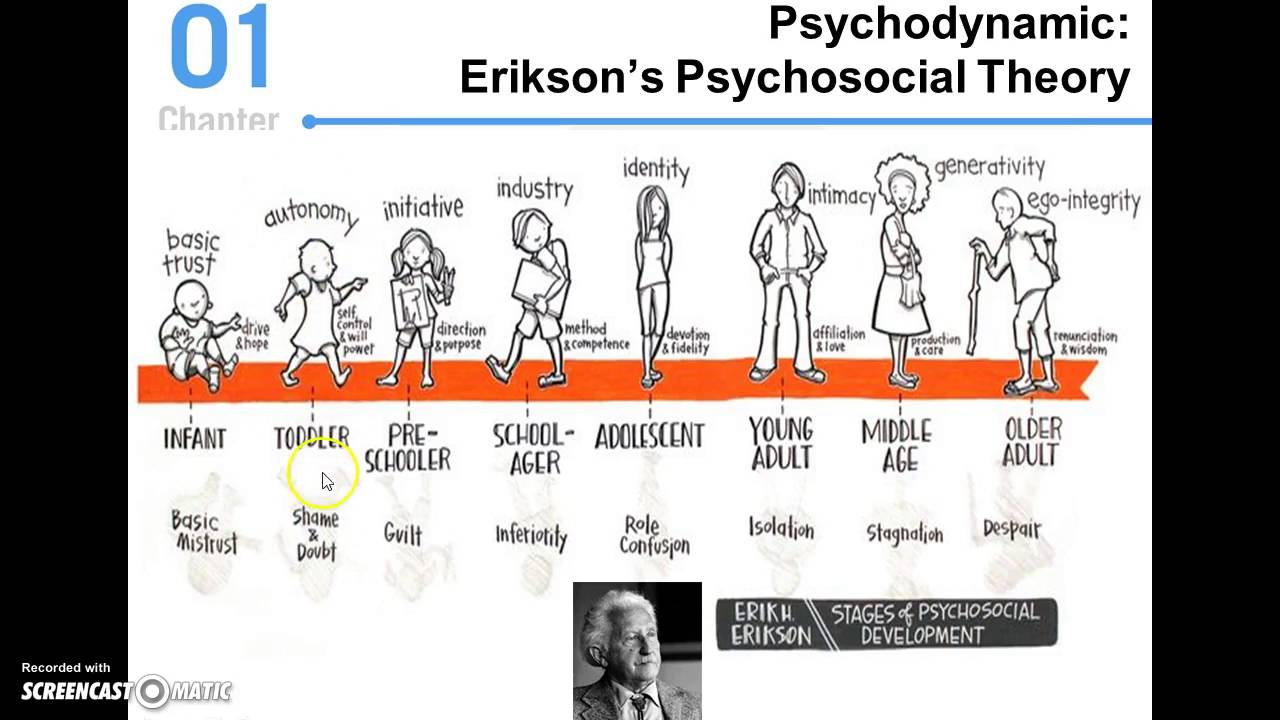
Added:hey everyone it's sarah register nurse rn.com and in this video i'm going to be going over infant developmental milestones and this video is part of an nclex review series covering pediatric nursing and as always whenever we get done watching this review video you can access the free quiz that will test you on this material so let's get started when we're talking about infant developmental milestones we're talking about children from the age of birth to one year now whenever you're studying these developmental milestones there is specific categories that you want to know for your exams so to help us remember those categories for the infant we're going to remember the word babies because we're dealing with babies here so b is going to stand for body changes all the body changes that are going to occur in that infant that you want to know for exams and then a is for achieving milestones specifically we're talking about motor and cognitive milestones and we're talking about the specific months when they should hit those milestones then the other b is for baby safety i is for interventions that you want to consider as a nurse whenever you're providing care to that infant e is for the eating plan and then s is for social stimulation play so first let's talk about body changes okay big thing you want to know about these infants is when those font nails are going to close we have an anterior font now and we have a posterior font nail if you feel on a baby's head you can feel the area where these font nails are they feel squishy and soft so the anterior font nail it closes at about 18 months of age the posterior closes around two months of age so as a nurse whenever you're assessing that infant you're going to see if those font nails have clothes also you want to know about weight and length okay what about weight well you want to know how much they should weigh as time goes on so remember this at about six months their weight should double from their birth weight at 12 months that weight should be tripled compared to their birth weight so let's do a little quiz if the baby was born and they weighed eight pounds how much should they weigh at six months well their weight should double so eight plus eight is sixteen so about six months they should be about 16 pounds well how much should they weigh at a year 12 months well that weight should triple from that birth weight so they should weigh about 24 pounds now let's look at their length generally their length they should be growing about a half inch to an inch every month so let's say our baby when they were born they were 21 inches how much how long should they be at six months well if you apply this little rule they should be anywhere between 24 to 27 inches long then you want to look at teeth their mouth is going to start changing so usually the first teeth to pop up will be those lower central incisors and these are found at in the bottom gum line in the middle hence why we call them the central and they they tend to erupt in most babies around 10 months of age some some get them a little bit sooner now whenever we talk about the preschool or school-aged child they will actually lose these central incisors and they tend to lose those around six to seven years old and actually my son has just lost his central incisors next is a for achieving milestones so we're looking at specific months when they should be hitting certain milestones and as we go through these milestones i'm going to try to point out the ones that tess love to ask you about so whenever you are assessing an infant every like well visit they come in or whenever you're providing care to them you're going to look at their age and you're going to ask yourself okay are they doing what they should be doing at this age for instance if they're two months old the baby should be doing these if they're four months old they should be doing these so those so that's why it's really important we know these developmental milestones so at two months an infant should be doing the following they should be moving their head from side to side they should be able with their eyes to track people's faces so follow the face or an object they will be starting early language like they will be making verbal noises like those coup sounds a big thing that i personally love is they should be smiling by this age so you'll see that also they should be able to hold their head up when they're on their stomach so tummy time is very important for these little infants so they can start getting those motor skills now at four months what should they be able to do well this is when the baby actually starts to enjoy play especially with the parents now this is just very early play also their cooing that they did over here at two months is actually going to transition into babbling and they may start copying noises that the pain that the parent makes also they will hold toys maybe like a rattle and they will start to reach for things so that's when things start getting fun when they start to reach for stuff also they have the ability to start remembering faces and certain objects and this is another big milestone that they do over here that you want to remember this is when they start to roll over so some things whenever we're talking about safety whenever they start rolling over a parent needs to definitely be more aware of baby because instead of baby just laying there chilling now they can flip over and they can potentially fall also swaddling whenever you wrap the baby in that burrito type thing with the blanket that's when you want to stop swaddling is whenever they can start rolling over next is six months so at six months the infant should be able to set up with support they will start to have stranger anxieties so whenever people come around them that they're not familiar with they will not like that and they will display that in their face and they may even cry and they won't want to go to that stranger also the babbling that they had before at four months is starting to progress where they're gonna have early vowel sounds in that babbling also they'll be able to recognize and respond to their name which is always so fun whenever they start to understand what their name is and they will start to have fun looking at themselves in the mirror so that's a little bit of play that they can do around this time then at eight to nine months they can actually start to sit up without support so over here they need support but over here they don't need that support they can actually set up and hold their own also they start to crawl at this age and they may start to stand by pulling up on an object and actually holding on to the object while they're standing this is the beginning of walking which they'll start doing a little bit later on also a big thing that you want to remember in this age category is that they start to use the pincer grass now what is that well this is where they use their thumb and their index finger and they will go and pick up little small objects like cheerios or something like that also this is where they start to move objects from hand to hand so you may be able to give them a little block and they can switch it from a hand to hand and they start to have object permanence now what is this well this is where they finally realize that when something disappears it still exists so this is where you can start getting a little more creative with play you can hide objects and they can try to look for them because they know that they still exist or you can play peekaboo and they will start to enjoy that and lastly we have 10 to 12 months so what should this child be doing by their first birthday well they should begin walking this is a huge milestone so they went from crawling to now walking they will be able to do this by either holding the parent's hand and they will be able to take steps some children can actually walk on their own without their parents help but it really depends on the infant and this is really the beginning stages of it they're not masters either they're going to trip they're going to stumble and they're going to fall also they should be able to follow very simple commands like if you tell them no they'll know they shouldn't do that also if you tell them to wave by a lot of children they can wave by so just very simple things also they should be able to take objects and put them inside of a container or they can take the objects and bang them together so notice as we progress with age play has changed they went from liking to look at themselves in the mirror from playing peek-a-boo to now taking objects and putting them in containers so whenever you're looking on exams and they're asking okay you have a hospitalized infant what's an appropriate play situation you can do with this infant you'll want to know what you can do also they should be able to say simple words like mama or da dab and this is when separation anxiety happens so this is when the caretaker the main caretaker like the mom or the dad is removed from the site of that infant that infant freaks out does not like it will cry until they can see their caregiver again so again you want to keep that in mind as the nurse that this starts around this age next is b for baby safety now there are some specific topics that you want to know for exams about baby safety that you're going to educate the parent about that you really have to watch out with these infants so first is sids this stands for sudden infant death syndrome now what is this well this is where a healthy infant under the age of one dies usually in its sleep for some unexplained reason they're not totally sure but they know that if you do some preventative measures that that helps decrease the risk so you want to teach the parent the following things number one the best sleep position the best sleep position for an infant is on their back not their side not their tummy but their back second you want to educate them the importance of avoiding smoking around that infant because that can irritate the respiratory system third you want to educate them about removing extra items from the like blankets toys because that can smother the baby's face also the importance of not over dressing the infant when it sleeps we don't want them to get really hot and um sweat that can increase the risk of sids and then lastly the importance of making sure that the parent doesn't sleep in the same bed as the infant they can sleep in the same room that's totally fine but have the infant's own place where they can sleep the next topic you want to educate the parent about is about shaken baby syndrome this is where you want to stress to the parent that they never want to shake a baby because a baby's brain is very fragile inside of their skull and if a baby is shaken that brain in a sense will just rock back and forth up against the front and the back of the skull and can cause a traumatic brain injury which can lead to a severe disability or even death so you know caring for an infant can be stressful so you want to tell the parent you know if you're going through one of those stressful times lay the baby down make sure they're safe and just take a break for a second and you want to stress to never ever ever do this another topic you want to talk about is choking from birth to one they are definitely at risk for choking whenever they're born they're at risk for choking on breast milk mucus that gets built up in their respiratory system you need to teach them how to suction that out with those little bulb suctions cpr recommend that they take a cpr class and then as they get older and progress there's a risk of them choking on foods because around six months of age that's when you start introducing foods so you want to tell them to avoid giving them small round little foods like grapes uncooked vegetables popcorn because the infant can get choked on that then we have car seat safety where is the best place for an infant to be whenever they're riding in the car well in that back seat and you want to put them in a car seat that is rear-facing so in a sense they're like backwards in the car and that is where they want to be they don't want to be in the front and they don't need forward facing that comes a little bit later and then burns burns becomes a big issue especially when that infant starts becoming more mobile where they're starting to reach for things because that starts around four to six months and they get really good at it so you want to make sure that they're not close to a stove while you're cooking and watch those electrical outlets also the water some water heaters can get really hot so you want to make sure that you have it on an appropriate temperature so the infant doesn't turn on the water and scald themselves and then we have the whole rolling over issue so here's your baby it's born they normally just lay there they don't really move except their arms and then all of a sudden around the four-month mark they will start rolling over it's exciting but this is a time when that baby's starting to become more mobile and they can get hurt so you want to teach the parent that this starts happening you want to make sure that they're always in a safe spot that they're not going to roll off and hurt themselves and again as i pointed out earlier this is the time when you would want to stop swaddling them because when you swaddle them you put them on their back but if they're starting to roll over in the middle of the night they could roll over they could get their face on the mattress and couldn't be able to breathe next is eye for interventions that the nurse wants to consider whenever this infant is hospitalized so infants whenever we look at erickson's stage of development they are in the trust versus mistrust stage so i would commit that to memory and in a nutshell what that means is that that infant is building trust so building trust with our caregiver that their needs are going to be met so as a nurse we need to help the infant in this stage and meet those so what can we do well an infant how do they tell you that they need something they cry so it's your job to figure out what's wrong do they need a diaper change are they hungry are they in pain they have gas what's going on so you're going to respond differently to a younger infant compared to an older infant so to help build this trust whenever they cry you want to respond to that promptly and investigate what's going on and you want to sue them so for the younger infant how a young baby is soothed is that you rock them you swaddle them you hold them or you give them the ability to suck all those things are going to help soothe them and calm them down now with the older infant you're going to look at some other things that could be causing their crime to help keep them calm and build that trust because remember as they got older they started experiencing stranger anxiety separation anxiety so for separation anxiety what can we do help keep that parent there their caregiver there so it keeps the infant calm like whenever we're assessing them or something keep the infant on the parent while we assess that'll help calm them a little bit also with stranger anxiety how can we help with that well this infant starts to recognize hey i don't know you and i don't trust you but to help with that nursing the same nursing staff can be scheduled to provide care to that infant and also play is starts to become really important as this infant gets older so um depending on their age you want to implement certain play strategies with them give them time out of that crib out of that bed to play then we have e for eating plan how's this infant supposed to eat well breastfeeding is gold standard that's the absolute best for an infant and you want to educate the mother about that so the first six months that's all that infant needs they don't need any extra fluids or food just the first six months exclusively breastfeed and then after those six months continue breastfeeding but you can start implementing food over time now the american academy of pediatrics recommends if an infant is exclusively breastfed that's all they have they don't have a formula or anything that they should be supplemented with vitamin d 400 international units on top of their breast milk to help with those levels now if they can't breastfeed the next best is formula that has iron in it and some things that you definitely want to tell them to avoid during those first 12 months of life is that they don't need any cow's milk or honey and lastly s for social stimulation so we're talking about play now infants aren't big about playing with other children of course they're just not there yet they're more of independent players so they do what's called independent play now it starts out with observation during the birth to first four months of life and then it progresses to interaction where they want to interact with their environment so with observation during that birth to four months what can you do to play with them well you can just be there with them because they love to look at faces and they also love to look at high contrast items also they love the sound of voices so being sung to talk to that is how they play and then after four months they start to break out of that and they start to interact with their environment so this is where toys start coming in handy like letting them hold rattles hearing that shake of that rattle and moving that um blocks hitting the blocks together putting them in a bucket and just hearing that noise and hitting them together and then the push toys that you can buy because remember they like to pull up and stand and push and that's going to help build those muscles and that body up as they progress for whenever they start walking and they love again hiding objects playing peek-a-boo okay so that wraps up this review over infant developmental milestones and don't forget to check out the other videos in this series and to access the free quiz which will test you over this content
Up Next

Pediatric Vital Signs: Normal Values and Measurement Techniques
@nursingmadeeasy4180
1.1K views•2021-08-02

Rapid Quantitative Immunostaining of Intact Biological Systems
@simonscenterforthesocialbr1919
247 views•2015-12-02
Preeclampsia and Eclampsia Nursing Review: Pathophysiology
@RegisteredNurseRN
1.1M views•2020-04-01

Stages of Labor and Vaginal Birth | Childbirth Animation
@nucleusmedicalmedia
52.1M views•2017-08-18
Related Study Plans & Knowledge Roadmaps
Structured learning paths in Medicine