




















Preeclampsia is a hypertensive disorder of pregnancy occurring after 20 weeks gestation, characterized by new-onset hypertension (systolic >140 mmHg or diastolic >90 mmHg with two readings 4-6 hours apart) and proteinuria, which can progress to eclampsia (seizures). The pathophysiology involves abnormal placental development where spiral arteries fail to remodel properly, causing placental ischemia; the ischemic placenta releases toxic substances that damage maternal endothelial cells, leading to vasospasm (causing hypertension), increased vascular permeability (causing proteinuria and edema), and organ injury affecting the liver, kidneys, and brain. Risk factors include first-time pregnancy, family history, diabetes, obesity (BMI >30), multiple gestation, and advanced maternal age. Nursing management focuses on monitoring blood pressure, proteinuria, reflexes, and fetal status, administering magnesium sulfate for seizure prevention, maintaining left lateral position for placental perfusion, and preparing for delivery as the definitive treatment.
Preeclampsia and Eclampsia Nursing Review: Pathophysiology
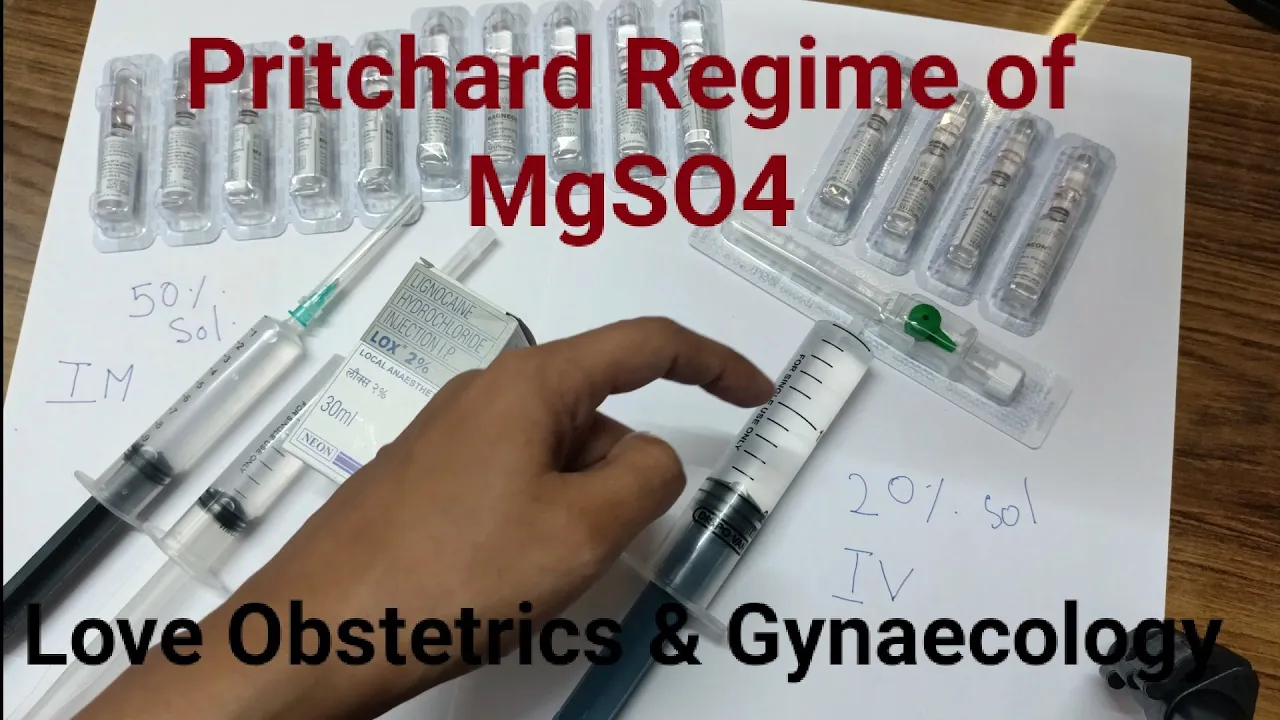
Added:hey everyone it's Sarah threads tuner sorry and calm and in this review we're going to talk about preeclampsia and eclampsia and as always whenever you get done watching this YouTube video you can access the free quiz that will test you on this content so let's get started preeclampsia is a type of hypertensive disorder that occurs during pregnancy and it tends to happen after 20 weeks gestation so that halfway point of a normal 40 week pregnancy so with preeclampsia if it's severe enough it can actually turn into a clam Zia and according to the Merriam Webster's dictionary the term a clam Xia means compulsive state so we want to make sure we are monitoring a pregnant woman really closely to make sure we're catching the preeclampsia condition before it progresses to this seizure-like activity where she starts having seizures which can progress to a coma and to death so now let's talk about the criteria used to diagnose a patient with preeclampsia and as a nurse the reason we want to be familiar with this criteria is because we're going to be responsible for collecting this information and we want to know if this is abnormal what we're getting and what to report to the physician who can use that information to diagnose the patient with preeclampsia so these guidelines are set by the American College of Obstetricians and Gynecologists and there's three things that we're looking for we're looking for hypertension protein in the urine and signs and symptoms that we have some type of organ injury and this is going to make a lot of sense once I start covering the pathophysiology here in a moment so first hypertension what's considered high for a pregnant woman what do we need to be looking out for well typically with preeclampsia before that twenty weeks their blood pressure is going to be normal but once I hit that halfway point at 20 weeks you will start to see it elevate now according to those guidelines it's a new onset of hypertension and we're looking for anything greater than 140 systolic and anything greater than 90 diastolic however it's not just one reading they need to have at least two readings of this that are at least four to six hours apart now with severe preeclampsia they have a severe form of it the systolic can get as high as 160 and that diastolic meet greater than 110 now preeclampsia is different than gestational hypertension with gestational hypertension the blood pressure does increase but they do not have protein in their urine or those signs and symptoms that are telling us that there's probably some organ injury so hopefully that'll help you keep those two conditions separated then we're looking for protein in the urine which we refer to this as protein urea now most women will have the hypertension along with the protein area but some small amounts of women may not have the protein in the urine so you want to just keep that in mind so what lab values are we looking at that's abnormal that tells us hey this person has some protein in the urine this needs to be investigated a little bit more well whenever a woman goes to a prenatal visit she's always submitting a urine sample they're looking for protein along with glucose and we talked about while they're looking for glucose and our video over gestational diabetes so any value greater than plus one whenever they're using a dipstick test would indicate that this is abnormal there's protein in this woman's urine and typically whenever that happens the woman will do a 24-hour urine where she'll collect her urine for 24 hours submit it to the lab and they'll check it for protein and anything greater than 300 milligrams is positive for protein or they can do a creatinine protein ratio and anything greater than 0.3 milligrams per deciliter is an indication that we have proteinuria then we're looking for signs and symptoms of organ injury and what tends to be affected with preeclampsia as you're gonna see here in a moment is the liver is going to be affected the brain and the kidneys and this can even progress to severe complications like help syndrome also the placenta is going to be affected which in turn can affect the baby so it can cause a whole variety of problems and preeclampsia really varies among women some women they'll have mild cases some women can have severe cases that do progress to a clamp Co now let's talk about the risk factors associated with preeclampsia because as a nurse whenever you're talking with this patient you're collecting her health history you want to be able to identify these risk factors because it tells us how we better be monitoring this patient very closely for this condition so some risk factors include having a history of preeclampsia in her past pregnancies or she has a family history of it this is her first pregnancy so first time she's ever been pregnant she has a significant health history prior to this pregnancy she may be diabetic have lupus high blood pressure kidney disease obese where her BMI is greater than 30 she's having more than one baby twins triplets that increases the risk and her age we're talking about either being very young like less than 18 or advanced age greater than 35 years so now let's talk about the pathophysiology of this condition and how preeclampsia turns into a clamp Zia and to do that we were going to take the signs and symptoms of this condition and mesh it with what is occurring in the moms body whenever she develops preeclampsia because if you can understand this there is no need to memorize these signs and symptoms it's just going to click so we have three key players in preeclampsia first key player are the spiral arteries of the uterus the next one is the placenta itself and then the third one is mom's body specifically her endothelial cells so those are about these spiral arteries these arteries get their name from the way they look they are spiral and they are found in the uterus and they're going to play a big role in supporting this pregnancy because when and were the trophoblasts embeds into the uterus it wants to tap into the blood supply of the uterus because it knows it's got to grow a placenta it's got to grow a baby and if we don't get good blood flow to the placenta hence the baby can't really grow and develop so we have these spiral arteries that are normally there and whenever this pregnancy progresses hips were hitting that midway point these spiral arteries are going to increase in their diameter and by doing that that increases blood flow from the uterus to this placenta hence more blood flows want to go to baby and baby can grow and flourish however in preeclampsia this changing of these spiral arteries in their size does not occur they think the reason it possibly doesn't occur is because whenever this trophoblasts embedded itself in the uterus it did this not in a good way it was very poor and how it did this so we didn't get the whining of these spiral arteries so if you don't get the increase in diameter of the spiral arteries what's gonna happen to the placenta it is not going to get as much blood flow and this placenta is going to become ischemic so whenever the placenta becomes ischemic then it gets really stressed out so it's going to release substances into moms circulation in hopes of increase in the blood flow but unfortunately these substances are going to be very toxic to her endothelial cells so as those substances are going through Mama's body Mama's body doesn't like it and her endothelial cells become damaged so if you can't remember anything else about preeclampsia remember damaged endothelial cells because this is where all of our signs and symptoms are really coming from these poor little cells are damaged and we're seeing major issues so let's talk about these cells what are they where do they live well endothelial cells are found inside blood vessels so they line the inside of blood vessels we're learning about blood vessels throughout the whole and like to your organs you have some found in your kidneys like the glomerulus you have them lining up through your brain everywhere so whenever they become damaged that causes major issues so what's the role of these cells well two things I want you to remember that they do one thing that they do is they control the tone of that blood vessel so here they are hanging out lining the inside of it so it controls how this vessel constricts and how it ones however whenever they're damaged they're not going to have a tone because they're not they're being able to line that vessel so instead this vessel being able to stay open you're gonna have vasospasm zips constriction of that vessel which is when a lead to our first sign and symptom hypertension elevated blood pressure whenever you constrict a vessel that increases pressure within that vessel and that's why we will start to see the high blood pressure in our patient now as you note whenever we're looking at these signs and symptoms you will see these little asterisks by these signs and symptoms these three signs and symptoms at the top are the hallmark signs and symptoms of preeclampsia and another thing that these endothelial cells do is that they control the permeability of the blood vessel so normally these endothelial cells are nicely knitted together and they control what they let through them and what they don't however whenever these cells become damaged they're not nicely knitted together anymore so normally substances that wouldn't leak out of them start to leak out of them and one of those substances is protein and as we've talked about in our other lectures especially whenever we went over renal disease we talked about how protein regulates oncotic pressure so whatever protein leaves this blood vessel water is going to follow and this is where we're gonna see these other signs and symptoms so first let's talk about the proteinuria where is this coming from well in the kidneys specifically the glomerulus you have endothelial cells lining that will meritless and your kidneys normally filter your blood and it picks what substances it wants from your blood and reabsorbs it excretes it and just deals with it and then you get rid of it as urine however normally large molecules like protein do not get filtered by your kidneys however whenever those endothelial cells are damaged they are going to leak and protein can get through so proteins going to leave the blood oil-drop protein levels in the blood and it's going to go into the urine hence why this person will start testing positive for protein in their urine now our kidneys are not functioning like they should we have the vasospasm is going on this is decreasing the profusion to the kidneys also from where this water is going to be leaving these blood vessels throughout the body it's gonna draw blood volume so we're gonna have less blood volume being able to be perfusing these organs specifically the kidneys so our kidneys aren't going to be performing like they should so normally they would regulate uric acid levels instead uric acid levels are going to increase which is a waste product creatinine levels are going to increase and our urinary output is going to decrease because their kidneys just aren't functioning the way they should so as a nurse you want to be looking at their urinary output strict eyes and nose looking at that creatinine level your AG acid level then you'll also see edema this is swelling with preeclampsia you may notice it in the face a face will look puffy the eyes will look puffy and the extremities and three then this is happening is because of this permeability issue we've dropped the protein in the blood because where is it when it's left that vessel it's pulled water with it into those interstitial tissues so you have the swelling of the tissues present also the lungs can be affected where the woman will be getting short of breath because fluid has started to collect in her lungs so pulmonary edema and she may notice that she's gaining a lot of weight this is water weight from where the water has shifted into the interstitial tissue so tell her to weigh herself every day and to watch for a weight gain of two pounds or more per week then we will also have a deal of the brain so blood slope is going to be compromised to the brain but there's also going to be swelling of that brain tissue cerebral edema remember we have endothelial cells up there their permeability z' increase and this is where things can start getting really severe and progress to eclampsia that convulsive state because whenever you have swelling of the brain you're gonna see the neuro changes because our central nervous system is irritated just stress out to the max so you can start seeing severe headaches vision changes hyperreflexia this is where you have exaggerated deep tendon reflexes so one thing you want to take away from this lecture is a person with preeclampsia you're always checking those deep tendon reflexes and whenever we're talking about exaggerated reflexes we're grading them like four plus we're checking that we're also checking for clonus or clonus of those ankles which we're going to talk about in depth in our nursing interventions and whenever a patient starts having this this means that there is a high risk of seizure activity so we want them on seizure precautions they're gonna be started on magnesium sulfate and that has its whole wide variety of nursing interventions that we're going to talk about here in a moment also our liver is going to be affected as well swelling it's going to be affected with its perfusion so she can have upper abdominal pain also the liver enzymes are going to be increased like the alt and the ast and then a little bit more about these endothelial cells because once we start progressing to this we start getting into where we're having those severe complications associated with preeclampsia like help syndrome and whenever these endothelial cells are damaged the body wants to repair them so imagine you have your endothelial cells they're all damaged and the body's like oh we need to send our immune system cells to go there and take care of the problem but it actually causes more problems so whenever these cells are damaged the platelets are going to go and stick they're trying to help with the injury to these cells but they're actually going to cause problems because when the platelets are sticking together they're blocking blood-flow even more to that organ that that blood vessel perfuses also it's going to draw our platelet levels in our body so she can enter into a condition called di C disseminated intravascular coagulation also due to the salmon's you're gonna have red blood cell rupturing so hemolysis so with help syndrome I'd be familiar with it help is an acronym the H stands for hemolysis which is the rupture of red blood cells ELO sans for elevated liver enzymes which we talked about why that was happening with the liver and then LP stands for the low platelets and that is what's occurring here with these endothelial cells now some other complications that can occur with severe preeclampsia is that this placenta can actually detach itself from the uterine wall so you have placenta abruption have a whole lecture on that if you want to check that out and the baby can be affected with its growth it can have restricted growth as well now let's wrap up this lecture and let's talk about the nurses role in the treatment for preeclampsia so we're going to take all that pathophysiology and the signs and symptoms that we just learned and put it into what we're going to do for this patient as the nurse and to help us remember that let's remember the word preeclampsia so P is for proteinuria monitoring every visit this patient is going to have their urine checked for protein and some women may even be taught to check their urine at home for protein and we're looking for those values that you can see on your screen I'd covered those earlier so be aware of those values that because that can indicate protein in the urine also other prenatal labs that you want to be familiar with that could help diagnose this condition is like a complete blood count they can look at the red blood cells because we want to see how are they doing they can also do a peripheral smear make sure there's no rupture of those red blood cells look at the platelet levels anything less than a hundred thousand the bwin and creatinine that tells us how well those kidneys are functioning do we have renal insufficiency and if they suspect patient has preeclampsia they can look at liver function and check enzymes like that ast and the alt and anything greater than 70 international units per liter could indicate possibly we have liver injury then we have our four reflexes hyperactive and we're talking about the deep tendon reflexes and if these are hyperactive this is telling us that that central nervous system is stressed out it's irritated and we are at risk for seizures so you want to assess that neuro status you want assess for vision changes headache things like that and typically whenever that is happening with a patient with preeclampsia they're gonna be on magnesium sulfate now magnesium sulfate you can have toxicity and you want to remember this for your exams what are some signs that a patient is experiencing magnesium sulfate toxicity well they have absent deep tendon reflexes they're gone or they're majorly decreased so be on the lookout for that then II for evaluate for high blood pressure because hypertension was one of those hallmark signs and symptoms every time a woman goes to her OB doctor she has that blood pressure measured every visit you also want to educate the mother how to do this at home she can get an automatic blood pressure cuff she can check her own blood pressure and again what was considered hypertension a systolic greater than 140 $1.00 systolic greater than 90 and it has to be at least two separate recordings at least four to six hours apart the other is for edema monitoring you want to teach the woman to monitor herself for this by doing daily weights also you're going to assess for this every visit every time you see that woman and ask her do you have swelling in your face your eyes your extremities how's your weights been have you gained more than 2 pounds in a week that can be a telltale sign and how is breathing does she have shortness of breath this suit could indicate pulmonary edema then see us for calcium gluconate so why do you need to know about this well this is an antidote but what is it an antidote for it is an antidote for magnesium sulfate and we've talked a little bit about this but here in a moment we're going to go in detail but magnesium sulfate is given to help decrease the risk of seizure activity in these patients who have preeclampsia however there is a risk for magnesium toxicity so on hand you want to make sure that you have easy access to calcium gluconate in case you have to give this to your patient l is for left side line position and here you can see in this picture that this person is lying on that side and the reason we want them here is because this helps with blood flow to the placenta Hintz preventing placenta ischemia as much as we can for a patient has preeclampsia also want her on bed rest limit stimulation and monitoring that fetal heart rate and that is you can also see that here in this picture as well that's what's strapped around the abdomen and teach her to report any decrease in fetal activity a4 assess for seizure activity hence eclampsia because this is a risk with preeclampsia and there is a risk for seizures during and after labor up to 48 hours so per your hospital protocol you're going to be assessing those deep tendon reflexes and for ankle clonise or clonise and how you check for colones actually we'll be having a video on that that you want to check out but you quickly endorse the flex the patient's foot so you point that toe upward and whenever you do that if it's positive for clonus the foot will actually start to bounce back and forth like it's trying to plantar flex and three bounces or beats or more is considered positive so if you have the ankle clonise you have hyper active or hyperreflexia of those deep tendon reflexes there is a high risk for seizures now whenever seizures do happen with the eclampsia early on you may see facial twitching followed with changes in their mental status and then they'll have a full-body tonic-clonic seizure and this is where there's can action and stiffening of the body followed by jerking of the muscles and the this can progress to a coma now what is your role as the nurse during a seizure well before the seizure if you know that this patient is at risk she has all these signs and symptoms pointing to it you want to have her on seizure precautions beforehand so whatever your Hospital has for that you want to read up on that you want to have suction you want to have things to manage that airway padded side rails etc so whenever a patient does have a seizure you don't want to leave them you want to stay with the patient get help you don't want to restrain them and you want to get them on their side specifically their left side is best and we talked about why that is with the placenta perfusion but it helps prevent aspiration helps open that airway so that tongue doesn't get back there and block the airway and you want to make sure that you can get oxygen on them about eight to ten liters and you're going to monitor the baby and your you want to time that seizure and the characteristics of it also the patient's probably going to need medication afterwards and you want to prepare for the delivery of the baby because with preeclampsia the treatment tends to be get the baby out get up will send out because that is where we're getting our problem is with the placenta so normally if that placenta baby can be removed that will help with treatment of this condition and this leads us to the next part of our pneumonic which is in for magnesium sulfate magnesium sulfate as I've said earlier is administered to prevent seizures in that patient who has preeclampsia because remember seizures can happen during and after labor up to 48 hours after delivery so what magnesium sulfate is going to do in a sense is it's gonna relax and help chill out that central nervous system that is majorly irritated and one wrong move in a sense can send the patient into having seizures but whenever your patients on magnesium sulfate you are going to be looking and assessing for signs of toxicity so some early signs that your patient may be having this is that they may report that they feel warm or you may know flushing they can also have a decreased respiratory rate of less than 12 their deep tendon reflexes can be very decrease or absent so that is why we're checking that patellar reflex the bicep reflex looking to see how those are and we're grading those also their urinary output can be less than 30 CCS an hour and you can notice EKG changes P is for protein rich diet you want to educate the woman to eat foods that are rich in protein because remember we're losing protein in her urine we're losing it throughout the body because those vessels are leaking so it's dropping in the blood and it's important that she eats foods that are rich in it like eggs nuts me etc however she wants to watch her salt intake it's no longer recommended that they restrict it completely but they do need to watch it because sodium levels can increase in the blood due to renal dysfunction remember the kidneys aren't working like they should so sodium can actually increase in the blood S is for severe complications to watch out for so one thing you definitely want to watch out for is that help syndrome that I talked about earlier hemolysis elevated liver enzymes and low platelets also di see fetal distress restriction of the growth plus into abruption and stroke there is a risk of that as well eyes for intake and output monitoring patient we're going to monitor their eyes and nose very strictly we want to know exactly what they're putting in and what they're putting out this is going to tell us a lot about our renal function so we won't want to monitor that urinary outfit very closely some patients may have a Foley catheter so we can get a very accurate measurement of how much they're putting out and we want to make sure that they're putting out at least 30 CC's per hour and then lastly antihypertensives these are medications to lower the blood pressure some examples of this could be like labetalol hydralazine however there is a fine line with these medications they're used with caution they're not going to be first-line because if we lower the blood pressure too much it can compromise blood flow to the baby but these are used in some patients but not in all cases okay so that wraps up this review over preeclampsia and eclampsia and don't forget to access the free quiz which will test you on this content
Up Next
Postpartum Hemorrhage Simulation for Nursing Education
@montgomerycollege
498.4K views•2017-09-08

Graphic Medicine: Comics for Collaborative Healthcare Communication
@nationalpatientadvocate
189 views•2023-12-04
Deep Tendon Reflex Examination: Nursing Head-to-Toe Neuro Assessment
@RegisteredNurseRN
793K views•2016-04-01
Stages of Labor and Vaginal Birth | Childbirth Animation
@nucleusmedicalmedia
52.1M views•2017-08-18
Related Study Plans & Knowledge Roadmaps
Structured learning paths in Medicine