
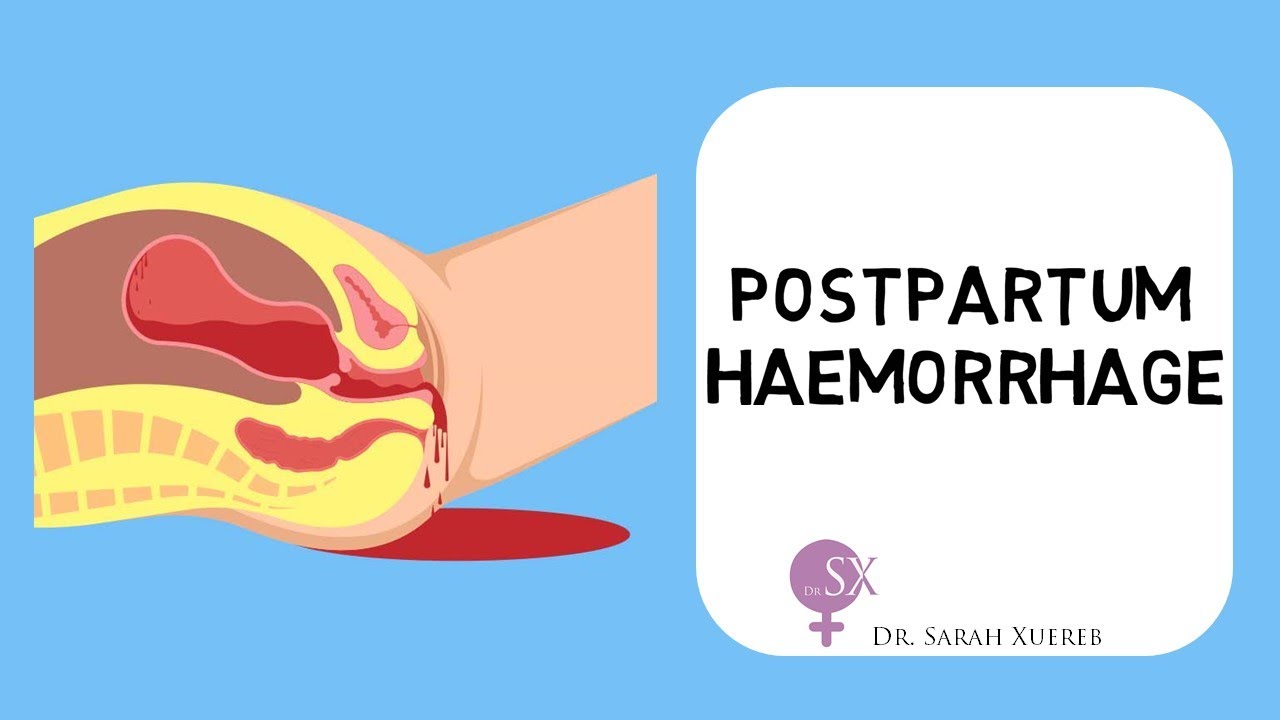
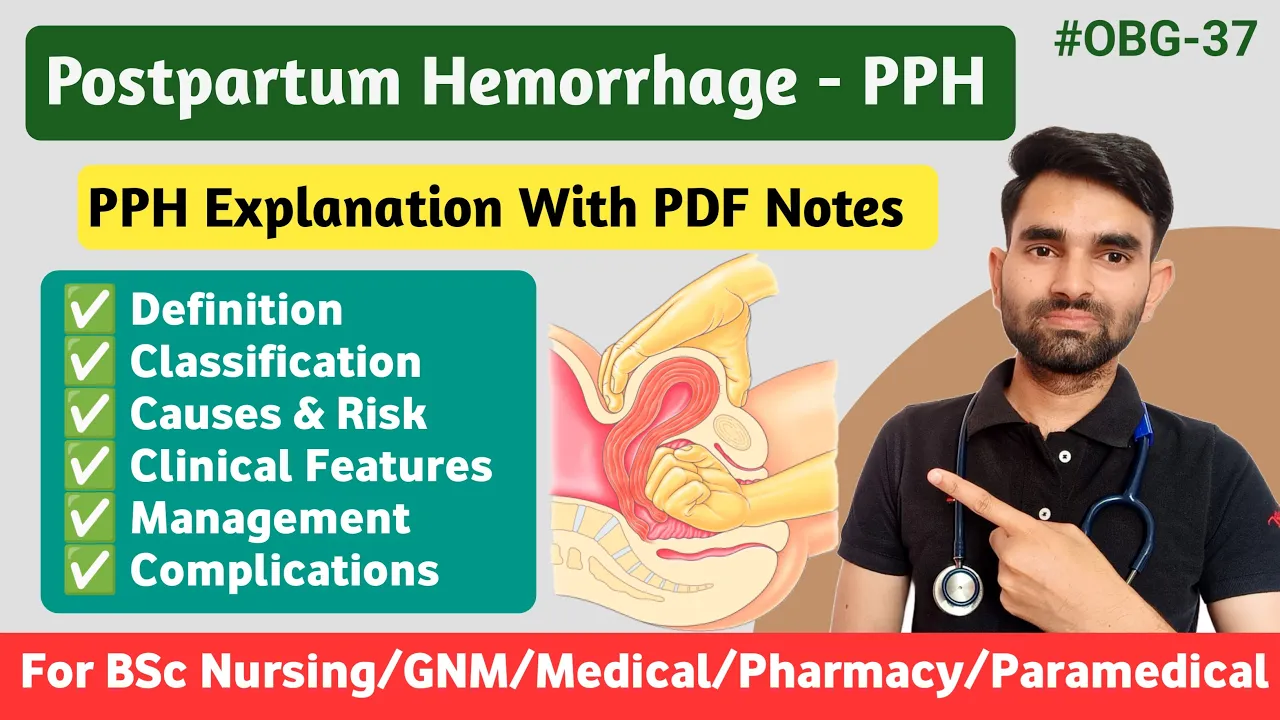

















Postpartum hemorrhage is a critical emergency requiring immediate multidisciplinary intervention, including uterine massage, IV fluid administration, bladder catheterization, and manual removal of retained placental tissue to restore uterine contraction and stop excessive bleeding.
Postpartum Hemorrhage Simulation for Nursing Education
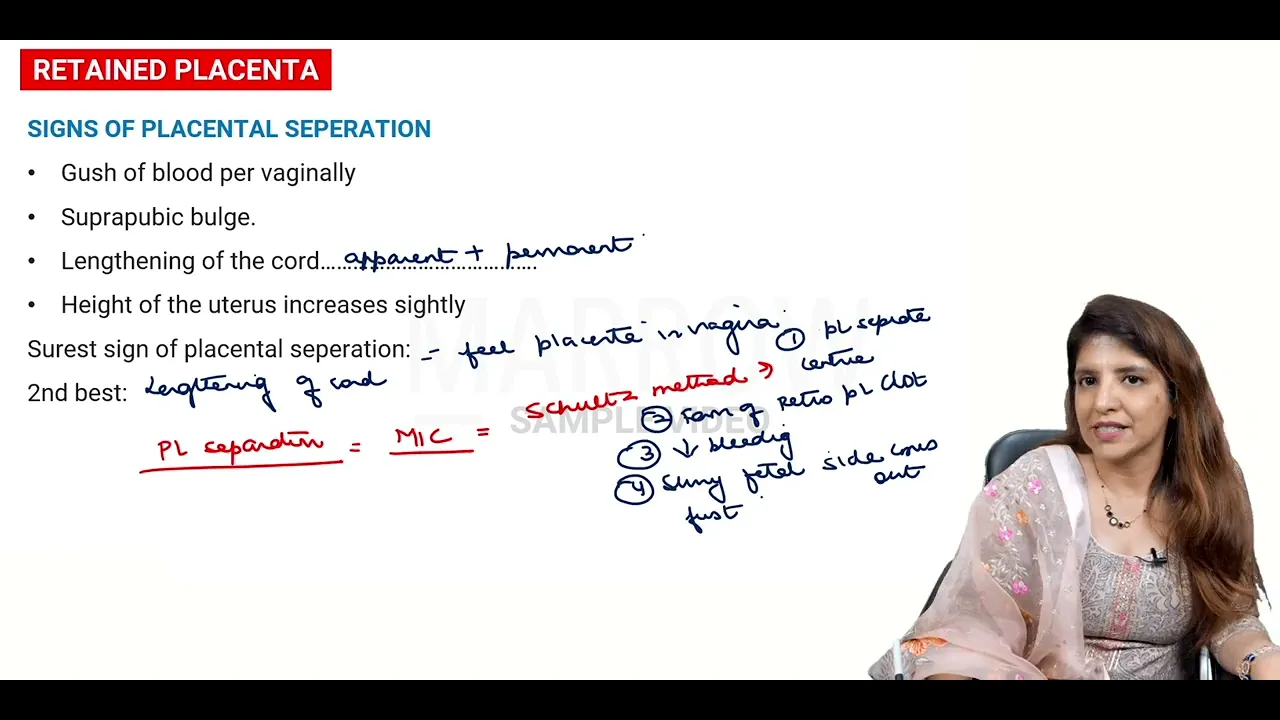
Added:Understanding the '4 Ts' of postpartum hemorrhage etiology: Tone (uterine atony), Tissue (retained placenta), Trauma (genital tract lacerations), and Thrombin (coagulation disorders).
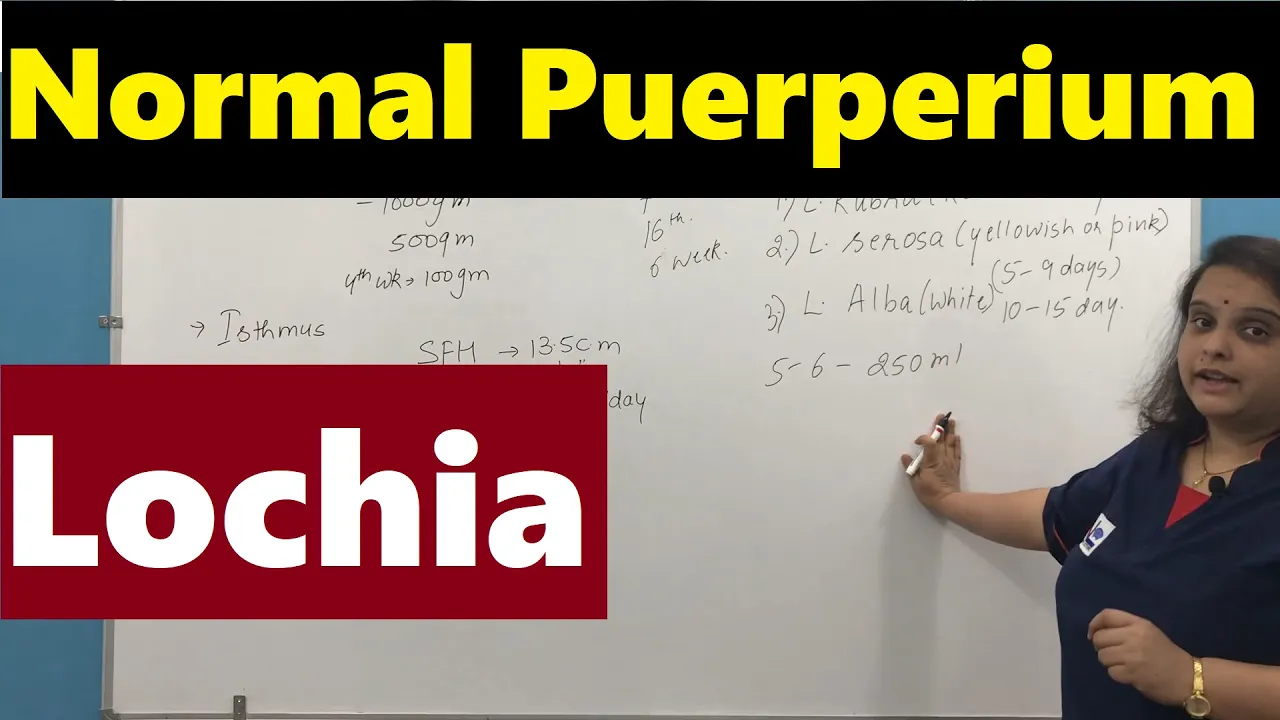
Knowledge of normal postpartum physiology, including expected maternal vital signs, uterine involution, and standard lochia characteristics.
Familiarity with first-line uterotonic medications, their mechanisms of action, routes of administration, and contraindications (e.g., Oxytocin, Methylergonovine, Carboprost, and Misoprostol).
Basic skills in maternal physical assessment, specifically how to perform fundal massage and accurately estimate cumulative blood loss (QBL) vs. visual estimation (EBL).
Advanced mechanical and surgical interventions for refractory PPH, including intrauterine balloon tamponade (e.g., Bakri balloon), uterine compression sutures (e.g., B-Lynch), and pelvic artery embolization.
Implementation and management of obstetric Massive Transfusion Protocols (MTP), including the ratio of blood products and monitoring of coagulation profiles.
Analysis of crisis resource management (CRM) and communication tools, such as TeamSTEPPS, SBAR, and structured debriefing protocols following obstetric emergencies.
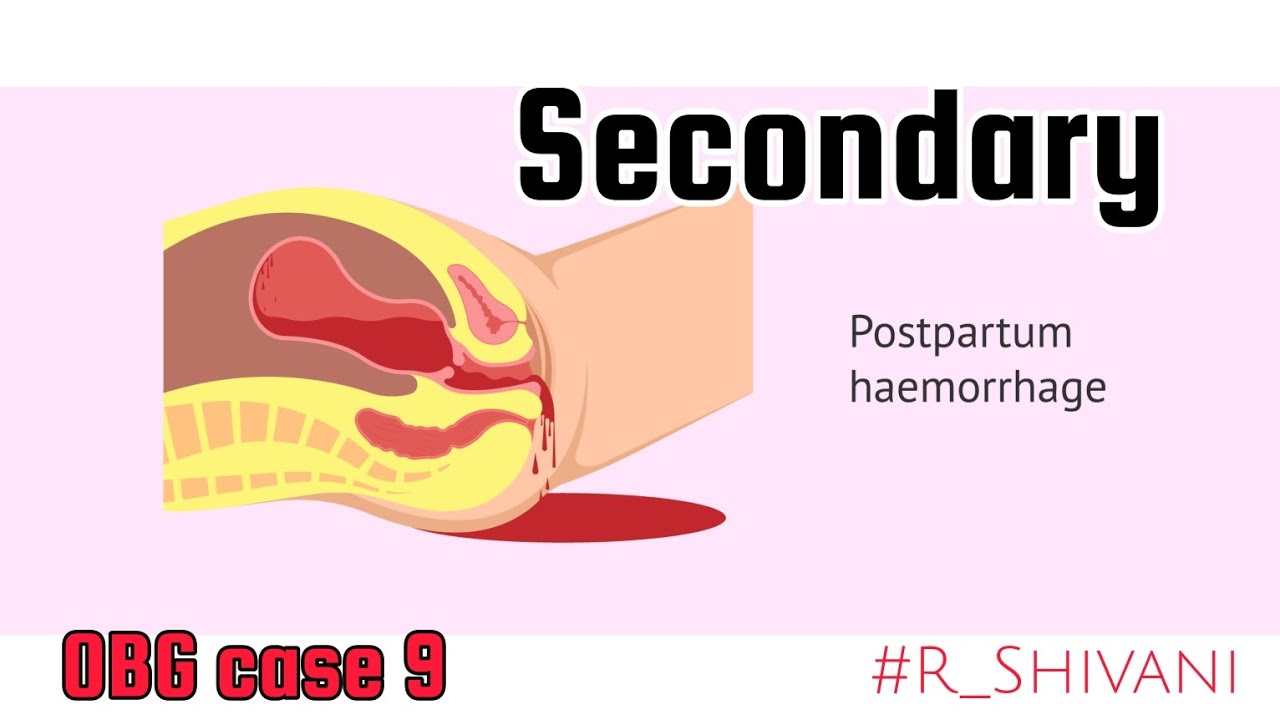
Recognition and clinical management of secondary (delayed) postpartum hemorrhage and the associated psychological support required for patients experiencing birth trauma.
498.4K views3.8Klikes9:33Original Release: 2017-09-08
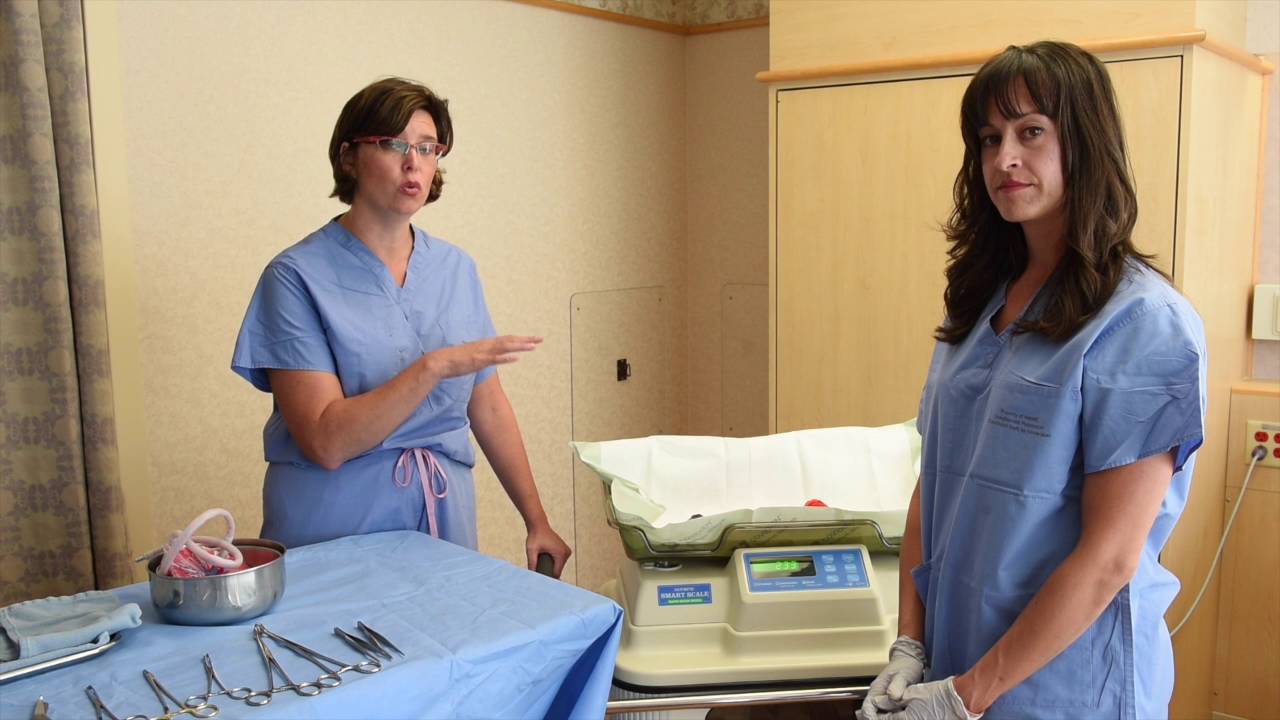
[Music] morning I'm gonna be going home now okay and this curtain is gonna be your nurse for today okay hi I'm Caroline Jeffy I'll be a mess for today until 7:00 p.m. okay all right I'm just gonna go ahead and give her a brief report sure all right okay this is mr. Susan brown she's 28 years old gee topito no known allergies or positive GBS negative rubella immune she's arrived on the unit at five thirty in active labor spontaneous rupture of membrane at 6:10 and she had a precipitous vaginal delivery at 6:42 in France male 9 pound 2 ounces 41 73 grams Apgar 9 and 9 e BIA was 250 second-degree laceration repaired with local and has an ice pack 18 gauge IV access saline lock in the left hand she received five hundred mils LR with 30 units pitocin after delivery for this is firm midline at the umbilicus she avoided 150 about 30 minutes ago okay refused pain medicine vital signs are temperature 98 point 8 okay pulse 102 blood pressure 116 over 72 respirations 18 and oxygen 98 on room air she breastfed after delivery with a good latch for 30 minutes her partner is here with her any questions no I guess not okay wonderful okay I'm gonna believe in you in good she's gonna take excellent care of you okay Thank You Sharon you are awesome can you please verify your name and date of birth for me please so then Brown 1025 88 thank you congratulations to both you and your name my name is Bridget and you are I'm Susan's wife how you feeling any pain I'm just tired and sore but no pain we're just glad this guy's finally here oh yes he's beautiful what's his name Jonathan oh good that's a beautiful name thank you your breastfeeding correct that's right so I'm gonna be checking your vital signs and do it okay okay what about it Bridget's holds the baby while I do that sure [Music] and I'm gonna wrap this around your own okay okay I'm gonna feel a little pressure okay okay just relax on me I'm gonna put this on your finger good I'm gonna check your list no okay do you mind if I move the covers that's okay ah it's like I'm pink copy pH codeine 346 GPA to 340 what's happening reading so much I need to massage your uterus to make sure it's contracted to slow down the bleeding okay I need you to just take a deep breath and relax as much as possible Thanks okay my name is Vida I'm the [Music] Midwife on duty iteration Susan brown regular to part two first we call vaginal delivery at 6:42 to AB 9-pound baby boy EBL 250 voided 150 ml bugging trust when checked at 9:40 to excessive bleeding with clothes we noted okay thank you okay all right well fine thank you lead a fully started please okay early supporter what is happening Vitas gonna set up a catheter to empty your bladder okay it's gonna help your uterus contract a little better reaping off i-55 false one see ya respiration 22 cause of 94 let's start team leader oxygen please okay I get 30 units of 100 LR bolus please and for pain ketorolac 30 milligrams IV push that subcommittee grab Ivy's thoughts okay mom what's happening you're bleeding because your uterus is not contracting I need to get in there and take a look and see if there's any placenta pieces that are keeping it from contracting okay let me get you something for the pain okay Brown I'll give you pain medication okay okay it's all like 30 mg going in IV push we're not put this around you okay Tellis of oxygen per minute it's all looking for the mg IV push wrong yeah I'm gonna give you a medicine to help you ever choke on five six okay okay where's my baby going she's going to the measure okay okay so scary what's happening you're doing we'll just take a deep breath okay okay mom you're gonna feel my hand going inside your vagina okay you're gonna feel some pressure in some pain nice slow deep breaths of the rocks uncle okay we do have some percenter pieces behind and that's we are doing great okay oh all right nice look deep breathing okay all right I got them all out can I get 800 micrograms Saida tech record you're not my field I'm Saturday okay all right slide a check inserted rectally I'll check it by those legs again okay I'm gonna check you out and see how you're doing now BP 100 over 60 pulse 120 huh SATs 97 on Ruby demas I'm scared okay it's a normal reaction to be scared they're gonna do everything we can to help you okay your uterus was not contracting because there were some Sesenta pieces left in there but we got them all out let's have to feel oh that feels much better fundus is firm in midline can we get an Evo in H&H stat and a new set of vitals please share you did so great the bleeding's over now okay okay am I going clear okay you're gonna be just fine okay uncle do you have any questions for me wait Oh mom 1:08 2072 pulse 102 respiration 22 what also 98 EBL 550 Plus what she lost earlier comes to a total EBL of 800 ml we are going to draw some blood that's okay to know the amount of bleeding lost okay and I'm gonna be checking on you every 15 minutes to make sure your fundus is way supposed to be okay okay I'm Amy I'm the Midwife she's doing great she had simple centerpieces that we got out and they're gone and the pending is stopped I'll come back and check on you guys in about an hour and you're doing great you were amazing okay okay team can we debrief in five okay you did a wonderful job on a scale of zero to ten how would you rate your pain I'm okay now maybe a true that's much better okay okay so now that Bridget is here let's talk about what just happened okay okay you
Up Next

7:26
Postpartum Hemorrhage Management: Emergency Response Training
@adamcritcare
367.1K views•2025-03-11

48:47
Graphic Medicine: Comics for Collaborative Healthcare Communication
@nationalpatientadvocate
189 views•2023-12-04

10:28
Neuroanatomy: Central and Peripheral Nervous System Divisions Explained
@AKLECTURES
136.2K views•2014-09-20
3:05
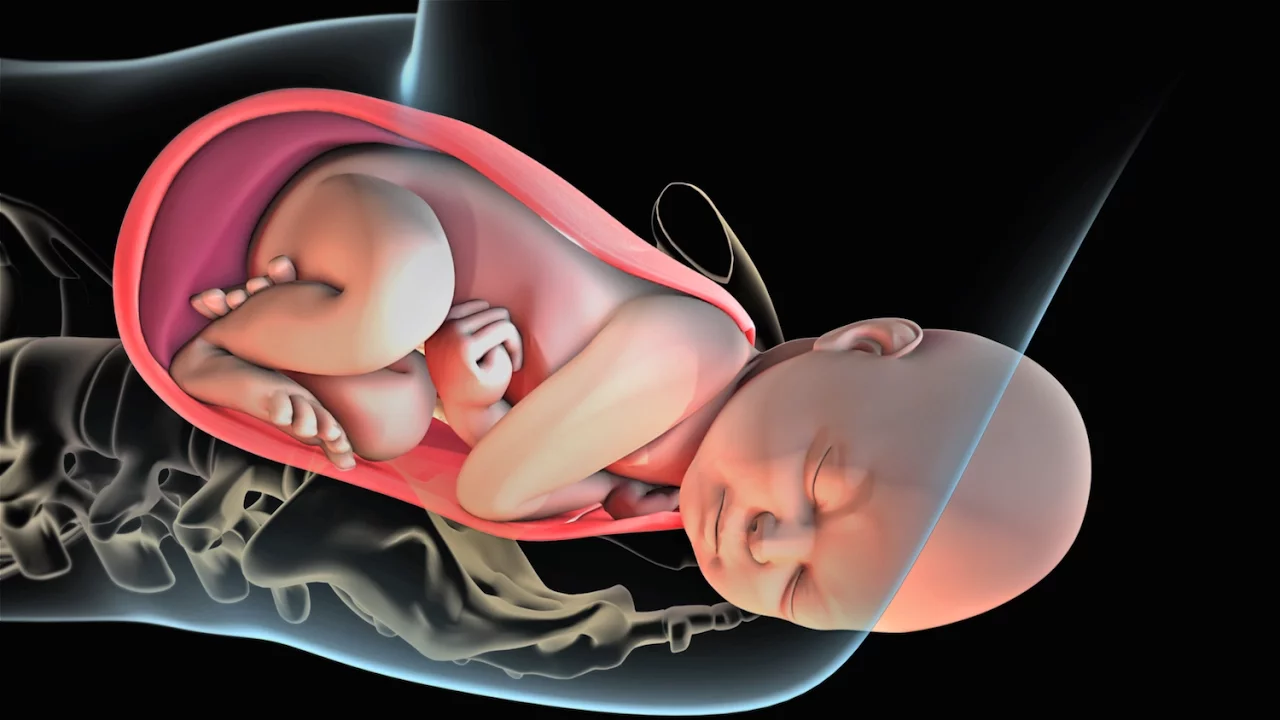
Stages of Labor and Vaginal Birth | Childbirth Animation
@nucleusmedicalmedia
52.1M views•2017-08-18
Related Study Plans & Knowledge Roadmaps
Structured learning paths in Medicine
medicine
Abnormal LFTs: Diagnostic Workup & Pathology
01Liver Anatomy and Basic Physiology
02Introduction to Liver Function Tests (LFTs)
03Hepatocellular vs. Cholestatic Patterns
+ 3 more learning modules
12h6 modules
Explore Roadmap
medicine
Analyzing Blood Smears: RBC, WBC & Platelets
01Introduction to Blood Components & Smear Preparation
02Normal Morphology of Blood Cells
03Erythrocyte Pathologies & Morphological Variants
+ 2 more learning modules
12h5 modules
Explore Roadmap
medicine
Mechanical Ventilation: Waveforms & Alarms
01Anatomy and Physiology of Breathing
02Introduction to Mechanical Ventilation & Core Modes
03Ventilator Settings and Waveform Interpretation
+ 2 more learning modules
12h5 modules
Explore Roadmap
medicine
Neuro Exam: Localization & Stroke Syndromes
01Foundations of Neuroanatomy and Vascular Supply
02The Neurological Examination: Step-by-Step
03Principles of Neurological Localization
+ 3 more learning modules
18h6 modules
Explore Roadmap