



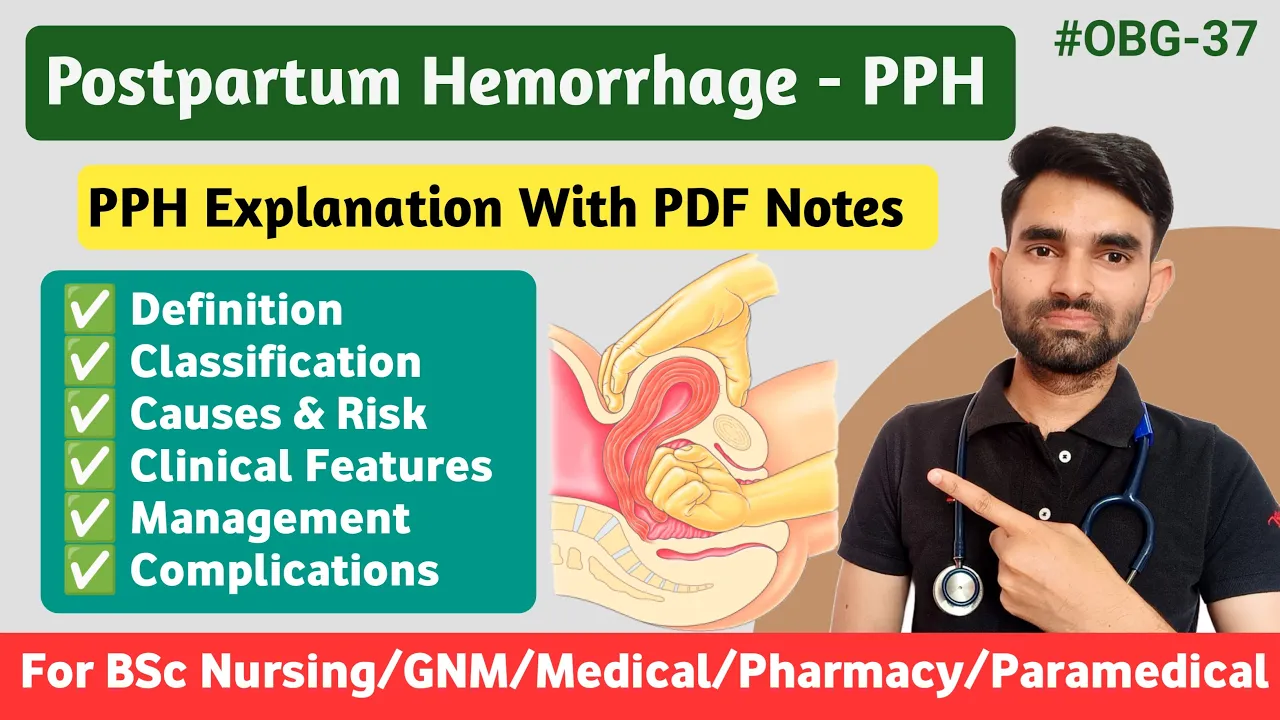


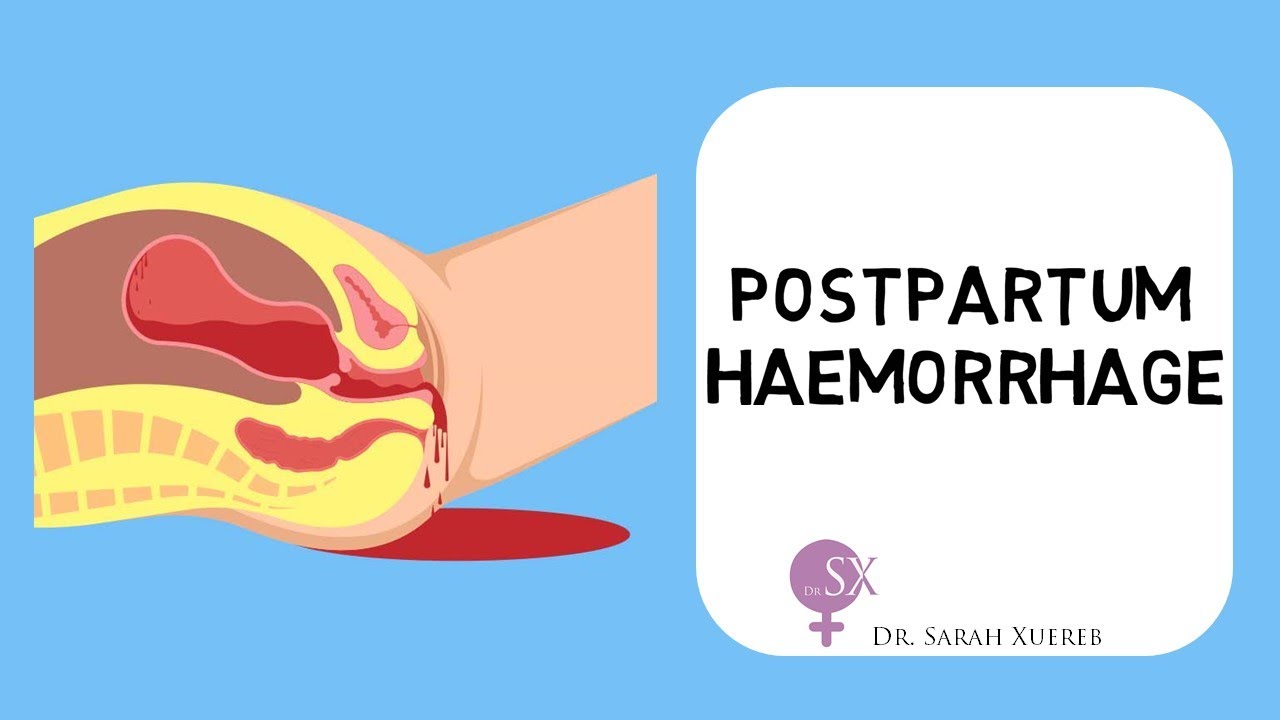










Postpartum hemorrhage is a life-threatening emergency characterized by excessive bleeding after childbirth, requiring immediate intervention including uterine massage to firm the uterus, administration of medications such as oxytocin and tranexamic acid to promote contraction and reduce bleeding, and potential use of a Jackson-Pratt drainage device to remove retained products; prompt recognition of symptoms like dizziness, low blood pressure, and excessive bleeding, combined with systematic assessment of fundal tone and cervical examination, enables effective management and prevention of severe complications.
Postpartum Hemorrhage Management: Emergency Response Training
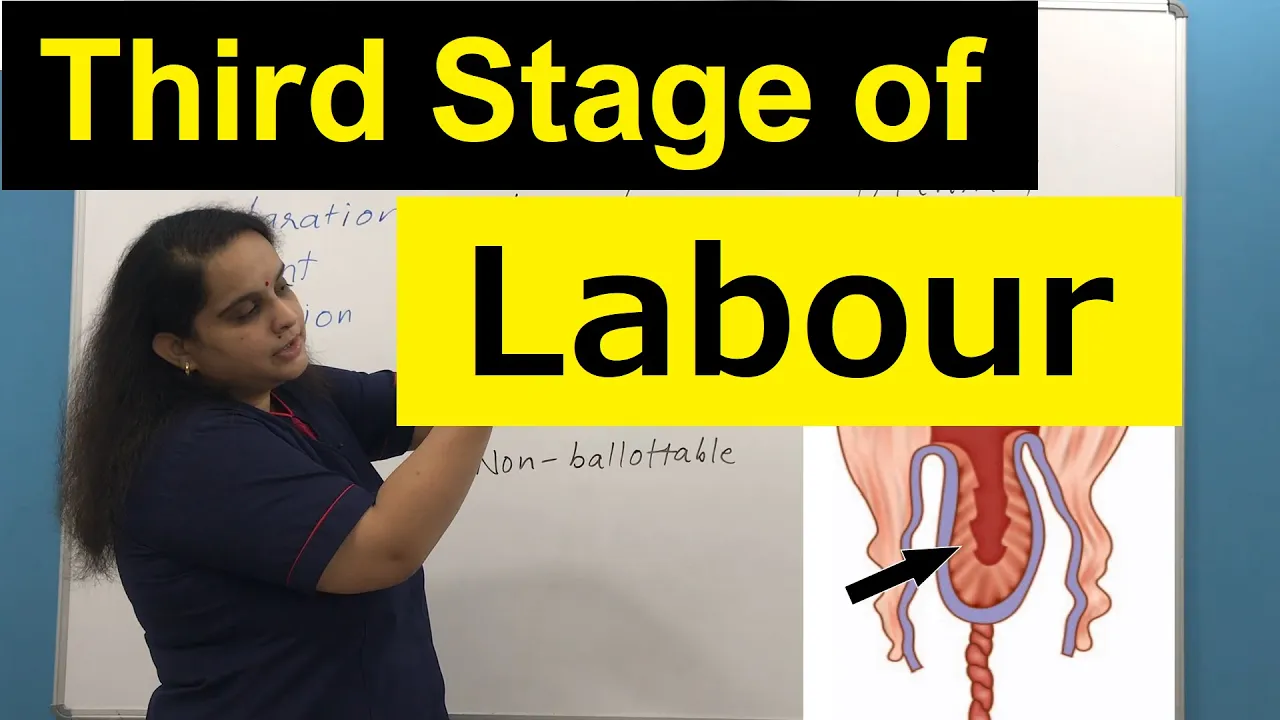
Added:Anatomy and physiology of the third stage of labor, including placental separation and normal uterine involution.
The etiology of postpartum hemorrhage, specifically the '4 Ts' framework: Tone, Tissue, Trauma, and Thrombin.
Basic maternal hemodynamic assessment, including recognizing early clinical signs of hypovolemic shock and normal postpartum vital signs.
Introduction to primary uterotonic agents, such as Oxytocin, and their mechanism of action on uterine smooth muscle.
Advanced surgical and radiological interventions for refractory hemorrhage, such as the Bakri balloon, B-Lynch compression sutures, and uterine artery embolization.
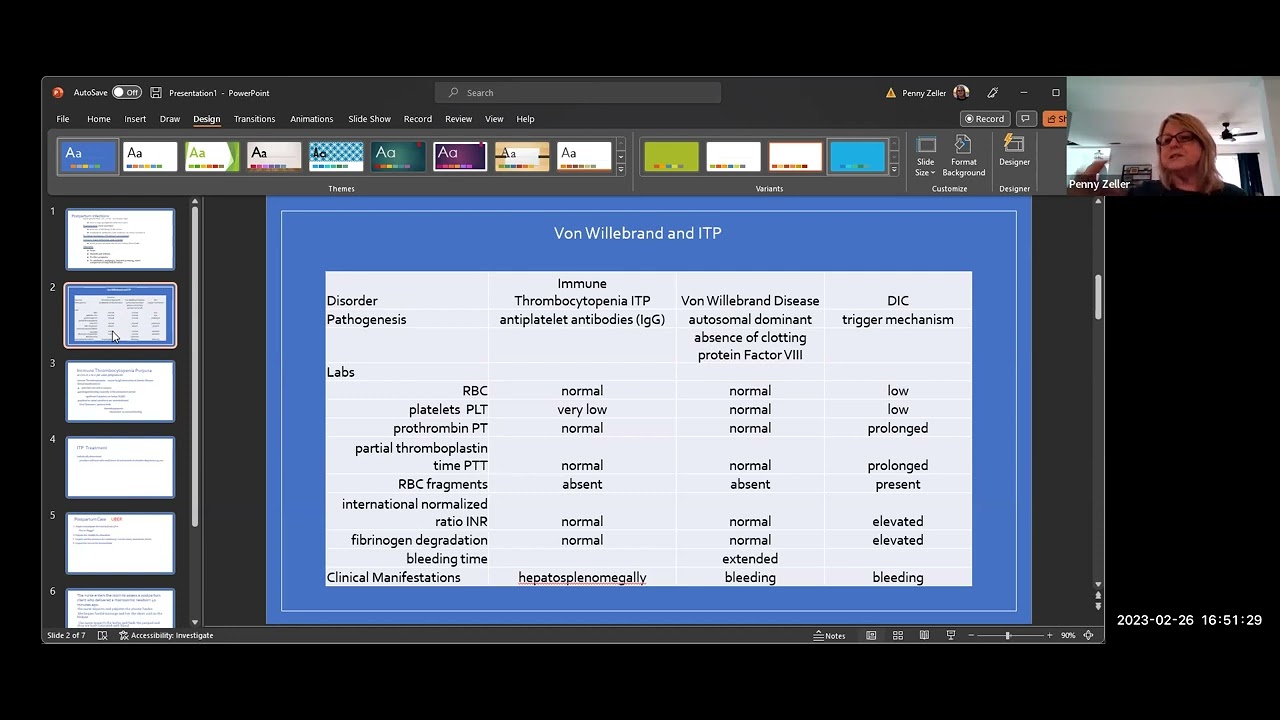
Implementation of Massive Transfusion Protocols (MTP) and coagulation management, including the use of Tranexamic Acid (TXA) and fibrinogen concentrates.
Obstetric crisis resource management, including team-based simulation training, clinical debriefing, and safety checklists.
Long-term postpartum sequelae and complications, such as Sheehan's syndrome, severe iron deficiency anemia, and psychological birth trauma support.
367.1K views851likes7:26Original Release: 2025-03-11
then hi my name is cat I'm just going to be your nurse that's taking over I was just want to see how you're feeling I don't feel very good no this just coming to say goodbye before I go out so you're not feeling very good what's going on I don't know I just don't feel I feel really hot and kind of dizzy just don't feel good is it okay if I take a look and check your B in here hey can I get my gloves on going on you were doing so well I know right I'm just to your head back extra baning we're just going to PE on your belly here okay okay feel some pressure yeah she's pretty let's can we get some help in here I'm just going to take this you yeah very dizzy we're to get your blood pressure okay Dr hello what seems to be the problem she she delivered about 30 minutes ago we just came in to check her out and um she's has some extra bleeding here we thought you should check out her fundus is pretty bogy right now she's not feeling well either we're getting ready to get a set of Idols okay and then what's your potion currently on 3 three four can you put it up to 999 please 999 all right Miss Brown I'm just going to perform an examination to make sure there's not any plot stuck in there okay all right fill a couple plots I'm going to go ahead and sweep them out okay feel some pressure in there okay honey okay all right right got we got a couple cloths out can we go ahead and open her fluids mhm when was the last time she get used the restro she peed she peed right before delivery okay and yeah they straight C how's her years now she's still prettyy okay yeah we're not at all all right can we go ahead and get some meal in the room please yeah okay somebody BR some me and did you anything besides that txa txa thank you can you hit the call Bell so we can get an IV cart in here to go ahead and start a second IV do you want that there go do you want andang the TX yes you still with us honey how you feeling all right you're just going to feel me put these pills in your bottom okay up pressure is like 80 over 40 okay are you still with us yeah okay our fluids are open we have our ptoa she's got miso and txa and she's still baly all right so not F just make sure there's no beding from any kind of lacerations or anything cat can you grab us out of the delivery cart can you bring that over and we get some laps kind of get a better look all right we're going to do a better cervical exam so we can see if you have any cervical lacks that we missed or anything like that here and then we will get a second IV CU we're going to get some Labs I want a CVC a typing screen and Co GL I'll my and then we're getting second IV in some Labs let's go ahead and J can we go ahead and get the Jada over here please yes Perfect all right the J goes into the vagina and then it hooks up the suction your tubing all right we're still having some bleeding we'll get scale start weighing get all right the J's in how much so we've given txa anything else open open any hypertension or asthma for this patient no okay why don't we grab um Meen all is it okay if I give them meit there two shots one's going to go on each side okay and you're like how you feeling any better little bit better little bit better all right and then we're going to get a another set of B to see if we can it can I help you yeah we needed an IV card in but we got somebody we told them okay thank you SS like we're starting to firm up a little bit good I'm going to keep rubbing here I am starting to feel a little bit better yeah you're starting to get some color back too all right we get these pads W to see how much blood she lost we're going to get you cleaned up here in just a minute okay we just need to clean Linens and things you what happened okay you had a postpartum hrh okay so you just had a lot of extra bleeding after delivery we did a massage to help firm up your uterus okay we gave you a couple medications need a cross T EX me and those are all agents that help your beding and then we also device J okay is everything okay now yes okay get all righty okay perfect thank you appreciate it
Up Next

5:03
Shoulder Dystocia Maneuvers: Obstetric Emergency Step-by-Step
@RawaMuhsin
286.6K views•2014-06-12

48:47
Graphic Medicine: Comics for Collaborative Healthcare Communication
@nationalpatientadvocate
189 views•2023-12-04

10:28
Neuroanatomy: Central and Peripheral Nervous System Divisions Explained
@AKLECTURES
136.2K views•2014-09-20
3:05
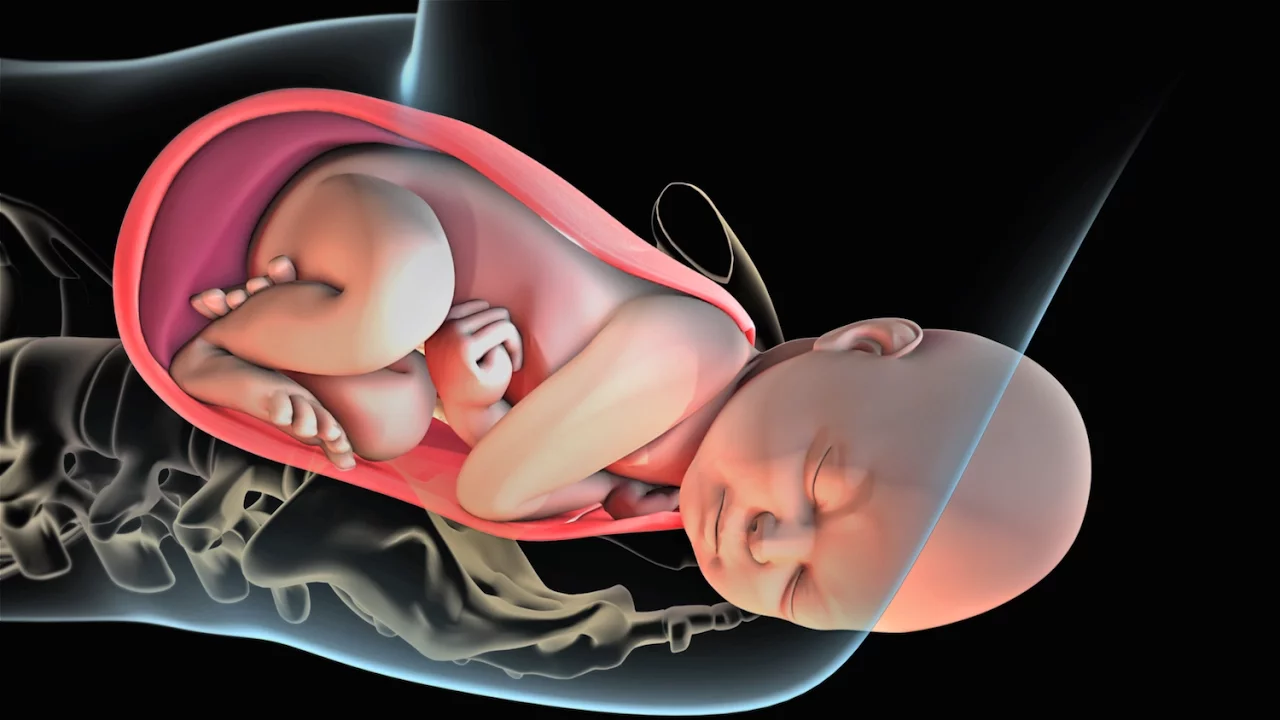
Stages of Labor and Vaginal Birth | Childbirth Animation
@nucleusmedicalmedia
52.1M views•2017-08-18
Related Study Plans & Knowledge Roadmaps
Structured learning paths in Medicine
medicine
Abnormal LFTs: Diagnostic Workup & Pathology
01Liver Anatomy and Basic Physiology
02Introduction to Liver Function Tests (LFTs)
03Hepatocellular vs. Cholestatic Patterns
+ 3 more learning modules
12h6 modules
Explore Roadmap
medicine
Analyzing Blood Smears: RBC, WBC & Platelets
01Introduction to Blood Components & Smear Preparation
02Normal Morphology of Blood Cells
03Erythrocyte Pathologies & Morphological Variants
+ 2 more learning modules
12h5 modules
Explore Roadmap
medicine
Mechanical Ventilation: Waveforms & Alarms
01Anatomy and Physiology of Breathing
02Introduction to Mechanical Ventilation & Core Modes
03Ventilator Settings and Waveform Interpretation
+ 2 more learning modules
12h5 modules
Explore Roadmap
medicine
Neuro Exam: Localization & Stroke Syndromes
01Foundations of Neuroanatomy and Vascular Supply
02The Neurological Examination: Step-by-Step
03Principles of Neurological Localization
+ 3 more learning modules
18h6 modules
Explore Roadmap