






















Pediatric vital signs assessment requires age-appropriate techniques: temperature measurement uses rectal (most accurate for children under 2), axillary (up to age 5), or oral methods; pulse rates vary by age and should be measured apically for a full minute in young children; respiratory rates should be counted for 30 seconds and multiplied by 2, noting that children may be belly breathers; blood pressure uses the same technique as adults but requires proper cuff sizing; pain assessment uses age-appropriate scales (FLACC for nonverbal children, Wong-Baker Faces for verbal children, and 0-10 scale for older children); and successful pediatric assessment requires making the experience fun, involving caregivers, and building trust without promising procedures won't hurt.
Pediatric Vital Signs: Normal Values and Measurement Techniques
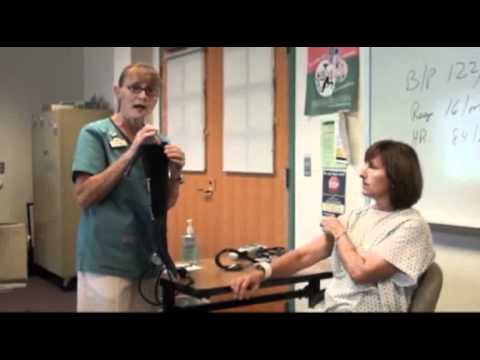
Added:[Music] all right guys in this lesson we just want to review a little bit about pediatric vital signs just the highlights and important points so for each of these in your outline there's information about normal values techniques on how to get these specific vital signs now the normal temperature in kids is the same as adults but it's important to know that the most accurate temp in the child is usually a rectal temp especially in kids up to age two now we don't always do rectal a lot of times we'll do axillary just know that what you can't do is oral in children under two they're not really gonna be able to hold it in their mouth now up to age five again we usually will use axillary and then after that we can switch to oral as long as the child can tolerate it so on this thermometer i want to show you um a cool uh little feature that some thermometers have so if you have it you'll know what it is it's this little stopwatch here so this little stopwatch will actually beep after like 15 to 30 seconds everyone is different so just find out what yours does you can actually use this to count like respirations while you take their temperature pretty cool right so pulse rates in kids that is how many times their hearts beat per minute beats per minute so it varies by age and we've listed those in your outline just know that by age 10 or so it's really closer to adult vital signs so it starts a little higher and it starts to come down until it's a little closer to what adults are so for littles the most accurate pulse technique is actually to listen to the apical pulse for a full minute these guys usually have super super fast heart rate so it's really hard to count so better to listen for a full minute and make sure that you get it accurate now if you don't have a pediatric stethoscope that's okay just use the bell of an adult stethoscope since it's smaller now in kids we can also use a brachial pulse which is found just inside the elbow but again as kids get older and older they're more and more like adults you can move to that radial pulse if it's easy to feel and as their heart rate gets a little closer to adult it's easier to feel as well so with respirations again the normal values will vary by age so check out the outline but one important thing to know here is that kids may be belly breathers so you may actually be watching the abdomen rise and fall instead of the chest you also want to look for retractions this is when their chest actually goes in during respira during inspiration instead of out so that's not good that is a sign of labored breathing no matter what you do though you want to count the respirations for 30 seconds at least and multiply by two or you can count for a full minute and make sure that you're getting an accurate number especially the younger younger kids their respiratory rate starts really high it's usually easier to just count for a full minute to make sure your number's right and again you can actually count the respirations while you're taking their temperature or while you're taking their pulse because especially in you know older kids and adults who understand what's going on if you tell them you're counting their breasts they will breathe differently so if you can count while you're doing something else you kind of trick them they don't really know what they're doing now the technique for taking a pediatric blood pressure is exactly the same in an adult so make sure you check out that lesson but the big thing to note here is that you have to have the right size cuff same rules apply check the range lines make sure the cuff's the right size now we all know kids can get squirmy so sometimes you'll have to hold their hand or hold their arms still and you can even tell them something like um the cuff is just going to give your arm a big hug makes it a little less scary so check out your outline for normals and the adult vital signs lesson for techniques all right let's talk pulse ox kids love the pulse ox basically it's a shiny red light so make sure you let them play with the red light now sometimes in peds we also may have the little sticky ones so you can tell them it's just like putting on a band-aid so especially if they're not feeling well um you can kind of say i just want to put a band-aid on make you feel better so either way you may just need to hold their hands still while you're checking just to get a really good waveform always have the caregivers help you out with this one lastly is pain the scale that you use for pain is entirely dependent on the child honestly so nonverbal younger kids you're going to use the flax scale and there's a cheat sheet attached to this lesson for that but if they're verbal but may not yet be able to actually comprehend the numeric scale you can actually use the wong baker faces scale and have them tell you which face looks like how they feel you can also kind of just look at your face look at their face and tell but the scale itself is designed for a child to choose a face so make sure you're using that correctly and of course with the older kids who can conceptualize and understand it you can use a numerical standard 0 to 10 scale so i just want to give you a couple of tips and tricks for taking peds vital signs being in a doctor's office or a hospital can be really scary so we want to make it fun we can make a game out of it if we can the same thing with ped's assessments you can tickle their tummy while you listen to their heart lungs and belly right we also want to be honest with them but we can relate it to something they can understand like i said giving their arm a hug or putting on a band-aid sometimes that helps take the fear out of it also involve the parents or caregivers this is so important as you can see here the mom is holding the baby and that's so helpful because it keeps them comfortable and they feel like they're safe and comfort comforted just don't force a child into a certain position or force them to do something just make sure they feel safe that helps build trust and the big thing with building trust you never want to tell a child this won't hurt especially if it will because that is the quickest thing that is going to lose you trust with that job all right guys make sure you check out all the resources attached to this lesson and check out the pediatrics course for some more specifics on how to take care of peds now go out and be your best selves today and as always happy nursing
Up Next
Recognizing Respiratory Distress vs Failure | Pediatric Critical Care
@OPENPediatrics
68.5K views•2017-06-30

Graphic Medicine: Comics for Collaborative Healthcare Communication
@nationalpatientadvocate
189 views•2023-12-04

Neuroanatomy: Central and Peripheral Nervous System Divisions Explained
@AKLECTURES
136.2K views•2014-09-20
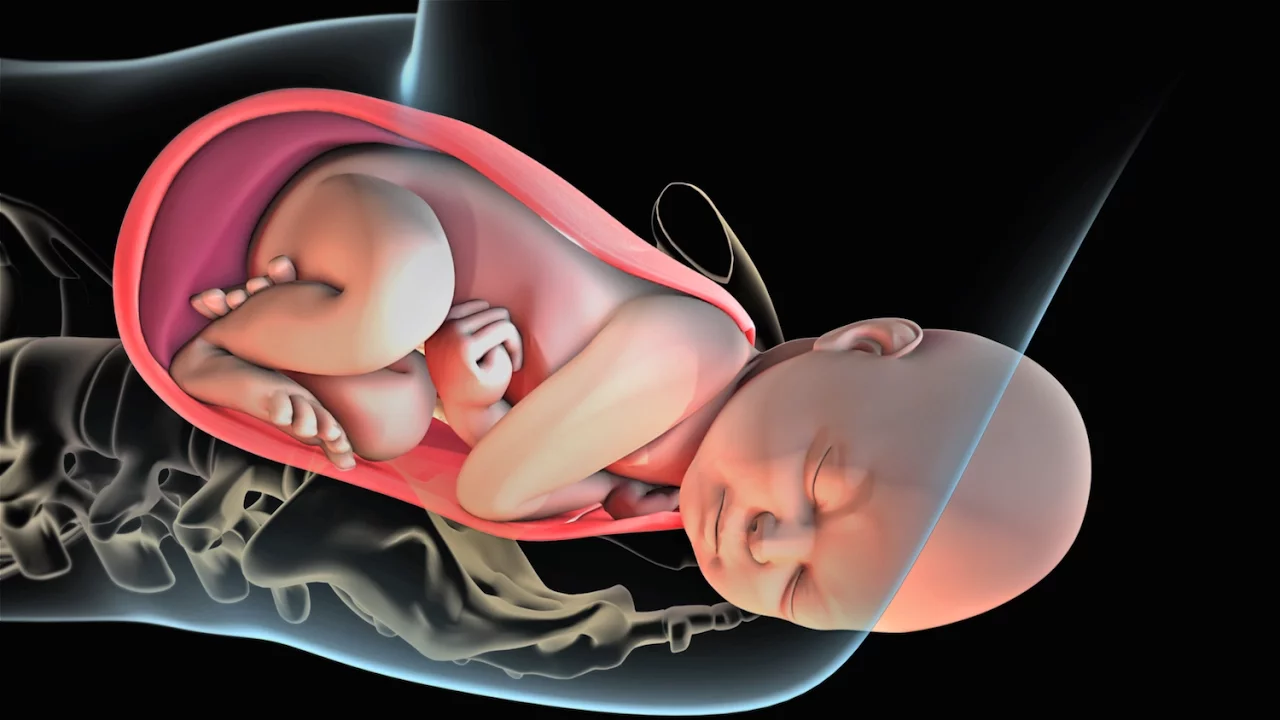
Stages of Labor and Vaginal Birth | Childbirth Animation
@nucleusmedicalmedia
52.1M views•2017-08-18
Related Study Plans & Knowledge Roadmaps
Structured learning paths in Medicine