



![[não erre mais] Modo VCV x PCV: quais são as diferenças?](https://i.ytimg.com/vi_webp/hCMd5J2Pki8/maxresdefault.webp)


















Respiratory therapists must troubleshoot four primary ventilator issues: (1) Increased peak inspiratory pressure indicates airway obstruction such as bronchospasm, secretions, foreign bodies, mucous plugs, pneumothorax, or decreased lung compliance; (2) Decreased tidal/minute volume suggests a leak in the system, typically found at the endotracheal tube cuff or somewhere between the patient and ventilator; (3) Air trapping is recognized by flow waveforms not returning to baseline and is managed by increasing inspiratory flow rate to decrease inspiratory time; (4) Patient-ventilator asynchrony occurs when the ventilator doesn't match the patient's breathing pattern, often due to flow hunger (insufficient flow rate) or volume hunger (inadequate tidal volume), requiring adjustment of flow or tidal volume settings rather than excessive sedation.
Ventilator Troubleshooting: Peak Pressure, Leaks & Asynchrony
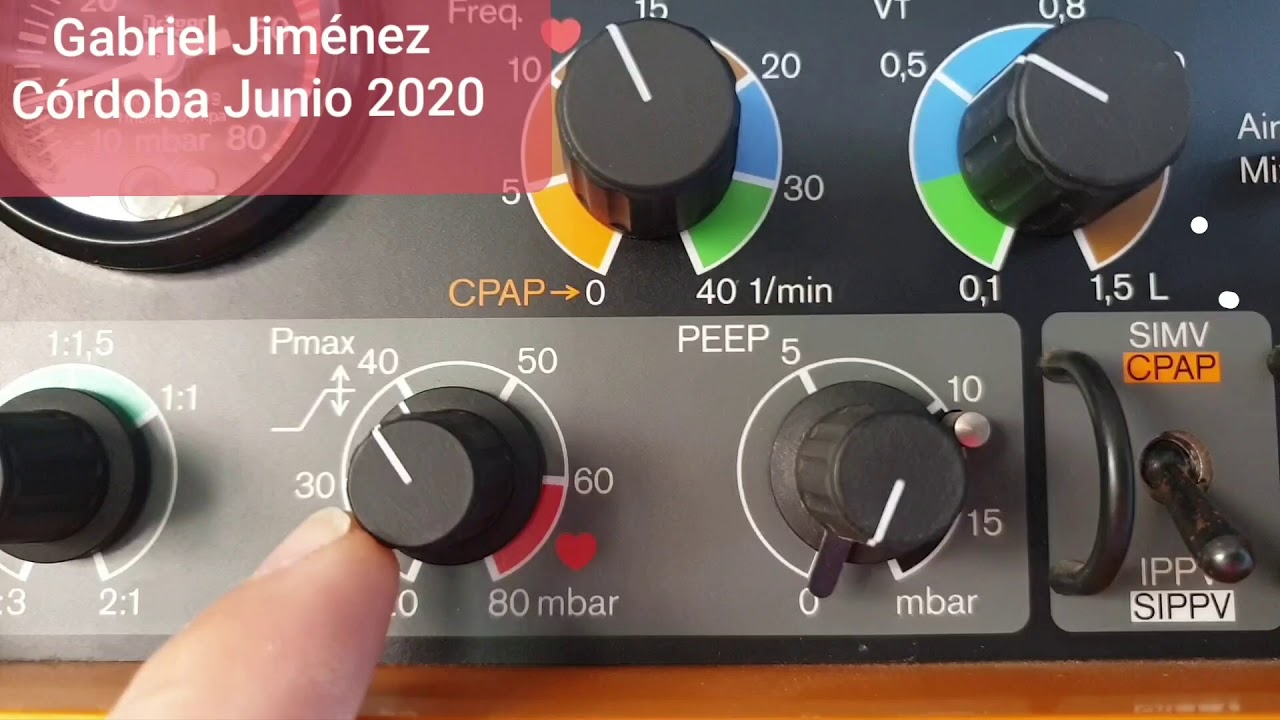
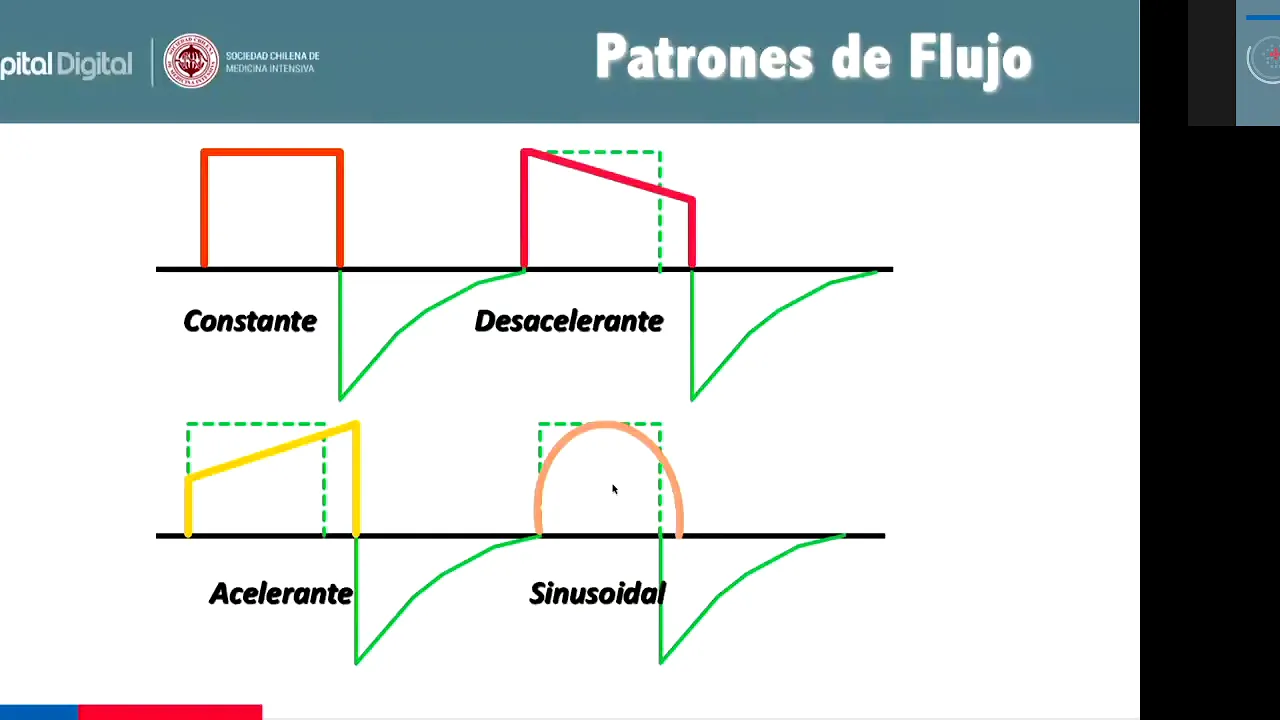
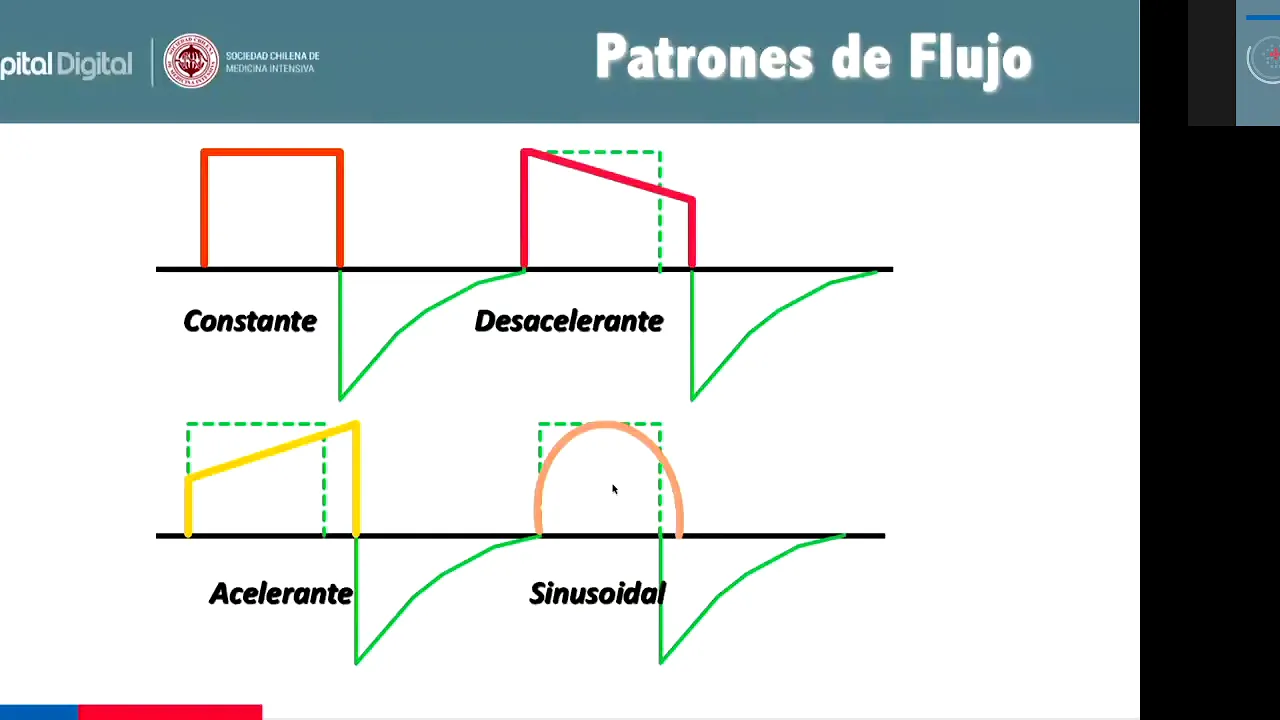
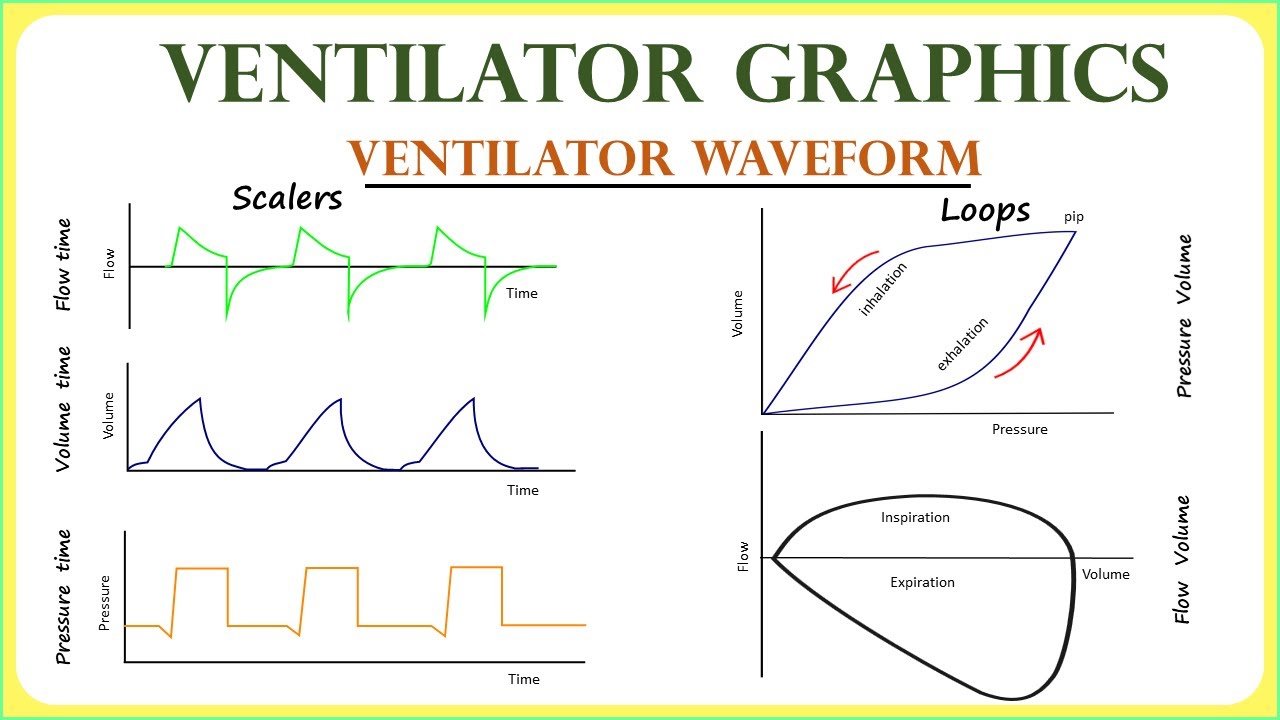
Added:what's up future respiratory therapist so I'm coming at you now with the video that was brought to me by request by another one of your fellow respiratory therapy students and that person asked me to do a video over ventilator troubleshooting now ventilator troubleshooting again I felt like I say this every video but literally again could go on for days and days and days because the countless amount of ventilator troubleshooting is you're going to come across can vary and what I've decided to do is to break this down into what I consider the four most common ventilator troubleshooting areas okay so you're gonna go to clinic tomorrow or the next day and you're gonna have a patient whose troubleshooting doesn't fall in this category and I apologize for that look here's what you need to know you're gonna you in respiratory school you learned the theories of respiratory therapy and then when you go in the clinic you put a human on the other side of that theory and it never pans out the way you learn the theory that's not right or wrong it's just the fact of the matter you can't do anything about it it just is what it is okay so understand you're going to come across some some scenarios and some situations that don't fit this particular mode okay and that's okay troubleshoot what presents to you okay what I'm gonna do today is break it down into what I consider the four most common troubleshooting areas that often occur with ventilator management okay so the first one on the board I have here is pit and so oftentimes you're going to have a patient and this is often a patient that's going to be in assist control or simv some sort of volume control ventilation and the patient is going to with an increase in their peak inspiratory pressure maybe your alarm will go off now I need you to understand this before I get into any specifics everything I'm saying today especially with point one and point two is based off the idea that you have your alarm set at a reasonable level okay you have to have them set accordingly so if we're talking about a peak inspiratory pressure whatever your average pressure is you should have your peak inspiratory pressure alarm set somewhere in the ballpark of 10 to 15 centimeters of water pressure above that peak inspiratory pressure and when that alarm goes off you have to troubleshoot it so let's just talk about it increase in peak inspiratory pressure what would cause this to go off well it's very simple okay it's it's actually very very simple and the answer here is any type of obstruction now obstruction can be very vague and it is very vague but you need to understand that any type of obstruction is going to increase your peak inspiratory pressures what do you mean by obstruction Joe the answer is this bronchospasm that can cause an increase in your peak and spread pressure secretions can cause an increase in your peak inspiratory pressure and any type of foreign body aspiration will cause an increase in your peak inspiratory pressure a mucous plug will cause an increase in your peak inspiratory pressure a pneumothorax will cause an increase in your peak inspiratory pressure anything acute lung disease that causes a decrease in your static compliance or your dynamic compliance can lead to an increase in your peaking spray pressure and what you need to do is to ask what is the obstruction what is causing this begin spray pressure so for example if the patient presents with sudden onset of wheezing then it's bronchospasm and you need to administer a bronchodilator let's say your patient presents with bilateral or coarse crackles that it's secretions and you need to suction your patient okay if your patient is presents with a known foreign body aspiration then you need to remove the foreign body okay if if if it's a pneumothorax let's say let's say you do a procedure and and you do a do a subclavian line placement that will lead to potentially and increasing your pips because the the potential problem with an SVC is a pneumothorax okay that will cause an increase in your pips and you need to be able to recognize that get a chest x-ray to verify it put a chest tube in right so the other thing that might cause a pecans free pressure it still falls under obstruction is a patient biting on the endotracheal tube okay so if you have a patient that is awake and alert and biting on a tracheal tube that would cause your peak inspiratory pressures to go up okay they're not happy they're agitated they want this tube out and this will present itself to you as a rise in your peak inspiratory pressure as they bite on and obstruct in the tracheal tube now while we're talking biting on in the tracheal tube I want to throw this out there real quick nothing to do with the TMC everything to do with real-life respiratory therapy okay do not automatically resort to putting a bite block in okay that is my one of my biggest pet peeves is patients who have bite blocks in that don't necessarily need them they lead to excessive secretions they lead to excessive biofilm and a lead to limp and skin breakdown so only use bite blocks on the patients who absolutely necessarily need them okay for a patient who is biting on the tube chances are your situation is this either one they're ready to be excavated and get them excavated or two they need continued mechanical ventilation and we should probably give more sedation okay so that's my spiel on bite blocks that's my that's my take on increase in your peaking spray pressure anything that will obstruct or create the lung compliance to go down will cause an increase in your pips and you got to ask yourself what's the problem okay now like I said this could go on for days and days I could go into graphics analysis at this point and we can really look at the breakdowns of what's really causing the pip in conjunction with our patient assessment for right now pimp shoot you should be thinking some sort of obstruction and what I need to do to fix that okay now quick point number two here is what if I get a situation where I'm having decreased volume returned whether it be tidal volume or minute volume okay now again we're talking volume control you have to understand that volume control we're talking decrease in volumes with volume control okay now typically when you have a patient that presents with the decreasing in volumes or a sudden onset of drop of volumes then you're thinking a leak now your job as the respiratory therapist is to find the leak now where do I start Joe how do I find the leak the answer is this you start at the patient a common area for a leak to occur is at the cuff of the endotracheal tube or the tracheostomy tube if you do not have a cuff if you do not have a cuff leak then work your way back through the ventilator circuit until you find the leak it is most often times going to be somewhere between the patient and the ventilator it has to be okay so maybe the patient became completely disconnected you would get a decrease in volumes you'd also get a decrease in pressures okay that one's pretty obvious but just a volume leak will will will usually result in you'll find the answer somewhere between the patient's cuff and somewhere else in a circuit maybe one of the either the MDI adapter or the SVN adapter or one of the one of the water traps or whatever it may be may have have become open or left open accidentally it will represent as a decrease in volume anytime you have a decrease in volume and a decrease in pressures you need to be thinking leak think about your tires in your car if you have a hole in your tire what's going to happen to the pressure in your tire it's going to go down right that you have to fix the problem so fix the leak and you'll fix the problem okay so that's increased pimp's and decreased volumes increased pips you think in some sort of airway obstruction decrease volumes you typically thinking some type of leak the next one brings me to air trapping now air trapping is a common problem that you need to be able to recognize and here's how you recognize air trapping you have to go to your graphics and analysis okay so here we go this is your flow waveform okay so you have your flow waveform here you're looking at it it probably looks something like this and then on the expiratory side of things it doesn't return to baseline that's how you know you have air trapping now the question is how do you fix air trapping and then answer to that question is you have to reduce or decrease in story time in a volume mode of ventilation the only way to do this without altering minute ventilation is by decreasing eye time to decrease eye time what do you have to do you have to increase flow that's typically gonna be your answer your TMC is going to ask you a question like this they're gonna say patient as air trapping or maybe they'll say patient presents with this flow pattern and you have to identify the float that the air trapping is present they're probably going to give you some vent settings and the vent settings are going to include a flow of 30 which we know is too slow so what do you want to do the answer is increase flow increasing flow will decrease iTime that will extend expert ory time and hopefully reduce the air trapping that's present okay now the last point i want to talk about is your PV a sinker you now when I say PV I'm saying patient ventilator asynchrony and the resultant and what this leads to is is basically saying that you have a patient and you have a ventilator and they're not in sync with one another and the biggest problem with this is that too many times clinicians physicians who ever maybe try to make the patient breathe like the ventilator and that is a terrible starting point what you want to do as a respirator pissed is identify how to make the patient like the human I'm gonna say it again too many times we try to make the human breathe like the machine but in reality as respiratory therapists we need to make the Machine the ventilator breathe like the human okay this is going to show up in one to two of the most common ways various things can lead to this but I'm gonna give you the two of the most common okay it could be one that they are flow hungry or two they are volume hungry okay those are the two most common now the way this shows up is why you're taking care of the patient and you have a patient that is on assist control a CVC is volume control assist control or volume control simv it can happen in either of those modes okay you have a breath that's given and then immediately after that you see another breath given okay and the question is is why is this patient breath stacking okay this patient is obviously not comfortable we're trying to do low volume ventilation but in reality we're actually doing high volume ventilation we're actually giving let's say they're on a tidal volume of 400 by the time they breath stack two consecutive breaths they're actually receiving 800 emails so a concept that's supposed to be around preserving and preventing Barrow trauma is it is actually leading to just that because you're stacking these small tidal volumes on top of one another okay you're gonna see this a lot your question that you have to identify is are they flow hungry or they volume hungry okay one of two things typically you have them on a flow of somewhere between 40 and 60 if you want to know the answer to what the problem is flip them the pressure support give them a pressures part of ten and watch them take several breaths let them settle in to how they want to breathe look at your flow graphics and identify what their peak inspiratory flow is if you have them in AC set on a peak flow of 50 but in pressure support their peak flows are 70 that's probably the problem okay this patient has a drive that's asking for 70 liters per minute but you're only giving them 50 so the breath is too slow for what their central nervous system is wanting they can't help it you can't you can't talk to these papers patience you can't say hey I know you really want this breath a lot quicker but I just need you to relax and settle down they don't they don't respond to that they want to breathe how they want to breathe as a response to the central nervous system and you got to match it you got to figure out how to meet it okay so put them in pressure support and see how they're breathing if they're inspiratory flow and pressure support and you'll know just by this just like just like I showed you a minute ago look at their flow measure that right there if that says 70 then put them back in assist control and put the flow up to 70 maybe 75 maybe exceed their inspiratory flow okay and that will help them not be flow hungry and that will improve patient ventilator asynchrony now if you're meeting their flow and they're still asking for more than they're probably volume hungry okay which means the tidal volume you have set although it meets research numbers and and and protocol numbers it's not meeting their numbers okay this patient who wasn't a part of that study okay and so the six ml is per kilo it's not enough for this patient so watch them they only you haven't set on 400 cc's of title volume put them in pressure support if you're meeting their inspiratory flow see what their tidal volumes are what are they asking for what do they want in a tidal volume and oftentimes you'll find that you have them set on 400 and they're asking for 460 that's what they want to do that's what they would do if you let them breathe exactly how they want to they would be taking tidal volumes of 460 okay you got to talk to your your team your your physician and you got to say hey this isn't working our patient is asking and they want tidal volumes in a 460 range but we only have them on 400 and the result of that is that they're there they're ending up getting 800 they don't want 800 they just want 460 but we're cutting them short at 400 okay so you got to talk and you got to make this understandable you got to present this in a manner that gets through to your physicians to say hey if I increase the tide of Ahriman to 475 guess what they're not gonna ask for more volume because we're gonna be meeting their demand we're gonna be meeting we're gonna be satisfying the patient making them more comfortable right now they're not comfortable they're angry they're there they're hungry for more volume and so let's give it to them okay so that's the first thing that's that's that's the second thing when it comes to volume hung hunger now the last thing and the last resort is to give more sedation now there's several studies out there and a lot of research out there that says increase sedation leads to increase ICU psychosis and all of that should be avoided and if we can make the ventilator do what the patient wants instead of trying to make the patient do with the ventilator wants your job as a respiratory therapy therapist will become much easier the patient will be much happier outcomes will be much better okay hope this helps let me know if you have any questions I'd be glad to respond to you
Up Next

ARDS Diagnosis and Management: ICU Critical Care Guide
@ICUAdvantage
129.3K views•2022-03-21

Graphic Medicine: Comics for Collaborative Healthcare Communication
@nationalpatientadvocate
189 views•2023-12-04

Peak vs Plateau Pressure: Dynamic and Static Compliance Explained
@RespiratoryCoach
41.3K views•2020-04-11
Stages of Labor and Vaginal Birth | Childbirth Animation
@nucleusmedicalmedia
52.1M views•2017-08-18
Related Study Plans & Knowledge Roadmaps
Structured learning paths in Medicine