


![[tudo sobre] Conceitos básicos de Ventilação Mecânica](https://i.ytimg.com/vi_webp/p21-0KmM1ro/maxresdefault.webp)


















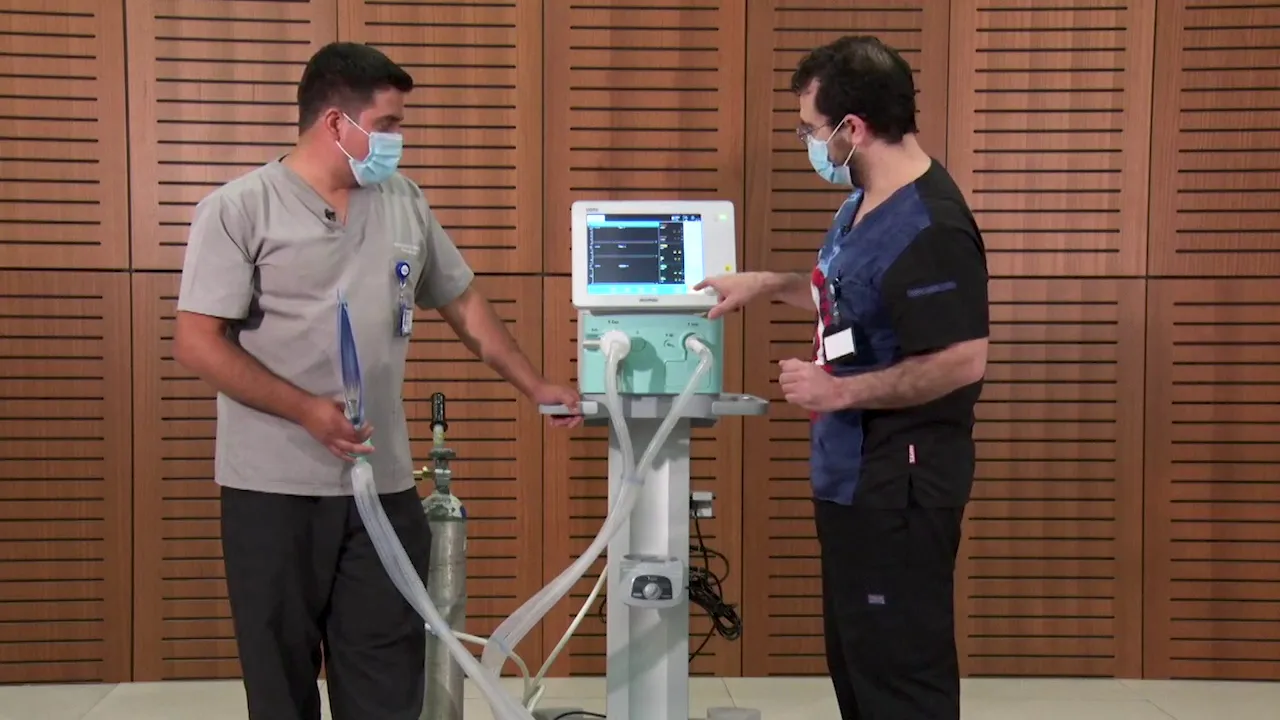
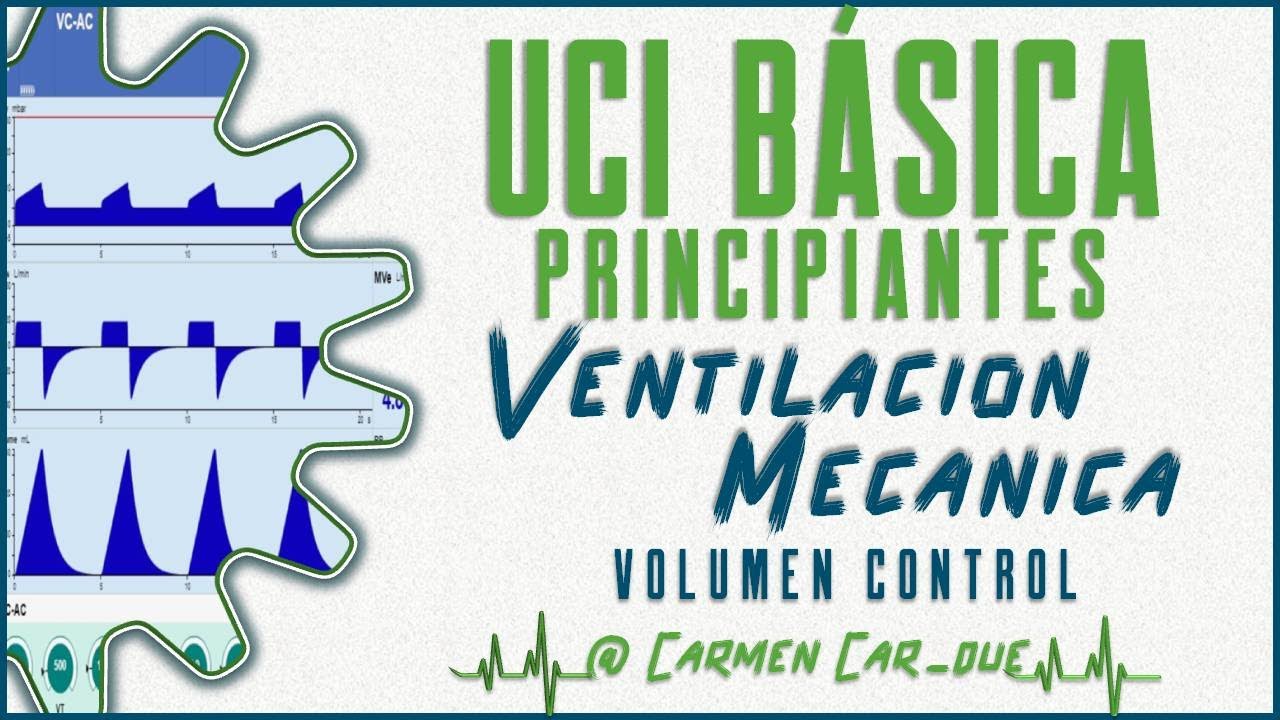


In respiratory therapy, peak inspiratory pressure (PIP) reflects both airway resistance and alveolar compliance, while plateau pressure reflects only alveolar compliance; when PIP rises but plateau remains stable, it indicates an airway resistance problem (like asthma), whereas when both pressures rise together, it indicates an alveolar compliance problem (like pneumonia or RDS), and the pressure waveform shows a large gap between PIP and plateau for airway resistance versus a small gap for alveolar compliance issues.
Peak vs Plateau Pressure: Dynamic and Static Compliance Explained
Added:Basic anatomy of the respiratory tract, specifically the distinction between conducting airways and the alveolar gas-exchange units.
Fundamental concepts of mechanical ventilation, including positive pressure breaths, tidal volume, and respiratory rate.
The physiological definition of lung compliance as the change in volume per unit change in pressure.
The basic relationship between flow, pressure, and resistance (Ohm's Law equivalent for respiratory physiology).
Clinical troubleshooting of high peak inspiratory pressure (PIP) alarms to diagnose issues like bronchospasms, mucus plugs, or pneumothorax.
The calculation and clinical significance of 'Driving Pressure' (Plateau Pressure minus PEEP) in managing Acute Respiratory Distress Syndrome (ARDS).
Interpretation of real-time scalar waveforms (pressure-time and flow-time curves) on a ventilator screen to detect patient-ventilator dyssynchrony.
Advanced mechanical ventilation concepts, such as intrinsic PEEP (auto-PEEP) and its confounding effects on static compliance measurements.
41.3K views1.3Klikes12:54Original Release: 2020-04-11
hey future respiratory therapist got a video here for you today where I want to tie together things like peak pressure plateau pressure dynamic compliance static compliance I want to talk about the problems that will cause these different scenarios and then we're going to break it down and add a disease process on to it and then when we're end at the very end of this I want to show you how each of these will present differently differently on your pressure scaler graph okay so let's just jump into it and talk about peak plat dynamic static all those things okay now the first thing we know here is that when we talk about dynamic compliance okay we're talking about our airway resistance and our alveolar compliance that's important to understand because dynamic compliance is driven by is the result of air moving through the airways okay so it is airway resistance and alveolar compliance now static compliance is a reflection of our alveolar compliance alone okay so that's important this is when you do an inspiratory hold and you get a static compliance measurement and there's no air movement and it's just a reflection of alveolar compliance okay so that's important understand now to understand how we get these things you just need to go back to your formula right we know that dynamics formula is tidal volume divided by pip minus P this gives us change in volume over change in pressure that's what compliance is okay now static is tidal volume divided by plateau - peep so what do we see here this tells us that our peak is also going to be a reflection of our airway resistance and our alveolar compliance and plateau being associated with static compliance is only a reflection of alveolar compliance now just want to lay the framework with that right there first of all because when you look at this you're going to see how these things show up differently when you're talking about airway pressures okay so I'm going to put one more formula up here and it's we're talking about airway resistance and that one is PIP - plat / flow in liters per second which means you have to divide your flow by 60 to get liters per second okay so remember that now with these cells and the reason these formulas are all up here is because we're going to be talking about all of these things and my point is is that look pip pip plat or constant reminders and constant game-players and all of these formulas okay so here it goes if your peak inspiratory pressure goes elevates and goes up just above I'm not saying above a normal value I'm just saying throughout your shift you notice your peak inspiratory pressure going up okay for your patient but you notice that your plateau is staying the same it has not moved so let's say we had a peak that was going up to 45 and we had a plateau that was remaining at 20 okay so you can see our peak is up our plateau is normal now what does this tell me I don't even have to do a formula I don't even have to do this math I understand that my peak going up is going to cause my dynamic compliance to go down this patient is going to have a decrease in dynamic compliance now because my plat my plateau pressure is staying normal I know that my static compliance is not going to be changed so it's going to remain normal as well okay now watch this if my plateau pressure is unchanged and in an acceptable range then I do not have an alveolar compliance problem this is why my static compliance also is unchanged now so what does that mean for us well if it's not an alveolar compliance and it didn't affect our plateau and our static then when we look at our peak airway pressure it's not an alveolar compliance here it must be an airway resistance problem which is what the problem here is we have an increased in our airway resistance now when we think about this in conjunction with the disease process the most common one that comes up is going to be asthma right so asthma would cause an increase in airway resistance it's an airway problem which is going to show up here you're out viola compliance shouldn't that remain normal at least in the acute phase okay now something else that might happen is is we have our peak pressure go up okay so let's say it goes up to 45 if it goes up to 45 and let's say our plateau pressure goes up to 40 now I know this is an extreme example and we would probably be talking about going into pressure control at this point but this is not I'm just showing you the theory behind this so you can grasp the concepts here okay plateau goes up to 40 peak goes up to 45 our dynamic compliance because our peak pressure has gone up our dynamic compliance will go down our plateaus have gone up which means our static compliance is going to go down okay now what's the problem here well if my plateau pressure went up then I know we have an alveolar compliance problem and because we have an alveolar compliance problem it's going to affect peak pressure it's going to affect dynamic compliance and it's also going to directly affect static compliance so we clearly here have an alveolar compliance problem and this could be most associated with something like a RDS or pneumonia or something like that okay now here's want to show you if I tell you that you have a decreased dynamic compliance and a decreased static compliance if I ask you if you have an airway resistance problem you don't know the answer just by those two numbers okay you have to actually in this scenario because I'm going to draw one more box up here just for the fund okay let's say that our peak pressure goes up the 260 and our plateau pressure goes up to 40 now this doesn't look that much different than what we just dealt with right plateaus are up Peaks are up obviously we know our dynamics you're gonna be down and our static is gonna be down but in this case we might be dealing with both an alveolar compliance and an airway resistance problem now how do you know that Jo how would I be able to determine that well let me show you the difference okay so this may be both okay when I say both I mean alveolar compliance and airway resistance and this may be an asthmatic that develops pneumonia okay that would cause an parenchymal problem or an alveolar problem by the pneumonia and in their asthma component would be causing an increase in our airway resistance so so how do I know that this one is both and this example is just alveolar compliance well I have to look at my airway resistance to calculate it to see what it is so let's just real quick lookie here the difference between 45 and 40 is five it's a very small difference do you remember the formula it was pip - platt divided by flow what drives this formula is this top portion right here okay - Platt is going to be the bulk of this formula so here if I do pill - Platt I get five well that's not going to be increase in airway resistance you got to get normal air resistance with an artificial airway is less than ten that's not going to get less than ten there's no way to get it there divide it by one divided by 0.8 3 divided by 0.67 those are your leaders per seconds 4 60 50 and 40 so if you do 50 liters per minute divided by 60 you'll get 0.8 3 liters per second and then do 5 divided by 0.8 3 and you'll get somewhere around 6 something okay so my point is this is not an increased airway resistance so this one is only an alveolar compliance however when we look here we do 60 minus 40 now we're at 20 and this is clearly going to be greater than 10 and so here we have a decreased static compliance because of our alveolar compliance right here deep increased plateau which is causing the decreased static compliance which is associated with the alveolar compliance issue related to the pneumonia and the peak inspiratory pressure is driving the dynamic pressure down even further related to the airway resistance associated with the asthma component okay I hope that makes sense now what I want to do here real quick is show you an erase this third one and keep it in mind no but I'm in the eraser so we're going to call this number 1 so number 1 would look something like this on your pressure waveform now notice we have a big difference between our Pip and our plateau so when we look at our pressure waveform we're going to see something like this so the PIP here is 45 the plateau here is 20 and the difference between them is your big airway resistance problem which is what we said the problem was there this is what it would look like with asthma okay now when we look at number two what we're going to see is that it's going to look completely different we do not have a big between our pimp and our plateau and so this is going to be looked more like this okay we have a pimp of 45 we have a plateau of 40 and our difference is very small so here we do not have an airway resistance problem we just have an alveolar compliance problem okay and then if if we were to combine the two for the example that I already rates due to space you would see it would look like this it would come up way up and in here and in here and then our pimp was remember at 60 our plateau is at 40 so we have an increased plateau which is in this space here and we have an increase in airway or resistance so this would be due to the pneumonia and this gap here is due to the asthma or the airway resistance and that's how you can use your airway pressure scaler pressure waveforms to assess compliances and understanding how airway resistance will show up and also understanding how alveolar compliance will show up now when you're talking about the rest of this stuff really the whole purpose is this you have to understand your disease the anatomical alterations understanding am I dealing with a parenchymal problem or an airway problem and how those are going to affect your Peaks your plateaus your airway resistance your dynamic and your static compliance and I hope this makes sense and if it doesn't please leave me a question a comment and I'll be sure to get back with you best wishes
Up Next
26:11
Ventilator Modes Explained: Volume vs Pressure Control for ICU Beginners
@edumed8343
405 views•2020-03-25

48:47
Graphic Medicine: Comics for Collaborative Healthcare Communication
@nationalpatientadvocate
189 views•2023-12-04

21:00
Patient-Ventilator Dyssynchrony: Causes & Solutions
@RespiratoryCoach
31.2K views•2019-10-08
3:05
Stages of Labor and Vaginal Birth | Childbirth Animation
@nucleusmedicalmedia
52.1M views•2017-08-18
Related Study Plans & Knowledge Roadmaps
Structured learning paths in Medicine
medicine
Abnormal LFTs: Diagnostic Workup & Pathology
01Liver Anatomy and Basic Physiology
02Introduction to Liver Function Tests (LFTs)
03Hepatocellular vs. Cholestatic Patterns
+ 3 more learning modules
12h6 modules
Explore Roadmap
medicine
Analyzing Blood Smears: RBC, WBC & Platelets
01Introduction to Blood Components & Smear Preparation
02Normal Morphology of Blood Cells
03Erythrocyte Pathologies & Morphological Variants
+ 2 more learning modules
12h5 modules
Explore Roadmap
medicine
Mechanical Ventilation: Waveforms & Alarms
01Anatomy and Physiology of Breathing
02Introduction to Mechanical Ventilation & Core Modes
03Ventilator Settings and Waveform Interpretation
+ 2 more learning modules
12h5 modules
Explore Roadmap
medicine
Neuro Exam: Localization & Stroke Syndromes
01Foundations of Neuroanatomy and Vascular Supply
02The Neurological Examination: Step-by-Step
03Principles of Neurological Localization
+ 3 more learning modules
18h6 modules
Explore Roadmap