










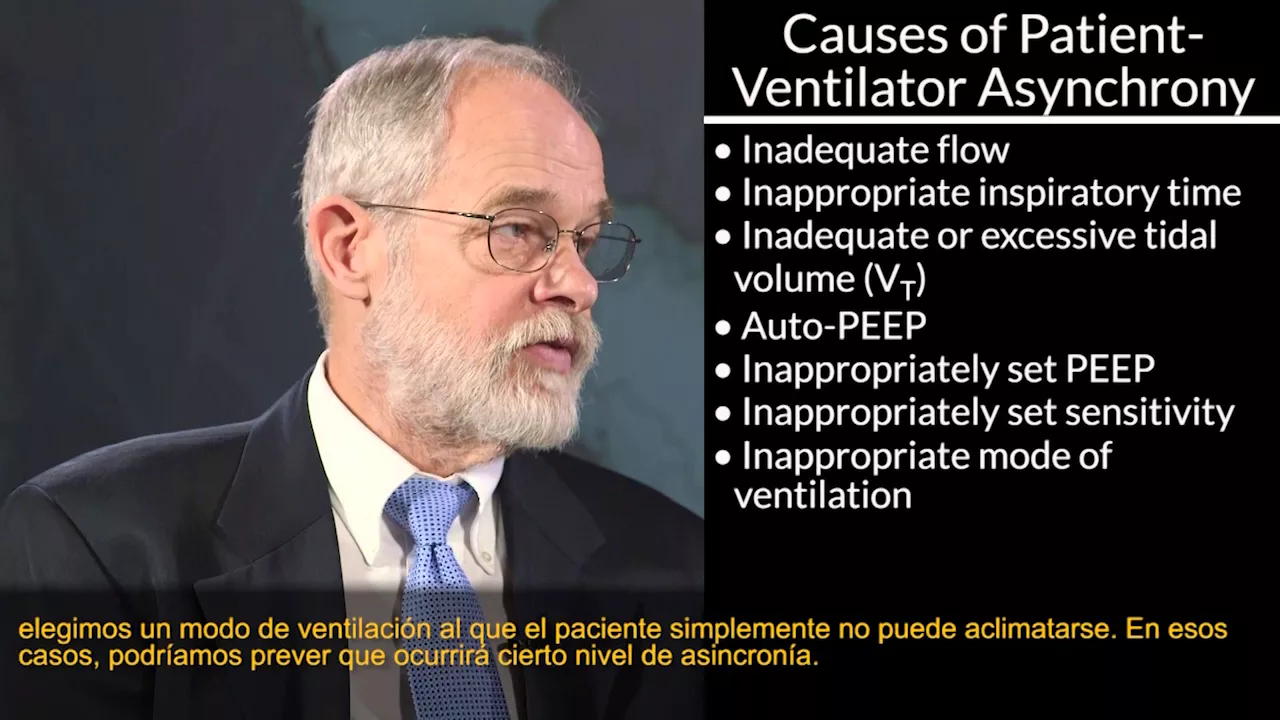



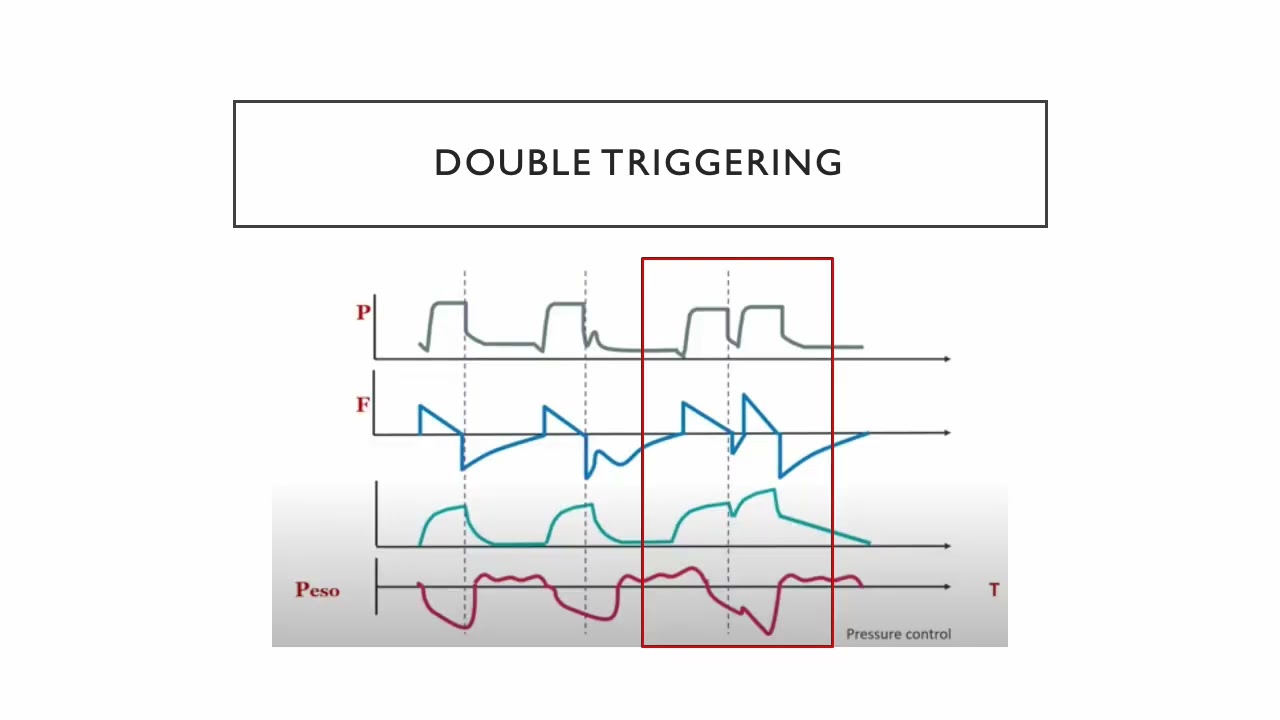









Patient-ventilator dyssynchrony occurs when the ventilator fails to coordinate with the patient's natural breathing efforts, manifesting in four primary patterns: (1) Failure to trigger - when the patient attempts to initiate a breath but the ventilator doesn't recognize it, indicated by a pressure dip without breath delivery; (2) Early inspiratory phase dyssynchrony - when the patient's diaphragm drops faster than the ventilator's flow delivery, creating a pressure dip during inspiration, requiring increased inspiratory flow; (3) Premature cycle-off - when the patient tries to end exhalation before the ventilator does, causing a pressure rise on the breath's backside; and (4) Breath stacking - when the patient triggers another breath immediately at the end of the current one, delivering double tidal volume and dramatically increasing peak pressures. The fundamental principle is that the ventilator should breathe like the patient wants, not the other way around, and increasing sedation should never be the first response to dyssynchrony.
Patient-Ventilator Dyssynchrony: Causes & Solutions
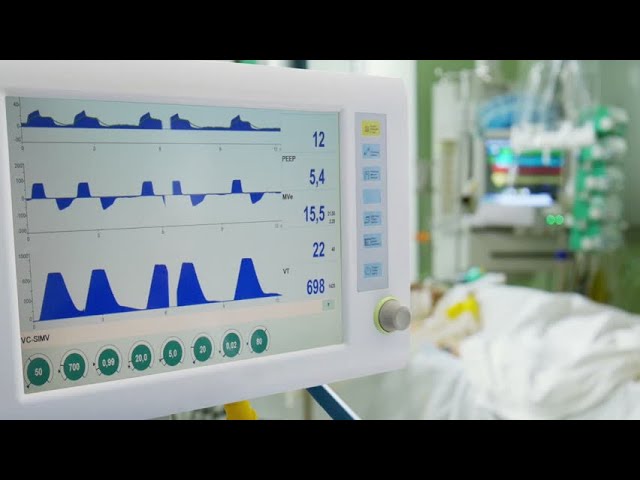
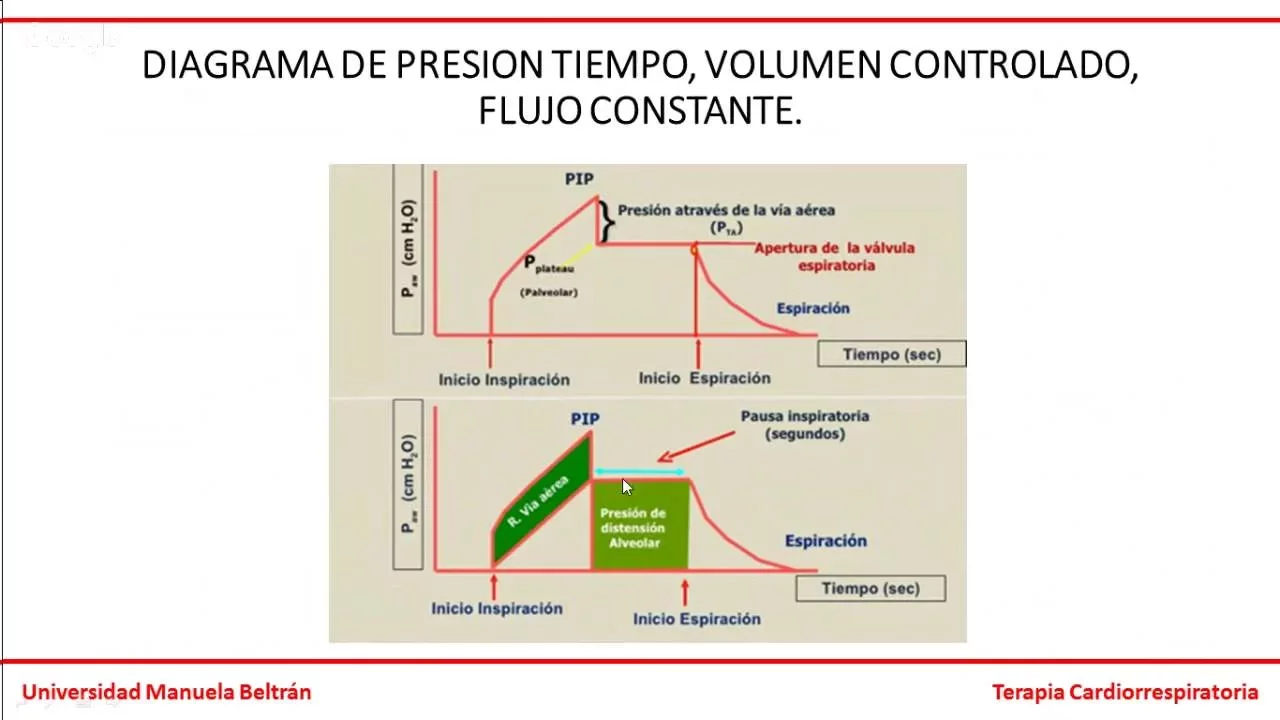
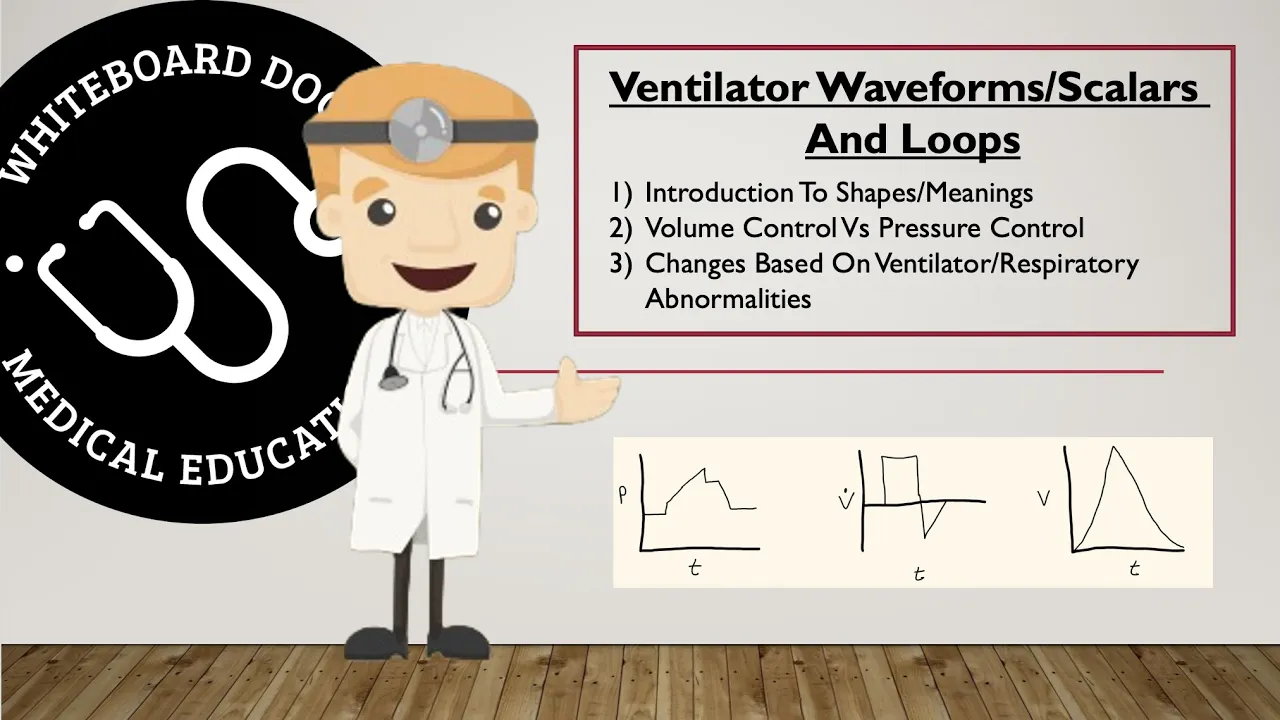
Added:hey future risk for a therapist far hand brings a question to me here talking about D synchrony or a synchrony on the ventilator and I asked if I could lay out the different types now there's so many different types of a synchrony that the answer is no I can't lay out all of them but I will give you very briefly here keep it as short as I can the most common okay and the most common have to do with the the the time leading up to before a breath and then types of a synchrony during the breath okay so if you go mountains and and just search for dis synchrony you will pull up all types of studies over early inspiratory phase desynchronisation spray phase security expert ory dis synchrony the pre breath eight distinct ranee I'm just gonna lay out the most common ones to you that you're gonna see on a regular basis okay now also this has to do with the fact that we're going to talk primarily about volume control ventilation which if you live in my area that's primarily the mode of mechanical ventilation now if you live in an area to where it's more pressure control ventilation then your dis synchrony looks different the problem is still the same it just looks different and we'll touch on that also okay excuse me so what we're going to talk here first is I'm gonna draw some waveforms up here so we've got our pressure and we have our flow okay those are our two waveforms volume comes into play also but it's not a big indicator in your asynchrony world okay so when you're talking about a sink and you're usually talking about flow patterns or your pressure wave forms okay so if you have a peep of five set and you have this going along and it dips and it comes up and it comes up and delivers a breath this typically this dip right here tells you that your patient tried to initiate a breath but it wasn't recognized which means the diaphragm dropped the intrathoracic pressure dropped that created a drop in your pressure waveform but a breath wasn't given there's no breath given here okay and so this would be indicative of failure to trigger which means your sensitivity is not set correctly okay so you need to make your ventilator more sensitive adjust your sensitivity so that the pace so that the ventilator recognizes when the patient is trying to initiate a breath if you see that once or twice on a waveform then it says hey the patient's trying to take a breath and they're not getting one okay now obviously because this is a square waveform I'm talking about pressure control here but even if it's volume control you can see the same thing you get this dip and it up and then you get a slow rise in your pressure that would be a volume control breath it doesn't matter the what matters here is that the patient tried to initiate a breath but did it get one so that's the first a synchrony do you recognize when your patients are on a ventilator and they want to take a breath you should allow them to get that breath don't let them sit there and struggle because it's gonna it's going to create more problems for you down the road okay and the key to mechanical ventilation is to make the vemma later breathe like the patient not the other way around we always think like with a the vent the patient's bucking the vent yeah the patient's bucket event you know why because the vents not meeting the patient's needs it's not doing what the patient wants so you've got two options either make the vent do with the patient wants or knock out the patients drive which studies have shown or never the way to deal with asynchrony don't lead to shorter bit days they don't it doesn't lead to shorter ICU days and so increasing sedation to create synchrony from a respiratory therapy standpoint should not be your first goal your first goal should be to let me see if I could make this has been later do what the patient is wanting to do okay so that's the first thing either so this here is an example of a failure to trigger a breath and you need to adjust your sensitivity okay I'm gonna erase this okay now the next two examples I'm going to give you and I'm only gonna give you three examples because clinically what I found is that those three examples are typically the most common the first one being failure to trigger of patient triggered breath the second one is early early breath so after the breath starts you you see this very slow you see this this this anomaly on your pressure waveform now remember we're in volume control so the breath comes in it comes up and it gives right now in volume control flow is set so if flow is set then this isn't going to change so what's going to change is going to be what you're seeing your pressure manometer so your pressure comes the breath starts and then you see this dip before it rises falls back down this dip right here tells you that your patient's diaphragm is dropping faster than the flow that's coming from the ventilator so this patient is flow hungry this patient's diaphragm they're asking for more flow than what is coming from the mechanical ventilator so what you need to do in this case is increase the flow now if you think about this this should make sense why does the pressure waveform dip well it dips because the patient's diaphragm is dropping faster than the flow of gas coming into the lungs if the diaphragm drops quicker than that then you get a greater drop and intrathoracic pressure which pulls this pressure down and you get this dip okay and that is an indication of an inadequate flow this patient is flow hungry okay so you in this case you need to increase the flow I've increased the flow literally guys no joke some people are probably gonna watch this and go this guy's lost his mind but let me if I told you that we had a patient with a severe flow hunger problem this is exactly what we saw it was more exaggerated than this but we had a flow hunger issue we were set on 60 liters per minute the patient was breathing 40-plus times a minute they were not happy this was the pattern every single breath so what we did was we increased the flow we took it from 60 to 70 we went from 70 to 80 we still had this we went from 80 to 90 we still had this and it was getting better each time but it wasn't resolving the issue respiratory rate still greater than 40 and this every single breath on the mechanical ventilator so what we do we turn the rate up from the flow rate up from 90 to 100 we ended up getting all the way up to a hundred and forty five liters per minute and when we did on the next breath we saw this okay so we went way up on the flow but this is what we finally got we finally met the patient's inspiratory flow demands okay we settled up we left it there okay now what you're thinking here is like getting your pressures increased dramatically because you went from 60 meters per minute up to a hundred and forty five liters per minute didn't your peak pressures go through the roof and the answer is no and the reason it's no is because your diaphragm is dropping so fast that there's no resist there's no that's part of the pressure equation is the the intrathoracic pressure and so we were finally meeting that to get a normal pressure wave form and our pressures went up literally by like three to four centimeters of water pressure so before when we were at sixty and we were getting this severe drop in our pressure wave form we were getting peaking spray pressures like thirty six we increase the flow eventually to one forty five and we had a peak inspiratory pressure of like thirty eight that's not that big of a difference when now you're meeting the means of your needs of your patients now here's what interesting that happened within 30 minutes the rate was down from 40 plus to the high 20s now tell me we didn't do something good for this patient we fix their asynchrony we made the ventilator breathe like they wanted and they said oh they thank you I can finally rest and relax because of the brief the breaths that are receiving or fulfilling my need so thank you so much so we got that by the time we left the patient was breathing 22 times a minute we gave a report that night we told them we said don't panic but the flow rate is set now at 135 as the rate came down we dropped the flow down a little bit we're like okay we've caught them up now and now let's see if we can turn it back then we were down to 135 when we left we gave the rest oncoming whisper therapist report and we said hey don't panic but the inspiratory flow on this patient is 135 this is no lie the respirator has told me what I like 60 and my comment her was well you may like 60 but this patient likes 135 right now because they're sick as a dog I mean they're sick this is a sick patient and they like 135 in front of us she went over and turned it to 60 we came back the next day and did clinicals the next day no lie at the beginning of the shift we took this exact same patient we go back in there rain is back in the 40s we see this again what do we do we do this right off the bat and within an hour we have them back breathing in the 20s so it I understand that you under you understand that normal flows excuse me or 40 to 60 liters per minute higher for COPD years I get that it doesn't mean that normal means normal for everyone you got to step outside the norm sometimes and do what the patient is asking you to do they can't verbalize it they can only give you data to operate off of it this is the data you're getting then make an adjustment and do something different okay now like I said we got it down back in the 20s and eventually we were able to turn the flow back down less than a hundred and the patient settled down but when patients get flow hungry just like you and me we go run a mile right now or two miles or ten miles we're going to have to we're gonna have to compensate for that we're gonna have to I'm gonna be breathing hard if I were running one mile right now I'm gonna breathe breathing very very hard until I have and the sensation of dyspnea goes away so as it goes away that in story flow the man that this patient was required up to 140 will decrease and you can adjust your flow setting okay this is not mvrc world top this is real world mechanical ventilation management which is what you're training to do so we learned to be great at it okay now the last thing I want to show you something a little different how many erase this one up here at the top okay so back here into our baseline graphics so you got your flow graphic here it's set on 60 liters per minute because that's what we set it on and your pressure waveform looks like this you get this big dip now this looks like a dip on the front side of it but this is actually a rise in pressure on the backside okay this is telling you that your patient is trying to end exhalation prior to when the vent actually is trying to end it okay so this could also be a flow issue this could maybe be a title volume issue if your tidal volume is too big then the patient's going I don't need this much volume and they're trying to exhale within the last 75% of the breath and you see the diaphragm coming up and it pushes the pressure up okay or this patient can also be Flo hungry like we talked about earlier okay so in this case you need to adjust it you probably need to either decrease your tidal volume or increase your flow okay now the last one that I want to talk about look something like this the breath comes up and it dips that out comes back up and he goes back down to baseline now when this happens you get an initial immediately another breath happens so your volume waveform will look like this breath goes up down comes back down and immediately back up okay now when this happens your secondary pressure waveform will go way up okay now what's happened here is that at the point in time when this breath was ending another breath was triggered at that point so the breath comes in it's flat towing and then you another secondary drop in pressure and another breath has happened immediately so you get what we call breath stacking breath stacking is something that I never saw early on in my career no reason I never saw it earlier out of my careers because when I first started we were doing tidal volumes of 8 to 12 MLS per kilo that's giant enormous breaths here in 2019 we're doing average 6 MLS per kilo well guess what six MLS per kilo doesn't satisfy all your patients so when you see this happening what you're seeing is a patient that is volume hungry now what they're doing is at the end of the breath they're actually their diaphragm is still dropping and they're going i want more breath but machining the vent says tidal volumes delivered cut-off expiration time cycle off and at exhalation time the negative drop in the continuation of the diaphragm dropping on the patient's side of things immediately triggers another breath so what you get is a little bit of Excel volume and then immediately another volume now what's gonna happen is is this patients peak it's very pressure is going to go way up that's going to go way up because instead of putting 400 emails into this patient because they immediately triggered another breath they now have 800 emails put into them and that creates a higher peak inspiratory pressure your flow graph it looks the same because it's a set setting your volume graphic will show that your volume does not it excels a little bit but then immediately becomes the baseline and delivers another tidal volume now what you're going to see is that this tidal volume is going to exhale way below baseline and all of this gas below baseline is the remaining volume of this first breath okay and this tells you that your tidal volume is not set adequately now the problem with this is is that you have a patient who may be wanting a tidal volume in the ballpark of let's say 450 MLS we have them set on 400 their diaphragm is still dropping because they're wanting 450 but we're giving 400 okay the consequence to that is is we get this steep peak and pressure this steep increase in peak and spray pressure which could possibly lead to Barrow trauma just to give an additional 50 MLS to the patient they only want they want 450 MLS that's how they're comfortable you cannot tell the brain to breathe differently unless you sedate it and completely knock it out if the brain of the neural drive to breathe is but you cut it off at 80% of what they're wanting then they're going to trigger if your innocence control they're going to trigger another breath and what you get is this deep increase in pressure and this additional tidal volume now what they're going to give is an another 400 ml so we're essentially giving out a tidal volume of 800 ml where if we just tweak the tidal volume a little bit maybe all they want is 430 or 450 maybe 470 maybe they want 7 MLS instead of 6 MLS per kilo and that's not going to harm your patient as opposed to this happening all day long because what you're gonna do here is you're gonna go in and you're gonna do one of two things either you're going to troubleshoot and go I think the patient wants more volume because they got this late drop in pressure which is initiating X breath and I think their volume hungry so let's try to run up the volume a little bit you're gonna find that oh just a few more cc's of volume solves the or you're gonna go in and say oh man they're breast stacking peak pressures are peeking out at 48 and that's too high so I'm just gonna turn my my penis try pressure alarm up to 58 or 6 and and you're just gonna adjust one alarm and that's that's not the right movement okay it's not the right that's not the right that's not the right play at that time okay you should never just adjust alarms just to be adjusting alarm so they don't alarm if the victim arms that you have set or set correctly then if you have to adjust them you should ask yourself is there anything else I can do to make the ventilator breathe more like the patient wants okay so far hot I hope this helps all the sensors your questions on asynchrony or d synchrony if you guys see this in clinic I would love for you to put a comment in about what you're seeing and if you made in these moves that I'm talking about I hope you put them in there and say hey man I'm glad this worked or hey man this is what it look like but this didn't work what do we do now and we can figure it out together hope everybody's having a great day
Up Next

Ventilator Alarms Explained: High, Low Pressure & PEEP
@RespiratoryTherapyZone
62.7K views•2021-09-07

Graphic Medicine: Comics for Collaborative Healthcare Communication
@nationalpatientadvocate
189 views•2023-12-04

Peak vs Plateau Pressure: Dynamic and Static Compliance Explained
@RespiratoryCoach
41.3K views•2020-04-11
Stages of Labor and Vaginal Birth | Childbirth Animation
@nucleusmedicalmedia
52.1M views•2017-08-18
Related Study Plans & Knowledge Roadmaps
Structured learning paths in Medicine