










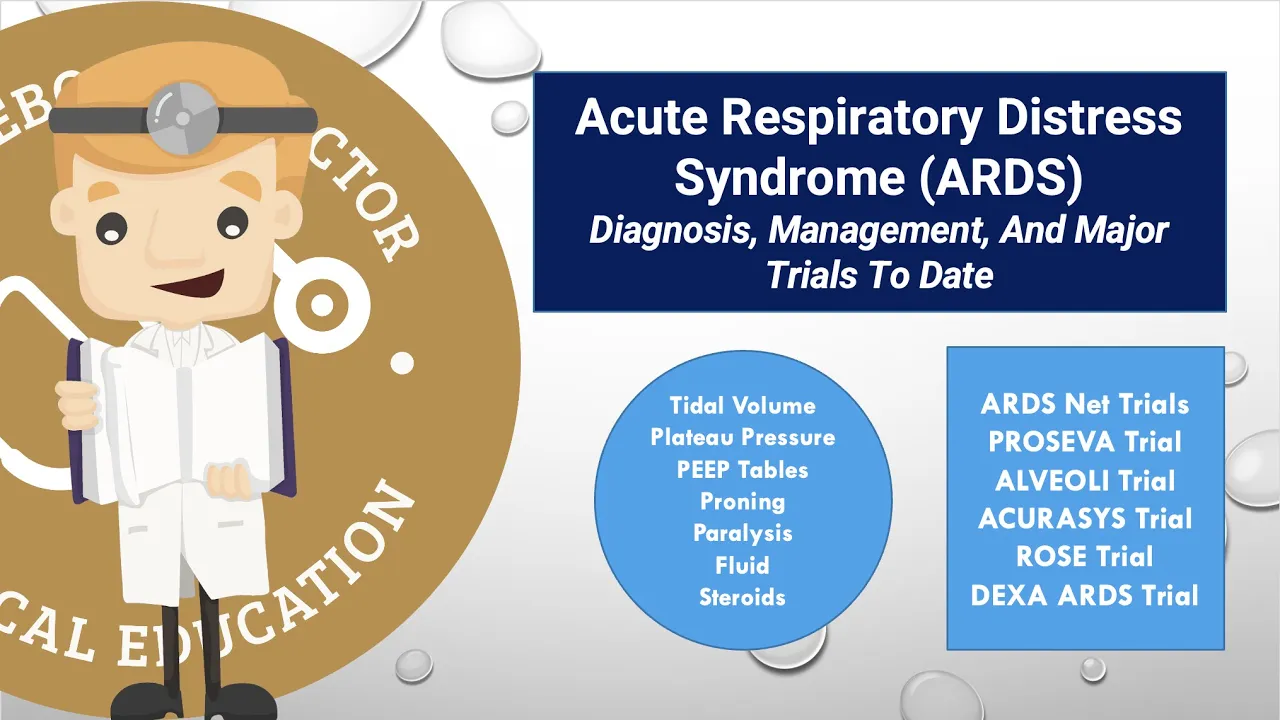





ARDS is diagnosed using the Berlin criteria requiring acute onset (<1 week), bilateral diffuse pulmonary infiltrates, exclusion of cardiogenic pulmonary edema, and a PF ratio <300 with ≥5 cm PEEP/CPAP; management focuses on treating the underlying cause, implementing lung-protective mechanical ventilation with low tidal volumes (6 mL/kg ideal body weight) and high PEEP to minimize barotrauma, along with strategies including fluid management targeting euvolemia, steroids for certain etiologies, non-invasive ventilation for mild cases, proning for refractory hypoxemia, APRV for refractory cases, paralysis for dyssynchrony, inhaled vasodilators, and ECMO as salvage therapy.
ARDS Diagnosis and Management: ICU Critical Care Guide
Added:Basic pulmonary physiology, including gas exchange mechanisms, ventilation-perfusion (V/Q) mismatch, and lung compliance.
The pathophysiology of acute hypoxemic respiratory failure and the clinical distinction between cardiogenic and non-cardiogenic pulmonary edema.
Fundamentals of mechanical ventilation, including basic ventilator modes (volume-control vs. pressure-control), PEEP, tidal volume, and plateau pressure.
Standard arterial blood gas (ABG) interpretation and the calculation and clinical significance of the PaO2/FiO2 (P/F) ratio.
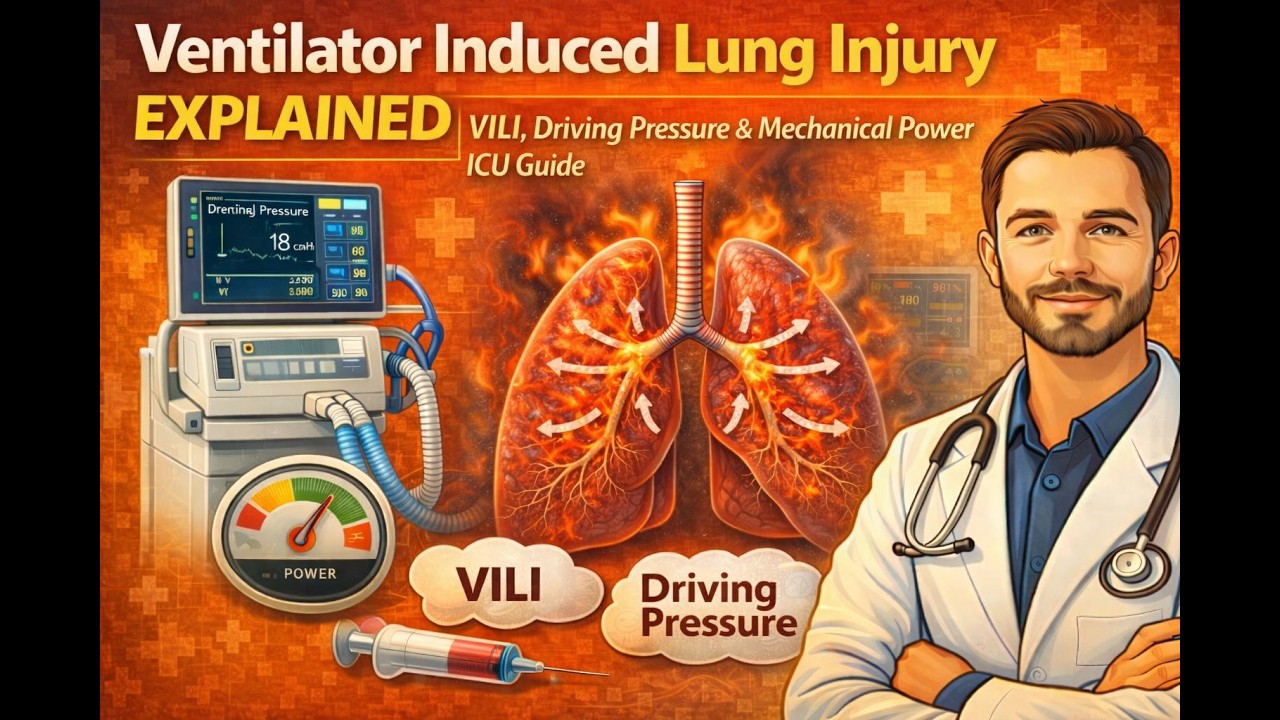
Advanced mechanical ventilation concepts, such as calculating driving pressure, monitoring mechanical power, and preventing ventilator-induced lung injury (VILI).
Detailed analysis of landmark clinical trials (e.g., ARMA, PROSEVA) that define modern low-tidal-volume ventilation and prone positioning protocols.
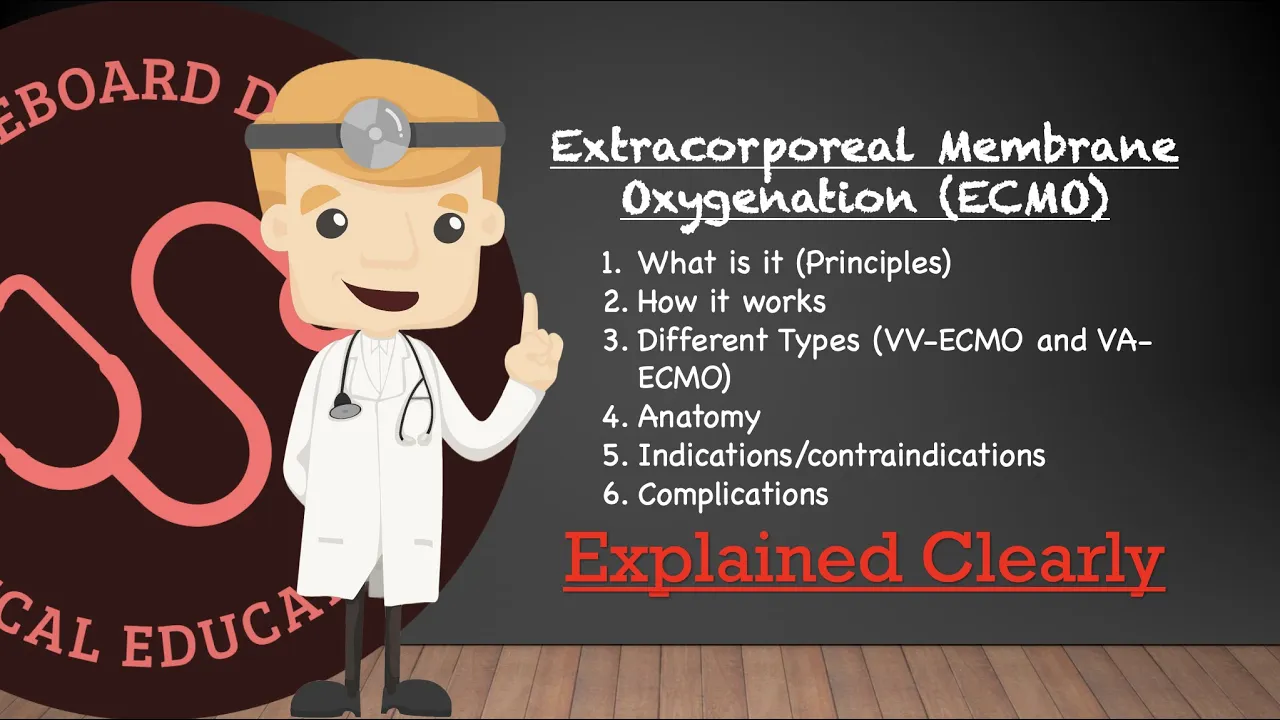
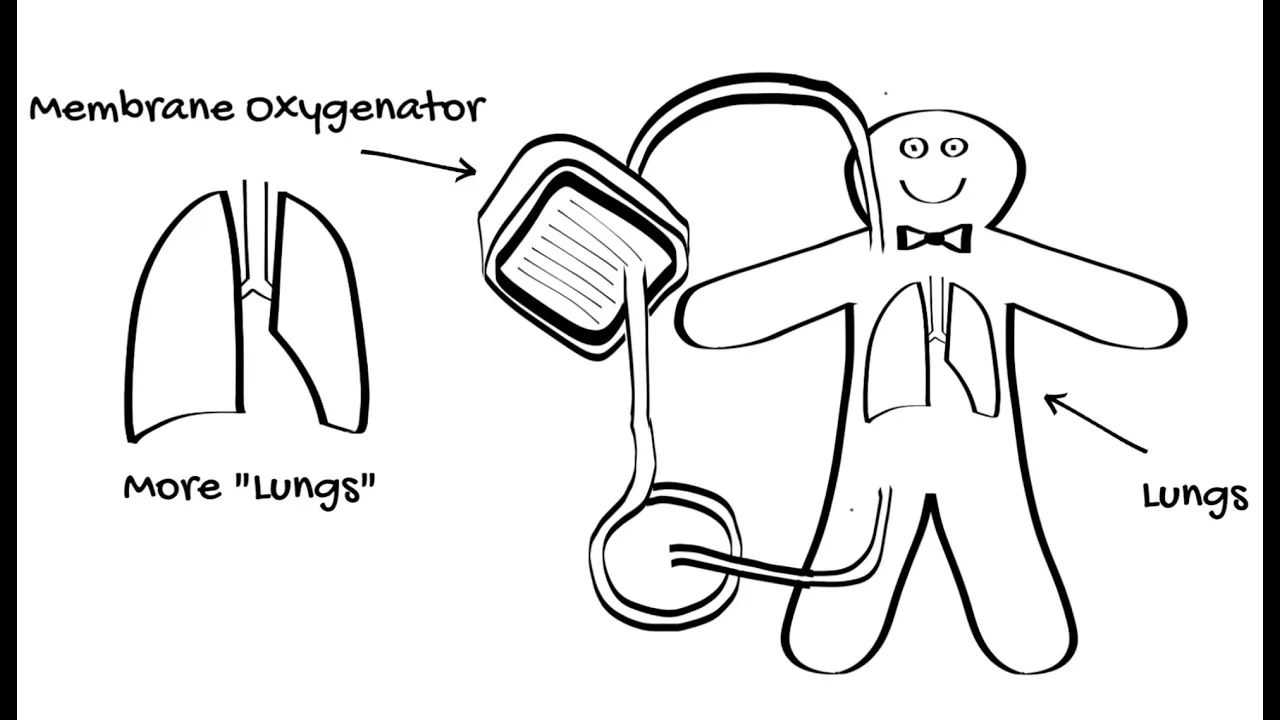
The physiological principles, indications, and management of Veno-Venous Extracorporeal Membrane Oxygenation (VV-ECMO) as a rescue therapy.
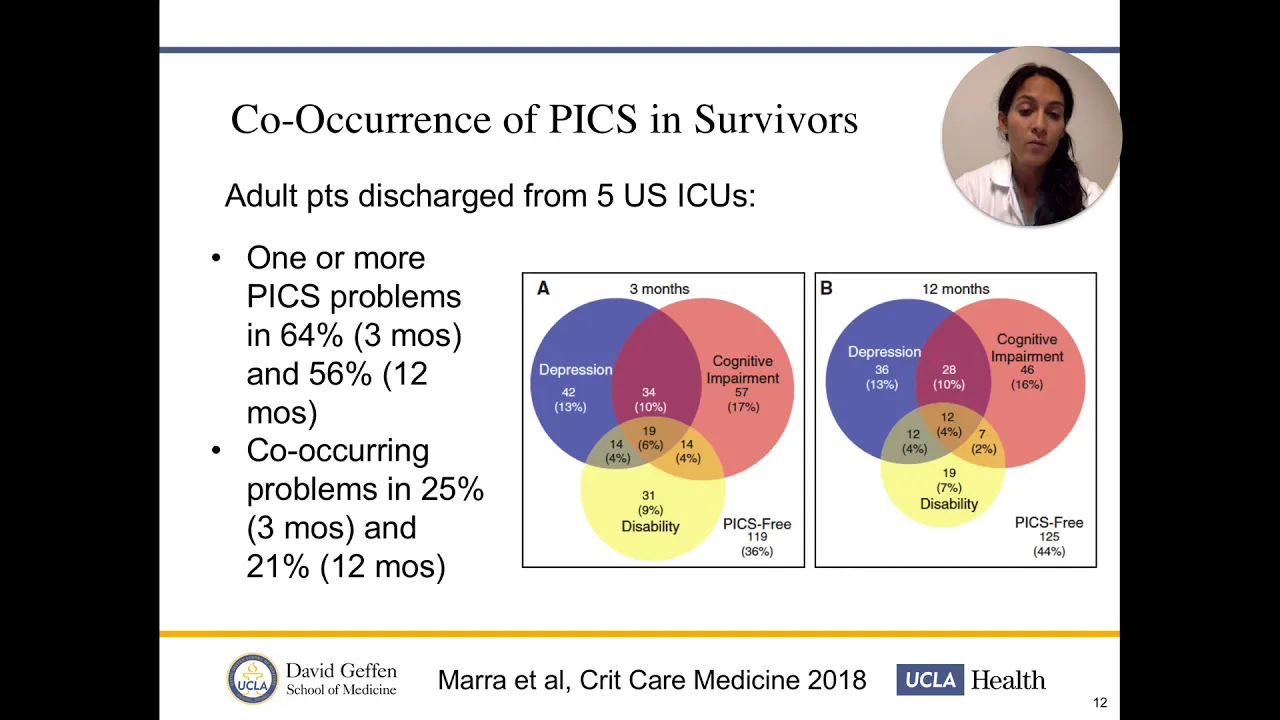
Long-term outcomes of ARDS survivors, including pulmonary rehabilitation strategies and the management of Post-Intensive Care Syndrome (PICS).
129.3K views2.7Klikes27:34Original Release: 2022-03-21
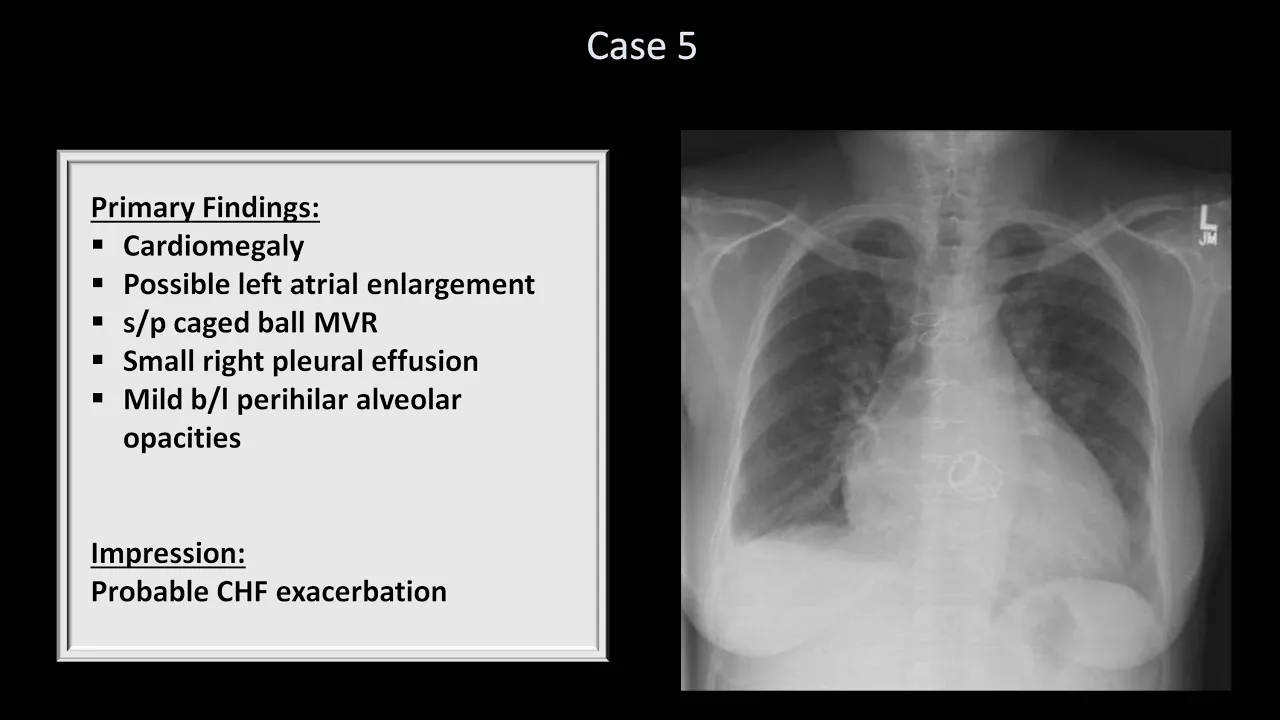
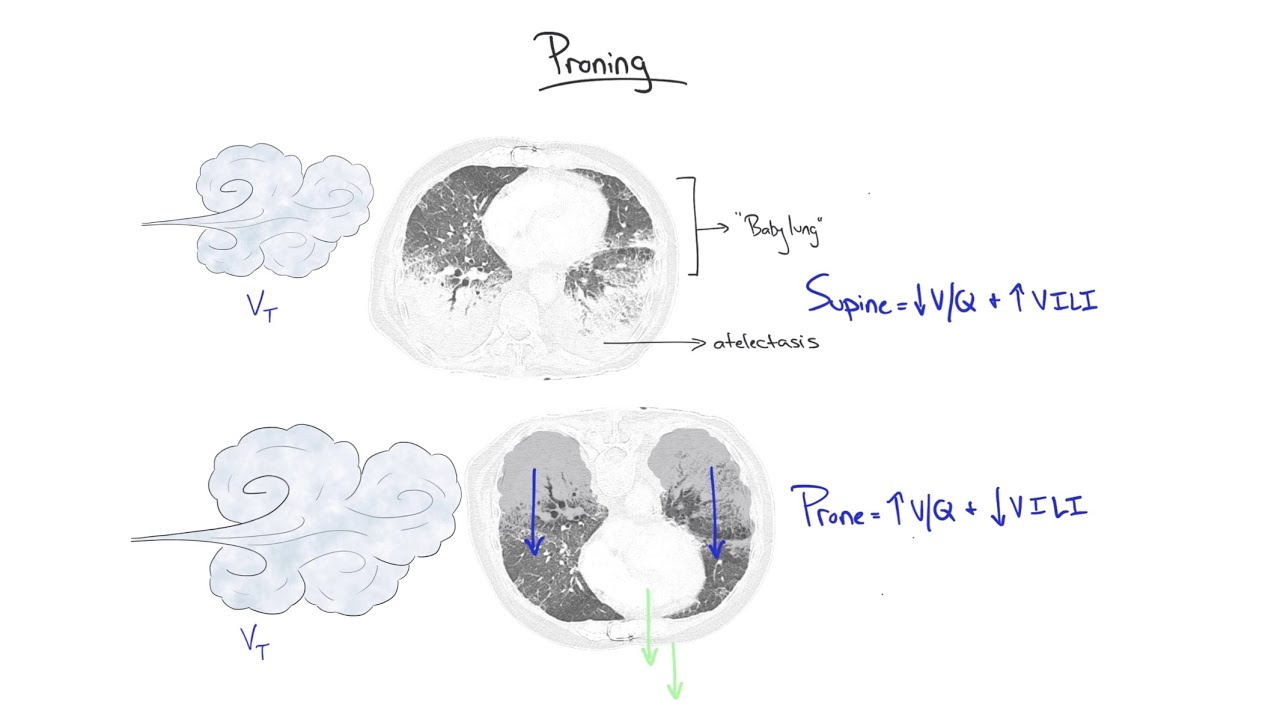
to finish up our discussion of arts we need to talk about how we diagnose our patients as having arts and the different strategies involved in managing these patients so let's get started [Music] all right you guys welcome back to another video lesson from icu advantage my name is eddie watson and my goal is to give you guys the confidence to succeed in the icu by making these complex critical care subjects easy to understand i truly hope that i'm able to do just that and if i am i do invite you to subscribe to the channel down below when you do make sure you hit that bell icon and select all notifications so you never miss out when i release a new lesson as always the notes for this lesson as well as all the previous videos are available exclusively to the youtube and patreon members you can find links to join both of those down in the lesson description below also don't forget to head over to icuadvantage.com or follow that link down in the lesson description to take a quiz on this lesson test your knowledge while also being entered into a weekly gift card as well as don't forget that you can help support this channel through the purchase of an icu advantage sticker again those are found at the website icoadvantage.com forward slash support link down in the description all right and in this lesson i'm going to reference a lot of previous lessons that i already did talking about a lot of different concepts so i'm going to try to link to as many as i can up above but i'm going to have a full comprehensive list down in the video description and so we've got quite a bit of stuff to talk about in this lesson so let's go ahead and dive right into it so we're going to start off talking about diagnosis and really the first step in being able to care for a patient with ards is being able to identify the fact that they're actually in arts in the last lesson we talked about the berlin definition which is the most used and accepted set of criteria for diagnosing arts just as a reminder it consists of four things we have the acute onset so less than one week bilateral diffuse pulmonary infiltrates cardiogenic pulmonary edema has been rolled out and a pf ratio less than 300 with at least five centimeters of peep or cpap now when talking about our diagnosis first and foremost is going to be the history and physical of the patient at its most basic your patient will be presenting with a deteriorating respiratory status so here you want to be expecting things like shortness of breath dyspnea tachypnea hypoxemia cyanosis or power crackles initially in the bases and then profound crackles throughout a lot of what was described in the respiratory failure lesson that i previously did all of this will be taking place shortly after the initial insult again usually a few hours to days but at most within seven days from there we hopefully have an idea of the underlying cause so most common causes are pneumonia and sepsis but things like pulmonary contusion toxic inhalation shock pancreatitis and trolley are really not that uncommon either be thinking about what your patient has going on and if this could be either a direct or indirect cause of art this history will also help with identifying those patients with heart failure and thus potentially cardiogenic pulmonary edema that said don't let this have you rule out arts completely if other causes could be present it is possible to have a component of both hair now one useful tool in diagnosing ards is going to be our x-ray and given a declining respiratory status we're obviously going to be wanting to do a chest x-ray for most cases of ards the h p and a chest x-ray is going to be more than enough to definitively diagnose ards with that berlin criteria and so i just wanted to show you here an example of what we're looking for on x-ray so this is actually going to be the progression of a patient's lungs from day one here where they're normal with no issues to the next day where we start to see some consolidations forming in the bases to the next couple days with rapid deterioration and this is both clinically as well as radiographically here with increasing bilateral patchy opacities to progressing to the final x-ray being the classic white out signifying that diffuse alveolar damage and then here given the normal cardiac and great vessel sizes that cardiogenic pulmonary edema can reasonably be excluded another diagnostic tool for us is going to be the ct scan a ct of the chest can also be performed but it isn't typically used for diagnosis unless we're really needing to differentiate from other issues and really ensure that the infiltrates are pulmonic in location the ct may also be beneficial in identifying extrapulmonary causes and especially in cases of sepsis also including the abdomen and pelvis in the scan can be of benefit to try to look for different sources of infection and then ct can also be helpful in identifying heart failure and cardiogenic pulmonary edema we can also do this using the pulmonary artery occlusive pressure or wedge pressure if the patient has a pa cath and here if our occlusive pressure is less than 18 then once again we can rule out cardiogenic pulmonary edema ultrasound can also be used to help identify signs of ards as well as evaluating the heart failure and cardiogenic pulmonary edema some different labs can also be helpful for us now while we don't have any labs that will diagnose ards they are potentially helpful in identifying or excluding potential causes abg's will obviously be needed for our pf ratio lactic acid is going to be important given the effects of hypoxemia and multi-organ failure infectious workups including blood sputum and urine cultures nasopharyngeal pcrs so here think flu covid etc cbc crp and procalcitonin are also going to be helpful for us as well now when it comes to bronchoscopy for diagnosis this is typically a low-value diagnostic procedure unless we're particularly suspecting alveolar hemorrhage it does come with the added risk of increased hypoxemia and barotrauma and then lastly here for diagnosis i do want to hit on a subject called pseudoards and this is something to be aware of and on the lookout for as atelectasis can present very similar to ards and it might initially be indistinguishable in these cases once an adequate high airway pressure is achieved they're usually going to respond with improving oxygenation and having a pf ratio that's greater than 300 within 12 to 24 hours thus they're no longer going to meet the diagnostic criteria for arts all right so now let's move in and talk about the management of these patients so once identified our management strategies for these patients is going to shift to better optimize our treatment for this condition our treatment for these patients is going to revolve around four main goals first we want to reduce the shunt fraction so this is reducing the amount of that deoxygenated blood returning to the left heart two we want to be increasing oxygen delivery three we want to be decreasing oxygen consumption and four we want to avoid further injury and then first and most importantly to mention when it comes to our treatment is that we want to be treating the underlying cause this will obviously depend on what that cause is but many patients who develop ards actually have a reversible disease underlying which makes treating it the most important thing that we can do if we can't or don't ever fix the underlying problem we're not going to fix the yards all right so when it comes to the management let's talk about some of the strategies that we're going to potentially use when we're managing these patients now keep in mind this is nowhere near a completely exhaustive list of the different strategies that we have nor is all the information going to be completely covered here i just wanted to kind of cover all this information to give you an understanding of the different approaches and strategies that we use when we're trying to manage these patients so first and foremost is actually going to be our fluid management so as you remember from the previous lesson covering the pathophysiology of ards fluid is one of our big problems with arts we want to manage our patient's fluid status to try and keep excess fluid off of the lungs and we do this by targeting euvolemia in our patients if your patient is in shock though then we may need fluids initially in our management of that shock state otherwise from there we probably want to be trying to target a neutral fluid balance so having our input equal to our output or perhaps even a slightly negative balance and then diuretics may be needed initially to kind of bring the patients back into that neutral balance although depending on the state of hypoxemia and or in cases of disease that the systemic inflammation and shock may be present then the kidneys may not actually be functioning in these cases we're probably going to be looking at utilizing dialysis or more likely crt to try and help maintain the balance with these fluids our next strategy is actually going to be steroids and the use of steroids and ards remains controversial that said some of our underlying causes have shown to respond well to steroid use while others not so much in many of these cases we can often assume that a lot of the cases of hearts would actually respond to steroids but if they do have a known cause that isn't going to be responsive it's probably of no benefit to use them now our next strategy actually revolves around ventilatory support if our patient has mild arts we can try non-invasive strategies first so this is going to include things like high flow nasal cannula or cpap and bipap high flow nasal cannula may be best in our patients with sputum production so think our pneumonia is here as the cpap and bipap can actually limit their ability to clear the sputum if our patient is deteriorating though not hemodynamically stable or with moderate to severe arts then we're probably going to need to intubate and mechanically ventilate them now covet is really shown to be its own animal but typically in arts it may be beneficial to actually intubate earlier than later by intubating we're going to have much better control over ventilation and our pressures for our patient and really if they look like they're heading south then it may be better to get ahead of this instead of trying to do an emergent intubation later all right so our next strategy is actually a pretty big one one that you're probably aware of and one that plays a really important role in our management and that's going to be our lung protective mechanical ventilation so our lung protective strategies for mechanical ventilation come from the ardsnap protocols and they really have been shown to be the best strategies to properly oxygenate and ventilate while really minimizing the risk of further damage to the lungs due to the resistance of the ard's lung we run the risk of barotrauma and overstretching the good lung tissue this barotrauma could potentially lead to a pneumothorax which obviously isn't going to be good for this patient as well as the stretching of that good lung tissue can also lead to the release of inflammatory markers which is part of the issue to begin with in arts we do have a few different management approaches that all kind of fall into this lung protective mechanical ventilation and the first one of these is actually going to be our lung protective volumes and really when we're talking about lung protection we're talking about low tidal volume and low pressure so here for our tidal volume our goal is six milliliters per kilogram of ideal body weight and i'm going to talk more about this in a future lesson but remember that it's ideal body weight and not the actual patient weight from here we can adjust our title volumes within the range of four to eight milliliters per kilogram and really try to optimize things which i am going to be discussing more in a minute here our next lung protective strategy is going to be revolving around peep now our goal here is actually to have high peep to try to increase the mean airway pressure and this is going to help splint airways and alveoli open preventing that collapse and de-recruitment remember that we've got that fluid pressure and the potential loss of surfactant that are increasing the chances of that alveolar collapse using high peep is going to help to splint those open helping to prevent that collapse in there we do want to make sure that we are using a minimum of 5 centimeters of peep and our goal is to try to have an spo2 greater than 88 having high levels of fio2 especially for extended periods of time that this can actually cause damage to the lungs so the least amount that we can use the better it's going to be utilizing high peep and having a lower spo2 target are going to help us to reduce our fio2 requirements now we do have some tables that were actually developed to help to guide our increases in peep based on the fio2 requirements that we're having to deliver for our patient this isn't a hard fast rule but i'm going to go ahead and pop it up for you on here and really this helps to guide our management basically looking at this table we would just look at how much fio2 is being required for this patient and based on the fio2 that we're delivering we're going to adjust the amount of peep so as our fio2 goes higher our peep is also going to be going higher as well and as you can see we actually have two sets of peep that we can use both a standard peep as well as a high peep as well if the patient is just not responsive to the standard peep now remember though that by increasing peep that this is going to be actually increasing intrathoracic pressure and can lead to decreased cardiac output and hypotension especially as we get to those high peeps so greater than 15 to 20. now along with our volumes and our peeps we also want to be keeping an eye on our plateau pressure and with every change that we make in peep we need to make sure that we're also evaluating our plant toe pressure with a 0.5 second inspiratory pause maneuver with that we should also be checking at least every four hours if our patient's peep is currently stable our goal here is to keep our plateau pressure less than or equal to 30 centimeters of water which is going to be our biggest indicator for the risk of barotrauma if our plateau pressure is greater than 30 then we're actually going to decrease our tidal volume by one milliliter per kilogram until we get to the minimum of four milliliters per kilogram now remember that oftentimes this is going to be a moving target so if we do happen to overshoot and we find that our patient's plateau pressures are less than 25 and we currently have our title volume dialed down less than six then we actually want to increase our tidal volume again by one milliliter per kilogram until we have that plateau pressure greater than 25 or we reach the tidal volume of 6 milliliters per kilogram now another thing that plays into this lung protective ventilation is also going to be our patient's ph and so we do want to allow a permissive hypercapnia and really not target a normal ph that said there are going to be some cases where this is contraindicated such as patients with increased icps as well as rv failure so here vasoconstriction as a result of the high levels of co2 can increase our patients icp as well as increase the pulmonary vascular resistance being detrimental to patients with right heart failure now having some of these strategies where we're using lower tidal volumes that this means that we're going to be moving less air in and out of the lungs thus we're gonna have an impact on the amount of co2 clearance which can itself lead to hypercapnia the body does target a slightly acidic environment so we usually will allow the co2 to rise and the ph to drop and our goal is to really try to keep the ph greater than 7.20 or 7.25 to manage our patients acidosis we can increase or decrease our respiratory rate to try to blow off more or less co2 thus increasing or decreasing the ph as a result but we do want to have a maximum respiratory rate of no more than 35 if we are finding them to be extremely acidotic so here a ph less than 7.15 and we already have a respiratory rate that's maxed out at 35 we can at this point also increase our title volume by one milliliter per kilogram until our patient's ph is above 7.15 in these cases we are going to allow that plateau pressure to go greater than 30 especially when they're this acidotic at this point here as well as possibly earlier we can also consider the use of bicarb here to try and manage that acidosis and doing so is going to actually allow us to maintain some of those lower tidal volumes because we won't have to start increasing those volumes and then finally here in the ventilation strategies i just want to mention that we do have a preferred inspiratory to expiratory ratio or ie ratio of having our inspiratory time less than our expiratory time so we can increase our inspiratory times to try to help increase mean airway pressure but our goal here is to keep inspiratory less than expiratory alright so that was a lot to talk about on our lung protective ventilation i do want to move into the next strategy here that relates to our event as well but i did want to separate it out here and this is going to be if our patient is having vent to synchrony so there are a few things that we can try and do to help our patients compliance with the ventilator first is to try to optimize settings such as our triggers flows cycle times etc to better fit what's going on with the patient as expected here and especially with ards our rt friends are going to play an integral role in the management of these patients they bring a lot of experience and a lot of knowledge especially when it comes to the event and managing those settings to best optimize for the patient so make sure and lean in on them and listen to what they have to say so from there we also want to consider our sedation so we can provide adequate sedation for our patients and we want to specifically try and target their respiratory drive the combination of propofol and fentanyl is actually an excellent combination specifically for this and when we're doing this we may need to shoot for a more negative rascal in these cases to try to more deeply sedate these patients and if needed we can add other adjunctive sedative medications to try and prevent reaching very high doses of propofol and fentanyl we also may need to look at something like paralysis if our other methods still have not worked including good deep sedation that we may need to consider our paralytics here and i'm actually going to talk about this more in just a minute so i'm going to move past it for now and then finally if our patient's plateau pressure is currently under 30 and our patient is either stacking breaths or having to synchrony on the ventilator then we can increase their tidal volumes by one milliliter per kilogram until we get to a max of eight milliliters per kilogram so long as that plateau pressure is less than or equal to 30. the next strategy i want to talk about is actually going to be proning so proning is something that's viewed oftentimes as a last-ditch effort but its use should certainly be considered if our pf ratio is less than 150 if not possibly sooner covid has actually really shown us the benefit of early proning but this has also been shown to be true with other cases of ards as well perhaps even once our pf ratio gets under 300 now we can consider awake protein and early on if the patient can there definitely have been benefits shown for awake proning even if they have non-invasive ventilation in place now i'm not gonna go into details on proning here but i will link to a lesson that i previously did talking about it was in the context of covid but the underlying fundamentals definitely still apply for proning in general the next strategy is actually going to be aprv or bi-level or whatever you currently use at your facility this is actually an advanced mode of ventilation where we often run these patients with an inverse ratio so we have our inspiratory time greater than our expiratory time and especially with aprv this is definitely considered a very inverse ratio now when we have lower pressures that we're currently running with aprv this is something that can actually be quite tolerated by the patient because they can still spontaneously breathe beyond what the vent is giving them but once we get into using higher pressures which is probably how we're going to be using this in ards that things really begin to become very uncomfortable for the patient so we're definitely going to need to ensure that we have good sedation for compliance the goal with using this here is to really increase the mean airway pressure helping our lung recruitment and this is going to be preventing further deep recruitment also driving oxygenation now some people do consider this a salvage therapy but it can be effective if refractory hypoxemia is present despite using those high peeps now especially with aprv because of the short times for the expiratory release ventilation that co2 accumulation is likely meaning acidosis will worsen also with aprv we're going to lose that direct control over our title volume it's a pressure based ventilation so we're going to have to really monitor the average volumes that are being delivered and ensure that they're at our low tidal volume targets all right so our next strategy which i did hit on a little bit with our vent to synchrony is actually going to be our paralysis and so when it comes to using our paralytics there's actually several benefits that we can get from it remember though that we need to ensure that we have deep sedation going on for these patients before we begin any paralytics now as mentioned already if the patient is having that vent to synchrony and that's persisting that we may need to paralyze them to really to ensure their compliance our goal is to try to limit the peak pressures and to help to prevent any barotrauma this is also going to help us measure accurate plateau pressures ensuring that we are at safe levels with our ventilation strategies and this can be especially true when we're proning patients another benefit that we have of using our paralytics is that it can also impact our patient's metabolic demand by paralyzing we're not going to have the muscle contraction taking place and so doing so means that we're going to have less o2 being used and then less co2 being produced which could actually prove to be doubly beneficial for our patients with art another strategy that we have is to use our inhaled vasodilators now we can consider things like inhaled nitric oxide as well as our inhaled epo these both lead to pulmonary vasodilation of properly aerated alveoli and so this means that we're going to have more blood flow to areas of good ventilation in the lungs meaning that gas exchange can take place there this is going to help to deliver more oxygen and reduces that shunt fraction now in addition to this patients ventilated with ards tend to actually develop a pulmonary hypertension due to the hypoxemia and increasing pressure of the fluid and the vent pressures on that lung tissue this vasodilation can actually help to reduce the afterload from the pulmonary vasculature on the right heart another strategy is also going to be the use of ecmo so we want to consider the use of ecmo once our pf ratio is less than 150. now not everyone is going to be a candidate but we should actually be evaluating them possibly for ecmo as early as possible now i'm not going to go into details on ecmo as i have covered that extensively in another series which i will link to as well for you guys but essentially though ecmo is going to allow us to oxygenate the blood without the need for any functional lung so this provides oxygenated blood for the body helping to provide adequate perfusion and preventing that multi-organ failure as well as this also allows us to minimally ventilate the lungs preventing that barotrauma and allowing them time to rest and recover and then another strategy that's going to be important is also our nutrition and well not a direct treatment of arts this is actually going to be very important for these patients our goal here is for internal feedings and to try and maintain proper nutrition for these patients this really has a benefit for these patients especially the really sick ones who are deeply sedated and or paralyzed and prone because they're really at risk for skin breakdown and pressure injuries these patients are also going to be at a risk for vap and then the anterior feedings will help to reduce our risk from vap as well and then finally for our management strategies the last thing that i really wanted to hit on is something that we often refer to as damage control so if we've tried everything and ecmo is just not an option for this patient there are a few last things that we can try to use as a salvage therapy but these aren't really warranted in the normal course now within this discussion it is important to know that some people would consider the use of the pulmonary vasodilators proning and aprv here within the salvage or damage control but that said there is also evidence showing that this stuff can be beneficial for many patients with arts as well so that's why i kind of covered them before so the first thing within damage control is actually going to be temperature control and this isn't necessarily something that we're not going to be doing with other patients but potentially something that we might go a little bit further with in these cases and so here our goal is a febrile at 37 degrees celsius now we certainly can use our antipyretics to try and help or potentially some sort of cooling device to keep these patients normal thermic now another thing is our inotropes and so here for our patients who have a low cardiac output an inotrope may help to increase that squeeze their cardiac output and then thus their perfusion also if you remember from the last lesson i did mention that having a low cardiac output increases the proportion of deoxygenated blood returning to the left heart and thus onto the systemic circulation so increasing our cardiac output may be a benefit in helping to reduce that shunt fraction we can also look at our blood transfusion limits so hemoglobin is really our lifeline for oxygen carrying capacity normally we target a hemoglobin level of 7.0 but there may be benefit in increasing this to 8.0 as a last-ditch effort that said at this point it's often not very fruitful and we do need to weigh the cost of the reduced blood supply as well as potentially the futility of treatment here and then lastly another thing that we can consider although this may also be something that we do not necessarily in the damage control state is our effusion drainage and so here the effusions can be masked sometimes with ards but it may be helpful to insert a chest tube and drain any effusions that are present and so that really covers the last of our management strategies we covered a lot of different stuff here as you can see when it comes to managing these patients with ards we're really going to be adapting some of the ways that we manage these patients from their ventilation to some of our pharmacological options and really trying to work to optimize things for these patients again for really the past couple years so much of what we've seen with ards has been covid which in its own right has actually been sort of its own beast in how it presents with ards but eventually once we get to the point to where covet is not as prevalent you guys are going to see this stuff quite often with a lot of different things so it's really important that you kind of understand these strategies some of the different approaches that we take and really try to work to optimize things for these patients so i hope that i was able to cover a lot of this information and present it in a way that you guys found useful if you did please leave me a like on the video down below it really helps youtube know to show this video to other people out there as well as leave me a comment down below i love reading the comments that you guys leave and i try to respond to as many people as i can make sure you subscribe to this channel if you haven't already and a special shout out to the awesome youtube and patreon members out there the support that you're willing to show me and this channel is truly appreciated so thank you guys so very much if you'd be interested in showing additional support for this channel you can find links to both the youtube and patreon membership down below head on over there and check out some of the perks that you guys get for doing just that as well as check out some of the links to other nursing gear as well as some awesome t-shirt designs i have down there as well make sure you guys stay tuned for the next lesson that i release otherwise in the meantime here's a couple awesome lessons i'm gonna link to right here as always thank you guys so much for watching have a great day
Up Next
9:31
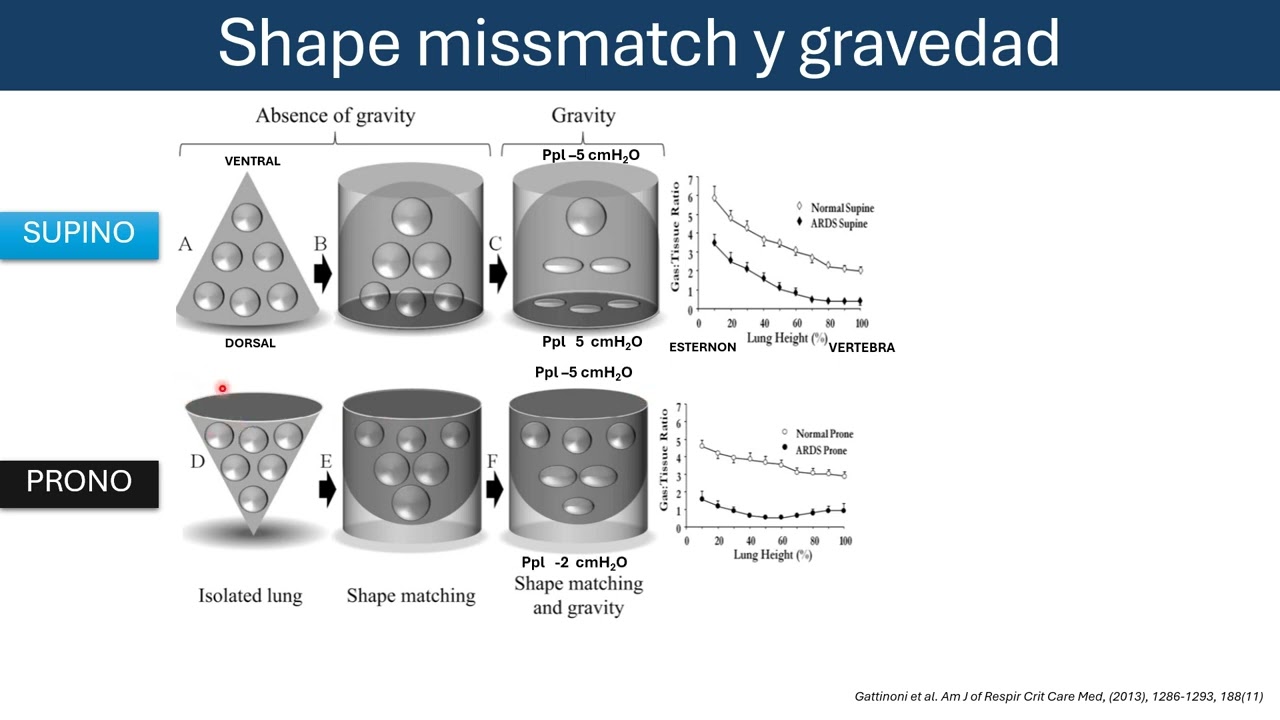
Proning in ARDS: Mechanisms and Physiological Rationale Explained
@TheCriticalCarePractitioner
228.1K views•2018-03-28

48:47
Graphic Medicine: Comics for Collaborative Healthcare Communication
@nationalpatientadvocate
189 views•2023-12-04

10:28
Neuroanatomy: Central and Peripheral Nervous System Divisions Explained
@AKLECTURES
136.2K views•2014-09-20
3:05
Stages of Labor and Vaginal Birth | Childbirth Animation
@nucleusmedicalmedia
52.1M views•2017-08-18
Related Study Plans & Knowledge Roadmaps
Structured learning paths in Medicine
medicine
Abnormal LFTs: Diagnostic Workup & Pathology
01Liver Anatomy and Basic Physiology
02Introduction to Liver Function Tests (LFTs)
03Hepatocellular vs. Cholestatic Patterns
+ 3 more learning modules
12h6 modules
Explore Roadmap
medicine
Analyzing Blood Smears: RBC, WBC & Platelets
01Introduction to Blood Components & Smear Preparation
02Normal Morphology of Blood Cells
03Erythrocyte Pathologies & Morphological Variants
+ 2 more learning modules
12h5 modules
Explore Roadmap
medicine
Mechanical Ventilation: Waveforms & Alarms
01Anatomy and Physiology of Breathing
02Introduction to Mechanical Ventilation & Core Modes
03Ventilator Settings and Waveform Interpretation
+ 2 more learning modules
12h5 modules
Explore Roadmap
medicine
Neuro Exam: Localization & Stroke Syndromes
01Foundations of Neuroanatomy and Vascular Supply
02The Neurological Examination: Step-by-Step
03Principles of Neurological Localization
+ 3 more learning modules
18h6 modules
Explore Roadmap