
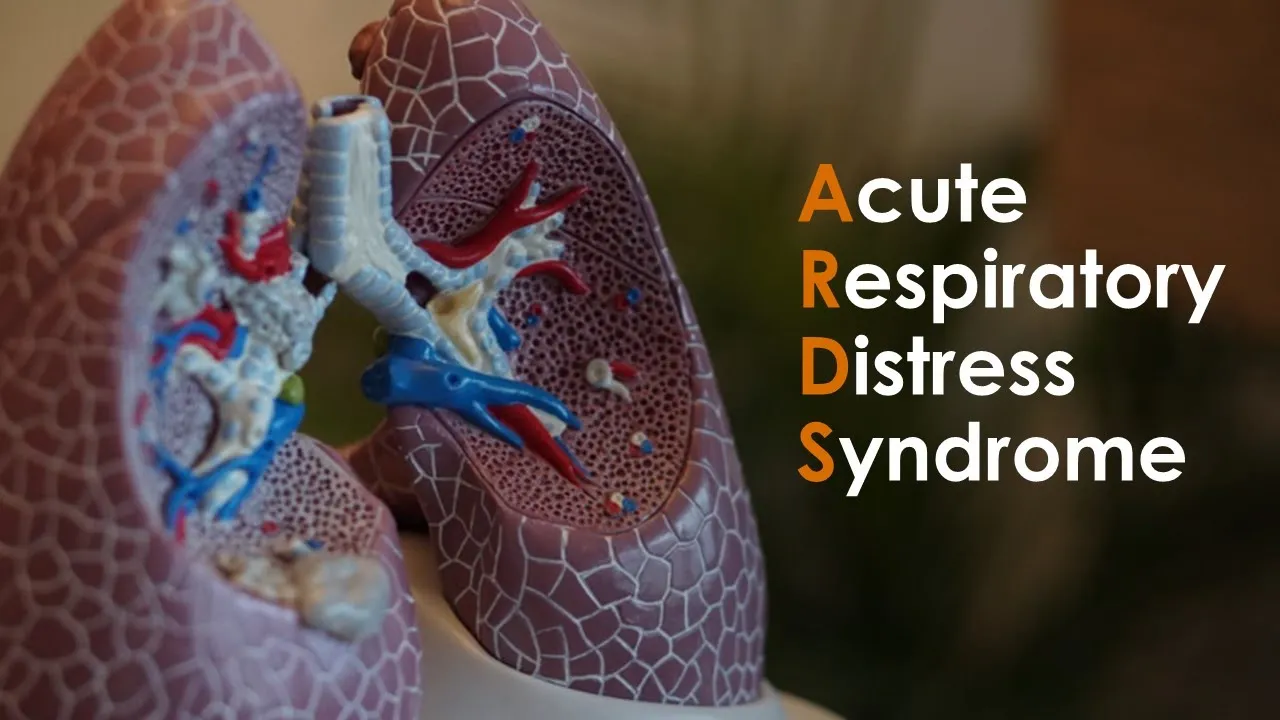



















Prone positioning in ARDS patients improves oxygenation and reduces lung injury through three key mechanisms: (1) the sponge lung model where gravity redistributes fluid away from dependent lung regions, reducing compression on alveoli; (2) the shape matching model where the lung's conical shape better aligns with the chest wall in prone position, allowing more even distribution of ventilation and perfusion; and (3) reduced stress and strain on lung tissue, which decreases ventilator-induced lung injury and biotrauma. These mechanisms work together to recruit dorsal alveoli, improve oxygenation, and reduce inflammation, though patient response varies based on ARDS stage, severity, and other factors.
Proning in ARDS: Mechanisms and Physiological Rationale Explained
Added:Pathophysiology of Acute Respiratory Distress Syndrome (ARDS), including alveolar damage, surfactant dysfunction, and shunting.
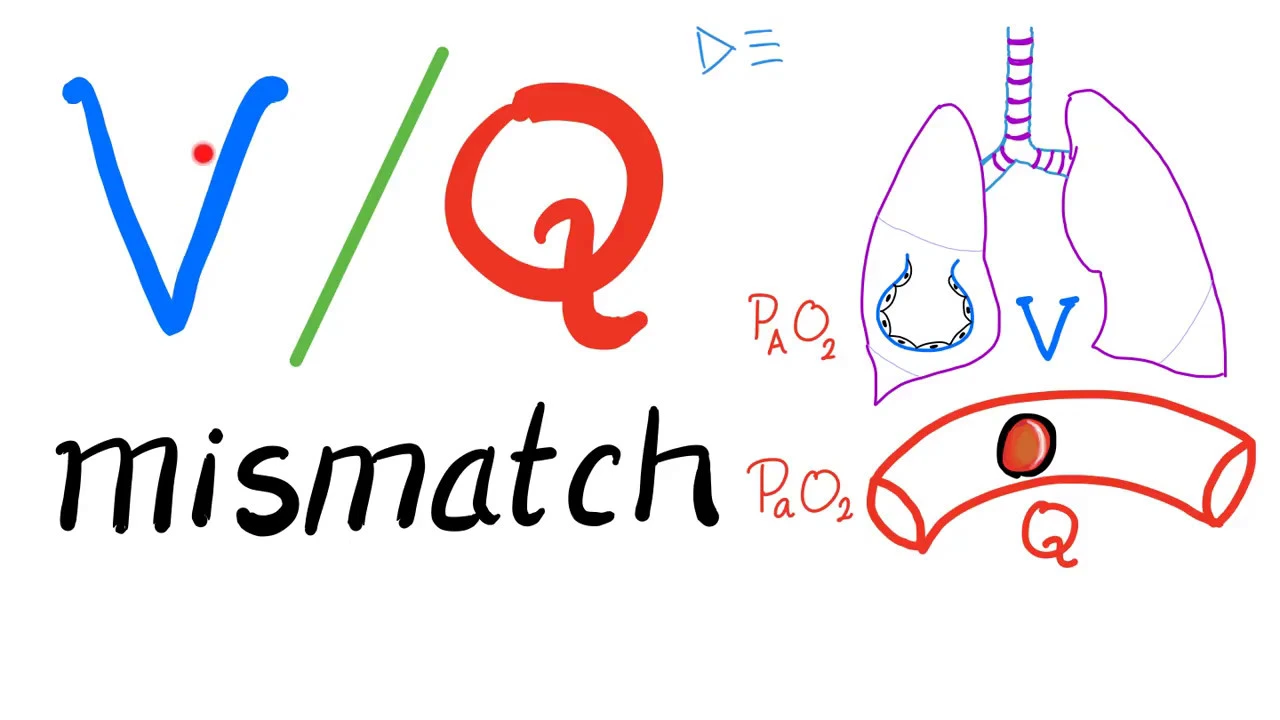
Basic pulmonary physiology, specifically ventilation-perfusion (V/Q) matching and the effects of gravity on lung perfusion.
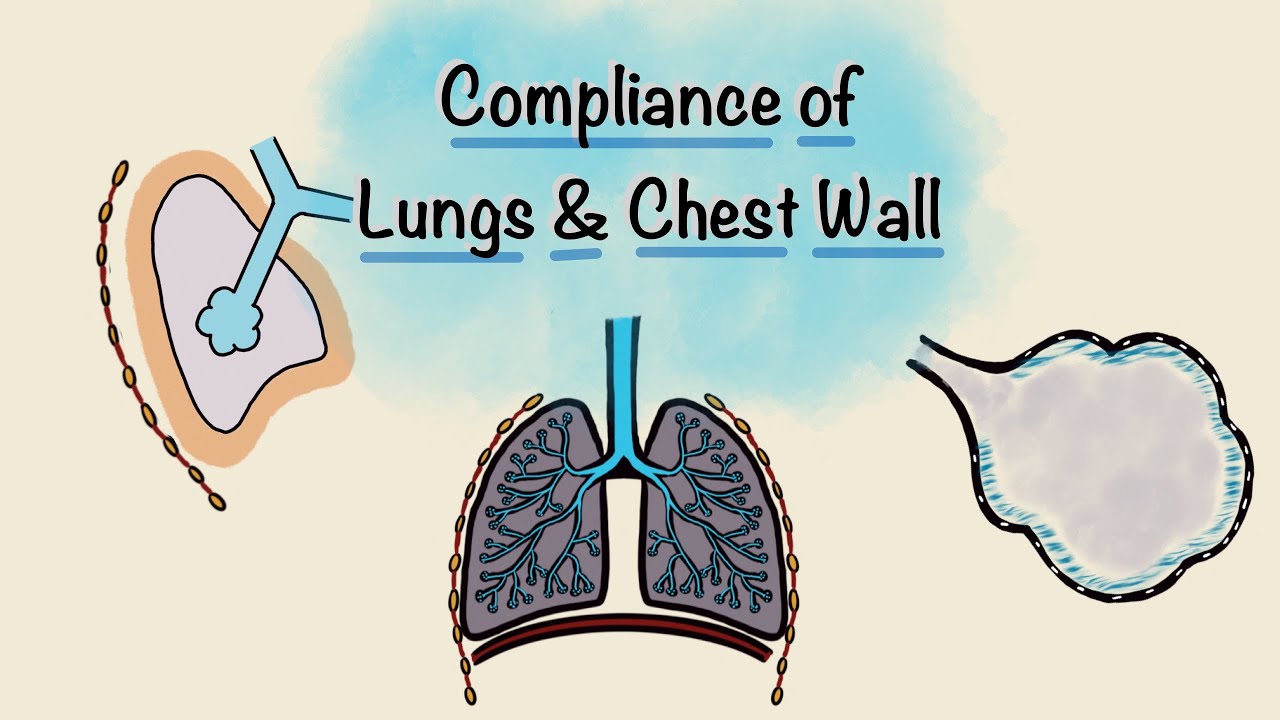
Fundamentals of respiratory mechanics, including transpulmonary pressure, pleural pressure gradients, and chest wall compliance.
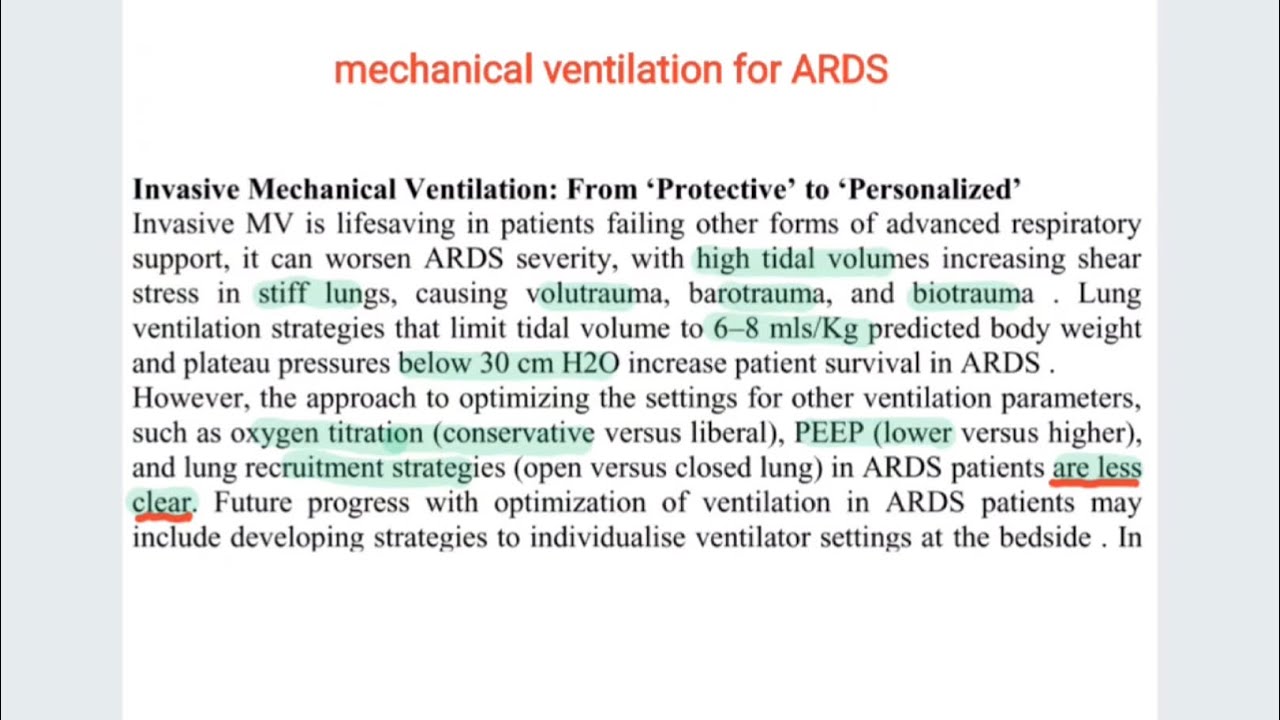
Basic concepts of mechanical ventilation, such as Positive End-Expiratory Pressure (PEEP) and Ventilator-Induced Lung Injury (VILI).
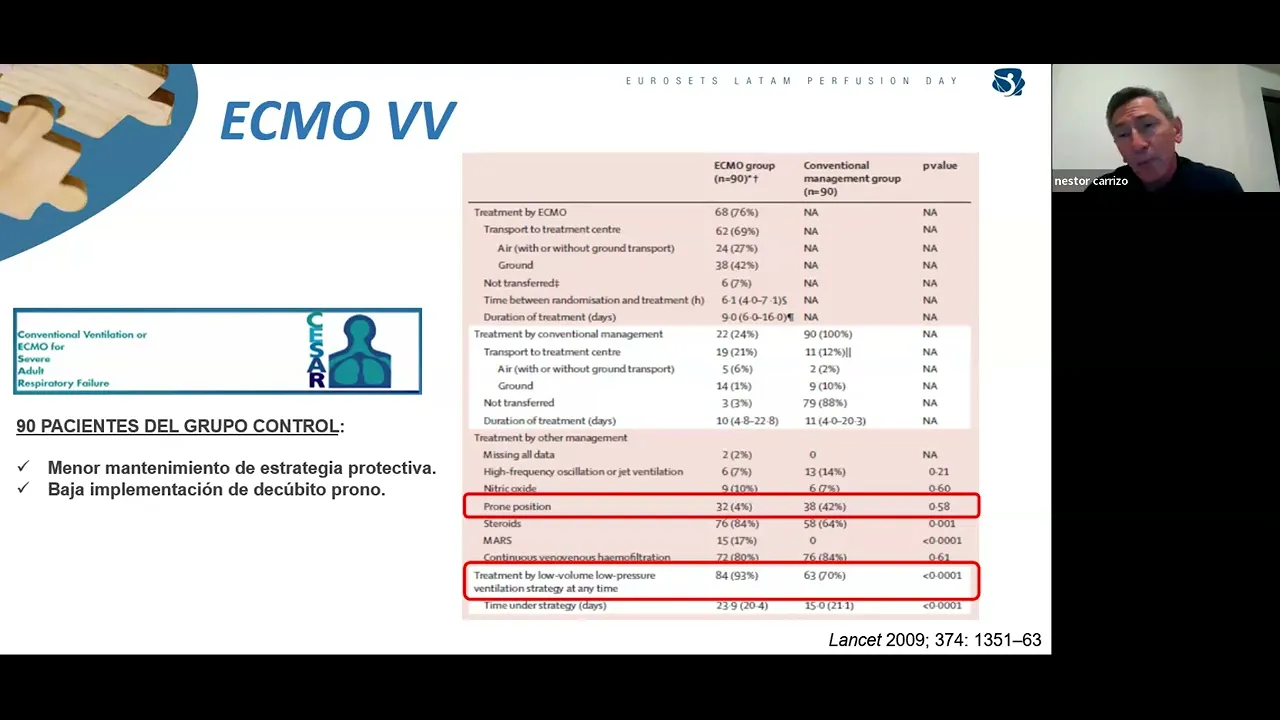
Clinical protocols and practical implementation of prone positioning in the ICU, including patient selection criteria based on the PROSEVA trial.
Management of potential complications during proning, such as endotracheal tube displacement, pressure ulcers, and hemodynamic instability.
Advanced mechanical ventilation strategies for refractory hypoxemia, such as airway pressure release ventilation (APRV) and recruitment maneuvers.
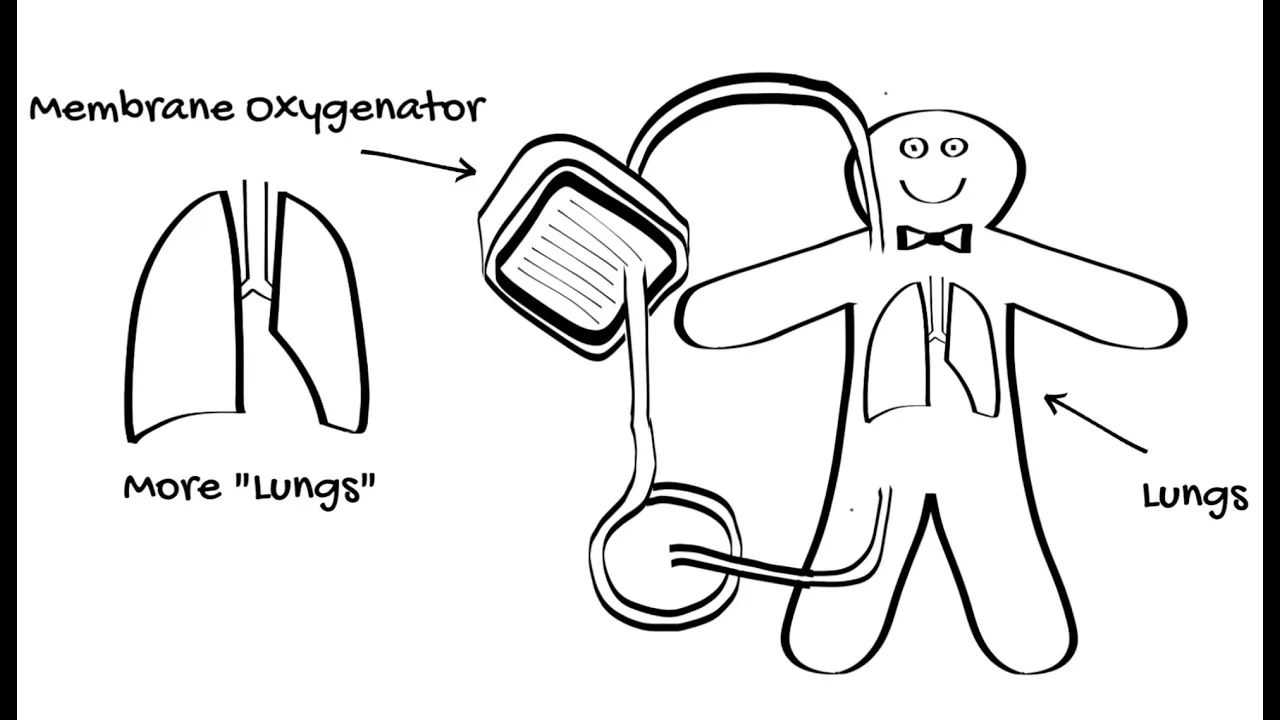
Indications and physiological principles of Venovenous Extracorporeal Membrane Oxygenation (VV-ECMO) as a rescue therapy when proning is insufficient.
228.1K views2.7Klikes9:31Original Release: 2018-03-28
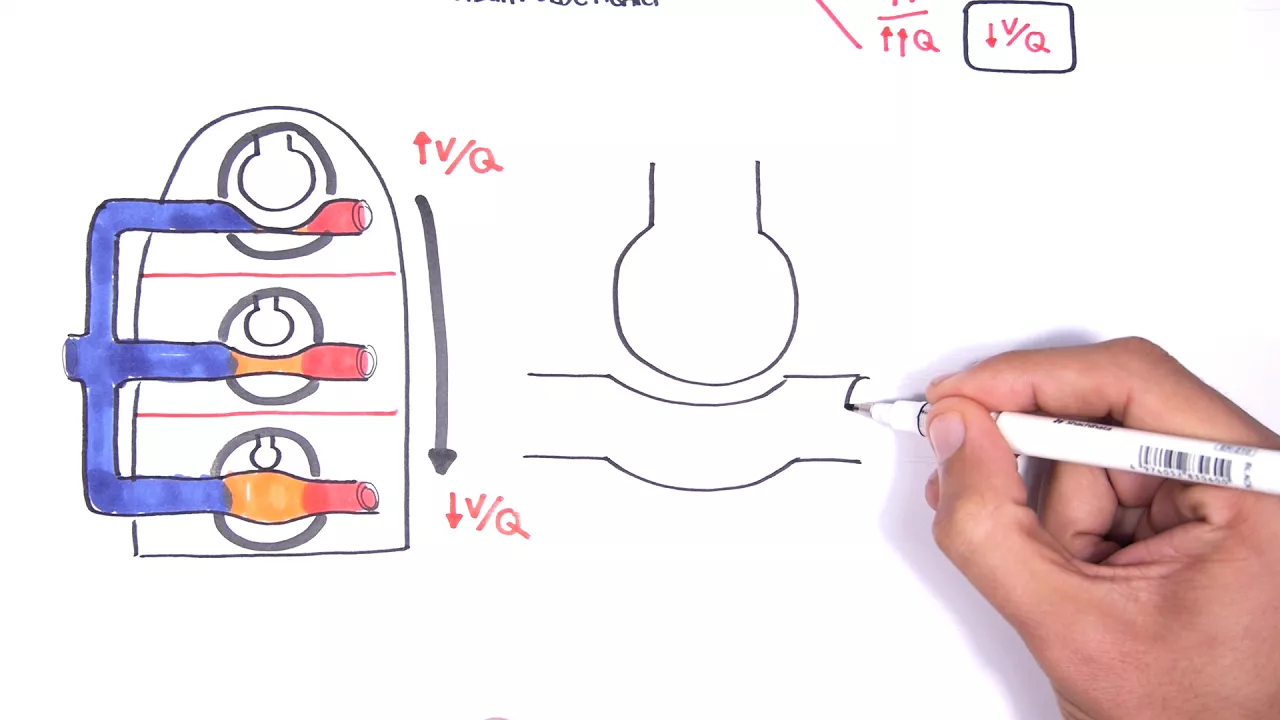
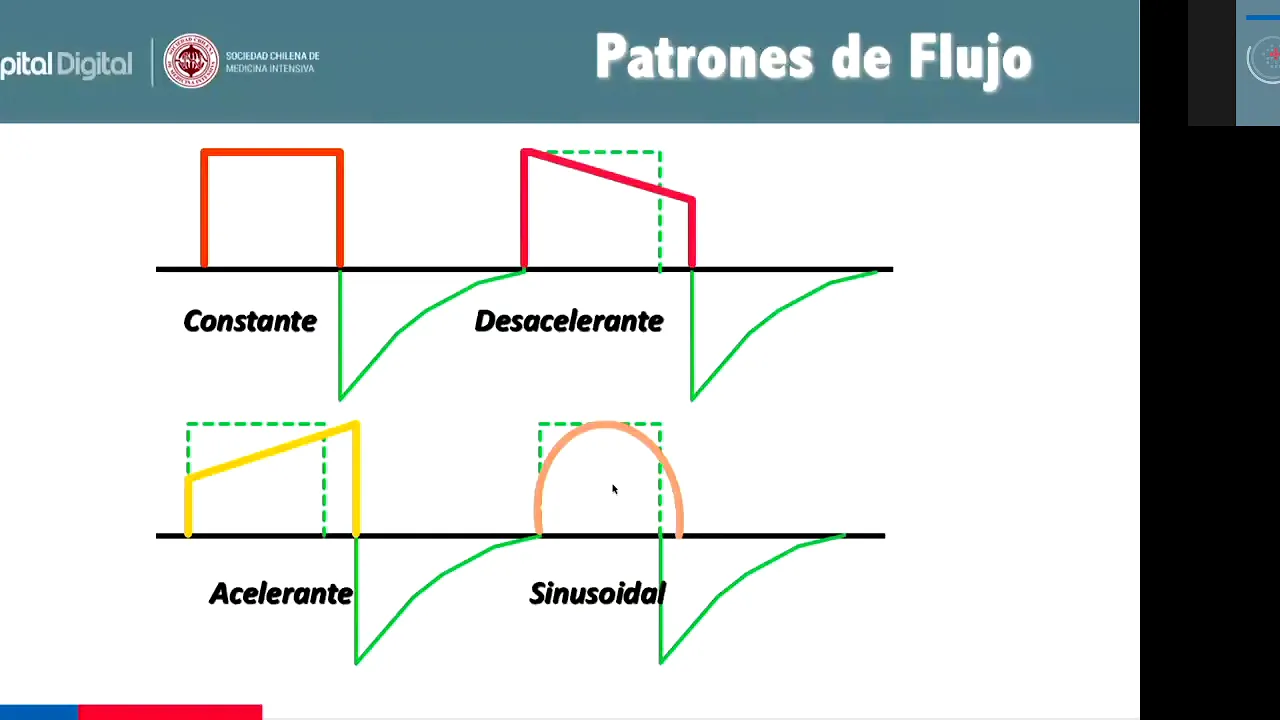
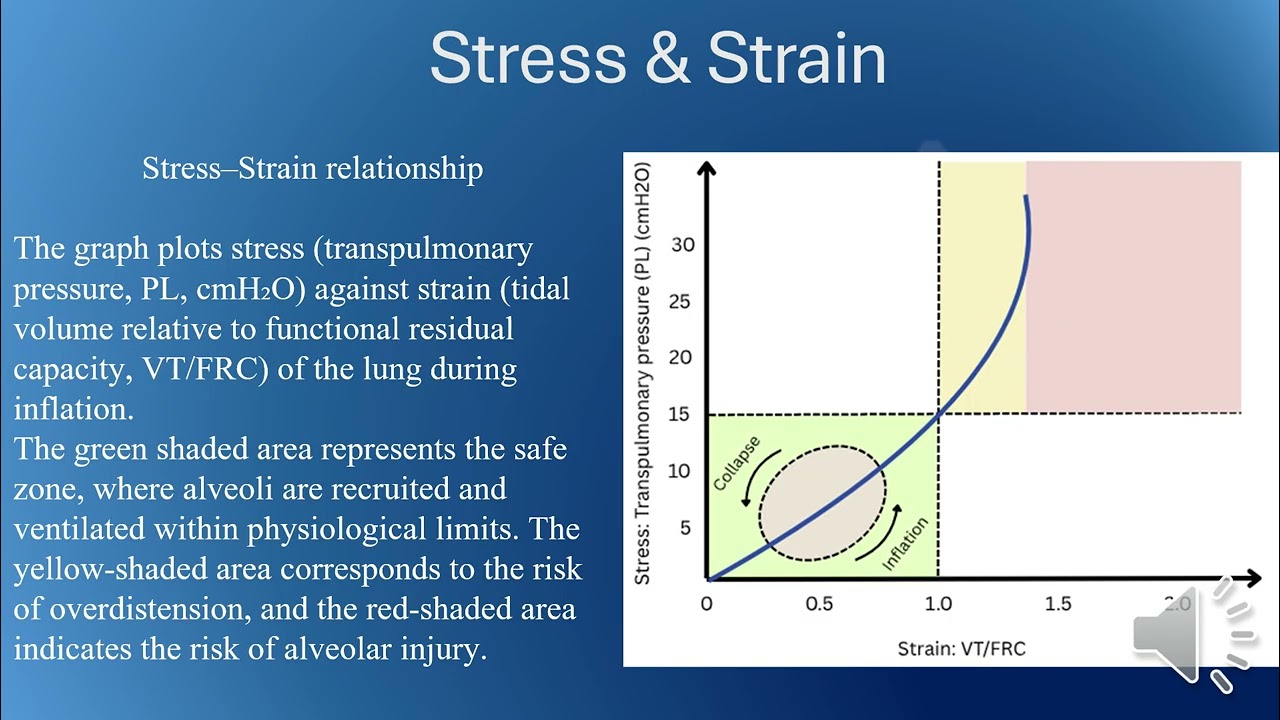
we sometimes prone our patient don't we we turn them face down when they're really sick why do we do that let's find [Music] out hello and welcome to my youtube channel if this is your first time here don't forget to hit the subscribe button and if you hit the bell you'll get notified every time i release new content in order to understand proning let's first talk about two models the first is the sponge lung model imagine this sponge in here is the patient's lung and at the minute i've got the patient lying on his back now because of the endothelial damage to the lung it fills up with fluid and that's one of the big problems in ards which is why the patient struggles to breathe so this lung is full of fluid and as you can see that fluid will try and drain downwards so you can see here that the fluid is draining to the posterior aspect of the lung or the dorsal side if i tip it up it then drains downwards so if i turn the patients over it will start to drain the other way this helps us understand the sponge lung fluid in the lung will increase its weight which then squeezes out the gas from the dependent regions in the case of the supine patient these dependent regions are at the back of the lung or the dorsal part of the lung the fluid in the ards lung does not behave in quite this way it is more evenly distributed than this but this model does help explain how the increased lung mass squeezes out the gas of the gravity-dependent lung regions why the lung densities shift when moving from supine to prone and this can occur in a matter of minutes of changing the patient's position and how peep acts as a counter force to the compressing pressures in the dependent lung we need then to move on to talk about the shape matching model there is a difference in shape between the lung and the chest wall which leads to another model as some of the effects of proning the patient the lung normally has a conical shape with the dependent side being the base and the non-dependent side being the apex and when the patient is supine you can see that shape here the apex of the triangle is at the front of the chest the ventral and the base of the triangle is at the back or the dorsal side the chest wall however has a cylindrical shape because of this difference the lung must expand its upper regions more than the lower ones which leads to a greater expansion of the non-dependent alveoli and a lesser expansion of the dependent ones for me the best way to understand this is to use the slinky model of the lung if you imagine that the lung is like a slinky which is broader at the base or the dorsal side than the apex or the ventral side then if you look at the diagram here you see the effect when the patient is supine the weight of the coils will gather at the dorsal part of the chest wall leading to greater pressure however if you then prone the patient you can see that the weight becomes much more evenly distributed allowing more even distribution of both ventilation and perfusion so in the ards patient we have the gravitational forces the increased pressure from the wet lung and the shape matching issue all combining to act in the same direction to have a detrimental effect on the dependent alveoli however if you look at the diagram you can see that the prone patient suffers less from these effects in the first diagram you can see when gravity is not added in that with the shape matching the ventral alveoli are bigger than those on the dorsal aspect if we then add gravity the dependent alveoli close and the pulmonary blood flow is diverted to this area so we are perfusing the less well ventilated alveoli if we then prone the patient blood flow is unchanged this is a known phenomenon human and animal studies have shown that in moving from supine to prone blood flow in the dorsal regions is unchanged the lung weight and pulmonary edema will move to the newly dependent part of the lung which is now the ventral region this results in recruitment of the dorsal alveoli with better perfusion the ventral alveoli are reduced in size but this effect is minimized by the effect of the shape matching overall this leads to a more uniform transpulmonary pressure and regional inflation throughout the lung leading to better oxygenation there is also some evidence that proning the patient removes some of the weight of the heart from the dependent lung in the prone position the weight of the heart will lie on the sternum and not the lung it has also been shown to result in a significant rapid and persistent improvement in oxygenation in the ards patient with heart failure proning the patient is also felt to remove some of the weight of the abdominal contents from the better ventilated posterior aspect of the lung you can see here that the pressure when in the supine position is much greater on the dorsal part of the lung with pressures of up to 20 centimeters of water however when the patient is prone that pressure now drops quite dramatically allowing both better perfusion and ventilation turning a patient to the prone position does not always help to clear their carbon dioxide this may be because the alveoli are becoming better aerated but not necessarily better ventilated it has even been suggested that a decrease in paco2 is a better prognostic marker than an improvement in oxygen levels the proposed mechanism is that in paco2 non-responders the primary cause is diversion of the blood flow whereas in paco2 responders it is greater dorsal recruitment of the alveoli how does proning help with the stress and strain on the lung stress is the tension developed in the lungs fibrous skeleton when a distending force is applied and this is related to the transpulmonary pressure and strain is the volume increase caused by the applied force relative to the resting volume of the lungs this can be thought of as the ratio of volume change to the functional residual capacity the more even distribution of transpulmonary pressure and regional inflation throughout the lung in the prone position is felt to relieve over distension which can lead to volume trauma causing ventilator-induced lung injury and this evenness is also felt to reduce stress and strain ventilator lung injury has been shown to be reduced in animal studies in the prone position and in humans with ards there is also a beneficial effect another study suggested that prone positioning decreases alveoli instability and cyclic alveolar recruitment d-recruitment this is important because it's these shearing forces which can damage the already compromised alveoli biotrauma is as a result of the release of pro-inflammatory cytokines and the recruitment of white cells this can lead to multi-organ failure a study has shown that the patient in the prone position had reduced inflammation and another found reduced severity of lung injury and reduced apoptosis in the lungs and the end organs ards also seems to have several beneficial effects on the hemodynamics of the patient it was shown that prone positioning increases cardiac preload reduces right ventricular afterload and increases left ventricular preload during the prone positioning pulmonary arterial occlusion pressure is also increased and the transpulmonary pressure gradient the difference of mean pulmonary arterial pressure relative to pulmonary arterial occlusion pressure is reduced so what are the possible results of proning for the patient when they're put back into the supine position they may one display an improved oxygenation compared to prone positioning two maintain good oxygenation compared to how they were before prone positioning but not so good as during prone the majority of the patients and three display deterioration and return to basal supine oxygenation the last patients are also called prone dependent [Music] causes which may affect how well the patient responds might include the stage of the rds the cause of the ards the radiologic pattern the severity of hypoxia and the patient's body habitus this is not well understood currently there are studies which have shown little benefit to pruning the patient but the more recent procedure trial did show a benefit with the proviso that it is a skill which needs to have experienced hands the latest american thoracic society guidelines recommend proning as one of the techniques to help the ards patient from my experience it does need a good coordinated approach and requires the nursing care to be adapted but i think there are many merits to it and it should always be considered i do have other videos for you to watch on my channel go and look at them if you think you might find them useful and i hope we speak again soon [Music] you
Up Next

15:33
Prone Positioning Protocol for ARDS: 4-Phase Checklist Guide
@rushmedicalcenter
1.4M views•2020-04-02

48:47
Graphic Medicine: Comics for Collaborative Healthcare Communication
@nationalpatientadvocate
189 views•2023-12-04
4:31
Peak vs Plateau Pressure in Mechanical Ventilation Explained
@TheCriticalCarePractitioner
96K views•2018-02-06

3:05
Stages of Labor and Vaginal Birth | Childbirth Animation
@nucleusmedicalmedia
52.1M views•2017-08-18
Related Study Plans & Knowledge Roadmaps
Structured learning paths in Medicine
medicine
Abnormal LFTs: Diagnostic Workup & Pathology
01Liver Anatomy and Basic Physiology
02Introduction to Liver Function Tests (LFTs)
03Hepatocellular vs. Cholestatic Patterns
+ 3 more learning modules
12h6 modules
Explore Roadmap
medicine
Analyzing Blood Smears: RBC, WBC & Platelets
01Introduction to Blood Components & Smear Preparation
02Normal Morphology of Blood Cells
03Erythrocyte Pathologies & Morphological Variants
+ 2 more learning modules
12h5 modules
Explore Roadmap
medicine
Mechanical Ventilation: Waveforms & Alarms
01Anatomy and Physiology of Breathing
02Introduction to Mechanical Ventilation & Core Modes
03Ventilator Settings and Waveform Interpretation
+ 2 more learning modules
12h5 modules
Explore Roadmap
medicine
Neuro Exam: Localization & Stroke Syndromes
01Foundations of Neuroanatomy and Vascular Supply
02The Neurological Examination: Step-by-Step
03Principles of Neurological Localization
+ 3 more learning modules
18h6 modules
Explore Roadmap