













![[Quality] ICH Q5A](https://i.ytimg.com/vi_webp/BXENUW2gGug/maxresdefault.webp)




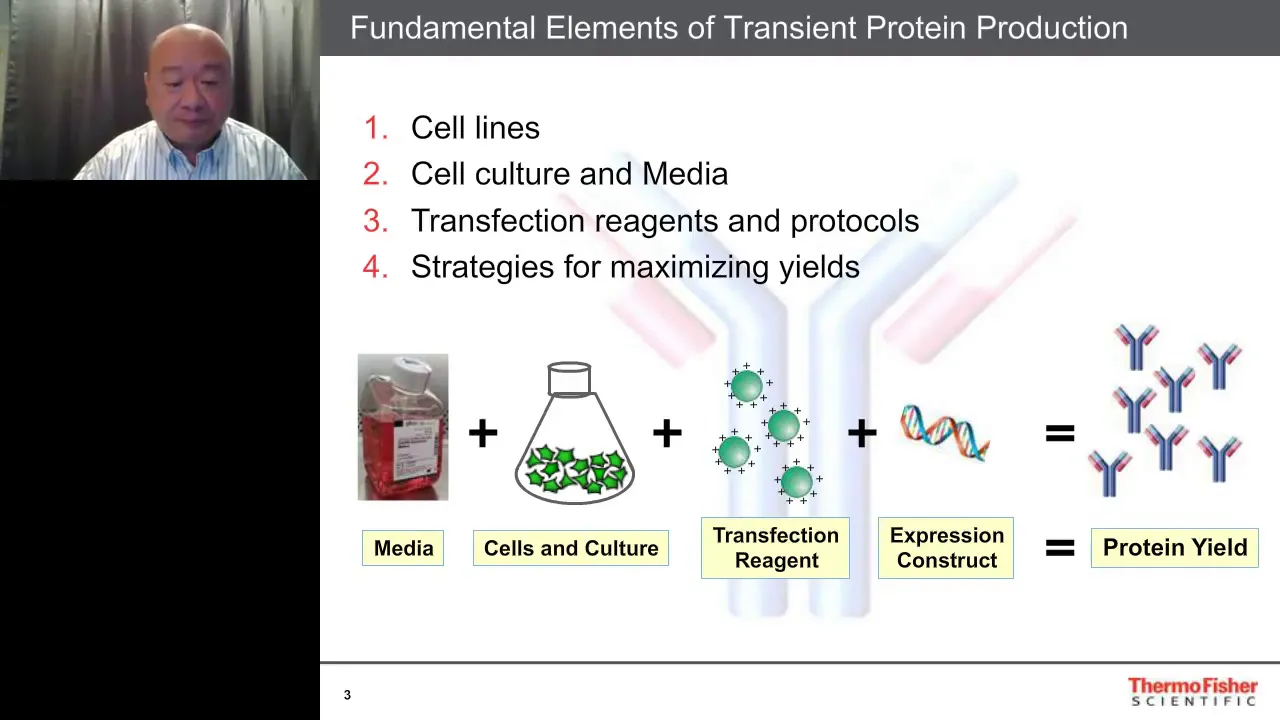
This webinar demonstrates how multi-cabinet incubators with independent control of temperature, CO2, agitation, relative humidity, and orbit diameter enable optimization of HEK 293 cell cultures for viral vector production in gene therapy. Research conducted by Jefferson Institute for Bioprocessing and INFORS HT showed that conditions of 110 RPM agitation, 25 mm orbit diameter, and 85% relative humidity achieved the highest cell density and specific growth rate (doubling time of approximately 12 hours) for HEK 293e suspension cells, demonstrating that controlled humidity significantly enhances gas exchange and oxygenation in shake flask cultures.
Optimizing HEK293 Cell Culture for Gene Therapy Webinar
Added:Fundamentals of mammalian cell culture, specifically the differences between adherent and suspension cell lines like HEK293.
Basic principles of gene therapy, including the role of viral vectors (such as AAV and lentivirus) in delivering therapeutic genes.
Key environmental parameters influencing cell growth in bioprocesses, including pH, dissolved oxygen, temperature, and agitation.
The concept of transient transfection and how host cells are utilized to package viral vectors.
Industrial scale-up strategies to transition from multi-cabinet incubator scales to pilot and commercial-scale stirred-tank bioreactors.
Downstream processing (DSP) and purification techniques for viral vectors, such as chromatography and filtration.
Regulatory standards (cGMP) and quality control assays for verifying viral vector safety, purity, and potency in clinical applications.
Metabolic engineering approaches to optimize HEK293 cell lines for enhanced transfection efficiency and higher viral yields.
389 views2likes40:20Original Release: 2024-10-21
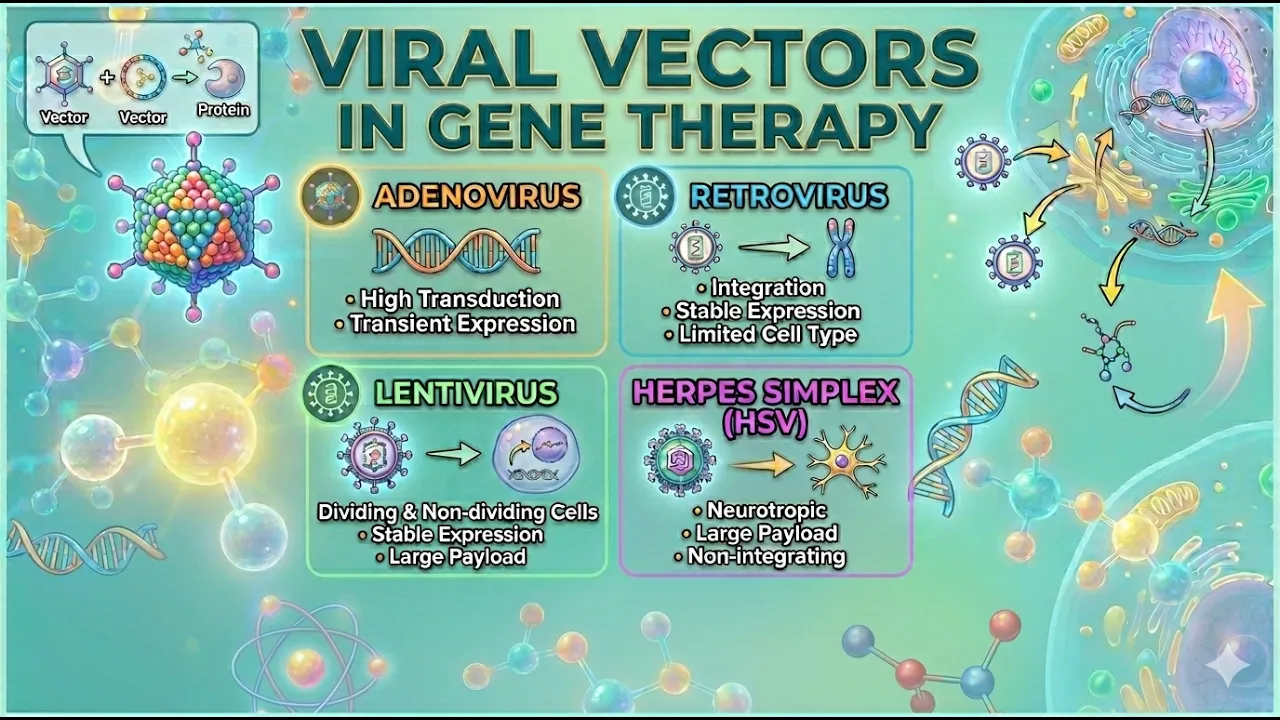
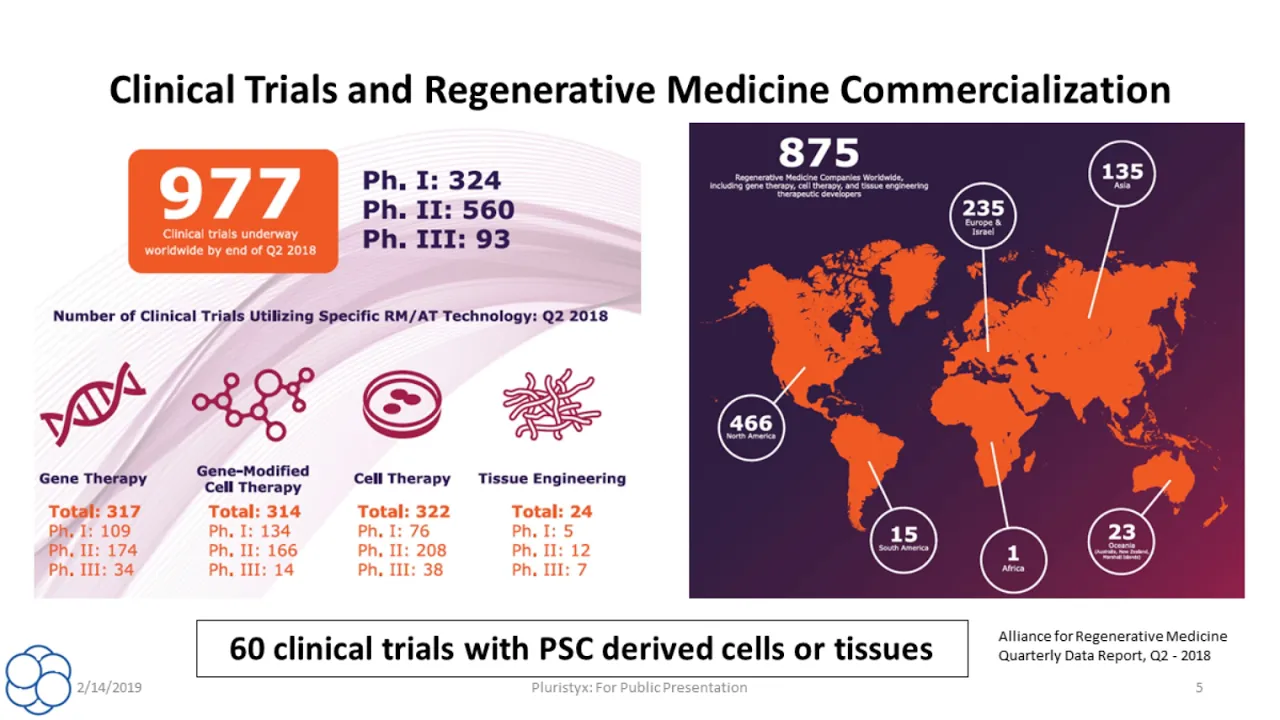
incubator flexibility plays a critical role at optimizing HEC 293 cell cultures for gene therapy applications and as gene therapy evolves harnessing the full potential of HEC 293 cells known for their efficiency in transection and viral Vector support becomes crucial I'm mil scota This Is The Life Science connect webinar series and today we're talking HEC 293 cells for gene therapy the of incubator flexibility now joining me for this presentation are two industry experts first from the Jefferson Institute for bioprocessing associate scientist ruy deala and from enforce HT Regional sales manager Mike Wes who together are going to discuss the role of HEC 293 cells in gene therapy and their application in viral Vector production cover how multi cabinet incubators with adaptable parameters can optimize cell culture conditions look at the impact of relative humidity on he 293 cell growth and production efficiency and explore the methods used to achieve optimal conditions for viral production including temperature and orbital diameter adjustments now we'll be holding a Q&A session following this presentation please feel free to submit questions as we go along we'll get to as many as possible during the Q&A and any that we don't get to will fall upon after the event and then just a bit of housekeeping if you run into any issues today please try refreshing your browser first if your problem persists submit a question through that Q&A and I'll help get you back on track and then finally this event will be available on demand usually within a day often less and you'll get an email with a link to it or you can just use the same link that you use today so with that said I'm going to turn it over to ruy to get started all right thanks a lot for the introduction miles uh really good to be here today for this discussion uh yeah so these are the topics we're going to discuss today we're talking about the use of virro vectors for gene therapy uh and what are the auton next to make this technology viable and scalable and then we're going to show some results that we got in this partnership between jib and inforce HT for a suspension hack 293 cell culture uh using the multi Trum enforce incubator uh and finally uh in the end we have some time for questions and discussions as Mayo said so yeah let's begin uh yeah so uh talking about viral vectors for gene therapy now uh one way to perform gene therapy uh is to use viral vectors such as Adeno viruses or lentiviruses so these are viruses that when they infect a Target cell they can insert specific genes that will have a therapeutic effect on the patient and uh this therapy can can can be done inv Vivo uh that's when the viral particles are injected directly into the patient or XV that's when the cells are removed from the patient transformed in the lab and then reinjected into the patient and of course each method has its own advantages and Z advantages uh what but what they have in common is that we need to have a production of viral particles that's te technically and economically viable right uh and yeah in this table we can check uh the number of clinical uh trials reported for each type of virro vector for gene therapy and we can see that Adeno viruses uh they are the most relevant in this case with 575 clinical trials happening back in 2021 that's that's the date for this reference all right so uh the production of viral particles for gene therapy requires a host cell right a cell that when we do the what we call transaction produces viral particles with high efficiency uh and a cell use it a lot in this case uh it will be hack to nine free cells human embryony kidney cells and we have a lot of reasons to use hack 29 free cells uh we can say that they are well characterized for this application and there is a lot of knowledge in the literature and among scientists and companies about how to do the transaction and maybe maybe even more important the fact that we know uh that we need to use a human cell if we are going to produce virus is capable of infecting human cells when we go for the therapy itself so probably companies and scientists they they would just love to use CH cells for viral Vector production but then you would have a lot of problems because uh that's not a human cell line right but anyway we can say that we still have some challenges in using hack 29 free cells for this application especially when we think about scaling up and really making this technology viable for companies and uh and also for patients yeah all right uh so hack 29 free celles they are originally adherent they prefer to grow on a Surface where they are attached for this we use T flasks like this or sales Stacks like these ones in the lab if we want to work on a larger scale and this usually works very well especially when we think about the eeld so for example uh what we call ypx that's the yeld how much of your product in this case viral particles each cell is producing okay so that's the ypx and usually that value will be higher when you work with adherent culture but then on the other hand adherent system they are difficult to scale up and scaling up that's really essential if we want to make gene therapy something accessible meaning lower costs for the company and lower prices for the patients so basically scale up of adhun cultures happens in two Dimensions right with area you got to work with area two Dimensions uh and then if you go for B reactors uh suspension B reactors uh like this one here uh we're going to work with volume so in other words we'll have to use a more clean room space which is very expensive if you go for adherent systems uh the process it will require more labor more scientists or more operators working uh on the process we have less control we have less automation you have all these uh all these problems to deal with with if you go for adherent systems and by the way uh people with proper training to work with adherent cells it's also not easy to find it takes a lot of training and experience in a septic techniques right so you have a lot of reasons to just go for suspension culture if you can right so for example in this reference here uh we can get an idea of the difference between working with adherent culture and suspension culture in this case uh 600 cell Stacks units they produce similar amount of cells as a 200 liter suspension by reactor and then think about how many people you need working if you have to do a production using 600 cell stacks and think about how many people you need to work you need to operate a 200 lit bi reactor it's a big difference right so here in jib for example we have a lot of experience in scaling up protein and monoclonal anti body production uh using Che cells in suspension but so far our experience with viral factors has been mostly using uh hack 293 at theer C and that's something you want to change we want to have a scalable viral Vector production platform using hack to9 free cells so in other words using hack to9 free cells adapted for suspension uh but that also means we have some additional variables to test such as agitation eration the orbit diameter the sheer stress uh and these variables they simply don't exist when you're talking about adherent systems right but then when you go for suspension culture you have to deal with the more variables to optimize uh so that's why uh this partnership with inforce came at the perfect time for us here in jip if you're going to optimize a small scale culture using Shake flasks and need to test different variables at different levels uh if you have an incubator where you have can you can have different cabinets right so you have three cabinets on the mul drum in force incubator and you can really have different set points on each cabinet and that's really useful if you want to optimize a cell culture in suspension on small scale like Shake flasks so uh as I said uh you can have uh different set points for temperature humidity agitation CO2 and you can have different orbit diameter configurations for each cabinet and it really makes your life just much easier in the lab uh so yeah here in jib right now the first step to to really make a scalable to really have a scalable viral Vector production platform using hack 293 suspension cell lines it should test the the cell culture right with different levels of these variables uh in particular we need to know which condition will provide us the highest cell density and also the highest specific growth rate because the timing and efficiency of the transaction process in a he n free cell culture for virro Vector production really depends on these variables because usually the the transaction to have a high efficiency you got to have a lot of cells and you also need those cells to be really active and that means uh you have to know which condition you have the highest specific growth rate uh and then something else we also investigated different positions of the flasks inside the shaker right uh so in the corners and in the center uh to see if there would be any differences on the on the cell culture results yeah so about the the materials we use it uh we had a we use that media from gibo it's a freestyle 293e expression medium with 2.5% FBS 100 micrograms per ml Heine to avoid clumps uh glutamax and also uh antibiotic 1% volume volume panican strepto missm uh we use a that cell line that's uh that's also a gal cell line 293f it's a cell line adapted to suspension culture already you have a superior transaction efficiency and you can also have high protein expression levels and of course the the equipment the incubator we use it that was the multi Trum incubator shaker it's a triple stack system you can have adjustable uh Drive option and you have humidity and CO2 control for each cabinet if you want at a different set point for each cabinet uh so yeah as I said before the first step really if you want to have a suspension hack 293 cell culture platform for viral Vector production uh is to find the best condition to do the cell culture with your cell line and each cell line will have a different oxygen demand uh each cell line will have uh a different sensitivity to sheer stress so here we can check the experimental planning that we did so far here in jip in this partnership with inforce uh each line here will be the condition that you have on each cabinet for the incubator uh the CO2 and the temperature we just uh we just had the same values for our experiments CO2 at 8% and temperature at 35 37 degrees C uh but we tested different levels of agitation orbit diameter and humidity uh we can say that higher agitation usually increases the mixing and the eration inside the shake flask but it also increases the sheer stress so what about the orbit diameter uh we also call this the proe and that means what will be the diameter in the orbit movement that the flask will be doing inside the Shaker inside the the incubator and higher value for the orbit diameter means more mixing and more Iration but it also means more Shield stress and finally the humidity uh sometimes we don't even worry about the humidity level that you have in the incubator as long as you have some to avoid evaporation uh but in fact that might be important parameter because a humid uh a humid environment with controlled humidity inside the incubator can help promote the diffusion of gases meaning the irration uh that happens through the surface in a shake flas culture so that might be an important uh parameter to have control inside the Shaker and yeah for the experiments uh all of them we use at one lit plain vented shape flasks with 300 MLS working volume okay uh yeah and then something else we tested different positions for the shake flasks inside the incubator uh one shake flask uh on each corner and also a flask at the center basically inside each cabinet you have the same conditions anywhere but that's something that we wanted to verify to make sure right so having the same result uh we can consider that all those flasks inside the the cabinet they will replicates uh yeah and then for these experiments we analyzed uh cell density and viability using the the nuclear counter nc22 we analyze it glucose and lactate using the bio chemical analyzer why is it and osmolality using the osmo XT equipment uh the osmolality measurement can help you understand if you have different levels of evaporation happening in your cell culture and that makes sense since uh relative humidity was something that we tested in these experiments all right uh yeah and that's just a picture taken during the EXP experiment for the bottom cabinet we can clearly check uh the position for each Shake flasks uh on the corners and in the center all right so finally the results okay uh so here we can check the results for cell growth viable cell density with time for all these experiments uh the different positions inside the cabinet they they really had similar results so we just consider the the flasks inside the same cabinet as replicates and that's where we get the the standard deviation in the graph and we can see that uh we had different some differences for each condition tested uh the best one was really this one here uh the blue line that uses 110 RPM agitation 25 mm orbit diameter and 85% relative humidity and if you check if you compare with the other conditions these are really the highest levels tested for each variable agitation orbit diameter and relative humidity uh yeah so now on that table we can check the result for uh specific uh cell growth uh calculated with the exponential phase of growth data for each condition the the doubling time and also the viability that was uh analyz it on the last day of culture with six days yeah so as I said before when you are planning a viral Vector production you have to decide the transaction timing based on your sell culture results normally we don't have a stable producer cell line for viral vector produ tion like usually happens with uh monoclonal antibodies production uh with ch cells for example so to have our product in this case viral particles we have to infect those he 29 free cells in culture uh and then you have the question when to do it it might change depending on the virus you're using but usually you need a high sell density and you also want your CES to be really active and doing cell division at a high rate and that's why uh you want to check the specific growth rate to decide the best condition to use in this application and in this experiment so far the conditions with higher agitation higher relative humidity uh we really had the best results when you when you when you check the the specific growth rate and then about the viability uh the results were mostly good and the same uh for all experiments uh they all finish it with uh viability uh Levels Close to 97 98% so that's that's a good thing all right so uh what can we say as conclusions within the tested limits uh High values of agitation 110 RPM through 25 mm and humidity 85% relative humidity were beneficial for hack 29 free cell culture in suspension with the celline we're using of course uh we can say that within the same cabinet no significant differences were found in the cultivation results for different positions of the flasks uh the optimization of hack 293e cell culture to produce viral factors presents additional complexity and variables to consider demanding flexibility and reliability in the incubator to be used uh and you really have a big advantage in using a multi cabinet incubator where each cabinet can have a different set point for temperature uh CO2 agitation and relative humidity all right so uh I just want to say a few words about jib now so jib goes for Jefferson Institute for bioprocessing we are part of Thomas Jefferson University uh physically we are like 40 minutes away from Center City Philly but uh we have a state of art facility for bioprocesses uh teaching training and process development we have several clean room Labs with upstream and downstream equipments both small scale and pilot scale uh that we use for teaching for training and also we do research and development with Partners uh yeah and that's about the structure okay uh but we also have a lot of expertise in different areas uh cell culture monoclonal anti body production Upstream downst string uh cell therapy with stem cells t- cells uh gene therapy with viral vectors so if you want to know more about us uh please feel free to contact uh Aldo or Jeff okay so Alo for services uh Jeff for uh academic and and that's it right so now uh yeah so now uh my friend Michael can can speak a little more about infor HT right thank you very much ruy for your thorough and educational discussion it has been great to work alongside you and your colleagues at jib throughout this collaboration and we're excited to work with you more in the future to better support our mutual clients now I'm going to take a few minutes to talk to you about enfor HT so you all have a better understanding of who we are and what we do to support the scientific Community infor HT was founded in 1965 in basil Switzerland by Alex heno who is pictured here and today is still the owner of our privately run company since our humble beginnings our organ ganization has remained dedicated to developing Innovative incubator shakers bioreactors and software to support the bioprocess workflow we continue to grow around the world and have a strong presence supporting our brand and customers in the United States outside the US we have many subsidiaries in Europe South America and 53 Distributors worldwide in the US we have operated as inf4 USA since 2014 and we have a manufacturing and Customer Support Facility just south of Baltimore Maryland just like our Founders we work to help our customer customers simplify their workflows and make things better we understand that better Solutions will bring more costeffective Therapeutics to the market faster so we take pride in helping our customers solve complex problems on a daily basis all right so here is a quick snapshot of the m4s HD product portfolio as mentioned we develop and manufacture incubator shaker bioreactors and software to support the bioprocess workflow we have solutions for microbial fermentation andon and insect cell cultures grown in suspension and looking at the diagram here you can see that we have solutions from screening through production from left to right we have the stackable incubator shakers and then we get into our bioreactors that offer tighter parameter controls we can grow with you as you scale from the bench all the way up to 1,000 L stainless steel Steam Place systems our Eve bioprocess software allows you to unify process control and data management into a single bioprocess platform and can easily integrate third-party bioprocess equipment and data for more comprehensive batch planning control and Reporting it is our solution to further automate and digitalize your bio process the multitron is the incubator Shaker that ruy and his colleagues at jib are using for their he suspension cell cultures the multitron is an attractive solution for small scale cultures using shape flask as it provides flexible configuration options to optimize your cell culture conditions with uniform temperature agitation humidity and CO2 controls you can expect consistent and reproducible results across the cabinet regardless of flask or vessel placement this picture shows the versatility of the multic cabinet design in the top unit there running flasks for protein production but just below they are using smaller vessels like plates culture tubes and bioreactor tubes for screening purposes when working with many different vessel sizes it is helpful to have the option to adjust and control the orbital diameter as ruy previously mentioned the orbital diameter of the flas from the center of the platform can impact irration mixing properties and stress on the cells within the vessel which can negatively or positively affect cell densities and growth rates for these reasons the orbital throw is an important parameter control to keep in mind when looking to optimize your HEC 293 suspension cell cultures ruy I have a question for you what has been your group's favorite design feature since you transition to the multitron uh well I mean these are all really good points but I would say uh I like the ergonomics to get in and out of the Shaker uh the easy uh is light out trade that's really helpful not only me like everybody here in jib really enjoyed that feature just makes our life easier when sampling and just handling things inside the incubator uh yeah and I mean something else I really like uh how the humidity control works in the incubator to have a separate vessel to feed water into the Shaker uh you don't have a a tray of water inside the the incubator like usually we see uh and in my opinion that really that's really just better when you think about uh how easier how much easier it is to change the water I I also think it's a little cleaner inside the incubator so yeah I would say these features are the ones I I really appreciate thanks again Ry I'm happy to hear that your group likes the design and functionality of our humidity control system using sterile water to actively humidify the culture environment is very important to limit the risk of contamination I'm also glad to hear that the ergonomics of getting in and out of the Shakers are features that you and your colleagues appreciate these visuals here show an ideal working height even when stacking up to three High the slide out tray with automatic lock and unlock mechanisms makes all flasks easily accessible when you need to take a quick look at the cells do a phase change or make a media Edition we are getting close to the end of the discussion before we leave some time for questions and answers but just a few more things worth mentioning about the multitron the interior design mitigates contamination rests and makes routine wipe Downs even under the table easy this picture shows the rounded corners of the interior and provides a look underneath a table which is also easily accessible to clean and disinfect as needed we want to keep downtime to a minimum so we always have that in mind with our design features lastly the touchscreen display is intuitive and simple to use so parameter changes can be done quickly one of the new available features that we have added to the touchscreen display at the request of our customers is the event list with the event list you can quickly access the last 18 events that have occurred on the machine just a quick look will show you parameter changes alarms and door openings which is super helpful to understand what's happening inside the incubator and R I have one more question for you can you name a time that the event list has been helpful for your group to use uh yeah well you know Mike uh everybody that works with cell culture uh knows that eventually your experiment will go through the weekend holidays if you have if you have a fat batch experiment for example it might be something like uh 12 to 15 days total so it's really useful to have that touchcreen uh with the history so you can check any issues that uh that might have happened and understand what happened right so let's say for example power outages when the door was open any deviations on the process values uh yeah that's just a good feature thank you again R I'm glad that the event provides your group some peace of mind and helps to keep your group connected when working with the incubators to finish things off I just want to make sure that you are all aware that we have local dedicated and experienced service teams across the globe to support your efforts and help to minimize downtime in the lab we know our shakers are one of the many workhorses in the lab and they're constantly running so we take pride in providing quick and thorough response times to keep them running optimally whether it be routine preventive Main main repair work service agreements or calibration and testing services our team can fully support you to make sure our equipment is running to manufacturer specifications we are firm Believers that our once our equipment is in the lab our relationship with our clients has just begun at infor HT we are here to support you from Discovery through production and we are very appreciative to work with collaborators like the Jefferson Institute for bioprocess to help move science forward thank you all very much for your time today please let us know if you have any questions we are happy to address them now all right and with that Mike ruy this was some great stuff uh what an awesome presentation and um a lot of great data presented and uh some really really interesting things so far um we've got a few questions from the audience coming in uh audience members just a few reminders uh right on your screen on the left side kind of below where you're seeing me uh there should be a place to submit your questions uh submit your questions now we're going to get to as many as we can here in the the little bit of time we have left uh you should see that box being highlighted for you right now uh below that just a note there is our speakers information so if you wanted to reach out to either of our speakers directly you can connect with them on LinkedIn or you can email them directly with the email address links uh the little blue circle with the the envelope inside to the right of that just a couple downloads for today uh just about today's topic um you know some things relevant to what we spoke about and feel free to download those and then one last thing um I did have a survey that I set up on the right side of the screen I'd really appreciate your responses too I know several people filled it out already again I appreciate it um you know just uh some some quick responses to the answers there and I think you can just answer whatever is relevant don't have to answer everything in there um so let's see let's get into these question questions um Ry I'm going to start with you on this one so you mentioned that jib is working on having a suspension culture platform for the production of viral vectors for gene therapy could you talk about what the the next steps then are based on the results you showed today yeah thank you my that's a good question uh so yeah here in jib uh now that we know the conditions we need to use to have a high cell density with a high growth rate right for the cell line we're using uh we have to test some things related to the infection efficiency to maximize the the viral Vector yield now so as I said uh we have a good method that works well with adhering uh hack 29 free cells using avv adenoviral vectors but things they they might change a lot if you go for suspension okay usually for better so for example uh the mixing in a suspension system can make a more efficient and distribution of the hvv particles and that is going to promote greater contact between the hvv particles with cells and that is going to increase the infections okay so that's what you need with hvv if you have a platform with transaction instead of infection uh the same thing will happen really because your transaction reagents they will mix better in the culture medium and you probably have a increased cell reagent contact and that is also going to increase the transaction uh so yeah you just uh you just have some more variables to test when you go for the infection or the transection and and usually if you can save on these uh transaction reagents or the varle particles to use it's really just great because these guys they are really expensive and usually they are the a bottleneck when you think about the costs on how to make uh vir Vector production for gene therapy really viable all right yeah perfect thanks ruy um let's see up next so Mike I think uh and this one's for you um and I think they're kind of talking about the multitron here so they were asking does it connect to external monitoring devices or allow for uh remote monitoring and control and then uh if so kind of what are the options yeah that's a good question um yes so we do have interface options for both uh analog and digital um for analog uh connections we can add um an analog output box on the back of each unit um and with that you can send 4X 20 amp uh 4x2 milliamp signal connections um to your device so you can send parameter values and set points um to the device and then for digital interface options um you can connect via mod bus or proy bus um and with that uh you can actually monitor and control because with those options there are uh read WR capabilities all right beautiful thanks Mike um let's get into a few more here uh so do you think uh do you think we can make small scale on of virus in 96 wellplate with suspension HEC 93 cells in the multiton uh yeah I can take that question so um yes you can uh we do currently have a lot of customers that are doing that um we didn't we didn't didn't speak to it too much uh in this presentation but with the multitron um we do have uh a 3mm orbital throw option and with that you can um agitate up to a th000 RPMs um we have some some studies that show that effective mixing in in plates uh really starts around 800 850 RPM um but with the 3mm multitron we do have uh dedicated plate trays and other accessories um for for that application right yeah perfect thanks Mike um another one here uh Mike probably for you so can you clean and lower uh the bio bird inside the incubator by using UV uh yes you can um so we do have a UV sterilization option with the multitron um and how that works is uh UV like gets placed in in the bottom of the cabinet um and it's going to sterilize external air um that's coming into the cabinet so it's going to clean the air flow coming into the cabinet so that is the UV sterilization option on the multi trap beautiful yeah thanks Mike um so uh in terms of um let's see so could you talk about what kind of what kind of water you're using for the humidity is it distilled tap autoclaved yeah this is a really good question um a lot of times this gets overlooked um a lot of times customers will assume that they want to use the purest available water possible so in most Labs deionized water um or Ultra Pure Water a lot of a lot of people will call it Milik water in the lab um that's what customers will go for because it's the purest form of water available but really that water is too pure so um we asked that customers use distilled definitely not tapped so distilled or um reverse osmosis water is also acceptable but those really high um those really pure forms of water they have little to no ionic content in them so they can actually kind of strip and break down the metal components of the humidity control system and that can introduce um contamination not only into uh or sorry um premature corrosion of those metal components which then can introduce um contamination into the culture environment so um we actually recently started making a uh optimized version of distilled uh water um and what we've done to that we've adjusted the pH to S to n we've removed certain divalent ions in the water um and that water is is optimized for humidified culture environment so that water is going to help to to fight off any waterborne bacteria or fungi that you know might might formed in the water perfect uh thanks Mike I think with that um we're actually going to wrap up here for the day um and so uh audience members uh if you did have any more questions you can definitely feel free to submit those I will pass those along to the team here for potential followup after the event um and then again you can reach out to our speakers directly uh with the uh bio information in the bottom left corner um but besides that Mike ruy uh thanks so much for joining me today um again a great presentation and thanks for getting all these great questions and getting through those and audience members uh we appreciate you being here today appreciate your time your attendance and we hope that you all have a great rest of your day and we'll see everybody next time bye all lot May thanks see have a good one e
Up Next
2:34
HEK293 3D Suspension Cell Harvesting Protocol | Enzyme-Free
@Thewellbio
9.8K views•2021-01-20

12:54
Triumph of Orthodoxy Icon: Byzantine Art & History Explained
@BenCallan
2.1K views•2024-08-06

9:49
FastAPI vs Flask vs Django: Choosing the Right Python Web Framework
@TechWithTim
302.5K views•2024-05-26

1:42
Game of Thrones Opening Credits: A Cinematic Analysis
@gameofthrones
46.3M views•2011-04-18
Related Study Plans & Knowledge Roadmaps
Structured learning paths in General & Interdisciplinary Studies
general-studies
Elevator Engineering: History, Physics & Cities
01From Hoists to Safety Brakes: The Dawn of Vertical Lift
02Hydraulic vs. Traction: The Engineering Physics of Elevators
03Modern Speed, Safety, and Algorithms
+ 2 more learning modules
12h5 modules
Explore Roadmap
general-studies
Rubber: Material Science, History & Geopolitics
01Origins of Natural Rubber & Mesoamerican History
02The Chemistry of Natural Rubber & Vulcanization
03The Geopolitics of the Rubber Boom & Colonization
+ 2 more learning modules
12h5 modules
Explore Roadmap
general-studies
Containerization: Evolution, Logistics & Trade
01Ancient Trade & Bulk Cargo: Amphorae to Barrels
02The Industrial Revolution & Cardboard Packaging
03The Containerization Revolution: Malcom McLean
+ 2 more learning modules
12h5 modules
Explore Roadmap
general-studies
Textile Tech: Evolution, Labor & Global Impact
01Pre-Industrial Textiles: Handloom & Cottage Industry
02Mechanization: The Spinning Jenny to the Power Loom
03The Factory System & Global Labor Transformation
+ 2 more learning modules
10h5 modules
Explore Roadmap