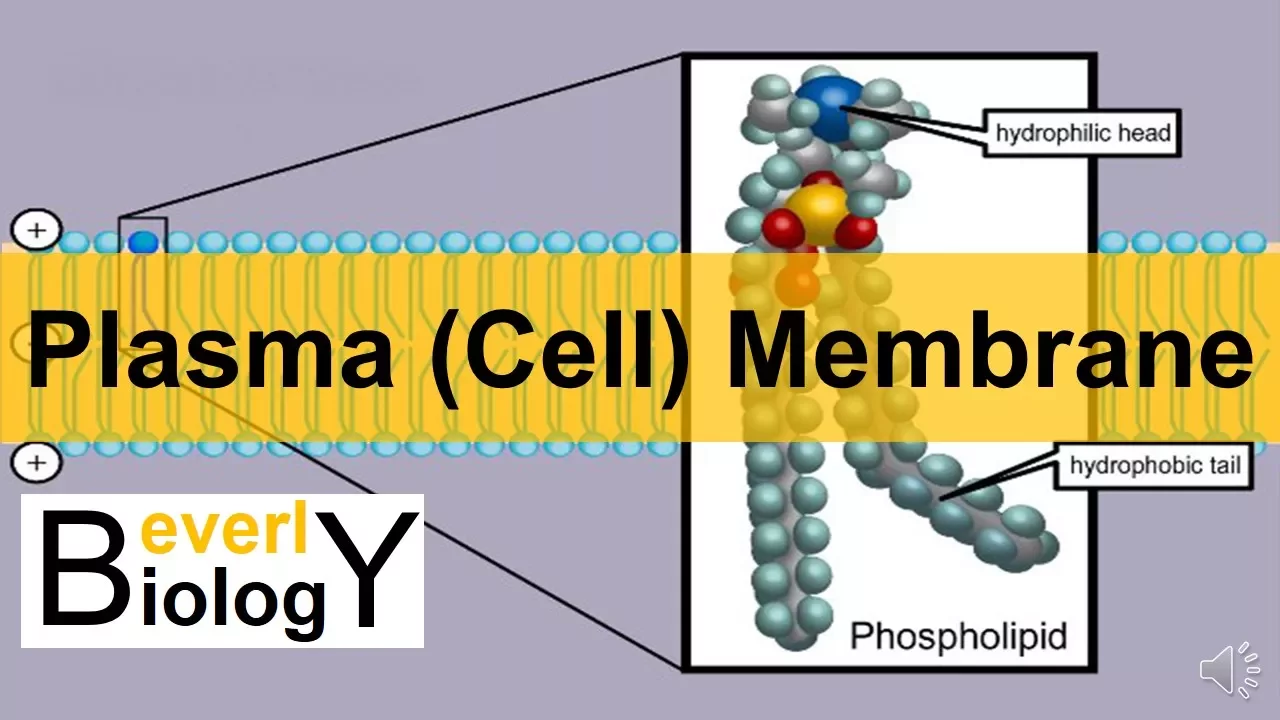
![[#1] TRANSPORTE DE MEMBRANA: PERMEABILIDADE SELETIVA DA BICAMADA LIPÍDICA | MK Fisiologia](https://i.ytimg.com/vi/ojcJiMrkVeQ/maxresdefault.jpg)





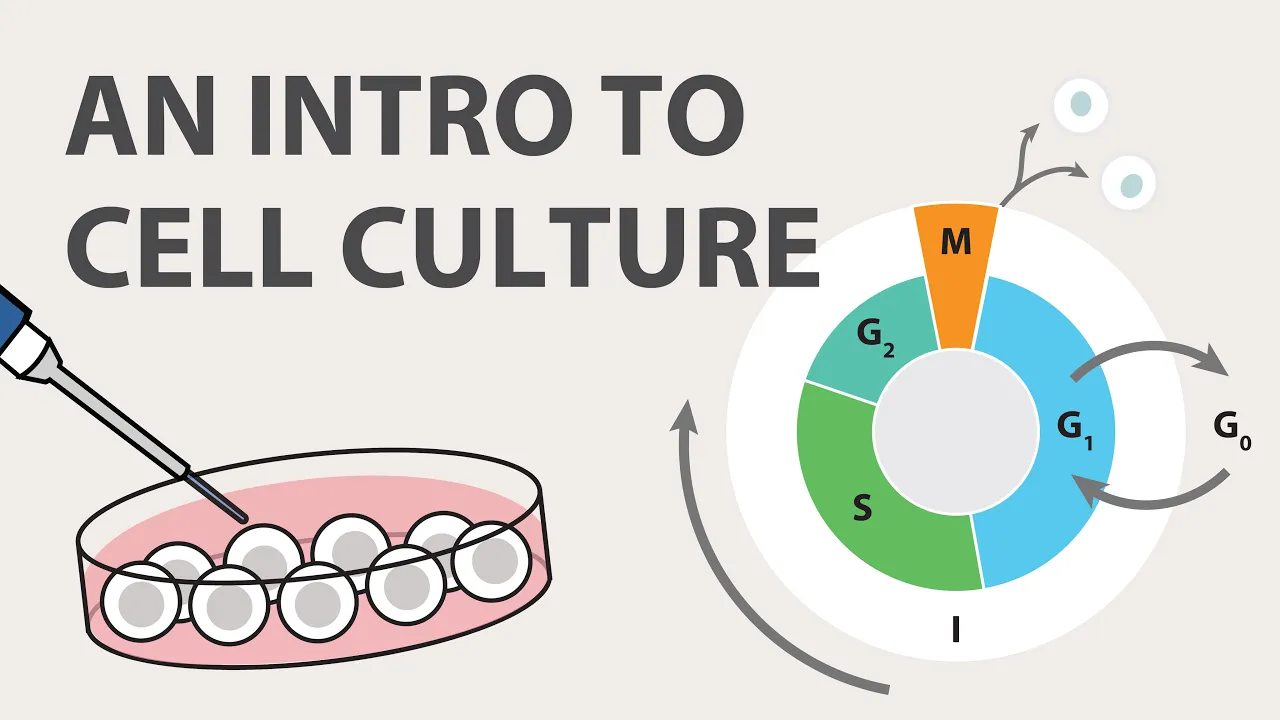
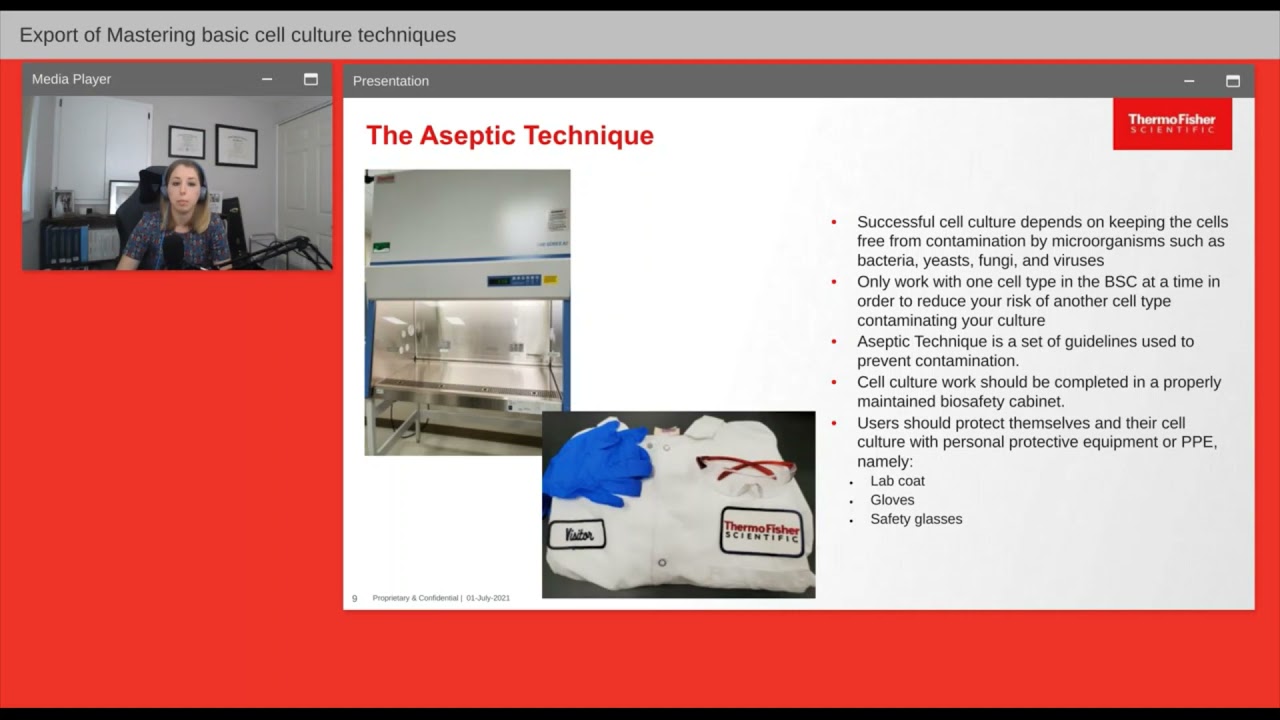



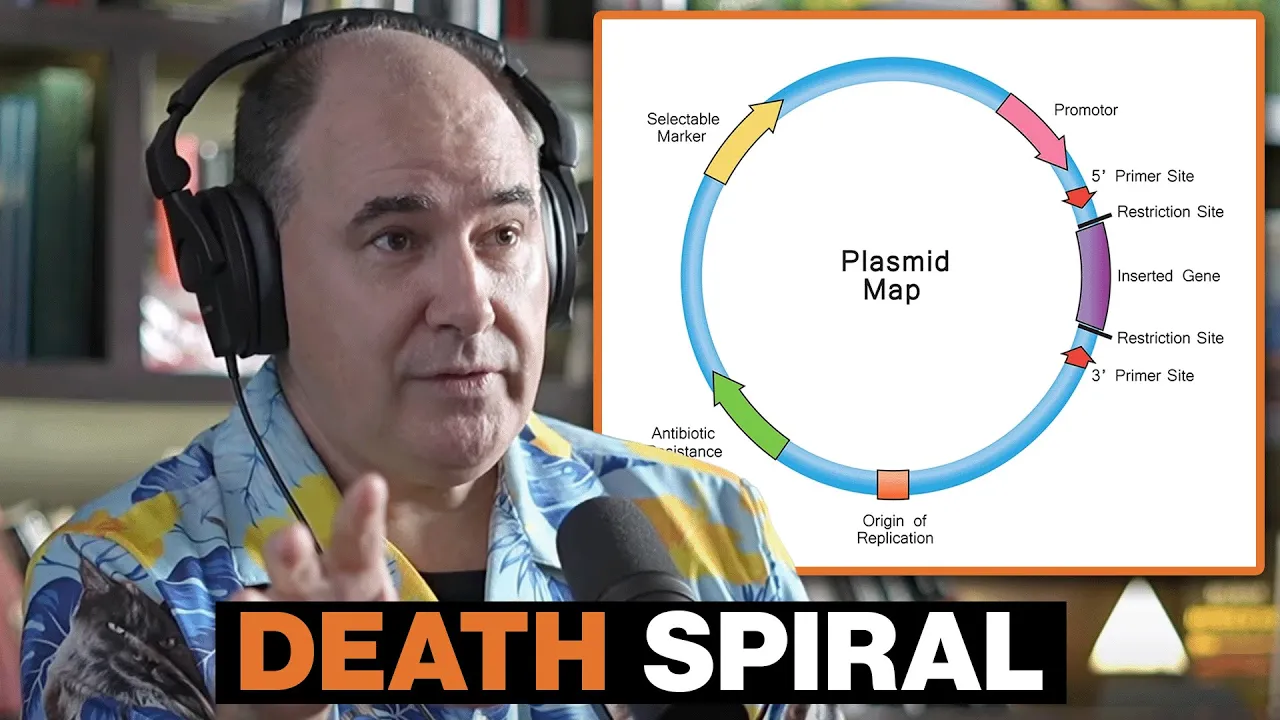

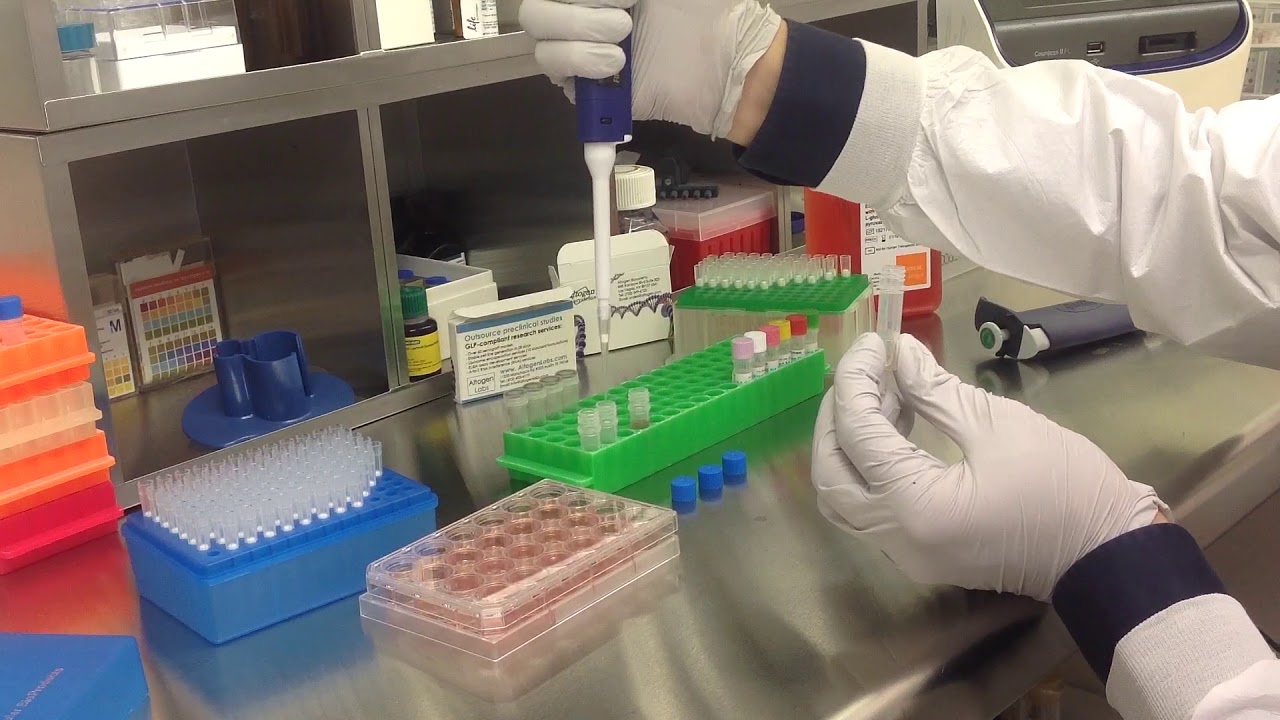
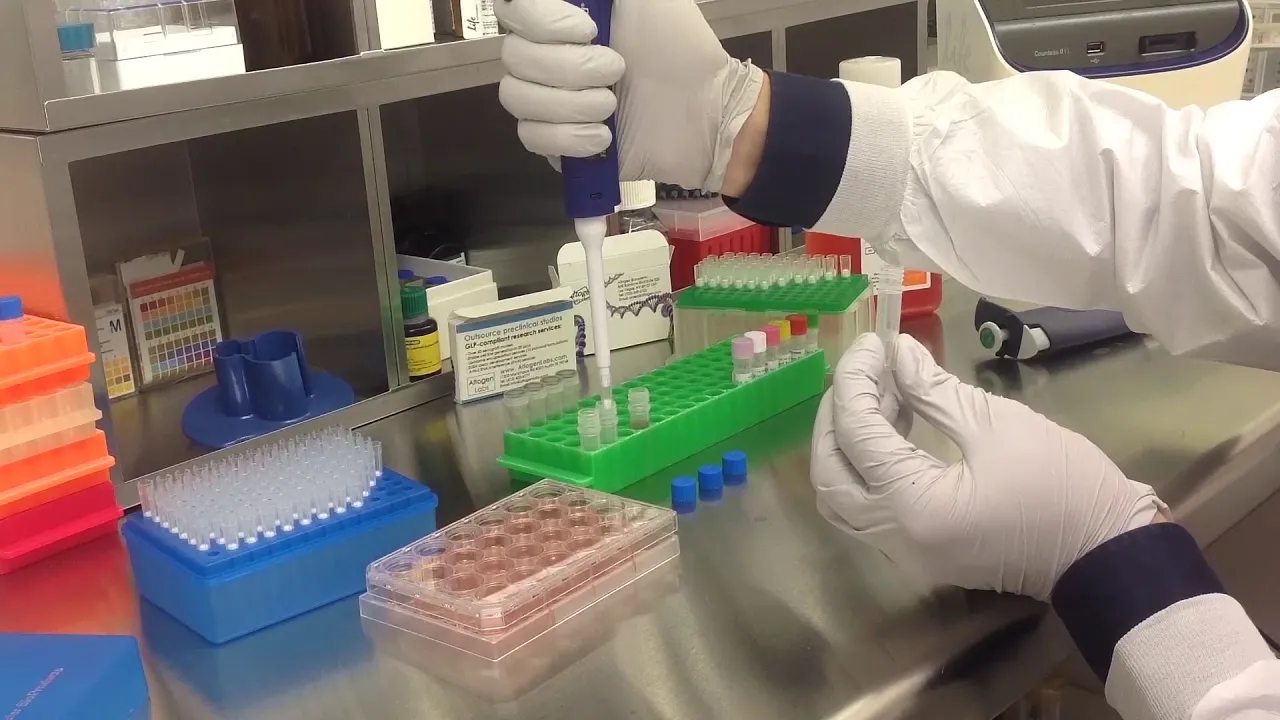

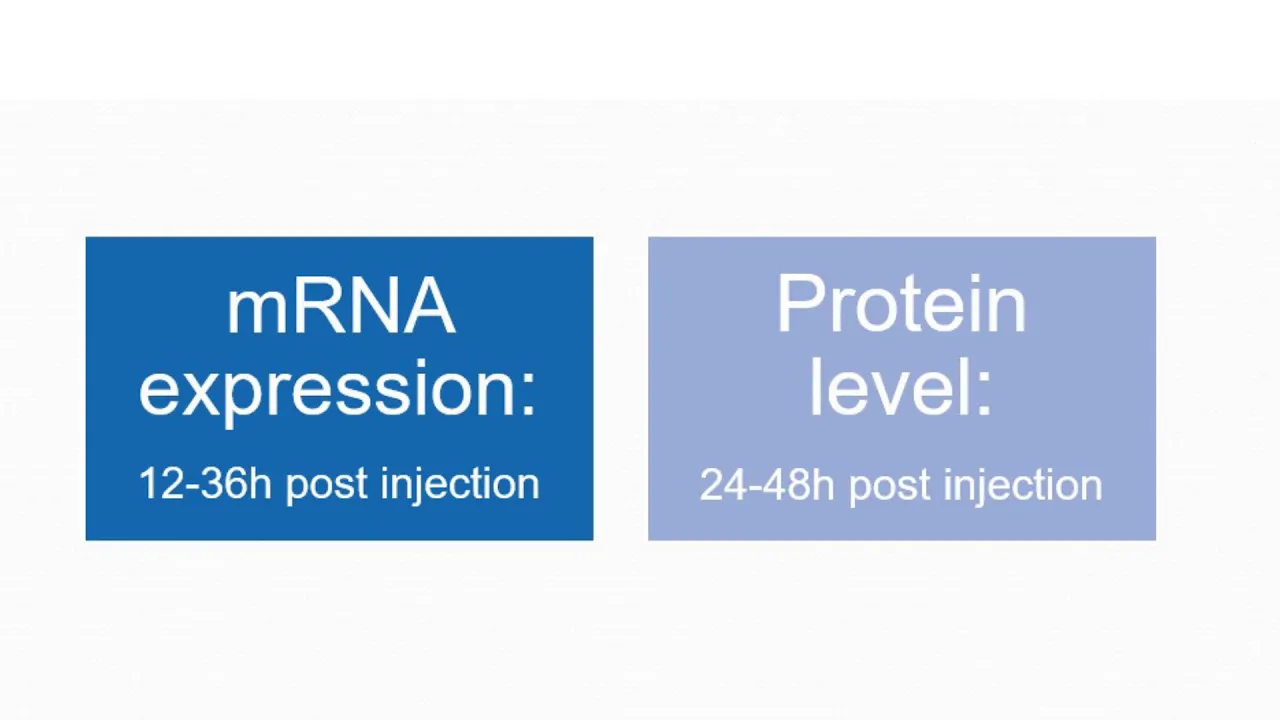

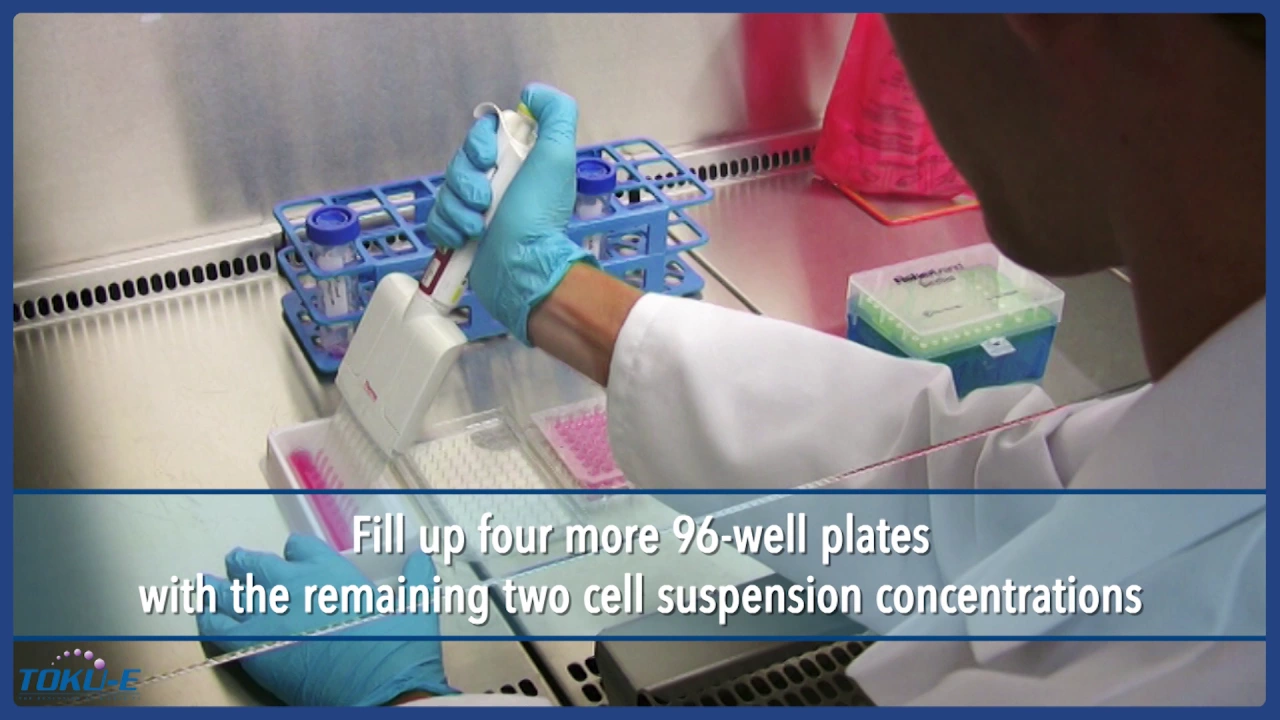


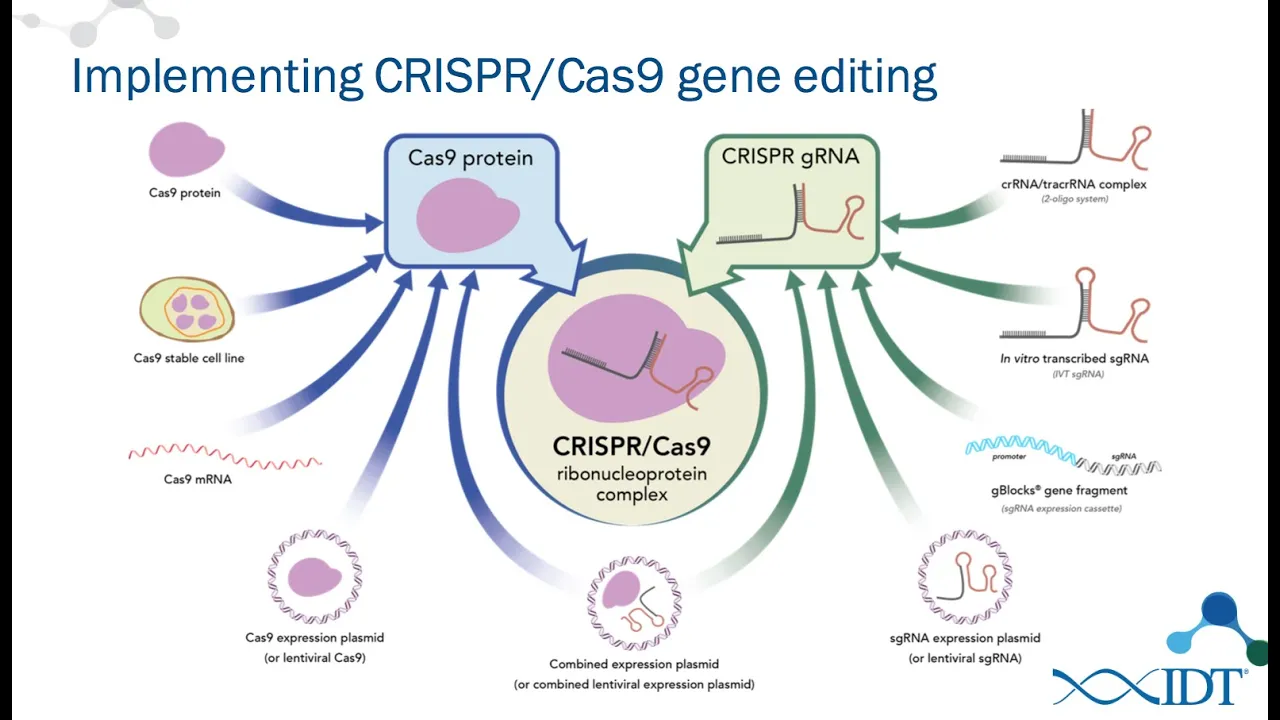
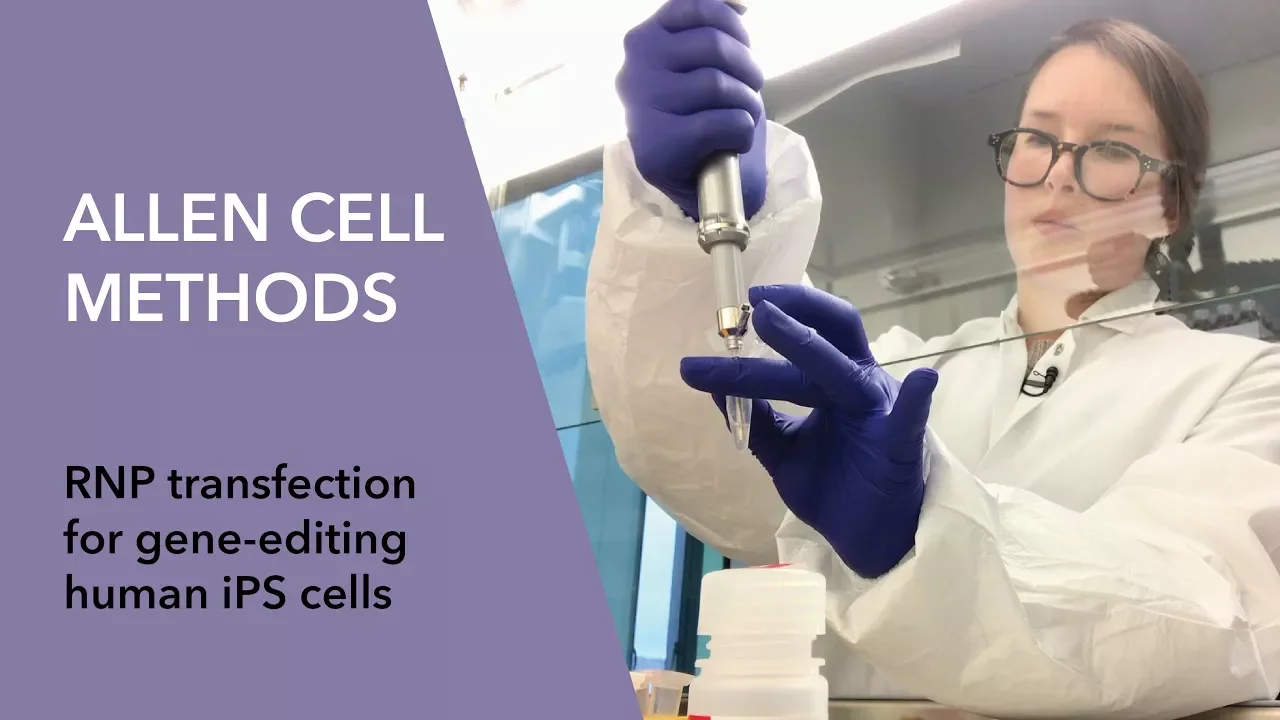



Transfection is the process of introducing foreign DNA into the nucleus of eukaryotic cells, resulting in transfectants; it encompasses two main types—transient transfection where DNA is expressed temporarily without genomic integration, and stable transfection where DNA becomes permanently incorporated into the host genome. The methodology involves three categories: reagent-based methods (calcium phosphate, lipofection using cationic lipids, and cationic polymers like PEI), instrument-based methods (electroporation, biolistic transformation, microinjection, and laserfection), and viral-mediated approaches. Key optimization factors include using serum-free media to prevent nuclease degradation, maintaining nucleic acid purity (A260/A280 ratio >1.8), optimizing complexing time (15-30 minutes for plasmids, 5-10 minutes for mRNA), and ensuring optimal cell confluency (50-70%) for maximum transfection efficiency.
Mammalian Cell Transfection: Methods and Optimization | Biology
Added:transection Basics and optimization of transection transfection is the process of introduction of foreign DNA into the nucleus of eukaryotic cell the cells which has incorporated exogenous DNA are called transfectants there are two types of transection possible transient transection and stable transection in transient transection the foreign DN a will not get incorporated into the host genome but genes are expressed for a limited period of time stable transfectants will have the foreign DNA incorporated into the genome here is the overview of transient transection protocol transection methodologies following are the methodologies that are used for transfection each of the below strategies has its own advantages and disadvantage vages so one need to choose the suitable method based on the application reagent based instrument-based and viral mediated transection reagent-based reagent-based methods are simple the reagent used neutralizes the negative charge and condenses the DNA for Effective uptake as the cell membrane is negatively charged negatively charged DNA molecules will be repelled from the cells for the cells to take up DNA a the net charge need to be positive that is the reason why reagents are used the main principle of using reagents is to give the DNA a net positive charge either by reagents binding to the DNA or by forming complexes with the DNA following are the commonly used reagents for transection calcium phosphate lipids and cationic polymers calcium phosphate mediated transection the mechanism of DNA uptake by calcium phos pH fate mediated method is not well understood in this method the DNA to be transfected is mixed with calcium chloride then this is added slowly to a buffered saline or phosphate solution incubating this mixture with the cells to be transfected the cells will take up the DNA by endocytic Pathways lipid mediated transection lipofection polar lipids formed of Highly positive charge head groups attached to hydrophobic tails electrostatic interaction between positive charges of the head groups of cationic lipids and negatively charged phosphate groups of the DNA are the main forces that allow DNA to be spontaneously associated with the cationic lipids cationic lipids used in transection examples of lipids used in transection are dope dodma dop lipop plexus lipop plexus are organized lipid molecules in the form of by cell or liposomes which when complexed with DNA can be used effectively for transection the net positive charge of the lipop plexus are effective for transection reagents for transection are also made of helper lipids helper lipids in conjunction with cationic lipids form structures called liposomes they can effectively encapsulate DNA cationic polymers mediated transection cationic polymers differ from cationic lipid as they do not have hydrophobic Mo cationic polymers can more efficiently condense DNA there are three different types of cationic polymers used for transection linear branched and spherical cationic polymers includes pei and and drers Pei is very effective nucleic acid condensing agent cationic polymers like Pei forms complex with DNA called the polyic this complex has net positive charge are very effective in transection deae dextrin deae dextrin is a cationic polymer that tightly associated with negatively charged nucleic acid the positively charged polymer DNA complex comes into close association with negatively charged membrane lipop polylex lipoplexes are combination of lipids and cationic polymers which can form complex with DNA and Aid in effective transection ideal features of transection complex size 40 to 1,000 nanometers charge transection complex should have a net positive charge positive surface charge density charge ratio n byp ratio equals reagent concentration in nitrogen residues by DNA concentration in phosphate moities n byp ratio is very important for optimization transection instrument-based nucleic acids are transported mechanically into the cells following are the commonly used methods for instrument-based transection electroporation biolistic technology micro injection and Laser fection or opto injection electroporation the procedure involves placing the cell suspension and the foreign material to be transferred into plastic or glass cette dot the vs used here are specially meant for electroporation they have aluminium electrodes at the sides the voltage and capacitance is set and the cette inserted into the electroporator once after electroporation few milliliters of medium is added and is incubated at the culture's optimal temperature for an hour or more to allow recovery of the cells the transformed cells can be screened out using selectable markers in the plasmid advantages and disadvantages of electroporation electroporation has the following advantages and disadvantages advantages versatility electroporation is effective with nearly all cell and species types efficiency a large majority of cells take in the Target DNA or molecule small scale the amount of DNA required is smaller as compared with other methods disadvantages cell damage if the electric pulses are given for a long time or with more intensity some pores may become too large or fail to close after membrane discharge causing cell damage or rupture non-specific transport the transport of material into and out of the cell during the time of electr permeability is relatively non-specific this may result in an ion imbalance that could later lead to improper cell function and cell death biolistic transformation biolistic transformation is the transfer of nucleic acid into cells via High Velocity nucleic acid coated microparticles laser fection or opto injection this procedure uses laser light to transiently permeabilize cells in very short time various substances can be efficiently poed including ions small molecules dextrin plasmids proteins Etc viral mediated transection following are the commonly used viral vectors the characteristic features of viral vectors are advantages and disadvantages of different transection method evaluating transection performance reporter Systems Green fluorescent protein luciferase reporter beta galact toase secreted alkaline phosphatase direct visualization of nucleic acid delivery nucleic acid labeling fluorescent label cyan and D fluoran epitope tags calent linkage of D to the DNA factors affecting transection media nucleic acid complexing time cell culture condition harvesting time transection optimization media culture media plays a major role in transection efficiency cell culture media mostly supplemented with serum for efficient transection transection complex should be made in serum free media the reason for serum free media usage for transection complex for formation is that the serum has nucleases in it which can chew up the nucleic acids antibiotics also should be avoided in the transection complex formation media as the antibiotics are charged they can interfere in the transfection complex formation and thereby reducing the transection efficiency other charged compounds like polyanions should be avoided and also surfactants like pluronic f68 mostly used as anti- foaming agent should be avoided nucleic acid the quality of nucleic acid used for transection is also important the plasmid Purity or the 260x 280 ratio of the plasmid used for transection should be greater than 1.8 most of the times plasmid preps gets contaminated with endotoxins the endotoxin contaminated DNA inhibits the transection or will yield very low transection efficiency complexing time complexing time is yet another important factor which need to be optimized for better transection efficiency if the complexing time is two then the complex formed will be big which will be difficult for the cells to take up thereby reducing the transection efficiency ideal complex formation time is 15 to 30 minutes but this need to be experimented as the different cell lines will behave differently complex formation time above 30 minutes will have low transection efficiency for mRNA transection ideal complex formation time will be 5 to 10 minutes cell culture conditions adherent cell confluency affects transection low confluency 25% not good 50 to 70% confluency is good for transection at greater than 90% confluency cells will not take up DNA to nuclei because of the dissociation of nuclear membrane
Up Next

MiraVista Diagnostics Lateral Flow Assay | Lab Animation
@miravistadiagnostics
458.4K views•2023-02-22
Quantitative Real-Time PCR (qPCR): Principle, Method & Data Analysis
@animatedbiologywitharpan
129.2K views•2023-09-06
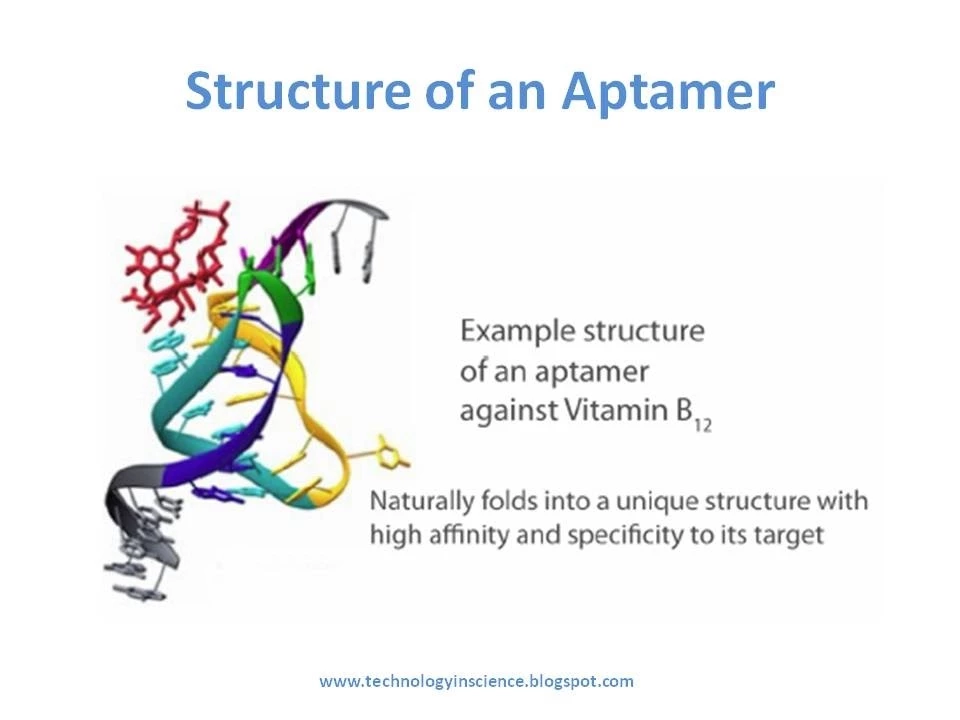
Aptamers in Therapeutics and Diagnostics | Oligonucleotide Applications
@BioResource
37.8K views•2014-05-13
CRISPR and Genetic Engineering: How Gene Editing Works and Why It Matters
@kurzgesagt
30.5M views•2016-08-10
Related Study Plans & Knowledge Roadmaps
Structured learning paths in Biotechnology