![Struture of DNA & RNA [Nucleic acids] # Biochemistry Part -29 # csir net , gate , Iit jam](https://i.ytimg.com/vi_webp/ufvZ8bYtyO8/maxresdefault.webp)















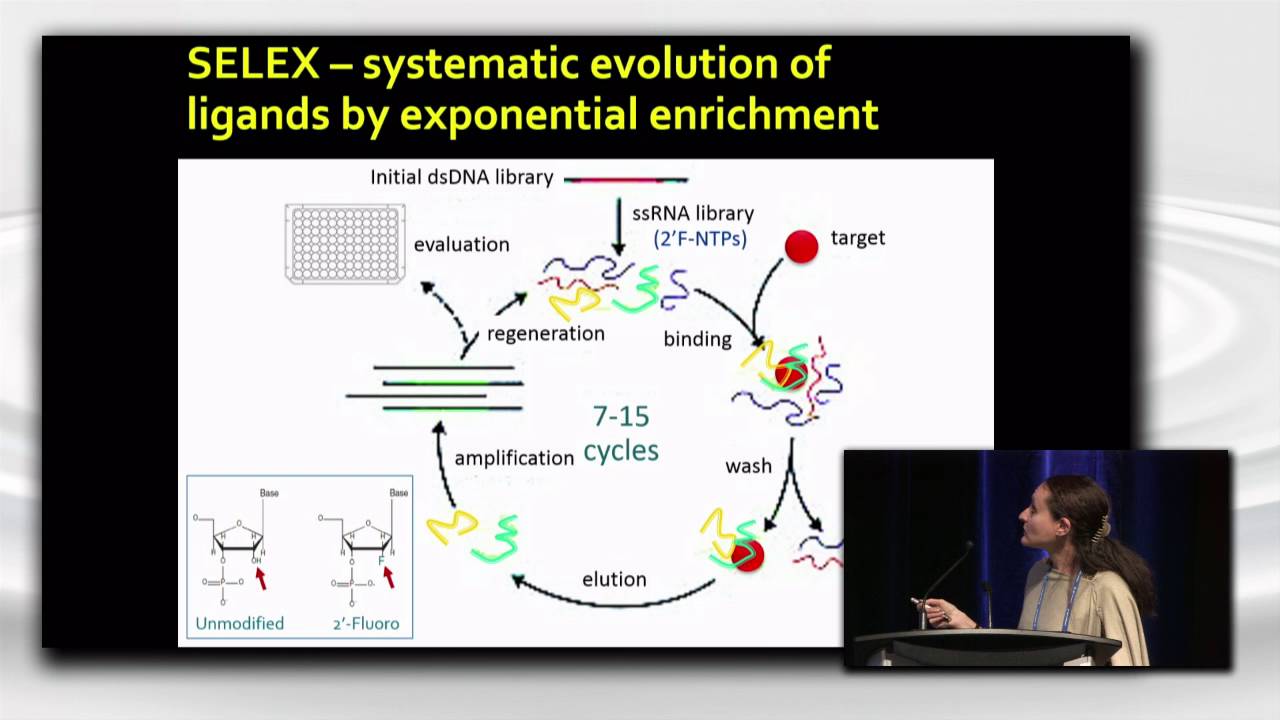


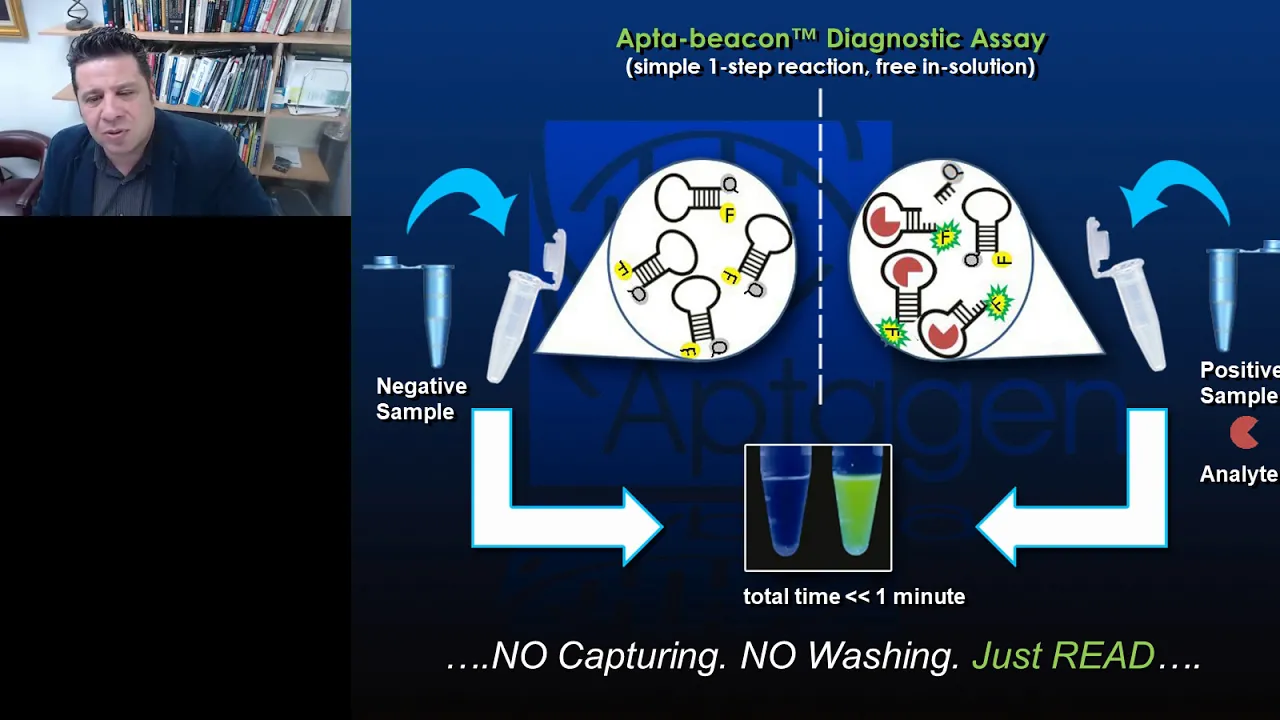


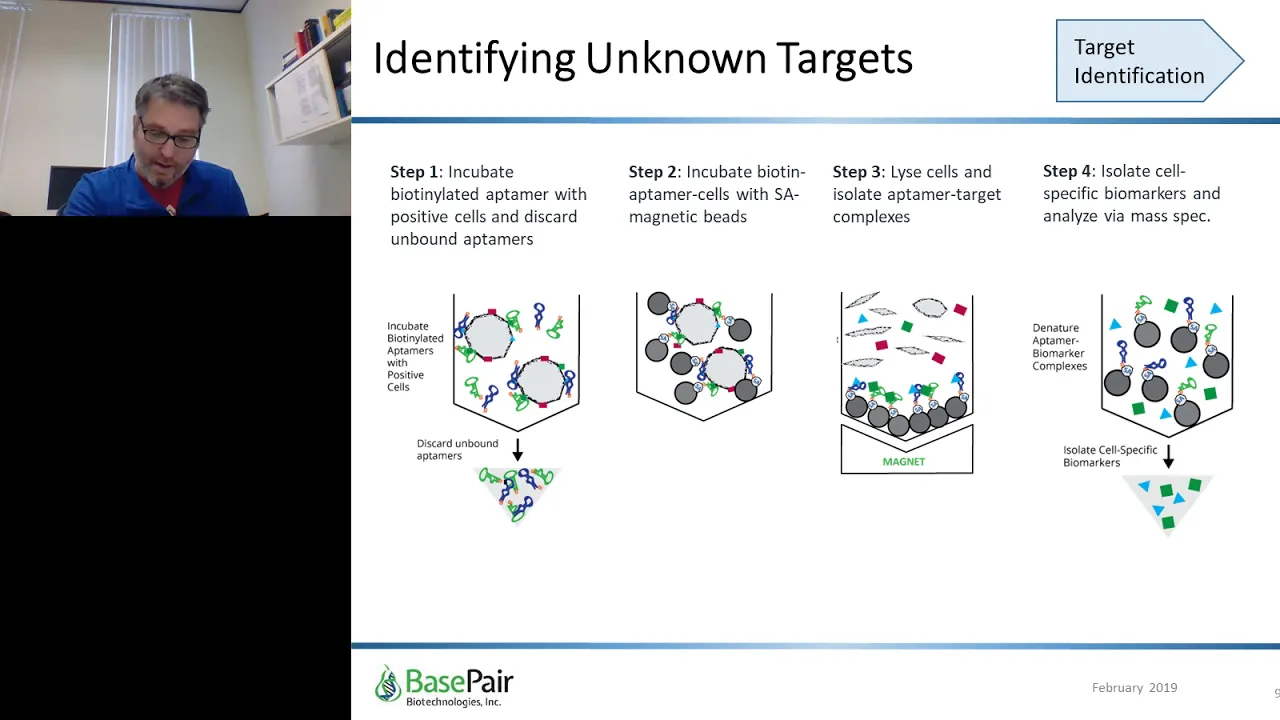

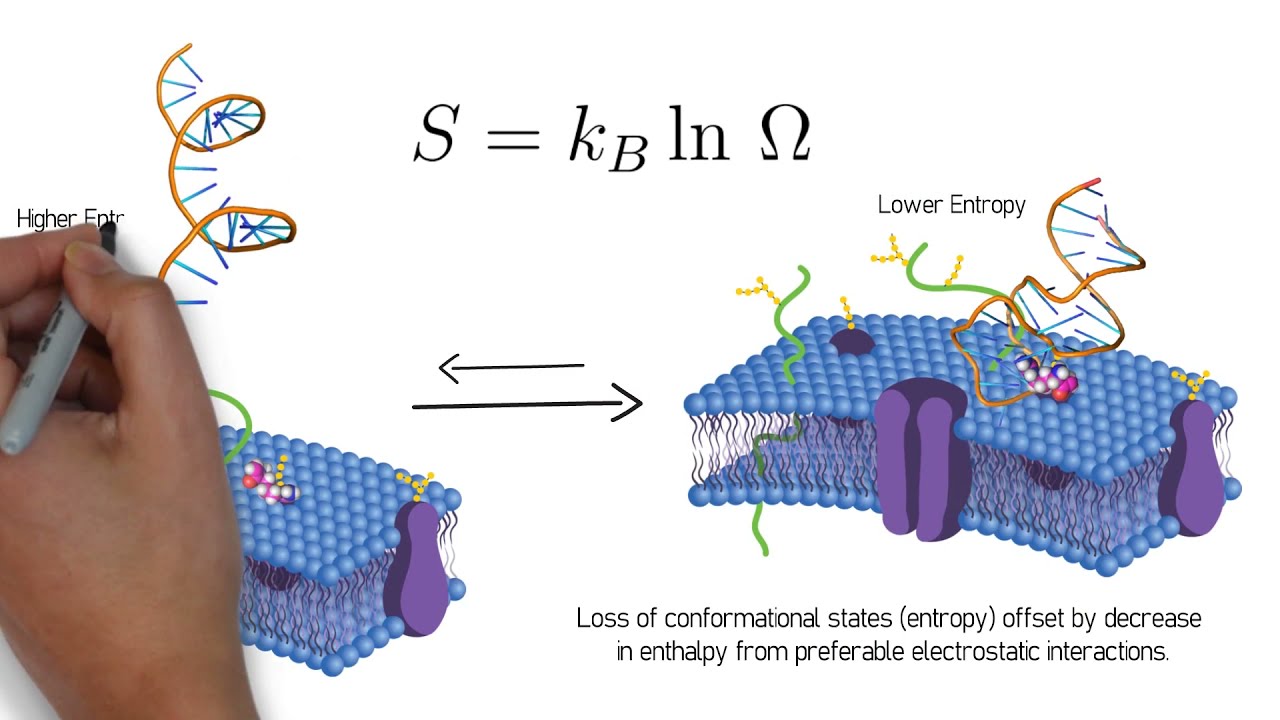


Aptamers are single-stranded RNA or DNA oligonucleotides (15-60 bases) that bind with high affinity (Kd: 1 pM-1 nM) to specific molecular targets through complex three-dimensional folding patterns, offering advantages over antibodies including easier large-scale production, lower immunogenicity, and greater stability at ambient temperatures; they are identified using SELEX (Systematic Evolution of Ligands by Exponential Enrichment) and have diverse applications in drug development, bioimaging, disease diagnosis, and hazard detection.
Aptamers in Therapeutics and Diagnostics | Oligonucleotide Applications
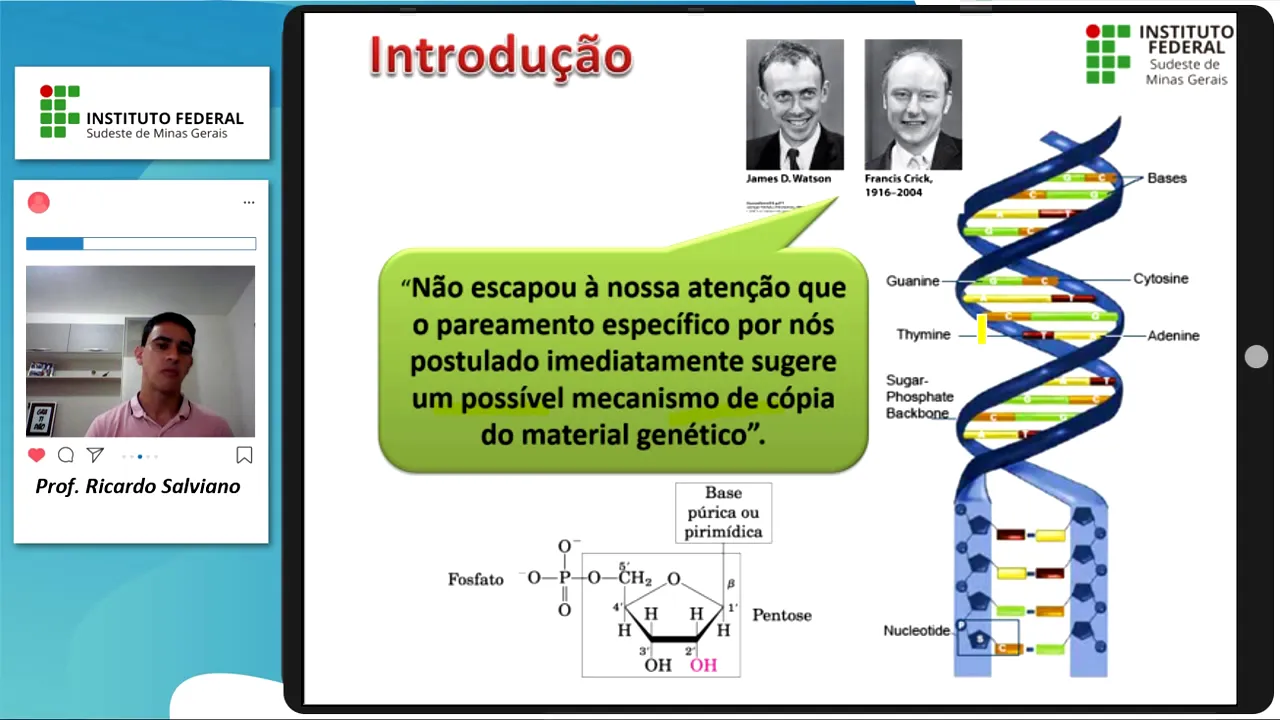
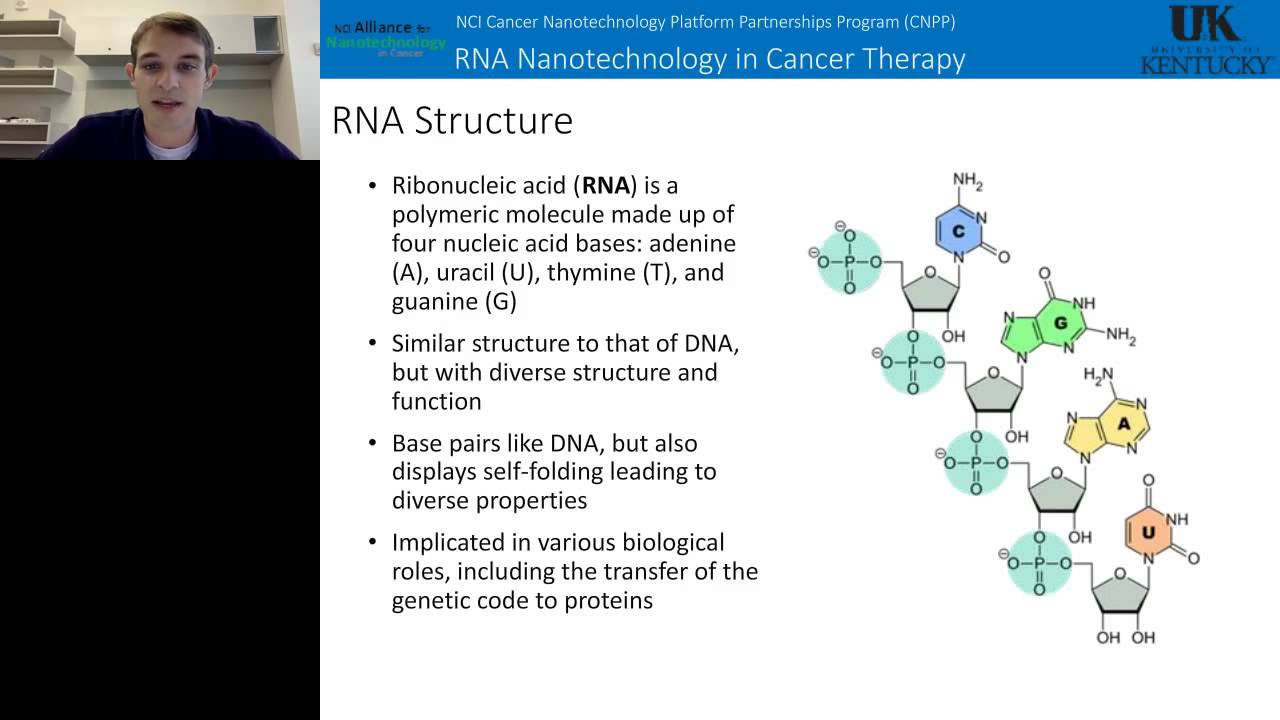
Added:Basic structure and biochemistry of nucleic acids (DNA, RNA, and single-stranded oligonucleotide folding structures).
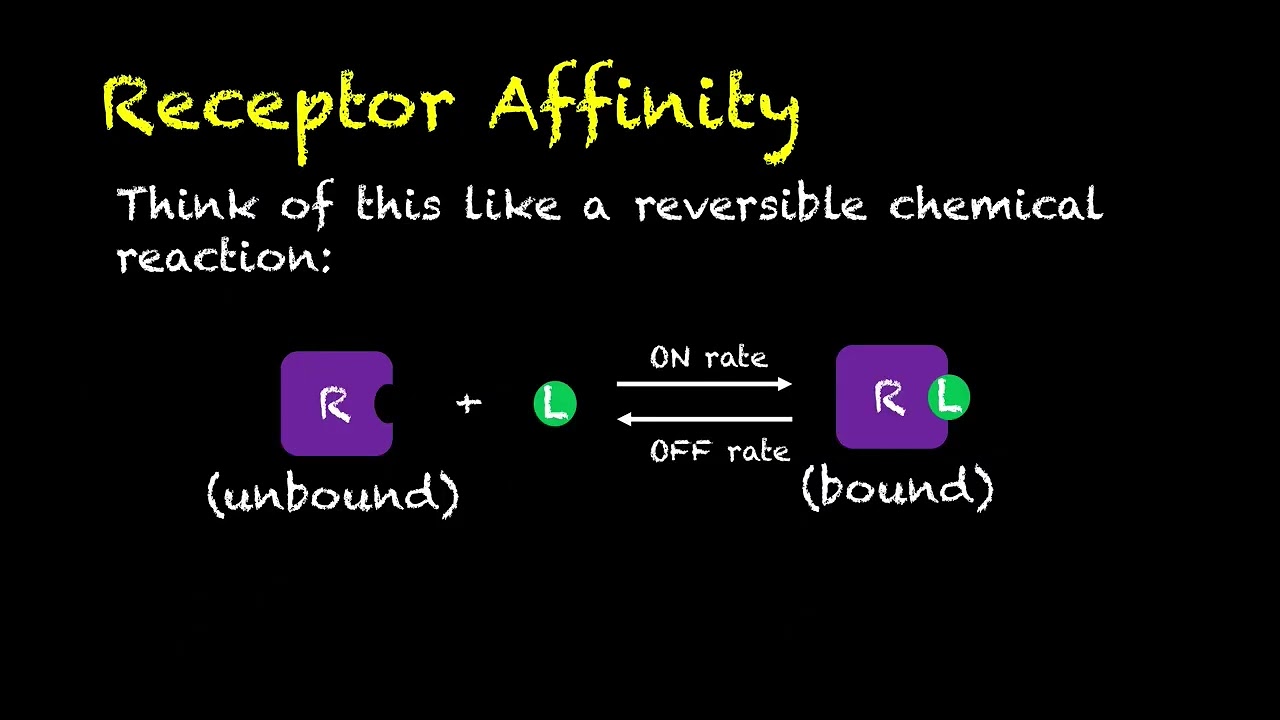
Principles of molecular binding kinetics, including ligand-receptor interactions, binding affinity (Kd), and specificity.
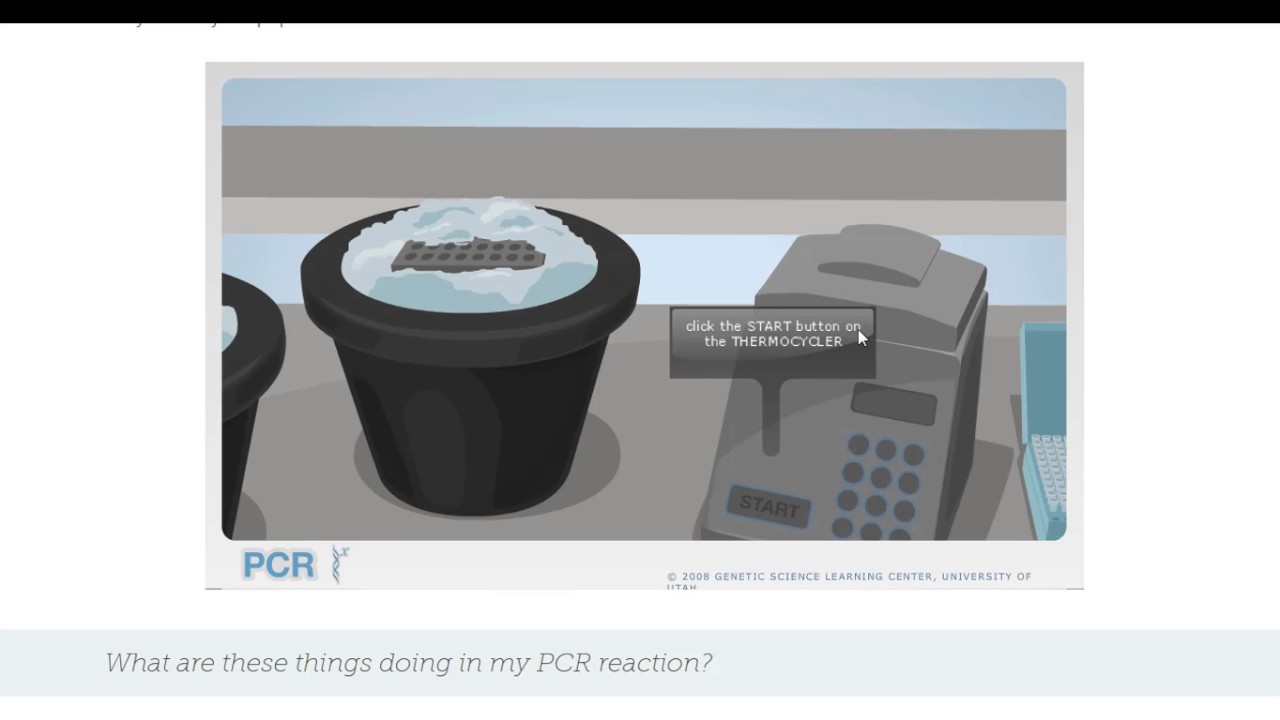
Fundamental molecular biology techniques, specifically Polymerase Chain Reaction (PCR) and in vitro transcription.
The role and function of monoclonal antibodies in therapeutics and diagnostics to serve as a comparative baseline.
Chemical modification strategies to enhance aptamer biostability against nuclease degradation in vivo, such as PEGylation and 2'-fluoro modifications.
The design and mechanism of aptamer-based biosensors (aptasensors) for point-of-care diagnostics and environmental monitoring.
Aptamer-drug conjugates (ADCs) and the use of aptamers in nanoparticle-targeted drug delivery systems.
Clinical case studies of FDA-approved aptamer therapeutics, such as Pegaptanib (Macugen), and current aptamers in clinical trials.
37.8K views230likes7:33Original Release: 2014-05-13
aptamers a new class of oligonucleotides for therapeutic and diagnostic use aptamers are oligonucleotides having high affinity and specificity in identifying the target molecules the word timer is derived from the Latin aptus means fit and Greek miros means part aptamers are singl stranded RNA or DNA oligonucleotides 15 to 60 bases in length that bind with high Affinity to specific molecular targets most aptamers to proteins bind with equilibrium constant in the range of one picomolar to 1 nanomolar similar to monoclonal antibodies these nucleic acid liens bind to nucleic acid proteins small organic compounds and even entire organisms aptamers have many potential uses in intracellular processes studies medicine and Technology aptamers are often identified using a technique called celex system atic evolution of liens by exponential enrichment by this technique aptamers having high affinity and specificity to the targets can be isolated from the sequence pool after several rounds of selection aptamers have similar affinities as antibodies to the Target molecules and provide various advantages which includes greater stability easier large scale production and low immunogenicity aptamer structure DNA aptamers are a 15 to 60 oligonucleotide bases long interaction of aptamers to the Target is based on the three-dimensional folding patterns the complex three-dimensional structure of the single stranded oligonucleotide is due to the intr molecular hybridization which causes the folding into particular shape due to this complex three-dimensional shape aptamers have high affinity and specificity towards the target molecules aptamer selection process in vitro selection theoretically it is possible to select aptamers against any molecular Target aptom have been selected for small molecules peptides proteins as well as viruses and bacteria aptamer selection method the aptamers are selected by incubating the target molecule in a large pool of oligonucleotide the pool size of the oligonucleotide is from 10 ^ 10 to 10 ^ 20 the large pool size of the oligonucleotide ensures the selection and isolation of the specific aptamer the structural and informational complexity of the oligonucleotide pool and its functional activity is an interesting and active area to develop an algorithm-based development of nucleic acid ligans aptamers can distinguish between closely related but nonidentical members of a protein family or between different functional or conformational States at of the same protein in a striking example of specificity an aptamer to the small molecule theophyline binds with 10,000 fold lower Affinity to caffeine that differs from theophine by a single methyl group The protocol called systematic evolution of liance by exponential enrichment is generally used with modification and variations for the selection of specific aptom using this process it is possible to develop new aptom in as little as two s different aptamer selection methods nitrocellulose membrane filtration based celex Affinity chromatography and magnetic bead based celex celex for small molecules as well as proteins can be carried out using this method several timers were selected using this method by making an affinity column containing Target immobilized beads however the disadvantage of this method is that it cannot be applied if the target lacks the Affinity tag or the functional group needed for coupling to the beads capillary electroforesis based celx with the use of capillary electroforesis based celx an aptamer can be selected by a Mobility shift among the mixture of a Target the library and the target Library complex in particular the greatest virtue of applying this method to selex is that the successful selection of the aptamer can be achieved within very few rounds gener Al two to four rounds compared to other methods microfluidic based celex microfluidic based celex method is mainly processed on a chip it is able to enhance selection efficiency on a small scale for example the DNA aptamer specific bound to neurotoxin type B was obtained after a single round of selection using The Continuous Flow magnetic activated chip based separation device cell celx cell CX is aimed at searching for an aptamer against a whole cell whereas the primary targets of other celx methods are single highly purified proteins whereas the targets of cell celex are extracellular proteins on the cell surface or unique structures of the cell other method-based cell X AFM electrophoretic Mobility shift assays and surface plasmine resonants have been performed in connection with celex advantages of aptamers while aptamers are analogous to antibodies in their range of Target recognition and variety of applications they possess several key advantages over their protein counterparts easier and more economical to produce aptamers are made through chemical synthesis a process that is highly reproducible and can be readily scaled up their production does not depend on bacteria cell cultures or animals compared to antibodies toxicity and low immunogenicity of particular antigens do not interfere with the aptamer selection aptamers are capable of Greater specificity and Affinity than antibodies aptamers can easily be modified chemically to yield improved custom tailored properties aptamers can specifically bound to either small molecules and complex multimeric structures small size of aptamers leads to a high number of moles of Target bound per gram and they may have improved transport property allowing cell specific targeting and improved tissue penetration aptamers are much more stable at ambient temperature than antibodies yielding a much higher shelf life and they can tolerate Transportation without any special requirements for cooling eliminating the need for a continuous Cal chain ability to inactivate proteins without altering genetic material disadvantages of aptamers lower levels of affinities than antibodies aptom will not bind to some Target molecules aptamer's identification is expensive and labor intensive applications of aptamers aptamers has got various applications in the following Fields New Drug development bioimaging as therapeutic tool drug Discovery disease diagnosis Hazard detection and food inspection
Up Next

10:45
Types of SELEX and Tips for Aptamer Selection Success
@DrJyotiBala
1.5K views•2023-03-29
14:12
Quantitative Real-Time PCR (qPCR): Principle, Method & Data Analysis
@animatedbiologywitharpan
129.2K views•2023-09-06

6:29
Ti Plasmid in Agrobacterium-Mediated Plant Transformation: Features and Role
@BioResource
58.9K views•2016-01-04

16:04
CRISPR and Genetic Engineering: How Gene Editing Works and Why It Matters
@kurzgesagt
30.5M views•2016-08-10
Related Study Plans & Knowledge Roadmaps
Structured learning paths in Biotechnology
biotechnology
AAV Production: Transfection, Prep & qPCR
01Introduction to Gene Therapy and AAV Biology
02Mammalian Cell Culture: Suspension HEK293 Cells
03Upstream Bioprocessing: Triple-Transfection Optimization
+ 2 more learning modules
18h5 modules
Explore Roadmap
biotechnology
Building Gut-on-a-Chip: PDMS, Cells & TEER
01Foundations of Microfluidics and Gut Anatomy
02Cleanroom Fabrication & PDMS Soft Lithography
03Epithelial Cell Culture and On-Chip Seeding
+ 2 more learning modules
26h5 modules
Explore Roadmap
biotechnology
Optimizing CFPS: E. coli Extract & Yield
01Fundamentals of Molecular Biology and Translation
02Introduction to Cell-Free Protein Synthesis (CFPS)
03Preparing E. coli Crude Lysate (The Extract)
+ 2 more learning modules
19h5 modules
Explore Roadmap
biotechnology
Haematococcus PBR: Design, Stress & Astaxanthin
01Biology and Life Cycle of Haematococcus pluvialis
02Bench-Scale Photobioreactor (PBR) Design and Engineering
03Culture Media Formulation and Inoculation
+ 2 more learning modules
15h5 modules
Explore Roadmap