













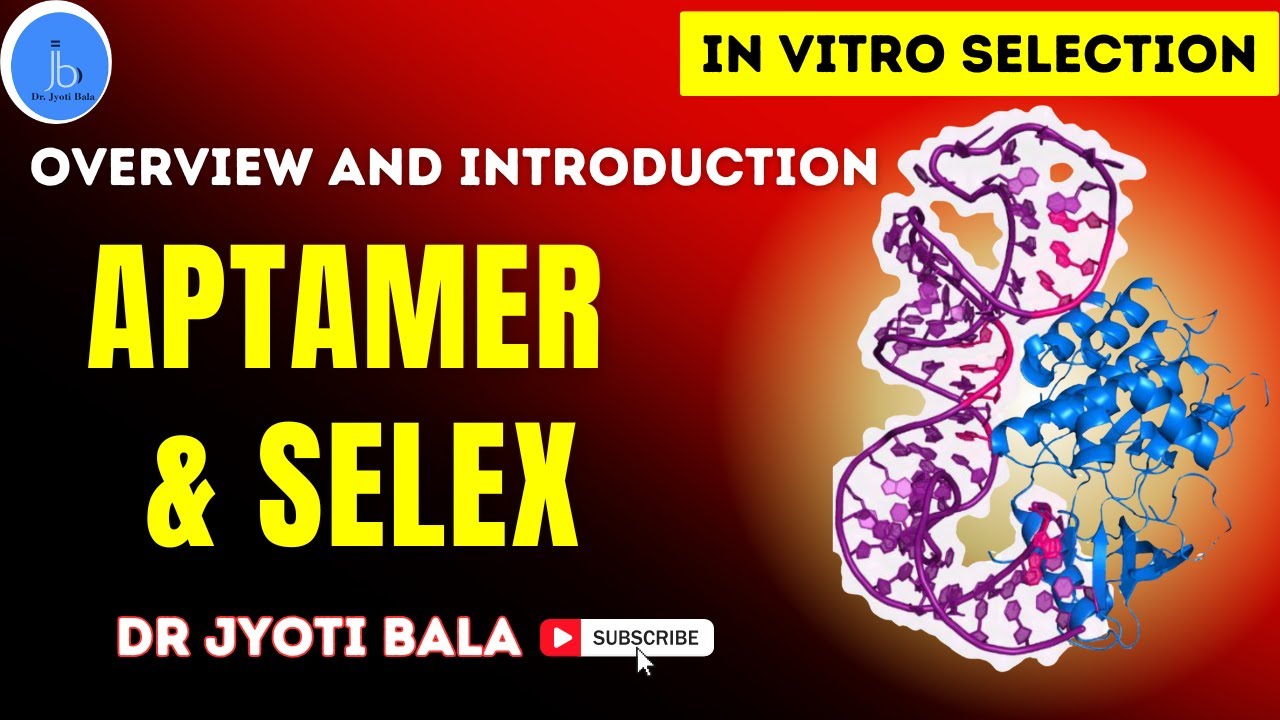


SELEX (Systematic Evolution of Ligands by Exponential Enrichment) is a Darwinian-inspired technique for selecting nucleic acid aptamers that bind specifically to target molecules; it encompasses multiple variants including DNA SELEX, RNA SELEX, X-SELEX, Cell-SELEX, Rapid Cellular SELEX, Parallel Cell SELEX, Genomic SELEX, In Silico SELEX, and Automated SELEX, each optimized for different applications such as identifying DNA/RNA binding proteins, screening multiple targets simultaneously, or accelerating selection processes; successful SELEX requires starting with a diverse random library, optimizing binding conditions, using proper controls, performing multiple selection rounds, validating binding through techniques like gel shift or SPR, and modifying aptamers for improved stability and functionality.
Types of SELEX and Tips for Aptamer Selection Success
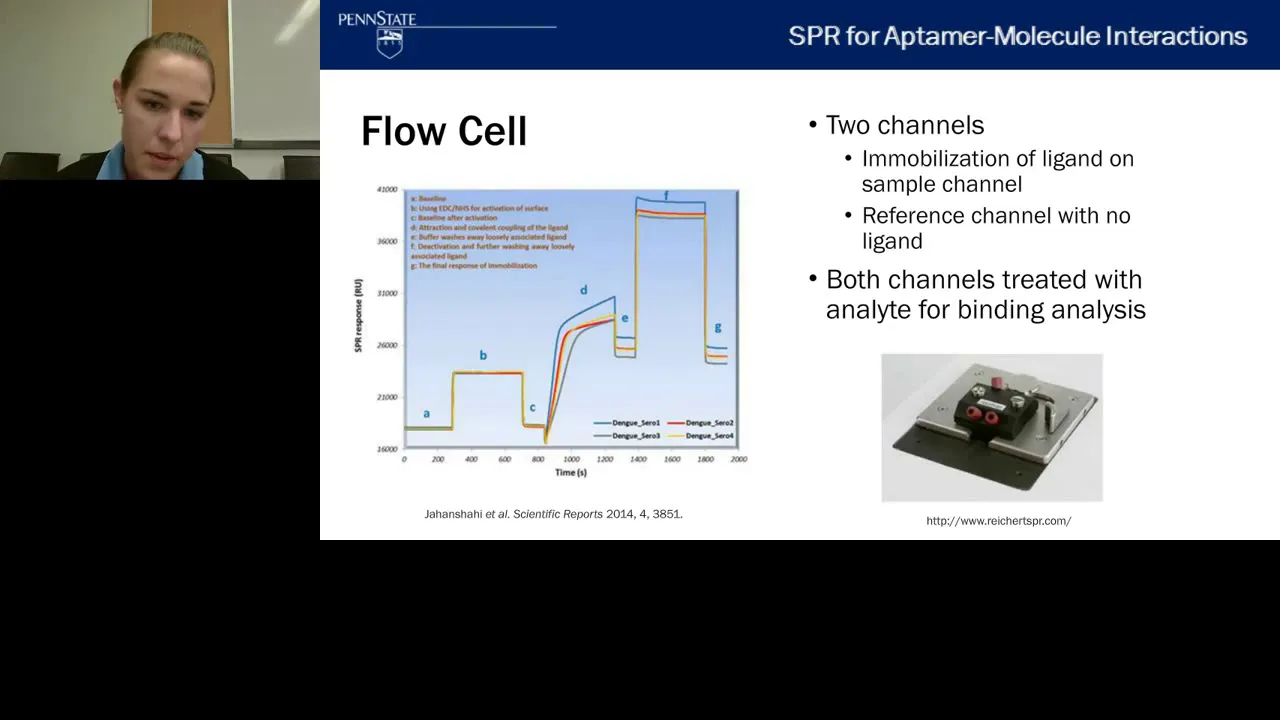
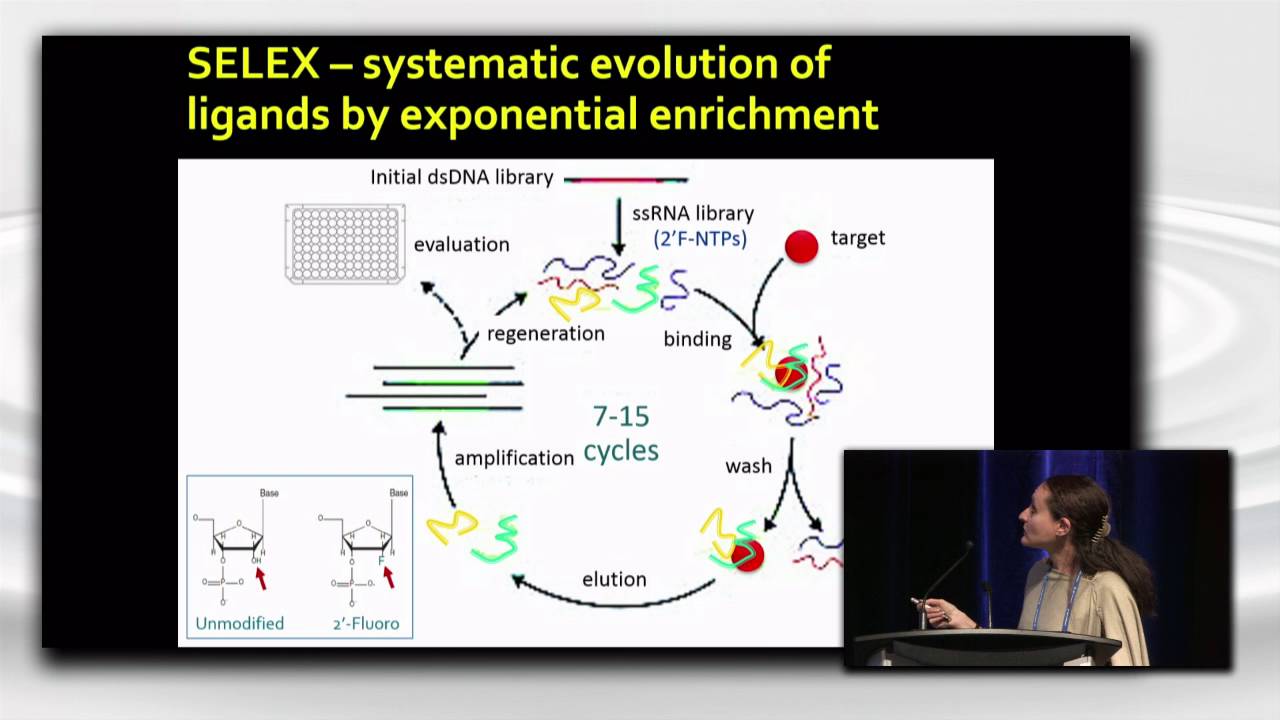
Added:foreign [Music] which is a powerful technique used in molecular biology and biochemistry to select and amplify nucleic acid-based apron in my past videos I have already given you the overview about aptamils its application and which are the top global companies which are working on abdomers so let's get started so let's first understand what is selling celex is a systematic evolution of ligand by exponential enrichment method this is not a protocol based technique but it's a principle-based technology so it is basically based on Darwin principle it's a powerful technique that allows scientists to identify nucleic acid molecule that binds specifically to a Target molecule such as protein or small molecule selects can be used to discover new drug Target develop new diagnostic tool biosensor and study interaction between nucleic acid and different molecules so you can decode the cellular mechanism based on nucleic acid and how they are involved in the biological cellular regulations as I've said selex is based on Darwin principle it suggests that the selection of the fittest as you know the selection of the fittest is not from the 100 or the Thousand candidate or the participant but it is from the random pool of the organism and the participant So based on that same Ravin Theory you are selecting and utilizing that principle in the in vitro condition and you are selecting after move from a random pool of Library so out of those random Library which contain around 10 raised to power 12 to 13 molecules use specifically isolate some candidate which has specific binding and high affinity for a particular ligand so let's try to understand this principle and this technology so let's start with the history first select work was developed in the early 1990s by gold and his colleague this technique was initially used to identify RNA molecule that could bind to the T4 DNA polymerase since then celex has been widely used in molecular biology and biochemistry and it has led to many important Discovery in the field as I have already covered the various application of optimals and celex in different areas of Diagnostics sensor Imaging food technology in my past video so if someone is interested in exploring that area may watch that video so here let's try to explore various type of selects because as I mentioned it's not a protocol based technique but it's a principle based technique So based on which ligands you have selected for your project and for what vegans you are making abdomen you need to very carefully choose your selex protocol and here comes the importance of the type of different selects so let's try to explore what are the various kind of selects which are present and which is most suitable for your project so as I mentioned there are several different type of selling that are commonly used each with its own advantage and limitation so let's take a closer look at some of these type so let's start with the DNA select in DNA select a short synthetic DNA sequences are used in starting Library you have to allow those random library to bind with the legion then you have to illute and discard the non-specific binder and amplify your specific binders and this round of Select you have to repeat for 8 to 15 round depending on your different selects so this is a general outline of any select is useful for identified DNA binding protein and other ligands and for developing DNA based aftermath on Parallel if you are planning to work on RNA aftermath then you have to perform R and SLX RNs LX is similar to DNA select but it uses RNA molecule as the starting Library here you have to make your DNA library and convert them to the RNA library with the help of in vitro transcript RNs LX is useful for identifying RNA binding protein and other ligands for developing RNA aftermath the another selex is X select in X select the target molecule is immobilized on the solid surface such as micro array or the bead the nucleic acid library is then incubated with the immobilized Target and the molecule that binds specifically to the targets are selected and Amplified xlx is useful for high through group screening and also for studying The Binding specificity of the molecule the another type of cell X is your cell select in cell select the target molecule is expressed on the surface of living cells the nucleic acid library is then incubated with the cells and the molecule that binds specifically to the Target are selected and Amplified sales is also useful for identifying cell surface-based receptors and for developing cell specific act number this has role in targeted drug delivery the another celix is your rapid cellular that stands for Rapid optimal Discovery in vitosis this is a modified form of cellular that uses microfluidic platform to accelerate the selection process rapid selects can select aptomer in lesser time making it a powerful tool for Rapid Optima Discovery the another type of celex is your parallel cell X which is a high throughput method that allows for the simultaneous selection of atomos against multiple targets hunts parallelics is useful for screening large libraries of Target the another significant area is your genomic Civics genomics LX is modified form of Select that uses high throughput sequences to identify abdomen in genomic cell X the nucleic acid library is sequence after each round of the select moving ahead the next is your in silicosylate in silicosylics is a computational method that uses bioinformatics tool to predict potential labrum or Sequel and this approves the target molecule is first dog with the library of virtual nucleic acid sequences the sequences that have the highest binding Affinity are then selected for further analysis in silicosilic can also help to reduce the time and the cost associated with the experimental cell is by identifying the potential Optima candidate before starting the selection process and lastly the automated selects automatic selects involves the use of robotic system and high throughput techniques to perform select X payment in a fully automated manner this approach allow for rapid and efficient selection of Optima and can be useful for screening large library of potential Target as you know I do have 15 years of experience in Optima technology from India and USA and Japan so till now we have completed four optimal projects so we have selected aptimer for macromolecules also and for small ligands also so let me give you 10 tips for a successful celex experiment start with the diverse Library the more your library is random in terms of sequence and structure the chances of getting a good afternoon will be huge a diverse random library is crucial for successful selects use a library that is diverse in terms of both sequence length and secondary structure secondly choose an appropriate Target molecule choose a Target molecule that is well defined and purified also do the earlier analysis about those Target molecule in terms of its structure its properties its physical chemical property this is going to help you in your designing of celex experiment the third one is optimize binding condition this is the very crucial step optimize The Binding conditions such as the pH temperature salt concentration and also insert the optimal binding for the library with the target the fourth one is use a proper control group while performing selects it is very important to perform certain uh negative selection using the control group so use a proper control group to ensure that the selected sequences are specific for the Target molecule so this is the best way to remove the non-specific binding from your celix round the fifth is Select for the high binding Affinity select for the nucleic acid sequence with the high binding affinity for the Target molecule to ensure the specificity and the selectivity of the atomers the sixth is use High Fidelity polymerase for the amplification as you know celix is very much based on PCR so it is very important to use a high fidelity and high quality grade of polymerase hence using a high fidelity polymerase for amplification is important to avoid any error and ensuring the accuracy of the selected sequences the next is the perform multiple round of selection it is important to perform multiple round of selection to increase the specificity and selectivity of the aptima it also good practice to sequence the selected aptoma after the selects round either you can do the convention sequencing or you can either go with the ngf with the sequence of the selected aptimer you can identify the binding motives and also optimize the optimal sequence for your final application you can also validate your optimal binding either with the in silico approaches and also with the wetla based structure binding experiments so validate The Binding of paptima to the Target molecule using gel shift I say surface plasmon resonance ITC fluorescence based sa and so on and finally consider modifying your Optima for the improved property such as stability Half-Life bioconjugation Etc so by following these steps you can increase the likelihood of fully selecting the high Affinity after most that are specific to your target molecule in conclusion I would say selex is a powerful technique that has to polarized the field of molecular biology and biochemistry it has various application in diverse areas of drug Discovery diagnostic biosensing biomaging Etc with the development of new type of cell such as rapid cell X parallel cell is genomics in silica the techniques continue to evolve and improve thank you for watching and if you have any queries related to optimo and celix you can approach me thank you for watching
Up Next
Aptamers Explained: DNA Biosensors for Neuropeptide Detection
@neurosciencebeyond
779 views•2024-09-02
Quantitative Real-Time PCR (qPCR): Principle, Method & Data Analysis
@animatedbiologywitharpan
129.2K views•2023-09-06
Microbial Degradation of Plastics: Biodegradation Pathways & Sustainability
@majeedhammad
2.9K views•2021-04-11
CRISPR and Genetic Engineering: How Gene Editing Works and Why It Matters
@kurzgesagt
30.5M views•2016-08-10
Related Study Plans & Knowledge Roadmaps
Structured learning paths in Biotechnology